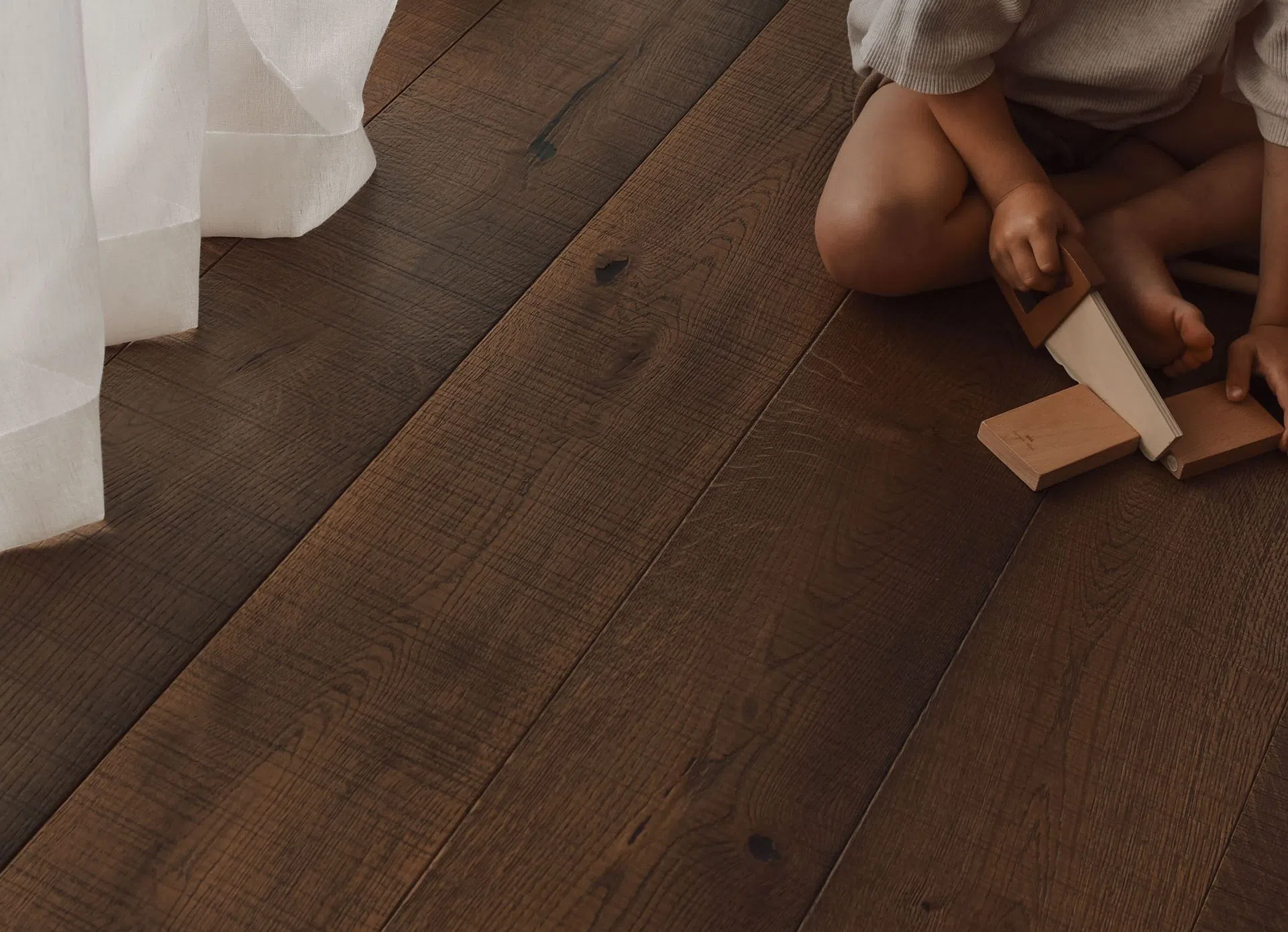

ArchiPro Asks: Getting the details right

ArchiPro Editorial Team

featuring Forté

Forté logo
  • 1.0M profile views
  • 299 saves

From installation requirements to long-term maintenance, Forté shares the practical considerations that can make all the difference when working with timber.
Featured Professionals

Written by

  • ArchiPro Editorial Team

Why is it important to resolve timber junctions and transitions early?

For us, it's about looking at how the materials connect, from flooring and cabinetry to wall panelling, skirtings and transitions.

Well-resolved details and accessible technical information give trades clear instructions and reduce the need for back-and-forth with suppliers or manufacturers over individual junctions.

In multi-residential projects, consistent junction details can also be repeated across apartments, giving trades a clear set of details to work from.

What are the key technical considerations when using timber in different applications?

Each product needs to be suitable for its intended use. That means checking fire performance for wall and ceiling linings, compatibility with underfloor heating systems, and installation requirements for wet or humid spaces.

It's also important to confirm which technical specifications, fire test reports and warranty conditions apply to the selected products.

How can inconsistencies between different timber finishes be avoided?

Tone, sheen and grain all influence how timber surfaces sit alongside one another. Even similar colours can appear quite different when one surface has a matte finish and another has a higher sheen.

Comparing actual samples together, ideally in natural light, helps establish how the materials will look once installed. Larger samples also give a clearer indication of grain, grade and colour variation.

How does timber change over time, and what should be considered from the outset?

Timber naturally changes colour through oxidation and exposure to light, while everyday use contributes to its patina. Oak may become warmer in tone, while walnut may lighten, depending on the species, finish and exposure.

Floors and cabinetry can also age differently, meaning a close initial colour match may shift over time. Lacquer finishes help protect surfaces but cannot prevent all colour change.

What are the most important things to communicate to clients at handover?

In busy homes, mid-toned floors with natural variation are generally more forgiving, while very pale or dark finishes can show dirt and wear more readily.

We recommend using the appropriate cleaner, fitting felt pads under furniture, wiping up spills promptly and avoiding steam mops. Moving rugs and furniture occasionally during the first few months can also help timber change colour more evenly.

Understanding the expected colour changes, care requirements and warranty conditions makes it easier to explain how the materials should be maintained over time.

Like this Article?
Get in touch with Forté

Credits

Next Article

Keep scrolling
A Material Thread