The unexpected market for New Zealand's leftover paint

featuring Resene

Resene logo
  • 2.3M profile views
  • 789 saves

Sales of Resene's recycled paint have risen 130% in a year, showing how a surplus material is finding new value in everyday building and renovation projects.

Visit Website

Featured Professionals

Written by

  • Alice Thompson

Paint that was once proving difficult to give away is now finding an unexpected market. In October, BRANZ reported that sales of Resene's recycled RE:Paint had increased by 130% over the previous 12 months, with approximately 160,000 litres sold. The figures offer an interesting example of how a familiar building material can find a second life.

The development began with a surplus problem. Through its PaintWise recycling programme, Resene was collecting leftover paint faster than it could redistribute it to community projects. Previous attempts at recycled paint had struggled with inconsistent quality and unpredictable drying times, raising questions about whether recovered material could become a commercially viable product.

From surplus to something useful

Working with recycling partner 3R, Resene spent a year developing RE, a paint made entirely from recovered water-based paint. Now available through selected Mitre 10 stores, the product demonstrates how an existing resource can be returned to everyday use.

The process involves sorting, checking, blending and filtering collected paint before retinting it. Around 80–90% of recovered paint is suitable for recycling, reducing the volume of usable material requiring disposal.

As Resene's national business development manager Vaughan Smidt told BRANZ, "It's already paint. That's the beauty of it."

A different approach to material reuse

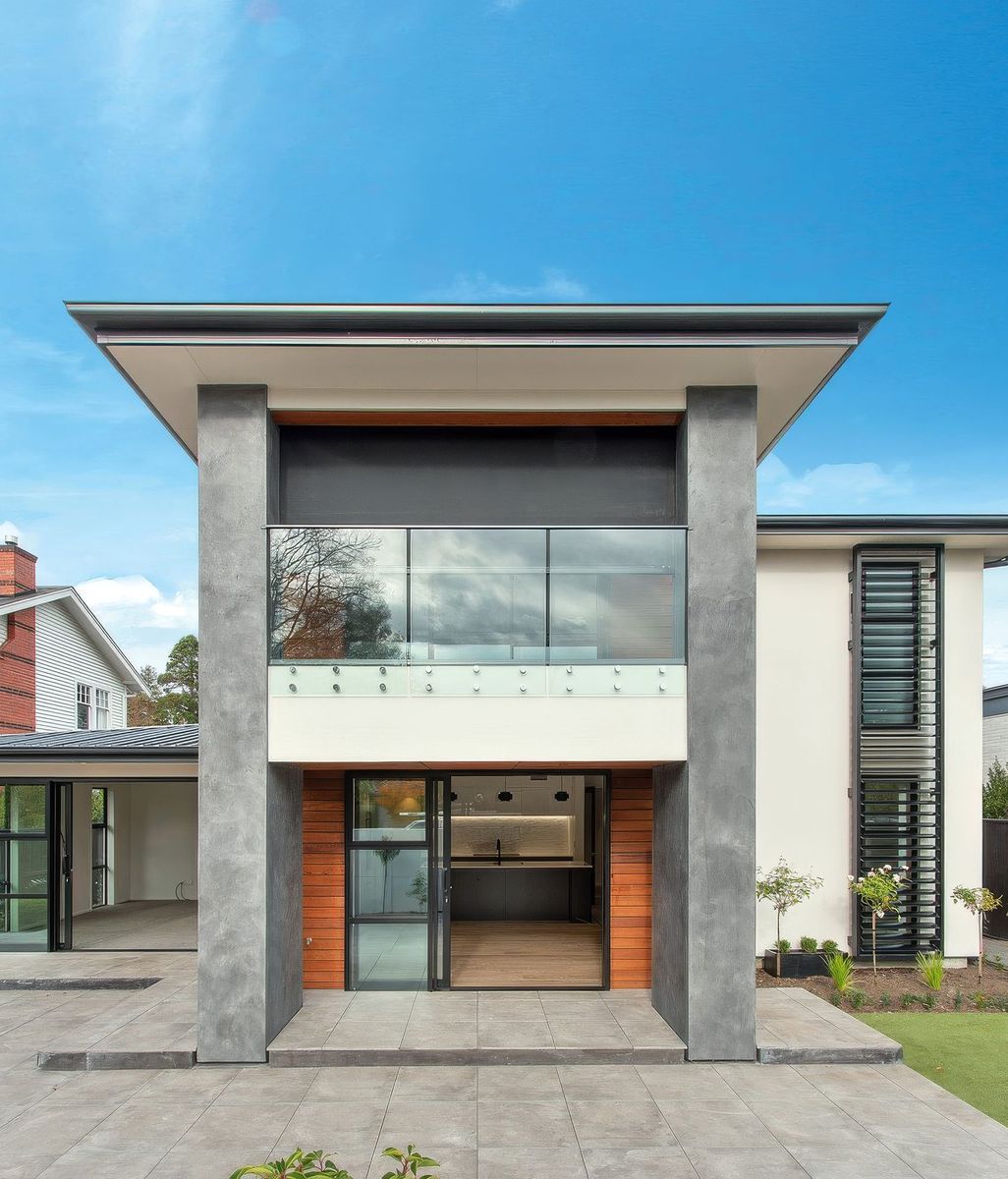
Available in five colours, RE is intended for applications including weatherboards, fences and garden walls. There are practical limitations, however. Because the product depends on recovered paint, colours can vary between batches, making consistency an important consideration for larger projects. Specialist surfaces, including roofs, flooring and wet areas, require alternative coatings.

Beyond its commercial success, the story raises a wider question about material lifecycles in the building industry. If products can be recovered, reprocessed and returned to use, waste management becomes part of a broader conversation about how materials are specified, consumed and valued.

For architects, builders and homeowners, it also reinforces the importance of understanding a product's origins alongside its intended application. On ArchiPro, Resene's wider portfolio and the exterior paints category provide context for comparing finishes, while the PaintWise programme offers a practical pathway for managing unused paint after a project is complete.

Like this Article?
Get in touch with Resene