Coating systems: Looking beyond long-term durability

featuring Dulux

© Lightforge Photography

Dulux logo
  • 344.6K profile views
  • 70 saves

For refurbishment projects or buildings that will move immediately into use, there’s a question worth asking beyond coating longevity: how well does it work during the project itself?

Visit Website

Featured Professionals

Written by

  • ArchiPro Editorial Team
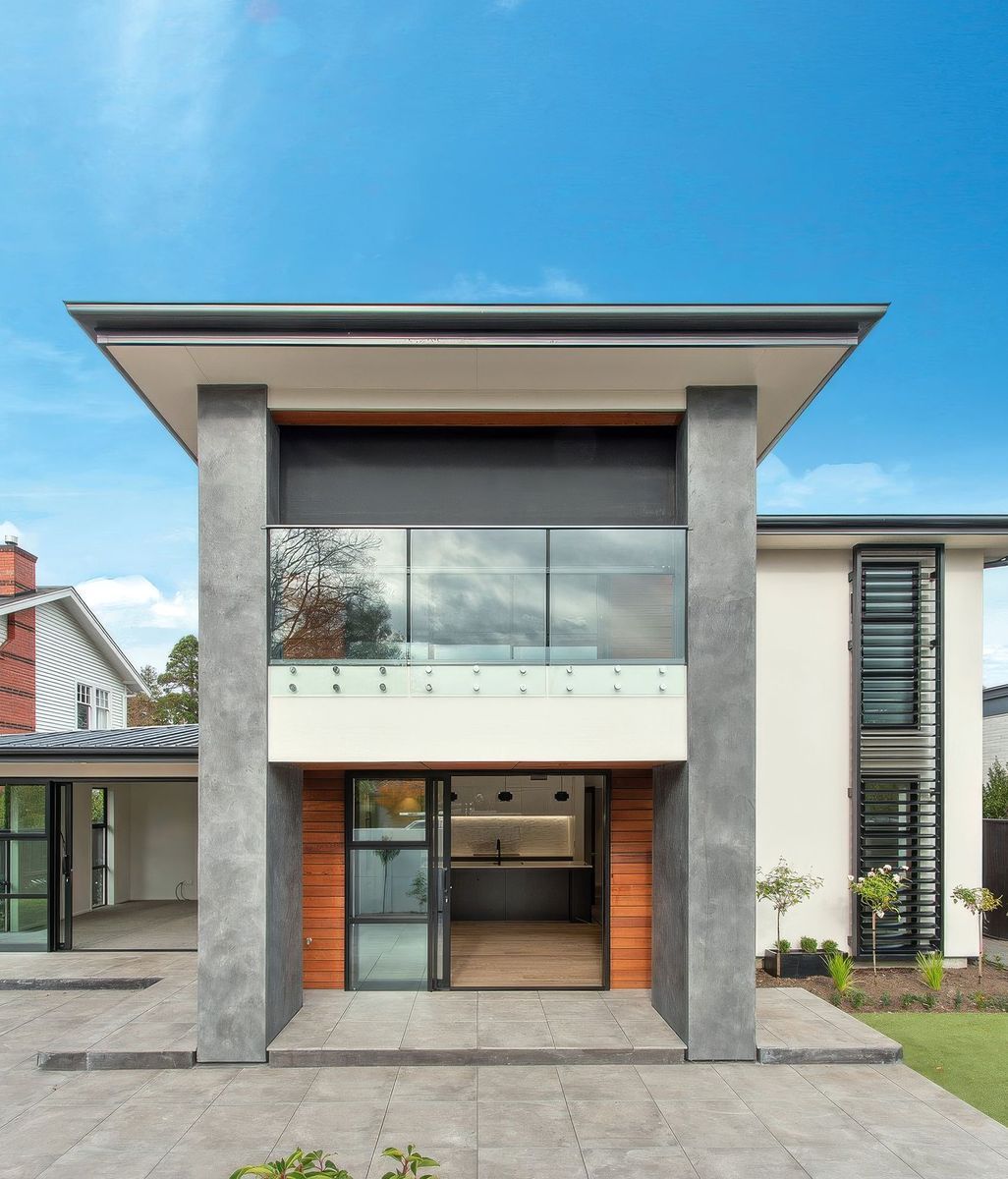
Ohope Beach School - paint by Dulux.

With more refurbishment taking place in occupied buildings and project programmes becoming increasingly compressed, the period between application of surface coatings and return to service has become an important part of coating specification. For architects and asset owners, that means looking beyond the finished surface colour to consider how a coating can support delivery, minimise disruption and make life easier long after handover.

“For many years, coating selection was largely driven by appearance and durability,” says Grieg McGrannachan, Specification and Commercial Manager at DuluxGroup. “Those things still matter, but we're increasingly seeing specifiers consider a wider range of project outcomes.”

It makes sense; a school cannot simply stop operating because its interior is being repainted, while a healthcare facility or commercial building will typically need to keep functioning around the work. Even in new projects, there is often a tight window between completing a surface and putting it into everyday use.

It makes the early performance of a coating surprisingly important. While durability is usually considered over the long-term, what happens in the first 24 hours after application can have an immediate impact on the programme.

“Specifiers often focus on how coatings will perform after five or ten years, but some of the most important performance characteristics emerge much earlier,” McGrannachan says.

For projects where a return to service is part of the brief, paint coatings need to be selected for their ability to withstand the quick turnaround.

The return-to-service question

Every project reaches a point where newly finished surfaces need to become part of everyday life again. Doors need to be closed, joinery needs to be handled and spaces need to be occupied without compromising the newly completed work. For this reason, the characteristics of a paint product can have a real impact on how quickly an asset can return to service.

“DuluxGroup has developed coating technologies that offer earlier hardness and improved resistance to damage, which means they can help reduce downtime and support building operations without compromising finish quality,” says McGrannachan.

For asset owners, this is just as important after handover. Cleanability, resistance to wear and appearance retention can all reduce the frequency or intensity of future maintenance, particularly in high-use environments.

That whole-of-life approach is becoming important as owners look beyond the initial cost of completing a project. “The value of a coating is increasingly measured not only by how it looks, but by how it supports the broader performance of the building,” says McGrannachan. 

A surface that can withstand regular cleaning and retain its appearance can help reduce the disruption associated with repeated maintenance, while also helping preserve the quality of the building.

In high-use environments, cleanability, resistance to wear and appearance retention can all reduce future maintenance.

From product to project solution

This broader way of thinking also changes the task of the specifier. Rather than considering a coating in isolation, the specification can take account of the substrate, environment, application process, programme and eventual maintenance requirements.

“A project-friendly coating supports more than the completed aesthetic outcome. It helps reduce risk during delivery, provides confidence that the design intent can be consistently achieved and minimises the burden of maintenance over time,” says McGrannachan.

Dulux Aquanamel is a great example of a surface coating ideal for a refurbishment or other time-sensitive project; its earlier hardness achieved through crosslinking technology, improved knock resistance and application performance mean the finished space can be brought quickly back into use, and maintenance is minimal. 

Looking ahead, McGrannachan expects this lifecycle approach to become increasingly important as refurbishment activity grows and buildings remain operational throughout more projects.

“I think we'll see continued movement towards lifecycle thinking. Specifiers will increasingly consider how coatings contribute to operational performance, maintenance efficiency and long-term asset management outcomes.”

It marks a real shift in the way coatings are specified, and reflects a move away from simply considering the long-term performance of the coating itself.

DuluxGroup offers a range of coating systems – from waterproofing at basement level to powder coating, textures, decorative, PC and sealants. Explore coating systems  and inspiring completed projects from Dulux


Like this Article?
Get in touch with Dulux

Credits

  • Dulux
  • ArchiPro Editorial Team

Discover More Readingin Building & Renovating