Specifying surfaces: Using paint to create depth, texture and atmosphere

featuring Porter's Paints

© Porter's Paints

Porter's Paints logo
  • 243.8K profile views
  • 92 saves

When considering paint finishes, Porter’s Paints Eggshell, Limewash, French Wash and Fresco are some of the most popular. Here’s how you can use them to shape the atmosphere of a space.

Visit Website

Featured Professionals

Written by

  • ArchiPro Editorial Team
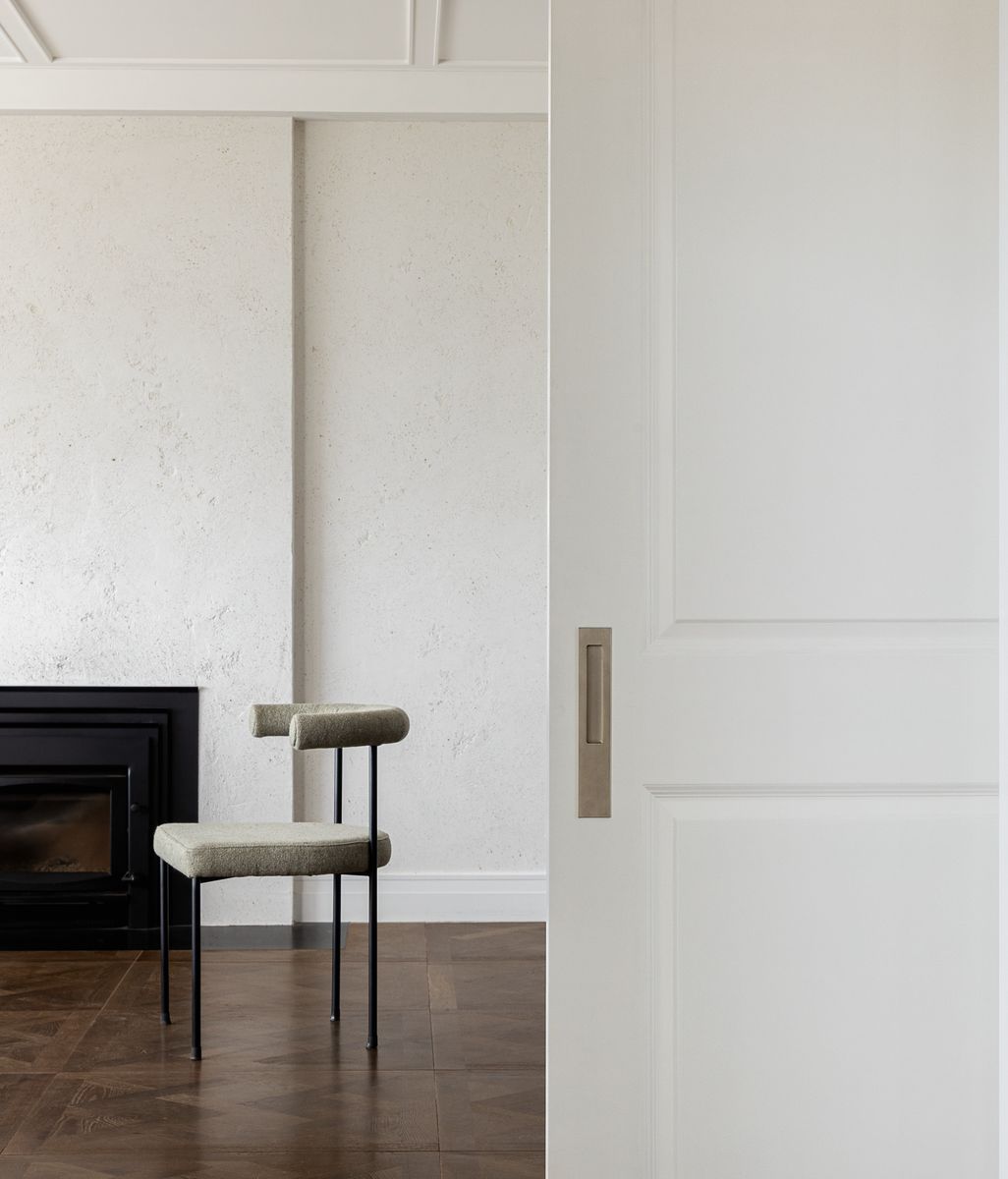
Fresco surface treatment by Porter's Paints.

Paint occupies a vast amount of surface area in any space, yet when choosing it there is far more to consider than colour. Specialist paint finishes can transform a space with expressive texture or subdue a room with a soothing surface grain – and they’re one of the simplest ways to create depth and visual impact. 

Here, Porter’s Paints New Zealand Business Development Manager Jeremy Meates shares how surface finish selection and application of textural surfaces can change the atmosphere of an interior and elevate the whole material palette.

How texture changes the character of a room

“Paint should be treated as a material – not simply a choice of colours –  because its sheen, depth, texture and response to light can influence how the entire room feels,” shares Meates. “The right choice helps connect the walls and ceilings with other materials such as stone, timber, metal and textiles, supporting the overall architectural intent.”

Even a restrained amount of variation can soften a room and make it feel more layered, while a more pronounced treatment creates movement and becomes a focal point.

“To decide whether a project calls for a subtle textural finish or something with greater texture and visual impact, you first need to start with the role the surface needs to play,” Meates says. 

“The most successful result is not necessarily the most dramatic one. It is the finish that supports the design concept and feels connected to the rest of the material palette,” he shares. 

If the architecture, furniture or natural materials are already visually strong, a quiet finish may provide the right balance. Whereas if the walls are intended to contribute to the identity of the room, greater texture or tonal movement within the surfaces will amplify them in the overall scheme.

“It is useful to think in terms of both harmony and contrast,” says Meates. “A restrained painted surface can allow heavily grained timber or strongly figured stone to remain dominant. In a more minimal palette, a finish with subtle movement can prevent the room from feeling overly flat.”

Porter's Paints Fresco offers handcrafted expression.

Textured and tonal finishes can also form a visual bridge between materials. They can soften the transition between hard and tactile surfaces or echo the natural variation found in timber, stone and woven fabrics.

“The aim is not for every material to compete for attention. A successful interior usually has a hierarchy, with some surfaces leading and others providing depth and continuity.”

Light also needs to be considered, because how it behaves has an impact on which surface coating is better suited to enhance a space, says Meates.

“A flatter, more uniform surface responds consistently to light, whereas a finish with tonal or textural variation changes as natural and artificial light move across it.” The more expressive that texture, the more the effect of the light on the surface is amplified, bringing a sense of depth and atmosphere to the space. 

And beware if you’re simply selecting a textured surface to distract from imperfections; there’s a common misconception that it will conceal them. 

“Because these treatments interact with light and surface variation,” says Meates, “they may instead make aspects of the substrate more visible, which is why good preparation is essential.”

The most popular surface treatments and what they offer

Each decorative treatment has a different effect, from restrained and uniform to layered and expressive. Specifying the right paint should be based on the substrate, intended appearance, application environment and to fit within the overall design concept. Porter’s Paints offers a range of decorative finishes that are suitable for a vast range of applications. Here are some of the most popular: 

Eggshell provides a smooth, refined finish with a matte sheen. It’s useful where designers want an understated, polished surface that complements the surrounding materials without becoming a feature in its own right.

The natural lime in Interno Lime Wash creates blooming in the colour, giving a soft, ultra-matte appearance. “By minimising reflection, it can give colour a sense of depth and support calm, contemporary interiors in which architectural form is the focus,” says Meates. 

French Wash introduces tonal variation and subtle movement through its layered application. It works well when the intention is to add softness and character without creating a heavily textured surface.

Fresco offers a more pronounced, handcrafted expression. When trowelled and then polished, its texture and movement allow the wall to become an active part of the design, with the finished surface changing in response to light and viewing angle.

Interno Lime Wash lime blooms create soft surface expression.

Practical considerations when specifying textured finishes

When sampling textured surface paints, scale and lighting matter. A finish sampled on a small board can appear quite different when applied across a large wall, so it’s important to view samples in the intended space, under the lighting conditions the surface will experience throughout the day.

“Sampling should be part of the specification process rather than treated as a final colour check. Ideally, the sample should show the proposed colour, finish and application technique at a meaningful scale and under the project’s actual lighting conditions,” says Meates. 

Designers should also consider the function of the room, expected levels of contact and wear, cleaning requirements and the ability to repair or refresh the surface over time. The selected finish needs to satisfy both the visual intent and the practical demands of the space.

The right finish can turn paint from a backdrop into a material in its own right, adding depth, responding to light and giving the room a more considered sense of atmosphere. 

Explore decorative surface finishes from Porter’s Paints or explore projects using decorative surface finishes

Porter's Paint Eggshell acrylic paint wood smoke.

Credits

Discover More Readingin Building & Renovating