The future of home design is holistic

featuring Bob Burnett Architecture

Bob Burnett Architecture logo
  • 116.7K profile views
  • 34 saves

From New Zealand's first 10 Homestar-rated homes to carbon-negative housing, Bob Burnett Architecture continues to redefine what a high-performance home can be.

Visit Website

Featured Professionals

Written by
  • Joanna Seton

For more than 25 years, Christchurch-based Bob Burnett Architecture has been challenging conventional ideas about residential design in New Zealand. Long before high-performance homes became part of the mainstream conversation, the practice was designing warm, energy-efficient houses that prioritised both environmental responsibility and human wellbeing.

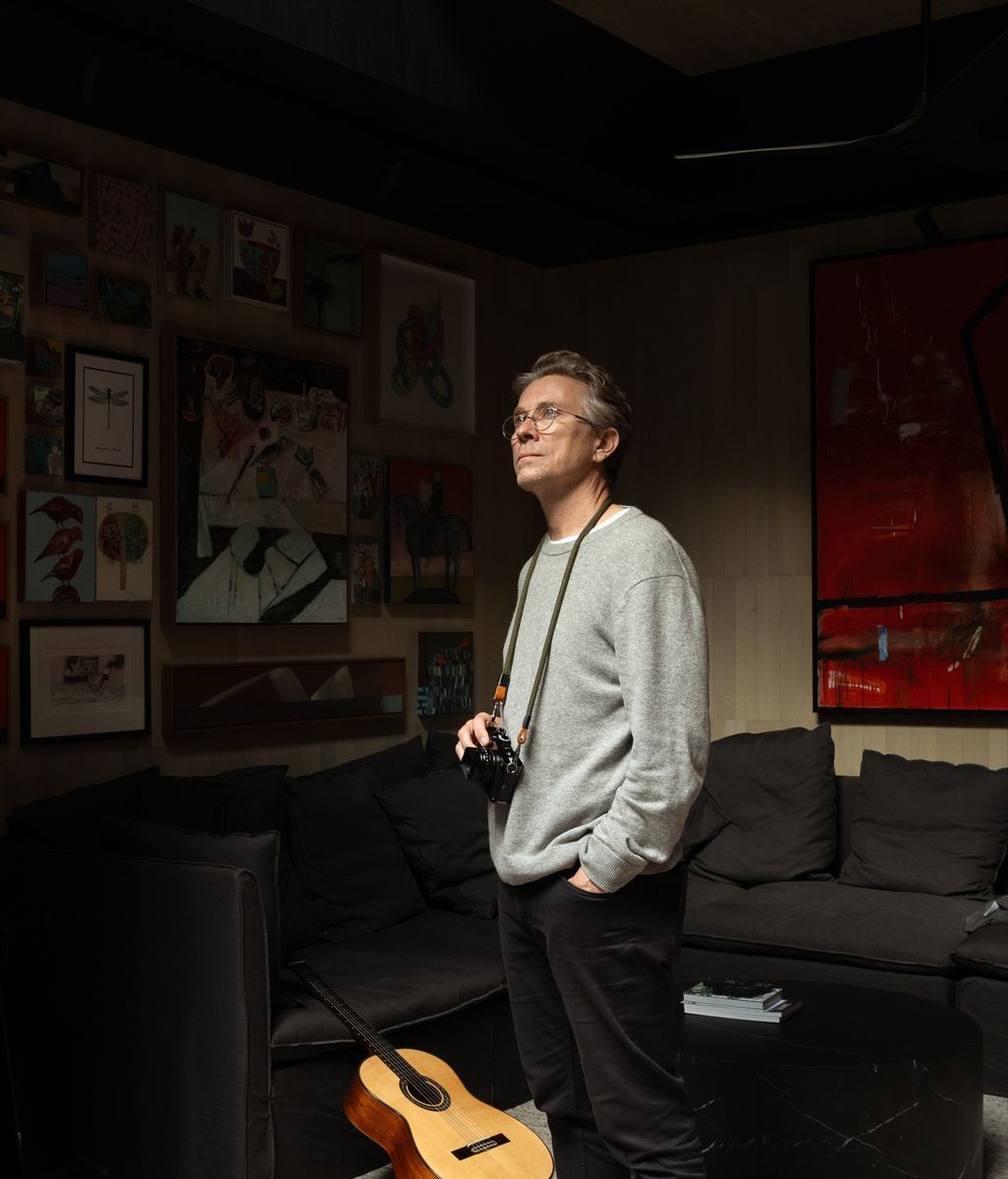
Founded by architectural designer Bob Burnett in 2000, the practice emerged from an unusual combination of influences. After working exclusively on large-scale commercial projects at Warren & Mahoney, Burnett took a different path when he established his own studio alongside his wife, Japanese architect Shizuka Yasui.

"She had spent five years designing residential architecture in Japan, while I had worked predominantly on commercial projects," says Burnett. "When we started the practice together, we focused entirely on housing, but it was sustainable housing from the beginning."

That focus has remained constant ever since.

Today, Bob Burnett Architecture is recognised for its high-performance Superhomes, a holistic design approach that combines sustainability, energy efficiency, accessibility and architectural quality. While many practices treat these as separate considerations, Burnett sees them as inseparable.

"We're really asking one question," he explains. "How can we create great places for people to live while having the lightest possible impact on the environment?"

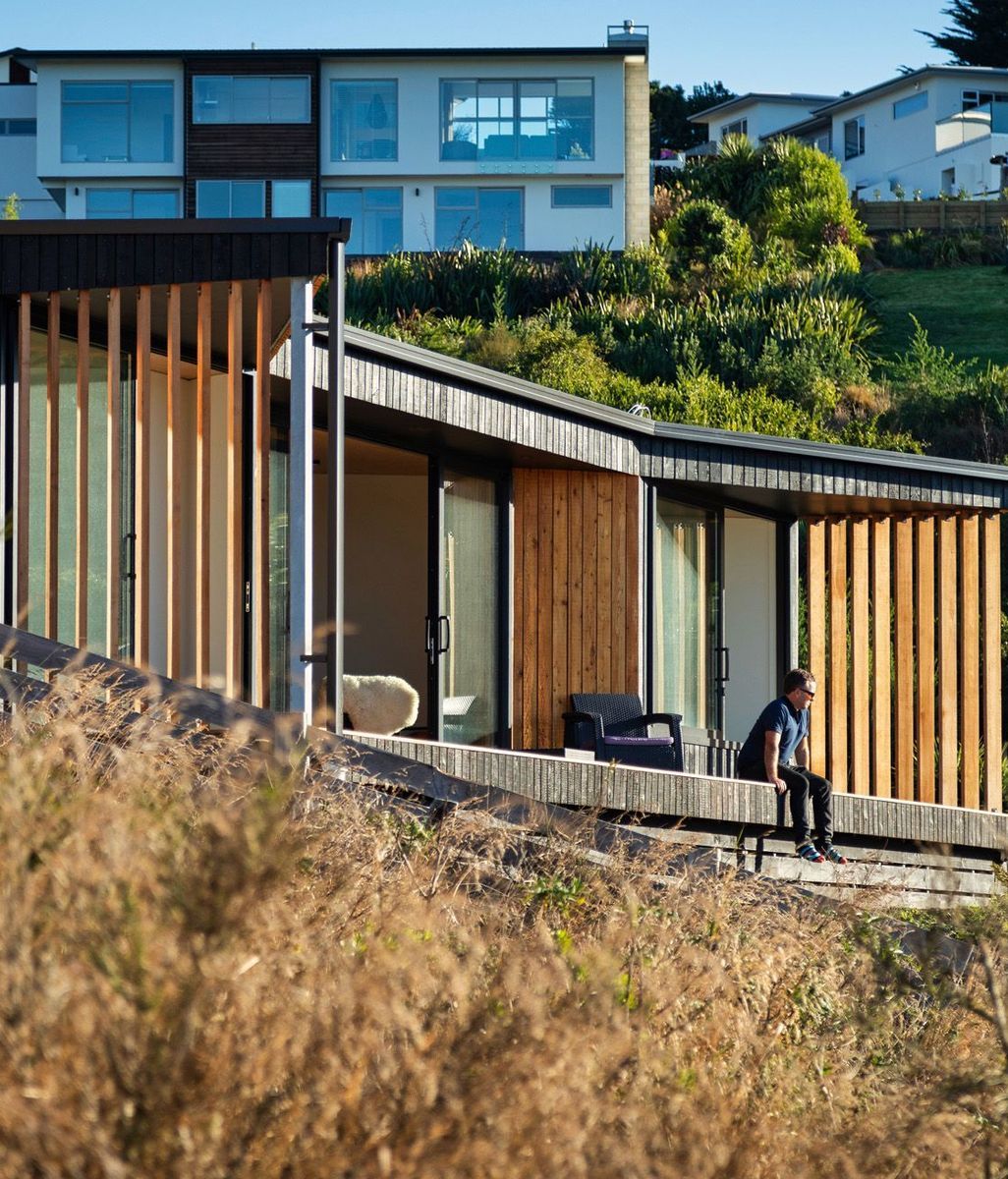
This modern reinterpretation of the Californian bungalow combined with a significant Japanese influence.incorporates timeless and enduring architecture, with the addition of the latest building technologies and techniques to create a comfortable, energy-efficient, sustainable home.


Japanese thinking, New Zealand homes


Although many of the practice's projects display subtle Japanese influences, Burnett says the real impact comes from the underlying philosophy rather than any particular aesthetic.

"I've always been fascinated by Japanese architecture, not just because of how it looks, but because of the thinking behind it," he says.

Two concepts in particular continue to influence the studio's work. The first is Shinrin-yoku, often translated as "forest bathing", which describes the Japanese practice of immersing oneself in nature for restoration and wellbeing.

The second is a concept concerned with blurring the boundaries between architecture and landscape.

"One of the challenges is creating a high-performance home that feels deeply connected to nature," says Burnett. "You want the thermal comfort, air quality and performance of a modern home, while still maintaining that relationship with the outdoors."

This philosophy can be seen across the practice's portfolio, where generous glazing, carefully framed views and covered outdoor spaces create a strong dialogue between inside and out.

Balmoral Otautahi by Bob Burnett Architecture.

What makes a Superhome?

The term "Superhome" has become synonymous with the practice, but Burnett is quick to point out that it extends well beyond energy efficiency.


The firm completed New Zealand's first 10 Homestar-rated home and has extensive experience with Passive House principles. However, Superhomes were developed as a broader framework that considers the full lifecycle of a building and the experience of living within it.

"Passive House is primarily focused on energy performance, which is important," says Burnett. "But Superhomes also consider sustainability, low-carbon materials, accessibility, water use, healthy interiors and good design."

The approach is deliberately practical rather than prescriptive.

"A lot of people get intimidated by certifications and technical standards. Our philosophy is to keep it super simple. If something is well-designed and thoughtfully considered, it can be beautiful, sustainable and high-performing without becoming overly complicated."

Beauty itself is considered an essential component.

Burnett references the Living Building Challenge, which includes beauty as one of its core principles.

"I've always liked the idea that if something isn't beautiful, it's not finished," he says. "And that’s what Superhomes are really about: bringing together beauty and performance.”

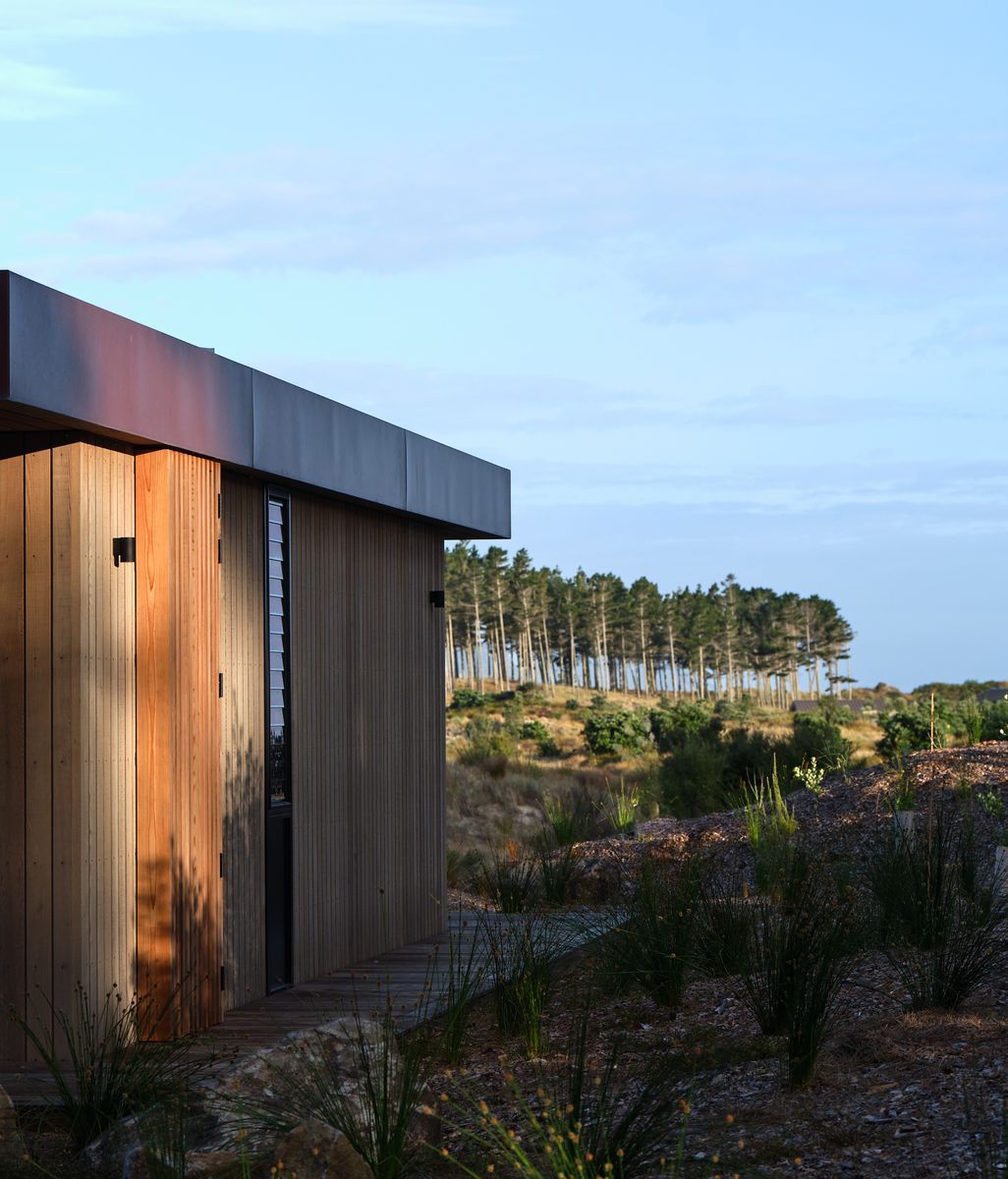
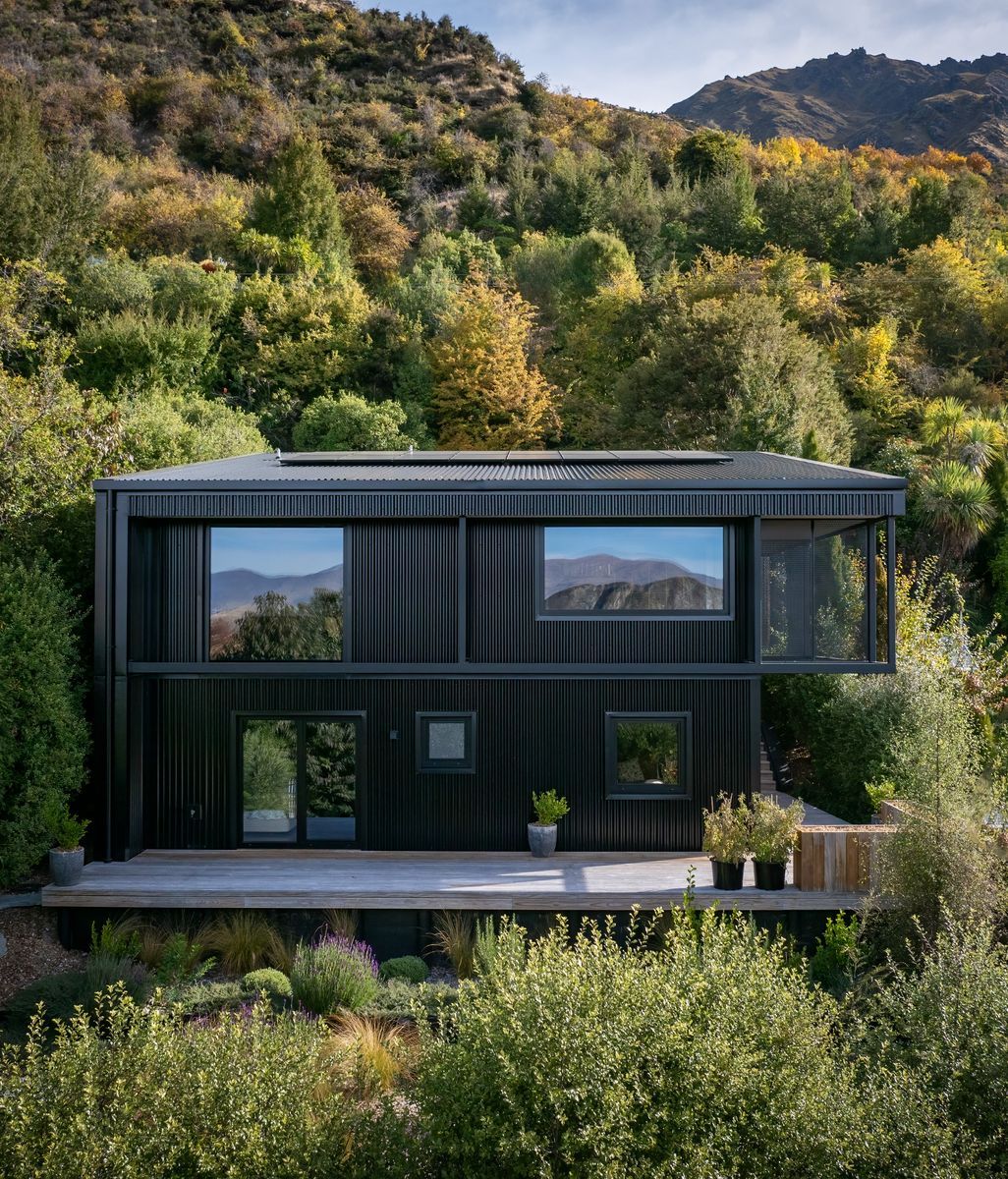
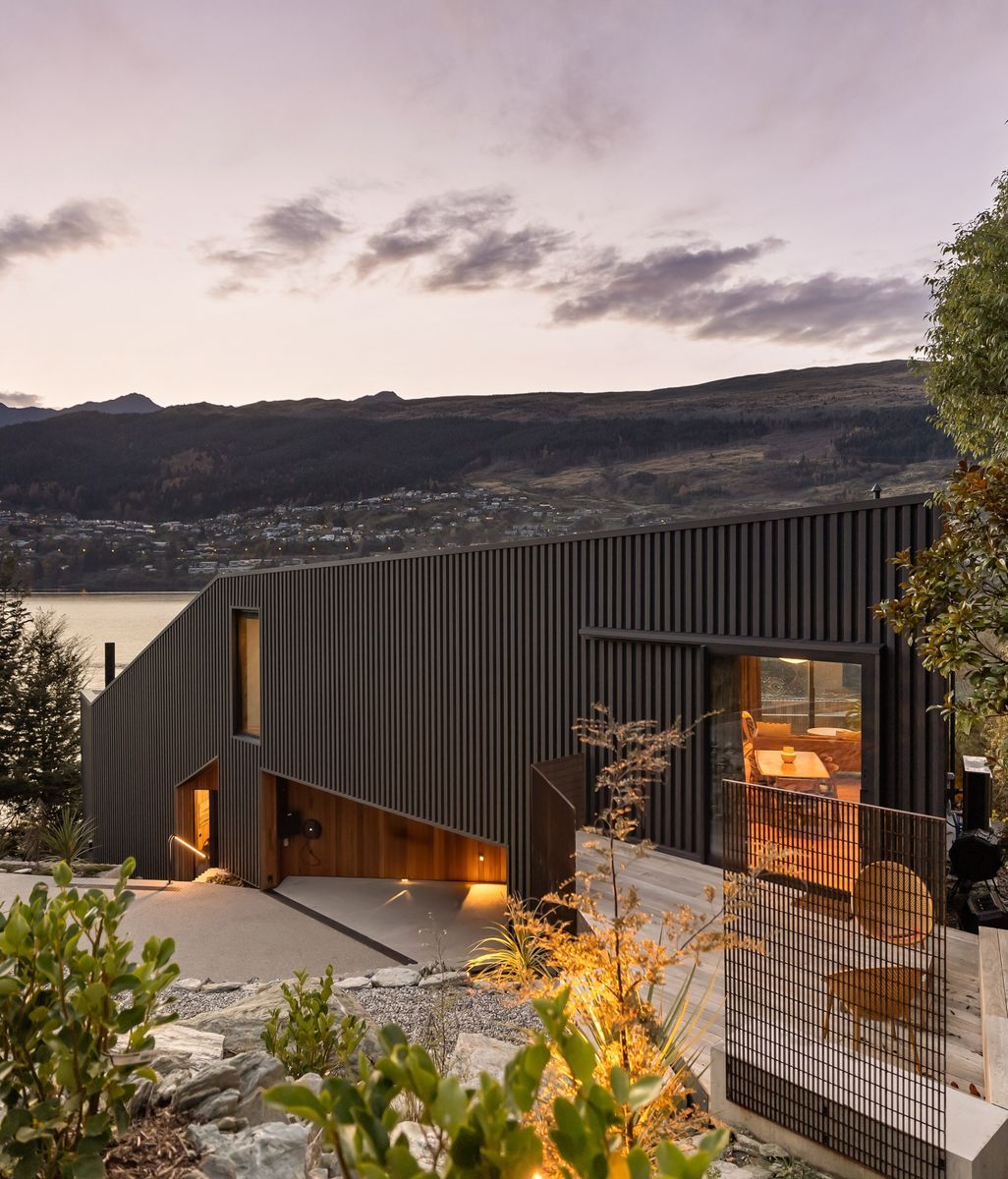
The site and surroundings inspired the natural and recycled material palette including in the Barry's Bay House by Bob Burnett Architecture.

Looking ahead

Among the practice's most exciting current projects is Plateau, a carefully considered residential development in Hokitika.

Set within regenerating native bush on the site of a former gold mine, the project draws heavily on Japanese concepts of restoration and connection to nature. Large sections, native planting and carefully controlled design guidelines aim to create homes that sit lightly within the landscape.

The practice is also exploring new territory through a carbon-negative residential development in Christchurch. The project comprises four standalone homes on a site previously occupied by a single villa, which was relocated and restored rather than demolished.

The move reflects the studio's broader commitment to reducing embodied carbon alongside operational energy use.

"We originally set out to create a zero-carbon home, but we actually achieved a carbon-negative outcome," says Burnett. 

One of the most significant design decisions was surprisingly simple: replacing a conventional concrete slab with a timber floor structure.

"It's a bit like going back to the future," he says. "In some ways, we're revisiting traditional building methods, but applying modern performance thinking to them."

As conversations around sustainability continue to evolve, Bob Burnett Architecture remains focused on balancing innovation with simplicity. 

"If we can bring together performance, sustainability and good design," he says, "then we're creating homes that genuinely improve people's lives."

Building should be exciting, not exhausting. ArchiPro brings together projects, products and professionals in one place so you can move from dreaming to doing with confidence. Whether you're an architect specifying materials or a homeowner planning a renovation, ArchiPro connects you with trusted suppliers and professionals.  


Discover More Readingin Ideas & Perspectives