Where the details of a timber floor begin
Written by
27 September 2026
•
4 min read

What often goes unnoticed, too, is the careful process that begins long before a single board of flooring is laid.
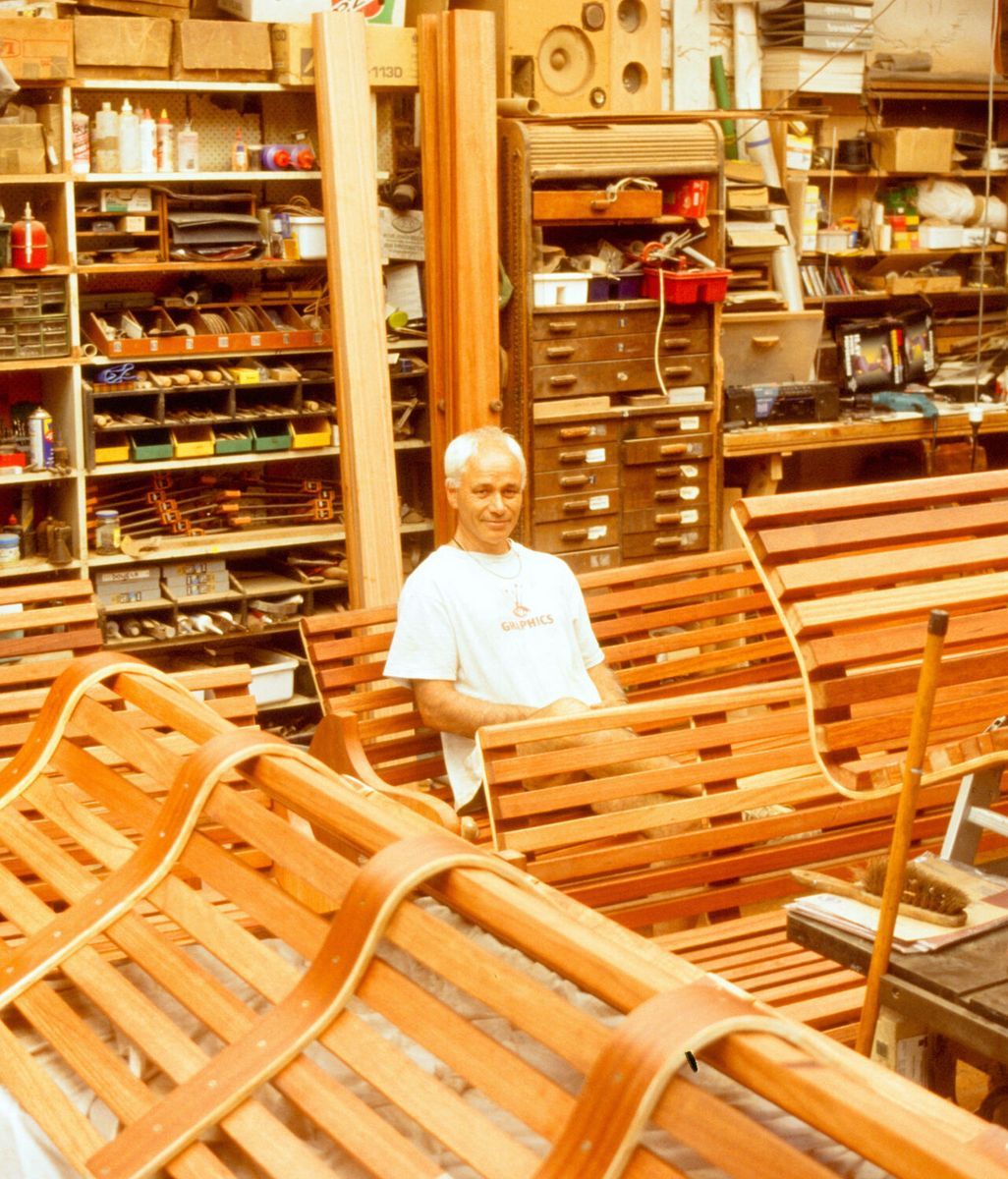
This is something The Wooden Floor Company’s Erin and Jon Denny are well familiar with. Leading a small workshop team of just two, alongside their installation teams, the duo took over the small family business in 2019. With a history of close to 40 years, what has endured for the brand isn’t necessarily a particular range of flooring or a way of working. It’s an understanding of the material and the level of care needed to make a finished floor look effortless.
It’s in the workshop where this begins. Crafting their own stair nosings, the team uses the engineered flooring itself rather than introducing a separate piece of timber that needs to be colour-matched. If an oak floor has been specified, for example, the same oak planks can be used to create the nosing, helping the detail sit seamlessly within the rest of the flooring.
The process to make these nosings combines machinery with a considerable amount of hand finishing. The flooring timber is cut to length and mitred, with the edges routed to create a subtle nose. Rather than a traditional, rounded bullnose, the profile is more contemporary with a squarer silhouette. The edges are then filled, coloured and sealed for durability.
“It’s very manual in terms of hand finishing, banding and colouring,” shares Jon.


It’s a level of detailing that shows in the team’s completed work.
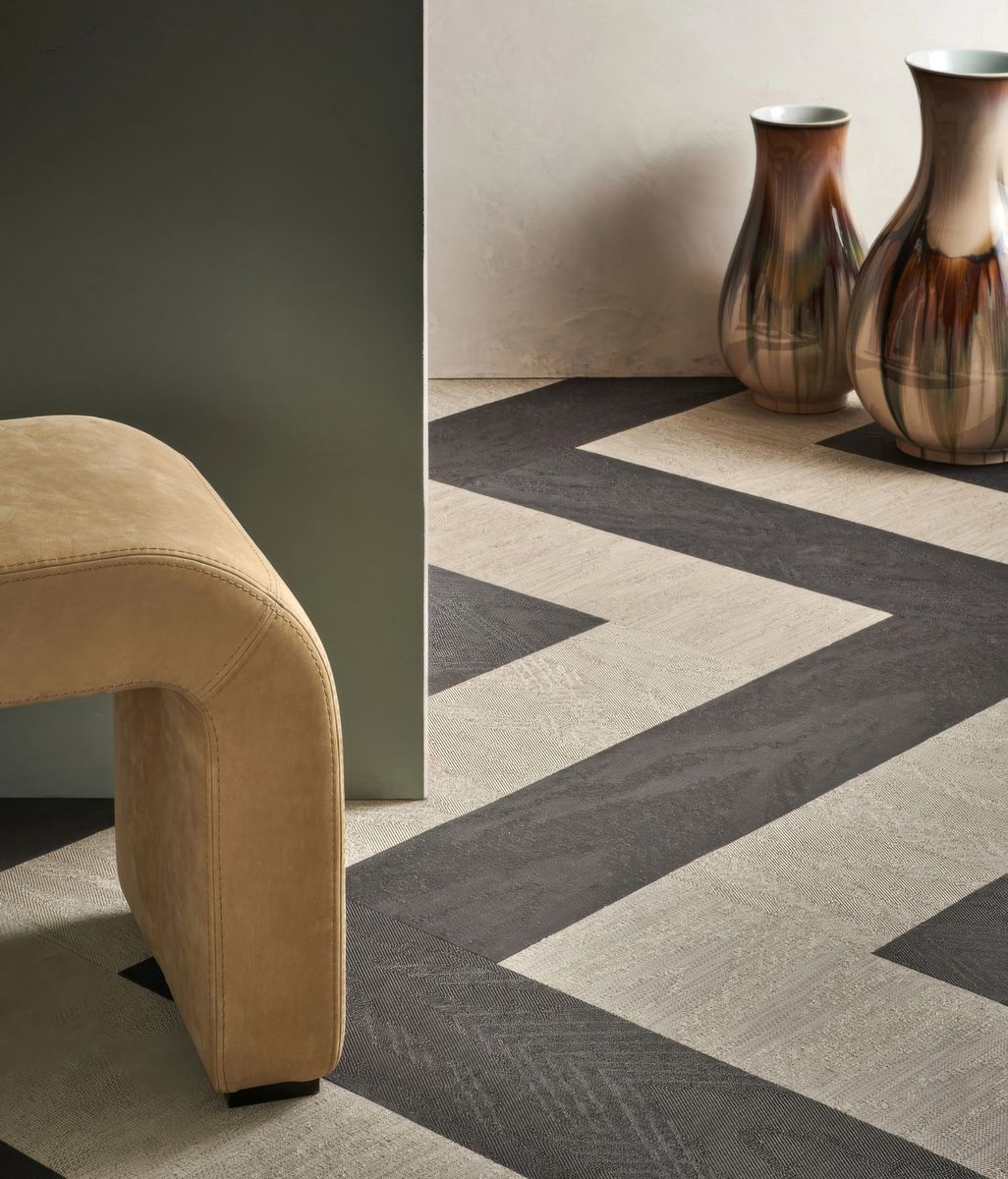
For a recent commercial showroom project completed for Cartier, approximately 100sqm of American white oak was carefully prepared in the workshop before arriving for installation. Placed in a chevron pattern, the layout itself required precision, with the curved borders and skirtings adding another layer of complexity.
“It’s one of those things that takes a bit of care and a bit of time,” says Jon. “You can’t rush.”
Even for smaller projects, this philosophy remains. Working with each timber’s knots, grain and colour variation can mean careful planning.
For Jon, helping clients understand the character of this natural material is an important part of the process. It’s why a sample of the flooring can only ever tell part of the story. A sample provides an indication of colour and character, but it can’t necessarily convey how those variations will come together across an entire room.
“Sometimes people come in, see the floor and change their mind about what they like.”

Sometimes, people will also be in search of the same flooring they had installed in their home years ago. With The Wooden Floor Company using the same engineered timber flooring from Sweden and Europe for more than three decades, customers can continue the same finish throughout their home when renovating or extending.
For a material that can remain in a home for decades, that continuity matters. A renovation or extension doesn’t necessarily mean replacing what is already there.
But the timber itself is only one part of the equation. How it’s prepared, what it’s installed onto, the method used to fix it in place and how the finer details are resolved all contribute to the result. By the time the final board is in place, the material selection, preparation in the workshop and every small decision made along the way is easy to miss when looking at a completed floor.
For The Wooden Floor Company, making it look effortless is the result of knowing the material, respecting the process and paying attention to the details that most people may never see.
On ArchiPro, discover the projects The Wooden Floor Company has been involved in. These spaces can be explored as completed design projects with the architects, interior designers, builders and brands behind them brought into view.