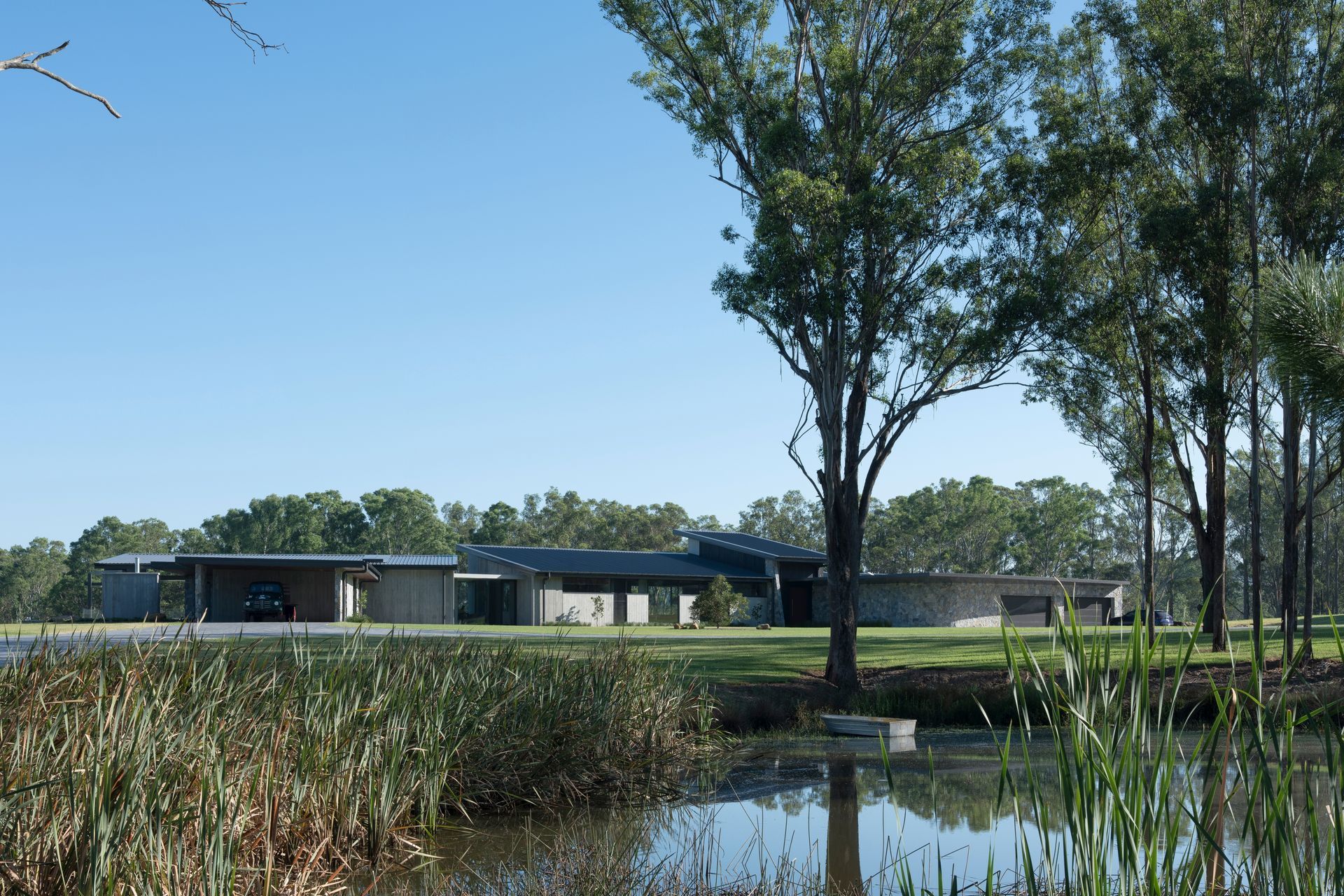
A home designed for generations in the Southern Highlands
For one Sydney couple, the move to a 100-acre cattle farm in Sutton Forest was about far more than leaving the city behind. Having already spent years tending a smaller hobby farm on Sydney’s outskirts, they were ready to fully commit to a new way of life. This was the big move: a permanent relocation to the Southern Highlands, the beginning of their future as cattle farmers, and the chance to create a home that would become the centre of family life for decades to come.
Designed by J Mammone Architecture, the house was conceived as a true multigenerational base. Their children were grown and beginning families of their own, and the couple wanted a place where everyone could gather. A home large enough for grandchildren to stay the weekend, for long lunches to turn into evenings, and for life’s biggest milestones to unfold against the backdrop of the rolling rural landscape.
“They wanted it to be a home that becomes a base for everyone,” says Joseph Mammone. “It was the place where the whole family could come together and create that new home for the long term.”
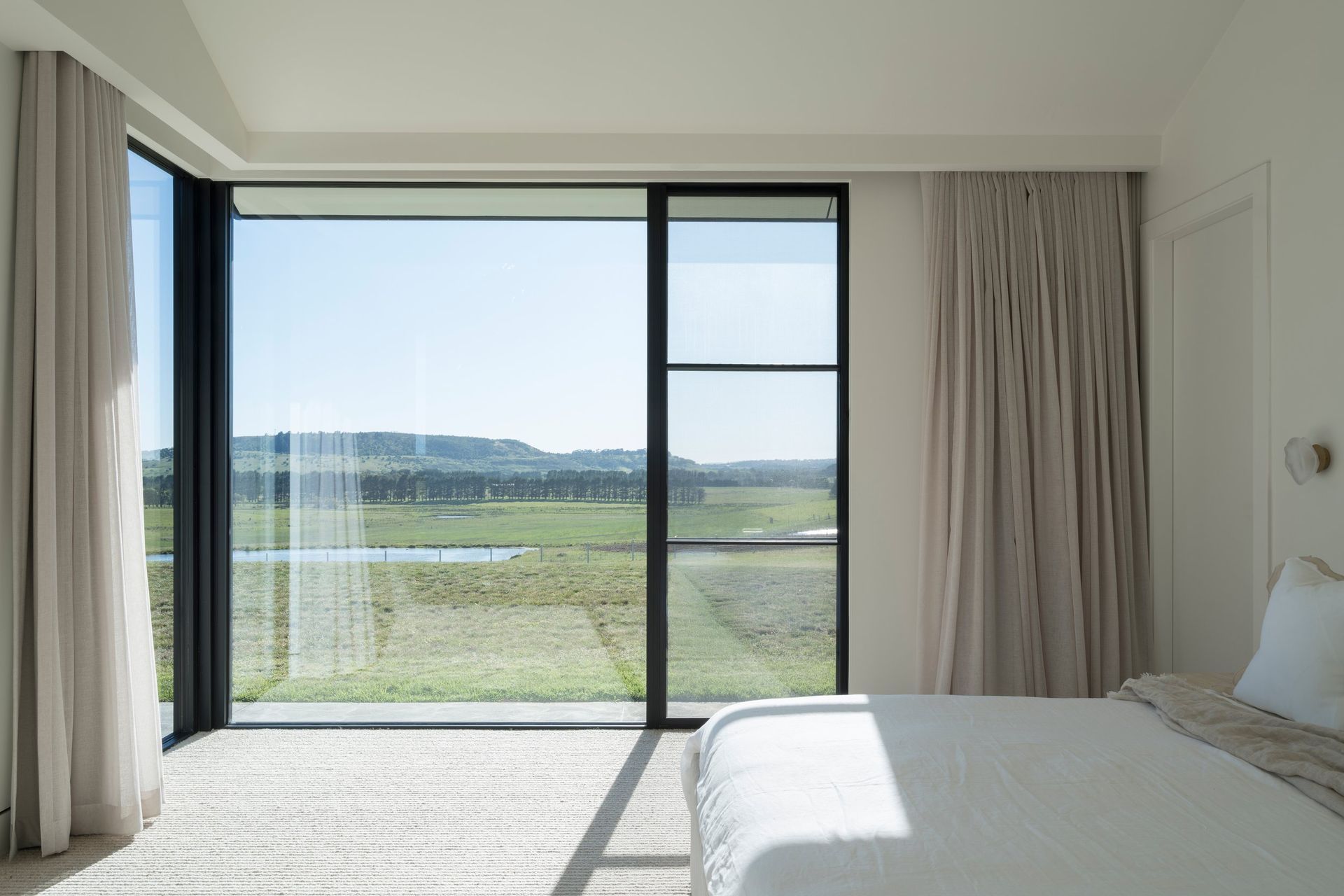
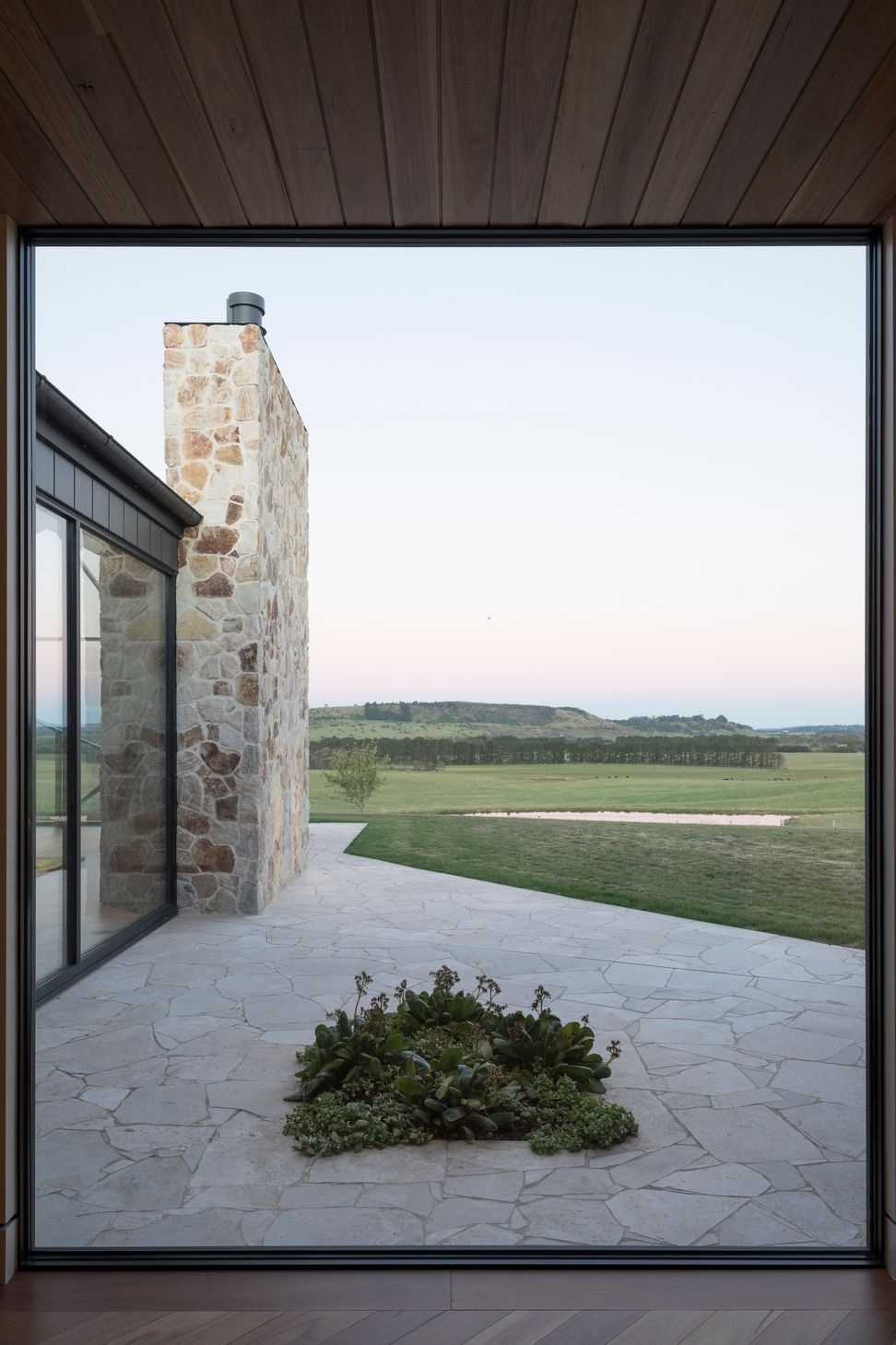
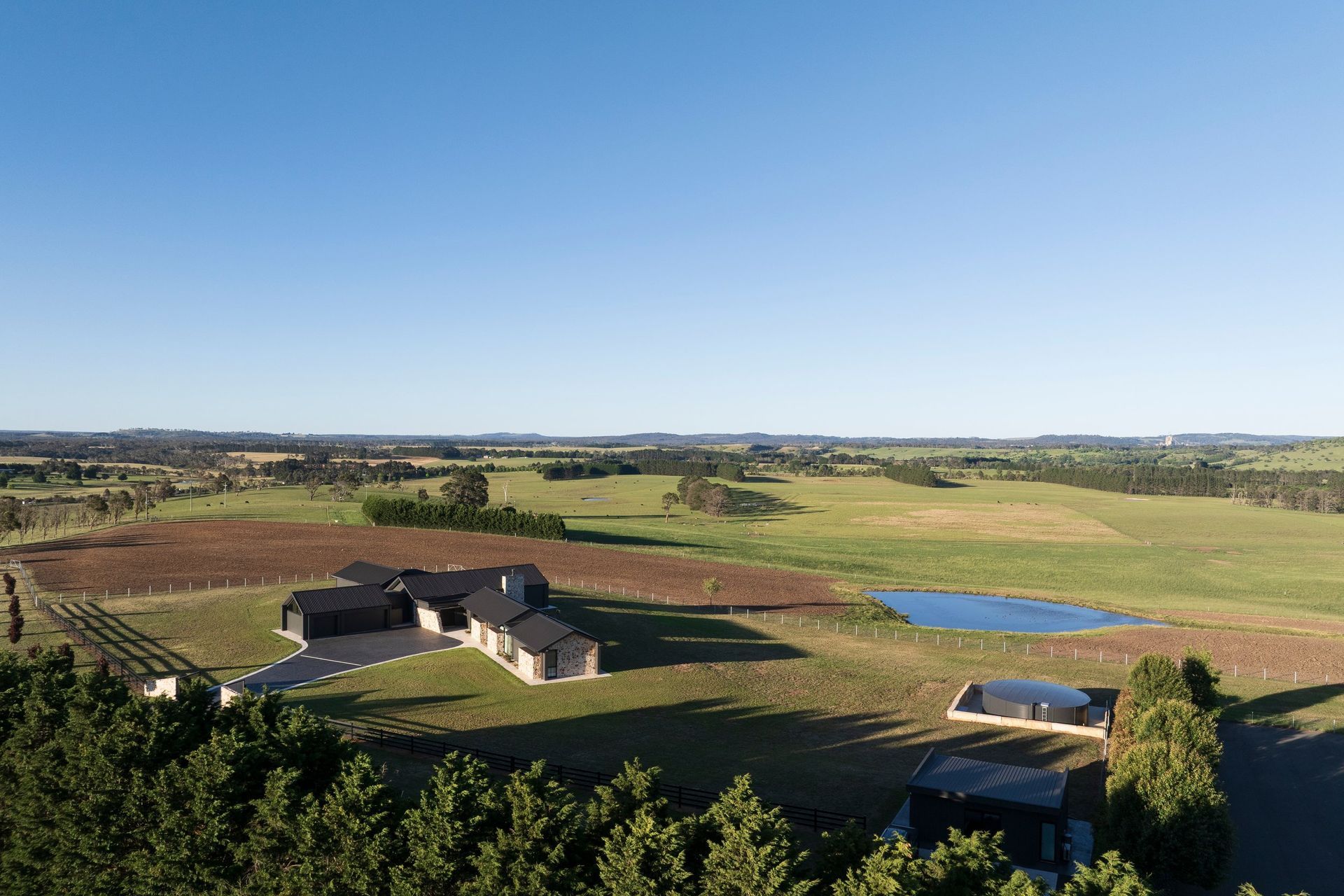
The setting is undeniably beautiful. Positioned deep within the Southern Highlands, the property unfolds across vast open pastureland, with uninterrupted views over softly undulating hills and a large dam that anchors the site. But building here came with challenges. Fierce prevailing winds sweep in from the west, while winters regularly fall below zero before giving way to intense summer heat.
“In the Highlands, because there’s big rolling hills and it’s quite open, the prevailing westerly winds are really strong,” Mammone explains.
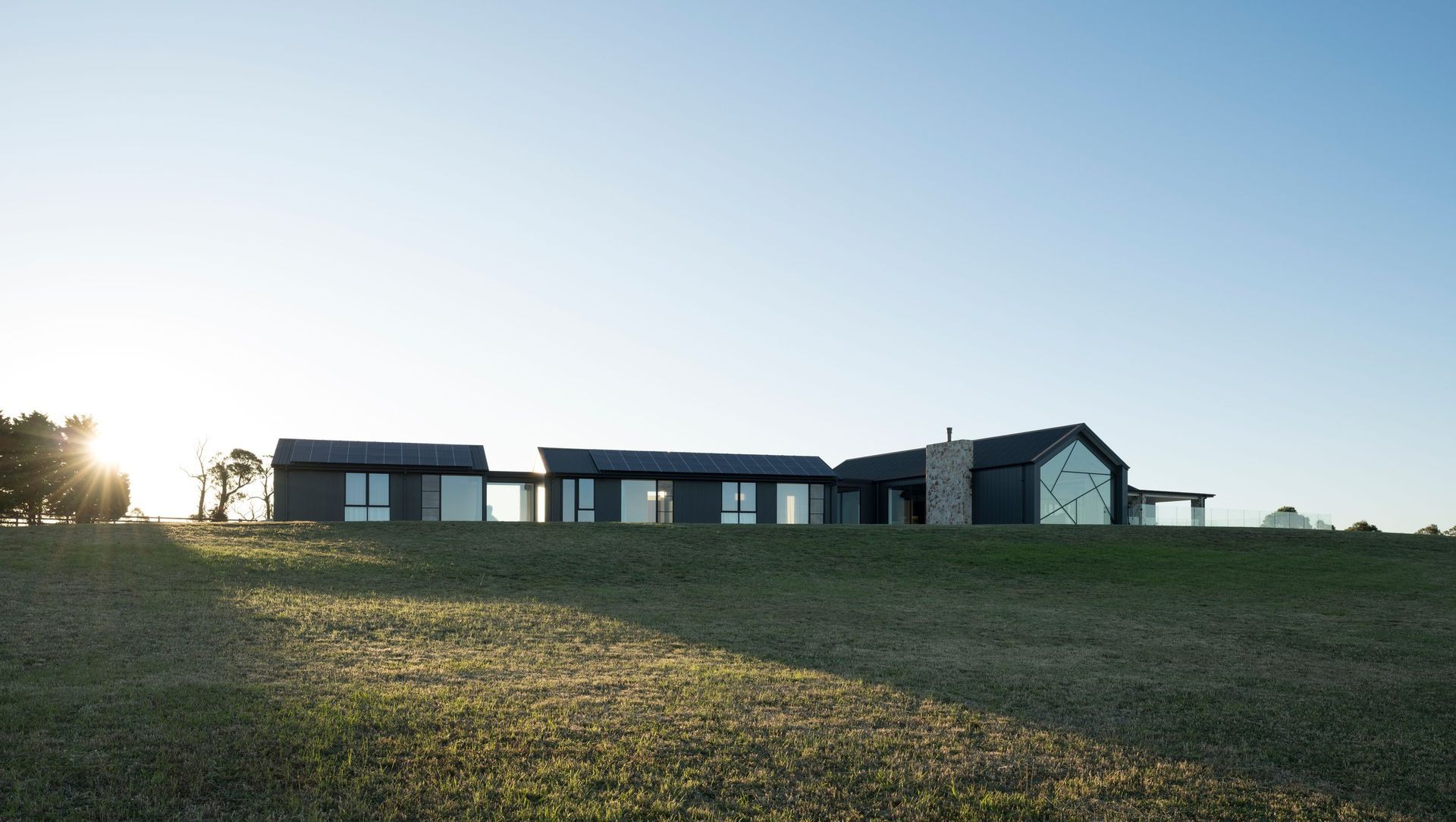
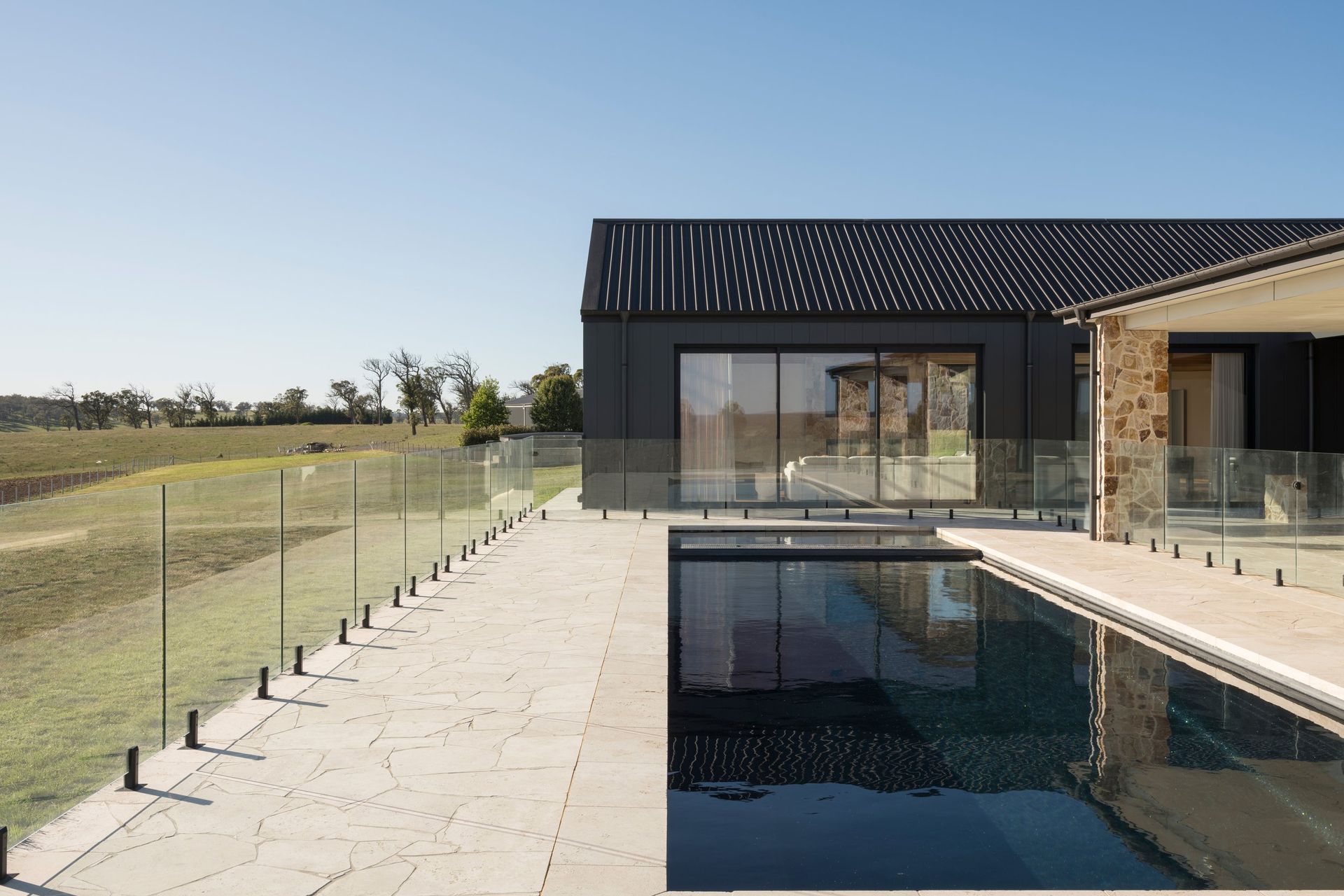
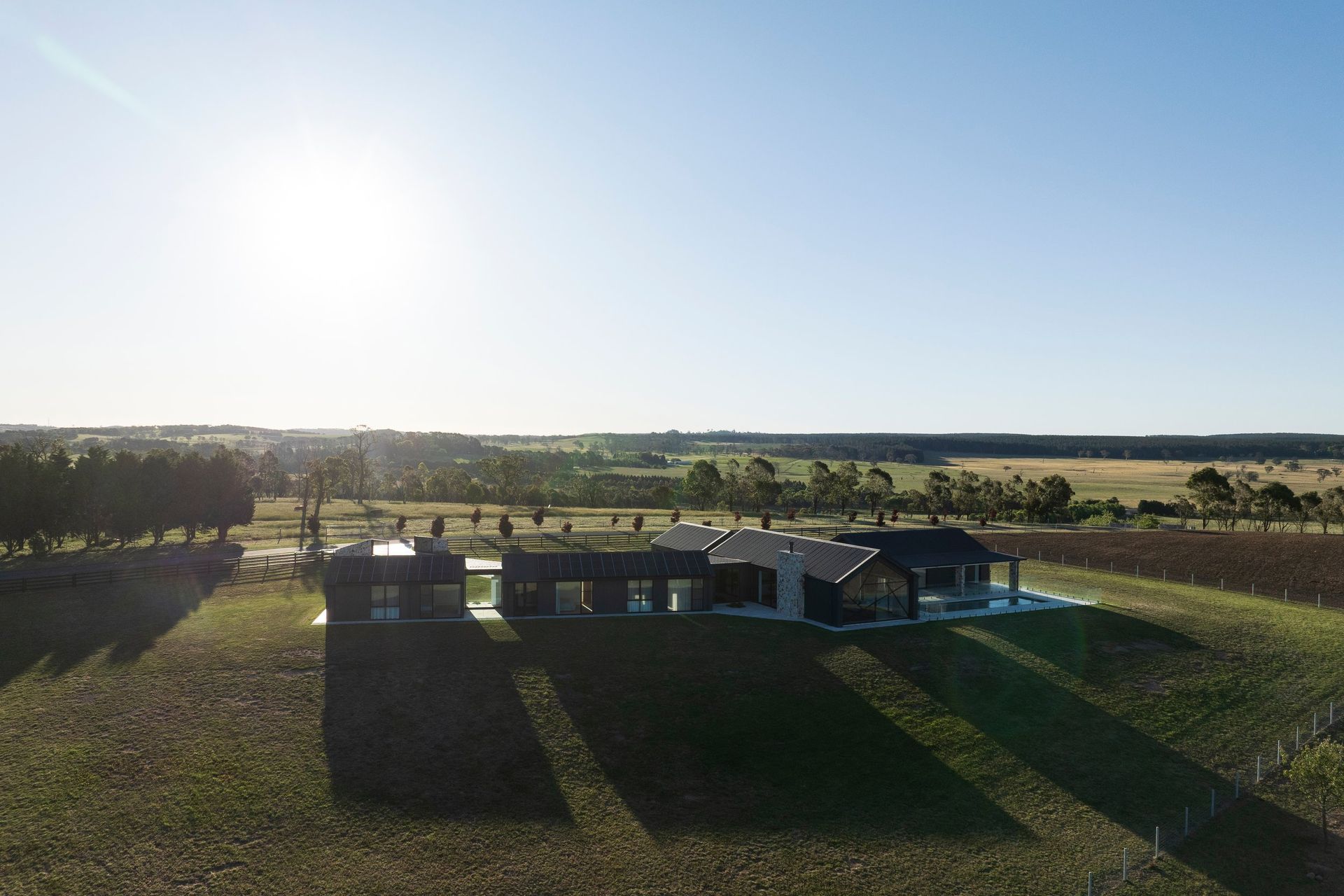
Those environmental conditions shaped the architecture from the outset. Outdoor entertaining areas and the pool are carefully sheltered, while the home itself opens towards the northeast to capture warmth, light and the expansive rural outlook. The resulting form feels calm and deeply settled within the landscape.
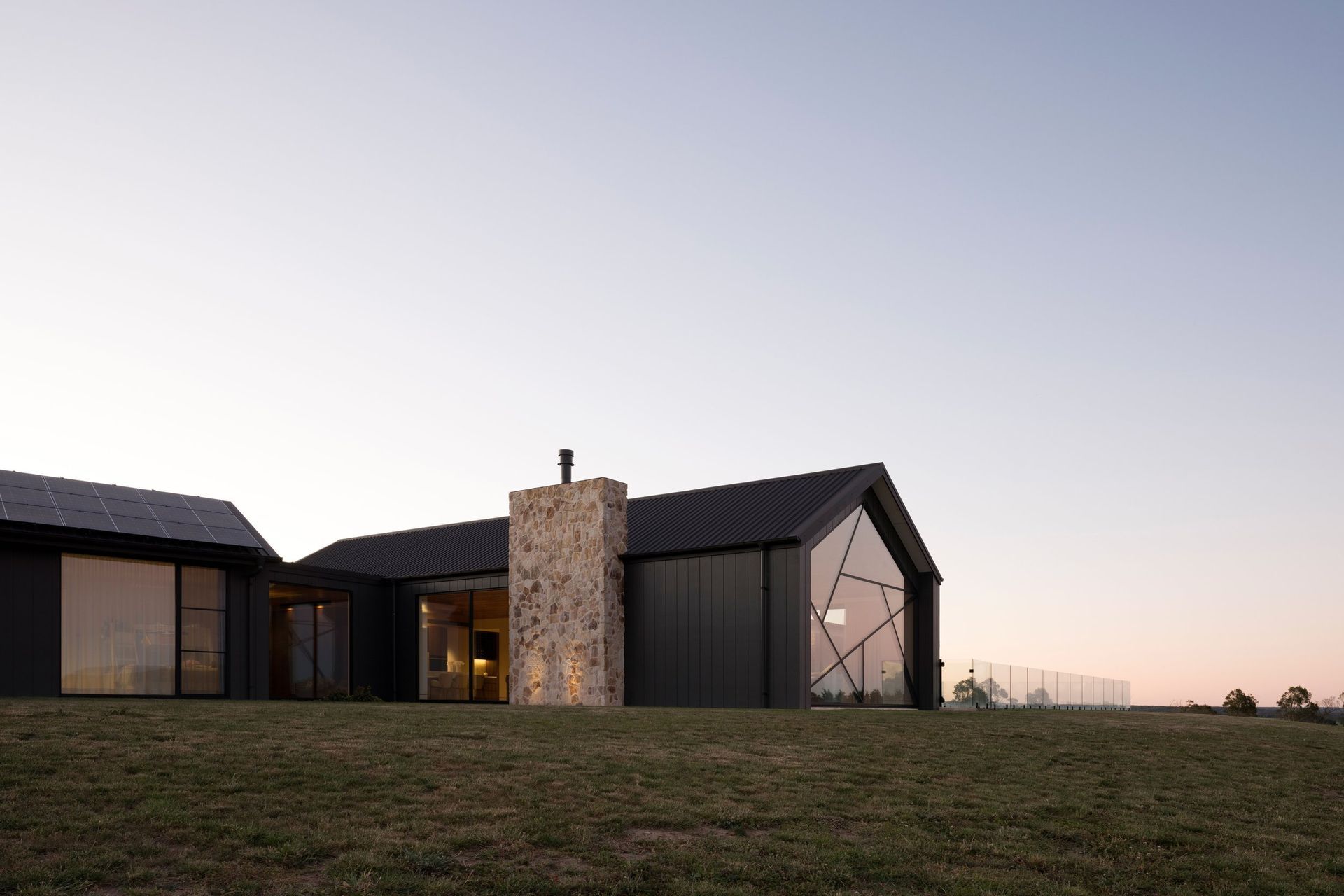
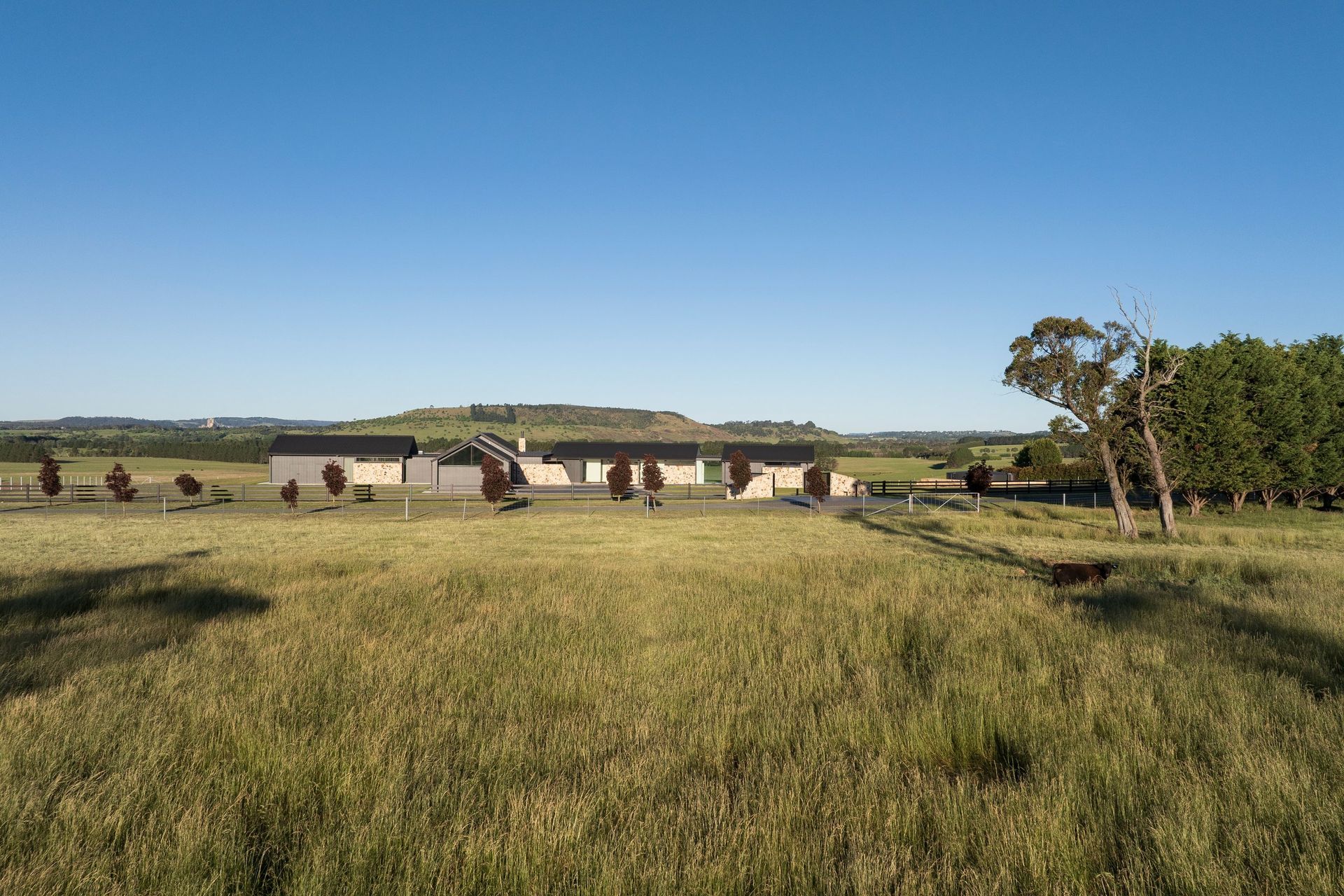
Importantly, the architecture also responds directly to the working farm context surrounding it. While the rural barn aesthetic has become a familiar language in residential design, here the scale of the property allows the home to genuinely read as part of the agricultural landscape itself.
“The form came from the agricultural uses and other buildings on the site,” Mammone says. “When you step right back and view it from a distance, it blends in with the other agricultural structures.”
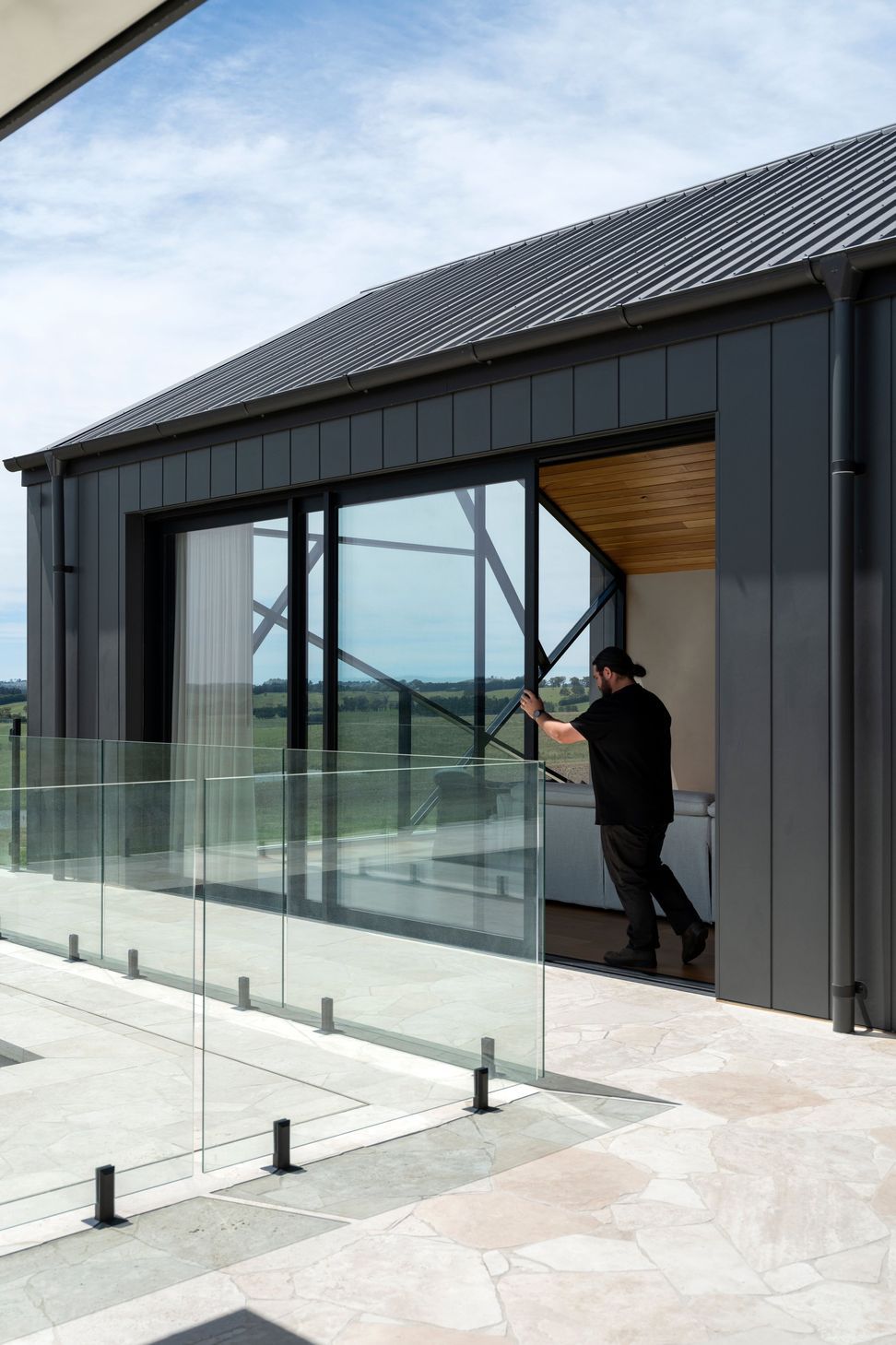
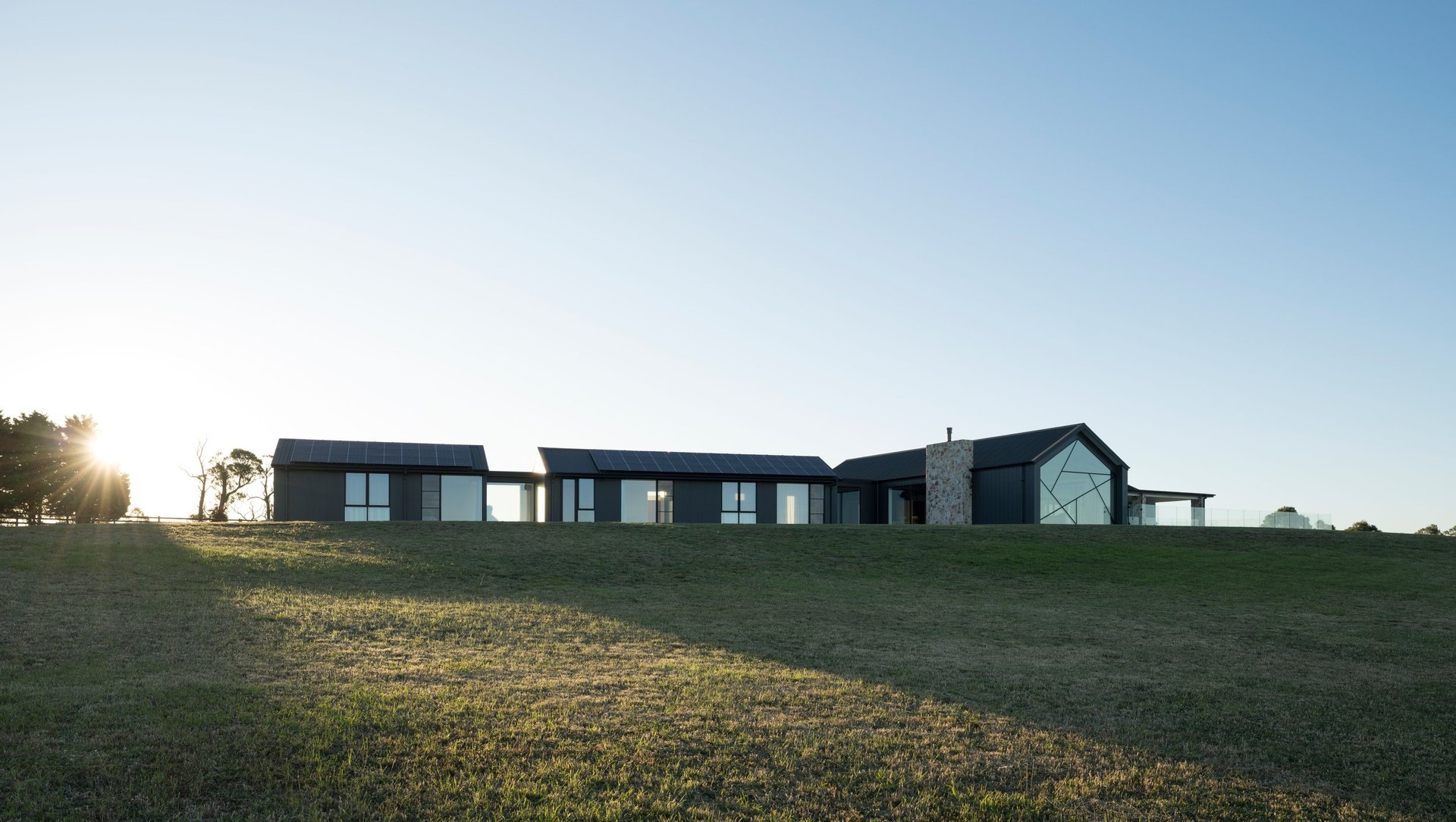
That restrained agricultural language informed the materiality, too. Externally, the home balances longevity, practicality and budget, with robust fibre cement cladding selected in place of more expensive standing seam cladding during the design process. The result still carries the simplicity of a contemporary barn while remaining highly durable and low-maintenance for rural living.
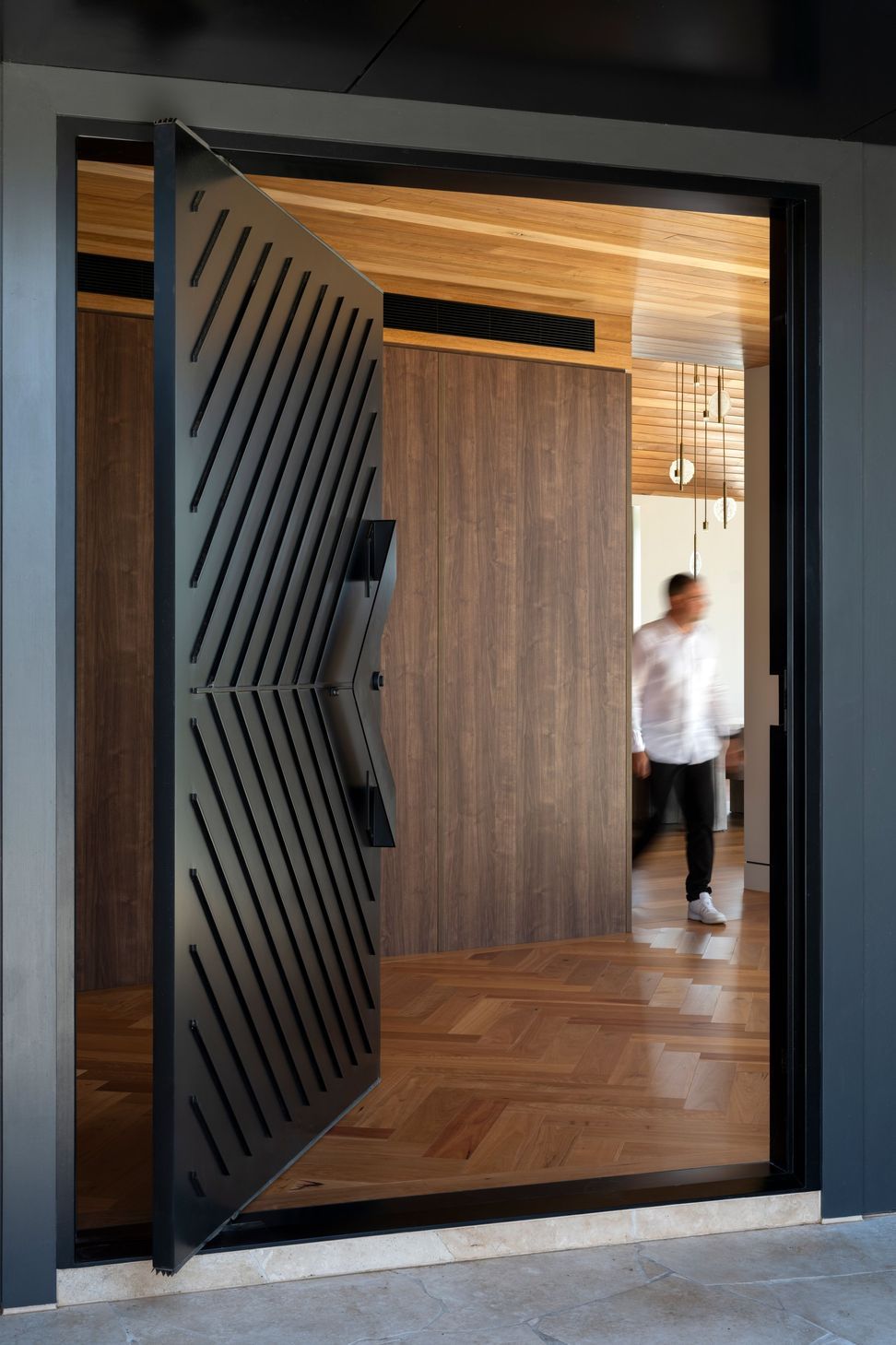
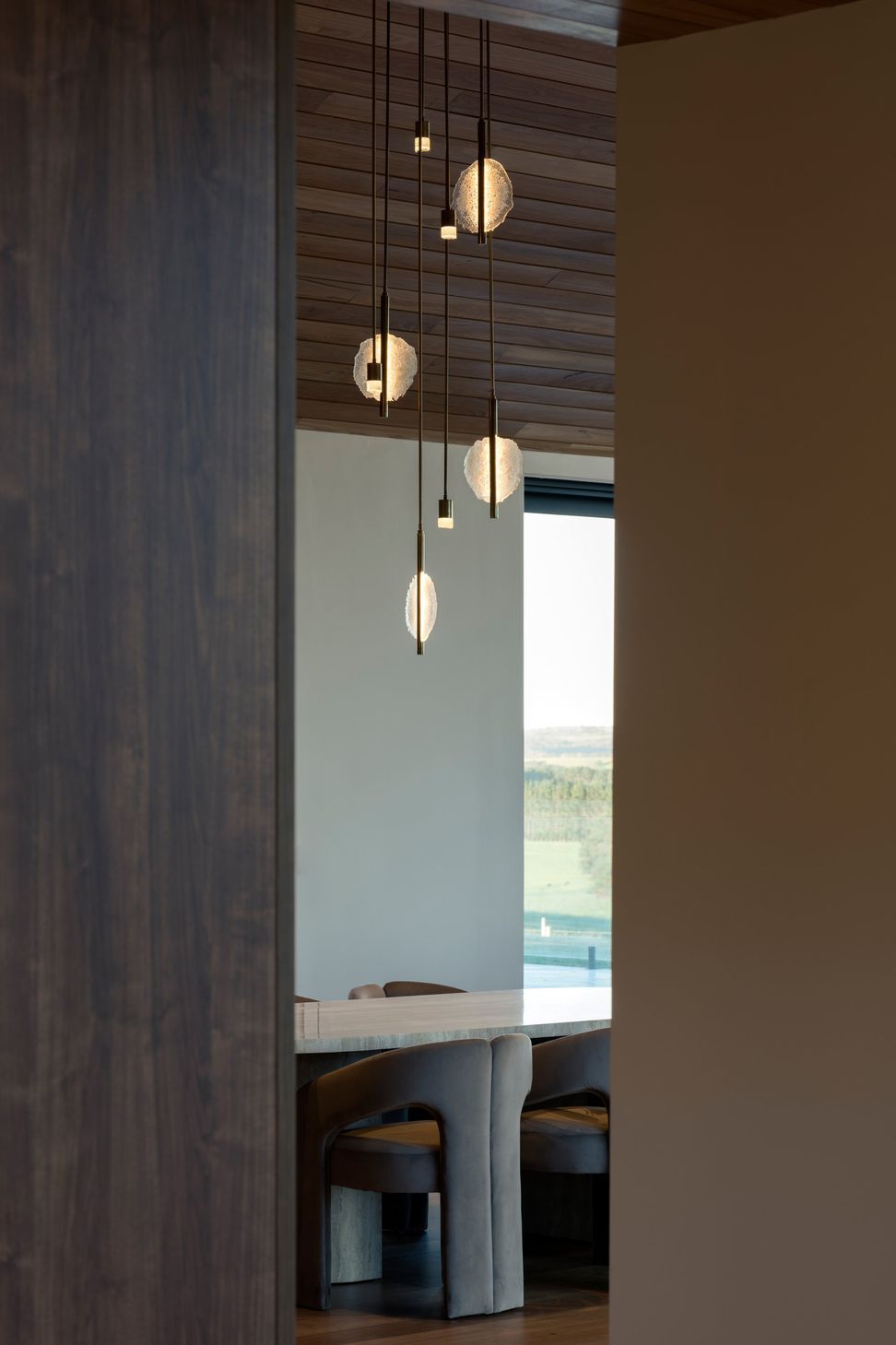
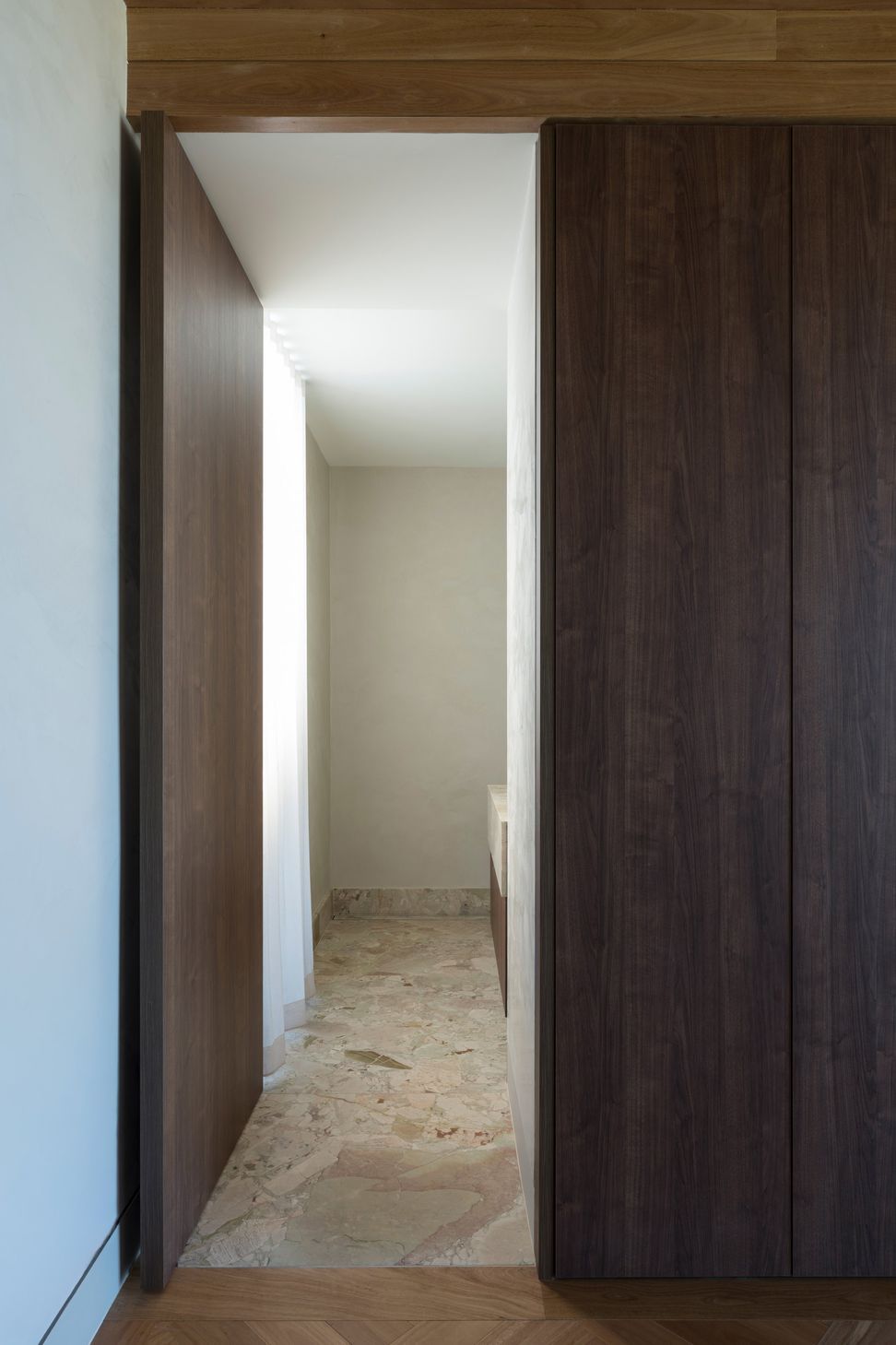
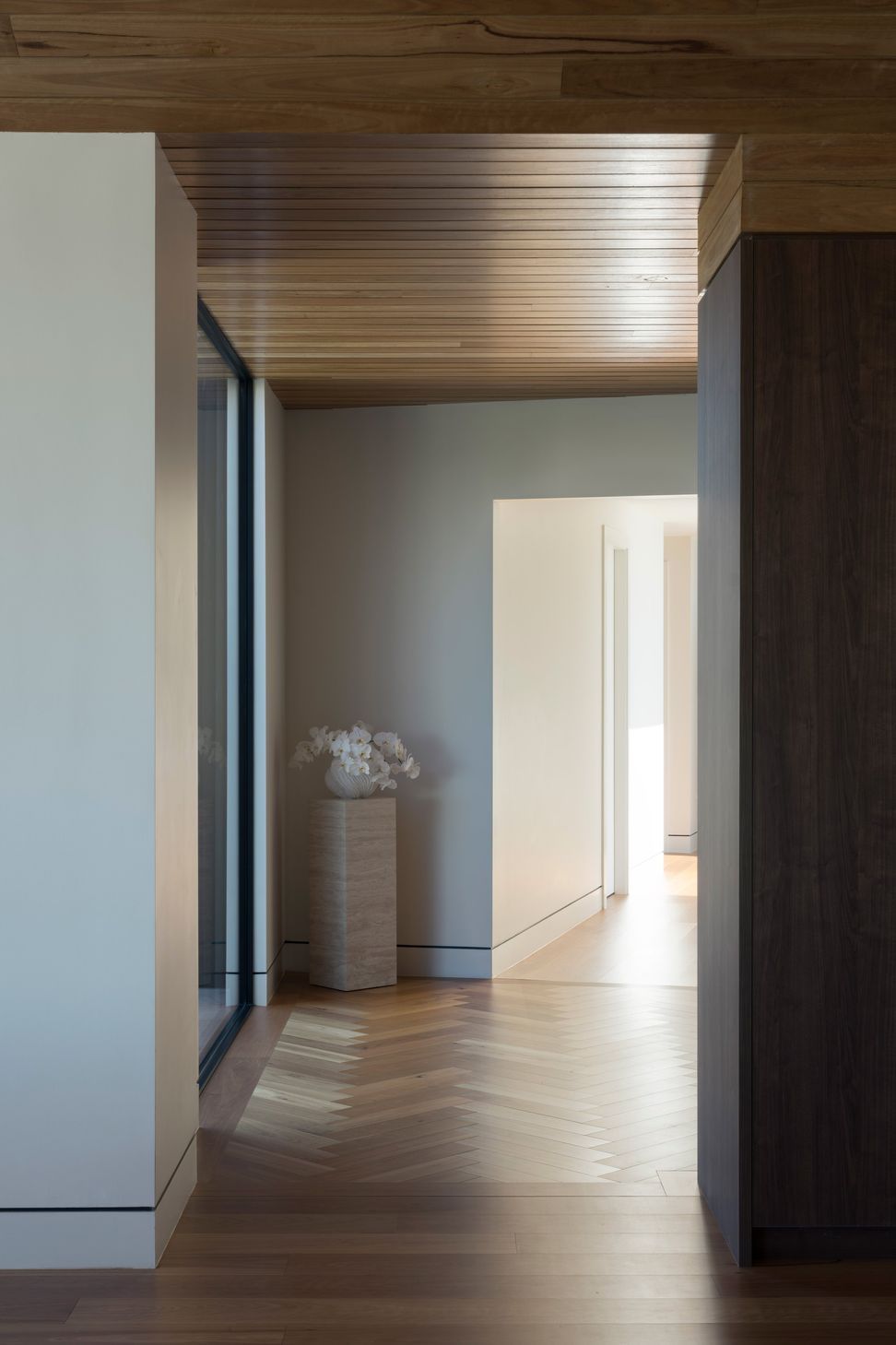
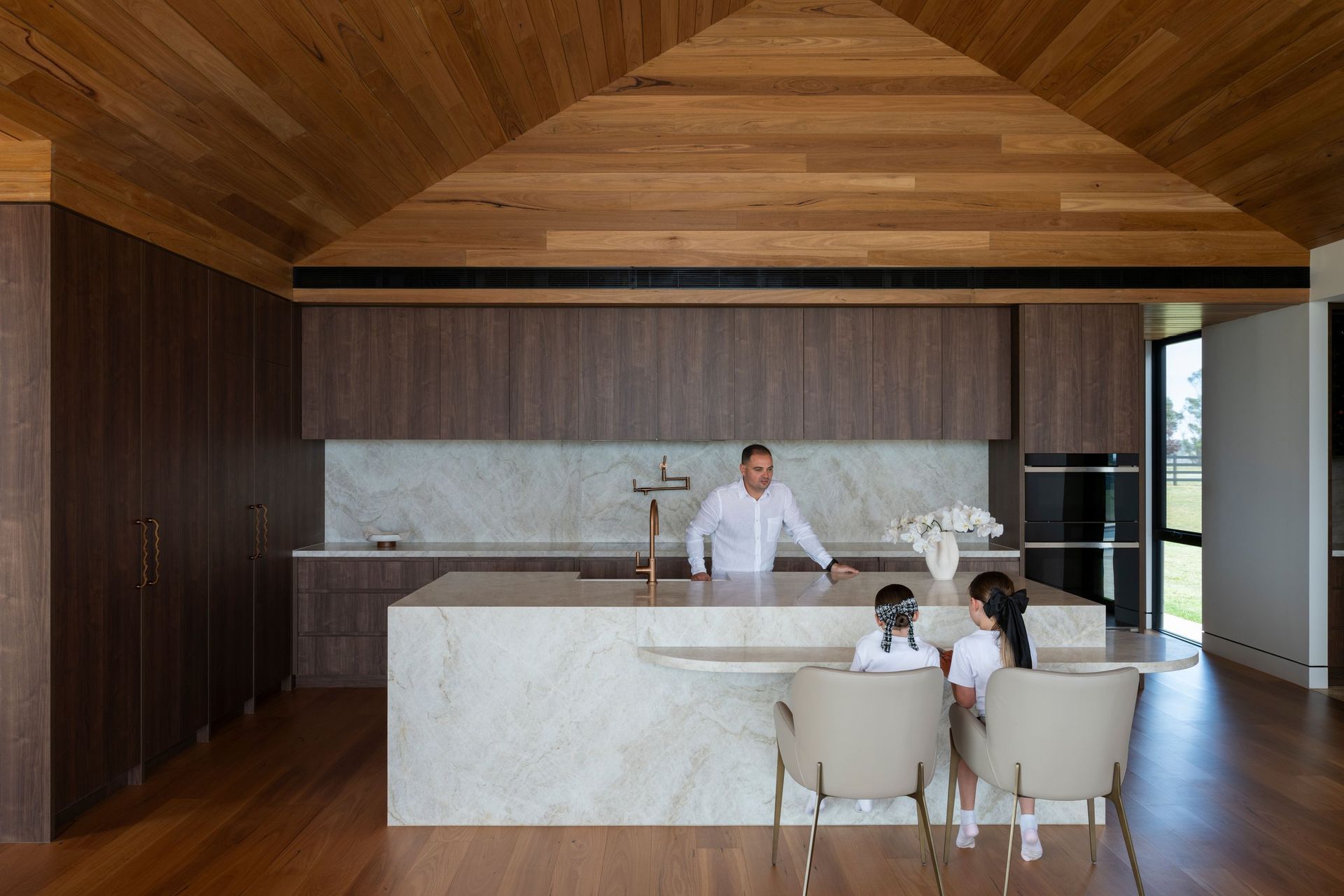
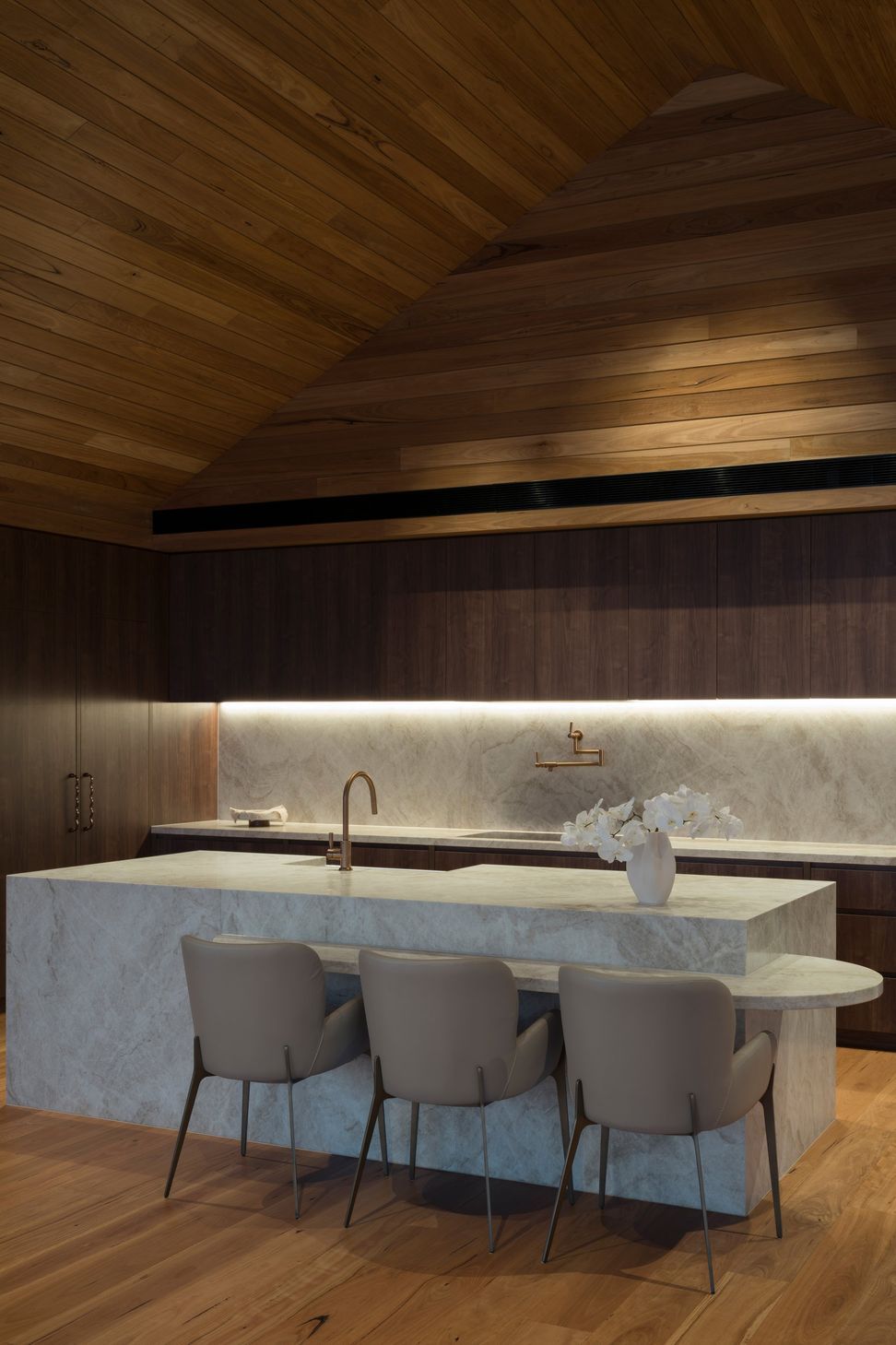
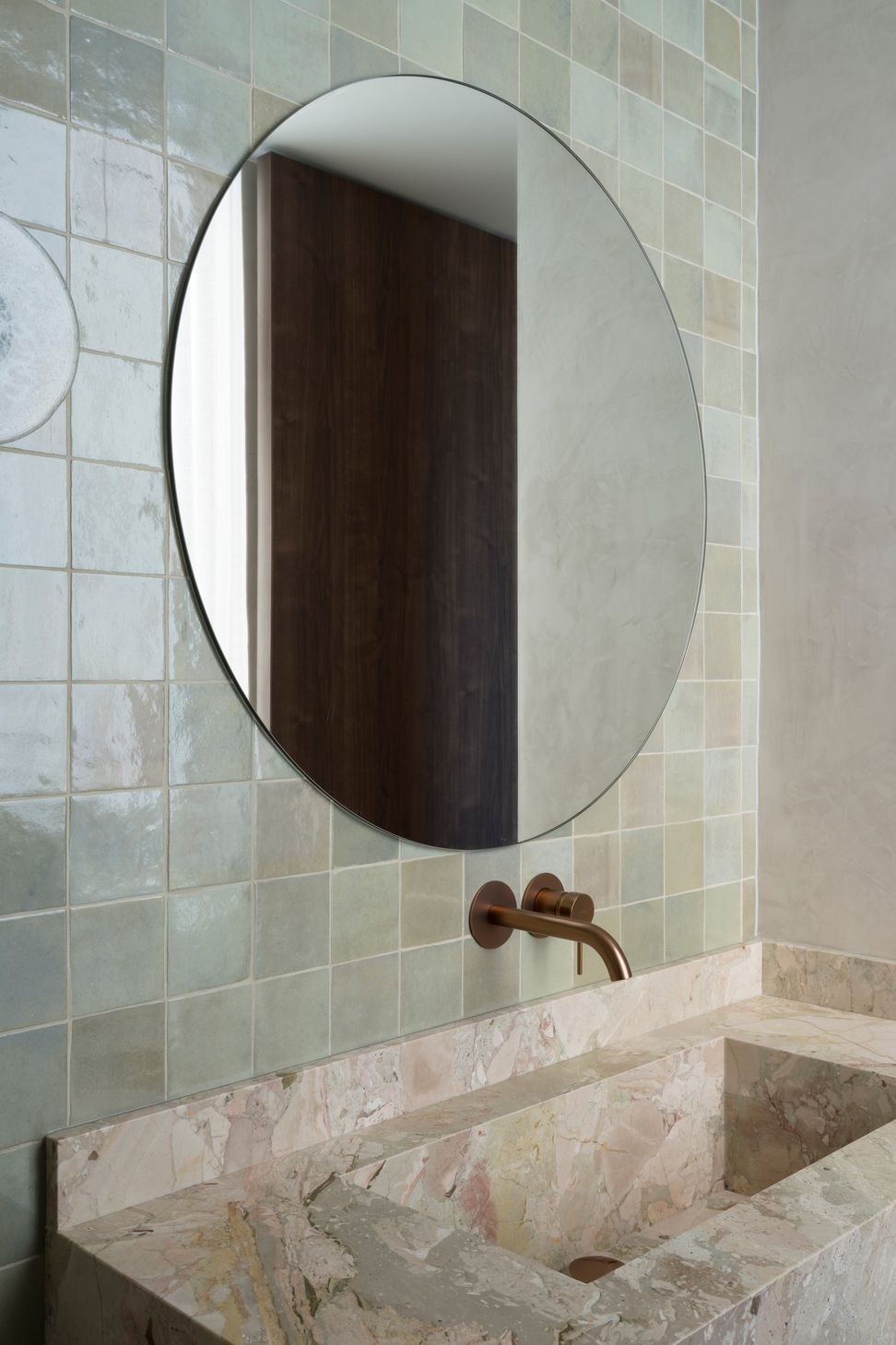
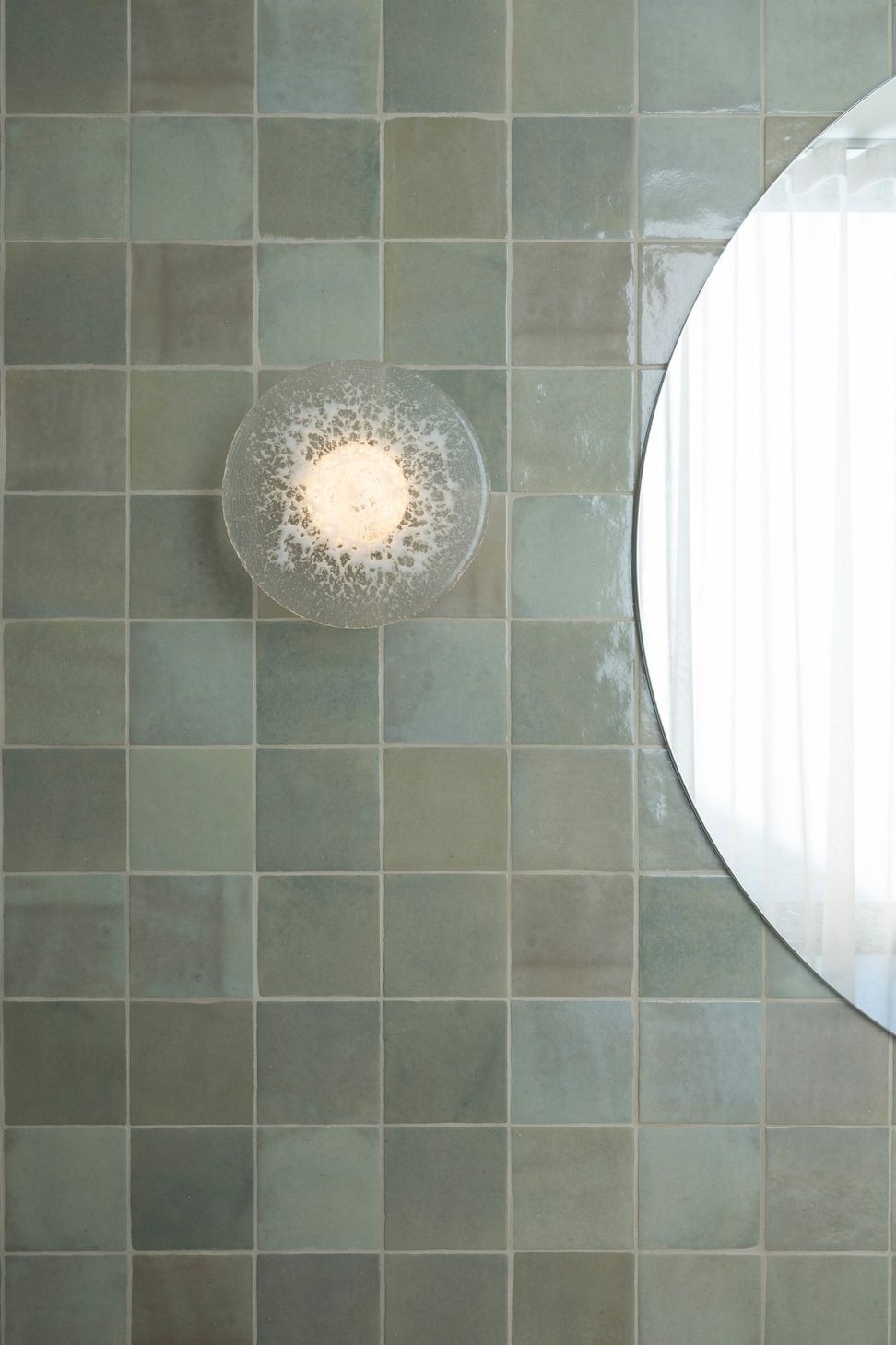
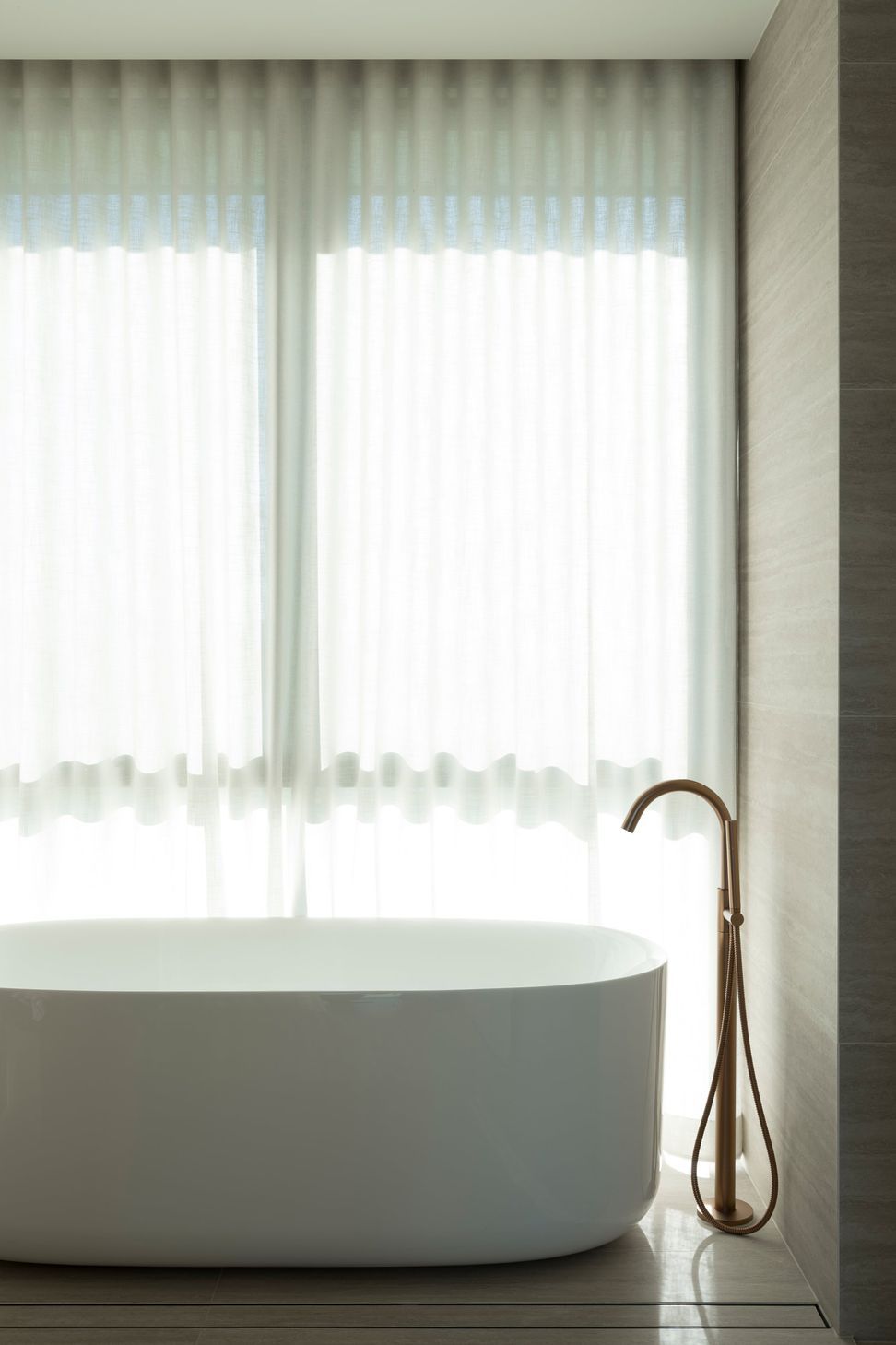
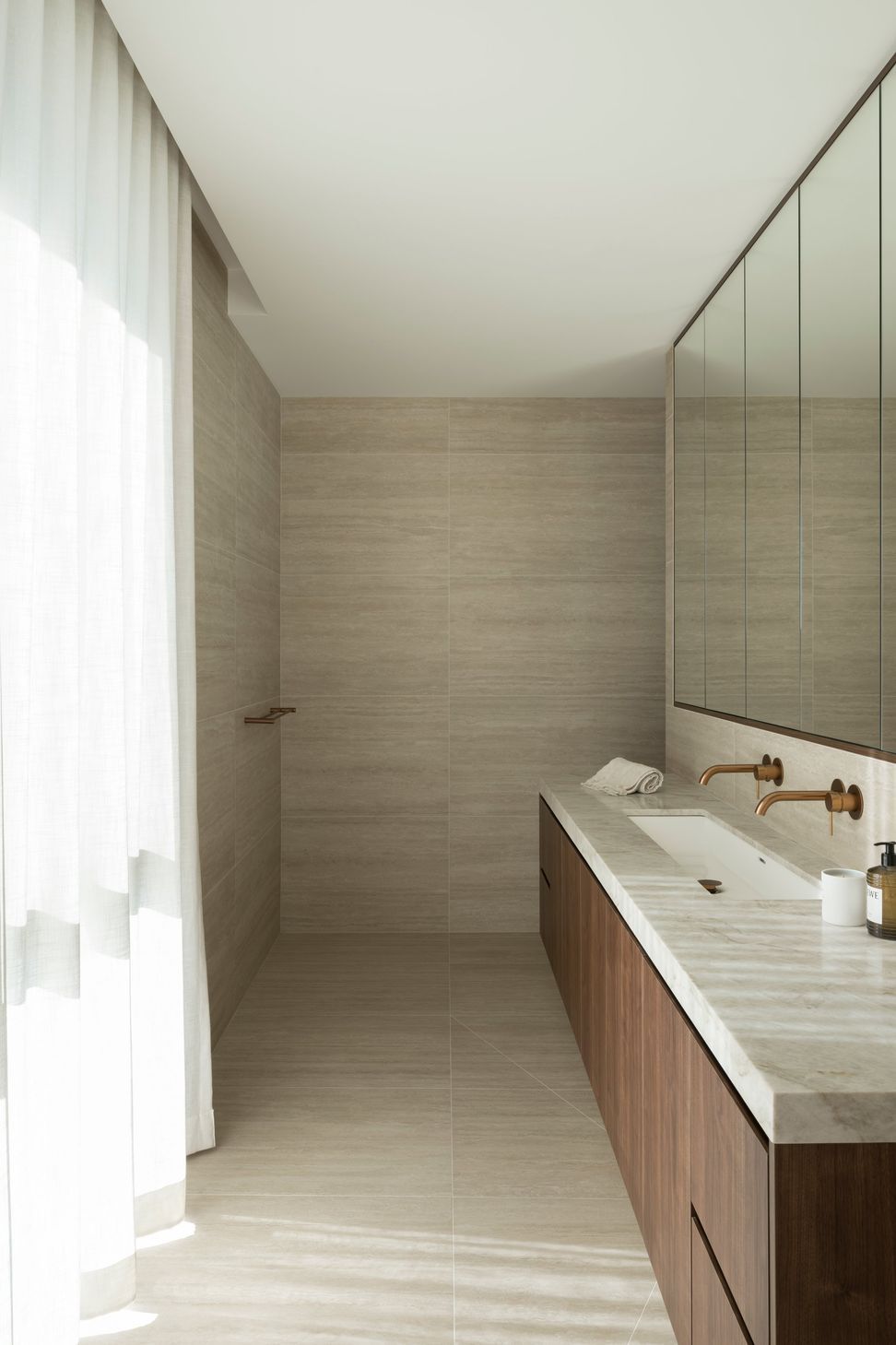
Inside, however, the mood shifts entirely. Warm timber ceilings, natural stone and tactile materials create interiors that feel generous and inviting without becoming overly polished. There is an ease to the spaces that reflects how the family wanted to live.
“I wanted it to feel warm and homely,” Mammone says. “We looked at traditional farm buildings and the materials used in them, then interpreted that in a contemporary way.”
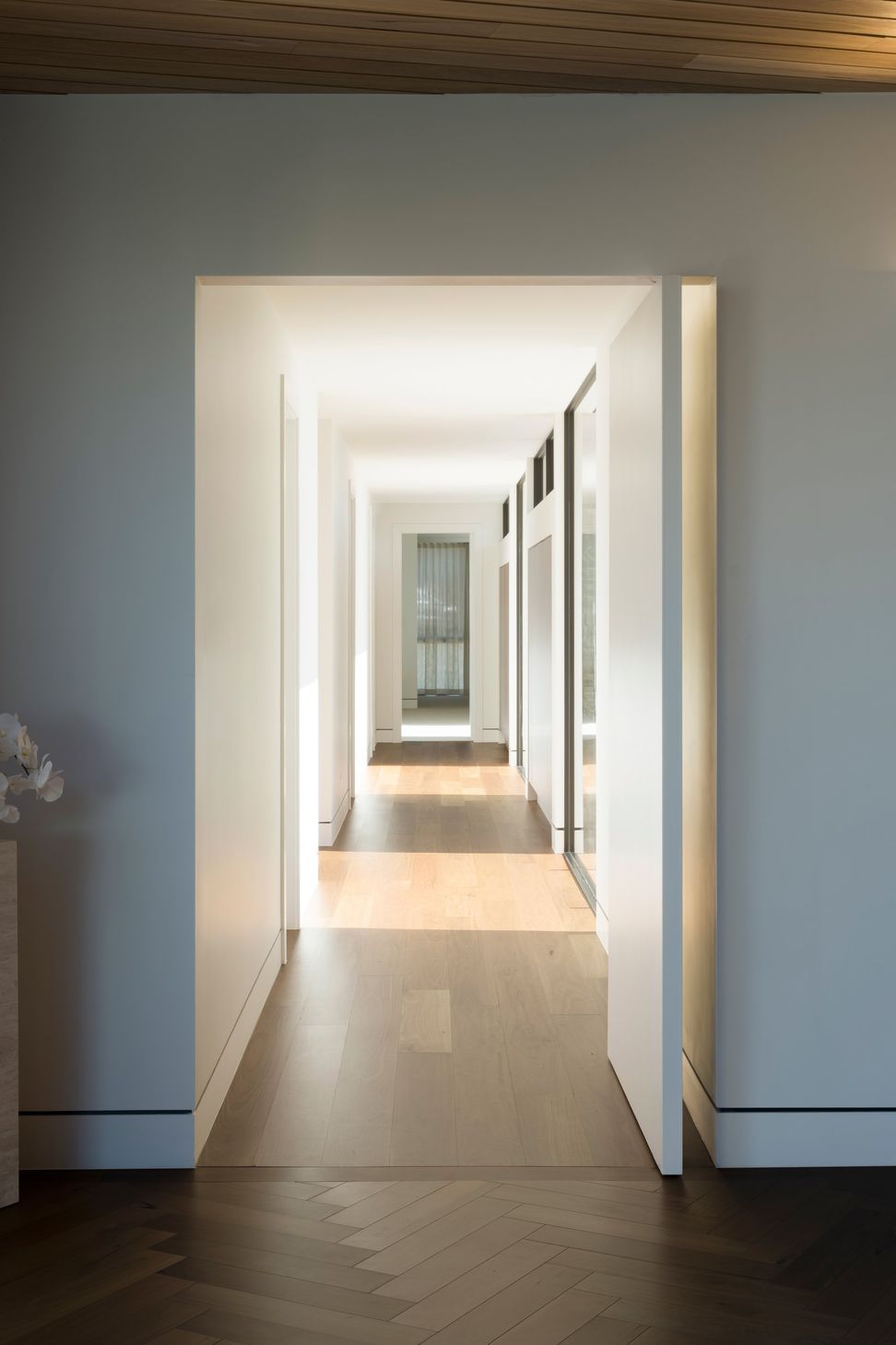
The layout of the home was driven first and foremost by how the family would gather within it. At its centre sits a vast open living space containing the kitchen, dining and lounge. From this central spine, the plan branches into two distinct wings: a quieter eastern wing housing the bedrooms, and a western wing dedicated to entertaining, complete with an additional lounge and guest accommodation for extended stays.
“The initial concept was really driven by their programme needs,” says Mammone. “A big main living space that could cater for all the extended family and grandkids to really enjoy was the key.”
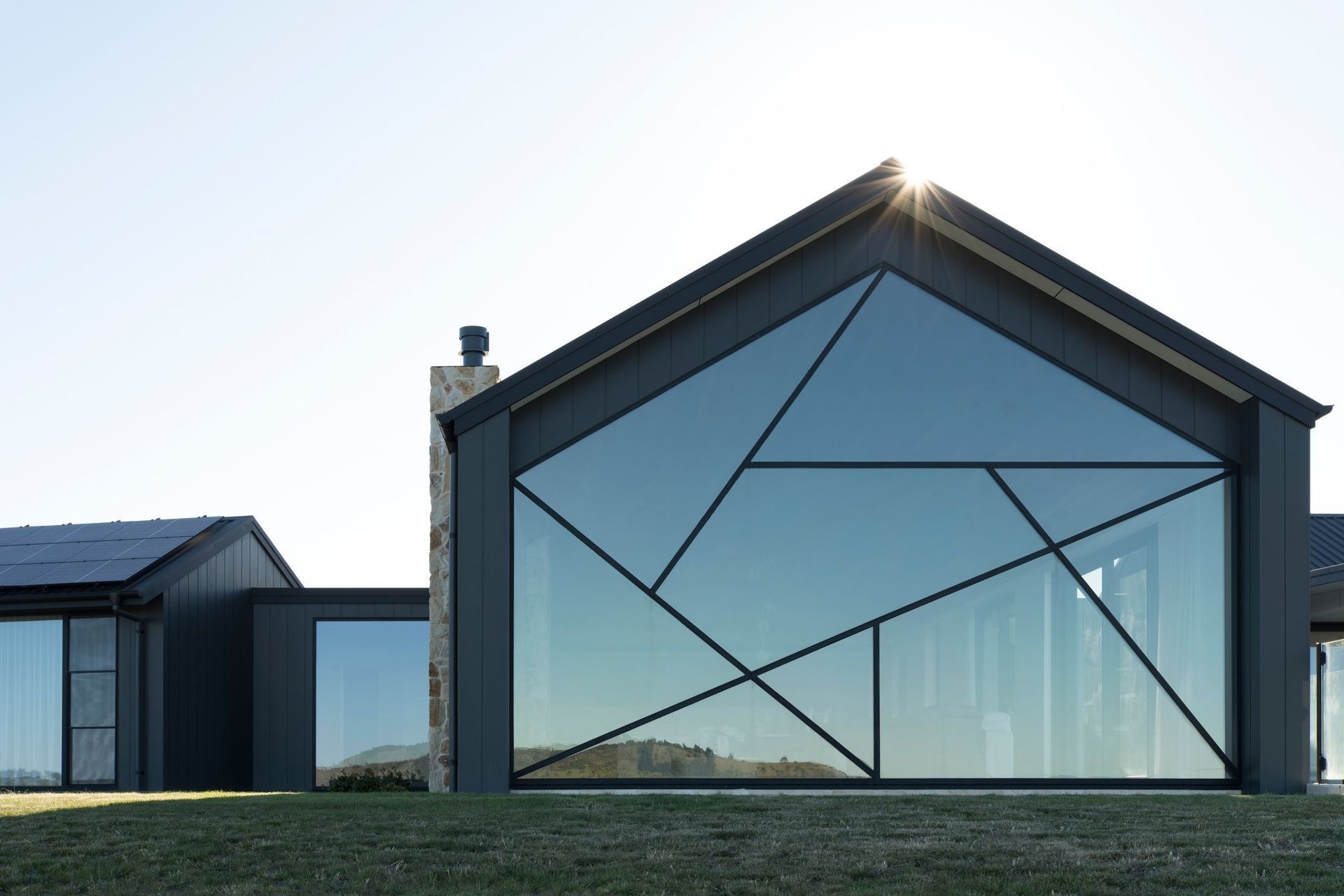
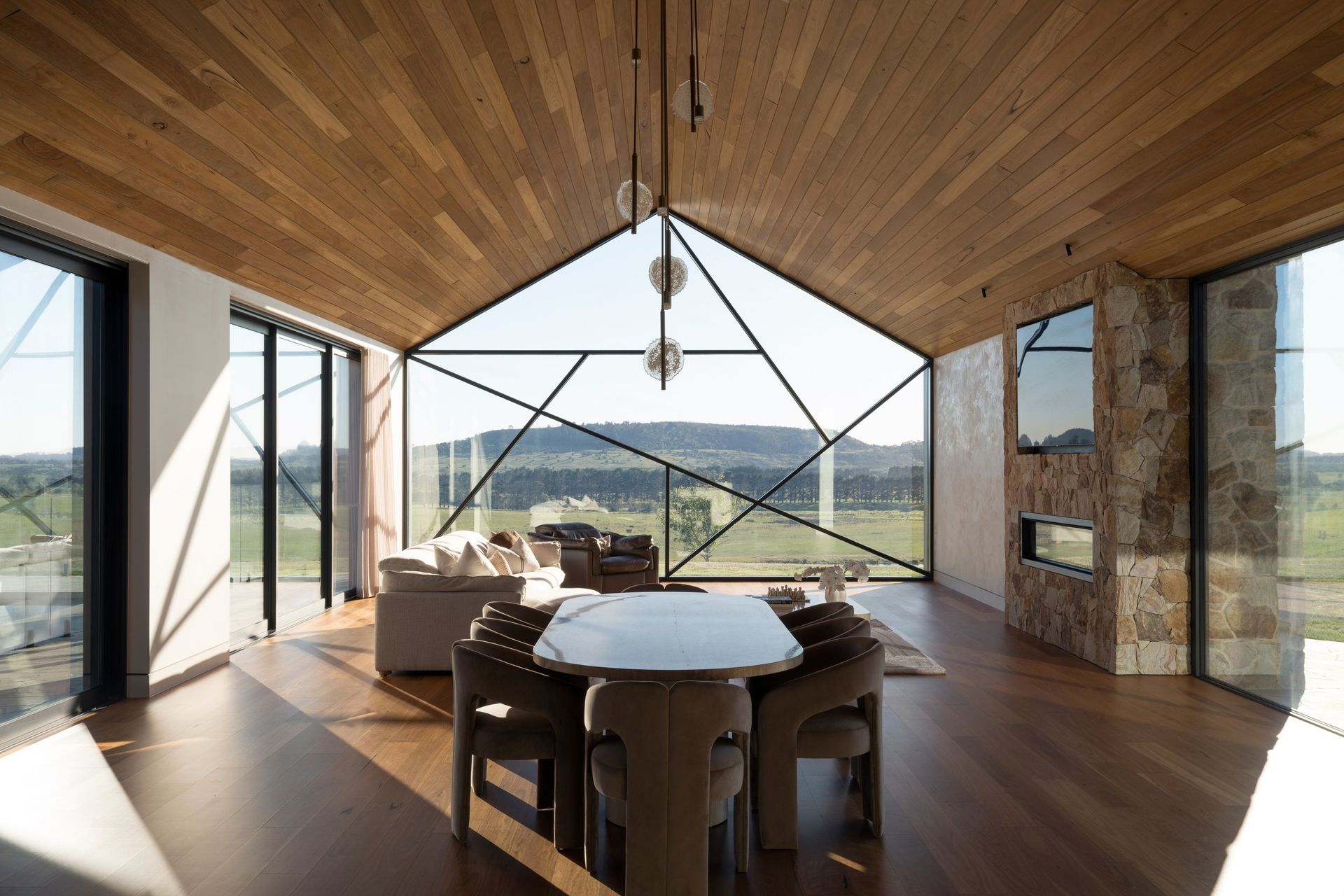
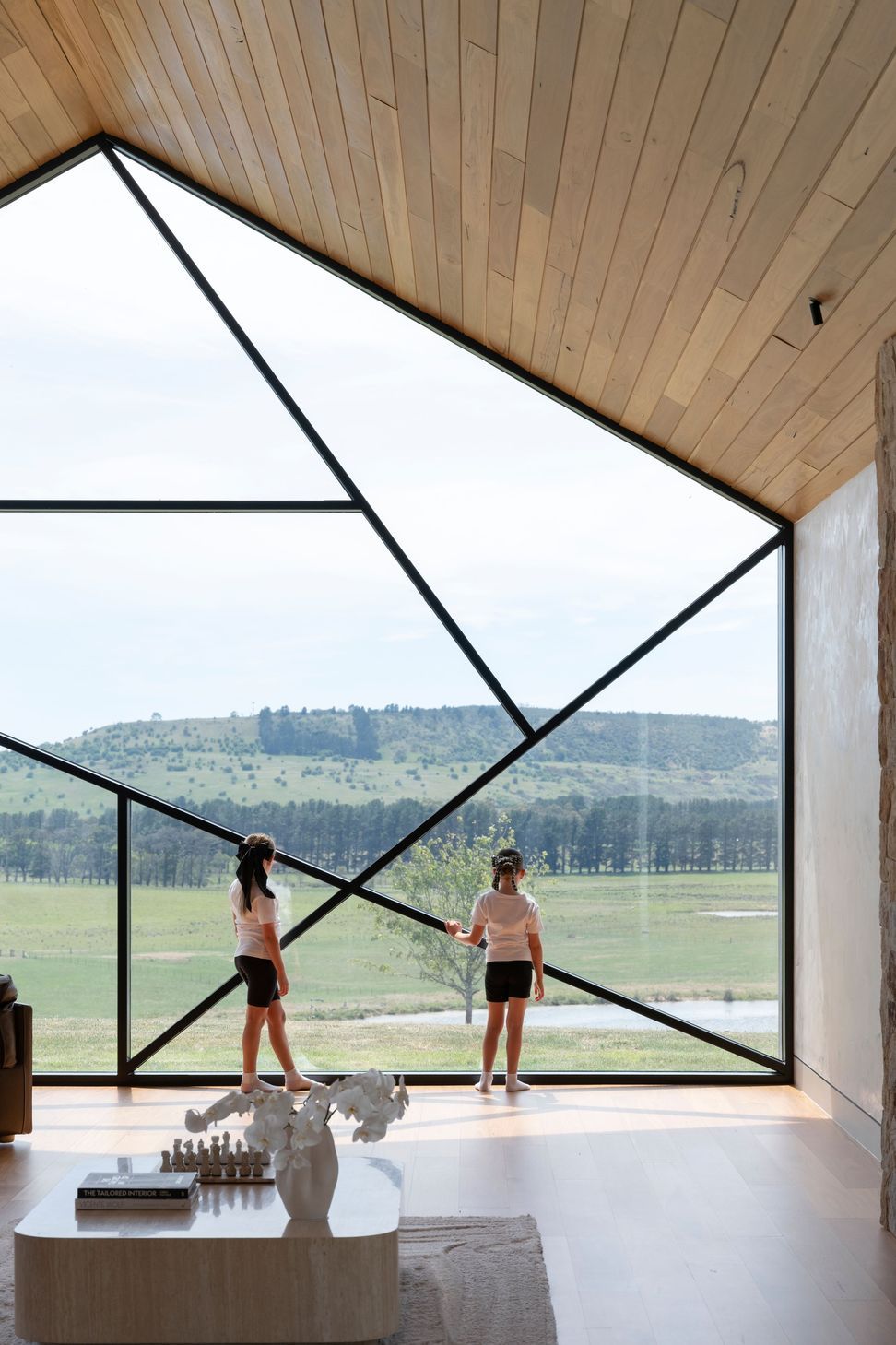
At the heart of the house in the main living space, the home’s defining feature reveals itself: a striking sculptural steel window framing the rural landscape beyond.
Rather than simply acting as glazing, the window became an architectural expression of the project itself. Its unusual geometry references the planning axes of the home, the solar orientation and even the prevailing winds that shaped the building’s form.
“It’s almost like the DNA of the home is represented in that window,” Mammone explains.
Now completed, the space has become the centre of daily life on the farm.
“It’s the client’s favourite spot in the home,” says Mammone. “She loves waking up in the morning, sitting with her coffee and looking out through that beautiful window.”
Adding further pressure to the already ambitious project was one major family event looming over the construction timeline: the wedding of the couple’s youngest son. The plan was always for the wedding to take place on the property itself, with the new house forming the backdrop to the celebration.
With only ten months allocated for the build, the programme was extraordinarily tight, particularly given the scale and detail of the project. Yet somehow, the team pulled it off. The house was completed in time for the wedding celebrations, with family photographs taken in front of the newly finished home and the rolling Southern Highlands landscape beyond.
Today, the couple is fully immersed in their new life as cattle farmers, and the home is already doing exactly what it was designed to do. Grandchildren move between the house and the farm freely, family gatherings fill the central living space, and the property has become the setting for the next chapter of family life.