

Project team
- NTF Architecture
- Tom Blachford
Product Suppliers
At this resort-style home, NTF_Architecture takes the idea of turn-key to its fullest expression, delivering a home designed to be truly personal.
The Clubhouse: An exercise in bespoke living
In architecture, when we say turn-key, it rarely means arriving at your new home to find the freezer stocked with handmade choc-top ice creams, a personalised library curated for your family and a blow-up flamingo already floating in the pool. But for the clients of The Clubhouse in Sanctuary Lakes, Melbourne, that is exactly what awaited them.
This was a project designed as much by playfulness as it was by precision. From the outset, there was a shared curiosity between client and architect, a willingness to push beyond the expected and lean into the joy of what a home could be. That openness became a catalyst for a design process where NTF_Architecture went all in to craft a home that is not only meticulously resolved, but deeply personal.
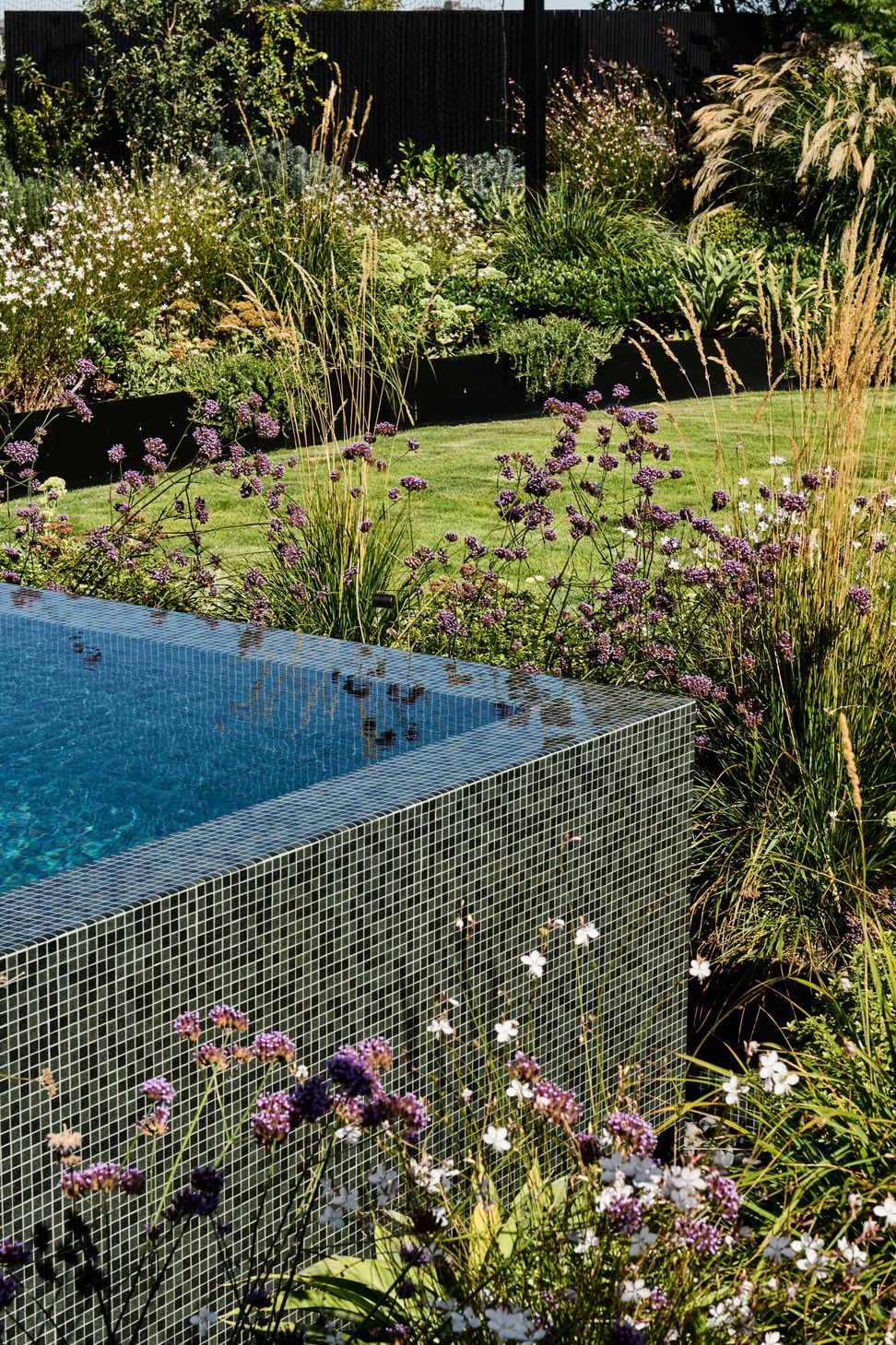
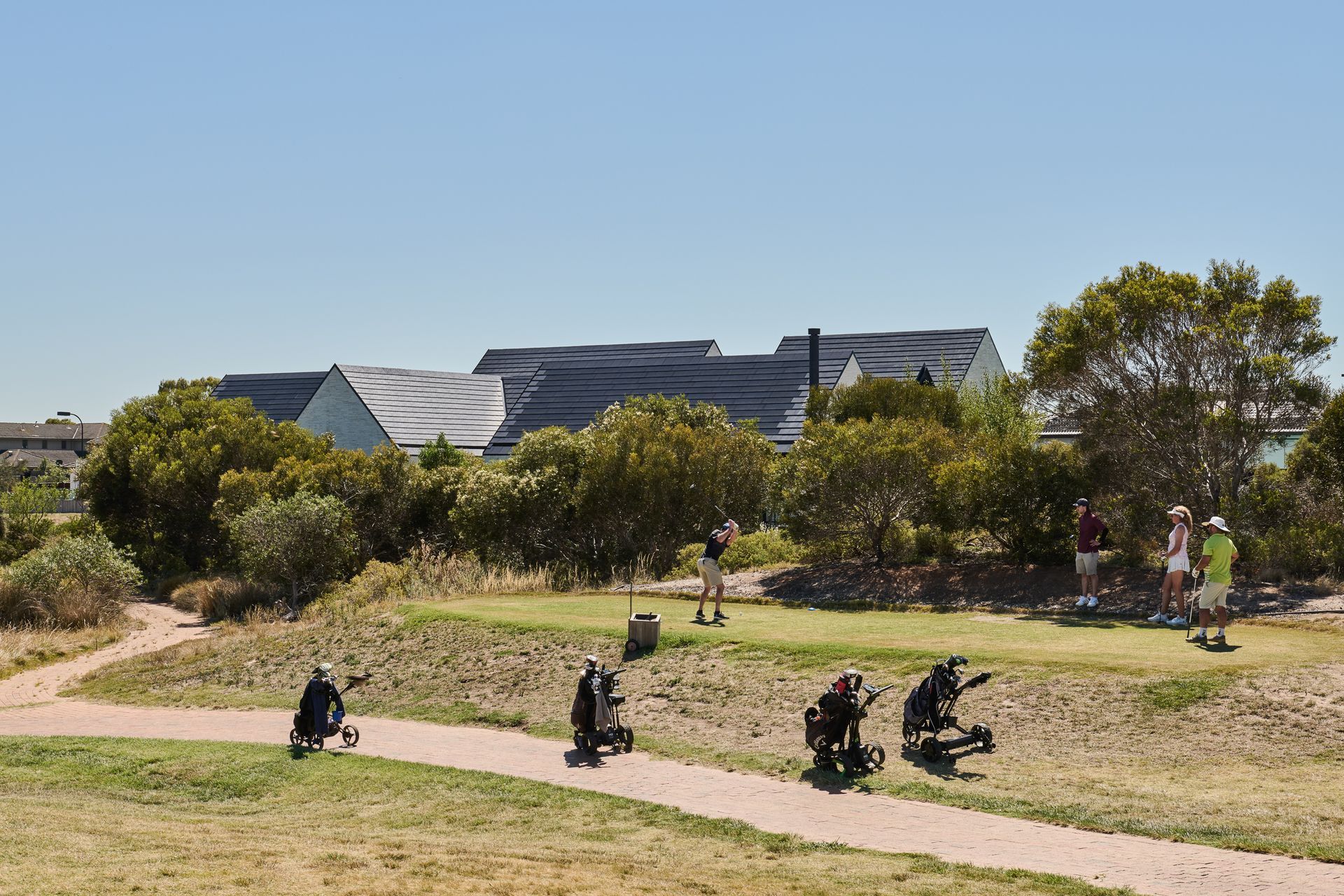
Set within the established estate of Sanctuary Lakes, the site itself is expansive. Wrapping along two boundaries of a golf course and opening out towards the water, it has a sense of spaciousness that is rare within a suburban framework.
For the clients, a young family with two children and a small dog, the design brief was less about prescriptive requirements and more about possibility, shares NTF_A associate Tess McKinlay.
“They were not overly prescriptive in what they wanted, but it was always going to be their forever home,” she says. “They knew they needed a space where the whole family could come together, as they love entertaining and having everyone gather at their house.”
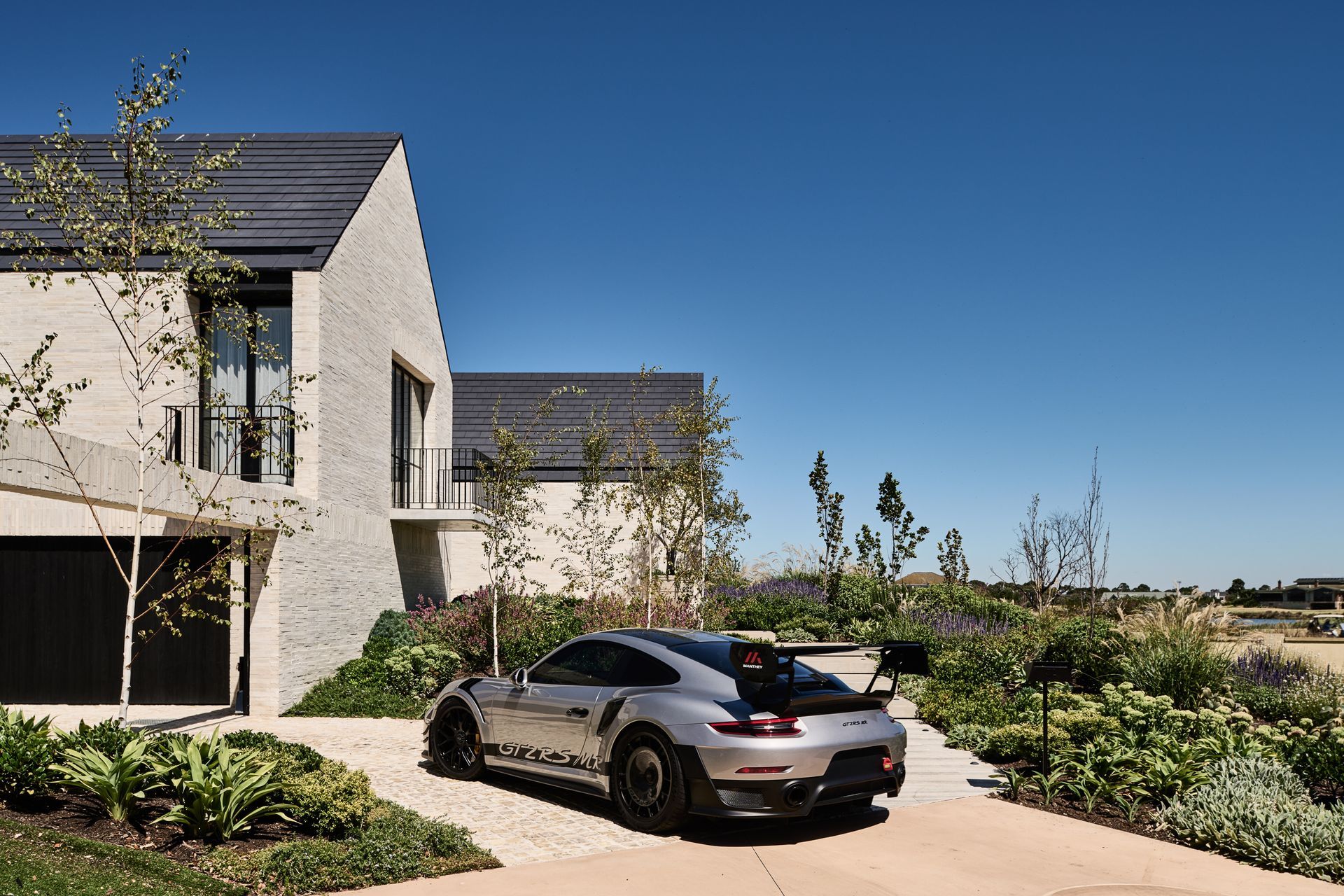
That sense of longevity underpins the architectural response. While the surrounding estate once imposed strict design guidelines, NTF_A pushed back, advocating for the potential to design something more contemporary. As a result of their tenacity, they were able to design a form anchored by a restrained gabled silhouette, a nod to context rather than a replication of it.
“Right from day one, we wanted the architectural intent to be very simple, refined and measurable in what it was trying to do in its context,” says NTF_A director George Fortey. “That restraint carries through everything, from the external form to the internal material palette.”
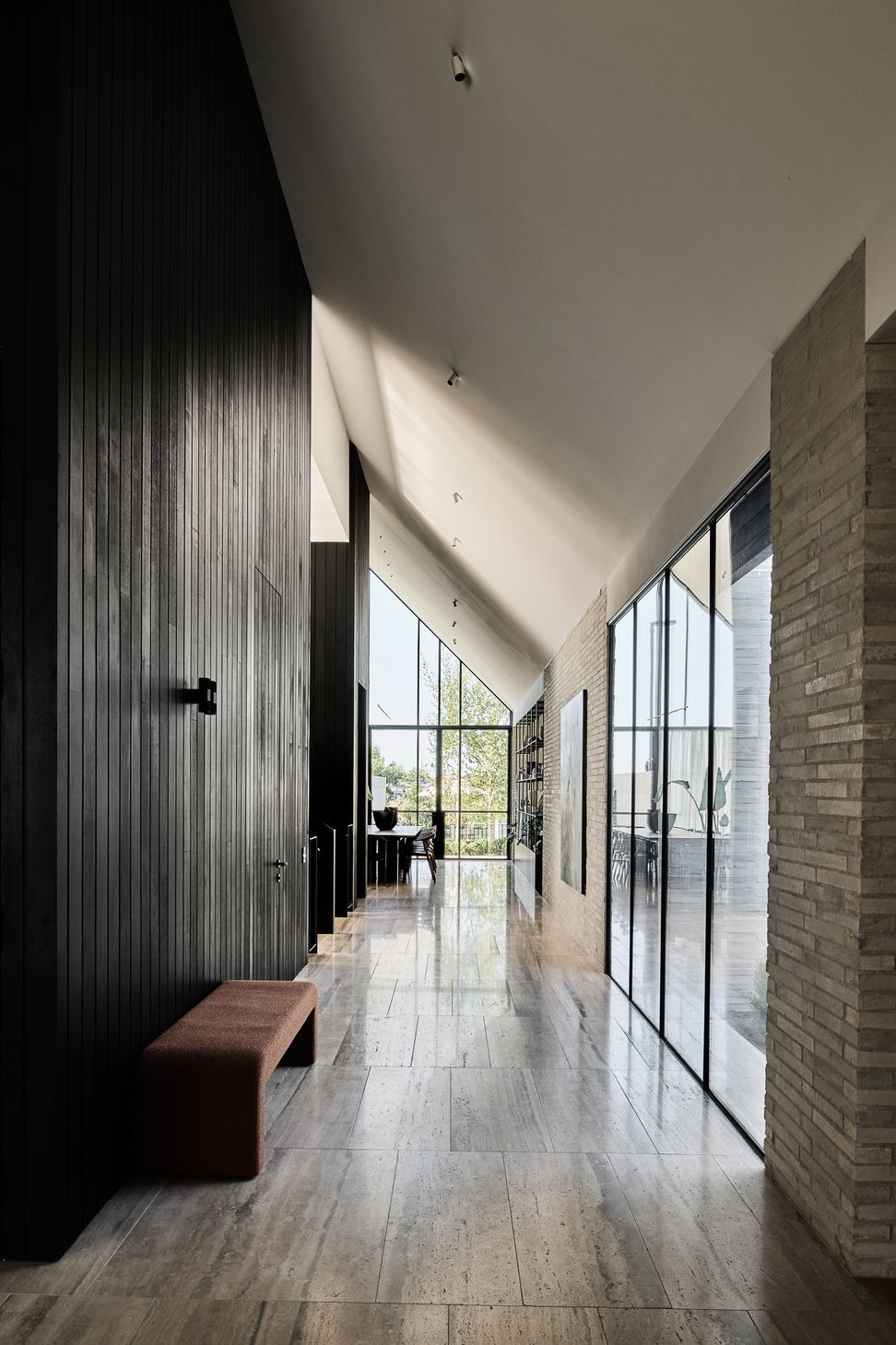
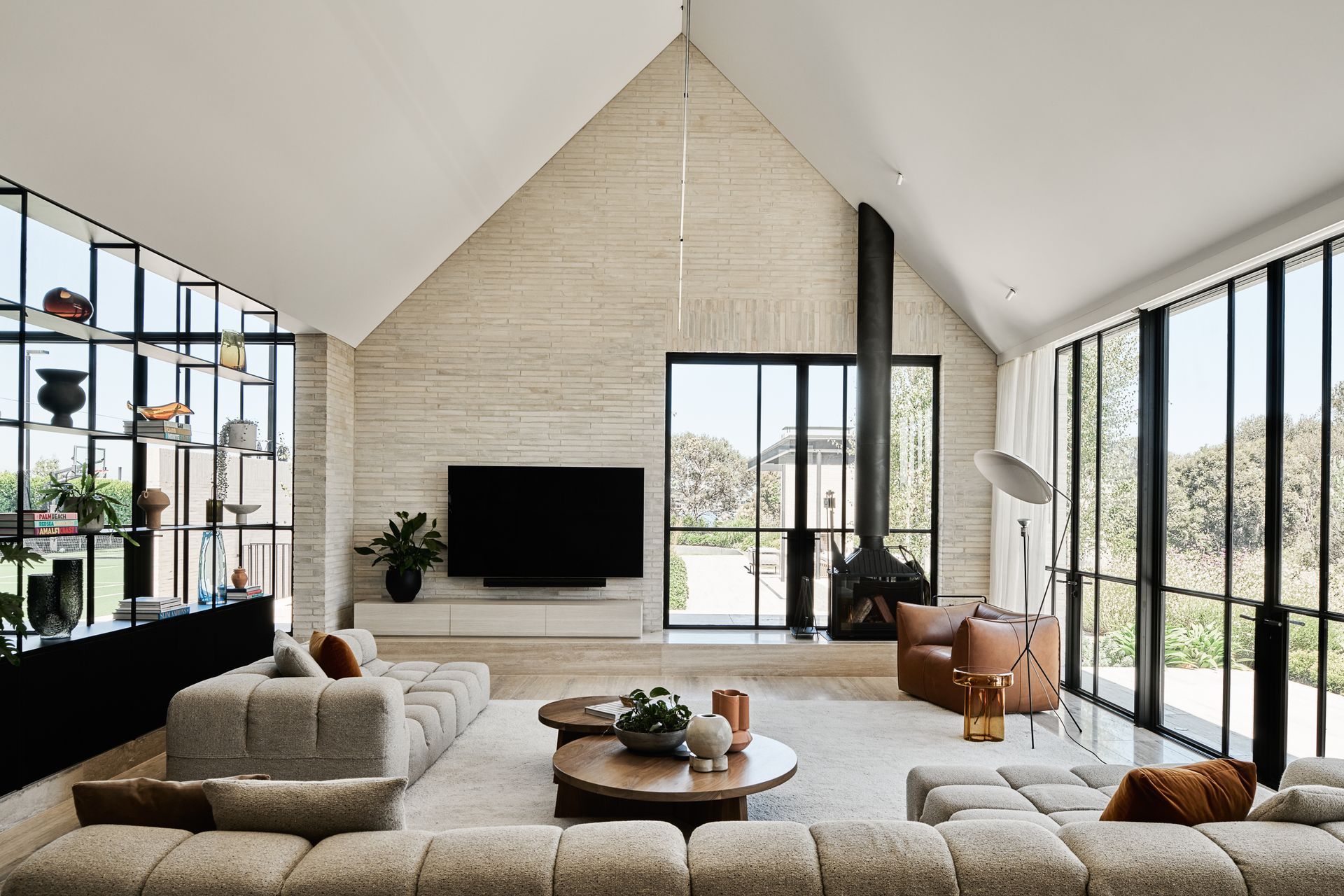
In line with this, the arrival sequence is deliberately understated. There is no front fence, only a seamless extension of landscape that draws the street towards the house. A metal door marks the threshold, beyond which a sequence of gabled ceilings opens overhead, giving texture and volume to the entry experience. From the moment you step inside, sightlines extend through the home to the rear landscape, establishing an immediate connection to the outdoors.
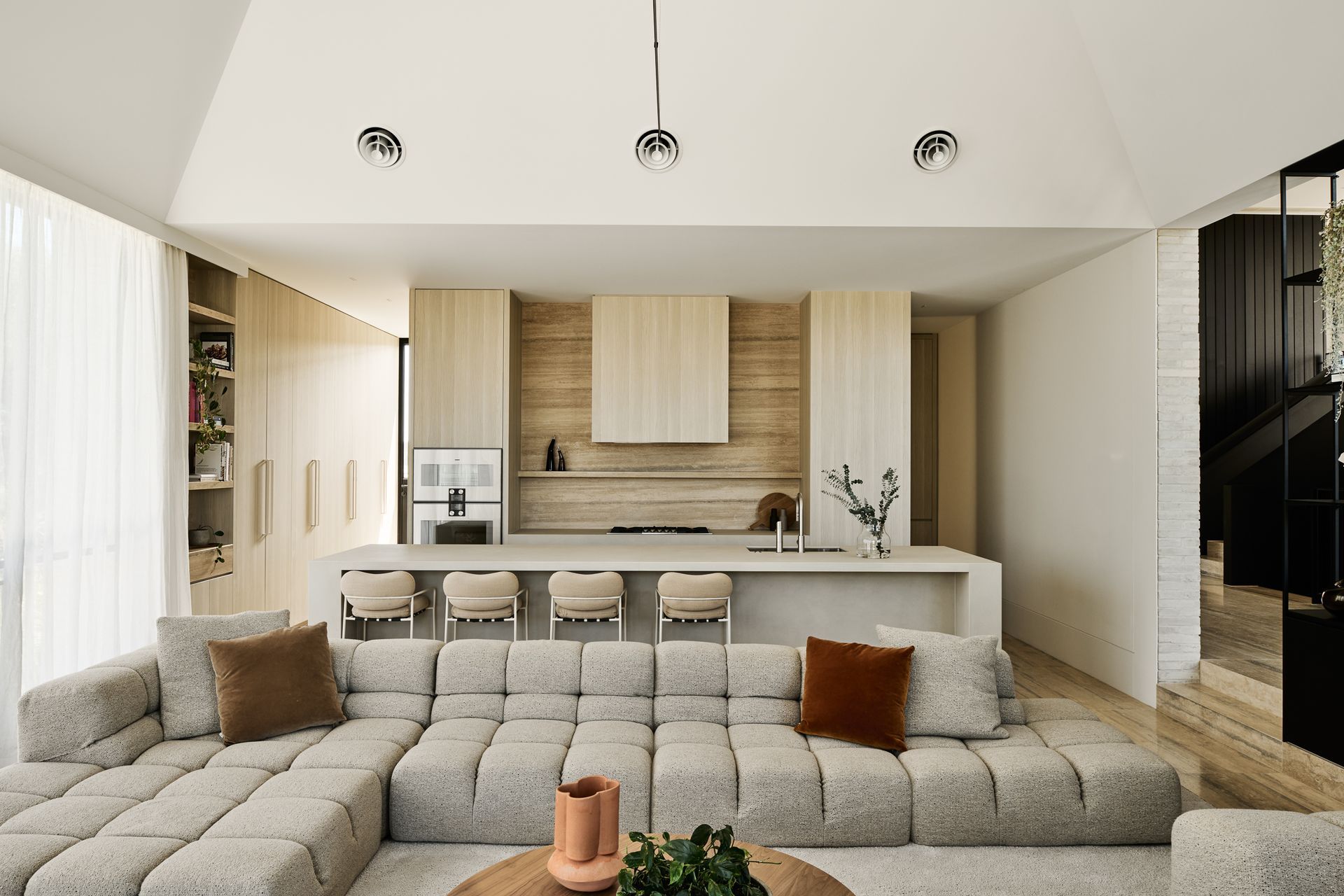
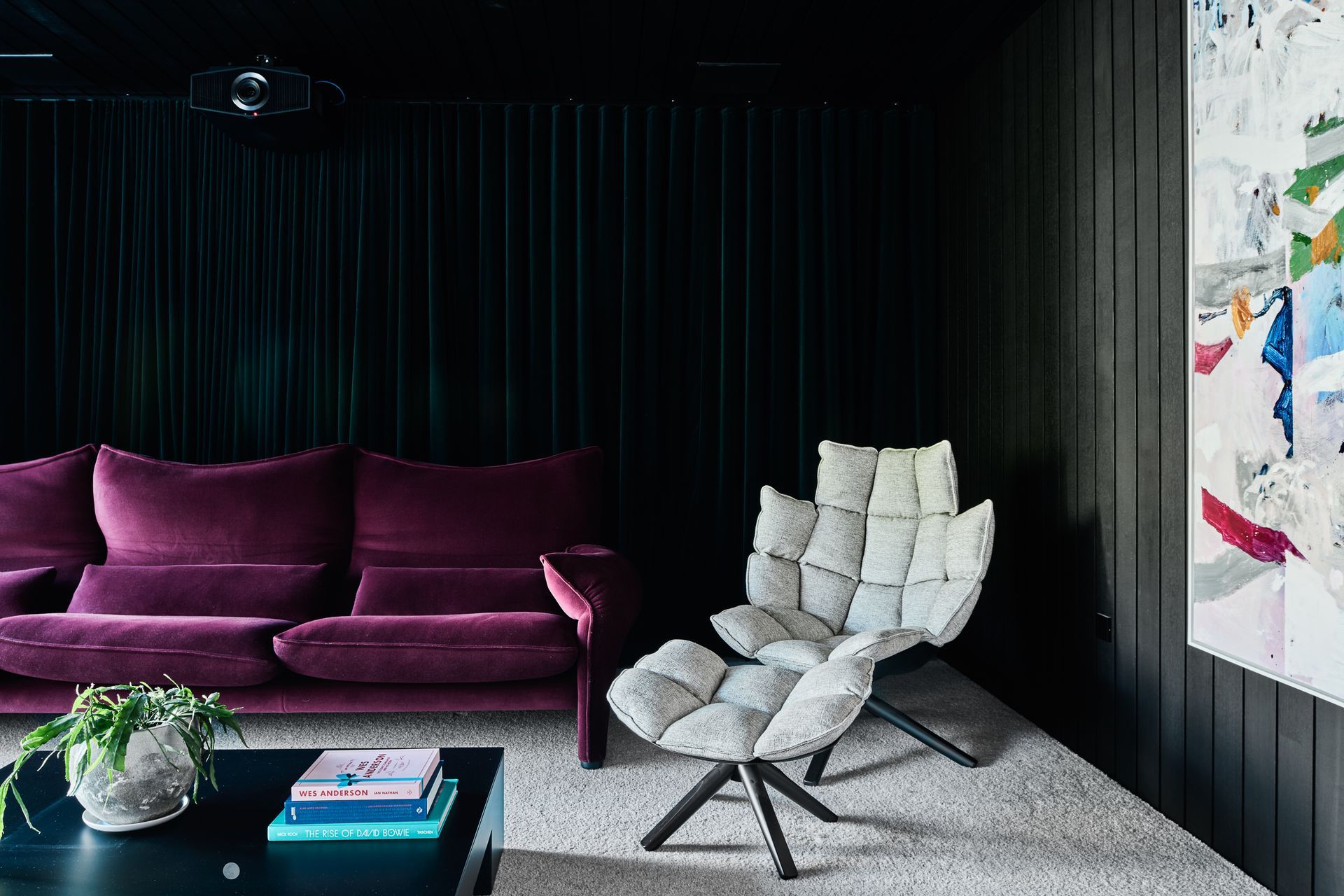
The house unfolds across a split-level plan that balances openness with retreat. The main living spaces and master suite occupy the entry level, while just below, a more private realm accommodates a series of functional zones including a mudroom, laundry and home cinema. An upper split-level houses the children’s bedrooms and a rumpus room. It is a layout that supports both togetherness and independence, allowing the house to shift fluidly with the daily needs of family life.
At its heart sits a central courtyard, anchored by a mature olive tree. It is both a spatial and symbolic gesture, reflecting the clients’ Middle Eastern heritage while grounding the home in something enduring.
“The whole house was designed around that olive tree,” Fortey says. “As it gets older and gnarlier, it really sends down roots metaphorically for the family.”
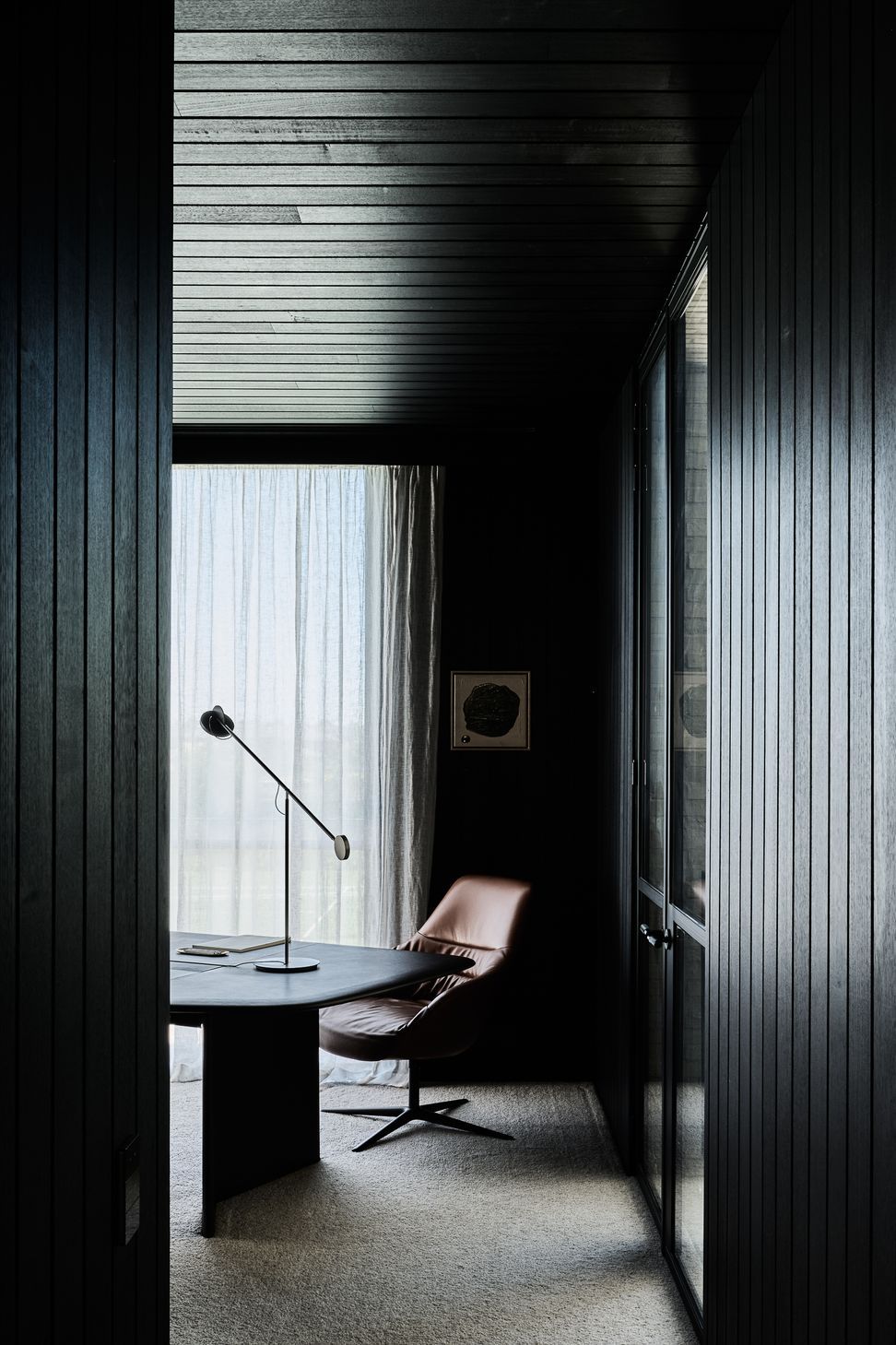
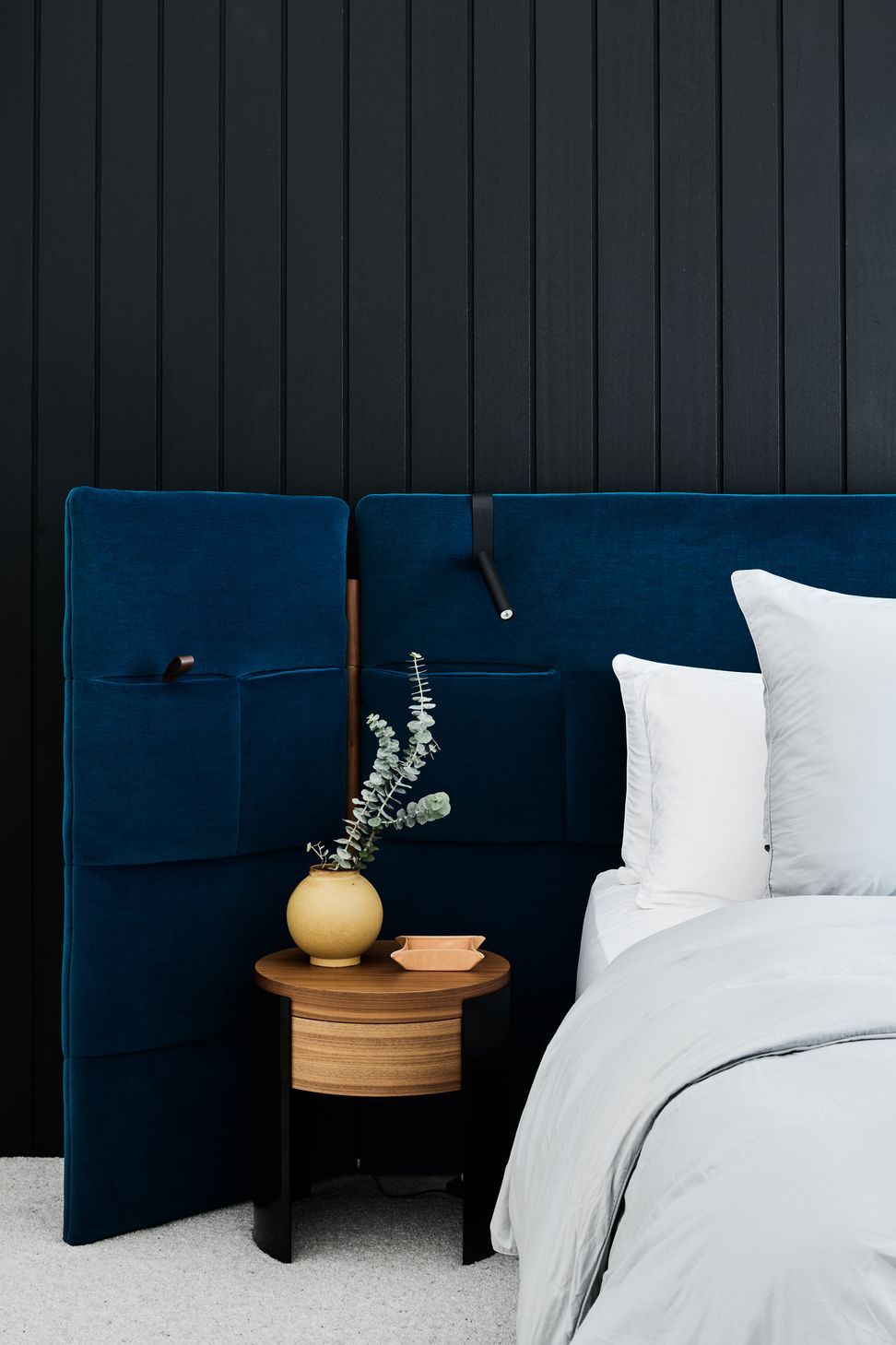
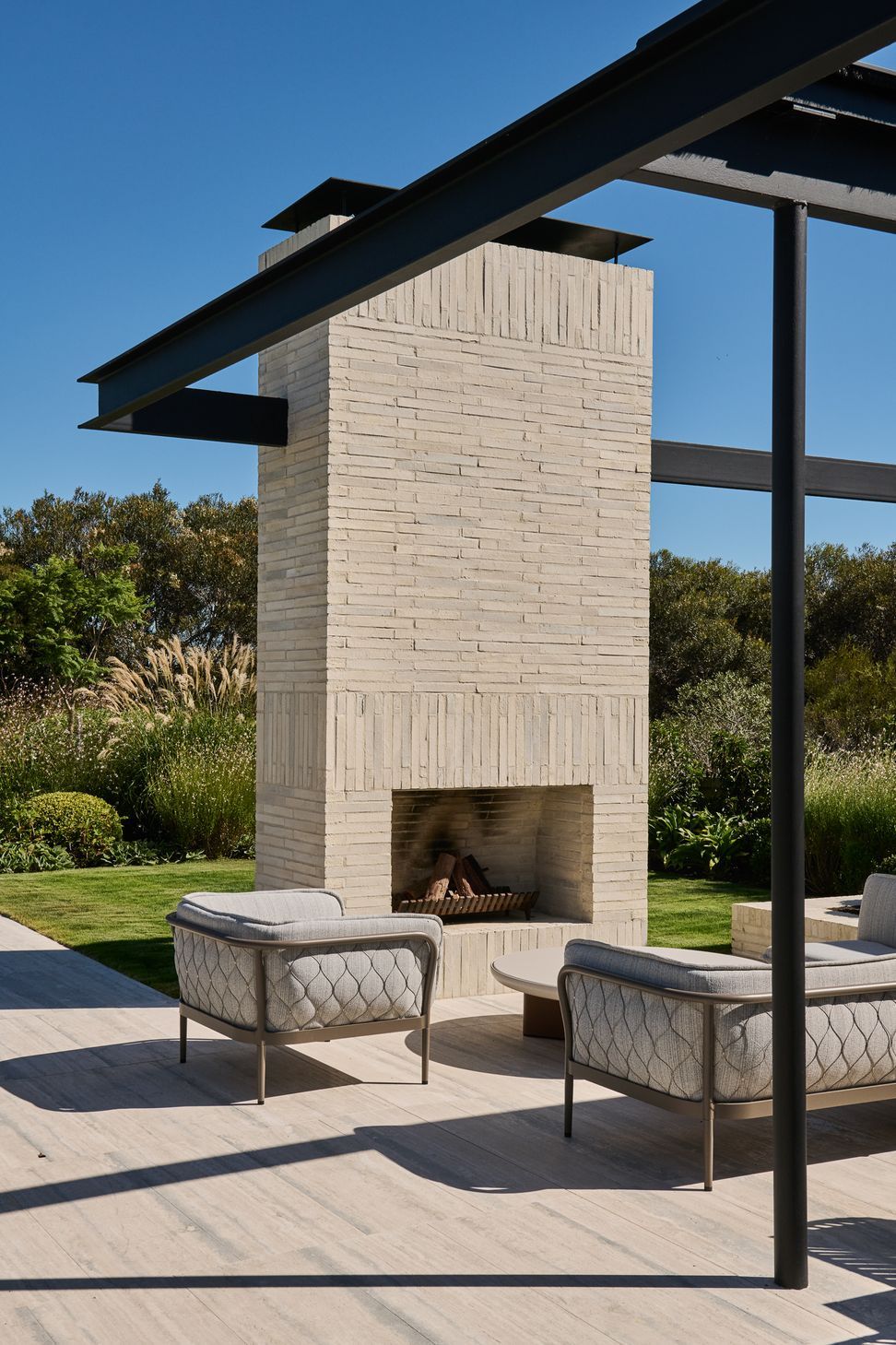
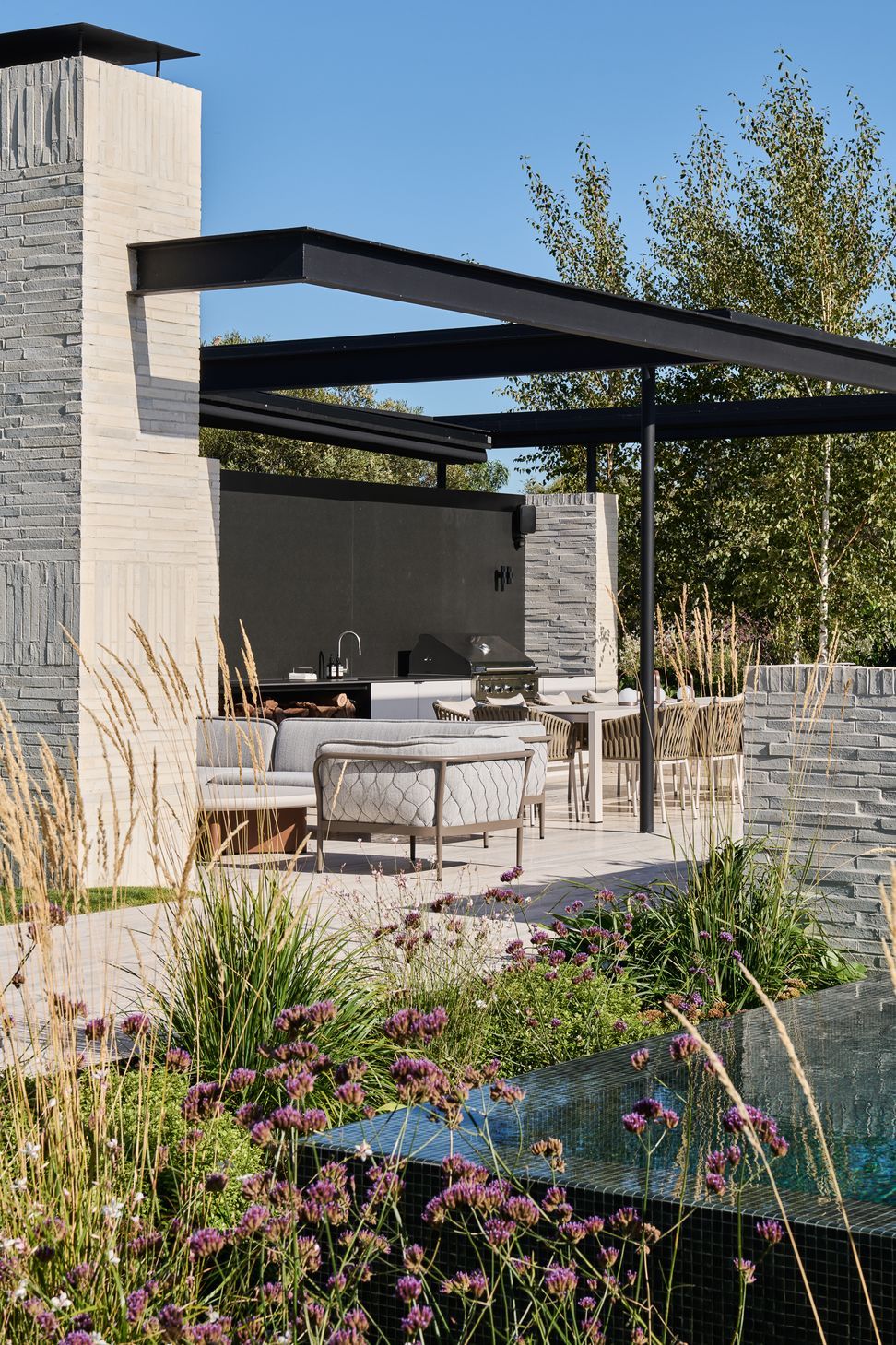
Materiality plays a crucial role in reinforcing this sense of cohesion. A limited palette of brick, silver travertine and black metalwork moves seamlessly from exterior to interior, dissolving boundaries and establishing continuity. In more intimate spaces, charred timber introduces a darker, more enveloping tone.
“We designed a very cohesive material palette that runs through everything,” McKinlay explains. “The travertine flows from inside to outside, and then in the more private spaces, the darker timber creates contrast and a sense of intimacy.”
It is this discipline that allows moments of richness to resonate more deeply. The dining space, with its soaring ceiling and generous proportions, is a focal point. A four-and-a-half-metre table anchors the room, and it’s one of McKinlay’s favourite spots in the home.
“It is a very simple space, but it brings all of the elements of the home together,” says McKinlay. “There is a real elegance to it.”
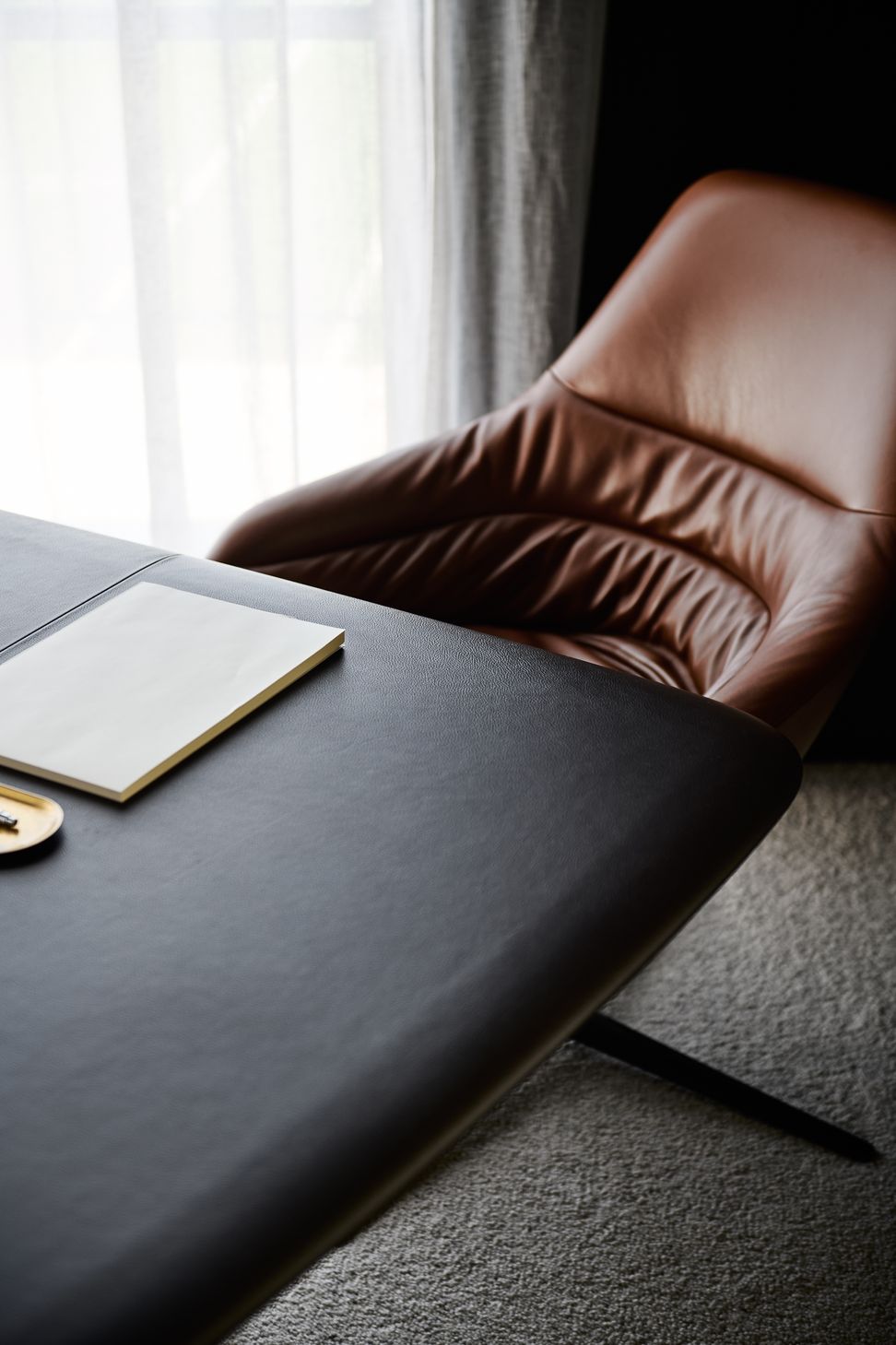
Beyond the architecture itself, the project was unique in the extraordinary level of detail. When the opportunity arose, NTF_A extended their involvement beyond the building to encompass interiors, furniture and styling. What followed was an exercise in total design, where every object was carefully considered and selected.
“We followed it all the way through to selecting cutlery, crockery and napkins, everything you could possibly imagine,” Fortey says. “Every single object you see was something Tess and I personally selected for them.”
This was not styling for its own sake, but an extension of the clients’ identity. Books were chosen with their interests in mind, children’s rooms were layered with personal touches and even the culinary preferences of the family informed the final composition. The result was a home that felt lived in from the moment of arrival.
McKinlay reflects on the importance of that authenticity. “We wanted to make sure it felt collected and reflective of the people who were going to be living in it,” she says. “It was about understanding who they are, rather than taking a clean slate approach.”
The final handover has become something of a legend. The clients arrived with little more than a travel bag each, stepping into a home that felt less like a new build and more like somewhere they had always belonged.
“They were absolutely blown away,” Fortey recalls. “There were a few tears.”
In the time since, The Clubhouse has settled effortlessly into its role. It hosts, it gathers, it adapts, holding space for both the everyday and the celebratory with equal ease. More than anything, it speaks to what can happen when architecture is allowed to go beyond the brief, when curiosity is met with trust, and when the details are given just as much weight as the whole.
Words: Jo Seton
Designed as a long-term family sanctuary, the interior design of The Clubhouse responds to a brief centred on connection, longevity, and everyday liveability. Located within Sanctuary Lakes and bordered by the golf course, the home’s interiors leverage generous volumes and outlooks while maintaining intimacy through carefully considered zoning. Spatial planning balances expansive communal areas for entertaining with quieter retreats, ensuring the family remains connected across the home’s split levels without feeling exposed or disconnected.
A restrained, enduring material strategy underpins the interiors, with handcrafted brickwork, travertine flooring, and charred timber flowing seamlessly from exterior to interior to reinforce a cohesive architectural language. Vaulted ceilings reference the gable roofline, creating dramatic moments of volume, while darker, more intimate tones define private spaces. Bespoke metalwork, refined joinery, and carefully detailed junctions speak to a high level of craftsmanship achieved through close collaboration between the design team, builder, and fabricators.
Sustainability informed material selection and planning, with robust, permanent finishes chosen for longevity and low maintenance, supported by a 7-star energy rating achieved through passive design principles and high-performance glazing. The result is an interior that feels grounded, generous, and deeply personal; designed to evolve gracefully with its inhabitants over time.
- Completed
- 2024
- Price range
- 5m+
- Building style
- Contemporary







Project team

George FORTEY
Director
Like this Project?
Hire NTF Architecture
The products behind the project
Seven products specified into this build from three suppliers, verified ArchiPro members. Tap through to specifications, suppliers and lead times.


Professionals used in
this project
The practices and trades credited on this project.





More projects from
NTF Architecture
Other work by NTF Architecture, across every category they build in.


More in
Luxury Homes
Everything else in Luxury Homes, from every practice on ArchiPro.


Next Project
Keep scrolling