

Project team
Restoration of Toku Toru Tapu, New Zealand's most historically significant Māori church, featuring innovative earthquake strengthening, original feature reinstatement, and a reflection of Rongowhakaata heritage.
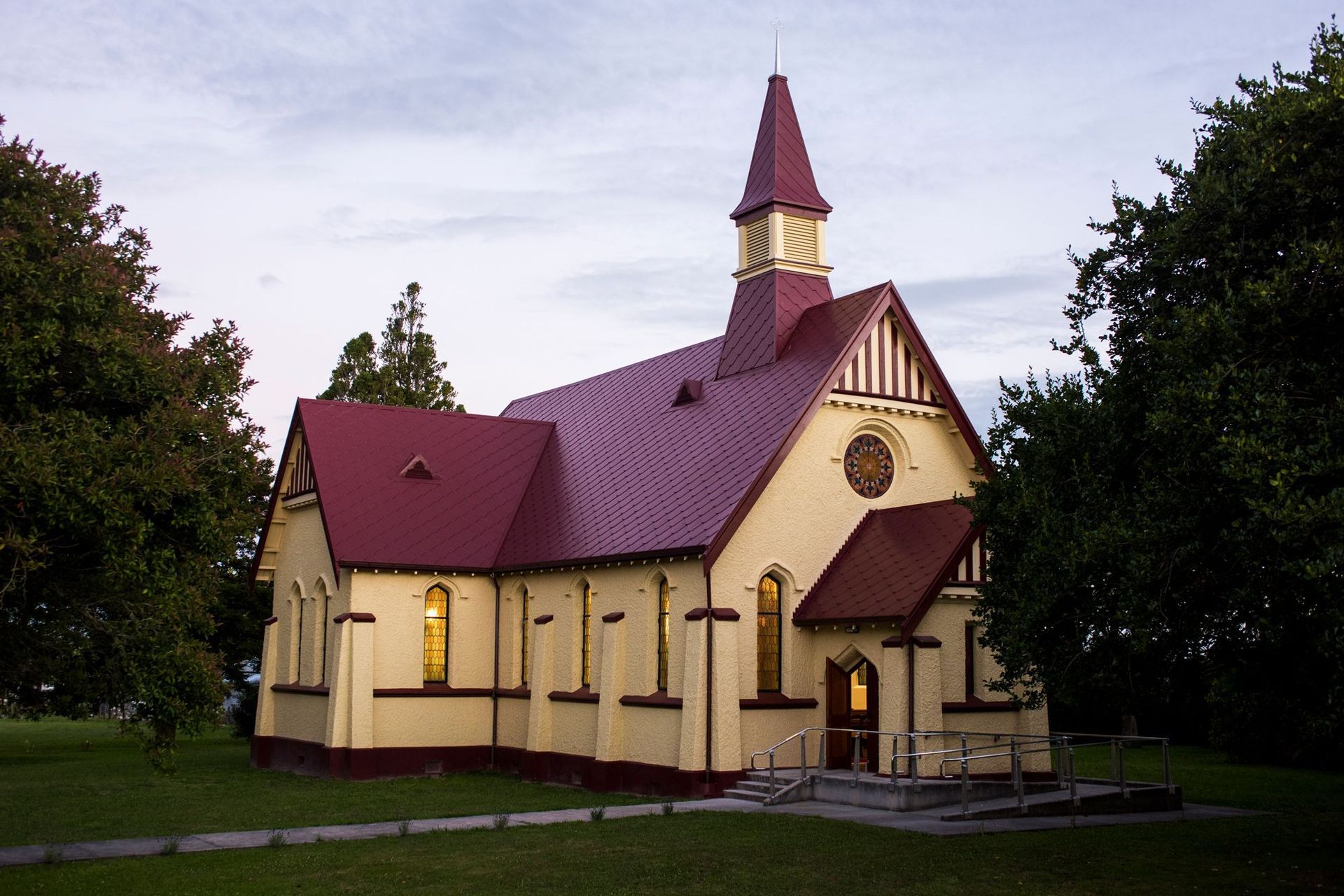
Arguably the most historically significant Māori church in New Zealand with historical connections to Rongowhakaata iwi, the Turanga School of Carving and beginnings of the Church of England in Turanga. The restoration saw the church returned to its original glory with a new steeple, roof cladding and very discrete structural strengthening.
Toku Toru Tapu was built in 1913 and is arguably the most historically significant Māori church in New Zealand.
The church is associated with the earliest mission station in Poverty Bay and the first chapel was built on the mission site near Manutuke in January 1840 out of raupo and timber slabs. It was destroyed by a gale in November 1842 – its replacement (1849-1863) was very large for the time and highly decorated with Māori art. The third Toku Toru Tapu (1888-1910) was built on the site of the current church and incorporated many carvings from the previous church. The current Toku Toru Tapu was built in 1913 after the former church burnt down in 1910.
The church had been poorly maintained since the 1960s, and the restoration project was challenged by the 2010 Christchurch earthquakes and subsequent review of engineering reports, which highlighted significant concerns. Innovation saved the day with consultants Spencer Holmes devising innovative earthquake strengthening solutions using Gisborne-made fibreglass reinforcing bars donated by Pultron Composites.
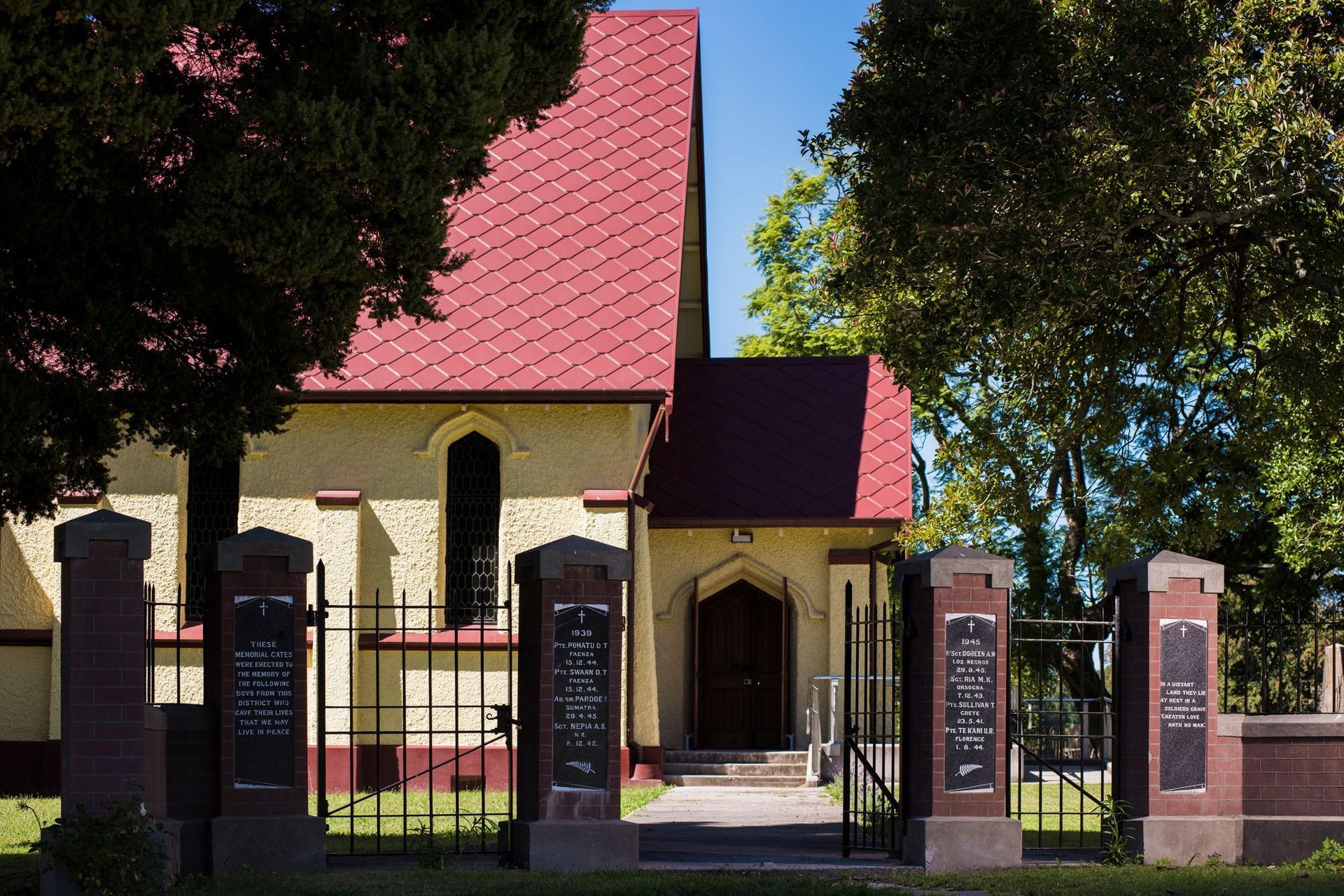
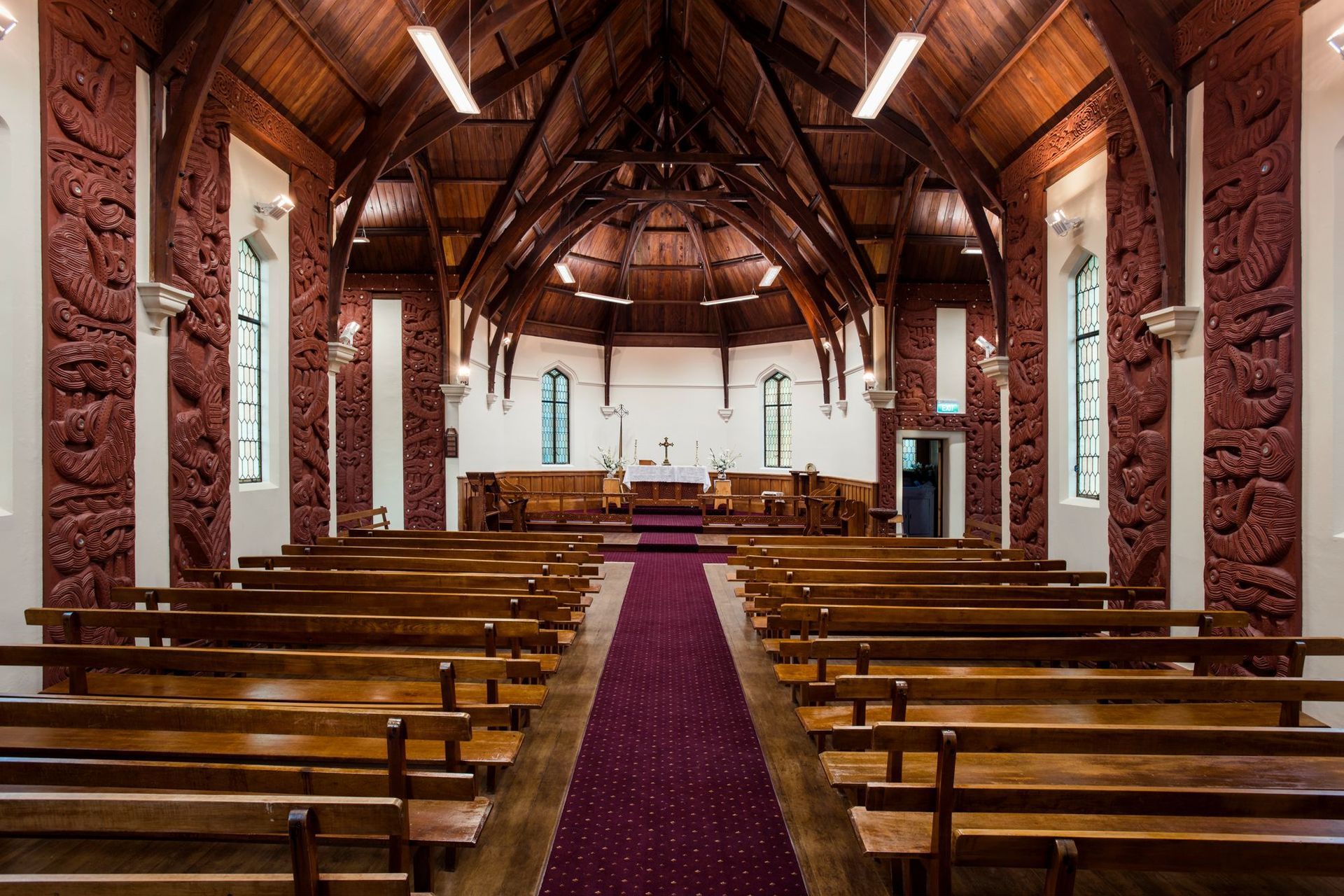
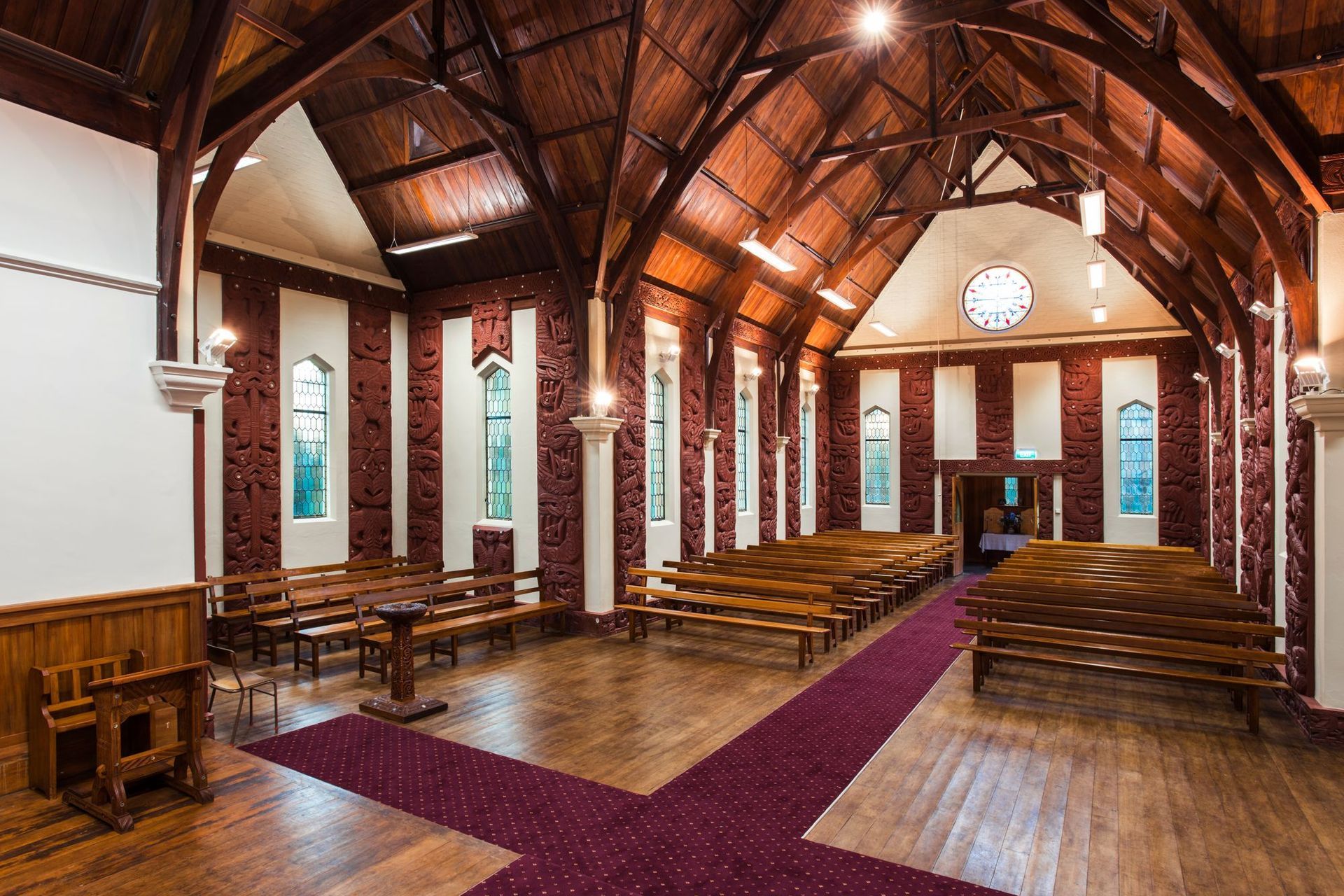
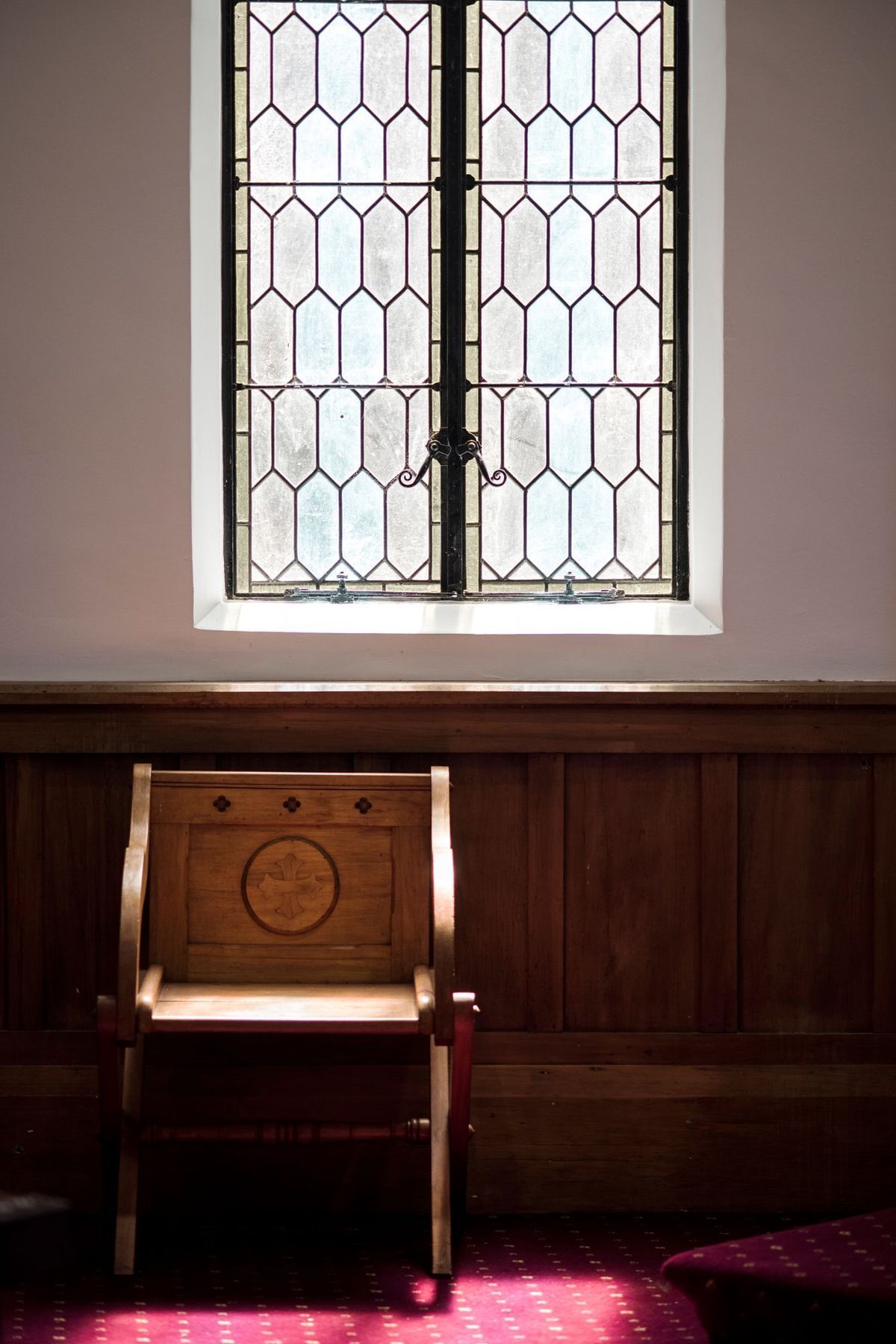
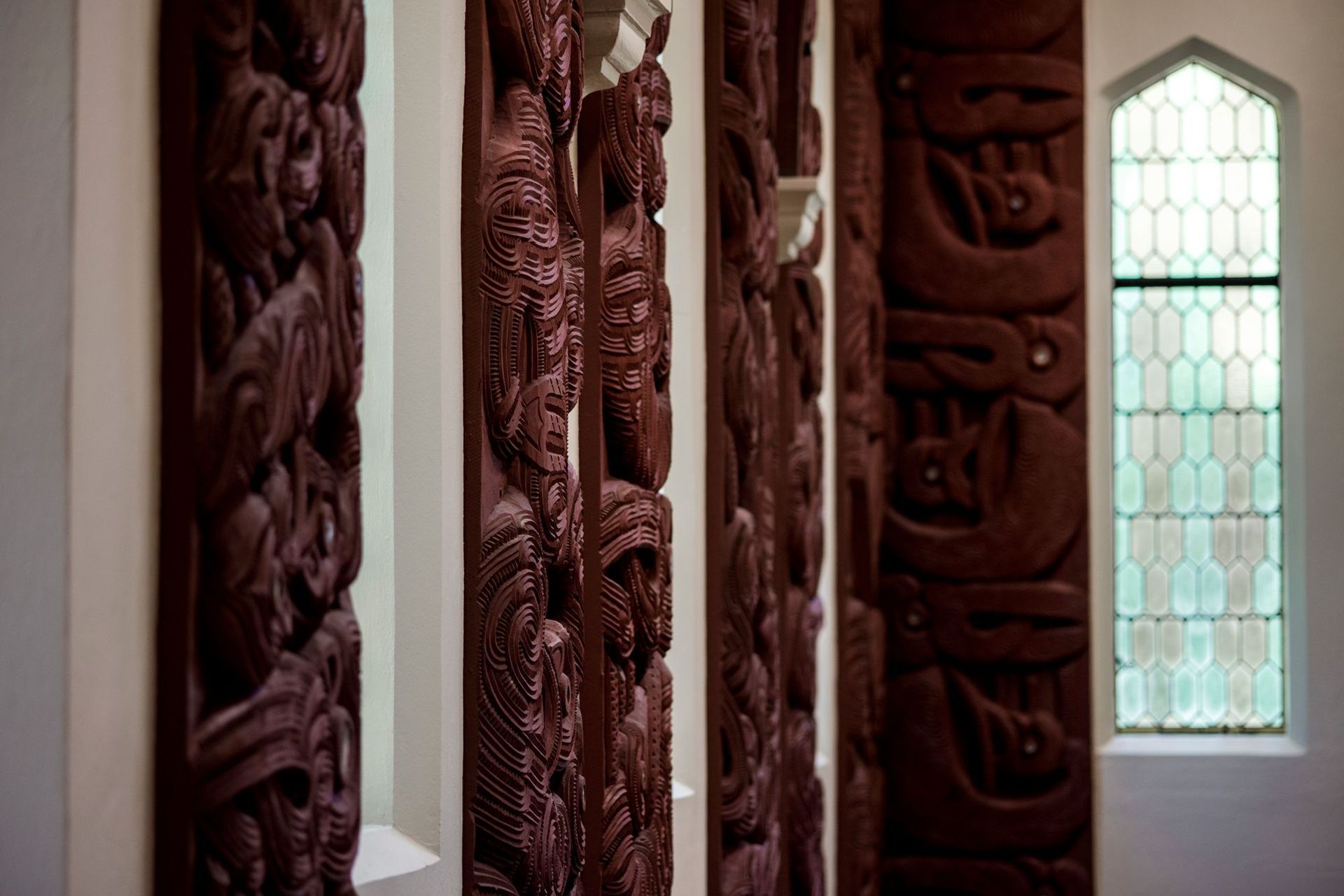
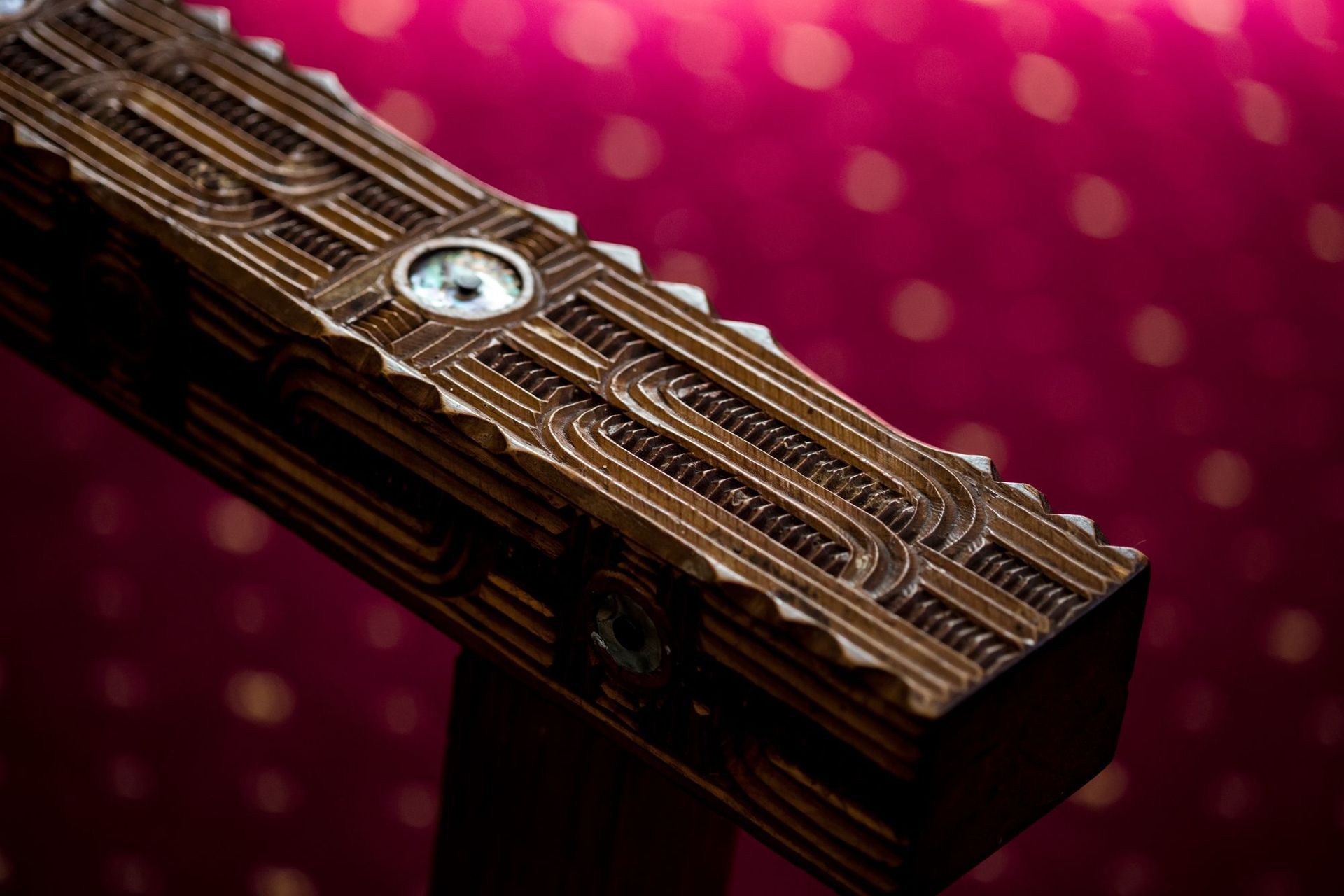
Many original features of the building were carefully reinstated. The decromastic-tiled roof was replaced with imported diamond-shaped, pressed metal tiles more like the asbestos originals, the bell-tower was reinstated after many decades of absence, and the windows were restored. The interior and exterior were re-painted with colours that were determined to be the original palette by scraping back the existing paint. The floor was stripped and hand-waxed and a team of carvers restored the many carvings to their original glory, including replacing paua eyes. New lights and a sprinkler system were installed.
The restoration of the Church incorporated the histories of Rongowhakaata hapu, the Turanga School of Carving and beginnings of the Church of England in Turanga. The church now sits proudly reflecting its heritage, and its important place in our past and our future.
Photography: Strike Photography
Like this Project?
Hire Architects44
Professional Reviews
Professionals used in
this project
The practices and trades credited on this project.

More projects from
Architects44
Other work by Architects44, across every category they build in.


Everything else in Religious Buildings and Memorials, from every practice on ArchiPro.


Next Project
Keep scrolling