
- 408.9K profile views
- 31 saves
Featured Professionals
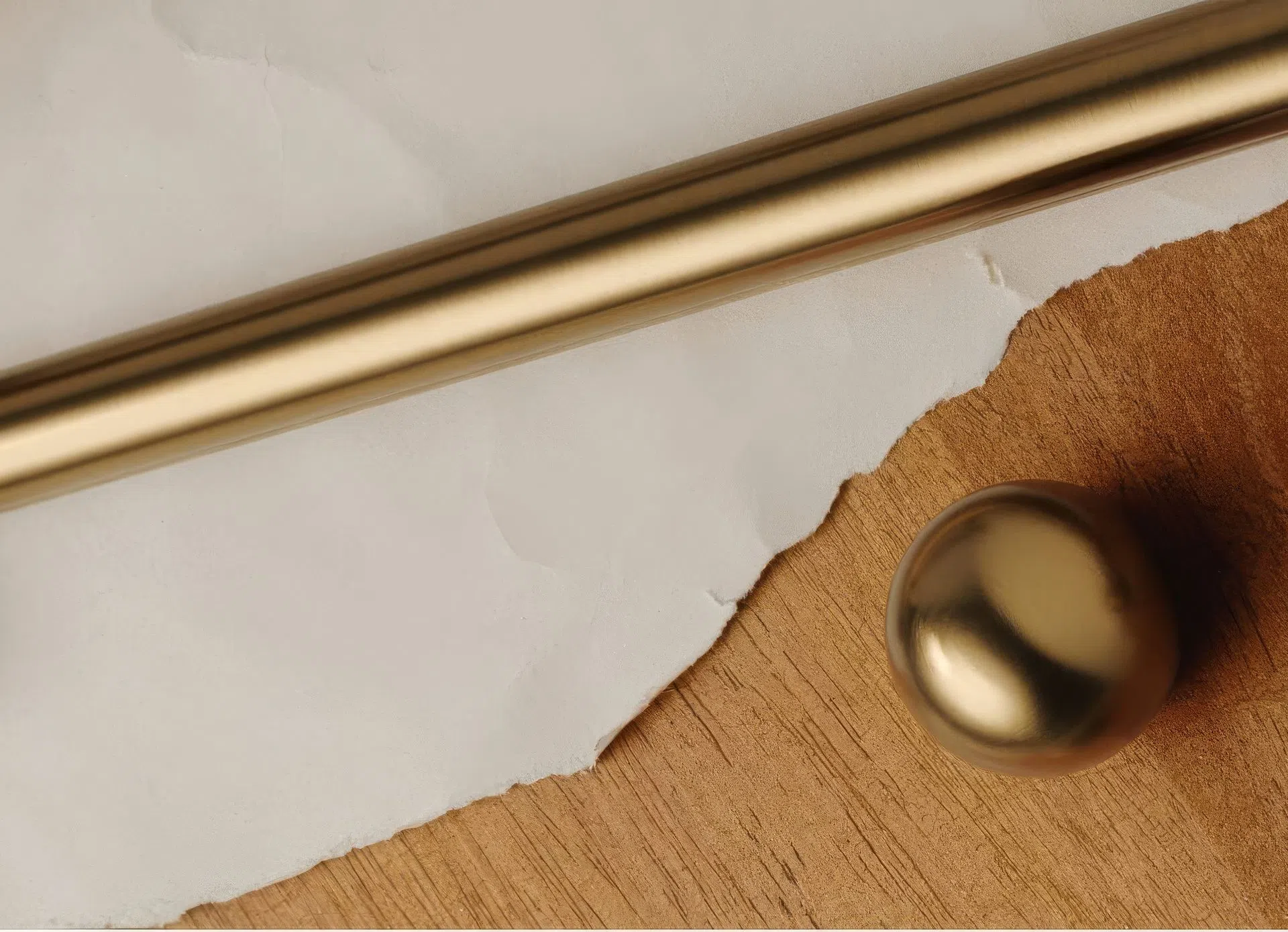
Brass is an alloy of copper and zinc, used for Iver door hardware because it does not rust, machines precisely and holds a finish with warmth and depth.
Architectural door hardware is often treated as a last-minute selection, yet it shapes how a project is experienced every day. It is specified once and touched for as long as the building stands.
Brass is having a moment in Australian homes, from brushed tapware and aged cabinetware to warm gold door hardware. Yet it remains one of the least understood materials.
“Brass” on a door handle can describe two very different things: solid brass, or a thin brass-coloured finish over another metal. On screen, they can look identical. Over time, the difference becomes clear. A surface finish can wear through at the points of greatest contact, while solid brass remains brass beneath the surface and can be restored and professionally re-polished decades later.
This guide covers what brass is, what it does well, how to tell solid from plated, and how to care for it.
© Iver
Why Quality Matters
For door hardware the reason is plain. It is touched more often than almost anything else in a home, and it must survive being handled for decades.
The Benefits of Brass
It does not rust
Rust is specific to iron and steel, and brass contains neither. It can change colour over time, which is a different process, but it will not corrode from the inside out or rust at the fixings.
It is dense, and you feel its weight
Pick up a solid brass lever and the weight registers before you have thought about it. That heft is the oldest quality test there is, and it is the one thing a screen or spec sheet cannot transmit.
It takes finish and holds it
Brass accepts an unusually wide range of finishes, from bright mirror polish to deep hand-aged bronze, with warmth and depth. A stable base metal is what lets plated and PVD finishes sit evenly.
It machines to fine tolerances
Brass can be cut and formed precisely, and it holds those tolerances over the working life of the part. That is what a lever feels like when it returns cleanly to its horizontal position every time, for years. Brass is also a stable material, so the underlying substrate will not oxidise and pit over time, a risk with zinc. And because it machines to such a smooth finish, mechanical surfaces keep the same even operation you feel out of the box without needing regular lubrication.
It is recyclable as a metal
Brass is a circular material that can be recycled repeatedly without losing its chemical or physical properties. Southern Design Group recycles brass, steel, cardboard, plastics, organics and electronics across its operations. Iver is part of Southern Design Group, a Certified B Corporation™.
“Crafted from solid forged brass, the hardware combines exceptional durability with equally exceptional quality. The resilience and full recyclability of brass highlights Iver’s commitment to sustainable and responsible design.” – The Local Project
© Iver
© Iver
Solid Brass or Brass Plated: Simple Ways to Tell
“Brass” on a product page can describe the material or the colour. If it is not stated plainly, check. Simple tests, no equipment needed.
The difference shows up in year ten. A brass-coloured coating is merely a surface finish, destined to wear away at the exact points your hand lands. Once it wears, the base metal underneath is exposed. With only a protective coating to wear through, solid brass hardware can be restored and professionally re-polished decades later.
© Iver
Brushed Brass, Polished Brass, Aged Brass: What the Iver Finish Names Mean
The finish sits on top of the brass, and it decides both how the piece looks now and how it will look in ten years.
Brushed Brass Warm gold, satin brushed. Muted rather than reflective, and pleasant under the hand. At home in contemporary and traditional interiors alike. A sensitive finish, covered below. A sensitive finish protected by a clear satin lacquer.
Polished Brass Warm gold, bright and reflective. The classic architectural option, lacquered with clear gloss for protection.
© Iver
Signature Brass Deep bronze, hand-aged. Each piece is finished by hand to a consistent depth, with dark undertones and warm highlights. The process is controlled for a cohesive look from piece to piece; however, variation between pieces is expected. A thin clear lacquer protects the finish, and the colour will continue to deepen gently at the points you touch most, in keeping with how a living finish is meant to behave.
Brushed Gold PVD Warm gold, satin brushed. A hard-wearing PVD (Physical Vapour Deposition) coating, bonded in a vacuum chamber over a plated base on solid forged brass. Its resistance to coastal and moisture-rich conditions makes it the strongest choice for both interior and exterior use, and it carries a lifetime finish warranty.
Ten finishes run across the Iver range, though not every finish is available on every product. If you are matching hardware across a Whole-of-home project, our collections are designed so levers, pulls and cabinetware share one finish from the front door to the last drawer.
Does Brass Tarnish?
As brass ages, its unlacquered raw finish develops a warmer, deeper patina.
Air, moisture and oils from your hands gradually shift brass from bright gold to warmer, deeper tones. How quickly this patina develops depends on the finish and how the hardware is cared for.
- Finishes that are plated. Brushed Gold PVD, Polished Chrome, Brushed Chrome, Polished Nickel and Distressed Nickel are durable, and carry a lifetime finish warranty.
- Lacquered finishes hold their appearance while the protective coating stays intact, and Brushed Brass is the most sensitive of these: its texture makes discolouration show sooner than on a smoother finish, so keep it away from hard objects, harsh chemicals and salt spray. Patina develops with use.
- Hand-aged finishes are chosen for the way they slowly develop. Signature Brass is aged by hand to a set depth and protected by a thin clear lacquer, so the colour you choose is the tone it starts at, over time it will deepen. The change happens at the points you touch most, where a coating would only lose colour.
If you prefer little to no change over time subject to care and use, choose PVD or a plated finish.
© Iver
© Iver
How to Clean Brass Door Handles
The cleaning and care routine is short and easy to do.
1. Wipe gently with a soft, damp cloth.
2. Dry immediately with a soft, dry cloth.
Products and materials to avoid:
- Avoid abrasive cleaners, scourers and products containing alcohol, as these can break down the lacquer.
- Keep turpentine, paint thinners and masking tape away from the finish.
- Do not use metal polish. It is designed to cut back tarnish on bare, unlacquered brass and can remove both the lacquer and the hand-aged colour beneath.
Protecting the finish:
- Take care not to damage the lacquer layer. If the lacquer or coating is compromised, the product will continue to age, and high-contact areas will reveal the brass beneath, which will develop a patina over time.
© Iver
Why Iver Builds in Solid Brass
Iver is part of Southern Design Group, a Certified B Corporation™ with more than 40 years working in brass. Every Iver piece begins in solid brass, chosen for its integrity and stability in both design and manufacture.
What that means for you:
- Solid brass on every surface you see or touch, including the euro cylinder, across every collection. Internal components such as lock bodies, tube latch bodies and springs vary by material, with brass used where its machinability and long-term smooth operation matter most.
- Brass surfaces operate smoothly against each other over time, reducing the risk of door hardware jamming or sagging with use. Zinc door furniture is more susceptible to surface corrosion or mechanical wear that can affect operation over time.
- Selected door levers are tested to D8, 500,000 cycles (AS4145.2:2008).
- A two-hour fire rating on levers, knobs and pull handles, on FireCore and E-Core doors (AS1530.4:2014). Note that accessories and the Puerto Collection are not fire rated.
- A ten-year mechanical warranty on door furniture: levers, knobs, pull handles, locks and latches.
- A lifetime finish warranty on Brushed Gold PVD, Polished Chrome, Brushed Chrome, Polished Nickel and Distressed Nickel.
- Accessibility options: Baltimore Return and Oslo levers are DDA compliant.
- Whole-of-home continuity across seven collections, so the finish carries from the entry door to the cabinetry.
Hardware is a small line on a renovation budget and one of the few things in a house you will touch every day for as long as you live there. It is worth getting the material right.
Explore the Iver collections or find your local retailer and hold an Iver piece. The weight makes the argument better than we can.
© Iver
Frequently Asked Questions
What is brass made of?
Brass is an alloy of copper and zinc, most commonly around 70 per cent copper to 30 per cent zinc. The ratio varies by alloy, and small amounts of other elements are added to make it easier to machine.
Does brass rust?
No. Rust forms on iron and steel, and brass contains neither. Unlacquered brass can develop a surface patina over time, which is a colour change rather than corrosion.
How can I tell if a door handle is solid brass?
Feel the weight (solid brass is heavy for its size), try a magnet (brass is not magnetic), look at any mark or scratch (solid brass is the same colour all the way through), and tap it with a coin (solid brass rings rather than thuds).
How do I clean brass door handles?
Wipe with a soft, damp cloth and dry immediately with a soft, dry cloth. Avoid solvents, abrasives and spray cleaners.
Will Brushed Brass patina?
In time, yes. Brushed Brass is coated to delay patina, but its texture makes it more susceptible to discolouration than a smoother finish, so Iver classes it as a sensitive finish. Harsh chemicals, salt spray and contact with hard objects all speed it up. For coastal or high-traffic projects, Brushed Gold PVD is the more robust choice.
Is brass recyclable?
Brass is readily recycled as a metal, and copper and brass scrap hold their value. Southern Design Group recycles brass alongside steel, cardboard, plastics, organics and electronics.
What warranty does Iver hardware carry?
Door furniture, meaning levers, knobs, pull handles, locks and latches, carries a ten-year mechanical warranty regardless of finish.
Is solid brass hardware worth the extra cost?
Yes. The value lies in what sits beneath the finish. Brass-coloured coatings can wear through at high-touch points, exposing the base metal below, while solid brass retains its corrosion resistance and several finishes can be professionally re-polished decades later. Every Iver piece is forged from solid brass, machined for lasting performance, and protected with plating, lacquer or coating for longevity.
Like this Article?
Get in touch with Iver
Discover More Readingin Ideas & Perspectives






Next Article
Keep scrolling
The changing shape of life outdoors