White Baths
- White baths are a clean, flexible choice for New Zealand bathrooms, from compact ensuites to larger family spaces. On ArchiPro you can compare a wide range of white bath designs, including freestanding baths, back-to-wall baths, corner baths and spa baths from trusted suppliers. Consider the room size, installation type, material, waste position and how the bath will work with your tapware, shower or surrounding white bath tile. A white bath can suit a calm all-white scheme, a black and white bath palette, or a warmer natural finish with timber and stone.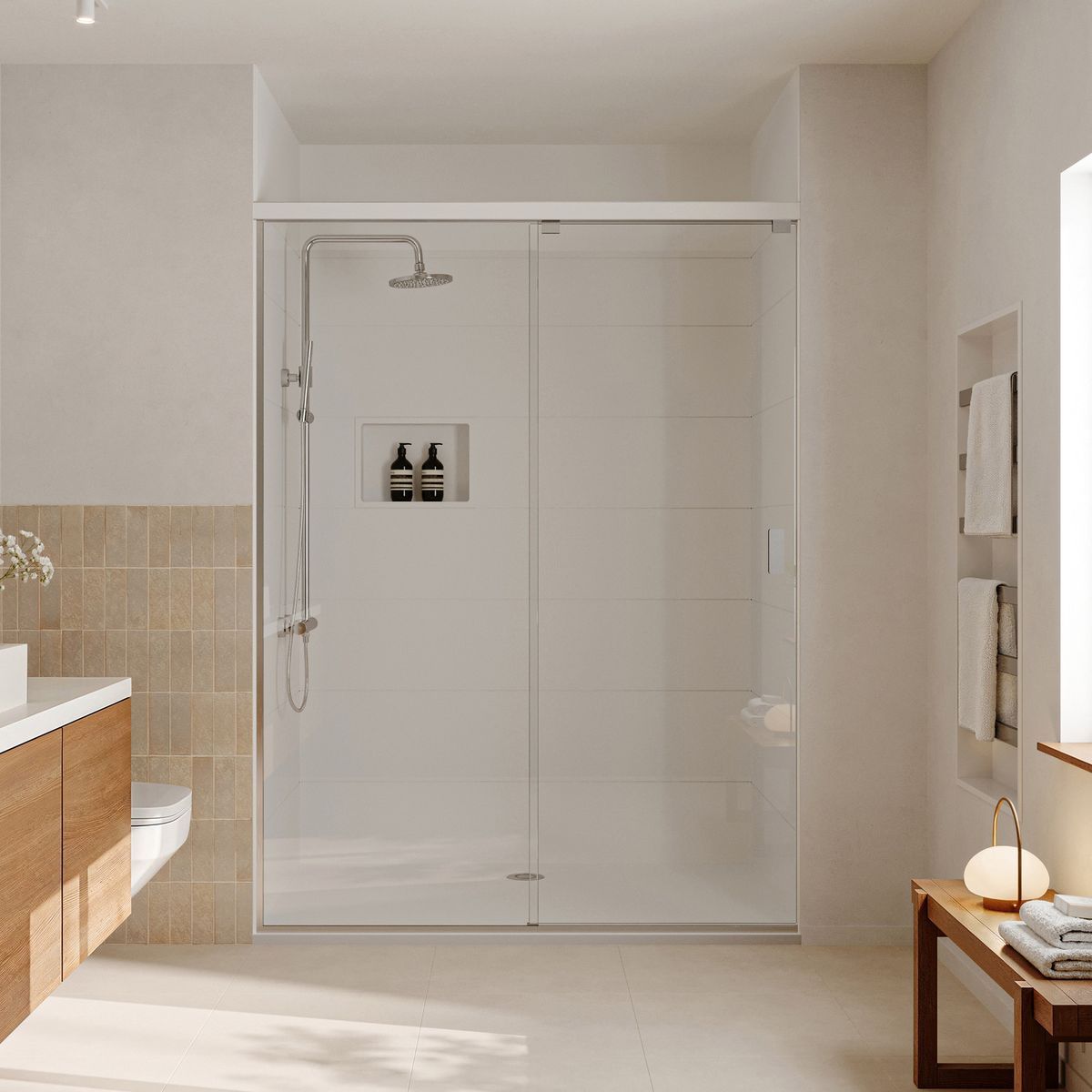

More to discover
Explore all product categories
- Building Supplies
- Car Parking Solutions
- Cladding & Facades
- Construction 4.0
- Construction Equipment and Supplies
- Electrical
- Fire Safety
- Insulation
- Interior Wall Lining
- Plumbing Supplies
- Prefabricated Buildings
- Roofing
- Structural & Framing
- Solar Electric Systems
- Stairs, Lifts & Access
- Windows & Doors
- Security & Access
- Water Filtration Systems
- Water Management & Filtration
A white bath is one of the most adaptable fixtures in a New Zealand bathroom. It works with chrome, brushed nickel, gunmetal or matte black tapware, and it can sit comfortably with pale tiles, concrete-look finishes, timber vanities or a sharper black and white bath scheme. Before comparing styles, start with the wider room plan. Browse the full bathroom category if you are also choosing basins, toilets, tapware or storage at the same time.
Choosing the right white bath for your bathroom
The best white bath is not only about looks. The right choice depends on space, plumbing, cleaning needs, water capacity, access and the way you bathe. A deep soaking bath may be ideal for one home, while a practical shower-over-bath can make better use of a compact family bathroom.
Popular white bath types in New Zealand
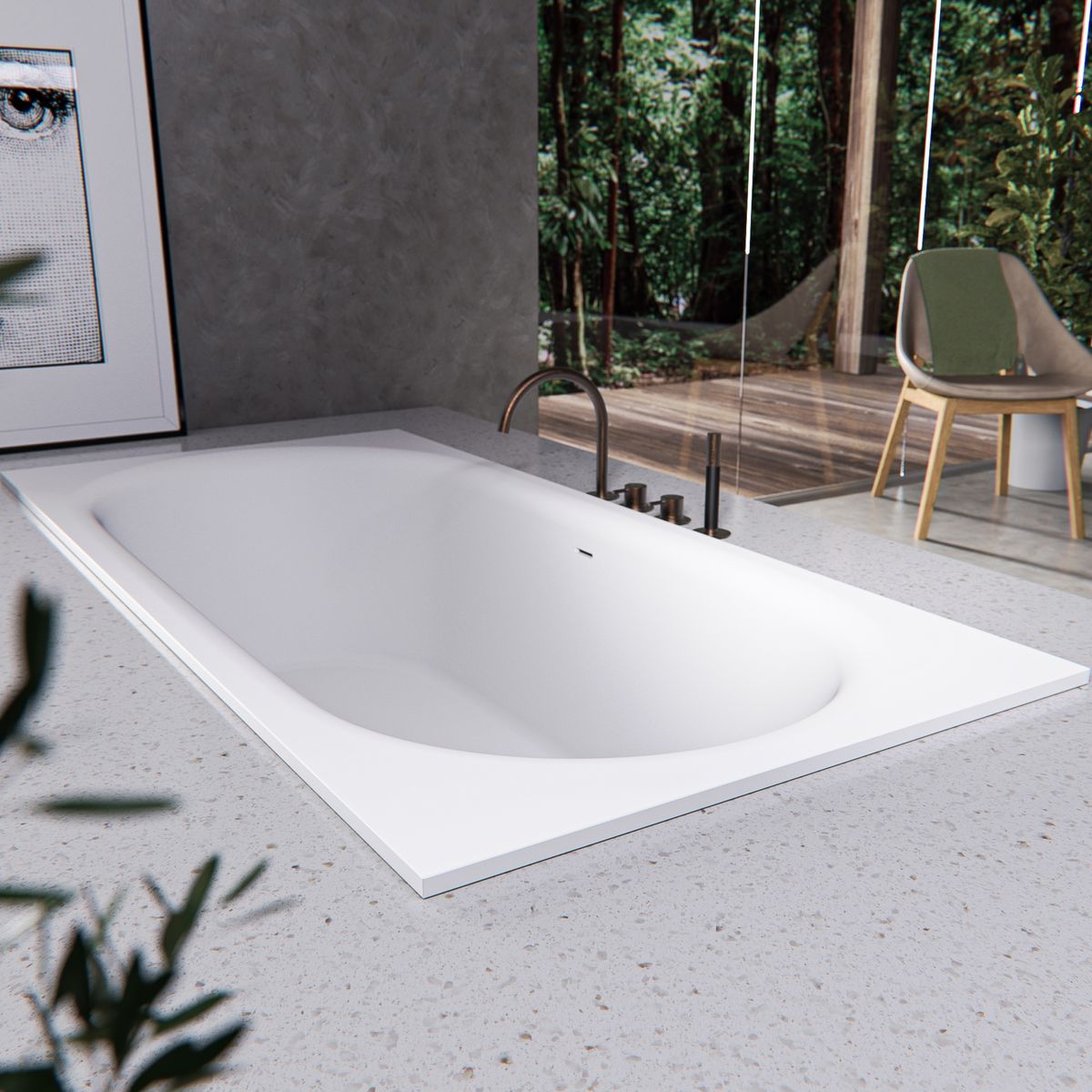
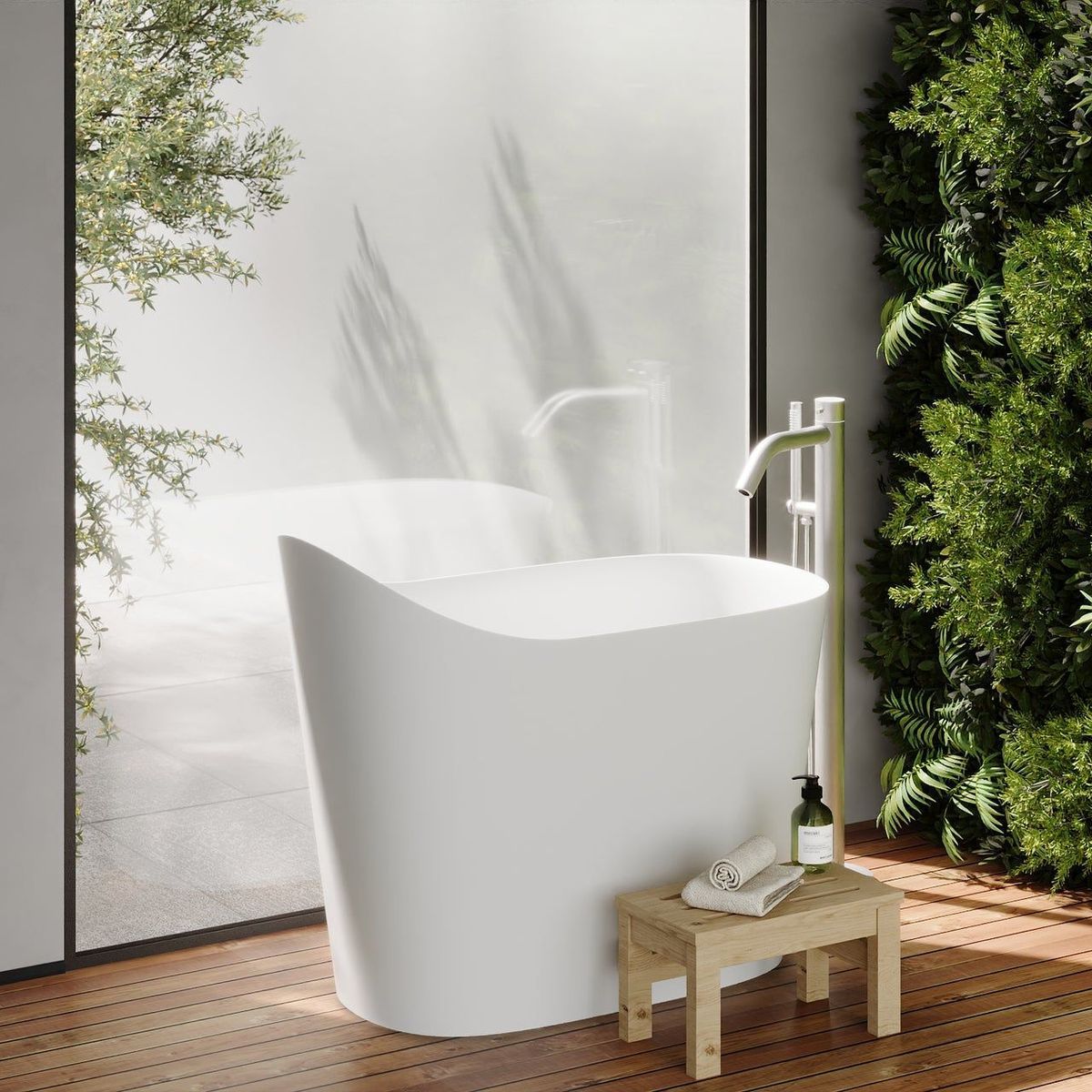
Freestanding baths are often chosen for main bathrooms where the bath is intended to be a design focus. They need enough clearance around the base for cleaning and comfortable movement. Oval and soft rectangular white baths are common because they feel calm without dating quickly.
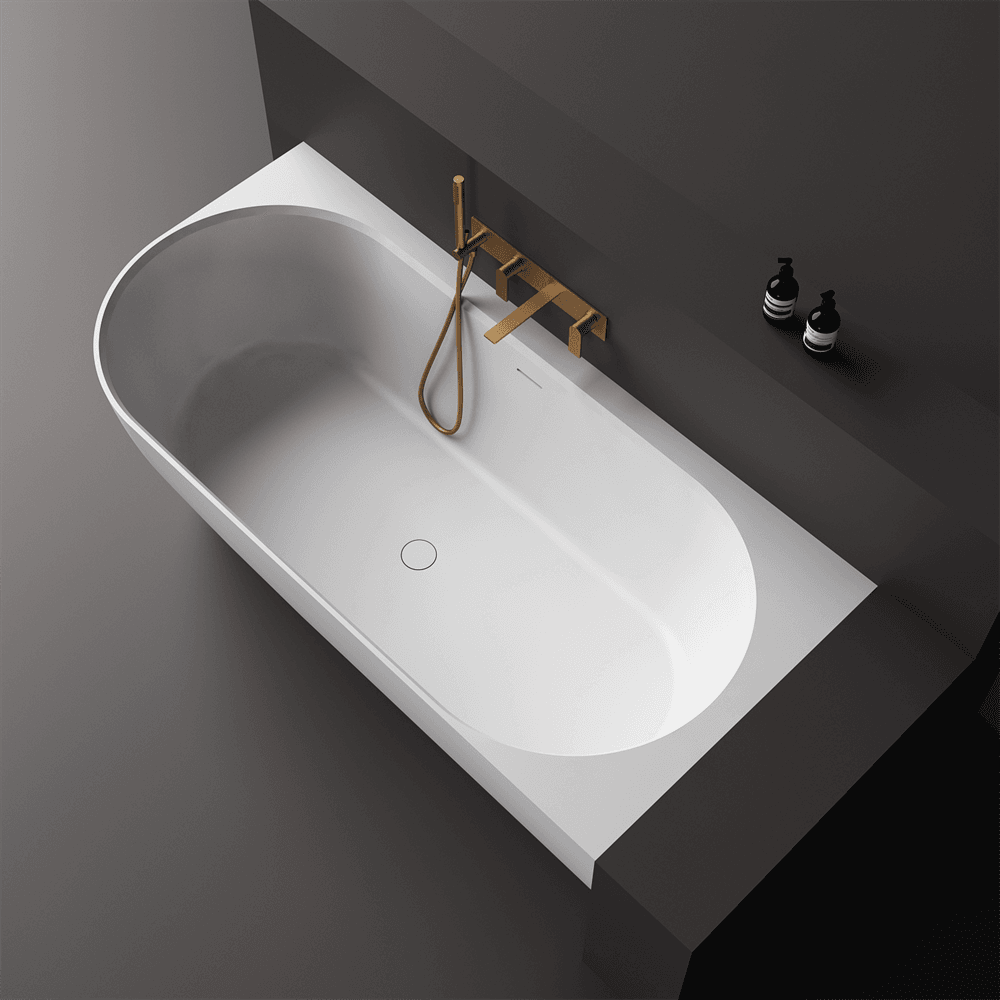
Back to wall baths give a similar sculptural look while sitting hard against one wall. This can reduce cleaning gaps and make better use of floor area, especially in renovated villas, townhouses and newer homes with tighter bathroom plans.
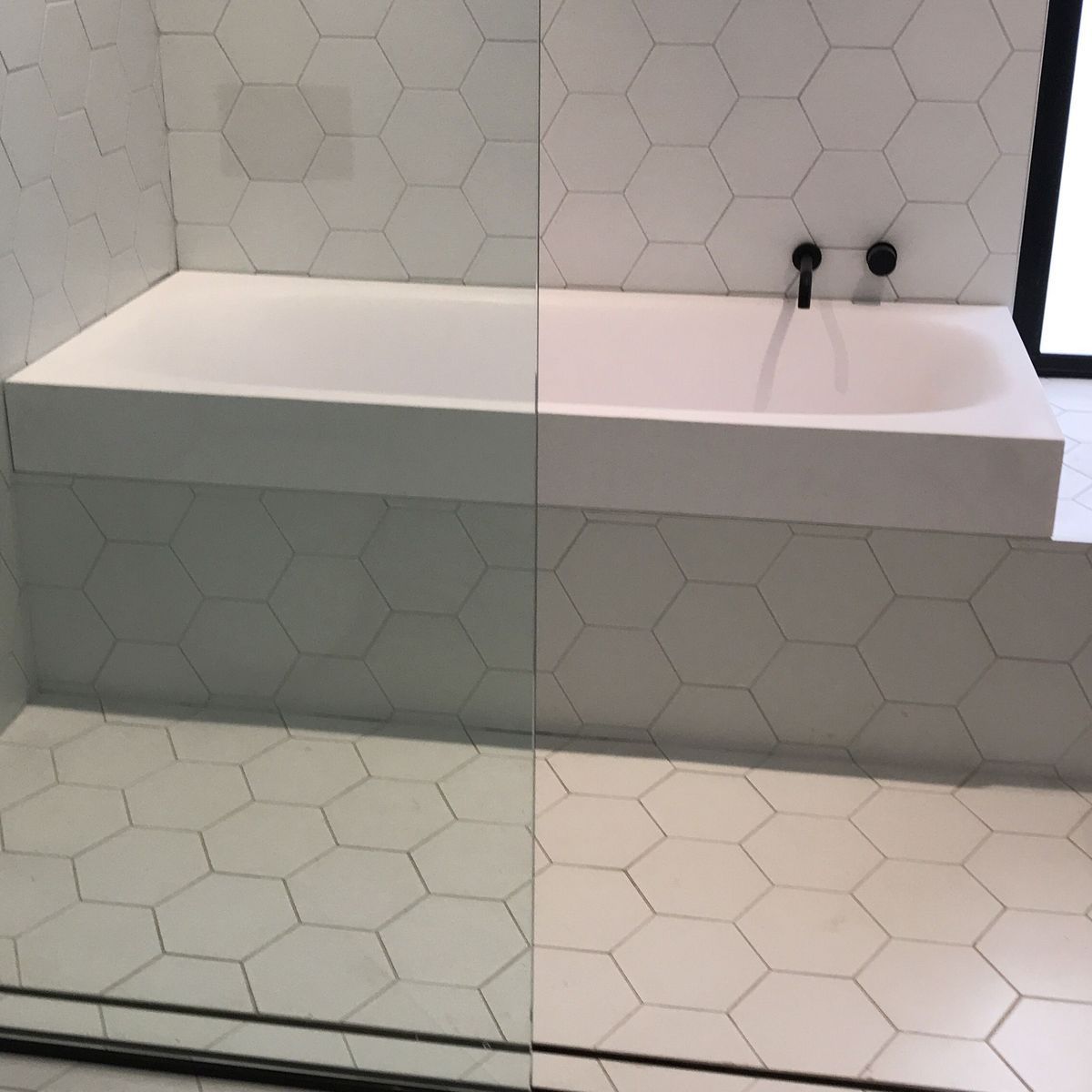
Drop in baths are installed into a framed surround or tiled hob. They suit bathrooms where the bath needs to align with storage, ledges or surrounding white bath tile. The surround can also create space for a white bath tray, candles or daily bathing products.
Corner baths are useful where a room has an awkward layout or where you want a generous bathing area without placing a bath in the centre of the room. They can work well in family bathrooms when paired with easy-clean wall linings.
Spa baths add jets for a more therapeutic bathing experience. Check pump access, noise, cleaning requirements and electrical planning early, as these details affect installation and long-term care.
Acrylic shower over bath options are a practical choice for apartments, rentals, baches and homes with one bathroom. A well-planned screen, mixer and non-slip base make daily use much easier.
Bath liners can refresh or protect an existing bath area, depending on the product and project needs. They are worth considering for renovation projects where the layout is staying in place.
Materials, finish and cleaning
Most white baths are made from acrylic, stone composite, solid surface or enamelled materials. Acrylic baths are light, warm to the touch and often more cost-effective to install. Stone composite and solid surface baths tend to feel heavier and more substantial, with a refined matte or satin finish. Enamelled steel or cast iron options can be very hard-wearing, but weight and floor support need to be checked.
- Gloss white reflects light and is easy to match with classic bathroomware.
- Matte white has a softer look and pairs well with textured tile, stone and timber.
- Warm white can sit more comfortably in homes with beige, cream or natural finishes.
- Bright white suits crisp schemes, including black and white bath towels, black tapware and high-contrast tiles.
For cleaning, check the supplier's care instructions before using abrasive pads or strong chemicals. A white bath makes soap marks visible sooner, but it also helps you spot residue before it builds up. If you plan to use a white bath caddy or white bath sheets nearby, think about ledge width, towel storage and ventilation so the area stays dry between uses.
Measuring and installation details to check
Measure the finished room, not just the framing. Wall linings, tiles and waterproofing reduce available space. Confirm the bath length, width, height, rim depth, internal bathing depth and waste position. Also check whether the bath needs floor-mounted, wall-mounted or hob-mounted tapware.
- Allow comfortable space for entry, cleaning and opening shower screens.
- Confirm access through doorways, hallways and stairs before delivery.
- Check floor structure for heavy bath materials, especially upstairs.
- Plan overflow, waste and mixer locations before tiling starts.
- Ask your supplier or installer about warranties and approved cleaning products.
How to create a cohesive white bath design
A white bath gives you freedom to keep the bathroom quiet or add contrast. For a calm look, layer whites carefully by comparing the bath against tiles, basin, vanity top and wall colour in natural light. For contrast, use black tapware, a dark framed mirror or black and white bath mat rather than making every fitting dark. Small pieces are easier to change later.
On ArchiPro, you can compare white baths from New Zealand suppliers, review product details and connect with professionals who understand local build expectations. Shortlist baths by size, installation type and material first, then refine the finish and styling details.