Black Flooring
- Black flooring brings depth, contrast and a clean architectural base to New Zealand homes and commercial spaces. Explore dark timber looks, black wood flooring, vinyl, laminate, carpet, resin and more from leading suppliers on ArchiPro. Whether you want a matte black floor for a bathroom, a hard-wearing entry finish or black and white flooring for a kitchen, compare products by material, finish, installation needs and maintenance before you shortlist.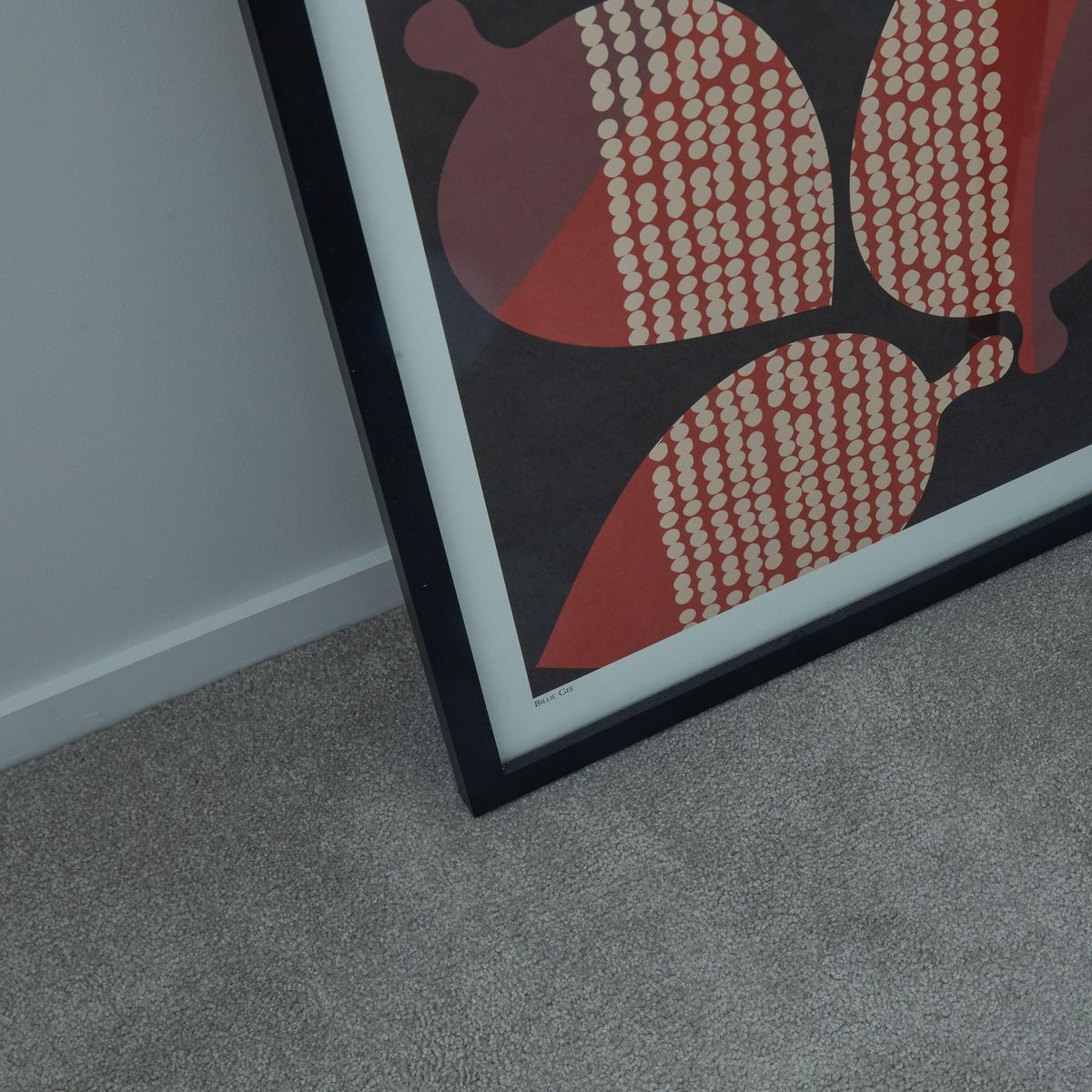


More to discover
Explore all product categories
- Building Supplies
- Car Parking Solutions
- Cladding & Facades
- Construction 4.0
- Construction Equipment and Supplies
- Electrical
- Fire Safety
- Insulation
- Interior Wall Lining
- Plumbing Supplies
- Prefabricated Buildings
- Roofing
- Structural & Framing
- Solar Electric Systems
- Stairs, Lifts & Access
- Windows & Doors
- Security & Access
- Water Filtration Systems
- Water Management & Filtration
Black flooring can make a room feel grounded, refined and highly intentional. It suits modern homes, hospitality spaces, retail fit-outs and renovations where the floor needs to hold its own against pale walls, timber joinery or stone benchtops. The best choice depends on more than colour. Think about moisture, sunlight, foot traffic, cleaning, acoustic comfort and how the finish will sit with other finishes in the room.
Choosing black flooring for a New Zealand project
Black floors also behave differently from mid-tone flooring. Dust, pet hair, scratches and water spots can be more visible, especially on gloss surfaces. A good sample, viewed in morning and evening light, is one of the safest ways to judge whether a deep black, charcoal, smoked oak or black and white flooring pattern is right for the space.
Start with the flooring type
Each material brings a different look and level of resilience. Use the room, budget and installation method to narrow the field before comparing colours.
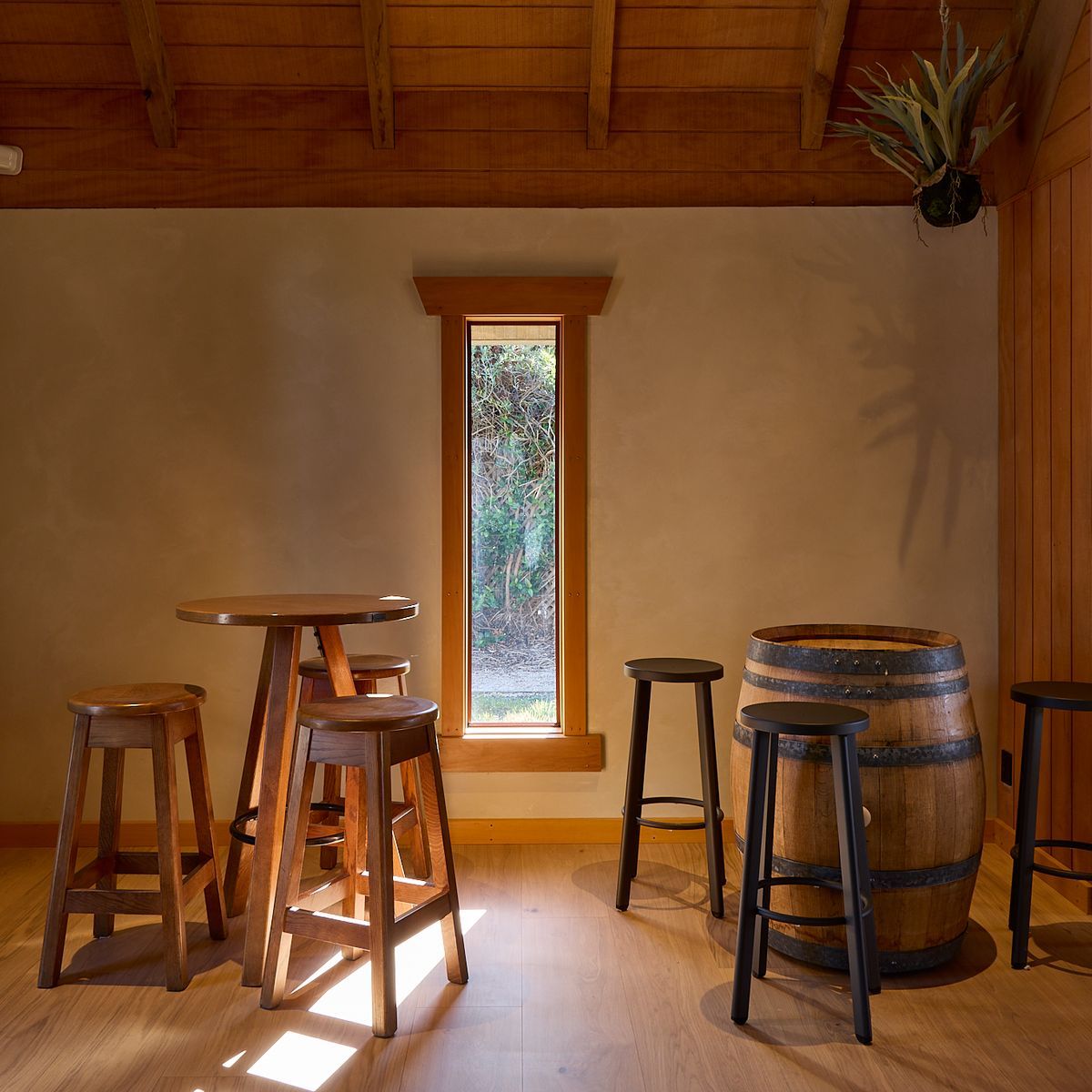
- Wood flooring is the natural choice for black wood flooring, smoked timber, dark oak and stained boards. It has warmth underfoot and can suit premium residential interiors, but it needs the right coating for wear and UV exposure.
- Laminate flooring can create a dark timber look at a more accessible price point. Check abrasion rating, water resistance and edge detail for kitchens or busy family areas.
- Carpet flooring in black or charcoal softens bedrooms, media rooms and offices. Look at fibre type, pile height and stain resistance, especially in homes with children or pets.
- Concrete flooring can be tinted, polished or sealed for a dark industrial finish. It is strong and low fuss when specified well, but substrate quality and crack control matter.
- Vinyl flooring works well for black and white vinyl flooring, plank formats and sheet or roll products. It is practical for kitchens, laundries and commercial spaces where moisture resistance is important.
- Substrate and underlay affect comfort, sound and the final appearance. Dark flooring can reveal uneven joints or movement, so preparation is worth taking seriously.
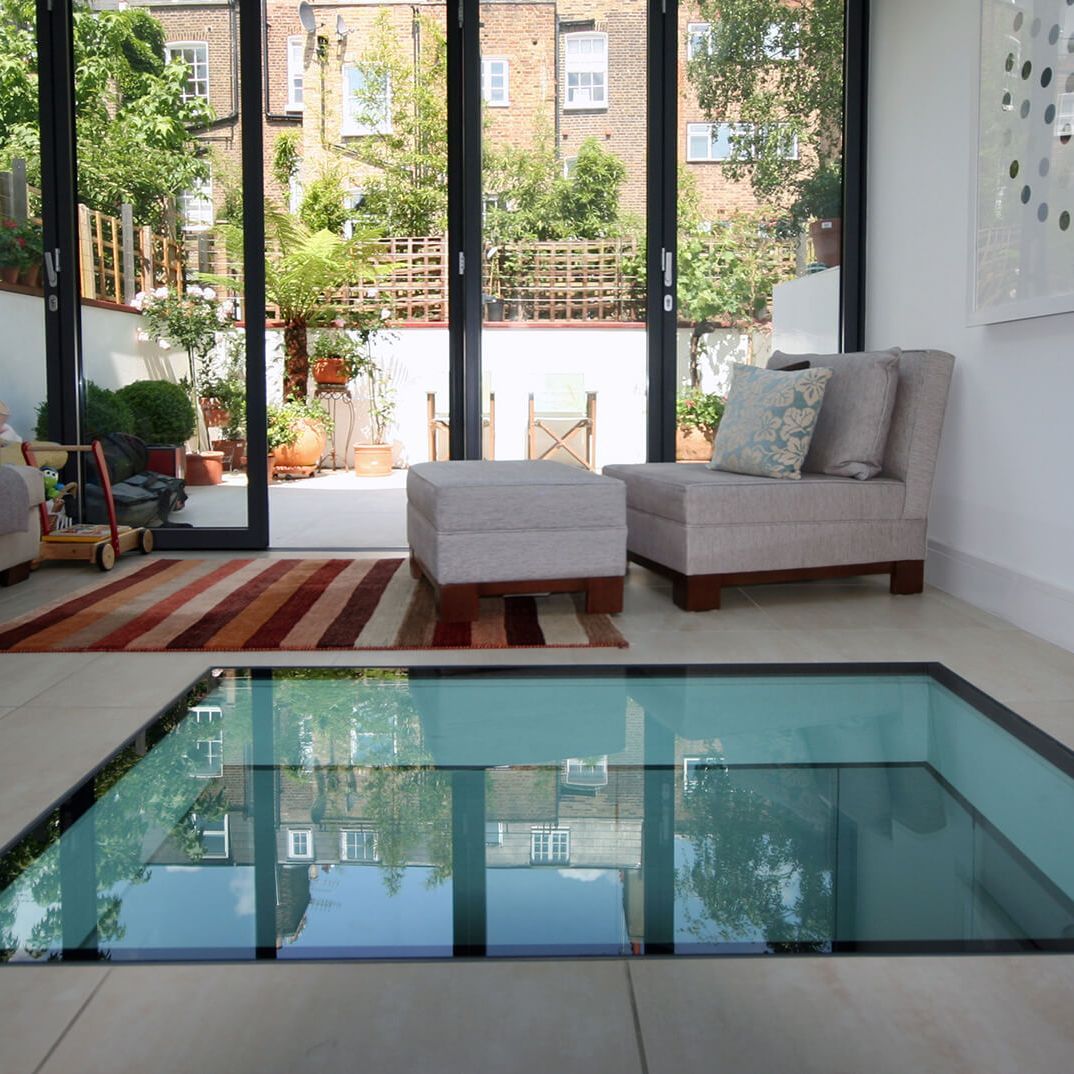
- Glass flooring is a specialist option for stairs, bridges and viewing panels. Tinted or dark-framed systems can work in architectural interiors.
- Resin flooring gives a continuous black surface for bathrooms, garages, retail and hospitality spaces. Slip resistance, gloss level and UV stability should be specified early.
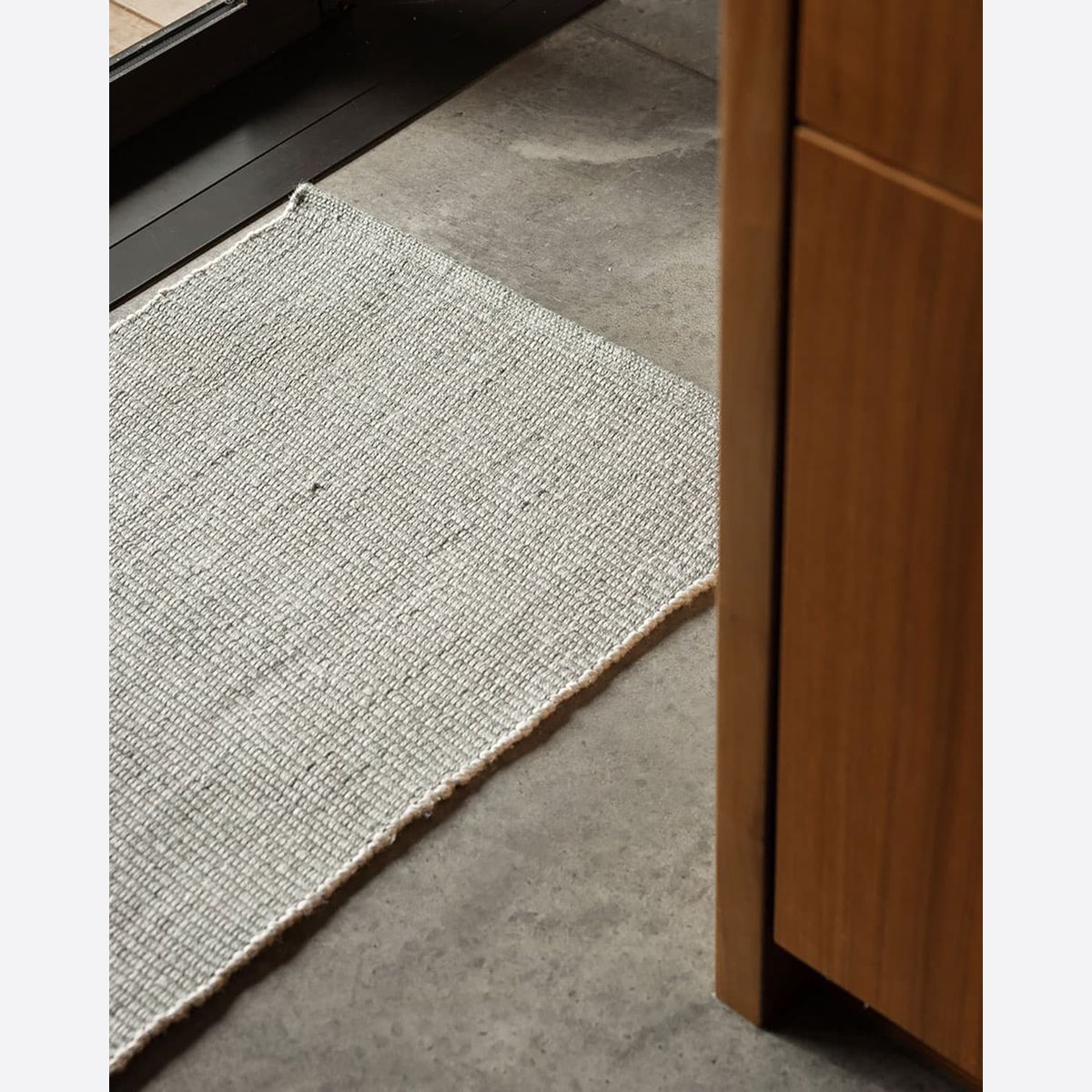
- Entrance matting in black hides grit well and helps protect nearby floors from tracked-in moisture and dirt.
- Rubber flooring is useful for gyms, play spaces, schools and high-use commercial areas where impact absorption and grip are priorities.
Matte, satin or gloss black flooring
The finish changes both the mood and the maintenance. Matte black flooring has a soft, contemporary look and tends to disguise small marks better than gloss. Satin is a balanced option for living spaces and commercial areas. Black gloss floor tiles or high-sheen resin can look sharp under controlled lighting, but they may show footprints, dust and cleaning streaks sooner.
If your search is specifically for black floor tiles, black bathroom floor tiles, black flooring tiles or a matte black floor tile, compare dedicated tile products in Tiles & Stones. For wet areas, confirm slip rating, grout colour, waterproofing requirements and the fall to waste before choosing a finish.
Where black flooring works best
Black floors suit spaces with good natural light, layered artificial lighting and enough contrast in walls, furniture and joinery. In small rooms, black can still work, but it needs careful balance. A black bathroom floor can feel crisp with white walls, brushed metal fittings and timber accents. A black and white checkered floor or black and white vinyl flooring roll can suit kitchens, laundries and retro-inspired interiors.
In open-plan areas, dark flooring can define zones without adding visual clutter. In commercial projects, black entry flooring, rubber flooring or resin can help manage heavy traffic while keeping the palette controlled.
Practical checks before you buy
- Light and dust: Take samples home and check them in direct sun, shade and night lighting. Very black surfaces can show fine dust quickly.
- Slip resistance: This is especially important for bathrooms, entries, kitchens and exterior-adjacent spaces.
- Repair options: Ask whether matching black floor filler, touch-up kits or replacement planks are available.
- Moisture: Choose products rated for the room. Bathrooms and laundries need different flooring from dry living rooms.
- Installation: Black floors can make gaps, lipping and uneven subfloors more obvious. Skilled installation matters.
- Cleaning: Use the supplier's recommended cleaner. Harsh products can leave haze, dull coatings or change the sheen.
Shortlisting on ArchiPro
Compare black flooring products by material, finish, dimensions, installation method and supplier. Save favourites, request samples where available and speak with product professionals about use, maintenance and compatibility with underfloor heating or existing substrates. A strong black floor should suit the room today and remain practical after years of everyday use.