Grey Flooring
- Grey flooring is a practical, design-led choice for New Zealand homes, apartments and commercial projects. From soft light grey wood floors to dark grey bathroom floor tiles, this neutral palette works with warm timber, crisp white walls and darker joinery. Explore grey wood floors, grey vinyl plank flooring, carpet, concrete, resin and more from trusted NZ suppliers. Use this page to compare finishes, textures and product types, then shortlist options that suit your room, wear requirements and overall design direction. Find grey flooring that looks considered and performs under daily use.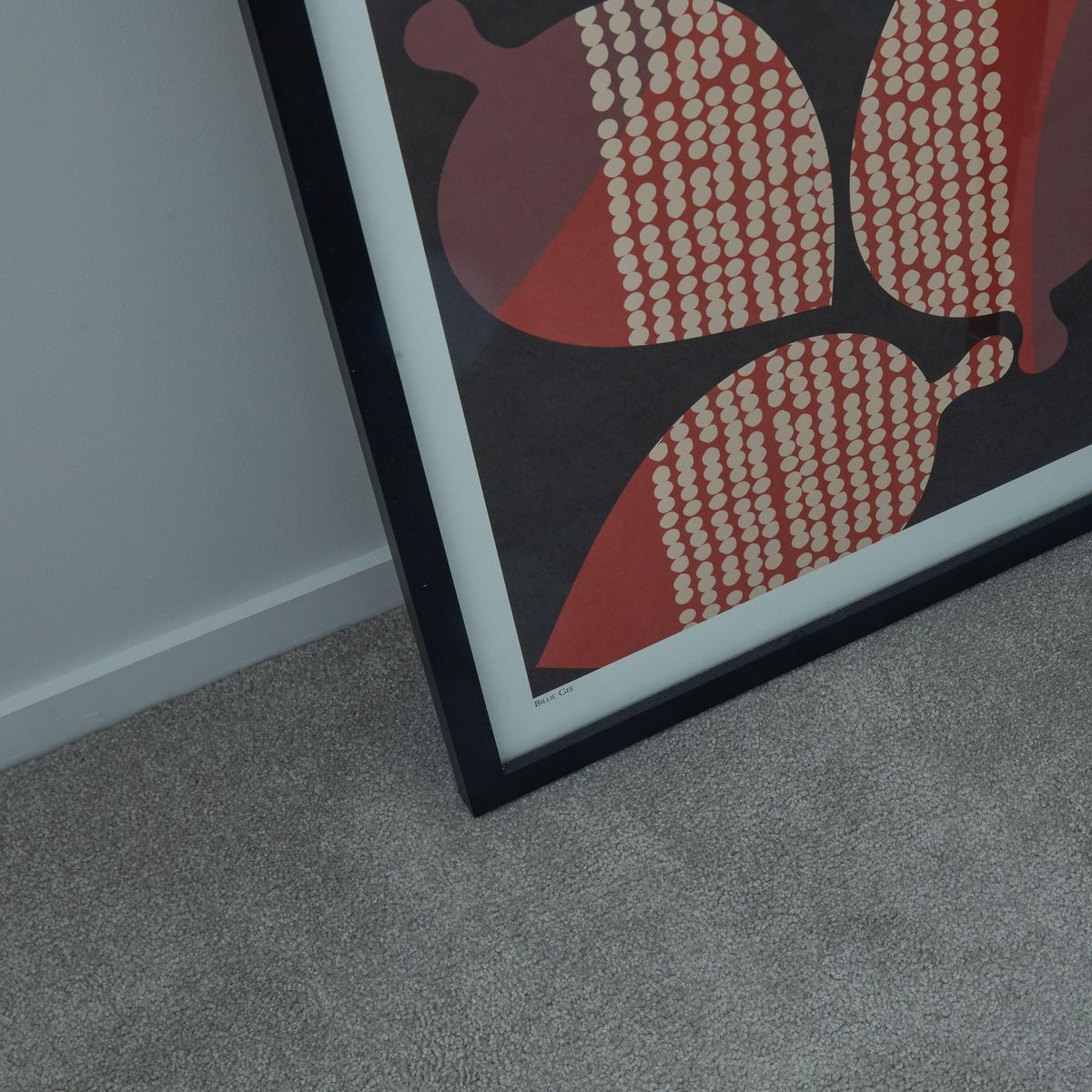
More to discover
Explore all product categories
- Building Supplies
- Car Parking Solutions
- Cladding & Facades
- Construction 4.0
- Construction Equipment and Supplies
- Electrical
- Fire Safety
- Insulation
- Interior Wall Lining
- Plumbing Supplies
- Prefabricated Buildings
- Roofing
- Structural & Framing
- Solar Electric Systems
- Stairs, Lifts & Access
- Windows & Doors
- Security & Access
- Water Filtration Systems
- Water Management & Filtration
Grey flooring is popular because it can feel calm, architectural and easy to live with. It sits between cool and warm palettes, which makes it useful for both contemporary homes and renovation work. The best choice depends on the room, foot traffic, moisture exposure, sunlight and the level of texture you want underfoot.
Choosing grey flooring in New Zealand
Start by viewing flooring within the wider finishes category so your floors work with wall colours, cabinetry, tiles, hardware and paint. A pale grey floor can make a small room feel lighter, while charcoal or dark grey flooring can add contrast in kitchens, bathrooms and open-plan living areas.
Popular grey flooring materials
Each material has a different look, feel and maintenance profile. Compare samples in natural and artificial light before making a final decision, as grey tones can shift from warm stone to cool blue depending on the surrounding colours.
- Wood flooring suits buyers searching for grey wood floors, light grey wood floor options or grey engineered hardwood flooring. Engineered timber is a strong option for New Zealand conditions because its layered construction helps with stability.
- Laminate flooring is a practical way to get a grey oak or grey timber look at a lower price point than natural timber. Check wear ratings and water resistance if using it in family areas.
- Carpet flooring adds warmth and acoustic comfort. Grey carpet works well in bedrooms, media rooms and living spaces where softness is a priority.
- Concrete flooring is often chosen for architectural homes, garages and commercial spaces. Polished or honed grey concrete can look refined, especially when paired with timber joinery.
- Vinyl flooring includes grey vinyl plank flooring, grey and white vinyl flooring and dark grey lino flooring. It is useful in busy homes because many products are water resistant and easy to clean.
- Resin flooring is worth considering for garages, workshops, retail spaces and modern interiors. Searches such as grey epoxy floor and epoxy floor grey often relate to hard-wearing surfaces with a clean, continuous look.
Living rooms and open-plan spaces
A grey floor living room can feel relaxed or formal depending on the material. Light grey timber or vinyl planks pair well with white walls, linen upholstery and natural timber. Darker grey floors can anchor large spaces, especially when furniture is pale or warm-toned.
Kitchens and bathrooms
Grey tile flooring is common in wet areas because it hides minor marks better than pure white and can suit many benchtop finishes. For a white bathroom grey floor scheme, check the undertone carefully. Warm grey can soften bright white walls, while cool grey gives a sharper look. Dark grey kitchen floor tiles and dark grey bathroom floor tiles can be striking, but they may show dust and soap marks more than mid-grey options.
Commercial and high-use areas
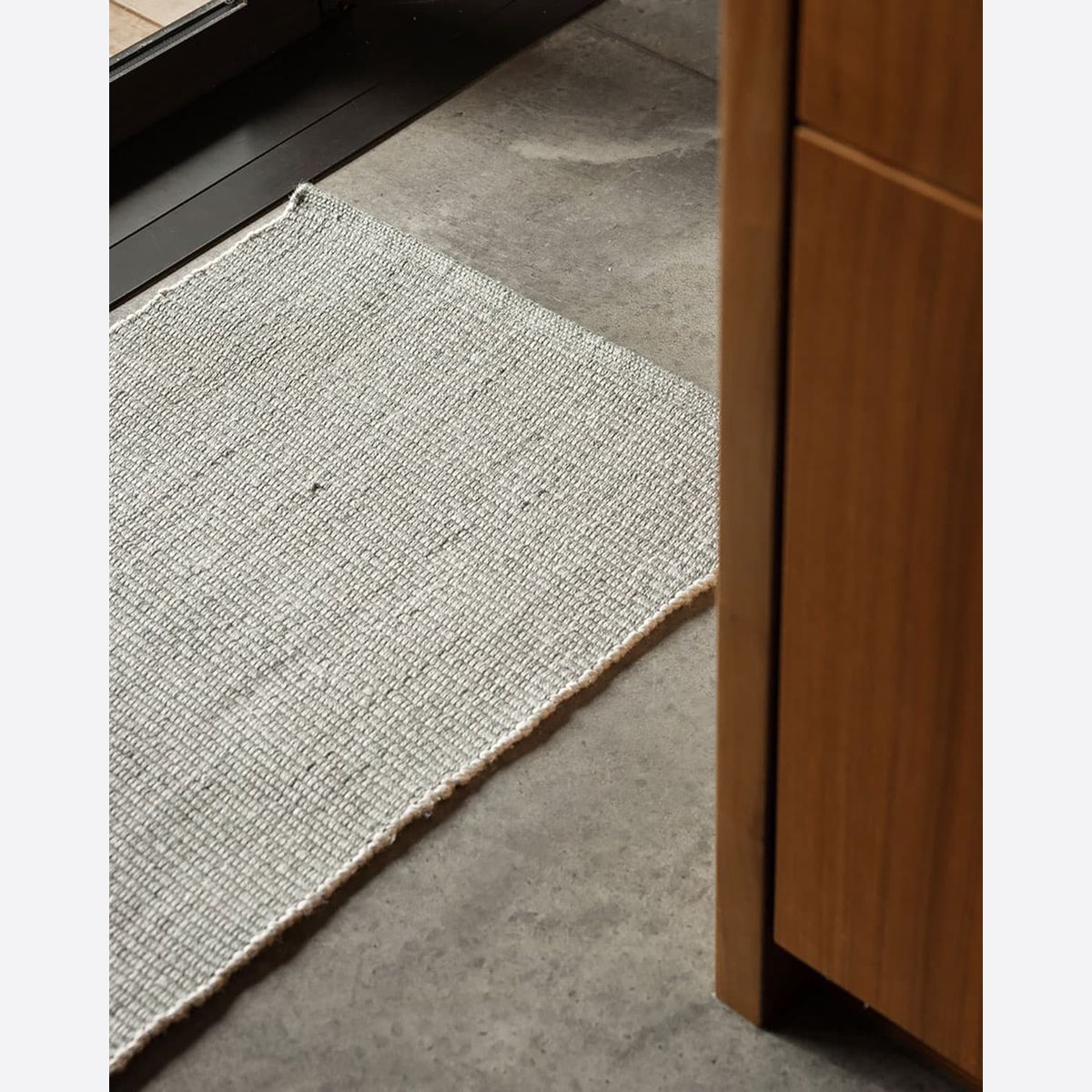
For shops, offices, hospitality spaces and shared entries, durability matters as much as colour. Rubber flooring can suit gyms, education and commercial spaces where slip resistance and impact absorption are important. Entrance matting helps protect grey floors by trapping grit and moisture before it spreads through the interior.
Details that affect the final result
Grey flooring is not one colour. It can have beige, blue, green or charcoal undertones. Order samples and compare them against your paint, cabinetry and furniture. If you are choosing grey ceramic floor tiles or light grey floor tiles, the grout colour has a large effect. Grey floor tile grout can reduce visible contrast, while white grout gives a more defined grid and needs more cleaning.
Texture also matters. A smooth grey finish can look clean and minimal, but brushed timber, stone-look vinyl or textured porcelain can help hide scuffs. If you prefer a soft natural look, grey cork flooring or grey bamboo flooring may be worth discussing with suppliers, particularly where comfort and renewable materials are part of the brief.
Installation layers and specialist systems
The floor covering is only part of the system. Substrate and underlay affect comfort, acoustic performance, moisture control and long-term stability. This is especially important for apartments, renovations, concrete slabs and timber subfloors.
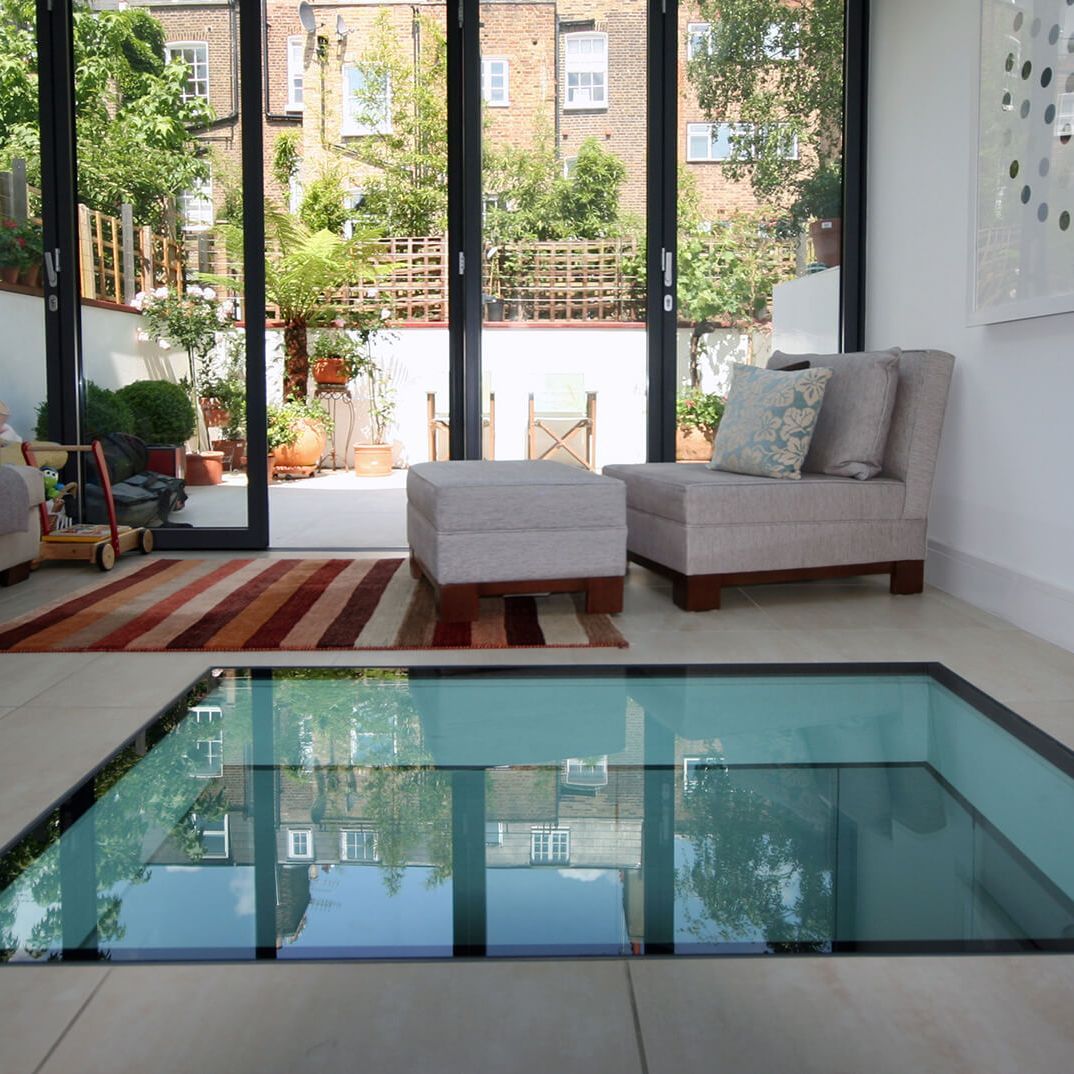
For feature applications, glass flooring can bring light between levels and create a strong architectural effect. It needs careful specification, structural input and the right slip rating for its location.
How to narrow your shortlist
- Match the room: choose water-resistant flooring for bathrooms, laundries and kitchens.
- Check wear needs: busy households, pets and commercial use need tougher finishes.
- Review undertones: compare grey samples beside paint, stone, timber and fabric.
- Think about cleaning: very dark grey and very light grey can show marks more readily than mid-grey.
- Ask about installation: confirm underlay, expansion gaps, slab moisture and maintenance requirements.
ArchiPro brings together grey flooring options from leading New Zealand suppliers, making it easier to compare materials, finishes and technical details in one place.