Ceramic Finishes
- Ceramic finishes bring a hard-wearing, low-maintenance surface to New Zealand homes and commercial projects. Explore ceramic tiles, ceramic wall finishes, surface treatments and matching details for bathrooms, kitchens, living spaces and exterior areas. Use this page to compare product styles, slip ratings, sizes, colours and suppliers, then shortlist options that suit your design intent, budget and installation method. For a polished result, match the ceramic material to the room, substrate and level of foot traffic.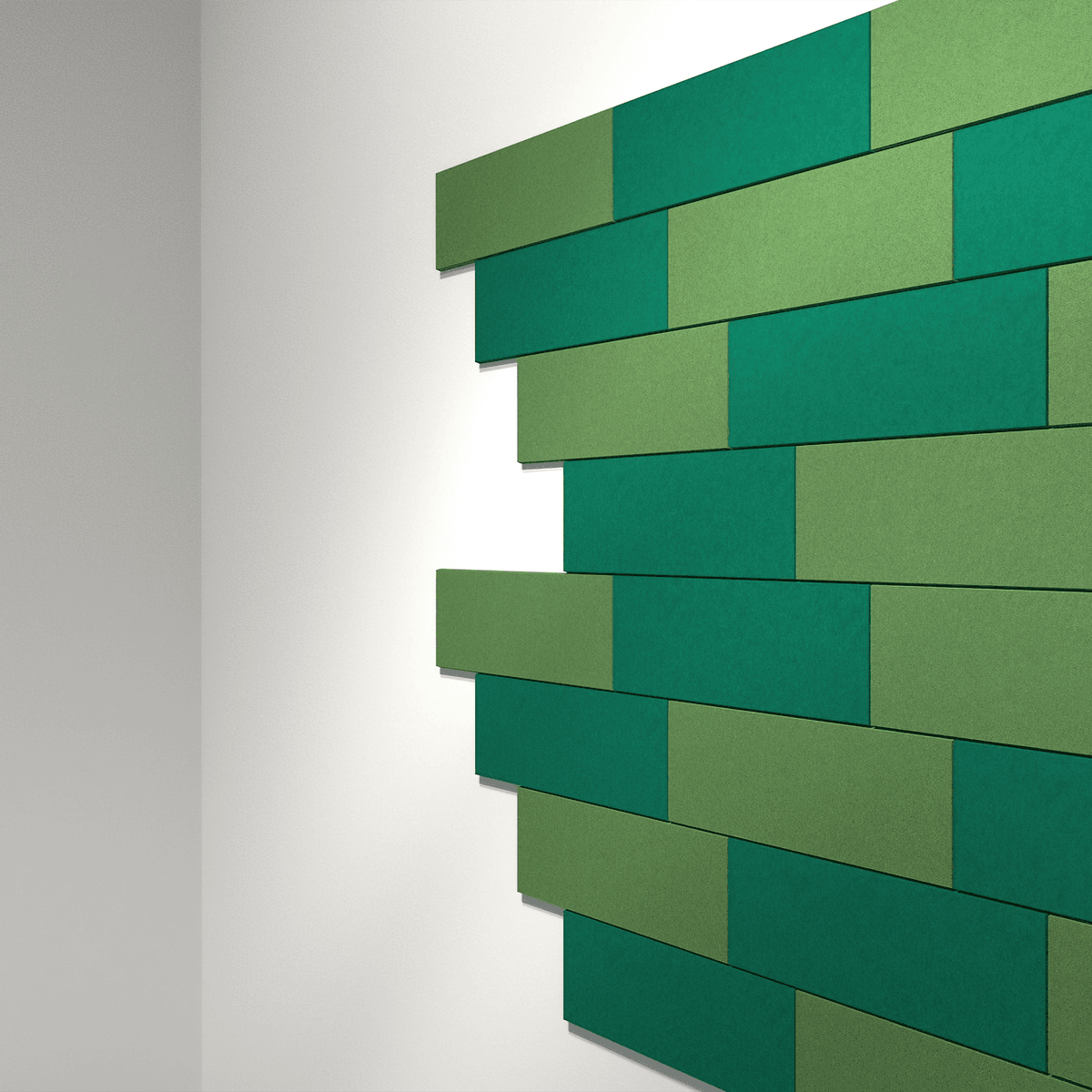


More to discover
Explore all product categories
- Building Supplies
- Car Parking Solutions
- Cladding & Facades
- Construction 4.0
- Construction Equipment and Supplies
- Electrical
- Fire Safety
- Insulation
- Interior Wall Lining
- Plumbing Supplies
- Prefabricated Buildings
- Roofing
- Structural & Framing
- Solar Electric Systems
- Stairs, Lifts & Access
- Windows & Doors
- Security & Access
- Water Filtration Systems
- Water Management & Filtration
Ceramic finishes are used where a surface needs to look refined and cope with daily use. In New Zealand homes, they are common in kitchens, bathrooms, laundries, entryways, fireplaces and outdoor living areas. In commercial projects, ceramic material is often selected for lobbies, bathrooms, hospitality fit-outs and retail spaces because it is durable, easy to clean and available in many formats.
Choosing ceramic finishes in New Zealand
Start by deciding where the finish will be used. A floor tile has different demands from a splashback, shower wall or benchtop detail. For broader product research across materials and systems, browse all products, then compare the ceramic options that suit the room and installation.
Where ceramic material works best
Ceramic is made from clay and other minerals, then fired to create a dense, stable surface. It can be glazed or unglazed, smooth or textured, plain or patterned. The right ceramic finish depends on wear, moisture, cleaning and the look you want.
- Bathrooms and laundries: choose water-resistant surfaces with suitable slip performance underfoot.
- Kitchens: use ceramic tiles for splashbacks, floors and heat-tolerant areas near cooking zones.
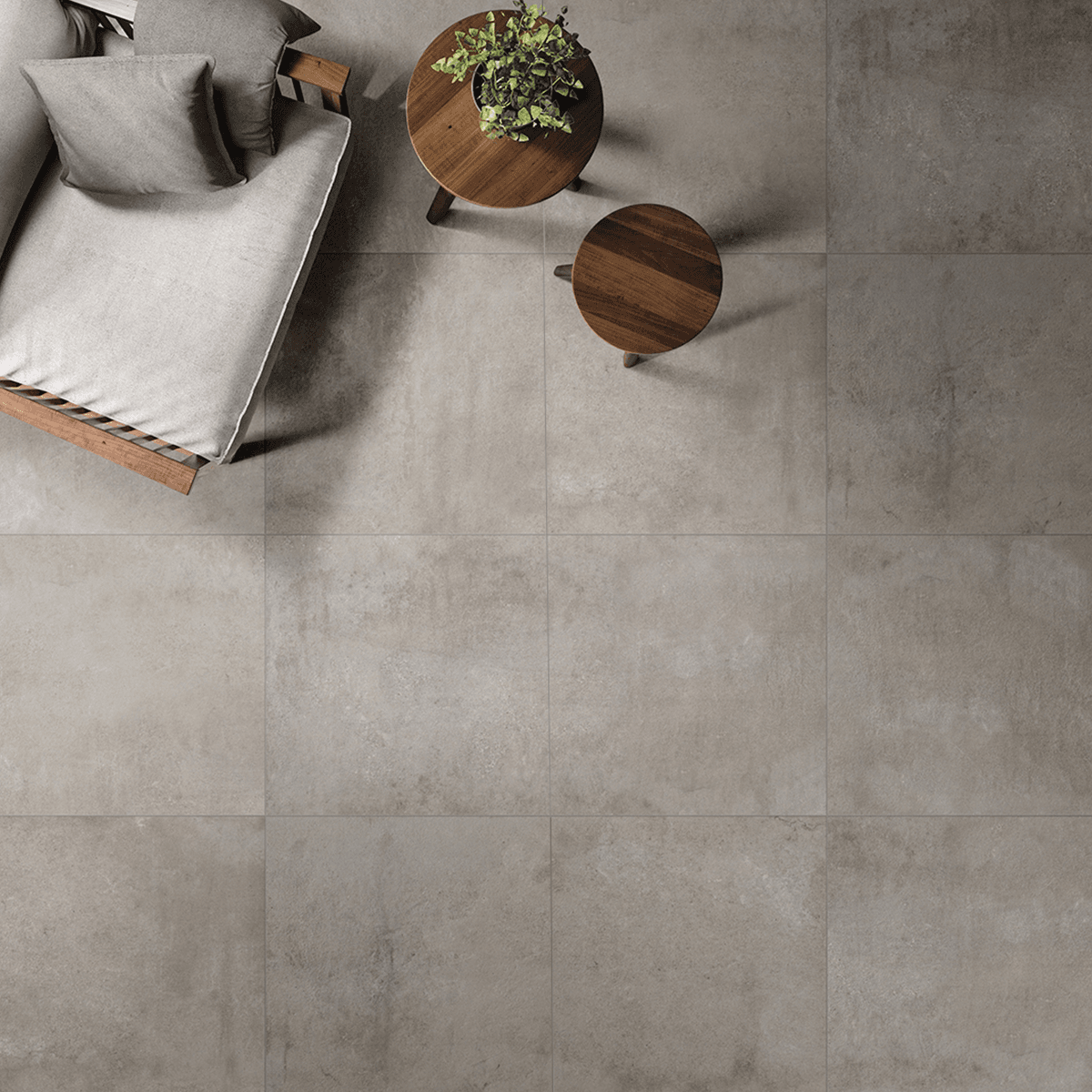
- Living areas: large-format ceramic flooring can give a clean, continuous feel with practical maintenance.
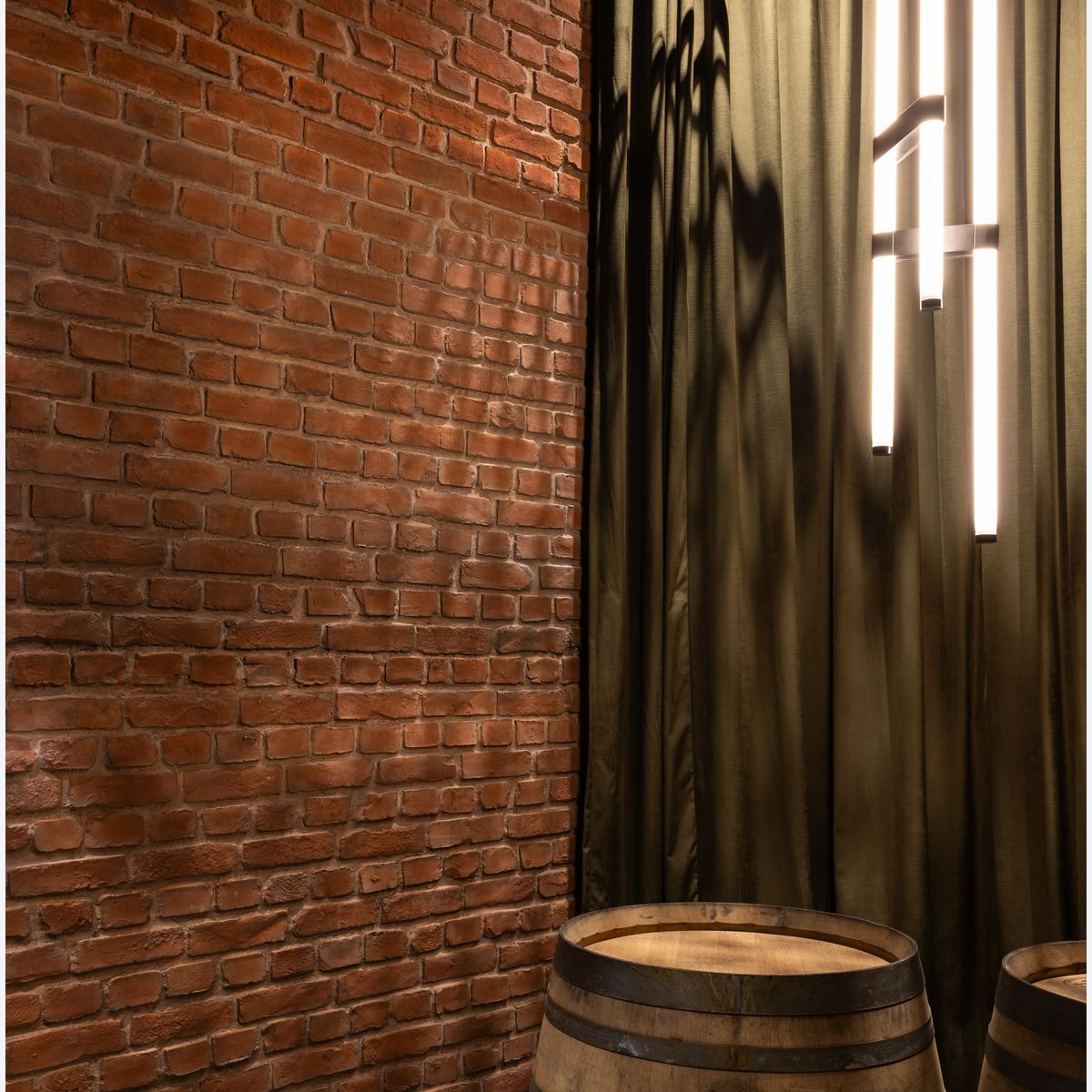
- Fireplace surrounds: ceramic tiles can finish off brick fireplace areas when the product is suitable for heat exposure and installed with the right adhesive system.
- Exterior areas: select outdoor-rated ceramic or porcelain products with texture, frost resistance where required and correct drainage.
Compare finish, size and performance
The surface finish affects both appearance and use. Gloss ceramic can brighten a wall and make small spaces feel lighter, but it can show marks and may be slippery on floors. Matt ceramic is softer in appearance and can hide smudges better. Textured ceramic improves grip and is often a better choice for wet or outdoor areas.
Size also matters. Small tiles suit curved surfaces, falls to waste, niches and detailed layouts. Large tiles reduce grout lines and can suit modern bathrooms, kitchens and open-plan living. Before selecting a large-format ceramic finish, check whether the substrate is flat enough and whether the installer has allowed for movement joints.
How ceramic finishes connect with other finish categories
Ceramic is often part of a wider interior finishes plan. Compare it alongside flooring options when you need a durable surface for high-traffic areas. For bathrooms, kitchens and exterior walls, review tiles & stones to compare ceramic with porcelain, natural stone and mosaics.
For feature walls, splashbacks and wet area linings, browse wall & ceiling finishes. If the project combines tile with painted plasterboard, cabinetry or trims, compare colour and sheen through paints. In apartments, offices and hospitality spaces, ceramic surfaces may need to work with acoustic treatments, especially where hard floors and walls can increase sound reflection.
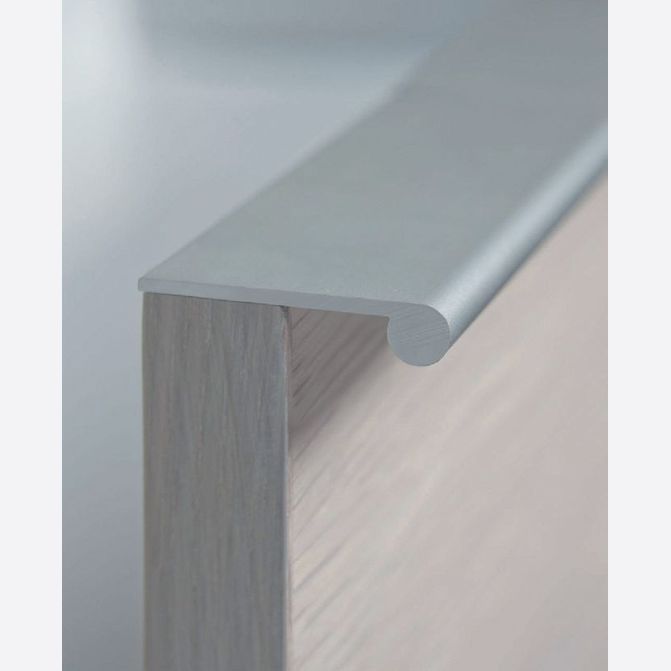
Timber, stone and cabinetry details can sit next to ceramic, so review stains & treatments for adjacent timber work. For vanities, counters and splash zones, compare ceramic against solid surface materials. Small details matter too, so match the tone and texture with cabinet handles and knobs.
What to check before you buy
A ceramic finish should be selected as a complete system, not as a tile alone. Ask suppliers and installers about the tile body, glaze, grout, adhesive, waterproofing and substrate requirements. This is especially important for showers, balconies, commercial bathrooms and any area exposed to regular moisture.
- Slip rating: confirm the product suits the room, especially wet floors, entrances and outdoor areas.
- Water absorption: check whether the ceramic finish is appropriate for wet areas or exterior use.
- Wear rating: match the tile to expected foot traffic.
- Maintenance: ask whether the surface needs sealing and how grout should be cleaned.
- Colour variation: view samples in natural and artificial light before ordering.
- Lead time: allow for stock, shipping, wastage and future replacement tiles.
Planning for a better result
Order samples before committing to a full quantity. View them beside benchtops, tapware, cabinetry, paint and flooring. A ceramic surface can shift in tone under warm lighting, cool daylight or strong sun. If the project uses underfloor heating, exterior paving, a tiled shower or a fireplace surround, confirm the full specification with the supplier and installer before purchase.
ArchiPro makes it easier to compare ceramic finishes from premium New Zealand suppliers, including products for residential, architectural and commercial projects. Shortlist options by style, application and performance, then contact suppliers for technical details, samples and availability.