Porcelain finishes
- Porcelain finishes are a practical choice for New Zealand homes and commercial spaces where surfaces need to handle moisture, wear and daily cleaning. Explore porcelain tiles, large-format slabs and porcelain-look surfaces for floors, walls, bathrooms, kitchens and exterior areas. Finishes range from soft matte and stone-look textures to polished, mirror-like and rippled effects, so the right option depends on where it will be installed and how much slip resistance or upkeep you need. Compare porcelain finishes from trusted NZ suppliers and narrow your options by style, format and application.



More to discover
Explore all product categories
- Building Supplies
- Car Parking Solutions
- Cladding & Facades
- Construction 4.0
- Construction Equipment and Supplies
- Electrical
- Fire Safety
- Insulation
- Interior Wall Lining
- Plumbing Supplies
- Prefabricated Buildings
- Roofing
- Structural & Framing
- Solar Electric Systems
- Stairs, Lifts & Access
- Windows & Doors
- Security & Access
- Water Filtration Systems
- Water Management & Filtration
Porcelain is one of the most useful materials in the wider Products category because it can suit hard-working rooms without losing its clean, architectural look. It is dense, low-porosity and available in formats ranging from small mosaics to large slabs. For homeowners, designers and builders, the main decision is rarely whether porcelain will cope. It is which finish, size, edge and installation method will suit the space.
Where porcelain works best
Porcelain is widely used for flooring, bathrooms, laundries, kitchens, splashbacks, fireplaces and covered outdoor areas. It can also be used as a wall surface when you want a stone, concrete, terrazzo or marble look without the same level of sealing and maintenance. For the broadest selection, start with tiles and stones, then compare thickness, slip rating, surface texture and tile format.
Large-format porcelain can reduce grout lines and create a refined finish on floors and walls. Smaller tiles can be easier to set around falls, drains and detailed corners. In wet rooms, tile size should work with the set-out, waterproofing system and drainage design rather than the image alone.
Types of porcelain tile finishes
The main types of porcelain tile finishes include matte, honed, polished, textured, structured, lappato and glazed surfaces. Matte porcelain hides light scuffs and is often chosen for busy floors. Polished porcelain has a more reflective face and can suit walls, benchtop-look panels and low-slip-risk areas. Honed or lappato options sit between the two, with a softer sheen.
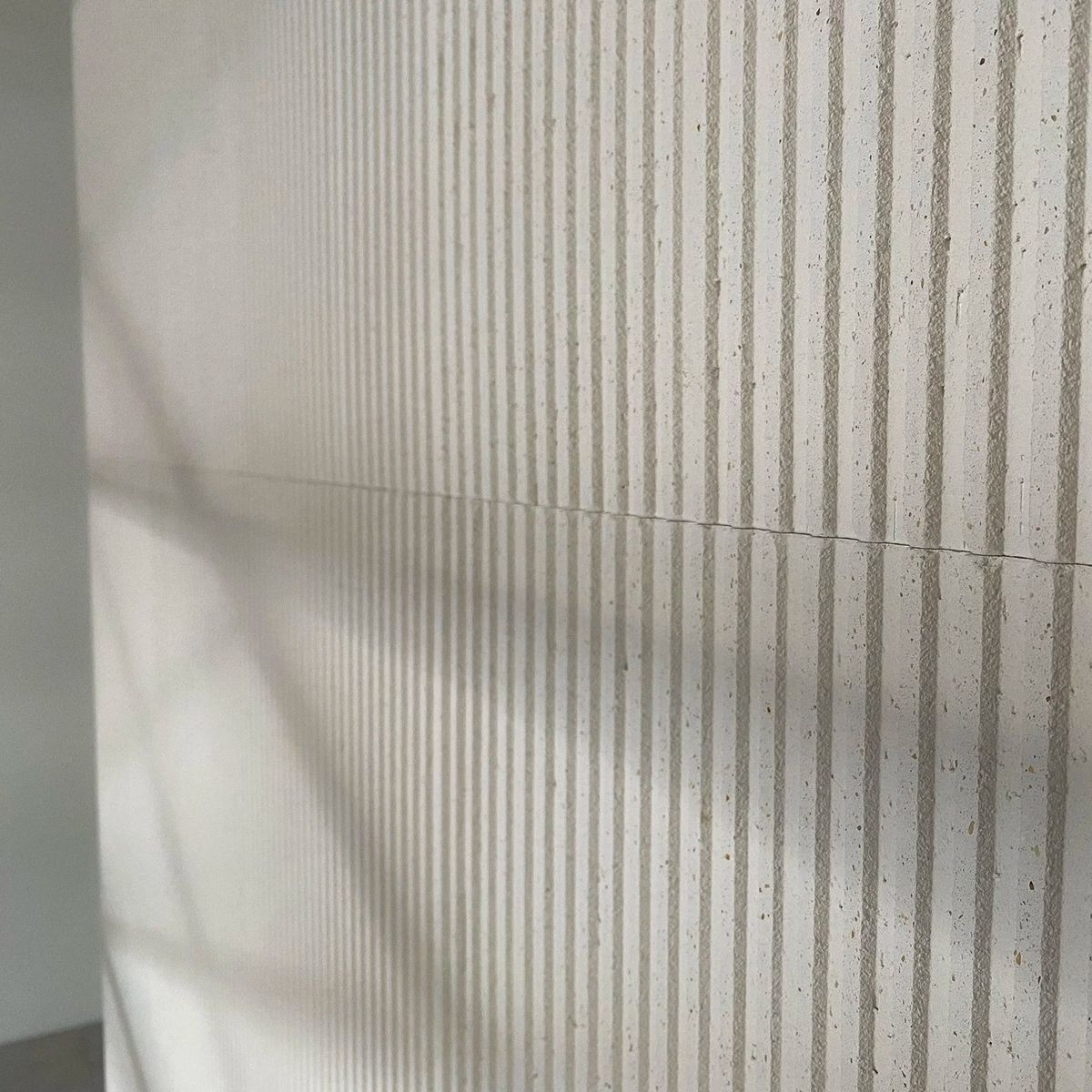
Textured porcelain is useful where grip matters, especially entries, bathrooms and some exterior areas. Porcelain tiles with a mirror or rippled finish can be striking on walls, splashbacks and feature surfaces, but they should be checked under the actual lighting plan because reflections can change the look of a room. If you are pairing porcelain with wall and ceiling finishes, compare samples in daylight and evening light before committing.
Slip resistance, durability and cleaning
Porcelain is hard-wearing, but surface finish still matters. A smooth polished tile is easier to wipe clean, while a heavily textured tile may hold more dirt in outdoor or commercial settings. Ask suppliers for slip resistance information, intended use and cleaning guidance. For wet areas, exterior steps and commercial floors, choose a product that is suitable for the exact location, not just the style.
- Bathrooms and laundries: favour suitable slip ratings, good set-out and compatible waterproofing.
- Kitchens and living areas: balance easy cleaning with enough grip for daily use.
- Outdoor areas: check frost resistance, surface texture and suitability for the installation system.
- Commercial spaces: consider foot traffic, cleaning equipment and replacement access.
Porcelain tile edge finishing
Porcelain tile edge finishing has a big effect on the final result. Exposed edges can be mitred, bullnosed, polished, capped with trims or covered by junction details. Mitred porcelain gives a sharp architectural line, but it needs accurate fabrication and careful handling. Metal trims are often practical on corners, niches and floor junctions. For stairs, thresholds and wet areas, ask how the edge detail will manage chipping, slip resistance and water.
Small glossy-finish porcelain repairs may be possible with compatible fillers or touch-up products, but repair quality depends on colour, sheen and the size of the chip. For visible areas, replacement or professional repair can give a cleaner outcome.
Coordinating porcelain with other finishes
Porcelain rarely sits alone. It should work with cabinetry, tapware, lighting, paint and soft surfaces. Compare porcelain samples beside paints, timber veneers, natural stone and metal finishes before ordering. If noise control is part of the brief, pair hard porcelain floors with acoustic treatments such as panels, rugs or soft furnishings. For timber elements nearby, stains and treatments can help adjust tone and contrast.
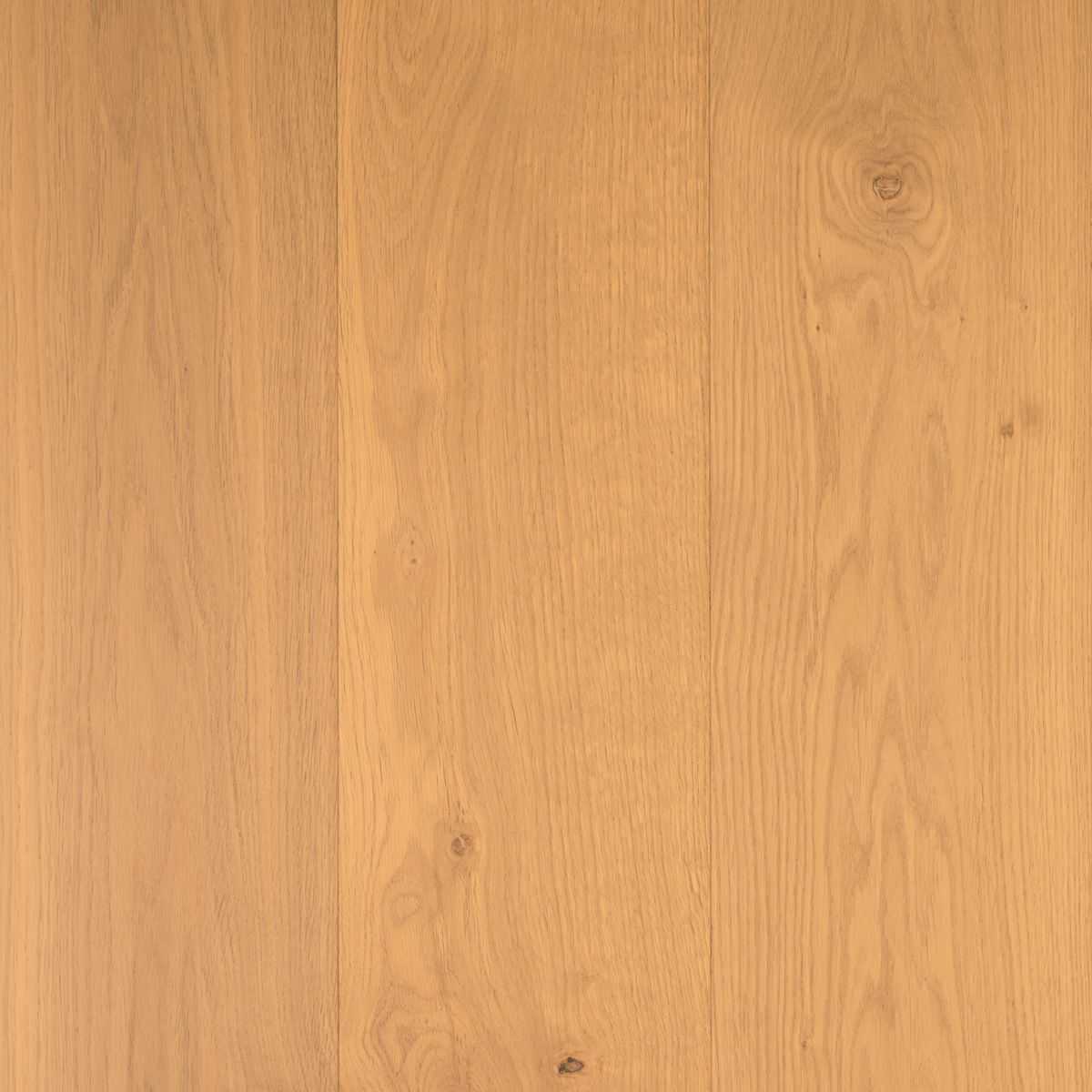
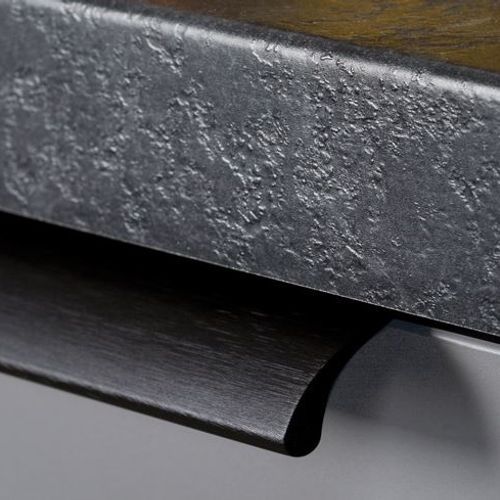
Porcelain can also be compared with solid surface products for vanities, benchtops and wall panels. Solid surface is easier to shape and repair, while porcelain is highly heat and scratch resistant. In kitchens and bathrooms, finish small details with suitable cabinet handles and knobs so the hardware tone matches the tile, grout and joinery.
What to ask before you buy
- Is this porcelain finish suitable for floors, walls, wet areas or exterior use?
- What slip rating or surface performance data is available?
- Can I view full-size samples, not only a small swatch?
- What grout colour, joint width and edge trim does the supplier recommend?
- Are extra tiles available for wastage, cuts and future repairs?
Porcelain is a strong choice when the finish, detailing and installation are selected together. Use ArchiPro to compare NZ suppliers, product formats and technical information before shortlisting samples for your project.