Ceramic Tiles & Stones
- Ceramic tiles and stones give New Zealand homes and commercial projects a hardwearing finish for floors, walls, splashbacks, bathrooms and outdoor areas. This material filter brings together ceramic tile options alongside stone-look surfaces, so you can compare colour, size, texture, slip resistance and installation requirements in one place.Use ArchiPro to find premium ceramic tiles, ceramic stone tile styles and stone style ceramic tiles from trusted NZ suppliers. Whether you are specifying a kitchen wall, wet-room floor or exterior paving, start with the finish, then check suitability for moisture, cleaning, underfloor heating and day-to-day wear.
More to discover
Explore all product categories
- Building Supplies
- Car Parking Solutions
- Cladding & Facades
- Construction 4.0
- Construction Equipment and Supplies
- Electrical
- Fire Safety
- Insulation
- Interior Wall Lining
- Plumbing Supplies
- Prefabricated Buildings
- Roofing
- Structural & Framing
- Solar Electric Systems
- Stairs, Lifts & Access
- Windows & Doors
- Security & Access
- Water Filtration Systems
- Water Management & Filtration
Ceramic tiles are a practical choice for New Zealand homes, apartments, hospitality spaces and commercial interiors. They are hardwearing, easy to clean and available in formats that suit everything from compact splashbacks to large open-plan floors. Within the wider Finishes category, ceramic tiles sit alongside stone, concrete and solid surface options, so it helps to compare material performance before deciding on a look.
How to choose ceramic tiles and stones in New Zealand
Start with where the tile will be used. A bathroom floor needs water resistance, grip and correct waterproofing beneath it. A kitchen splashback needs a surface that can handle heat, cooking residue and regular cleaning. A living area floor may need a thicker body, a rectified edge, underfloor heating compatibility and a grout colour that will not show every mark.
Ceramic, porcelain and natural stone
Searchers often compare porcelain vs ceramic vs stone tile. Standard ceramic tile is made from fired clay with a glazed or unglazed surface. It is widely used on walls and, where rated for it, floors. Porcelain is a denser type of ceramic with lower water absorption, which makes it a strong option for busy floors and some outdoor areas. Natural stone has unique veining and variation, but it usually needs more sealing and maintenance.
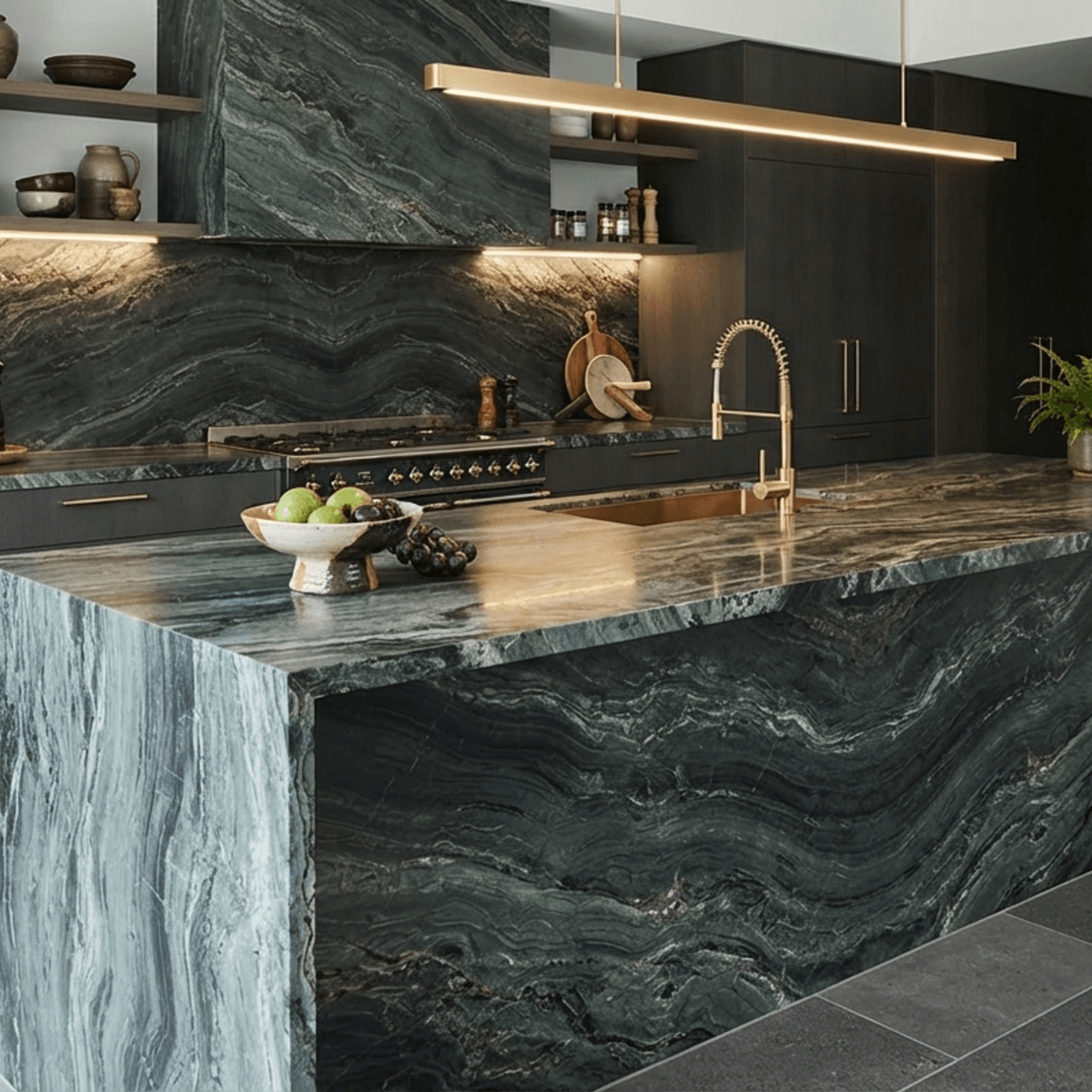
If you like the look of stone but want the easier care of ceramic, stone style ceramic tiles are worth considering. They can give a marble, limestone, travertine or slate effect without the same level of sealing. For projects that call for the scale and depth of genuine stone, compare stone slabs for benchtops, feature walls and large-format surfaces.
Match the tile to the room
- Bathrooms and laundries: choose tiles with a suitable slip rating for floors, and confirm waterproofing requirements with your installer.
- Kitchens: glazed ceramic wall tiles are easy to wipe down, while floor tiles should be rated for foot traffic and impact.
- Living spaces: larger tiles can reduce grout lines, but flatness, substrate preparation and skilled installation matter more as format increases.
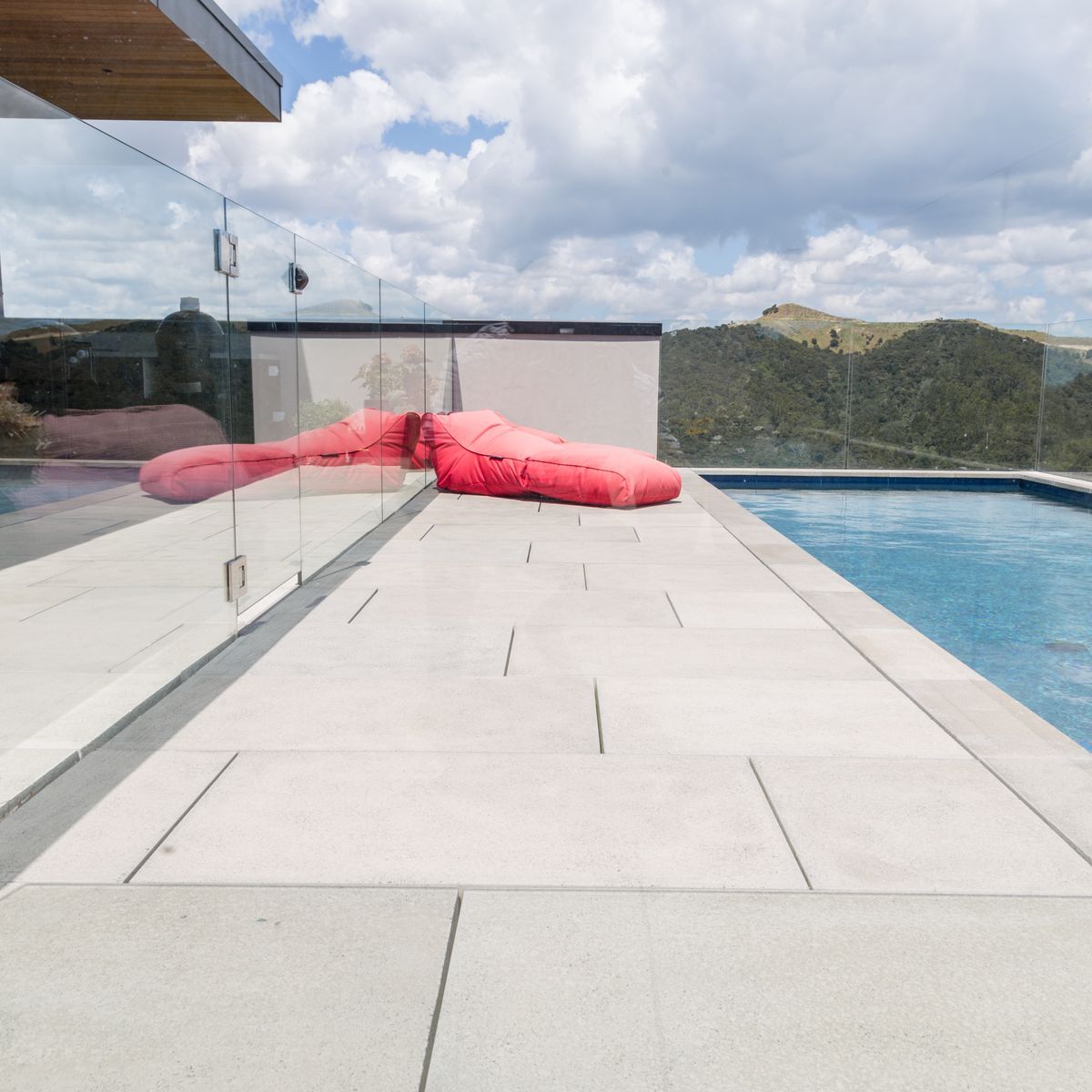
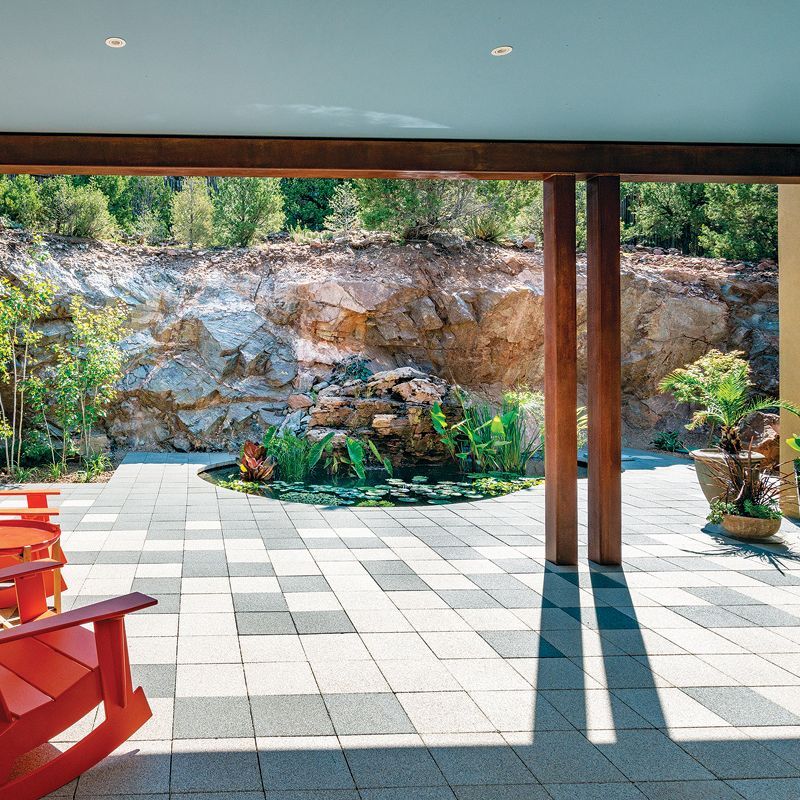
- Outdoor areas: use exterior-rated products. Browse outdoor tiles and paving if you need slip resistance, drainage planning and weather resistance.
Style, format and finish
Ceramic tile and stone selections can change the feel of a room quickly. Gloss finishes bounce light and suit walls, but they can be slippery underfoot. Matt and textured finishes are better for many floors, especially in wet areas. Light grout gives a softer look, while dark grout can outline each tile and reduce visible staining.
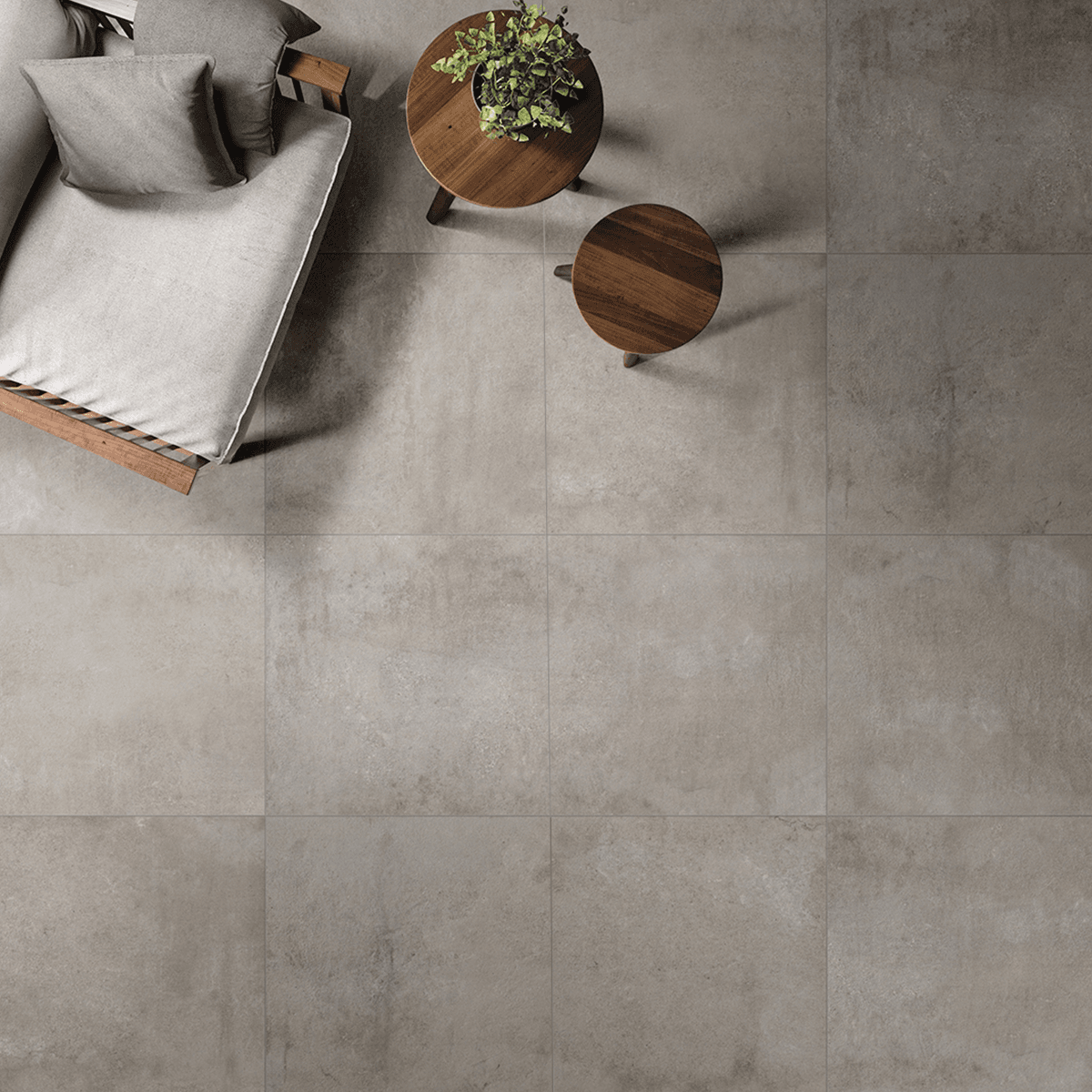
For a minimal look, large-format ceramic stone tile designs work well on open floors and bathroom walls. Smaller tiles, mosaics and handmade-style ceramics suit splashbacks, powder rooms and feature niches. If you are keeping the design simple but want a grounded, architectural finish, look at concrete tiles as another material direction.
Installation and specification details
Good tile performance depends on more than the tile itself. Check the substrate, falls to drains, movement joints, waterproofing, adhesive type, grout selection and edge trims before work starts. For larger residential builds or commercial projects, ceramic tile and stone consultants can help with set-out, slip ratings, maintenance planning and coordination with architects or interior designers.
When comparing tiles, ask suppliers for technical sheets, batch information and installation guidance. Order enough for cuts, breakages and future repairs. Confirm lead times early, especially for imported ranges, custom colours or large-format slabs. A well-chosen ceramic tile should suit the room, meet the project requirements and be easy to maintain long after installation.