Wool rugs and mats
- Wool rugs and mats add comfort, texture and natural insulation to New Zealand homes. Browse premium wool floor rugs, runners, hides and entrance mats from trusted NZ suppliers, with options for living rooms, bedrooms, hallways and busy family spaces. Wool is valued for its soft feel, resilience and ability to work across both modern and classic interiors. Compare sizes, weaves, pile heights, colours and backing types to find a rug that suits your room, flooring and day-to-day use. For wool rugs and mats NZ buyers can source quality options through ArchiPro and connect with suppliers who understand local homes.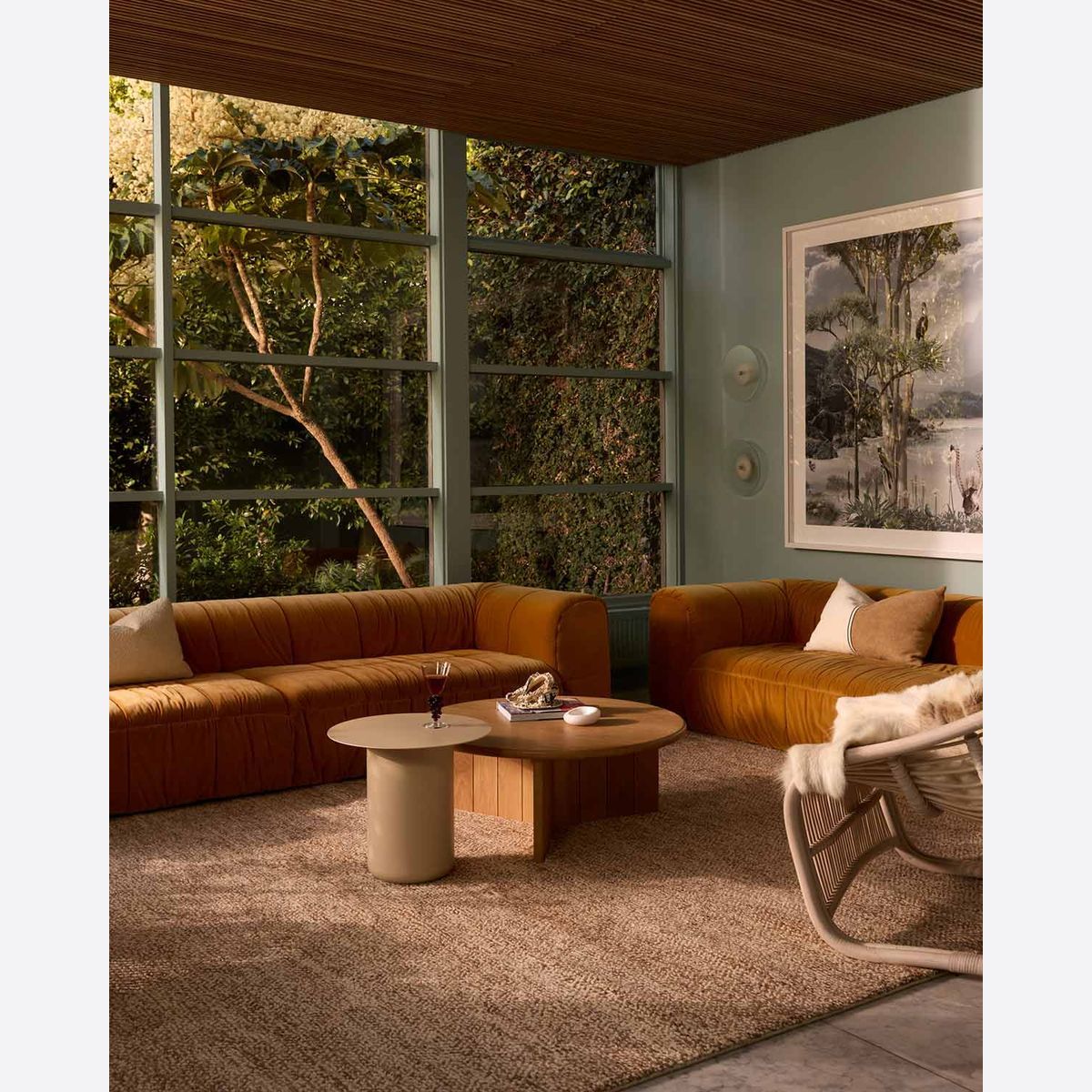
More to discover
Explore all product categories
- Building Supplies
- Car Parking Solutions
- Cladding & Facades
- Construction 4.0
- Construction Equipment and Supplies
- Electrical
- Fire Safety
- Insulation
- Interior Wall Lining
- Plumbing Supplies
- Prefabricated Buildings
- Roofing
- Structural & Framing
- Solar Electric Systems
- Stairs, Lifts & Access
- Windows & Doors
- Security & Access
- Water Filtration Systems
- Water Management & Filtration
Wool is one of the most popular materials for quality rugs and mats because it feels soft underfoot, handles regular use well and has a natural warmth that suits New Zealand interiors. It works across timber, polished concrete, tile and carpet, and it can soften acoustics in open-plan rooms. If you are updating a larger home living space, a wool rug can also help define zones without adding built-in elements.
Choosing wool rugs and mats for NZ homes
The right choice depends on where the rug will sit, how much foot traffic it will take and the look you want to create. A thick hand-tufted wool rug feels plush in a bedroom or lounge. A flatter woven wool mat is easier to place under furniture or in a dining area. Patterned wool can hide light marks better than a plain pale rug, which matters in homes with pets, children or direct access to outdoor areas.
What wool does well
- Comfort: Wool has a soft, springy feel that suits living rooms, bedrooms and relaxed seating areas.
- Warmth: It adds insulation underfoot, especially on hard flooring in cooler parts of New Zealand.
- Durability: Good-quality wool fibres recover well from compression and everyday foot traffic.
- Natural appearance: Wool takes dye well, so it is available in subtle neutrals, strong colours and patterned designs.
- Low static: Wool is less prone to static than many synthetic fibres.
Match the rug to the room
For living rooms, start with scale. A rug that sits under the front legs of sofas and chairs usually feels more settled than one that floats in the centre of the room. Browse wool floor rugs if you need a large anchor piece for a lounge, bedroom or open-plan area. In a dining space, choose a flatter pile so chairs can move easily, and allow enough rug beyond the table edge for chairs to remain on the rug when pulled out.
Long, narrow spaces need a different approach. wool hallway runners can protect flooring, reduce noise and add softness to entries or corridors. Check the runner length against door swings, hallway width and any furniture placed along the wall. For a layered, natural look, sheepskin and hides can work beside beds, on occasional chairs or in reading corners. At entries, compare doormats that suit covered or semi-covered areas, with backing that grips the floor surface.
Pile, weave and construction
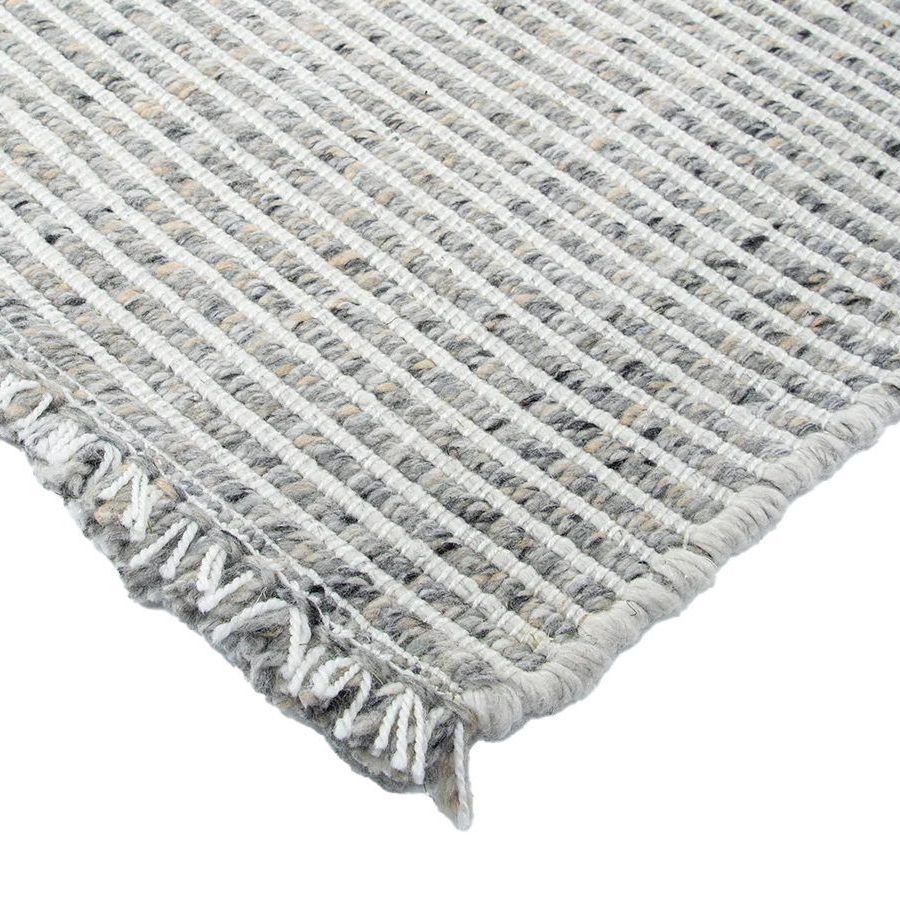
Pile height has a big effect on feel and care. A deep pile wool rug feels luxurious but can show footprints and may need more regular grooming. Low-pile and flatweave wool rugs are practical under dining tables, desks and hallway furniture. If you are comparing a hand-knotted rug with a tufted or machine-made option, look at the density of the fibres, the backing, edge finishing and whether the rug lies flat.
A matted wool rug is often the result of heavy pressure, moisture, dirt build-up or the wrong cleaning method. Dense wool can recover well when it is vacuumed correctly and rotated, but crushed fibres in high-traffic zones are easier to prevent than fix. Use a good underlay where suitable, rotate the rug every few months and avoid placing heavy furniture on the same points for years without adjustment.
Colour, pattern and proportion
Light wool rugs can make a room feel calm and open, but they show marks more readily. Mid-tone greys, taupes, olives and warm browns are forgiving in busy family areas. Pattern can be useful where shoes, pets or outdoor access are part of daily life. In smaller rooms, avoid choosing a rug that is too small. It can make furniture feel disconnected. In large rooms, use the rug to set a clear boundary for the seating or dining area.
Care and maintenance
Regular vacuuming is the simplest way to protect wool. Use suction without an aggressive rotating brush unless the supplier recommends it for that specific pile. Blot spills quickly with a clean, dry cloth. Do not rub, as rubbing can push liquid deeper into the fibres and distort the pile. For stains, follow the care instructions from the supplier. Some wool rugs need specialist cleaning, especially hand-knotted, dyed or textured designs.
Sunlight also matters in New Zealand homes. Strong UV can fade natural and dyed fibres over time. Rotate rugs and use window treatments where a room gets harsh afternoon sun. A quality rug pad can improve grip, reduce movement and help protect both the rug and the floor beneath it.
Questions to ask before you buy
- Is the rug 100% wool or a wool blend?
- What backing material is used, and is it suitable for timber, tile, carpet or concrete?
- Does the supplier recommend an underlay for this rug?
- What cleaning method is approved for the pile and dye type?
- Can the rug be viewed, sampled or ordered in custom sizing?
- What is the expected lead time for NZ delivery?
When comparing wool rugs and mats in NZ, look beyond colour alone. Size, construction, backing and care requirements affect how the rug performs in real life. ArchiPro brings together premium suppliers so you can compare options with confidence and choose a wool rug or mat that suits your home, room layout and daily use.