Glass Landscaping
- Glass landscaping products bring colour, reflection and a clean finish to New Zealand outdoor spaces, from decorative glass pebbles and polished glass aggregate to glass panels, accents and water feature components. This material filter helps you compare options for modern garden design, pool surrounds, courtyards, paths and entry areas. Use it to assess texture, colour, reflectivity and safety needs before you speak with suppliers. On ArchiPro, you can browse premium landscaping glass in NZ, review compatible products, and connect with trusted professionals who understand local climate, drainage and installation needs. Glass can be subtle or highly visible, so view it with nearby stone, timber, planting and lighting in mind.



More to discover
Explore all product categories
- Building Supplies
- Car Parking Solutions
- Cladding & Facades
- Construction 4.0
- Construction Equipment and Supplies
- Electrical
- Fire Safety
- Insulation
- Interior Wall Lining
- Plumbing Supplies
- Prefabricated Buildings
- Roofing
- Structural & Framing
- Solar Electric Systems
- Stairs, Lifts & Access
- Windows & Doors
- Security & Access
- Water Filtration Systems
- Water Management & Filtration
Glass is used in landscaping for decorative aggregate, garden accents, balustrade-style screens, sculptural pieces, water features and selected paving details. It suits projects where colour, light and texture matter, but it also needs careful specification. The right product depends on the location, foot traffic, drainage, sun exposure and whether people will touch or walk near it.
Choosing glass landscaping products in New Zealand
Start with the broader site plan. Glass landscaping materials usually work best as part of a complete outdoor and landscaping scheme, supported by good drainage, stable edging, safe surfaces and planting that will not drop heavy debris into decorative areas.
Common ways to use glass in landscaping
Polished or tumbled glass chips are popular in decorative beds, courtyard borders and around feature planting. They can give a crisp finish without the sharpness of broken glass. Glass aggregate may also be used as a colour accent in concrete, resin-bound surfaces or paving details. For vertical applications, toughened or laminated safety glass may be used in screens, garden dividers or pool-adjacent zones, depending on the product and installation requirements.
- Decorative glass pebbles: best for low-traffic beds, pots, feature strips and modern courtyard designs.
- Glass aggregate: useful for colour accents in exposed surfaces, drains or decorative pebble zones.
- Glass panels and screens: suitable for wind reduction, privacy control and visual separation when the product is specified for exterior use.
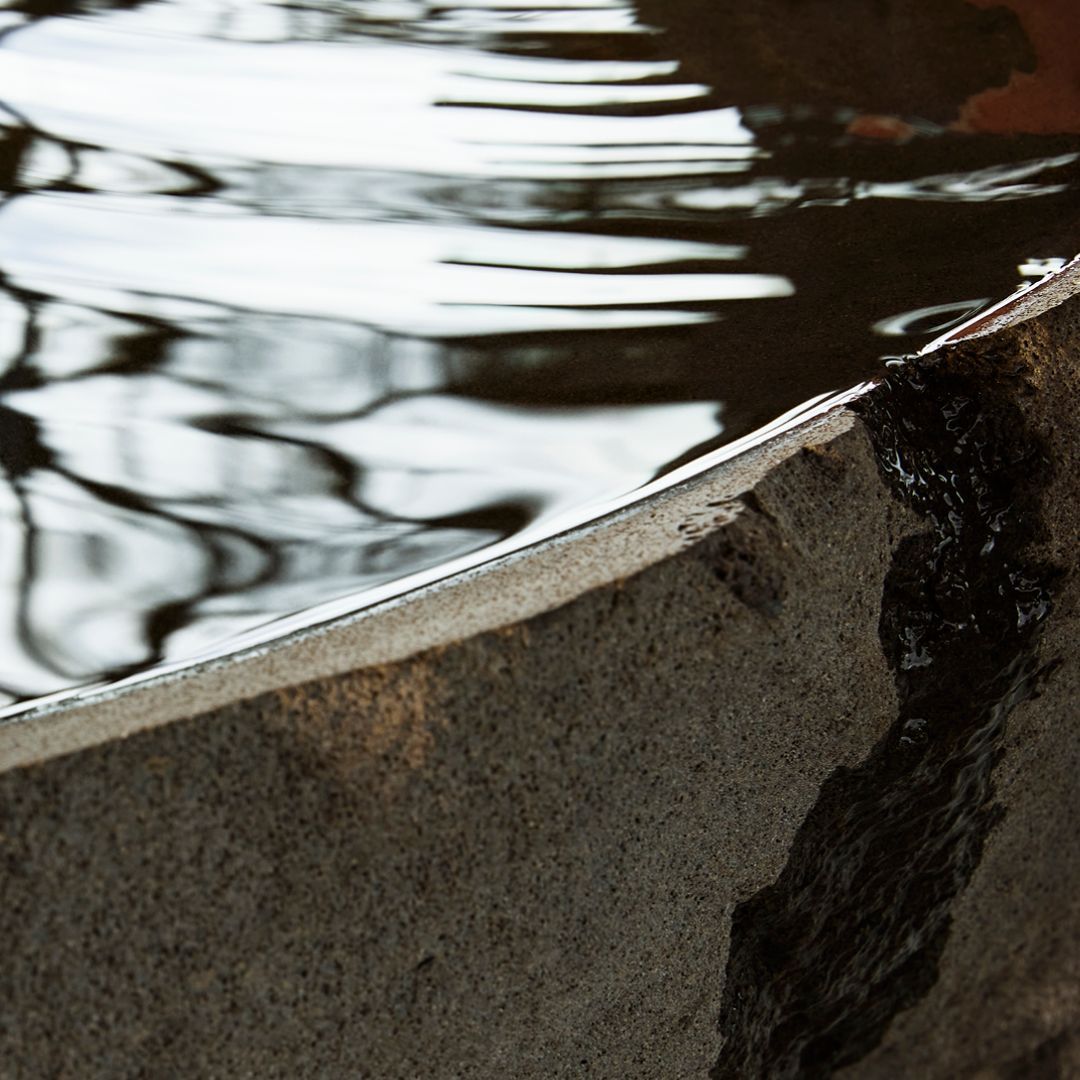
- Glass art and water details: useful where reflection, lighting and movement are part of the design.
Plan the supporting landscaping details
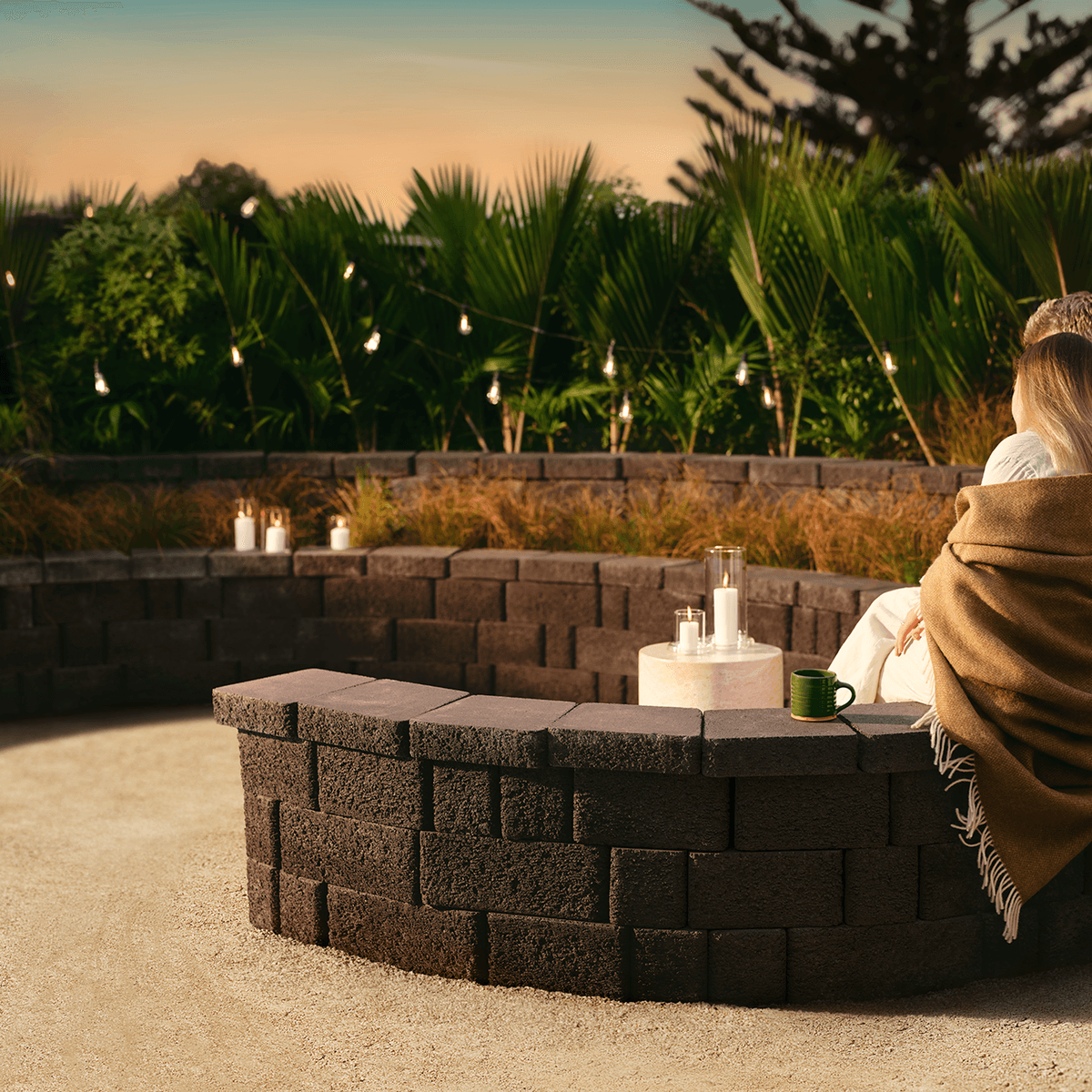
Glass materials need a well-prepared base. If the area holds water, the finish can look dirty and may move out of place. Check surface drainage early, especially around patios, courtyards and pool areas. For raised beds or level changes, coordinate with retaining walls so decorative glass stays contained and does not spill into paths.
Edges matter. Use garden edging to hold glass pebbles in place and create a clean boundary between lawns, planting and paved areas. If glass is being combined with stones and pebbles, choose sizes that sit well together rather than letting smaller particles migrate through the bed. For larger decorative areas, compare glass with aggregates and sand to get the right base, depth and finish.
Match glass to the location
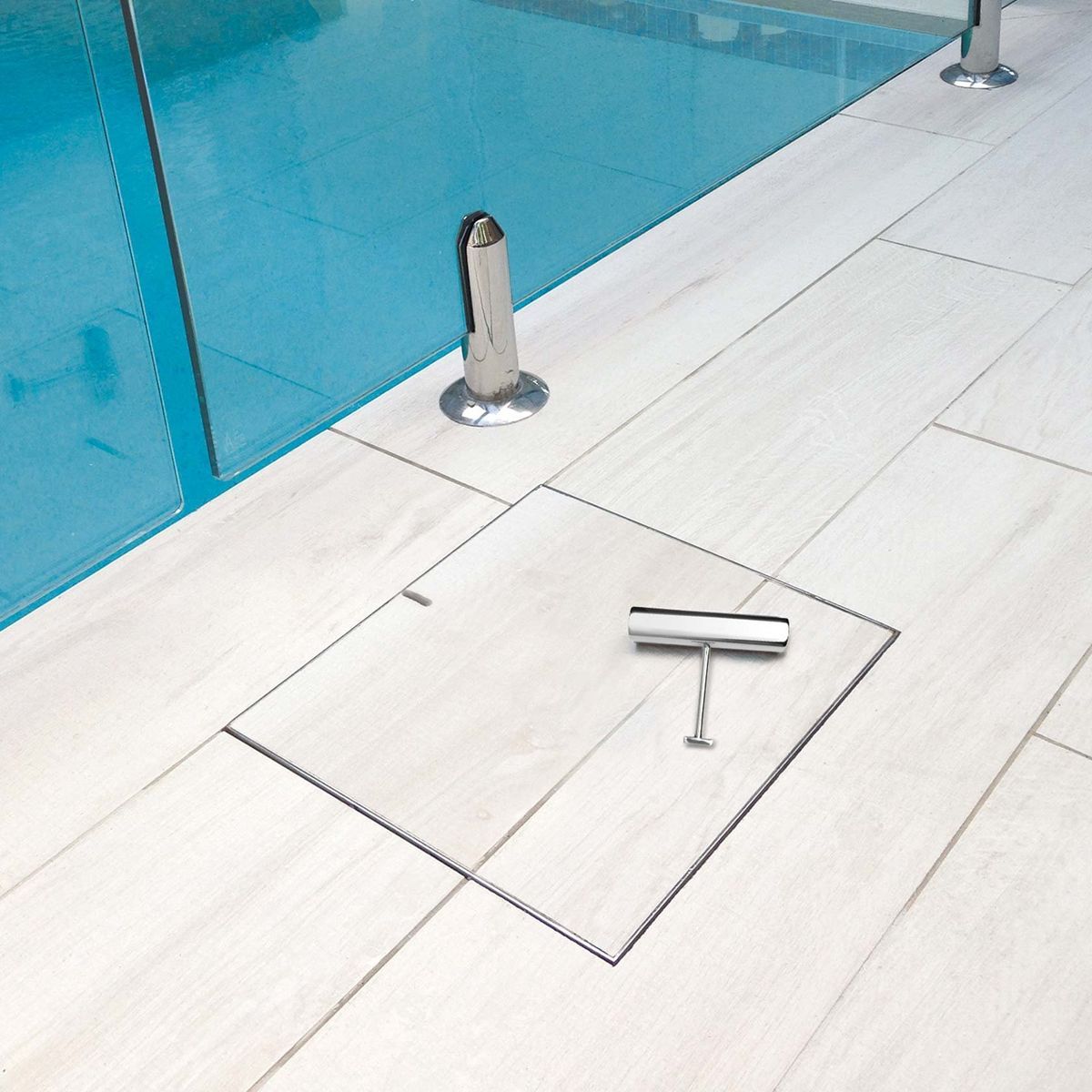
For paths, entries and parking zones, slip resistance and load-bearing performance are more important than colour. Review driveway surfaces and outdoor tiles and pavers if the area will take regular foot traffic or vehicles. Glass can be an accent rather than the main walking surface.
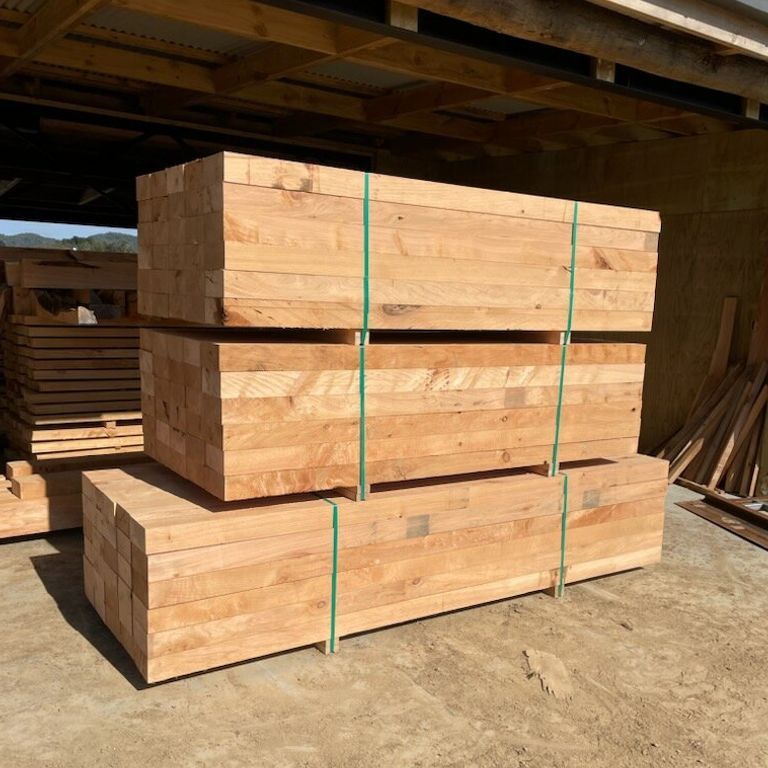
On sloped sites, garden steps need safe treads, clear edges and materials that remain stable in wet weather. Glass is usually better as a side detail, riser accent or nearby decorative bed than as a tread surface. If the project includes boulders or natural texture, pair glass with landscaping rocks for contrast, or use railway sleepers to define layered garden areas.
Design details that make glass work
Glass responds strongly to light. In full sun, bright colours may feel intense, while darker glass can add depth beside planting or stone. Ask suppliers for samples and view them outside at different times of day. If you are comparing decorative glass and pebble landscaping designs, lay out sample patterns on site before committing to a full order.
Glass can also be used for focal points. Browse garden sculptures for art-led accents, or consider reflective details around water features. For privacy and wind control, garden screens made with exterior-rated glass can give separation while keeping light in the space. Practical details count too: letterboxes should suit the same material palette, and concealed structural void fill systems may be relevant where lightweight build-up or level control is part of the specification.
What to ask suppliers before you buy
- Is the glass tumbled, polished, toughened, laminated or otherwise rated for the intended use?
- Will the colour fade or change under New Zealand UV exposure?
- What base depth, edging and drainage does the product require?
- Is it safe for children, pets and bare feet in the planned location?
- Can you view a sample beside your pavers, stone, planting and exterior colours?
Good glass landscaping is specific to the site. Compare products on ArchiPro, then speak with suppliers about installation, maintenance and safety before ordering.