Porcelain outdoor and landscaping
- Porcelain outdoor and landscaping products are a smart choice for New Zealand patios, pool surrounds, courtyards and garden paths. Explore porcelain pavers, outdoor tiles and matching exterior finishes from trusted suppliers, with options suited to residential builds, architectural homes and commercial projects. Compare colours, formats, textures and technical details in one place, then connect with product specialists who understand local conditions.
More to discover
Explore all product categories
- Building Supplies
- Car Parking Solutions
- Cladding & Facades
- Construction 4.0
- Construction Equipment and Supplies
- Electrical
- Fire Safety
- Insulation
- Interior Wall Lining
- Plumbing Supplies
- Prefabricated Buildings
- Roofing
- Structural & Framing
- Solar Electric Systems
- Stairs, Lifts & Access
- Windows & Doors
- Security & Access
- Water Filtration Systems
- Water Management & Filtration
Porcelain is a practical material for outdoor areas because it is dense, hard wearing and low maintenance. For New Zealand homes, it is often used across patios, pool zones, garden paths, courtyards and outdoor kitchens where the finish needs to cope with sun, rain and regular foot traffic. On ArchiPro, you can compare porcelain outdoor and landscaping products alongside the wider Products range, then refine your choices by supplier, style and project need.
Choosing porcelain outdoor and landscaping products in New Zealand
The main advantage of porcelain is consistency. It can give the look of stone, concrete or timber with a more controlled surface, colour and thickness. This makes it useful for contemporary homes, apartments, hospitality spaces and family outdoor areas. When comparing products, look closely at slip resistance, edge detail, tile thickness, installation system and whether the product is made for exterior use.
Where porcelain works best outdoors
Porcelain pavers and outdoor tiles are popular around pools and equipment because they resist water absorption and are available in textured finishes. Around wet areas, choose a surface with a suitable slip rating and check how it feels under bare feet. Lighter tones can also help reduce heat underfoot during summer.
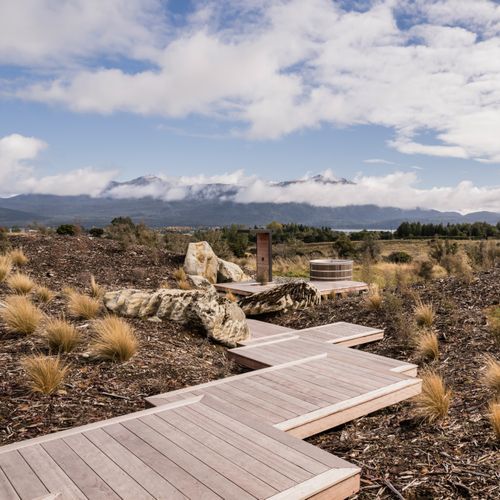
For courtyards, paths and terraces, porcelain sits naturally within landscaping plans. Large-format slabs can create a calm, architectural look, while smaller pavers can suit curved paths or detailed garden layouts. In shared or public settings, porcelain can also suit urban spaces where cleaning, stain resistance and repeatable supply matter.
If the outdoor zone includes boundary work, compare porcelain paving with nearby fencing and gates. Matching undertones between paving, metalwork and timber helps the whole exterior feel resolved. For raised areas, porcelain may be used with pedestal systems as an alternative or companion to outdoor decking systems, especially on balconies and roof terraces.
Designing the full outdoor area
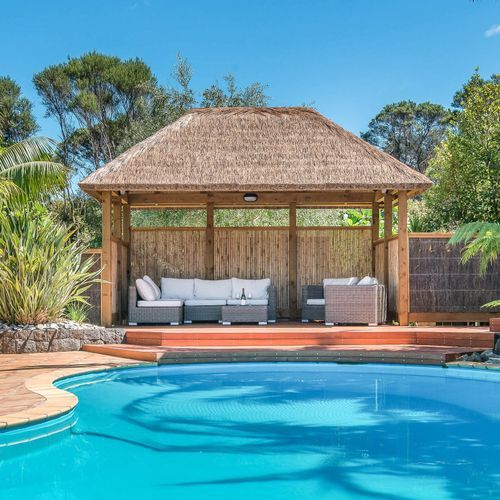
Porcelain is rarely chosen in isolation. It needs to work with shade, furniture, planting, lighting and water flow. If your patio is exposed, consider how the chosen finish will sit beneath shelter and shade systems. Covered areas may allow smoother textures, while exposed zones usually need more grip.
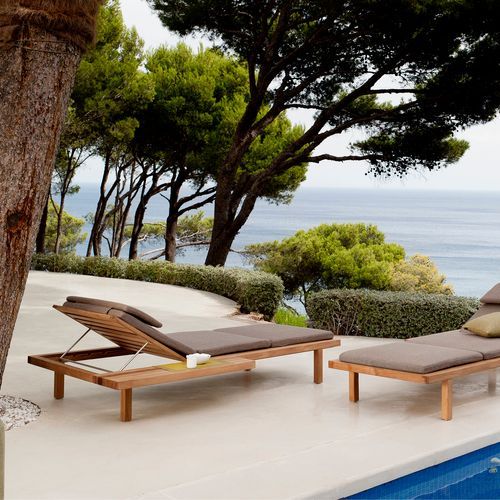
For gardens, porcelain paths and stepping stones can support practical access through gardening zones without making the space feel overbuilt. In entertainment areas, porcelain is a strong partner for outdoor cooking because it resists many common stains and is easy to clean when specified correctly. It also pairs well with outdoor furniture, particularly low-profile seating and dining sets.
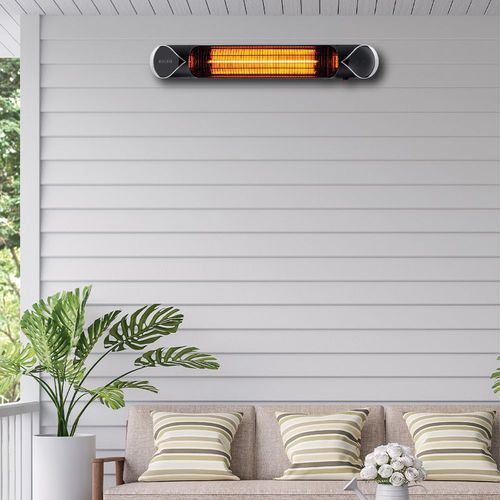
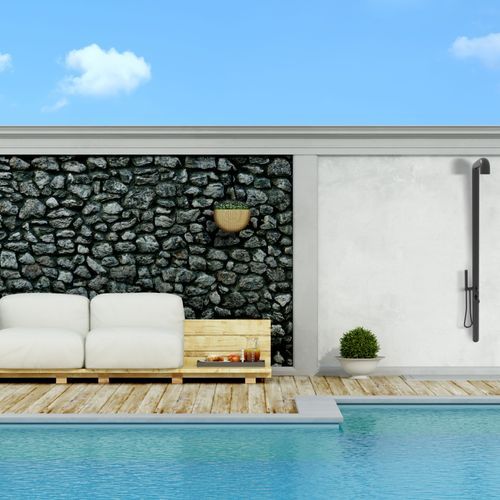
Finishing details matter. Porcelain planters, bowls and exterior objects can connect hard surfaces with outdoor decor. If the area will be used in cooler months, plan paving layouts around outdoor heating so clearances, power points and traffic paths are considered early. For coastal homes, rinse-down areas and outdoor showers may also influence tile choice, drainage and grout selection.
What to check before you buy
- Slip rating: Wet zones, slopes and pool edges need exterior-grade grip. Ask the supplier for test data.
- Thickness: Standard exterior tiles and thicker porcelain pavers suit different substrates and installation methods.
- Edge finish: Check whether matching step treads, coping, bullnose edges or mitred details are available.
- Fixing method: Porcelain can be laid on concrete, mortar, gravel bases or pedestal systems, depending on the product.
- Drainage: Falls, channels and ground conditions should be planned before product selection is finalised.
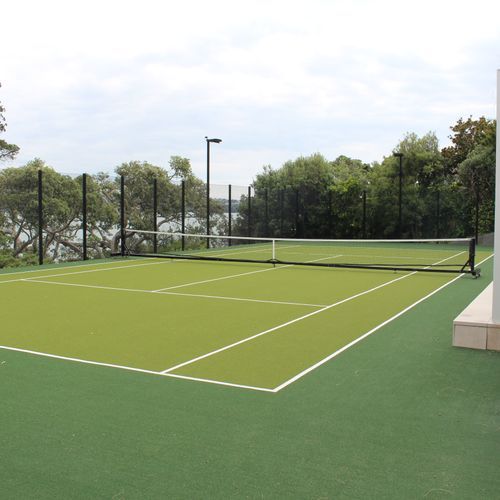
Some projects need more than paving. If the area includes a court or active recreation space, review porcelain surfaces alongside sports equipment & courts to make sure the finish suits the intended use. For rural homes or properties with water quality concerns, outdoor planning may also include whole house filtration. Where stormwater, run-off or irrigation is part of the design, compare relevant water management systems before installation begins.
Before ordering, request samples and view them outdoors at different times of day. Porcelain can shift in appearance depending on light, nearby cladding and planting. Ask about lead times, batch variation, care instructions and warranty cover. For larger projects, confirm stock availability before contractors are booked. Good planning reduces waste and helps your finished outdoor area perform as intended.