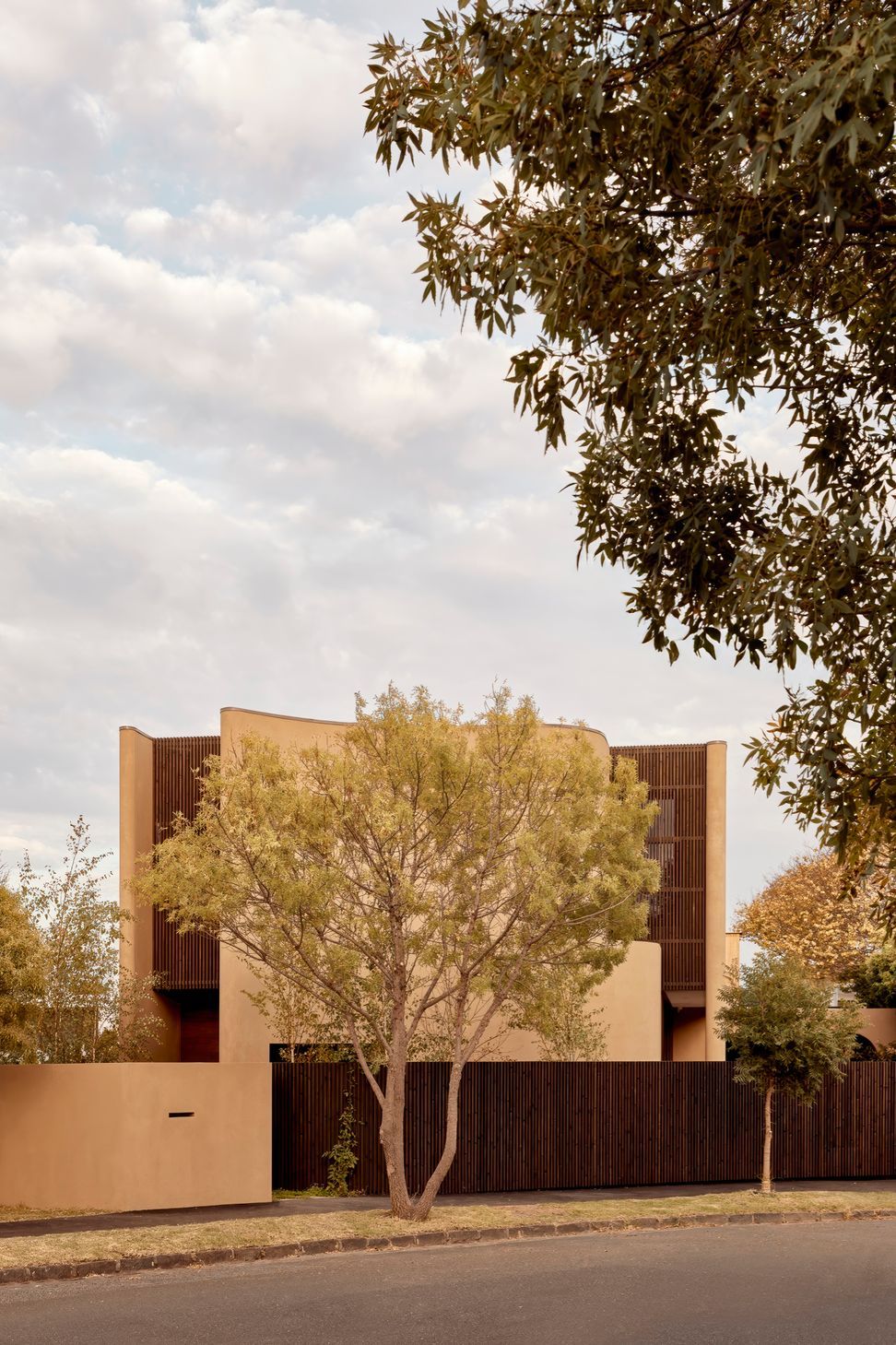
A house that reveals itself slowly. From the street, Windermere Crescent doesn’t tell you much.
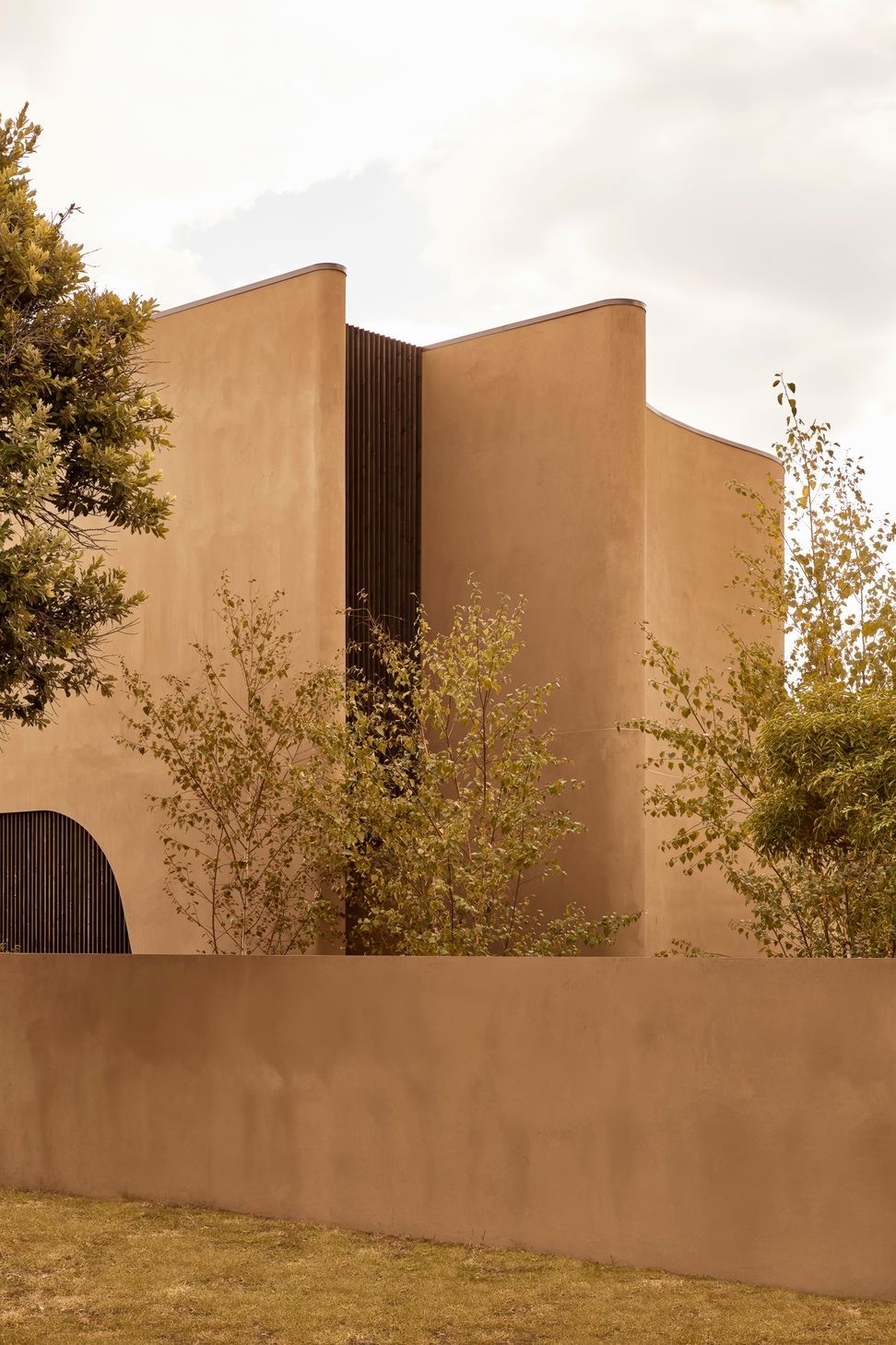
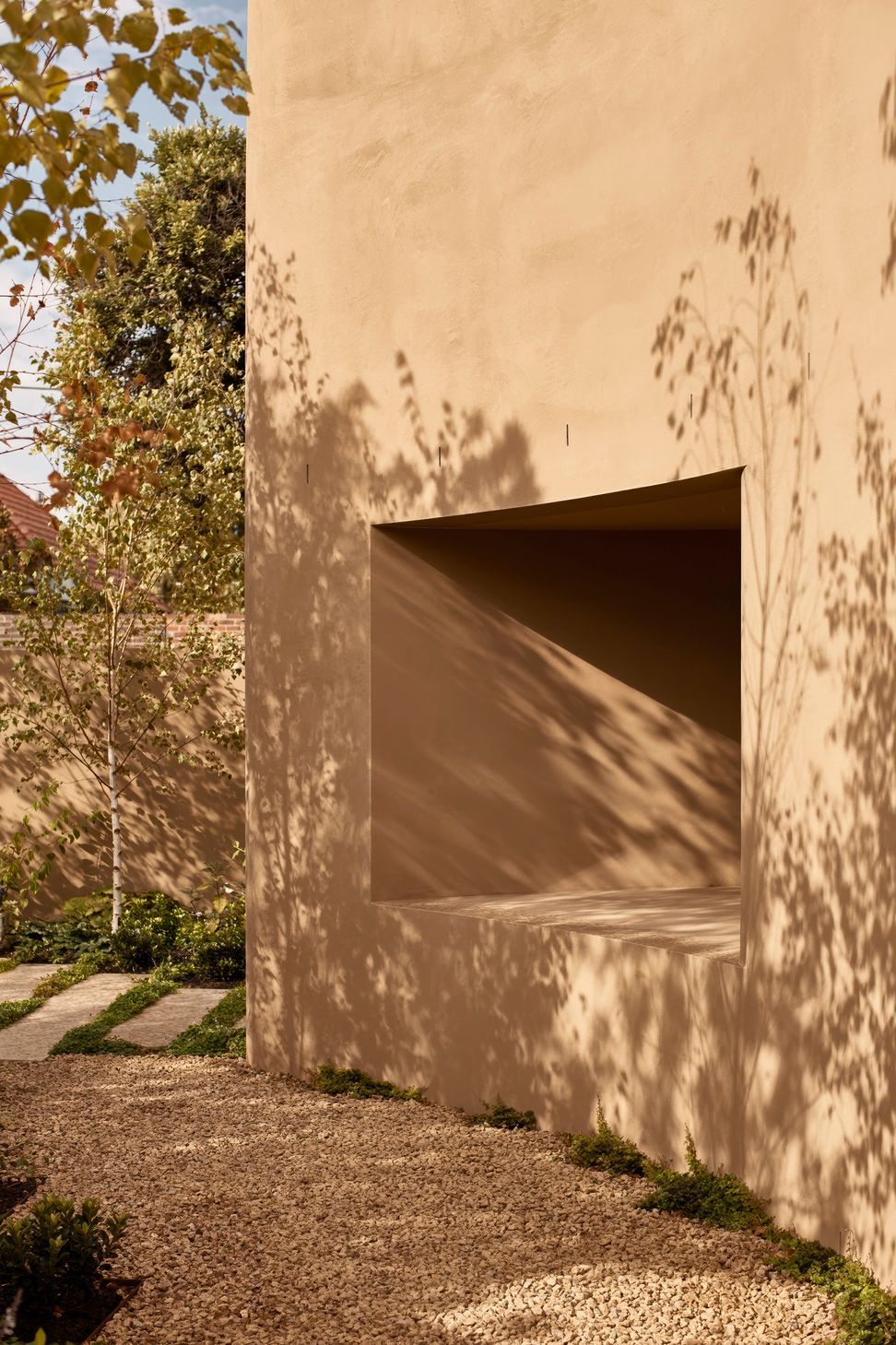
It’s quiet. Controlled. Almost closed. The form follows the sweep of the corner site, holding itself close, as if it’s choosing what it wants to show and what it doesn’t.
That’s deliberate. For Enzo Campus, Managing Director at Stonnington Group, a home doesn’t need to explain itself immediately. In fact, he prefers it if it doesn’t. A bit of mystery, a moment of curiosity, is often the beginning of a better spatial experience.
Windermere Crescent is his own home, completed just over a year ago, and it marks a subtle shift in the studio’s work. Not a reinvention, but a recalibration away from purely geometric forms and toward something slightly more organic, without ever losing clarity or function.
It’s also a project where Enzo gave himself permission to do exactly what he wanted.
Like all Stonnington homes, Windermere Crescent was designed from the inside out. The exterior form wasn’t the starting point. The internal sequence was. How you arrive. How you move. Where light comes from. How the home opens to garden, and where it closes itself off.
The site is relatively compact for its location, around 460 square metres, and sits opposite a school, which meant privacy was a real consideration. One side of the home turns its back to that condition, allowing the internal spaces and garden areas to become the focus instead.
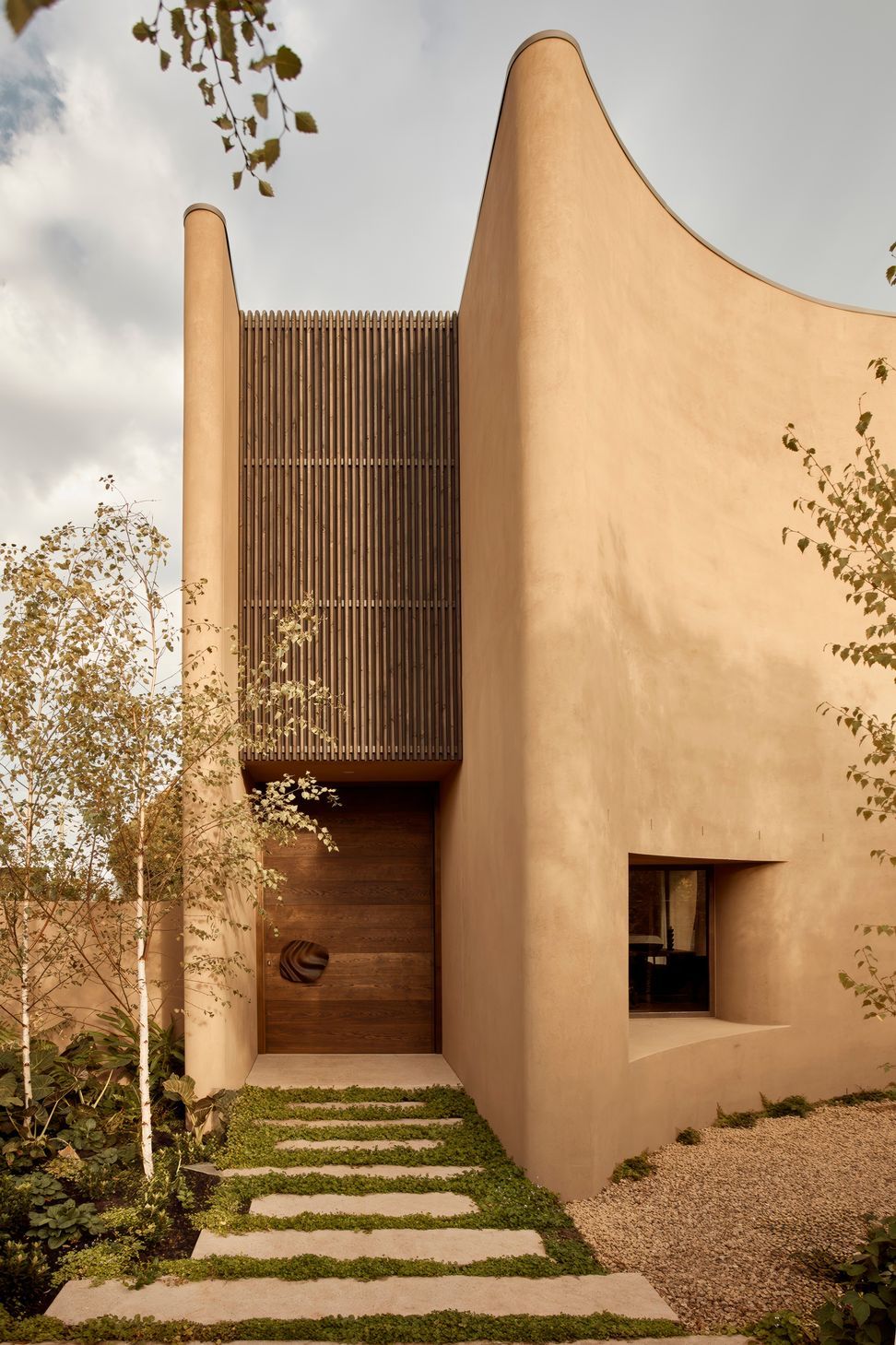
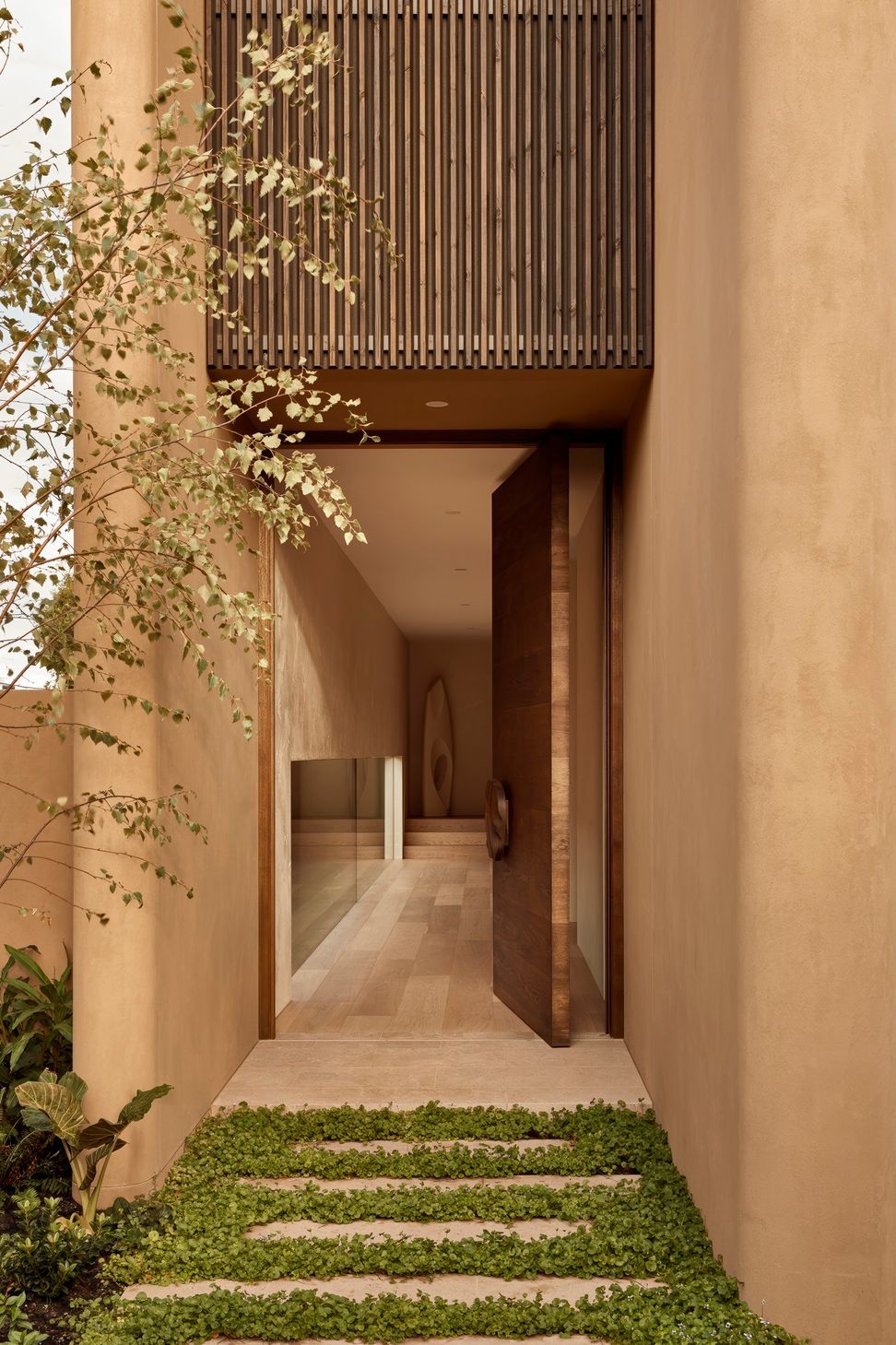
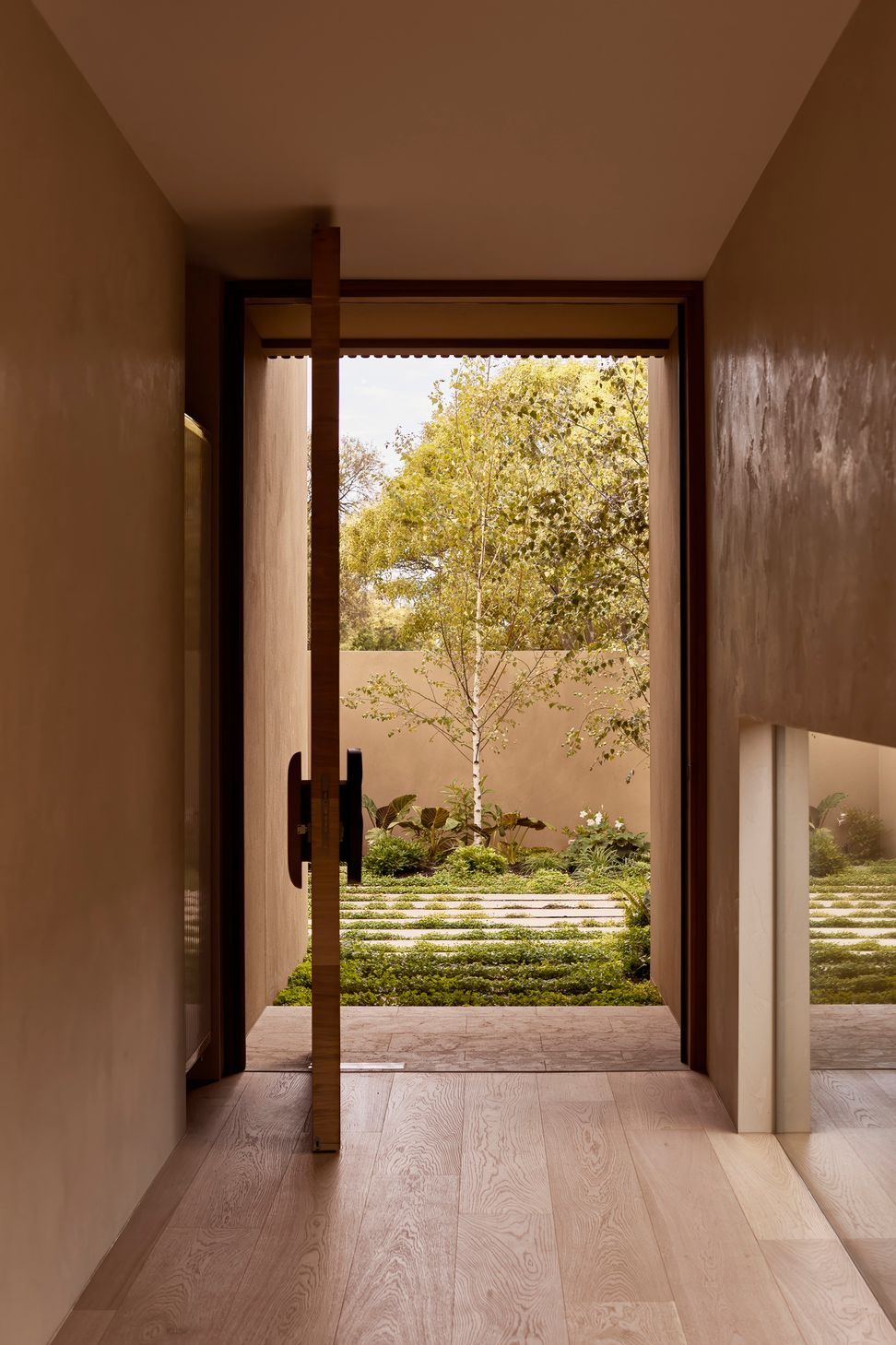
As you approach the house, the entry isn’t immediately obvious. You move through a small stand of birch trees, toward a custom pivot door made in-house by Stonnington’s joinery team. The handle is sculpted, tactile, and intentional. A small signal that this is a house where details matter.
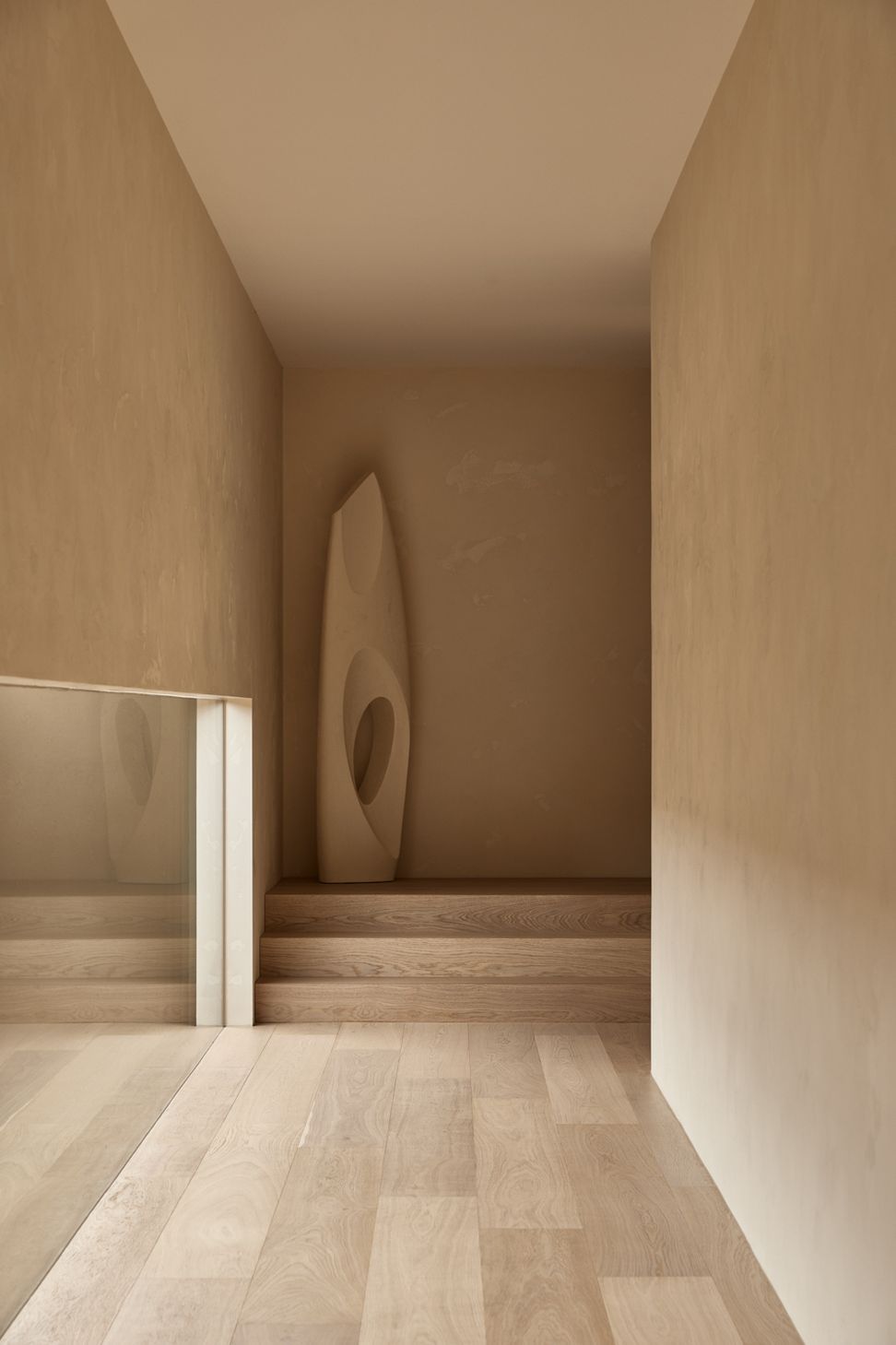
When the door opens, the house doesn’t unfold all at once. Instead, you step into a gallery-like space, where a long, low window runs across the length of the room, looking down into a garden below. It’s an unexpected moment. You realise quickly that the ground plane isn’t what you assumed, and that this home is playing with depth as much as surface.
Enzo describes it as a “gasp” moment. Not for drama, but for recalibration. You’ve arrived with expectations, and the house gently asks you to reset them.
Windermere Crescent is organised around three distinct living zones, each with a different energy.
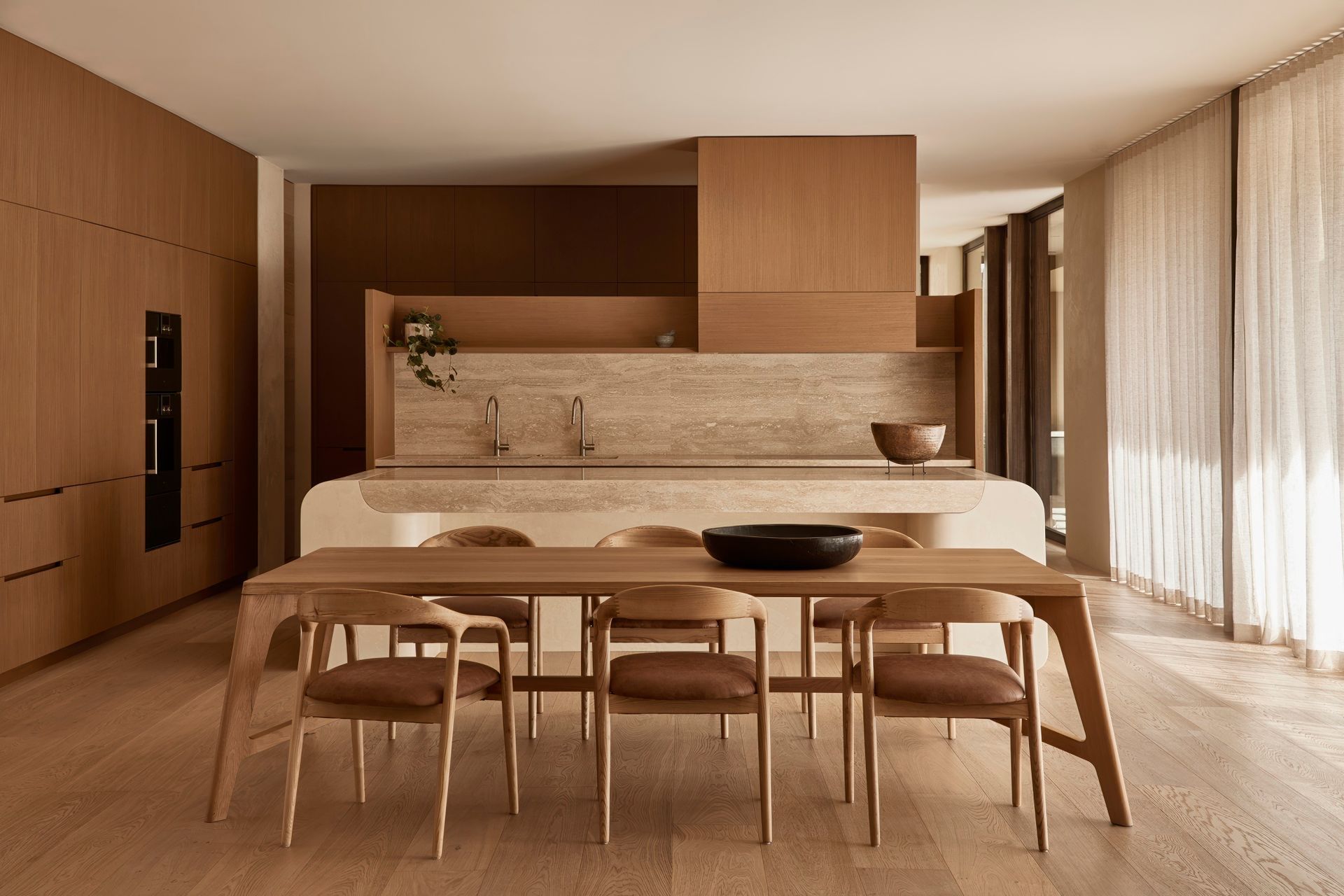
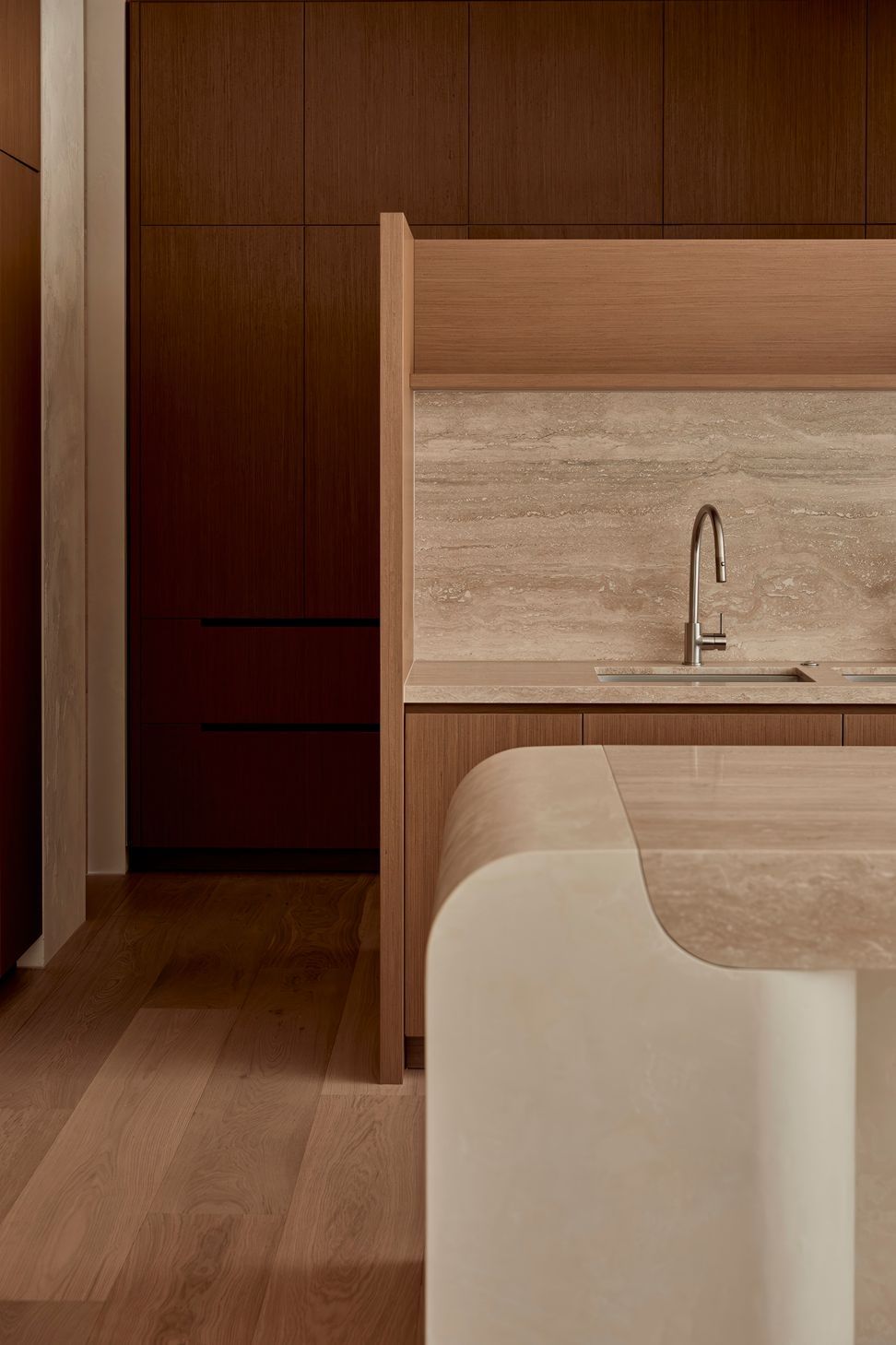
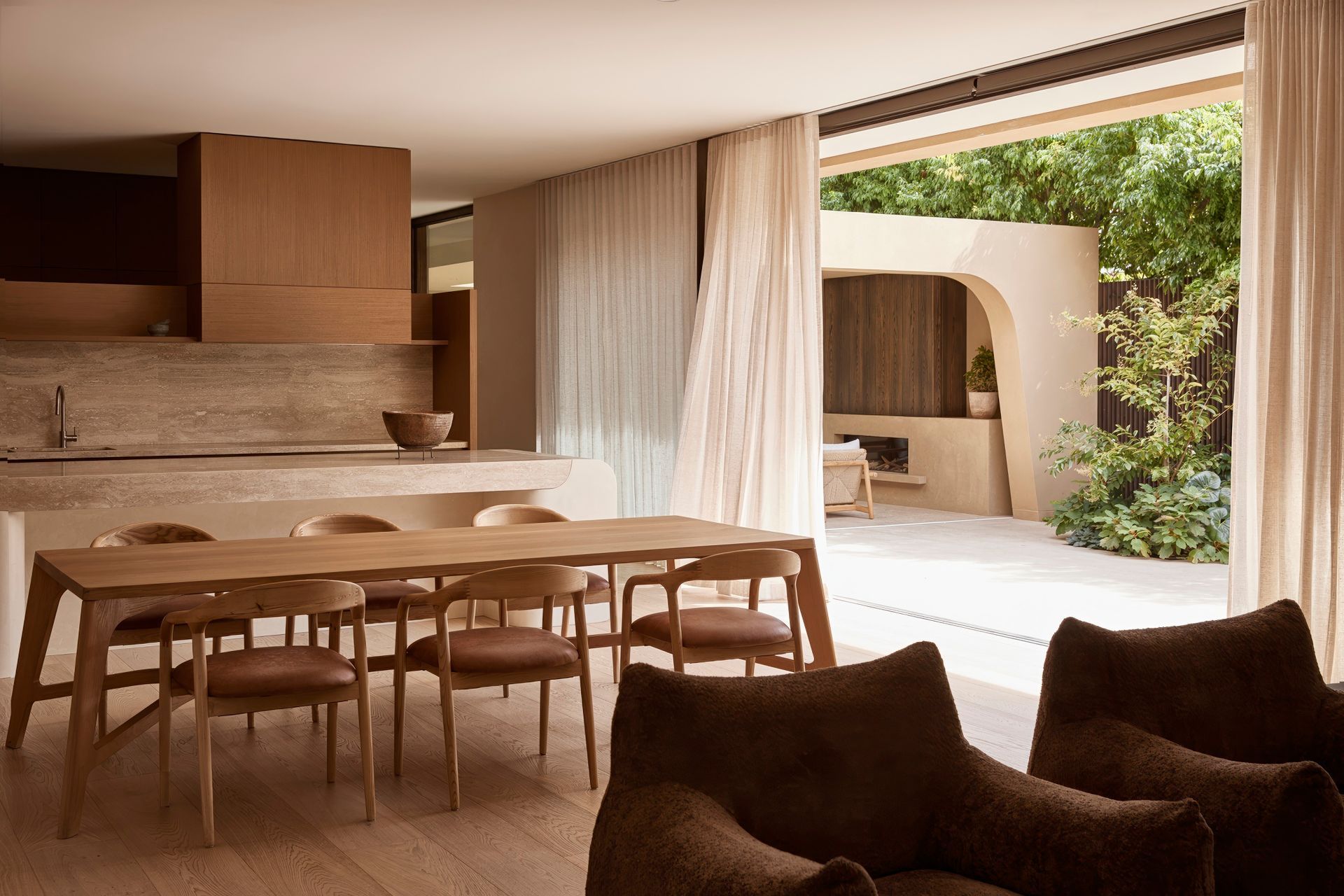
The main daily living area brings together kitchen, dining, and family space, opening directly to the garden. It’s the most familiar part of the house. Open, warm, and grounded. It does the heavy lifting of everyday life.
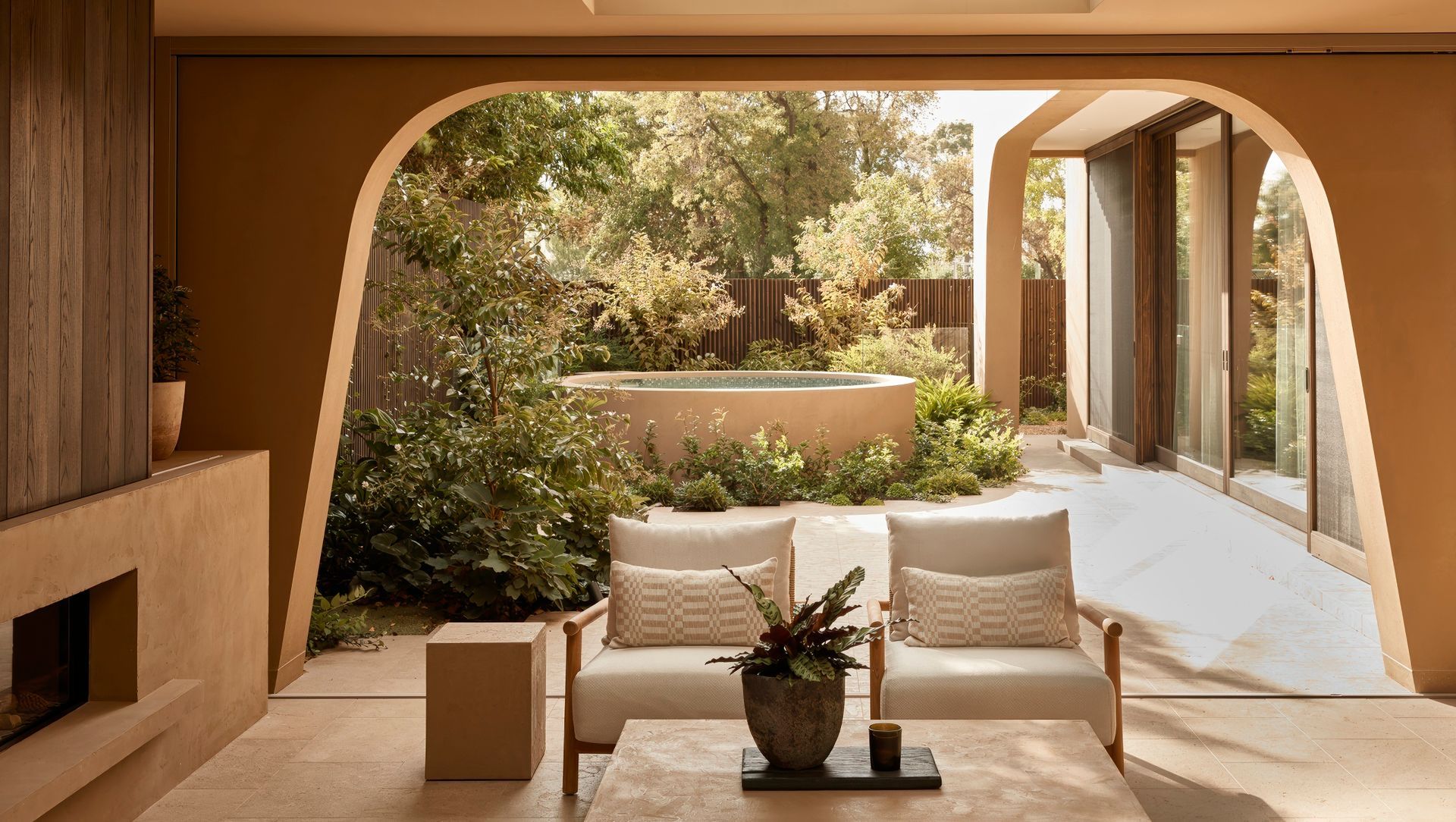
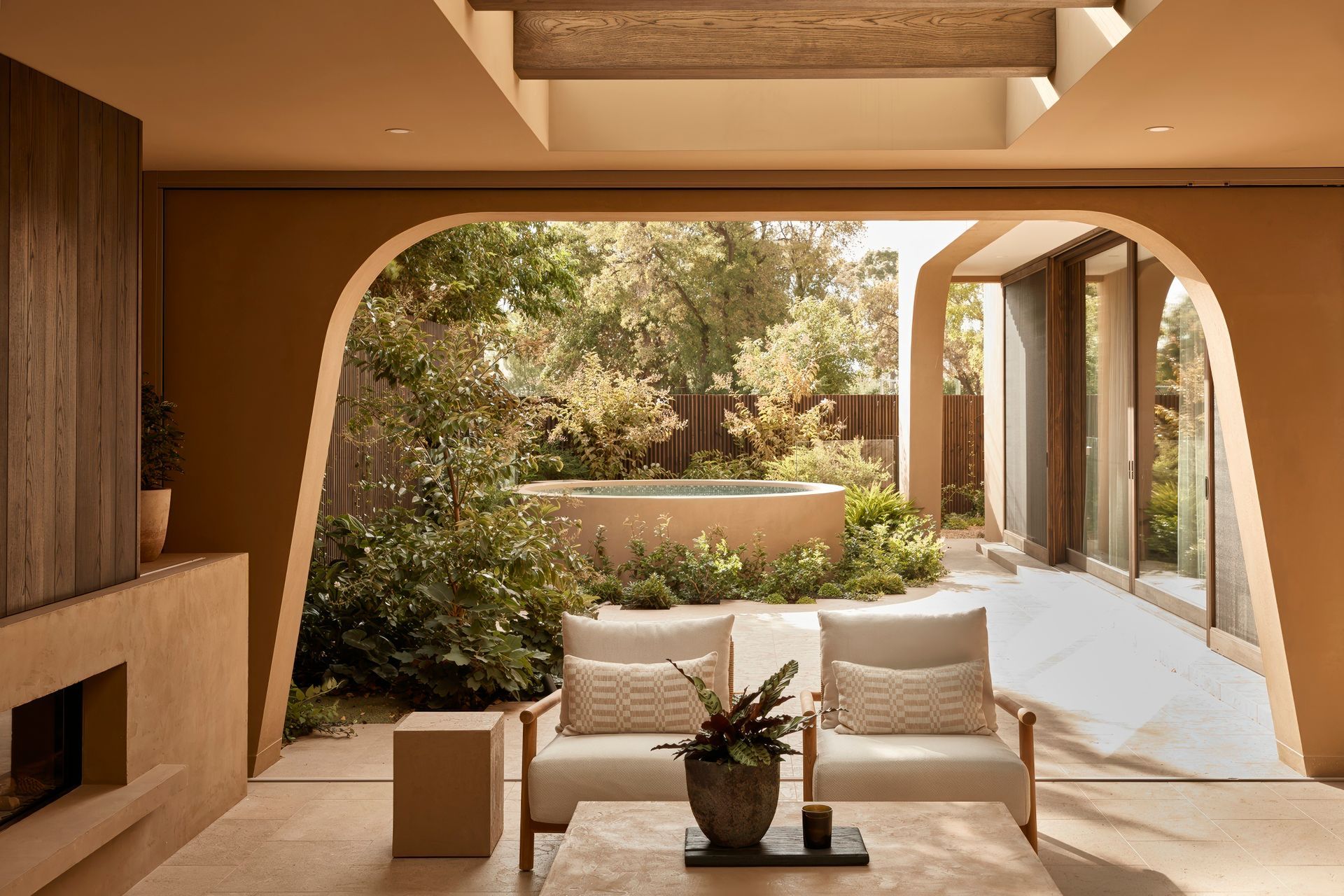
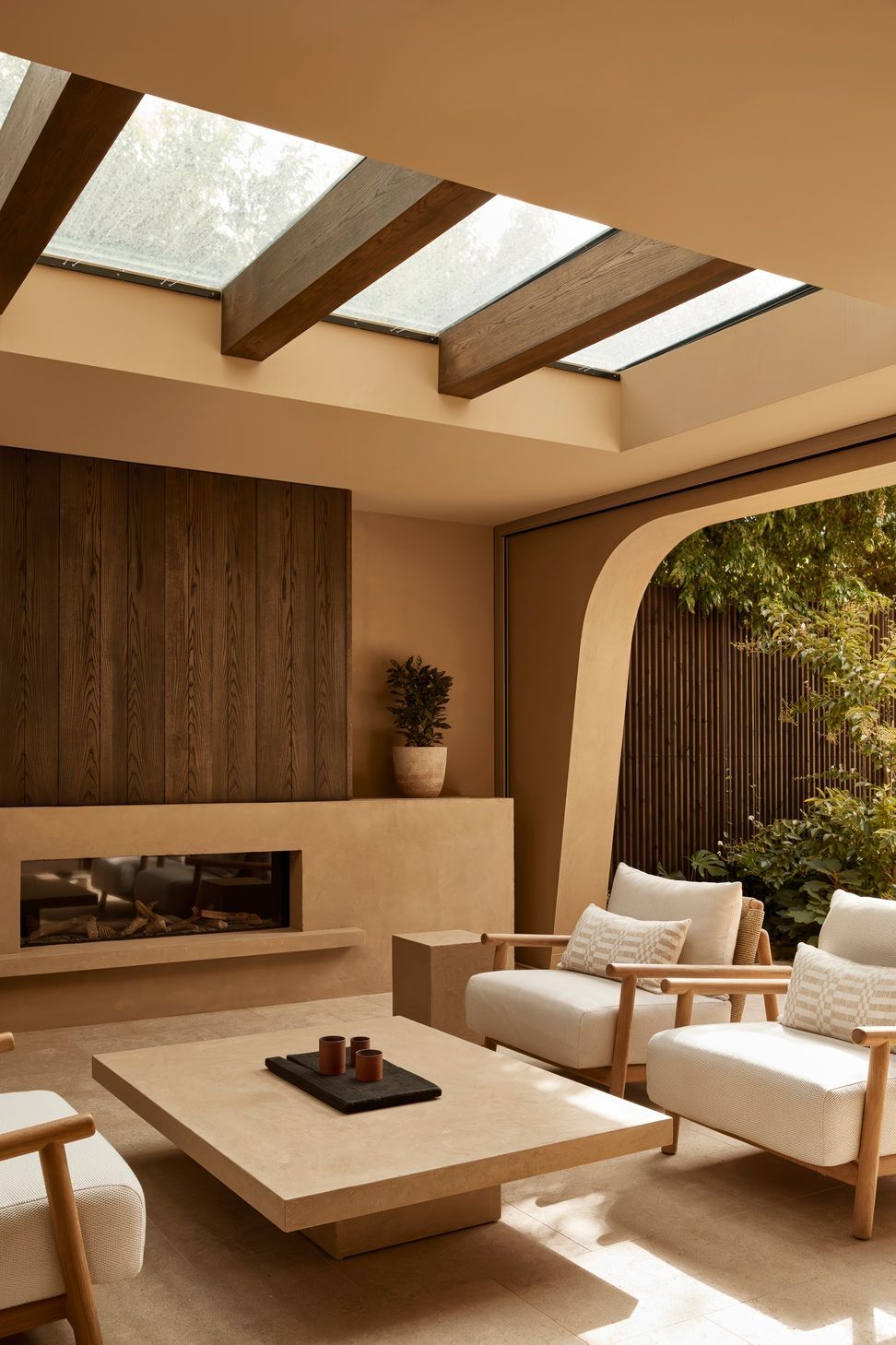
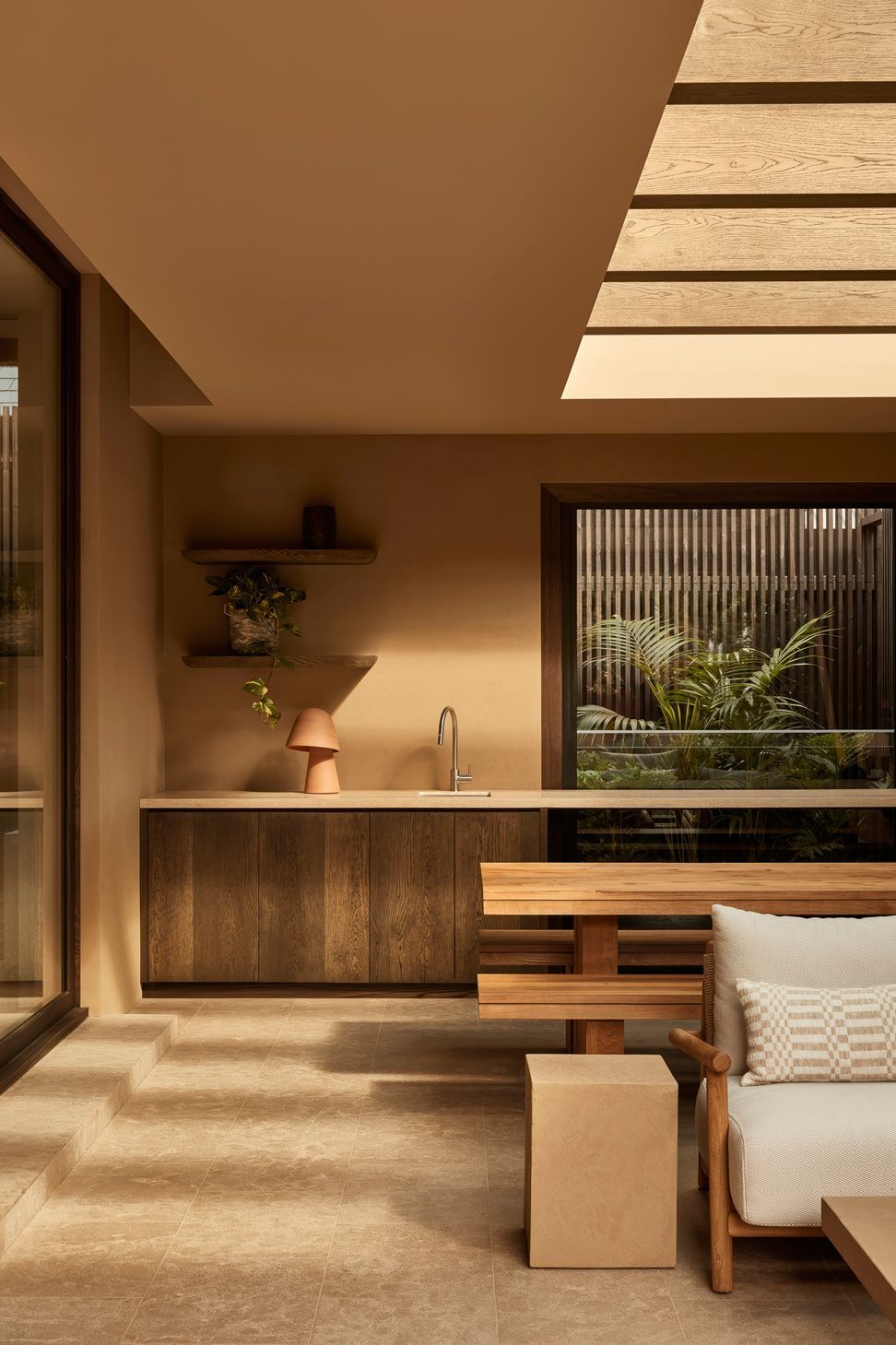
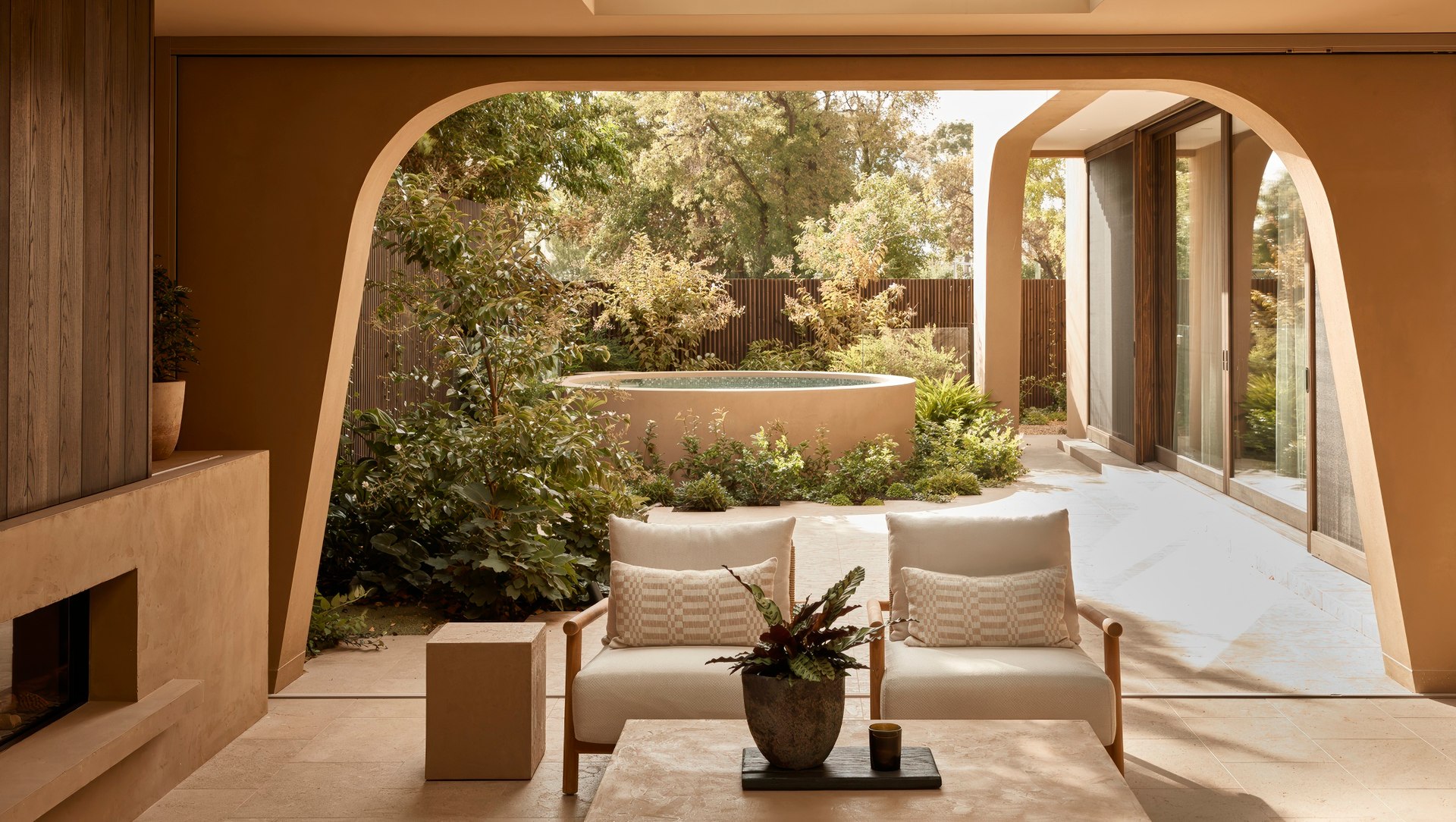
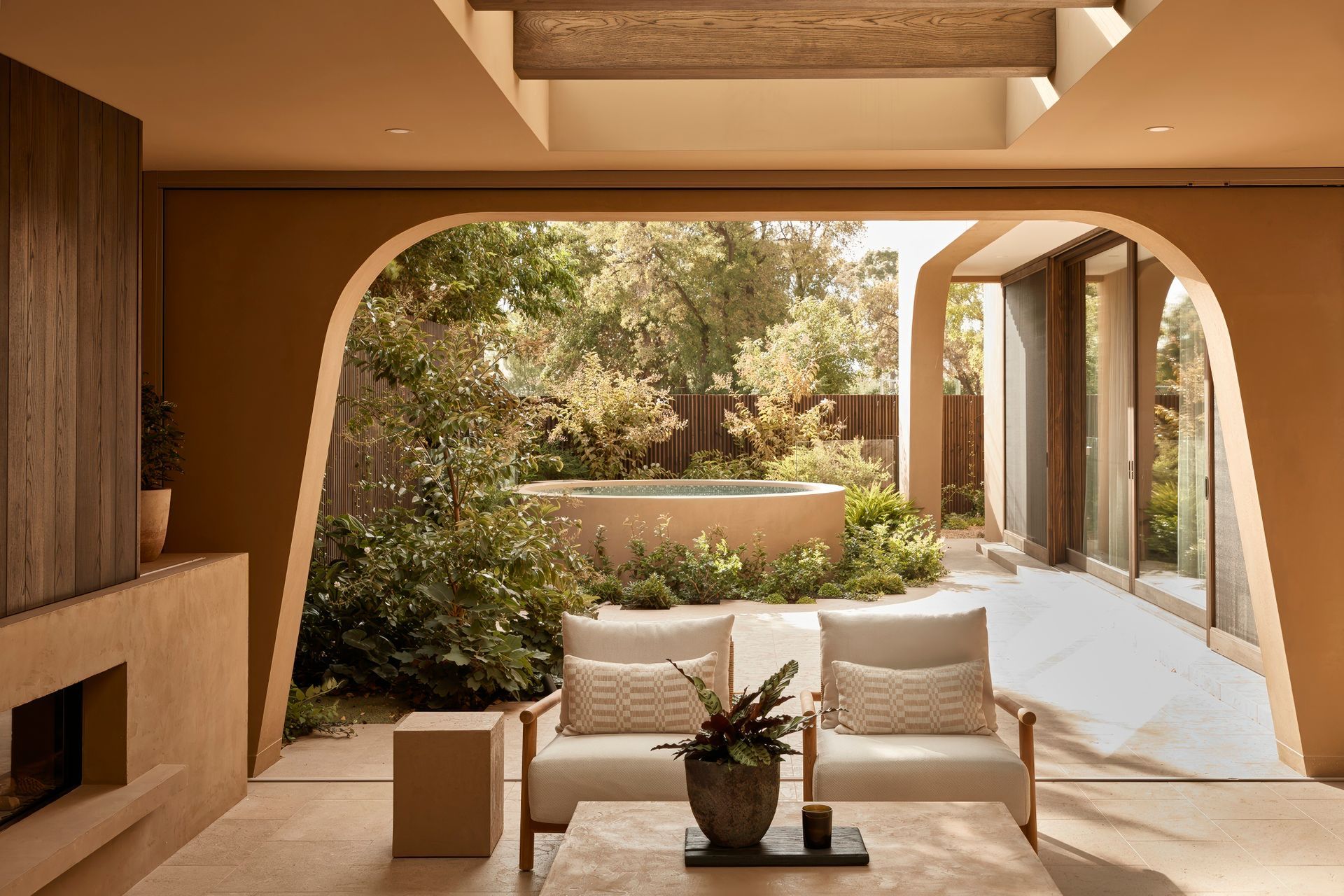
Then there’s what Enzo refers to, slightly reluctantly, as the “Australian room.” It’s a semi-indoor, semi-outdoor space with its own cooking facilities, an outdoor fireplace, and a hidden television. It’s not quite alfresco, not quite internal, and it has quietly become the most loved part of the home.
Enzo admits they didn’t expect it to resonate as strongly as it has, but it’s where they spend most of their time. It’s casual, flexible, and deeply comfortable. The kind of space that naturally absorbs daily rituals.
Below ground is the third living zone, and this is where Windermere Crescent really surprises.
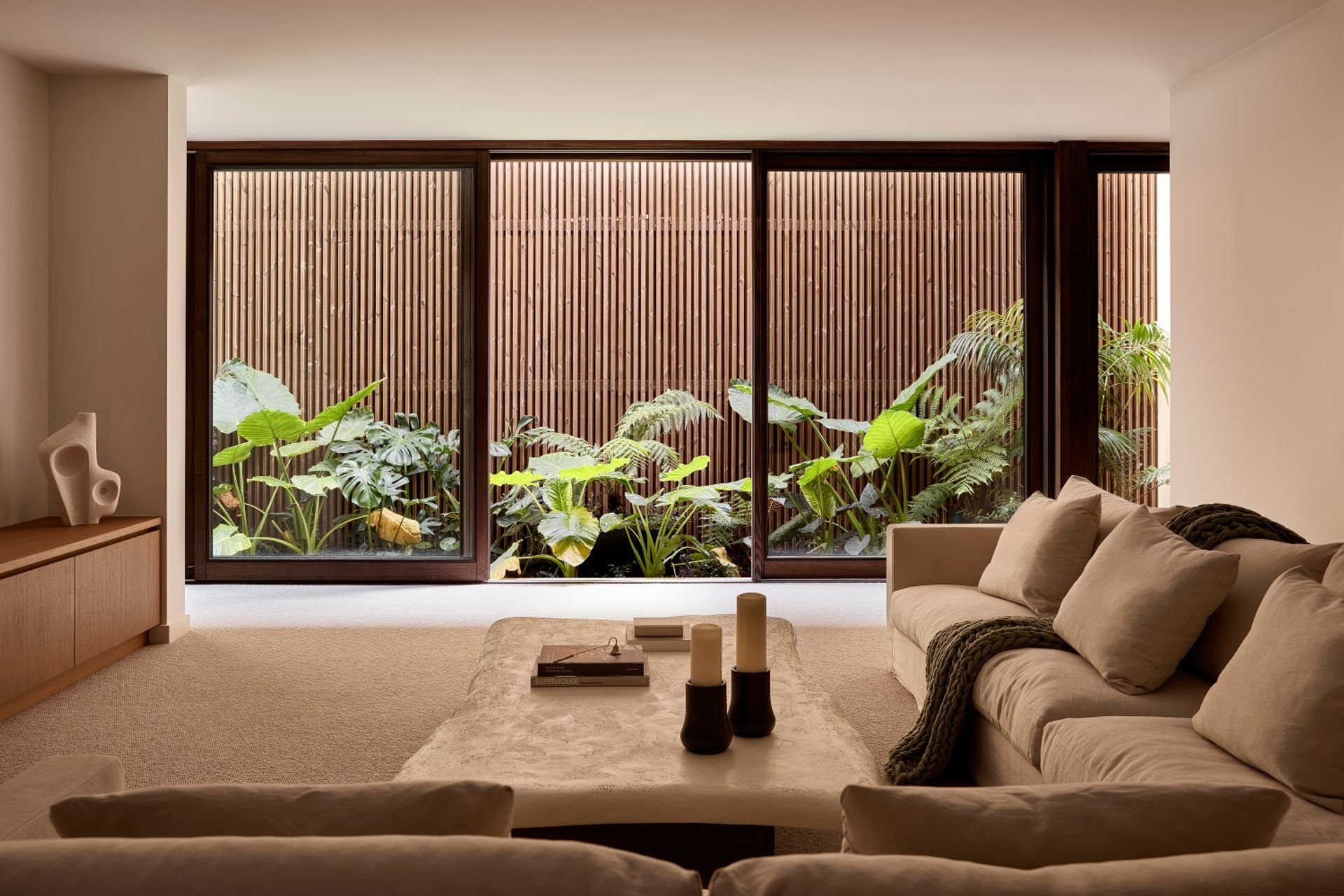
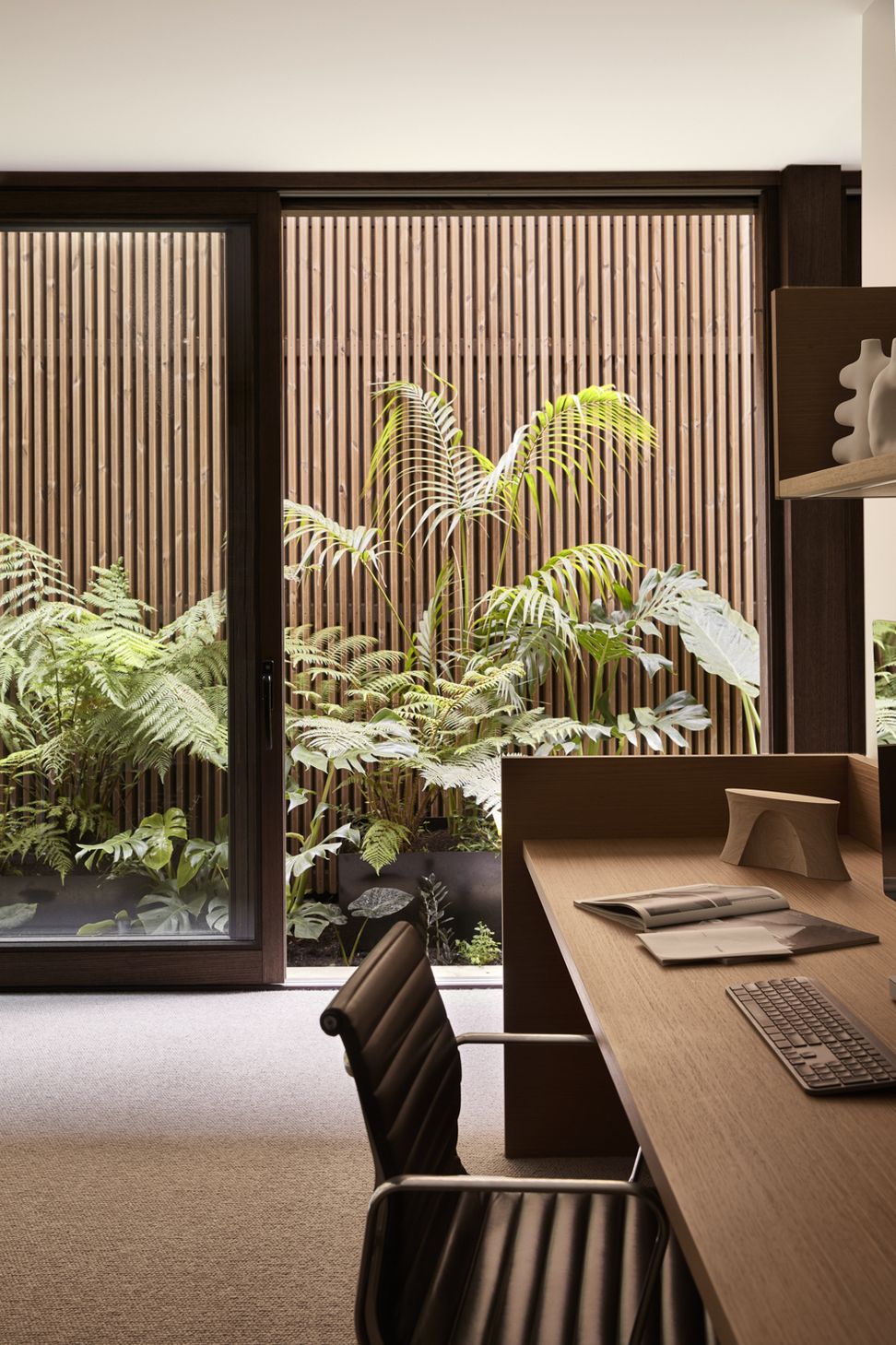
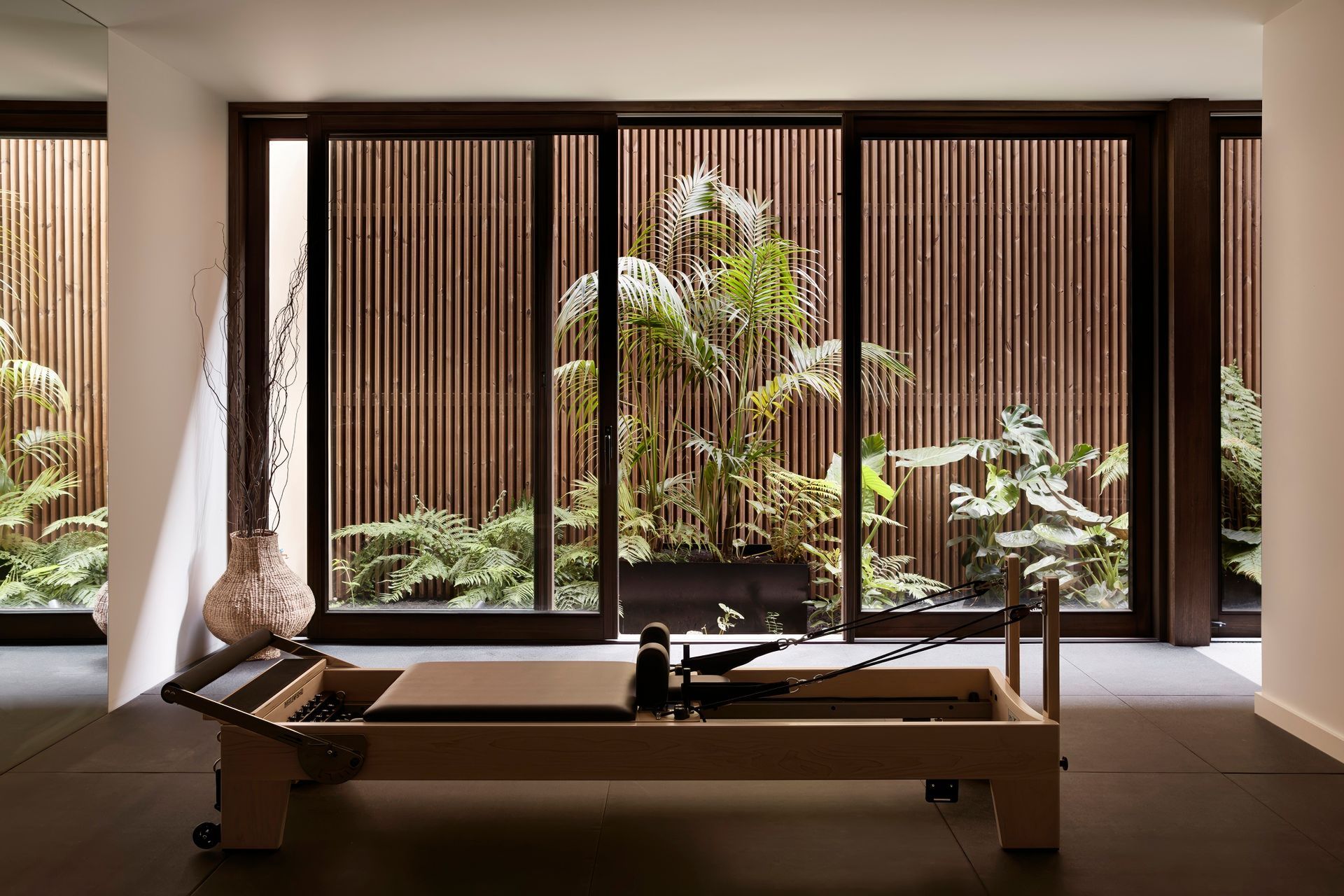
Stonnington Group doesn’t build basements without natural light, and Windermere Crescent is no exception. The entire lower level was excavated to create a long, linear garden that runs alongside the basement spaces. Every room looks onto this planted edge, bringing daylight, ventilation, and a sense of calm to what could easily have been a dark, secondary zone.
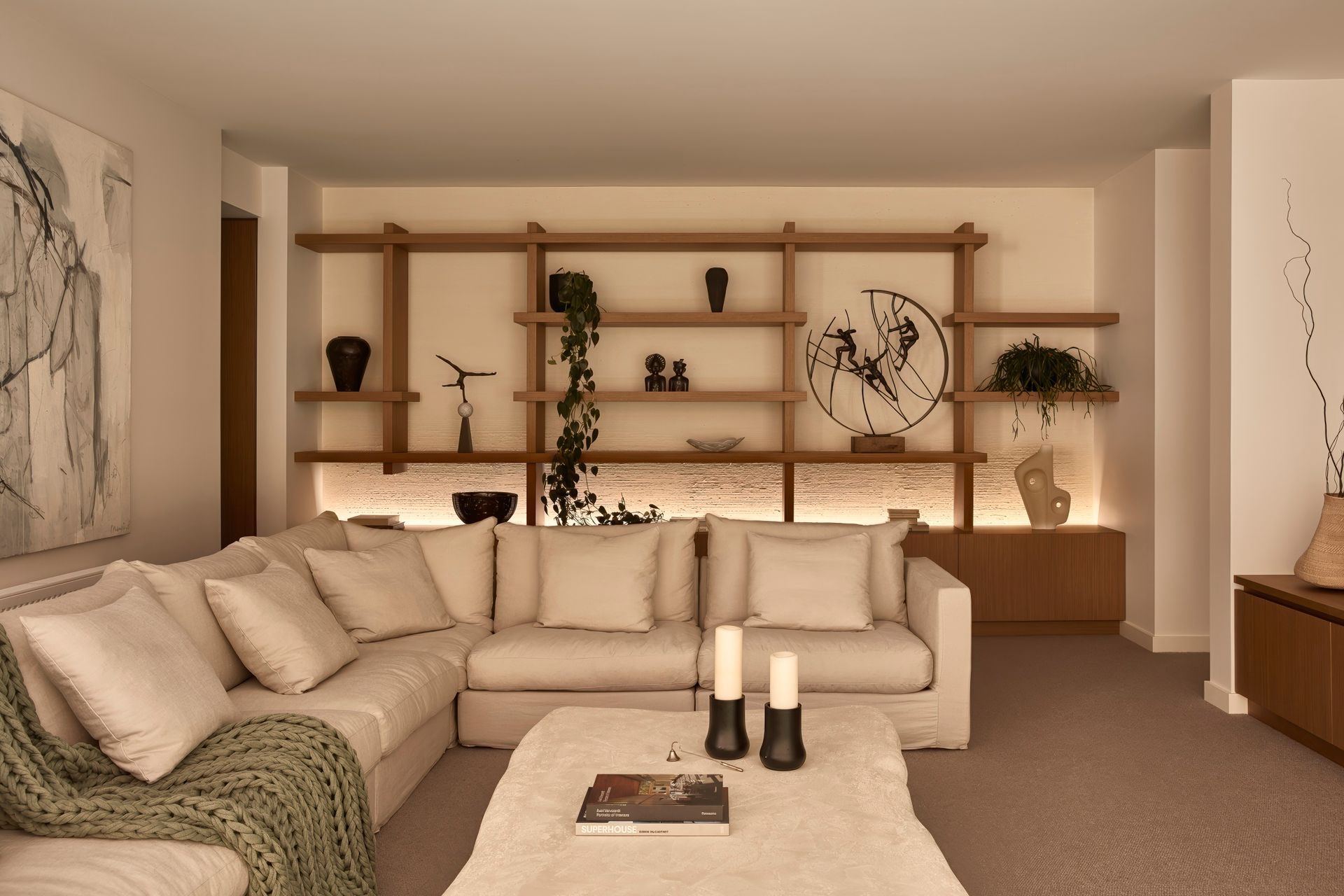
Down here, there’s a generous retreat-style living room, a fully fitted work-from-home study, a wellness area with gym and sauna facilities, and a cellar with kitchenette. It’s a level designed to be used, not hidden.
At night, when the garden is lit, the space becomes something else entirely. Quiet, enclosed, and almost subterranean in the best way. It’s not a basement you tolerate. It’s one you actively choose to be in.
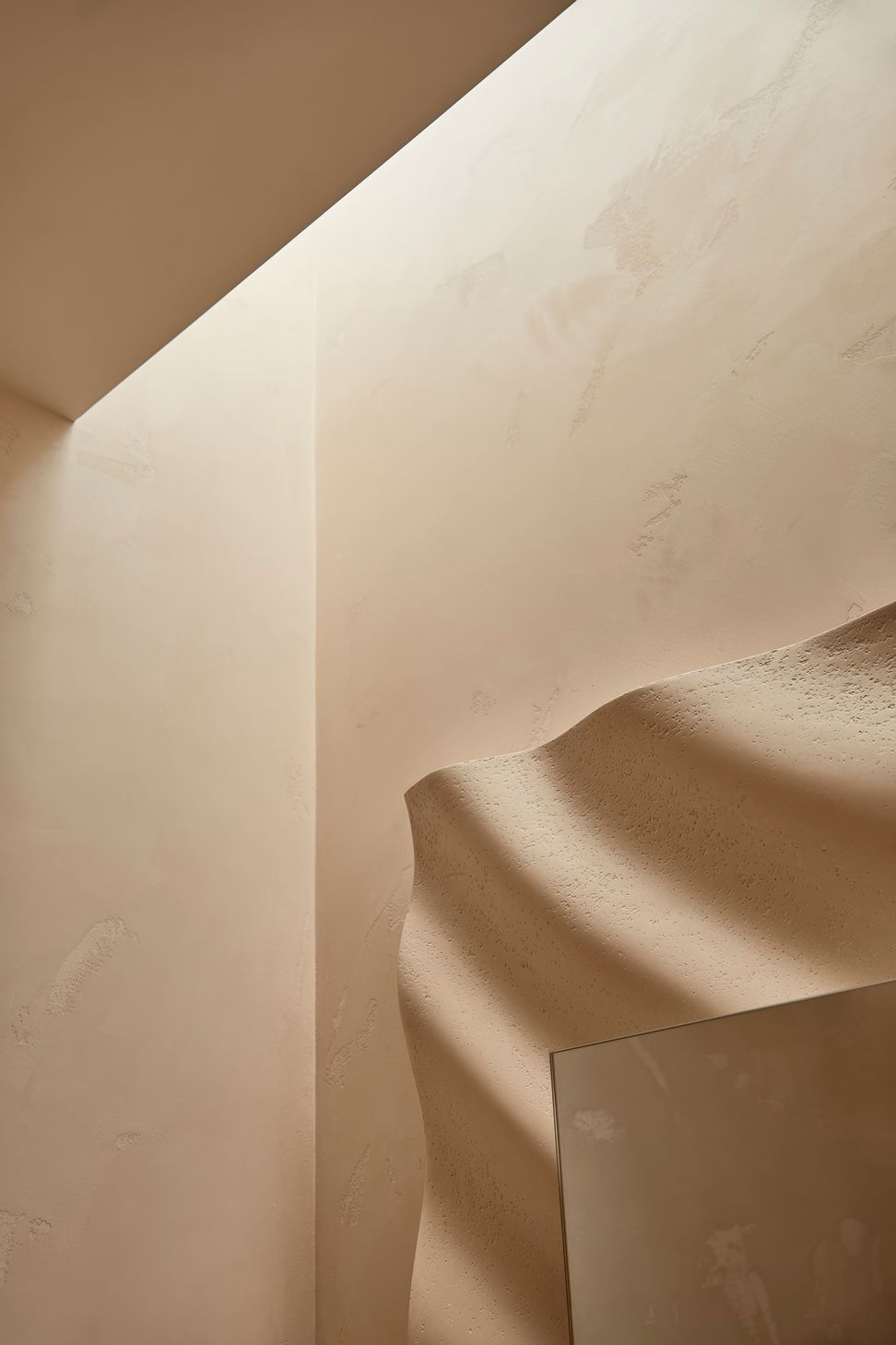
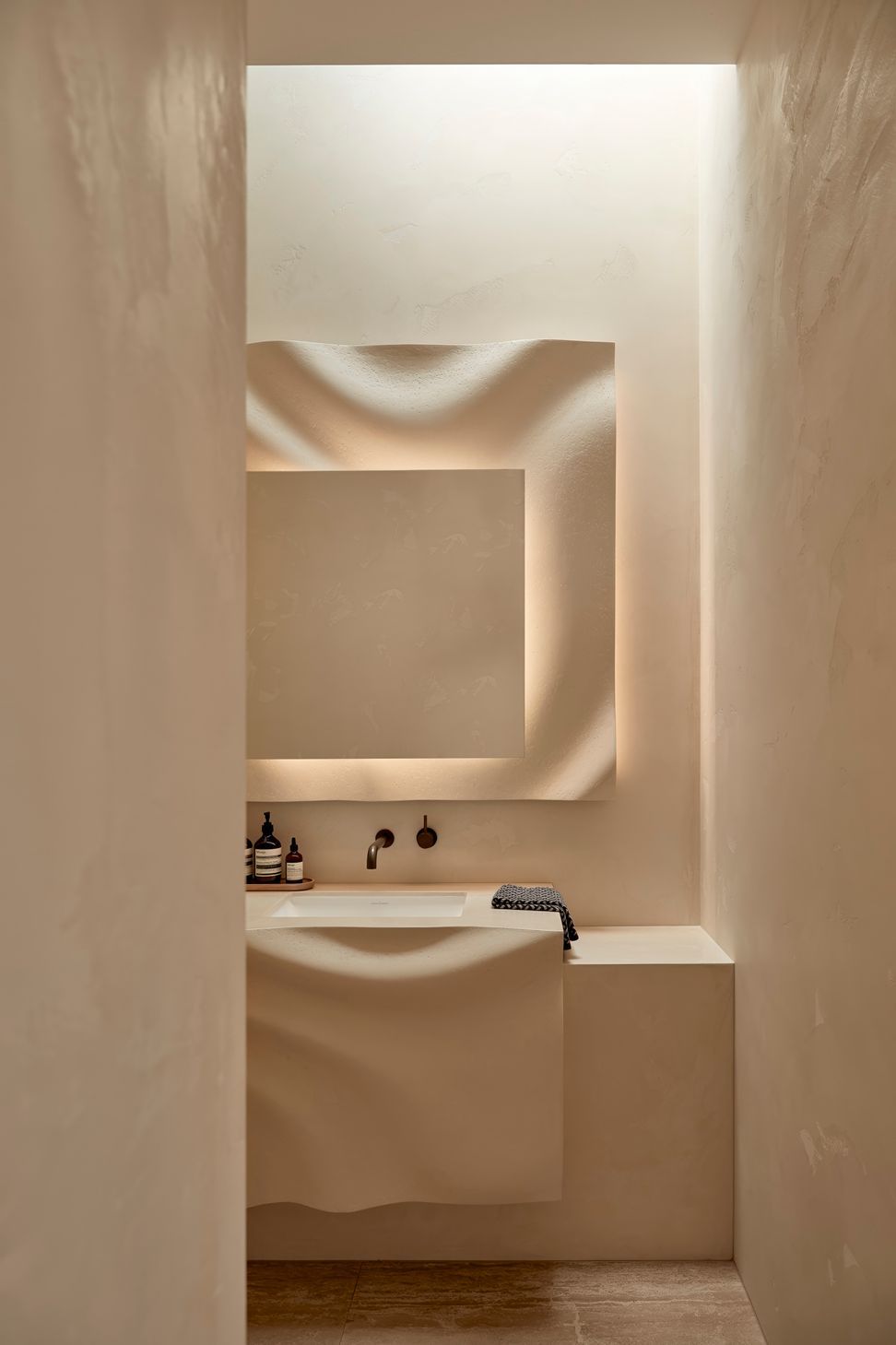
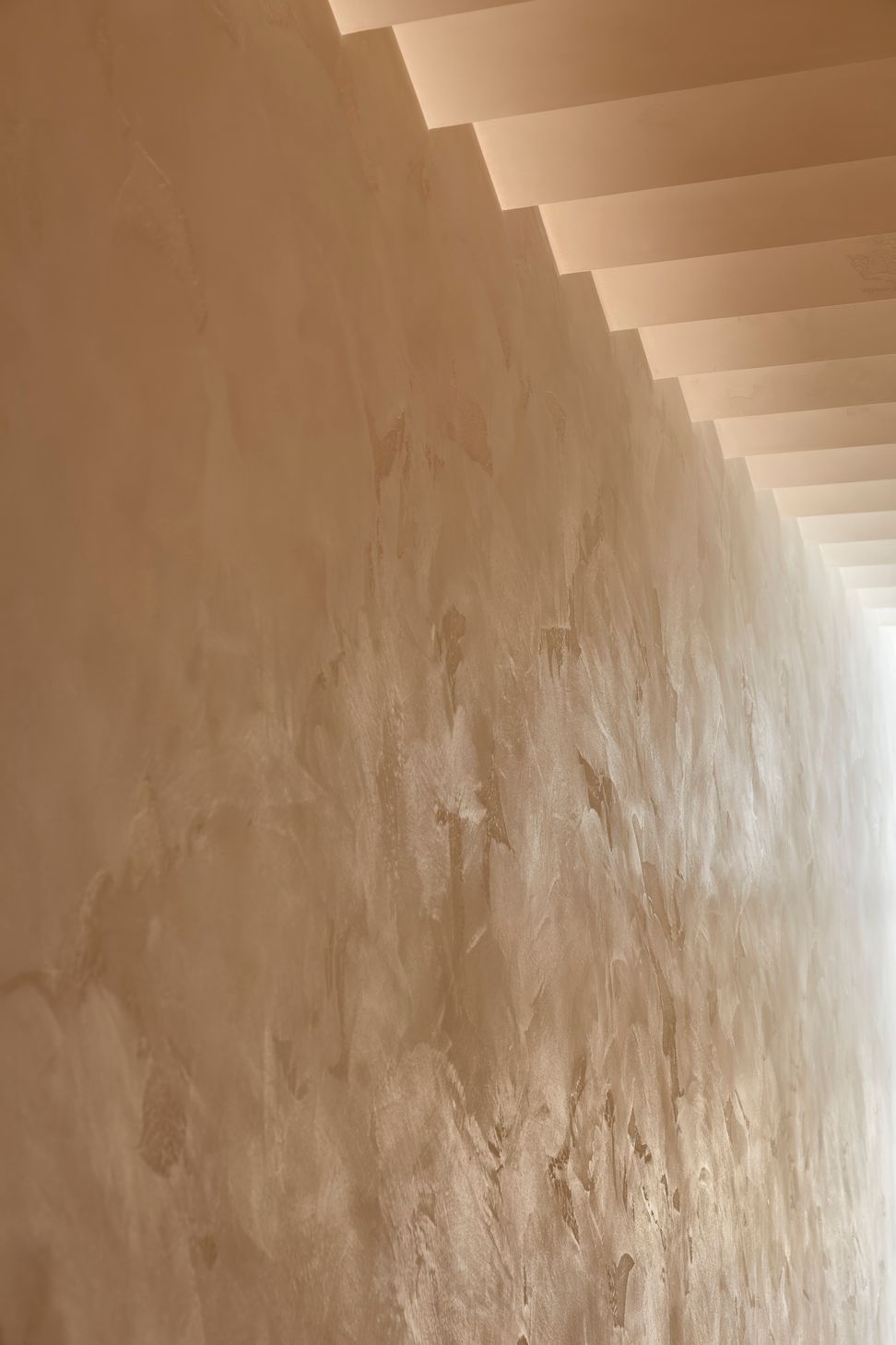
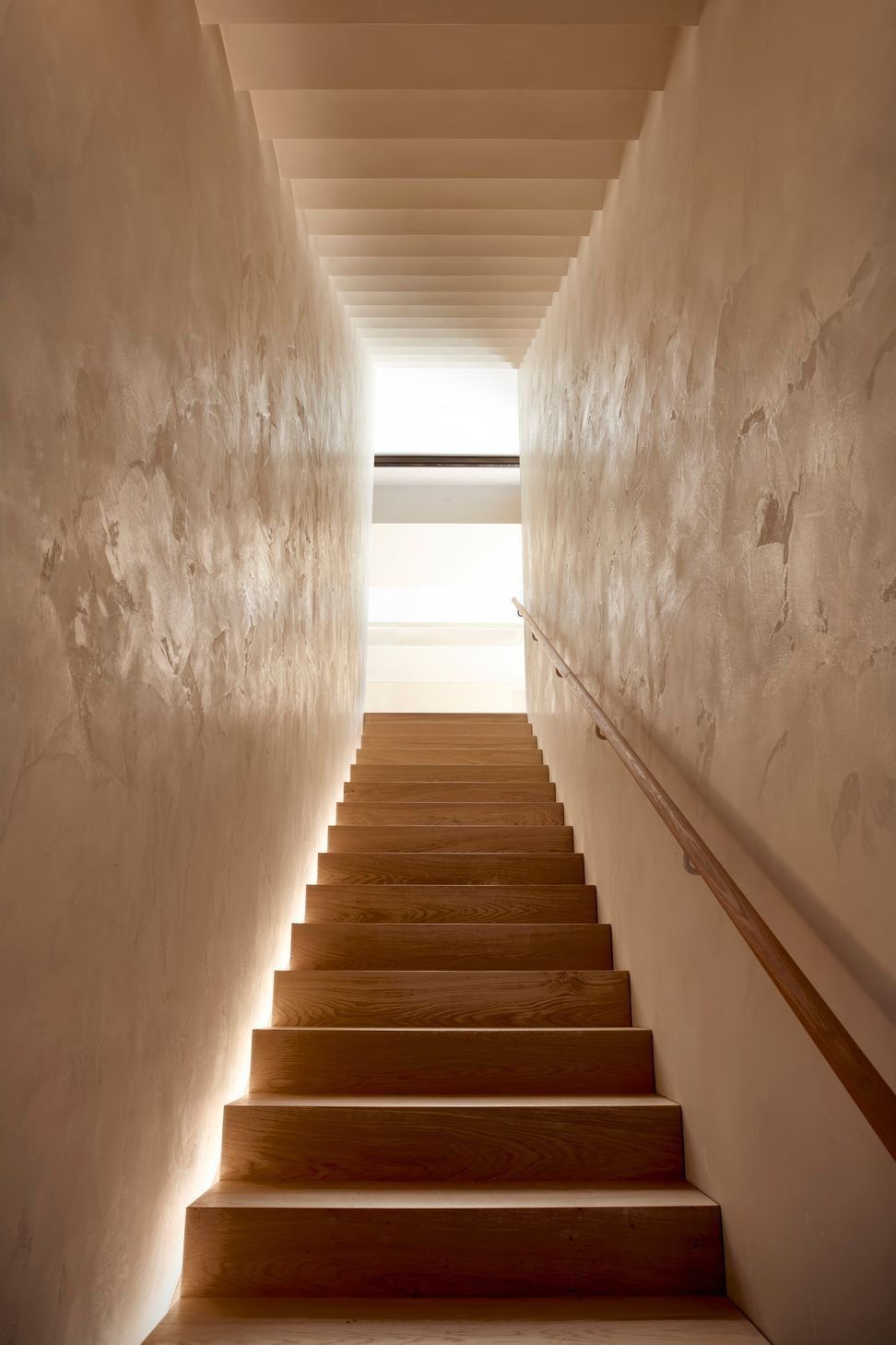
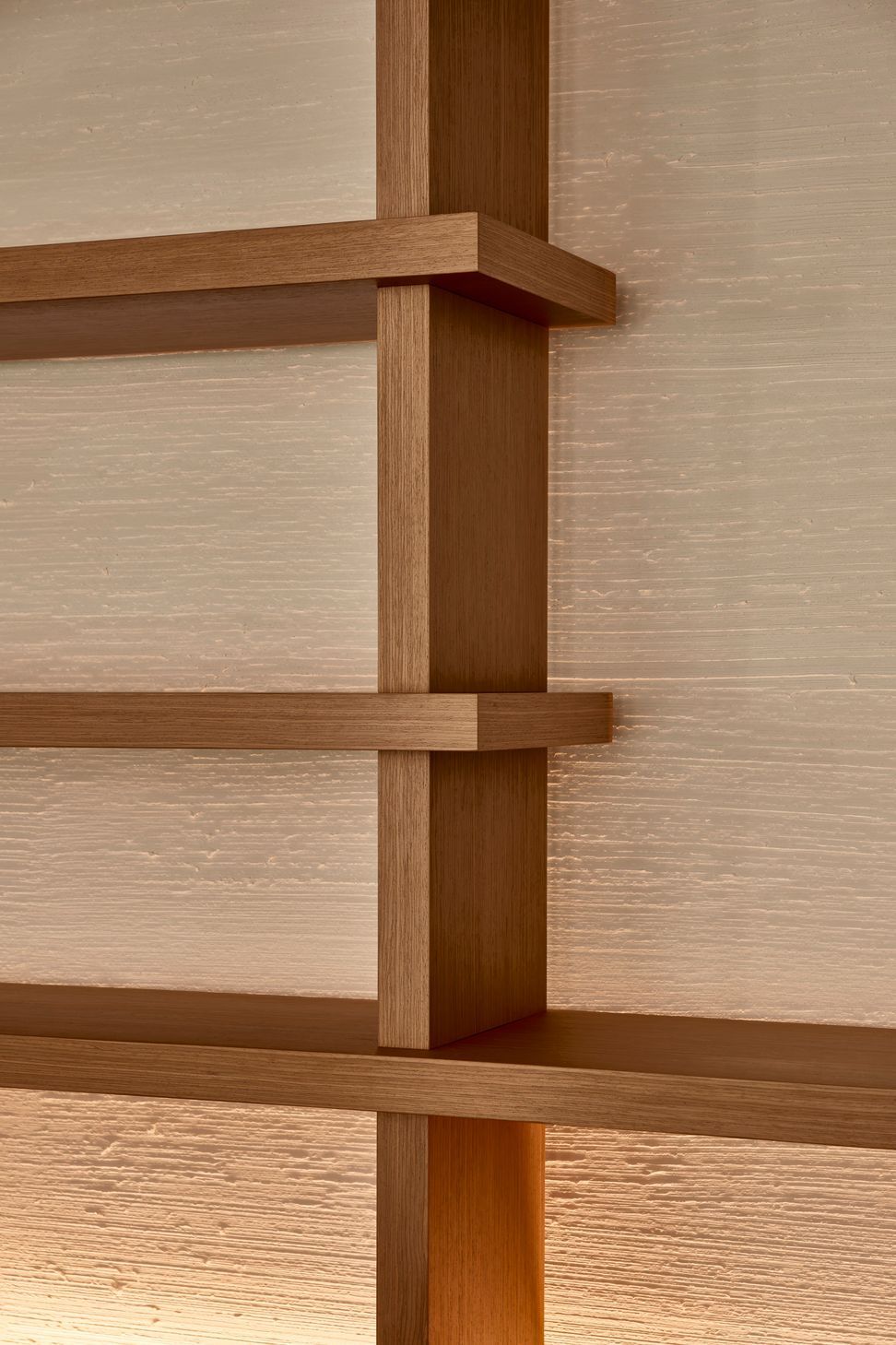
The palette throughout the home is restrained, but rich. Walls are finished in Italian marmorino plaster, sealed with wax rather than harsh coatings. The finish is intentionally imperfect. A soft, skip-trowel texture that gives the surfaces depth and patina, rather than polish. It’s a detail Enzo had to fight for, even with experienced plasterers, because consistency is harder when you allow the hand of the maker to show.
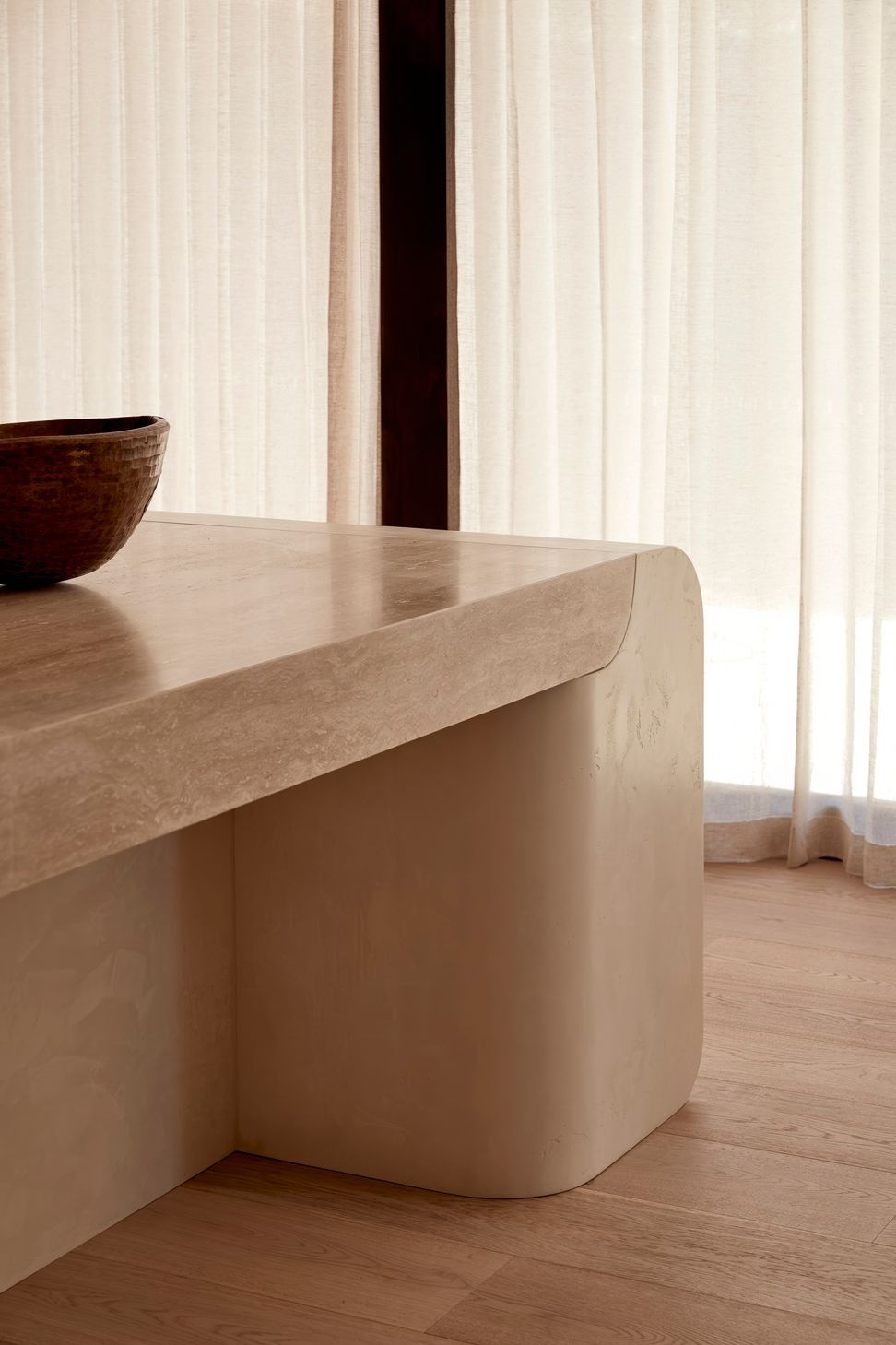
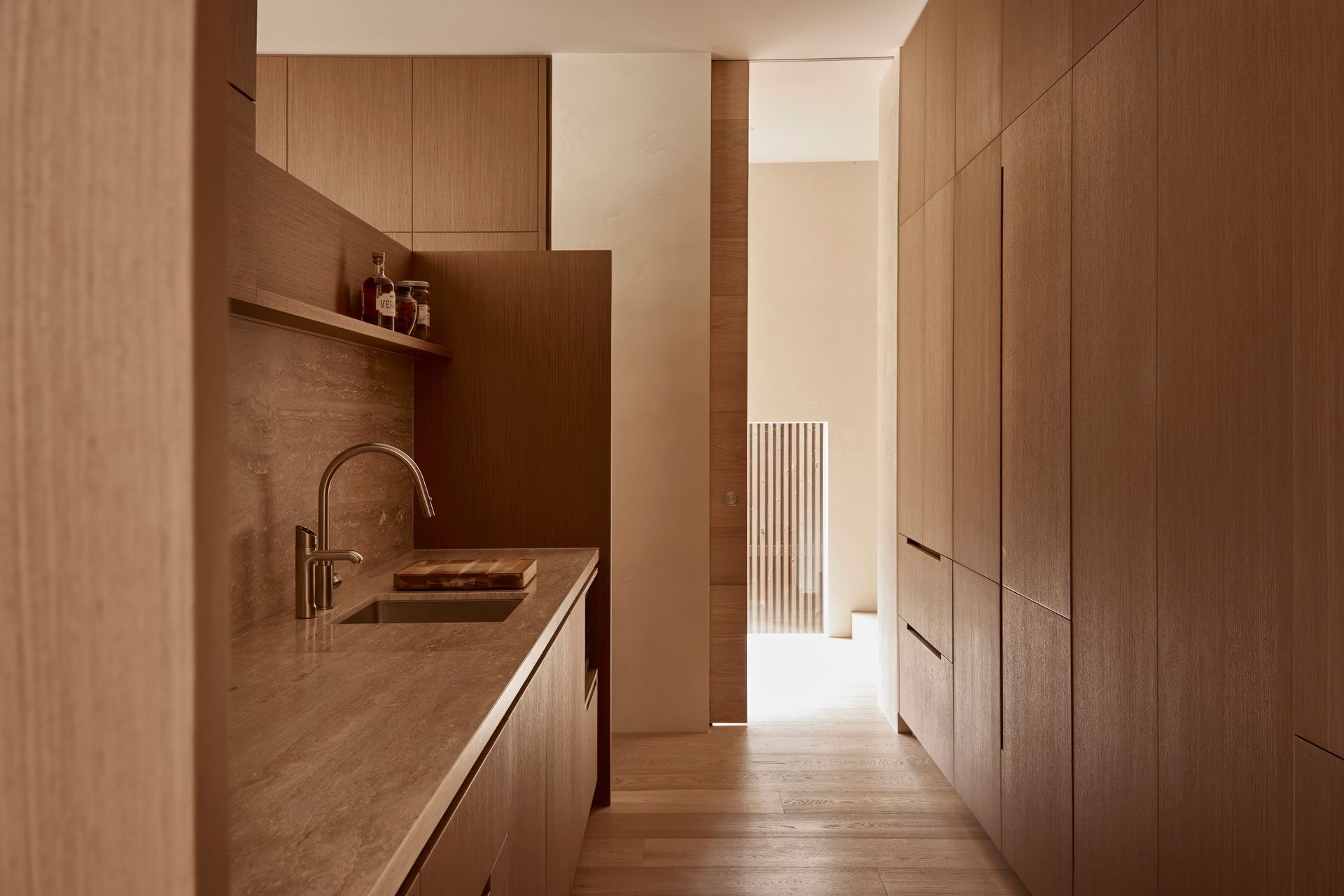
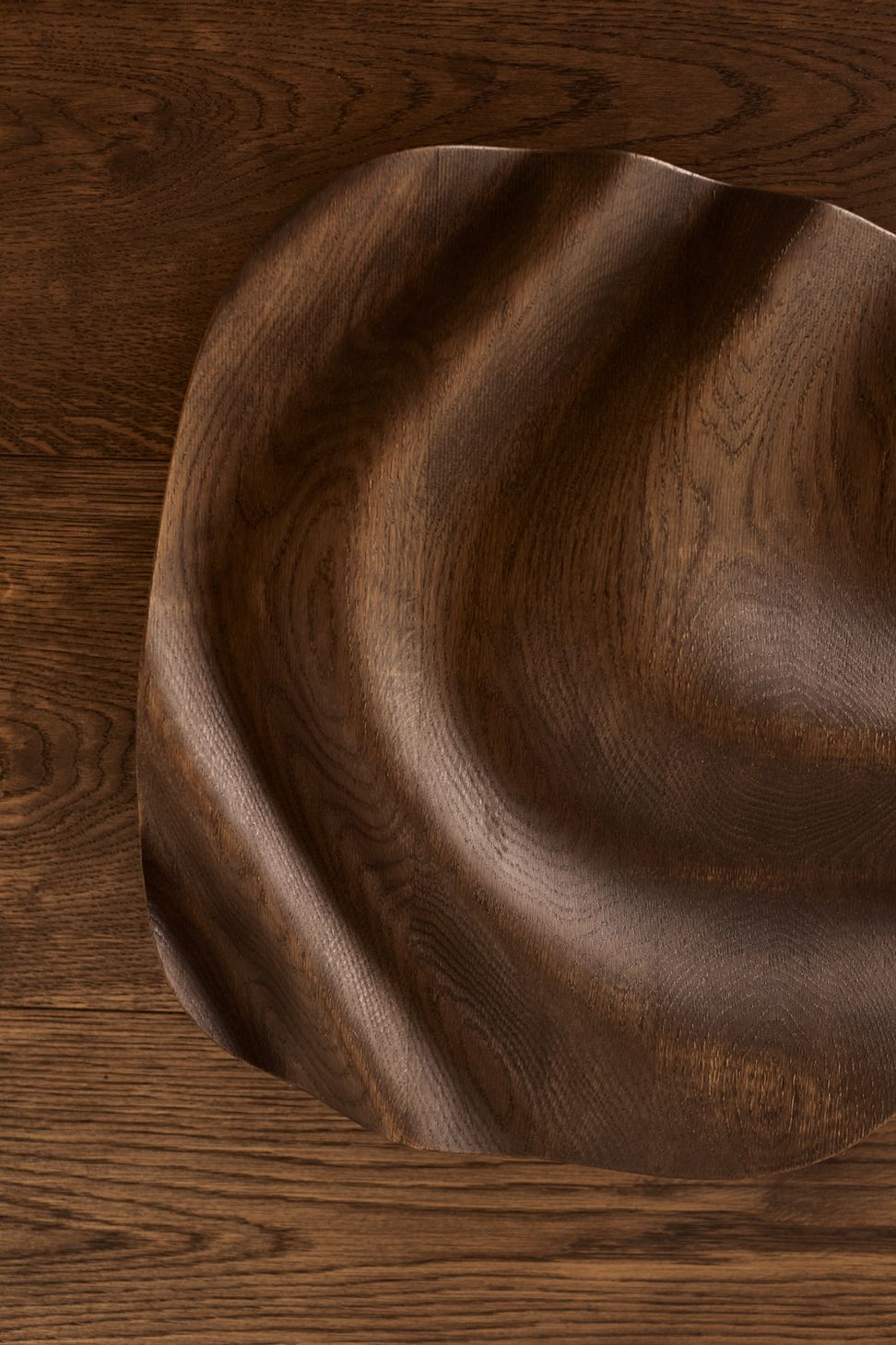
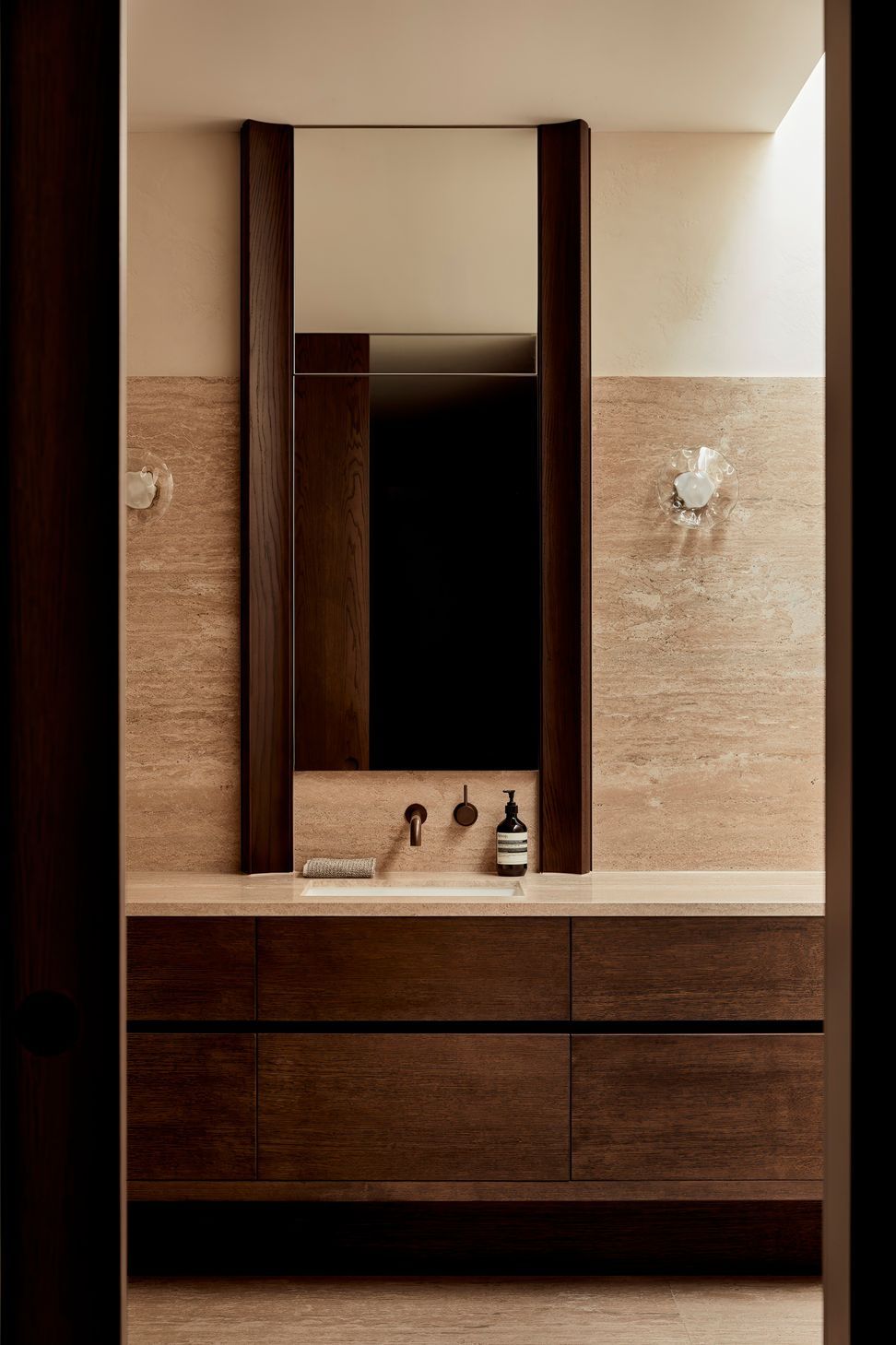
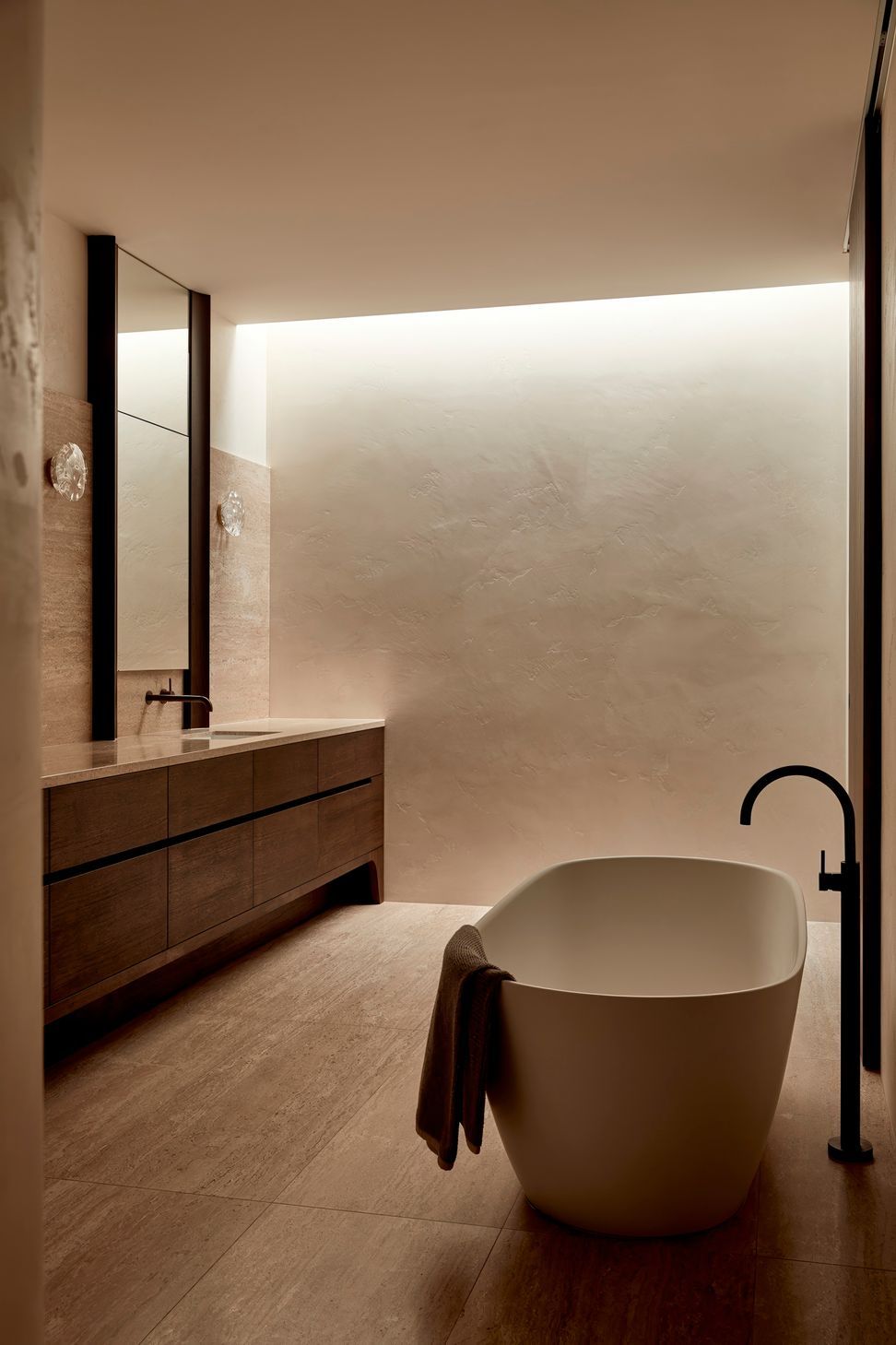
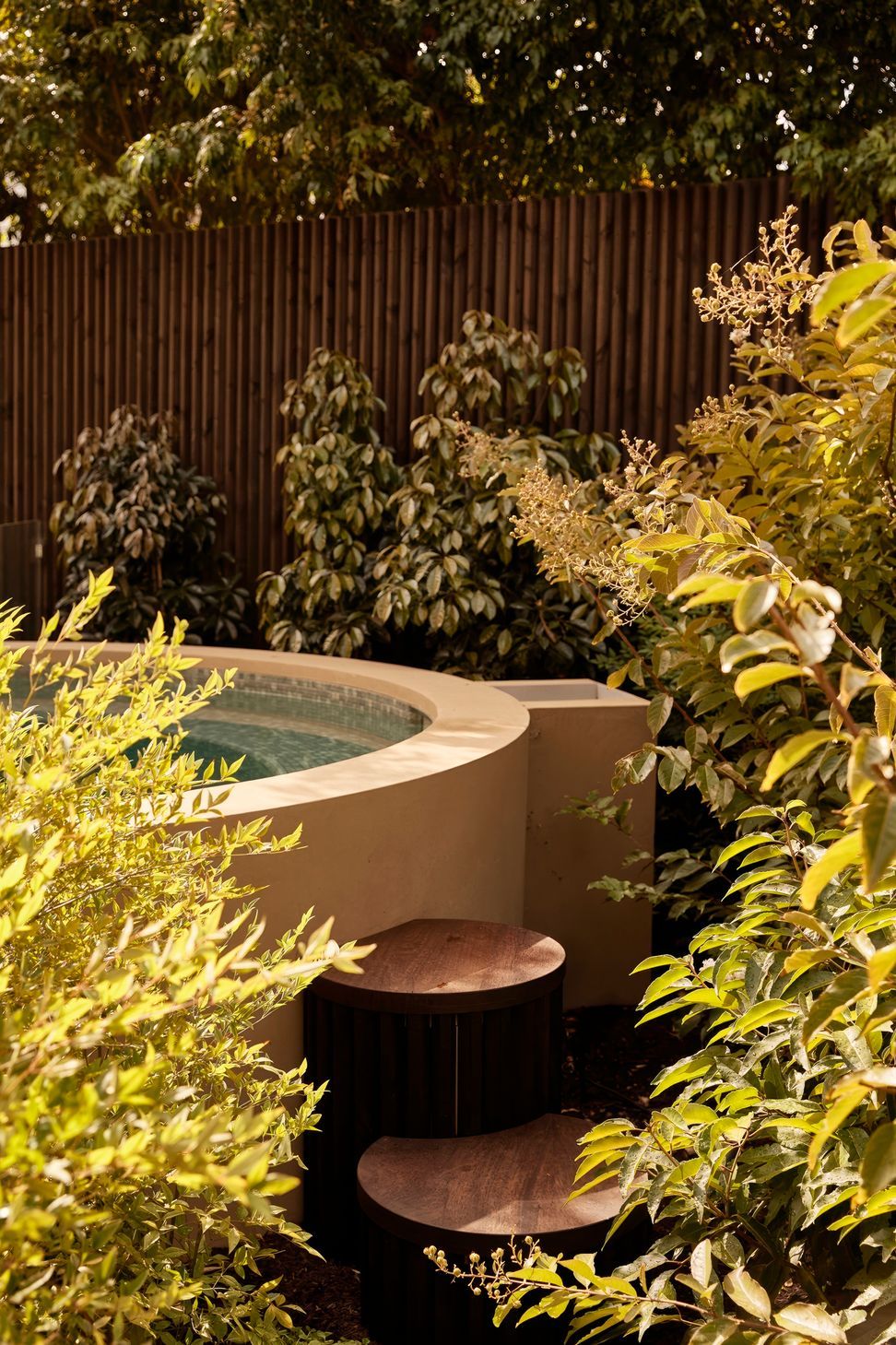
Timber and stone do most of the work elsewhere. Natural veneers, oil-based finishes, and travertine feature throughout the joinery and surfaces. The colours stay close to nature, allowing texture, light, and shadow to carry the mood.
It’s a combination Stonnington Group returns to often, not because it’s safe, but because it lasts. These are materials that age well, weather gently, and develop character rather than wear.
Enzo is open about the irony. Homes like this are often more complex to build than they appear. Tight tolerances, clean junctions, minimal trims. All of it requires precision. There’s nowhere to hide.
But when it’s done well, the result feels effortless. A house that works because it’s lived in. What’s most compelling about Windermere Crescent isn’t how it looks, but how it’s used.
Despite being a generous home, there are no dead spaces. Every room has a role. The house naturally supports separation and togetherness. Enzo in one space, his wife in another, their son elsewhere. Without anyone feeling cut off.
It’s not a show home. It’s a place to come back to.
Enzo talks about looking forward to being home, about how the novelty hasn’t worn off, about how the house still feels right as daily life moves through it. And that, more than any formal gesture, feels like the real measure of success.
You don’t need to understand every design decision to appreciate it. You just need to feel comfortable, settled, and calm. Windermere Crescent doesn’t rush to explain itself. It lets you arrive.
Words by Tara Bird
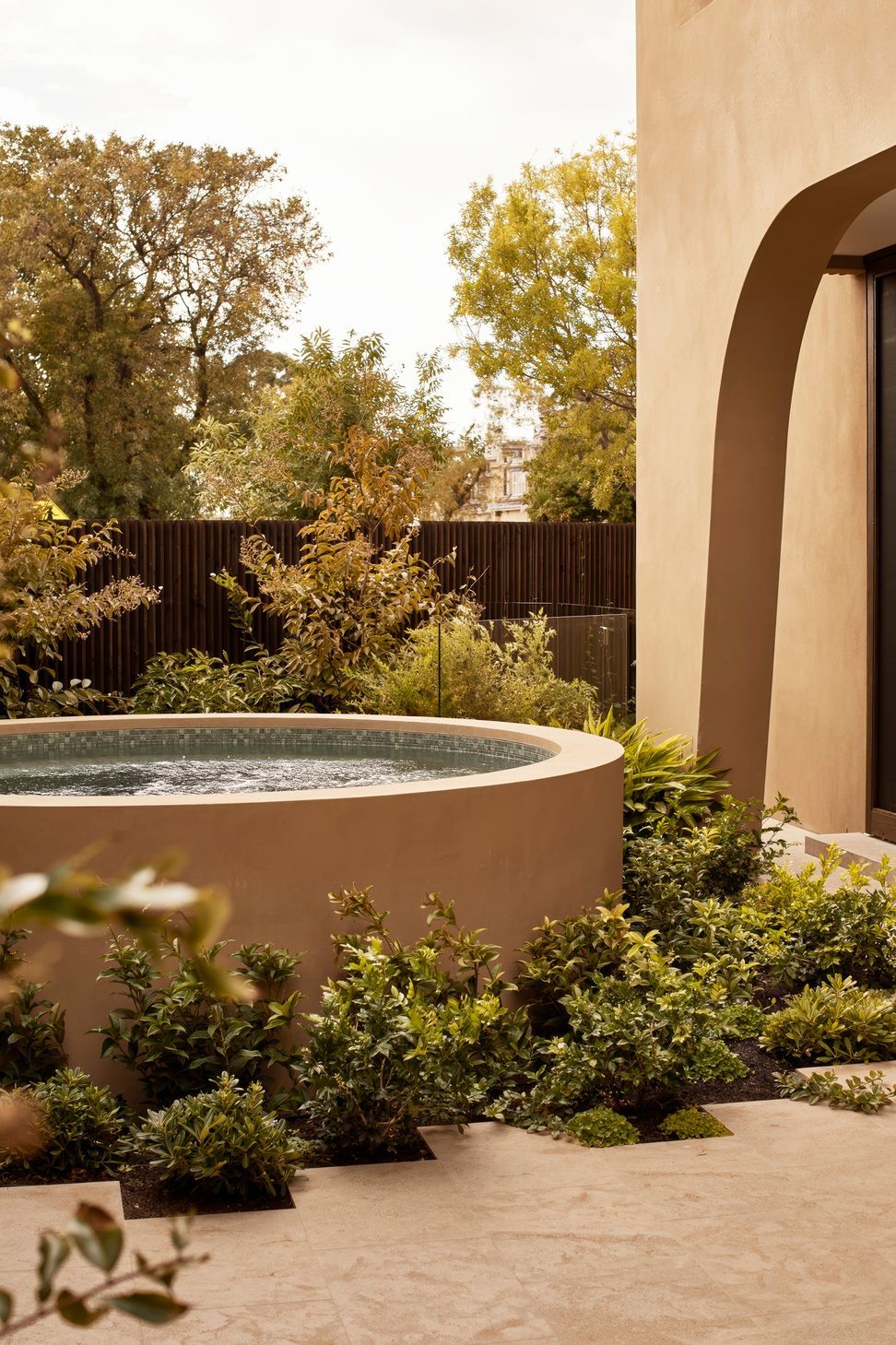
Simple forms and architectural curves create an effortless streetscape for this Bayside project. Textural render will weather gracefully and develop a patina over time. Beautiful and understated landscaping has been used to enhance the facades features. Natural material selections embody our design philosophy and create a home that will mature with time and can be experienced with all your senses.