Brown cladding & facades
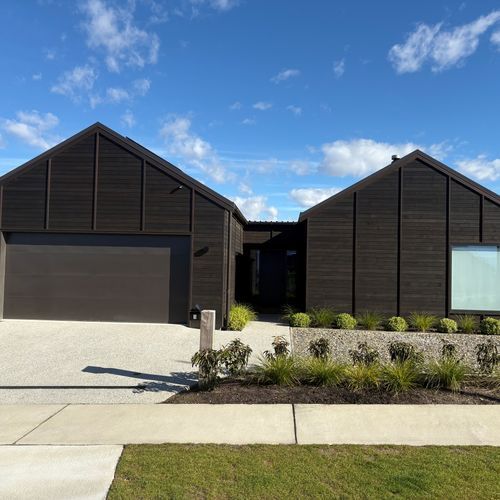
- Brown cladding and facades bring natural warmth to New Zealand homes, townhouses and commercial projects. Compare exterior cladding, facade panels and wall cladding in tones from cedar and walnut to bronze, rust, bark and deep chocolate. This colour filter helps you narrow products by finish as well as material, so you can match the facade to roofing, joinery, paving and the surrounding site. Browse premium options from trusted NZ suppliers, then check profiles, fixing systems, weather resistance and maintenance needs before you enquire.Use it as a starting point for new builds, reclads and exterior upgrades where colour, durability and compliance all matter.
More to discover
Explore all product categories
- Building Supplies
- Car Parking Solutions
- Cladding & Facades
- Construction 4.0
- Construction Equipment and Supplies
- Electrical
- Fire Safety
- Insulation
- Interior Wall Lining
- Plumbing Supplies
- Prefabricated Buildings
- Roofing
- Structural & Framing
- Solar Electric Systems
- Stairs, Lifts & Access
- Windows & Doors
- Security & Access
- Water Filtration Systems
- Water Management & Filtration
Brown cladding suits a wide range of New Zealand architecture, from coastal bach renovations to contemporary urban homes. It can read as natural and recessive when used in timber tones, or more architectural when specified as bronze metal, dark fibre cement or earthy masonry. The best choice depends on the building form, local climate, budget, consenting path and the amount of maintenance the owner is prepared to take on.
Choosing brown cladding and facades in New Zealand
Use ArchiPro to compare facade products alongside other building products, then speak with suppliers about suitability for your wind zone, exposure zone and project details.
Brown cladding materials to compare
Material choice affects texture, colour stability, fixing method and long-term care. For a natural finish, timber cladding is a common starting point, especially in cedar, thermally modified timber and stained hardwood tones. Weatherboard cladding gives a more traditional profile, while timber shingles suit gables, compact forms and highly textured exteriors.
For crisp lines and low maintenance, metal cladding in bronze, corten-style, copper-brown or powder coated finishes can work well on both homes and commercial buildings. Check coating systems carefully in coastal or geothermal areas. Fibre cement cladding is another practical option, with sheet, panel and plank formats available in painted or factory-finished brown shades.
If you want weight, depth and a grounded exterior, compare masonry and stone, bricks and concrete cladding. These materials can create strong shadow lines and long service life, but structure, foundations and installation costs need early review. Composite cladding and uPVC cladding may suit projects where colour consistency and simpler care are priorities.
Facade systems, trims and supporting details
A good exterior is more than the visible cladding. Pre-cladding products sit behind the finished wall and can improve weathertightness, drainage and build sequencing. Flashing penetrations must be designed around windows, doors, vents, decks and service entries, especially on exposed elevations.
For plastered or monolithic looks, render plaster systems can be finished in warm taupe, coffee or clay-brown tones. Eaves and soffits help protect walls and can be colour matched or contrasted with the main facade. For more detailed facades, consider exterior decorative mouldings to define openings, edges and junctions.
Commercial and high-end residential projects may combine brown cladding with glazed facade systems, bronze aluminium frames or tinted glass. Facade screens can add privacy, sun control and depth. Green facades can soften darker brown walls and help connect the building to planting.
What to check before you buy
- Compliance: confirm the system is suitable for New Zealand Building Code requirements, including E2 External Moisture and B2 Durability where relevant.
- Colour performance: dark brown and bronze finishes can absorb more heat. Ask about coating warranties, fading, substrate movement and fixing requirements.
- Exposure: coastal, alpine, high-wind and high-UV sites need products rated for those conditions.
- Maintenance: stained timber may need recoating, while brick, stone, fibre cement, metal and uPVC have different cleaning and inspection needs.
- Installation: check cavity requirements, fixings, flashings, control joints and compatibility with windows, doors and roofing.
Getting the colour right
Brown can shift noticeably in natural light. A cedar tone may look golden in sun and dark grey-brown on a shaded south wall. Bronze metal can appear warm or almost black depending on angle. Request samples, view them outside and compare them with joinery, roof colour, paving and planting. On larger projects, a sample panel is often worth the time because it shows joints, texture, shadow and finish together.
When comparing brown cladding and facades on ArchiPro, shortlist products by material, finish, profile and supplier support. Then ask for technical documents, warranty information and project examples that match your site conditions.