Grey Cladding & Facades
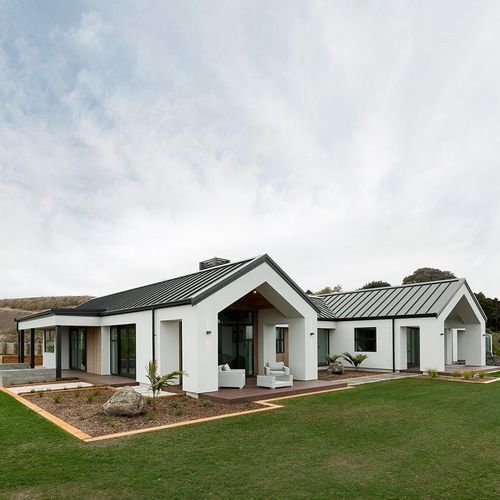
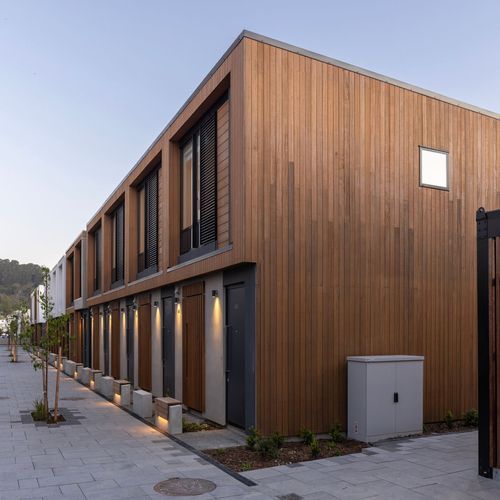
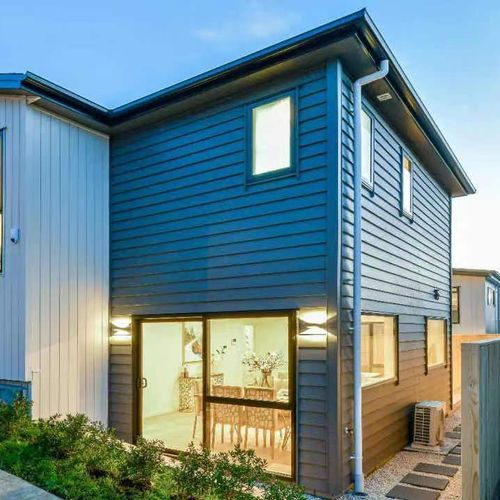
- Grey cladding and facades give New Zealand homes and commercial projects a clean, architectural exterior with broad design flexibility. From soft warm greys to deep charcoal tones, grey exterior cladding works across coastal homes, urban townhouses and larger multi-unit builds.Explore grey facade systems, wall cladding and exterior cladding products from leading NZ suppliers. Compare materials, profiles, finishes and installation requirements to find an option that suits your design intent, exposure zone, maintenance expectations and budget.
More to discover
Explore all product categories
- Building Supplies
- Car Parking Solutions
- Cladding & Facades
- Construction 4.0
- Construction Equipment and Supplies
- Electrical
- Fire Safety
- Insulation
- Interior Wall Lining
- Plumbing Supplies
- Prefabricated Buildings
- Roofing
- Structural & Framing
- Solar Electric Systems
- Stairs, Lifts & Access
- Windows & Doors
- Security & Access
- Water Filtration Systems
- Water Management & Filtration
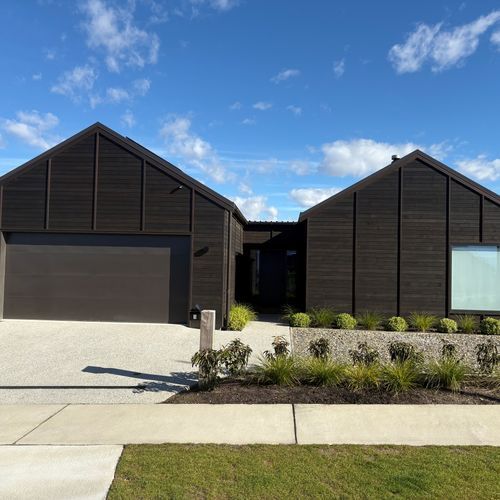
Grey cladding is popular because it suits both contemporary and traditional architecture. It can soften a large facade, sharpen a simple form or create contrast against timber joinery, stone, landscaping and black aluminium windows. The right product needs to do more than look good. In New Zealand, exterior cladding must suit the site exposure, wall build-up, moisture management and council requirements.
Choosing grey cladding and facade products in New Zealand
Use this page to compare grey cladding and facade products, then check related building products when planning the wider envelope, structure and services. For compliance context, the Building Performance guidance for Building Code clause E2 External Moisture is a useful reference for how cladding systems manage water.
Match the grey finish to the material
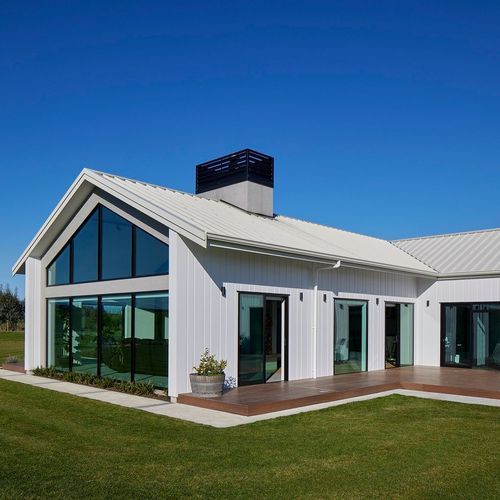
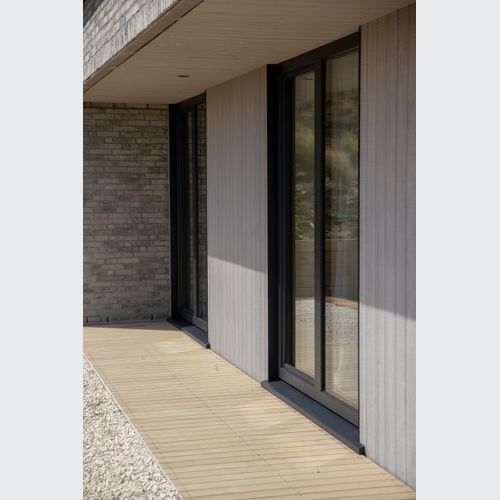
Grey can read very differently depending on texture, sheen and profile. A pale grey weatherboard has a softer residential look, while charcoal metal or fibre cement panels can make a building feel more architectural. Before choosing a colour, view samples outside at different times of day. New Zealand's UV levels, coastal salt and rain exposure can change how a finish performs over time.
- Timber cladding in grey stain or paint gives warmth and shadow, especially in vertical profiles.
- Metal cladding suits crisp grey finishes, from standing seam to tray profiles and corrugated sheets.
- Fibre cement cladding is a strong choice for painted grey boards or sheet panels with clean junctions.
- Composite cladding can provide consistent colour, low-maintenance finishes and sharp modern detailing.
- uPVC cladding is often selected for lighter-weight exterior upgrades and simple maintenance.
Consider profile, scale and architectural style
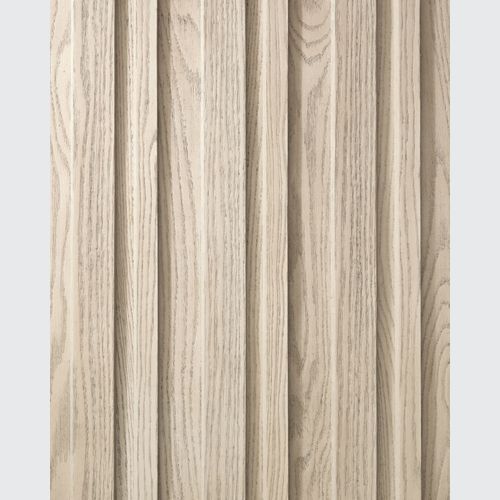
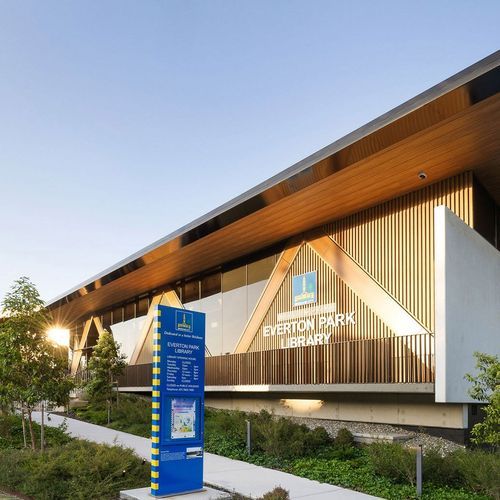
The profile affects shadow and perceived colour. Narrow vertical boards make grey cladding look more textured, while wide sheets give a flatter, more refined appearance. If you want a familiar New Zealand look, weatherboard cladding remains a strong option. For layered texture, timber shingles can be finished in soft greys or allowed to weather naturally, depending on the product and treatment.
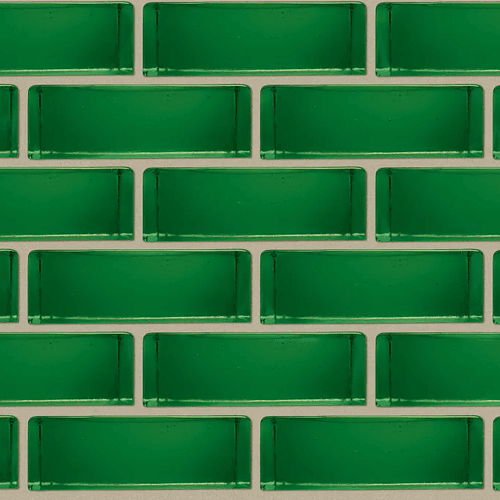
Heavier materials also work well in grey. Masonry and stone add natural variation and weight, while brick cladding in grey, smoke or graphite tones gives durability with a familiar modular rhythm. Concrete cladding suits projects where mass, texture and a mineral finish are part of the design.
Get the wall system right
Cladding is only one part of the exterior wall. The cavity, underlay, battens, fixings, flashings and penetrations all affect weather performance. Good detailing is especially important in high wind zones, coastal locations and complex elevations with balconies or large openings.
- Pre-cladding products help prepare the building envelope before the visible exterior finish is installed.
- Flashing penetrations protect junctions around pipes, vents, fixings and openings.
- Eaves and soffits complete roof-edge detailing and can be colour-matched to grey facades.
- Render plaster systems can create smooth grey walls, but need correct substrate, control joints and finishing.
Use facade systems for light, privacy and performance
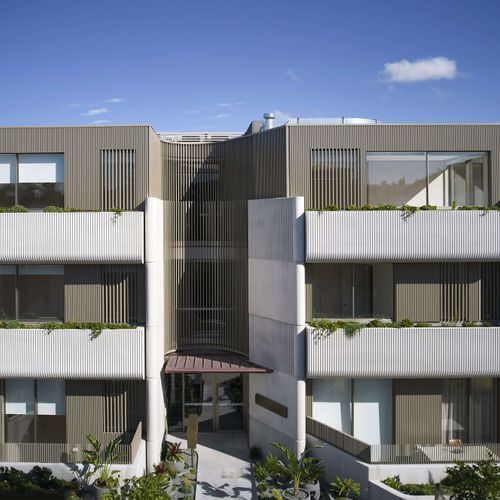
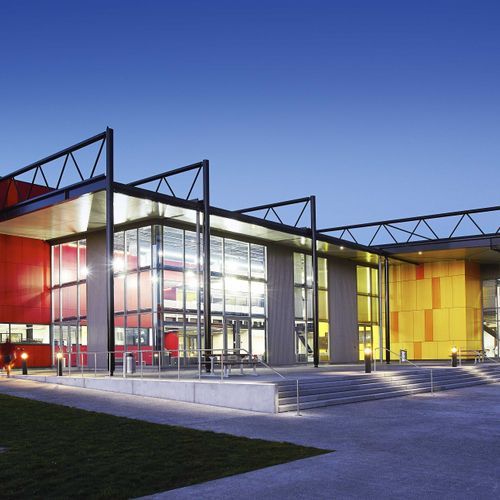
Some projects need more than a standard wall cladding. Glazed facade systems can bring daylight into commercial and residential buildings while defining a modern exterior. Facade screens add privacy, sun control and depth, particularly when used in grey aluminium, steel or composite finishes. For planted elevations, green facades introduce living material and require careful support, irrigation and maintenance planning.
Finishing details matter too. Exterior decorative mouldings can frame openings or add period character, while still working with grey paint systems and contemporary exterior palettes.
Questions to ask suppliers before you choose
- Is the product suitable for your wind zone, exposure zone and building height?
- What maintenance is required for the grey finish, and how often?
- Does the system have the documentation needed for consent and installation?
- Are matching flashings, corners, trims and fixings available?
- Can the supplier provide samples, technical drawings and installer guidance?
On ArchiPro, you can compare grey cladding and facade products from New Zealand suppliers, review technical information and connect with professionals who understand local building conditions.