Silver Cladding & Facades
- Silver cladding and facades bring a clean, contemporary finish to New Zealand homes and commercial buildings. From anodised aluminium and zinc-toned metal cladding to silver-grey fibre cement, concrete and glazed facade systems, this finish suits coastal, urban and rural architecture. Compare exterior cladding products from leading NZ suppliers, review material performance, and find options that balance design intent with weathertightness, durability and maintenance requirements.
More to discover
Explore all product categories
- Building Supplies
- Car Parking Solutions
- Cladding & Facades
- Construction 4.0
- Construction Equipment and Supplies
- Electrical
- Fire Safety
- Insulation
- Interior Wall Lining
- Plumbing Supplies
- Prefabricated Buildings
- Roofing
- Structural & Framing
- Solar Electric Systems
- Stairs, Lifts & Access
- Windows & Doors
- Security & Access
- Water Filtration Systems
- Water Management & Filtration
Silver is a practical facade colour for New Zealand architecture. It works with dark joinery, natural timber, concrete, stone and planted areas, while also giving the building envelope a crisp, modern profile. The right system depends on the site, structure, detailing and maintenance expectations. Start with the wider building products range, then compare cladding by material, finish and compliance needs.
Choosing silver cladding and facade systems in New Zealand
Silver cladding is not one single product type. It may be a natural metal finish, a powdercoated surface, a factory-painted panel, a cement-based board, a pale rendered exterior or a weathered timber tone. Each has different fixing requirements, movement tolerances and durability considerations.
Silver materials and finishes to compare
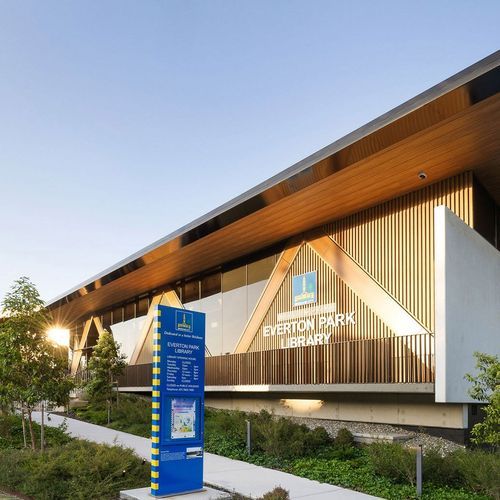
For a sharp architectural finish, metal cladding is often the first place to look. Aluminium, steel, zinc and stainless finishes can create flat panels, standing seams, tray profiles or corrugated forms. In coastal areas, check the coating system, fixings and expected maintenance schedule carefully.
Fibre cement cladding is another strong option for silver or cool grey facades. It can suit panelised designs, vertical cladding and contemporary weatherboard profiles. Composite cladding may also suit projects that need a stable panel format with a consistent factory finish.
For a more textured exterior, compare concrete cladding, masonry and stone, and brick cladding. Silver tones here are usually achieved through light grey concrete, split-face stone, pale bricks or mineral-based finishes. These materials can add visual weight and good impact resistance, but they need suitable structural support and careful junction detailing.
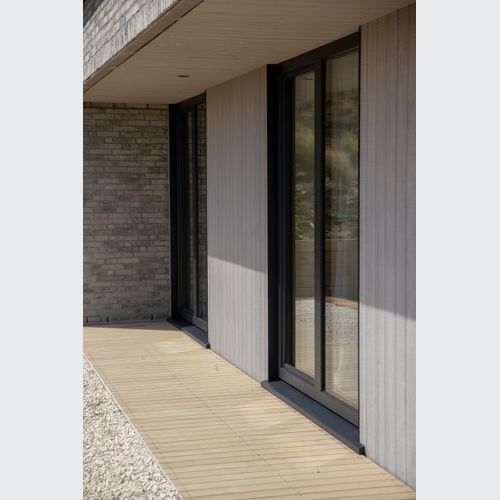
Timber can also sit within a silver palette. Timber cladding, weatherboard cladding and timber shingles may weather to a silver-grey tone, depending on species, exposure and coating choice. If colour consistency matters, ask suppliers about pre-finished systems rather than relying on natural weathering alone.
Facade types for design and performance
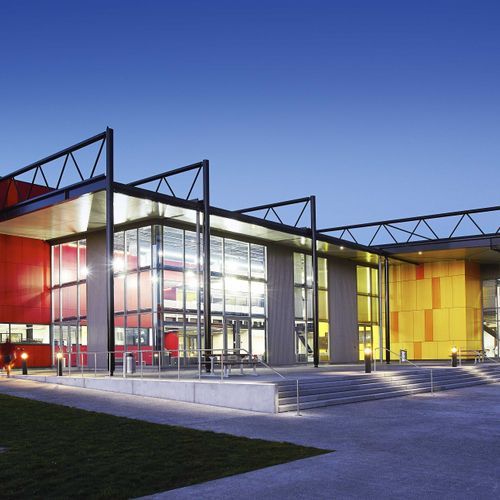
Large openings and commercial-style elevations often use glazed facade systems. These need coordination with structure, thermal performance, drainage and structural glazing requirements. For sun control or privacy, facade screens in silver aluminium or perforated metal can reduce glare and add depth to a facade.
If the project needs softer detailing, exterior decorative mouldings can frame openings or refine transitions between cladding types. Eaves and soffits are also part of the facade system, especially where a silver or light grey finish carries through to roof edges and outdoor rooms.
For plastered or monolithic looks, compare render plaster systems and uPVC cladding. These can suit renovations and new builds where a clean finish is required, but substrate, movement joints and cavity design must be specified correctly.
What to check before you buy
- Weathertightness: Confirm the wall assembly, cavity system, junctions and penetrations meet the design exposure.
- Code compliance: Cladding must be selected and installed to meet New Zealand Building Code requirements, including Building Code clause E2 External Moisture.
- Colour stability: Ask how the silver finish performs under UV, salt spray and regular cleaning.
- Compatibility: Check fixings, flashings and adjacent metals to reduce corrosion risk.
- Maintenance: Compare wash-down requirements, recoating cycles and repair options.
Good facade performance depends on the details you do not always see. Pre-cladding products help protect framing before the final exterior goes on, while flashing penetrations are essential around windows, doors, pipes, decks and roof junctions. If the building includes living walls or planted exterior elements, compare green facades with the drainage and structural design in mind.
When comparing silver cladding and facades on ArchiPro, look beyond appearance. Review material datasheets, warranty terms, installation requirements and supplier support. A product that suits a sheltered Auckland townhouse may not be the right choice for a high-wind coastal site, alpine setting or large commercial elevation. Shortlist products that match the building form, then speak with suppliers early so detailing, lead times and budget can be resolved before construction starts.