Cladding & Facades
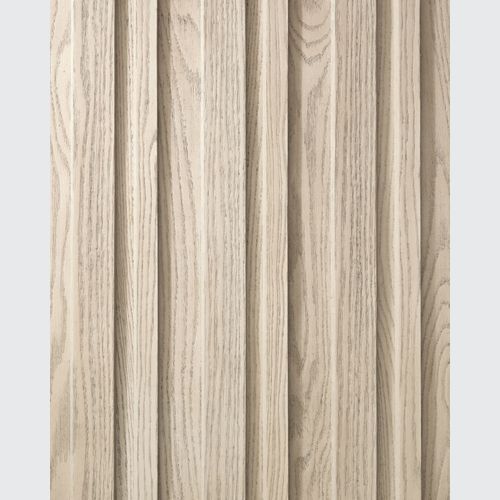
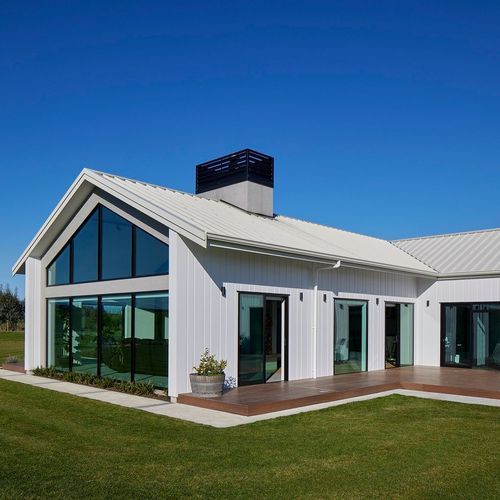
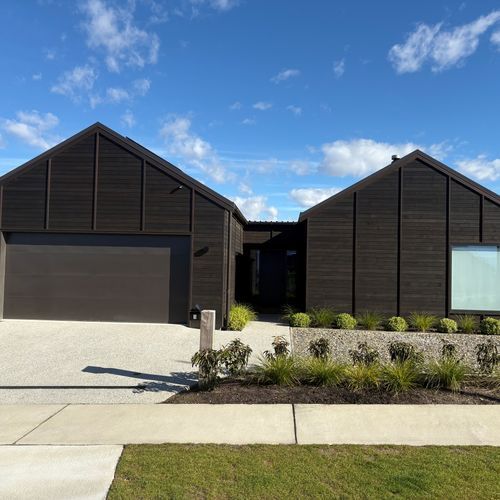
- Cladding and facades are one of the most effective and impactful ways to enhance the exterior of a building. Exterior cladding can completely transform the perception of a home or building, improving kerbside appeal while increasing its overall value. Archipro offers superior quality materials for various cladding and facades from some of the most trusted suppliers in New Zealand.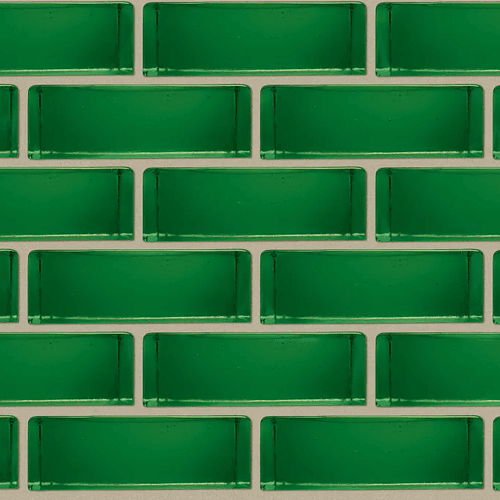
More to discover
Explore all product categories
- Building Supplies
- Car Parking Solutions
- Cladding & Facades
- Construction 4.0
- Construction Equipment and Supplies
- Electrical
- Fire Safety
- Insulation
- Interior Wall Lining
- Plumbing Supplies
- Prefabricated Buildings
- Roofing
- Structural & Framing
- Solar Electric Systems
- Stairs, Lifts & Access
- Windows & Doors
- Security & Access
- Water Filtration Systems
- Water Management & Filtration
Cladding and facades are terms predominantly used in the building and construction industry in New Zealand. It usually refers to coating or covering a single material with another to make a surface appear more appealing. Additionally, pre-cladding and insulation serve as a safety feature that protects the exterior of buildings.
Cladding and facades
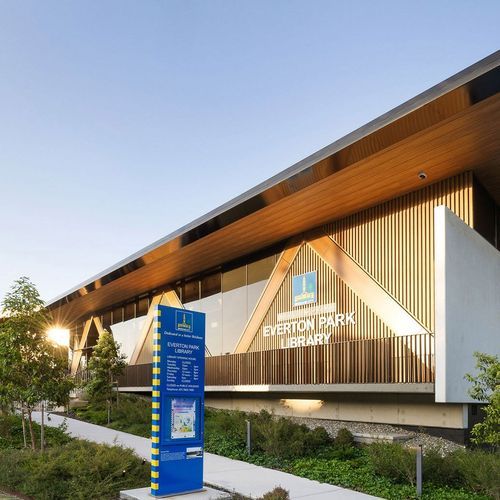
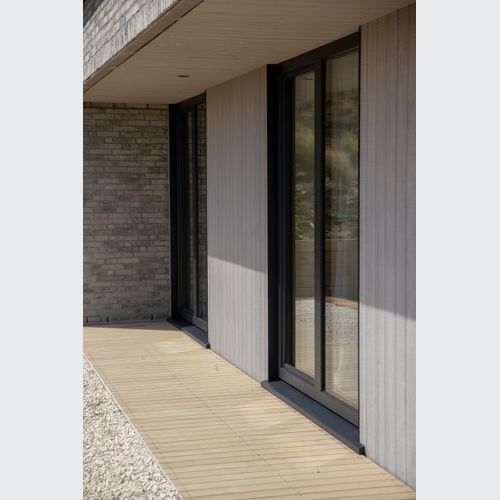
There are several different types of exterior cladding options that include composite, brick, concrete - even metal can be used. Other than this, wood cladding offers several types ranging from plywood sheets to cedar and pine.
These are usually used to protect a building facade or provide a polished surface to eaves and soffits that add to the structure's beauty. Cladded fronts are suitable for creating an attractive outward appearance of the building and may not reflect the strength and dexterity of its construction.
Advantages
There are many great advantages for choosing cladding and facades which is why it has become such a popular option throughout New Zealand.
Does not require maintenance
One of the main benefits is that they do not require much work and effort to maintain. Compared to a painted surface, wall cladding requires minimal upkeep. However, it might be necessary to clean the surface and maintain a cleaner look of the house. Wall cladding systems don't require heedless repairing now and then.
Protects buildings
While improving its appearance, cladding also adds an extra layer of protection to building structures. Moreover, it also increases their integrity and strength.
These advantages are more apparent with metal cladding since it is one of the most robust materials, frequently used in infrastructure to withstand extreme weather conditions in New Zealand. As a result, buildings that incorporate this material are more resistant to compressions and cracks caused by extreme temperatures and are comparatively cost-effective and quick and easy to install.
Offers aesthetic appeal
Most people use this process to enhance the exterior decorative mouldings in their houses. However, choosing an appropriate option can dramatically transform the overall appearance of a building.
Improved appearance creates a higher market value for the property. This is why building manufacturers usually go for a wide range of different options like fibre cement cladding which can be used in various colours and finishes depending on the owner's needs and preferences.
Features of cladding materials
There are many different types of cladding products available on the market in New Zealand like timber cladding, uPVC, stone, terracotta, copper etc.
Alongside the availability of better construction equipment and supplies, advancements in these materials have also improved the performance and functionality of these systems. These modern options offer improved features like higher water resistance, better protection against pollution and weather changes followed by better thermal insulation, energy efficiency, stormwater management, and wastewater management.
With a massive variety of sizes and shapes available, these exterior cladding systems facilitate producing unique patterns and colours in the facades without compromising the quality of the building structure.
Facades materials
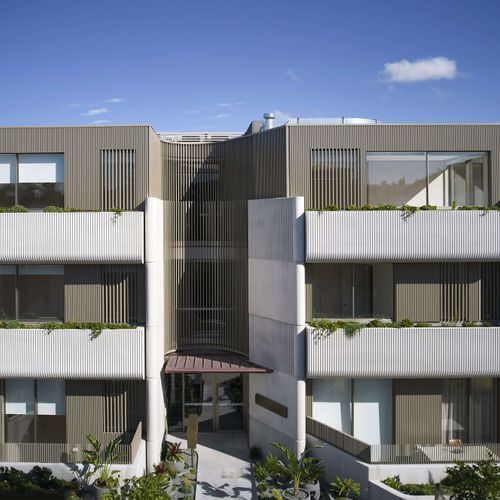
Facades are a crucial aspect of building design, serving as the exterior face of the structure. They play an important role in the overall look and feel of a building, as well as its functionality. There are several types of facades available, including green facades, which feature vegetation for a sustainable and eco-friendly exterior.
Glazing facades use large glass panels for a sleek and modern look, while metal facades provide durability and customizable patterns and textures. Aluminium facades offer an affordable and lightweight alternative that can be shaped into different designs and coated in different colors and finishes.
Glass facades provide a modern and sleek look while allowing natural light to enter the building, creating a bright and open atmosphere. Each type of facade has its own unique benefits and aesthetic qualities, giving architects and builders plenty of options for creating visually stunning and functional building exteriors.
Styles and colours to consider
There are various styles and colours to choose from which is basically a matter of personal preference. Many opt for neutral colours or the natural colour of the facade but others go for more vivid choices.
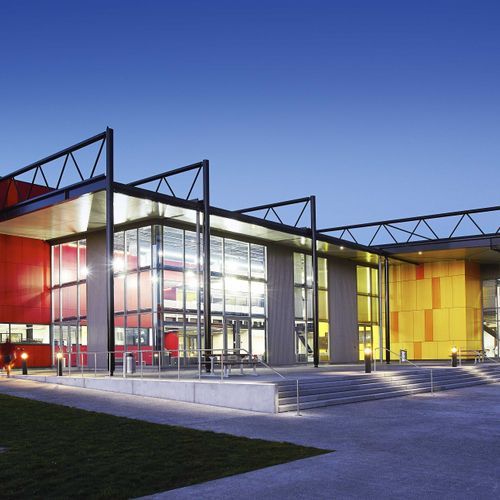
Some go for vibrant rusty colours such as almond brown or maroon for darker house cladding. These colours have remained pretty popular since the '80s in New Zealand and are still trending among people who love blessing their walls with a modern and unique appearance.
Furthermore, a subtle blend of traditional and contemporary colours and design elements adds up to the aesthetic value of the building. Colours such as Eldorado, citron stone, and Oregon oak have emerged in recent times, as specific as they are. Suppliers also offer things like monolithic cladding and other structural and framing solutions.