Silver Stone Slabs
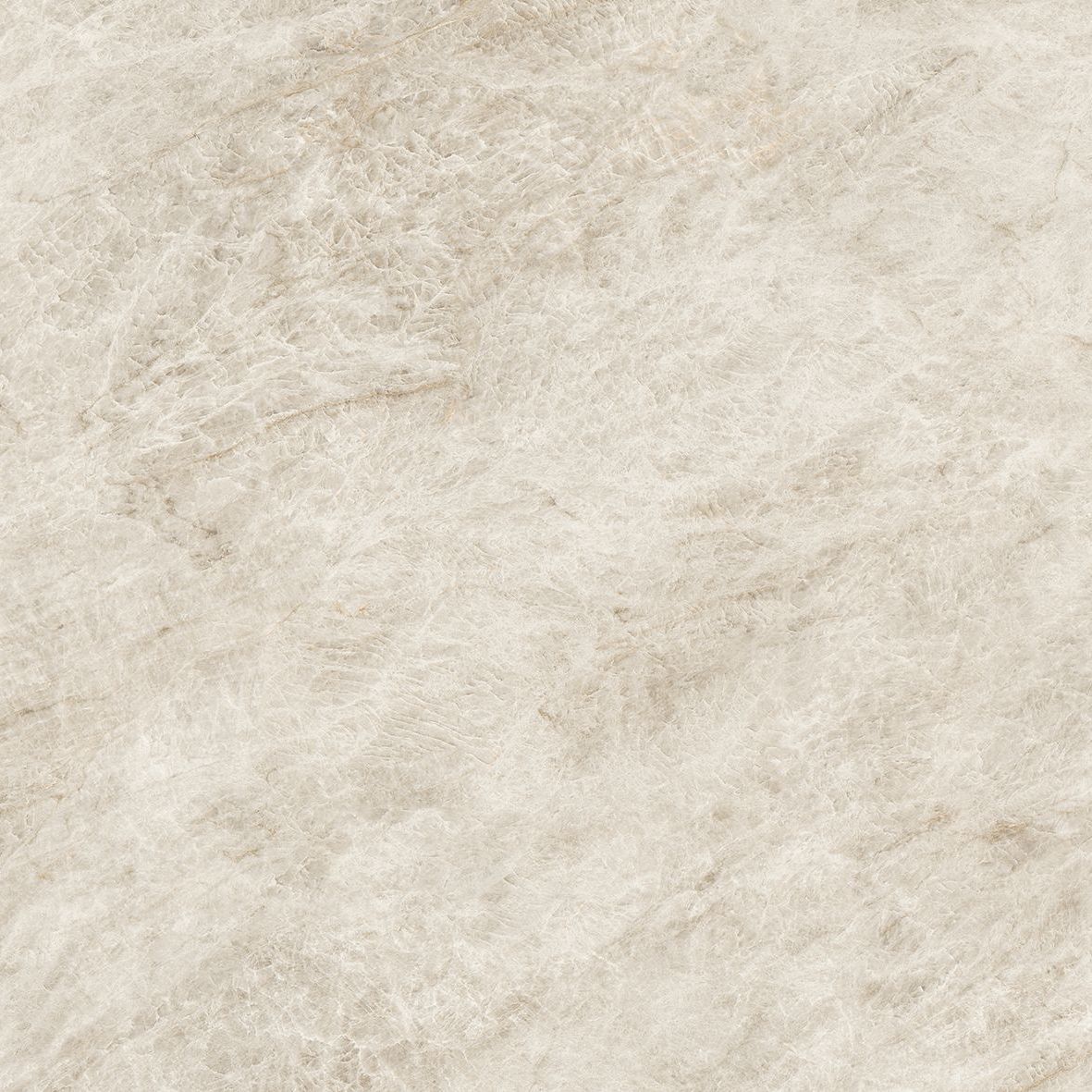
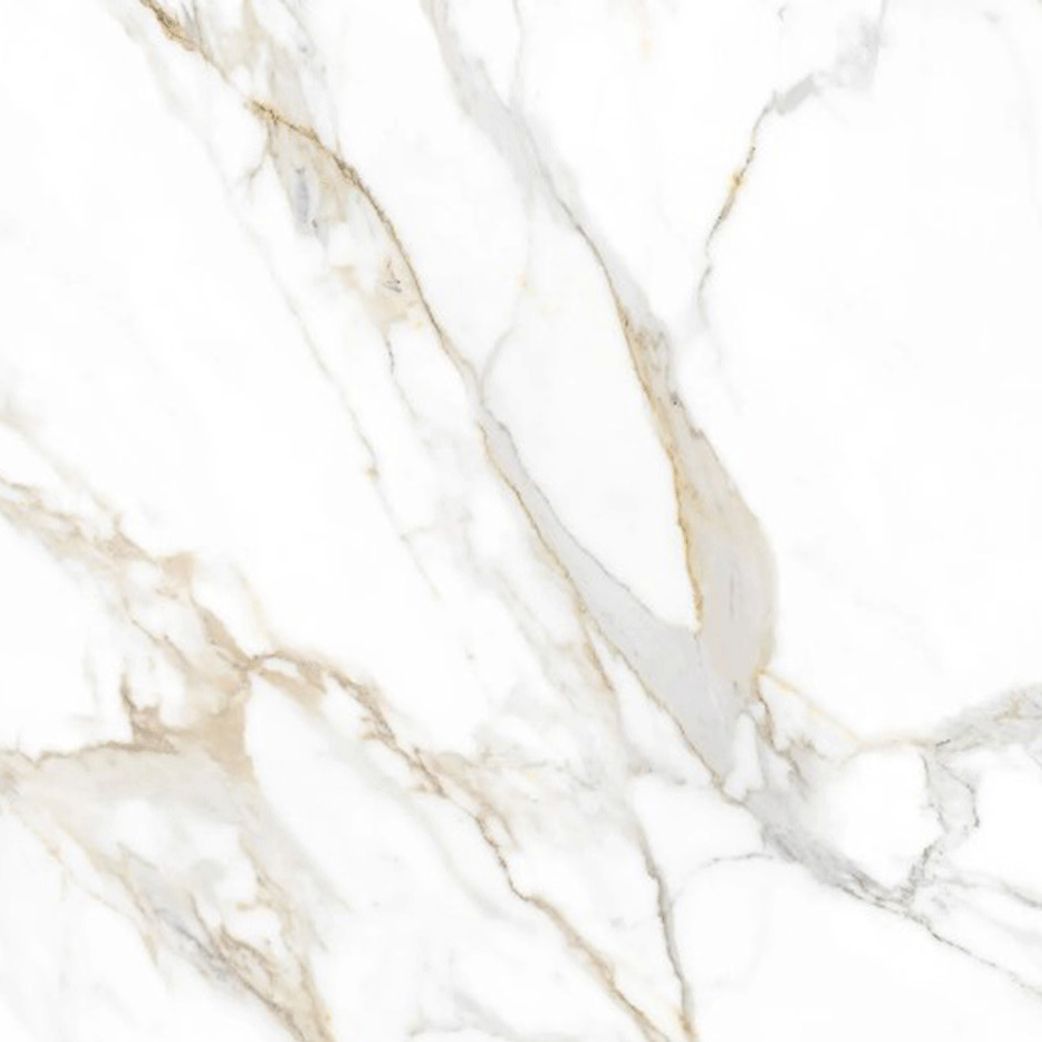
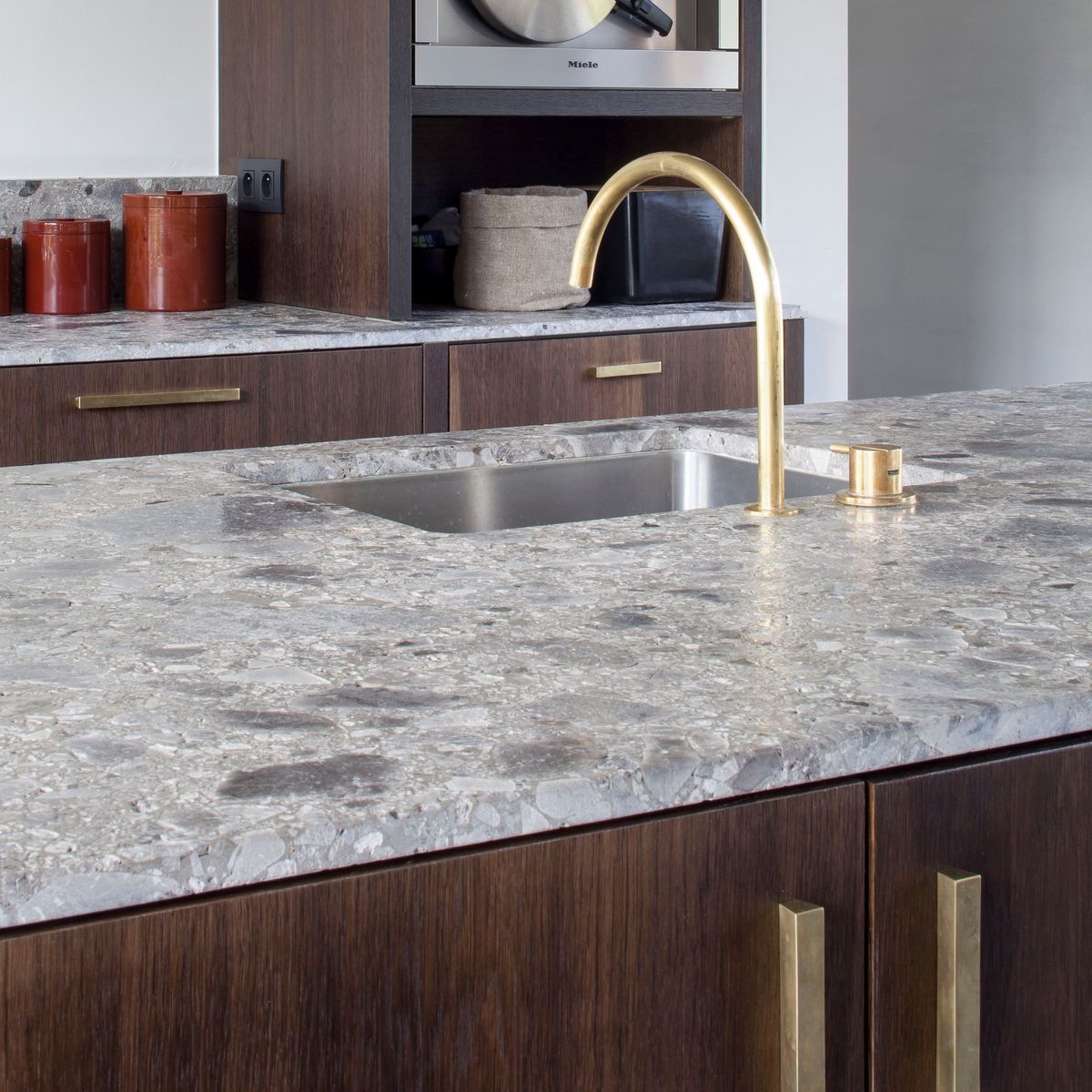
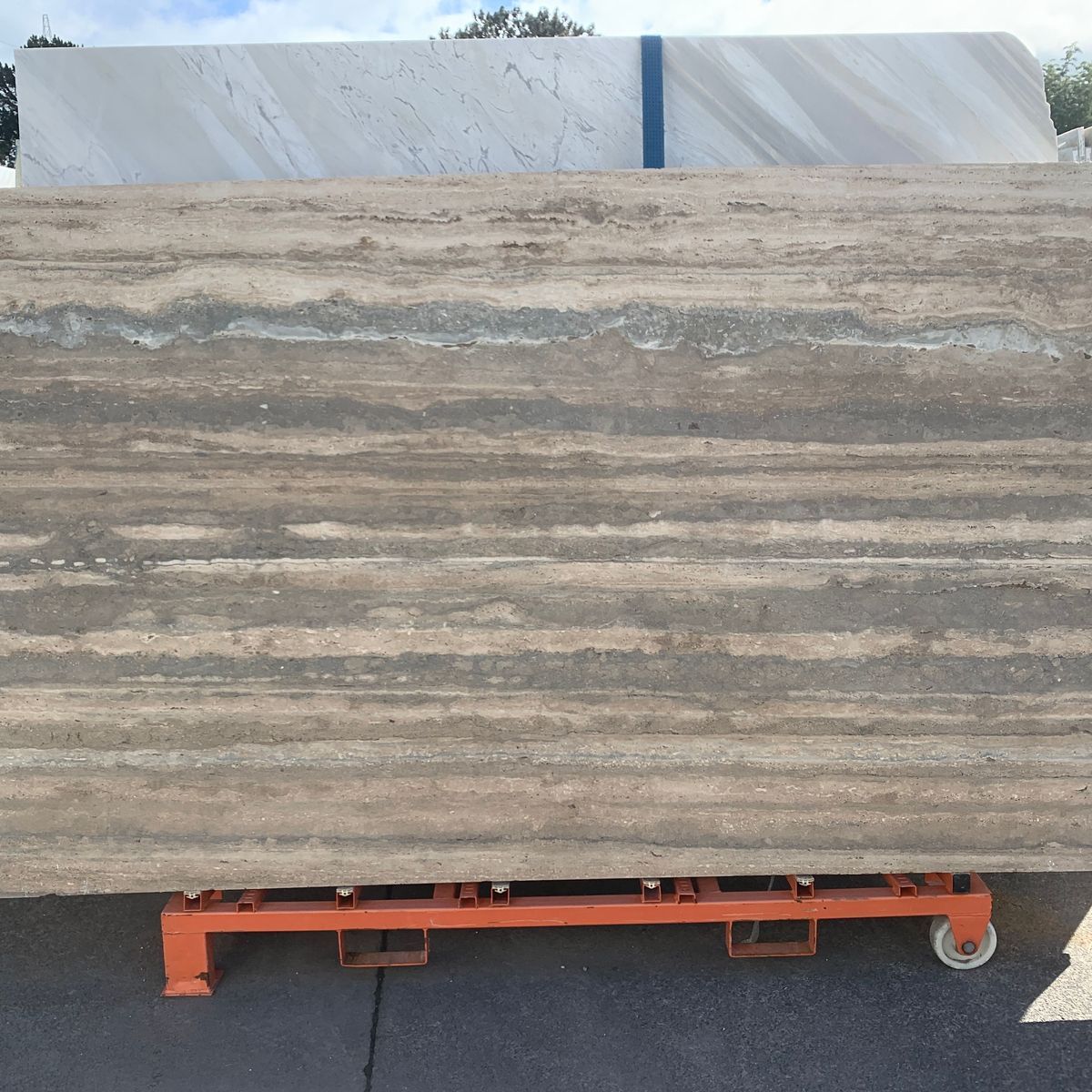
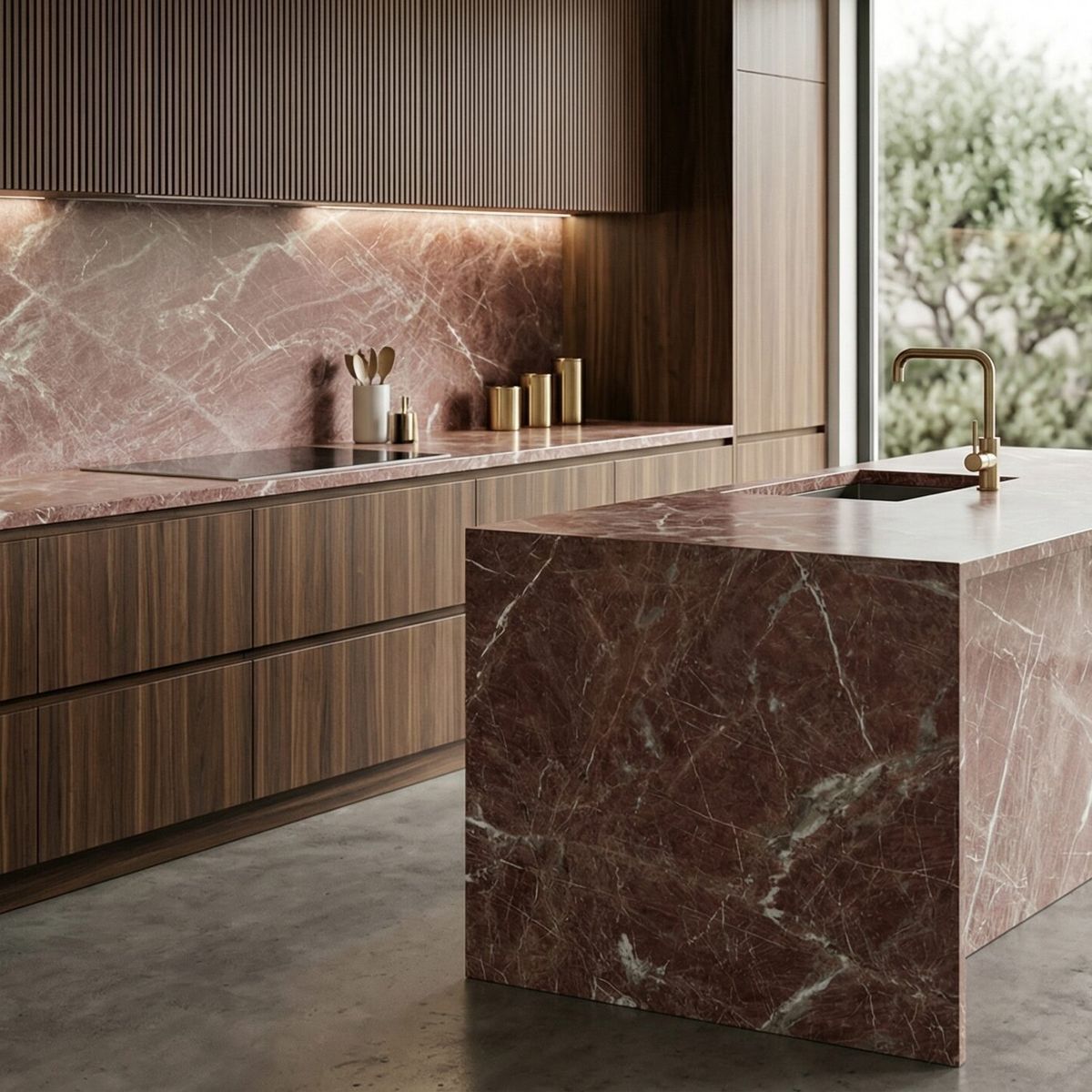
- Silver stone slabs bring a cool, architectural finish to kitchens, bathrooms, fireplaces, feature walls and outdoor living areas. On ArchiPro, you can compare natural stone slabs, engineered stone slabs and large-format surfaces from trusted New Zealand suppliers. Silver tones work well with timber, concrete, black fittings and warm neutral palettes, making them a flexible choice for both residential and commercial interiors.Browse slab options by material, finish, veining, thickness and supplier to find a surface that suits your project, performance needs and budget.



More to discover
Explore all product categories
- Building Supplies
- Car Parking Solutions
- Cladding & Facades
- Construction 4.0
- Construction Equipment and Supplies
- Electrical
- Fire Safety
- Insulation
- Interior Wall Lining
- Plumbing Supplies
- Prefabricated Buildings
- Roofing
- Structural & Framing
- Solar Electric Systems
- Stairs, Lifts & Access
- Windows & Doors
- Security & Access
- Water Filtration Systems
- Water Management & Filtration
Silver stone slabs are a strong choice when you want a surface that feels refined without being too stark. They can read as pale grey, blue-grey, pewter, smoky charcoal or silver-white, depending on the mineral pattern and finish. In New Zealand homes, these tones suit coastal, contemporary, industrial and alpine-inspired interiors.
Choosing silver stone slabs in New Zealand
Stone slabs are commonly used for kitchen benchtops, splashbacks, bathroom vanities, shower walls, fireplace surrounds, reception counters, tables and wall cladding. They sit within the wider tiles and stones category, but slabs differ from standard tiles because they are larger, heavier and usually fabricated to suit a specific space.
Natural stone or engineered stone?
The right option depends on where the slab will be used, how much maintenance you are comfortable with and the look you want. Natural stone has variation from slab to slab. Engineered and porcelain-based surfaces usually provide more colour consistency and predictable performance.
- Natural stone: each slab has unique veining, fossil markings or mineral movement. It may need sealing and more careful cleaning.
- Engineered surfaces: colour and pattern are more controlled. Some options have strong stain resistance and lower upkeep.
- Large-format porcelain and sintered slabs: often chosen for splashbacks, walls and furniture because they can be thin, hard and heat resistant.
Silver slab materials to compare
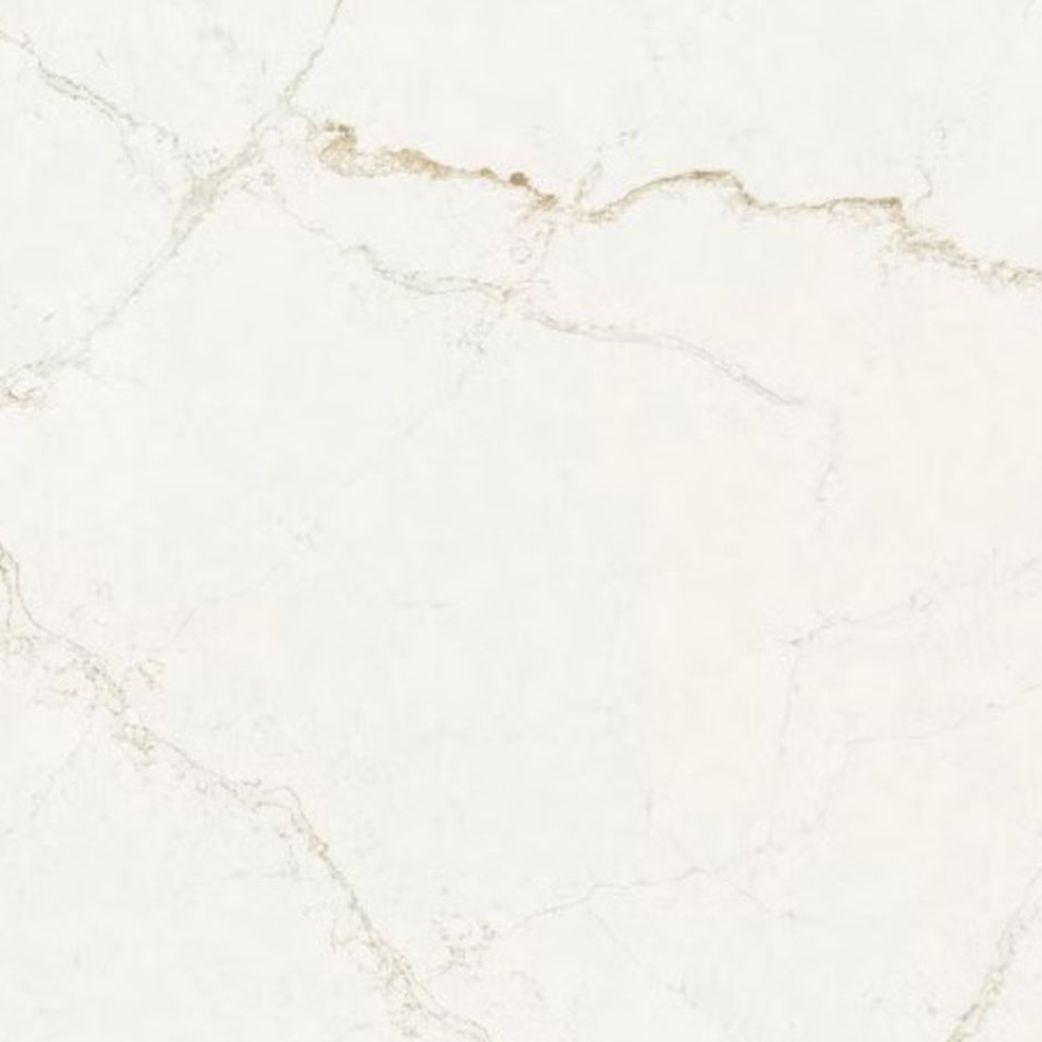
Silver marble slabs are popular for bathrooms, vanities and statement kitchens where soft veining is part of the design. Marble is elegant, but it is more porous than many alternatives and needs a realistic care routine.
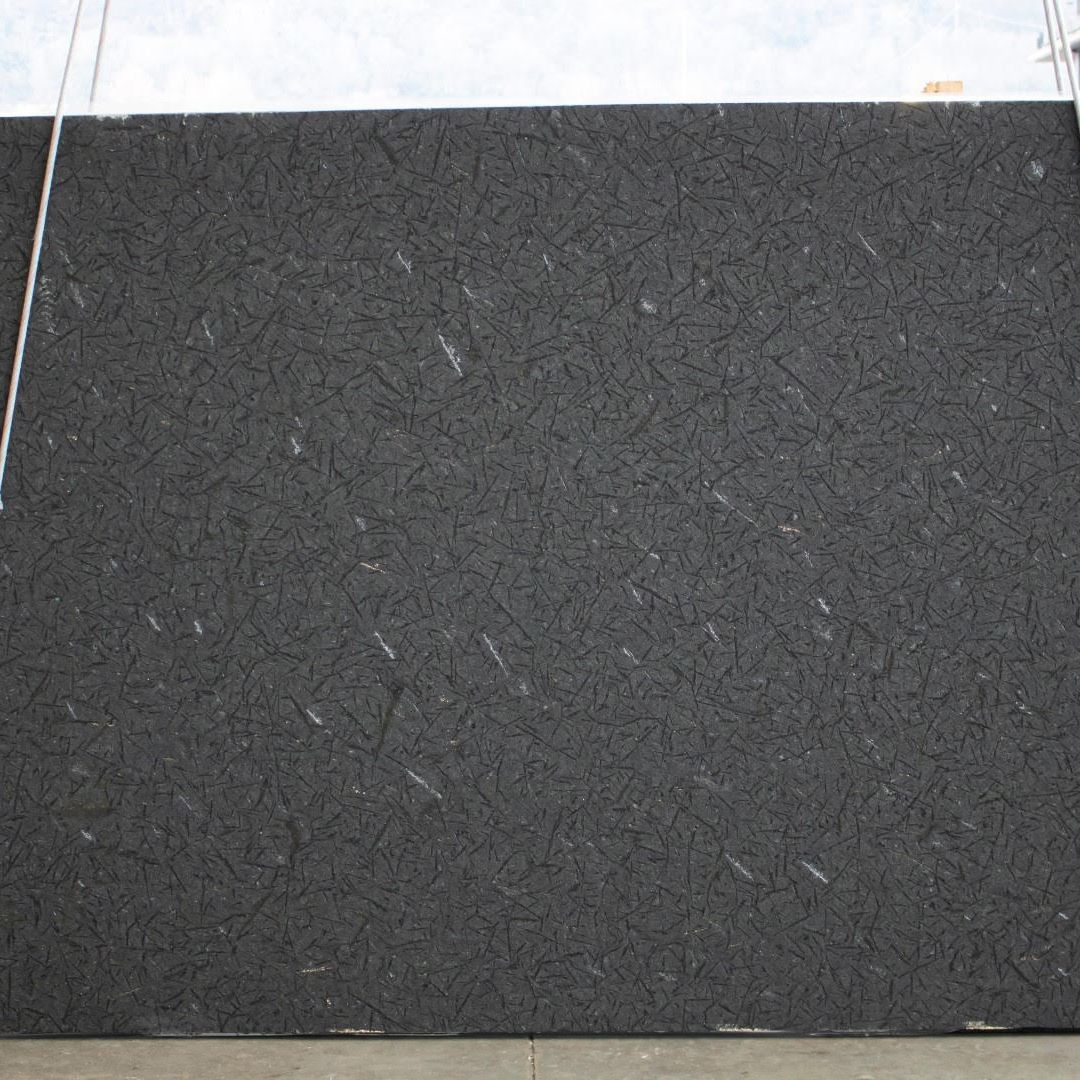
Silver granite slabs suit busy kitchens, laundries and outdoor areas. Granite is dense and hard-wearing, with speckled or flowing movement that can hide everyday marks well.
Silver limestone slabs have a softer, more natural look. They work well for bathrooms, fireplaces and wall cladding, but they need suitable sealing and gentle cleaning.
Silver travertine slabs offer layered texture and linear movement. Filled and honed finishes are common for interiors, while outdoor use needs slip resistance and weather suitability checked with the supplier.
Silver slate slabs are a good fit for fireplaces, feature walls and rustic-modern spaces. Their cleft texture can add grip and depth, but edges and surface finish should match the intended use.
Silver engineered stone slabs can suit benchtops and vanities when you want a controlled pattern and easier colour matching. Ask suppliers about silica content, fabrication requirements and care instructions.
Silver quartz slabs are often selected for kitchens because they combine a consistent appearance with practical stain resistance. They are best kept away from direct high heat unless the supplier confirms otherwise.
Silver porcelain slabs are thin, strong and available in marble-look, concrete-look and metal-look finishes. They are useful for splashbacks, wall panels, large-format floors and furniture fronts.
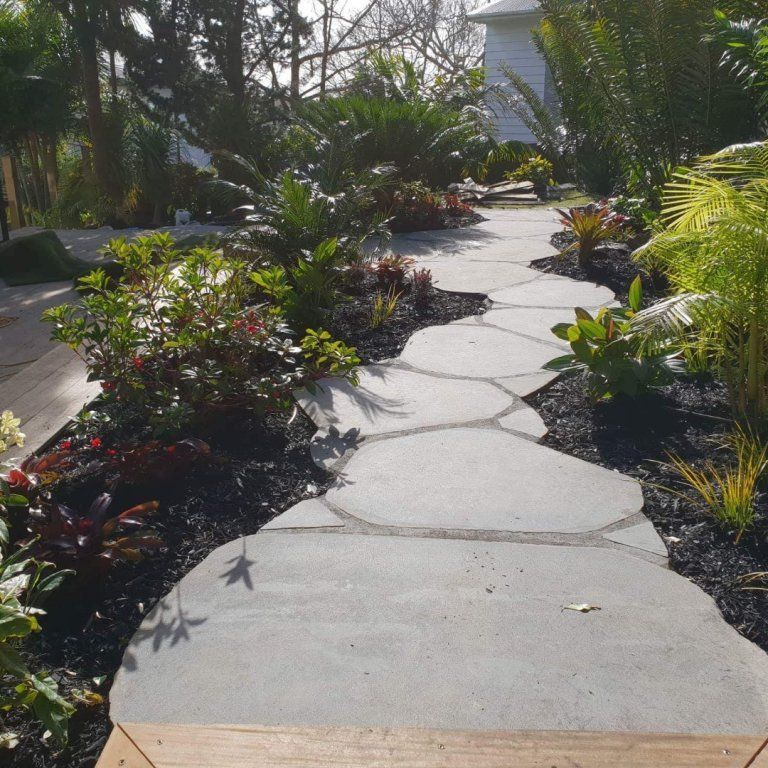
Bluestone slabs can sit in the silver-grey colour range and are often used for paving, steps, hearths and indoor-outdoor projects.
Silver sintered stone slabs are made under high heat and pressure. They are commonly chosen for high-use interiors because they can resist heat, staining and UV exposure when specified correctly.
Silver terrazzo stone slabs use chips of marble, glass or stone in a cementitious or resin base. They suit vanities, floors, wall panels and commercial counters where pattern and texture are part of the brief.
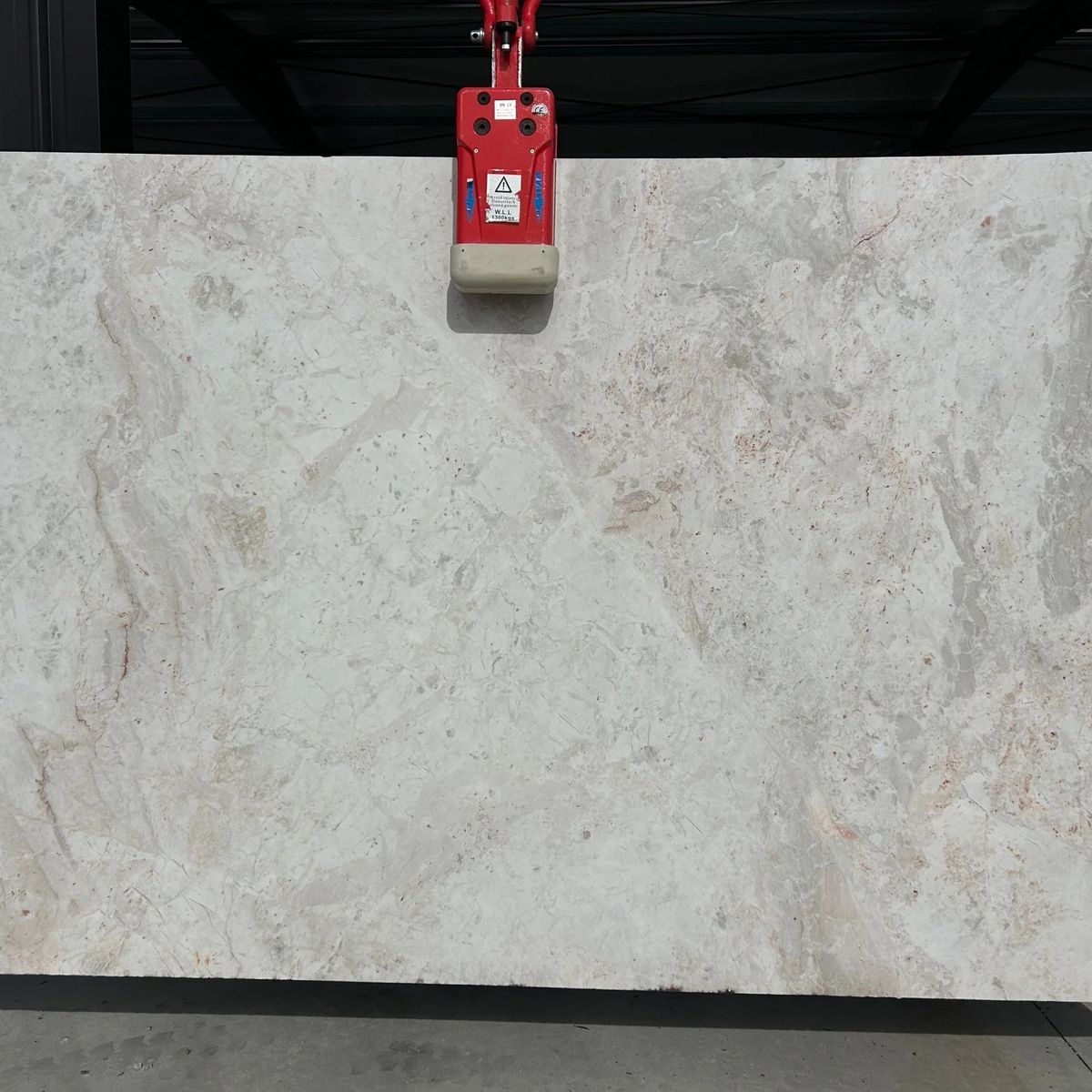
Silver quartzite slabs are natural, dense and often dramatic. They can look similar to marble but usually have higher resistance to scratching and everyday wear.
Finish, thickness and edge detail
The finish changes how silver stone looks in New Zealand light. A polished slab reflects more and can make silver veining feel sharper. A honed finish is softer and more matte, which suits modern kitchens and bathrooms. Leathered or textured finishes add grip and can help disguise fingerprints.
Common slab thicknesses vary by material and supplier. Benchtops often use thicker slabs or mitred edges to create a solid profile. Wall panels and splashbacks may use thinner porcelain or sintered slabs to reduce weight. For kitchens, ask about joins, overhang limits, substrate support, sink cut-outs and edge profiles before you order.
What to check before buying
- View the actual slab: silver tones and veining can vary between batches and photographs.
- Confirm use suitability: benchtops, wet areas, fireplaces and outdoor spaces place different demands on stone.
- Ask about sealing: natural stone may need sealing at installation and periodic resealing.
- Plan fabrication early: templating, cutting, transport and installation need specialist handling.
- Check lead times: imported slabs may affect project timing, especially for large kitchens or multiple rooms.
Finding the right supplier
A good supplier will help you compare colour, finish, availability, slab size and fabrication requirements. They should also explain care, warranty terms and installation constraints in plain language. On ArchiPro, you can review silver stone slabs from New Zealand suppliers, compare related materials and connect with professionals who understand local building conditions.