Orange lighting
- Orange lighting adds warmth, depth and a clear design accent to New Zealand homes and commercial spaces. Explore light orange glass shades, amber pendants, terracotta finishes, copper tones and soft orange glow light options for living rooms, kitchens, bedrooms, bathrooms, patios and hospitality settings. This range includes decorative fittings and practical task lighting from trusted suppliers, with styles suited to contemporary builds, character homes and workplace interiors. Compare orange lights by fitting type, material, room use, IP rating, lamp compatibility and finish so you can specify the right product with confidence.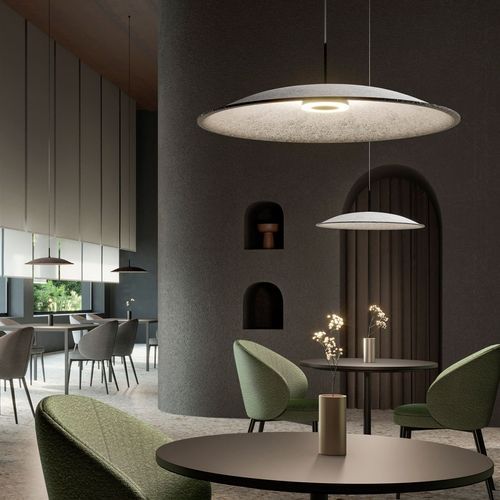
More to discover
Explore all product categories
- Building Supplies
- Car Parking Solutions
- Cladding & Facades
- Construction 4.0
- Construction Equipment and Supplies
- Electrical
- Fire Safety
- Insulation
- Interior Wall Lining
- Plumbing Supplies
- Prefabricated Buildings
- Roofing
- Structural & Framing
- Solar Electric Systems
- Stairs, Lifts & Access
- Windows & Doors
- Security & Access
- Water Filtration Systems
- Water Management & Filtration
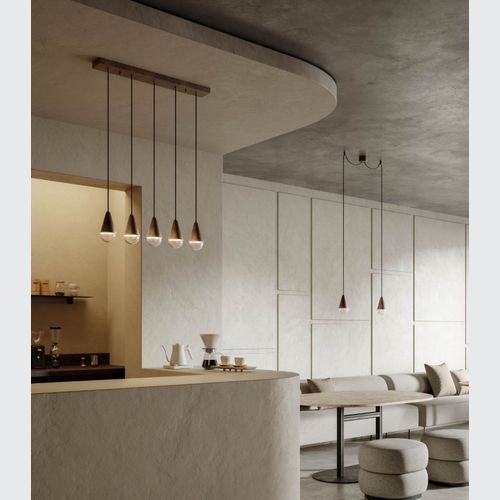
Orange lighting can be subtle or expressive. In a New Zealand home, it might mean a light orange glass pendant over a kitchen island, an amber wall light beside a bed, or a powder-coated outdoor fitting that adds warmth to dark exterior cladding. In commercial interiors, orange lighting is often used to guide the eye, soften a reception area, or add character to hospitality spaces.
How to choose orange lighting
Start with the wider lighting plan before choosing a colour. A fitting can look beautiful in isolation but still feel wrong if the light output, mounting height or room finish is mismatched. If you are comparing other building and interior selections at the same time, browse the wider products range to keep finishes, hardware and materials aligned.
Where orange lights work best
Orange is naturally warm, so it pairs well with timber, stone, clay, brass, bronze, smoked glass and neutral paint colours. It can also sharpen a minimal interior when used as a single accent. The effect changes depending on whether the orange tone is in the fitting itself or in the light it produces.
- For ambient light: choose diffused glass, fabric shades or low-glare fittings that spread a soft orange glow.
- For task areas: check lumen output and beam angle. A coloured shade may reduce brightness.
- For feature lighting: use orange as a controlled accent rather than placing it in every fitting.
- For outdoor areas: select products with the right IP rating for rain, wind and coastal exposure.
Ceiling, wall and stair lighting
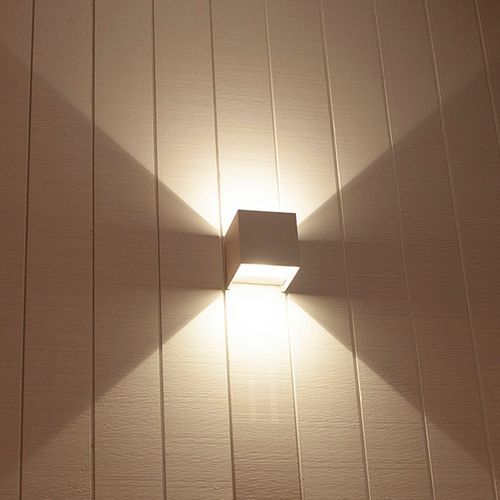
Ceiling lights are a natural choice for orange pendants, flush mounts and sculptural shades. They work well above dining tables, kitchen islands and entry areas where the fitting is easy to see. If you want a softer layer, wall lights can frame a hallway, bedhead, vanity or lounge wall without taking up floor space.
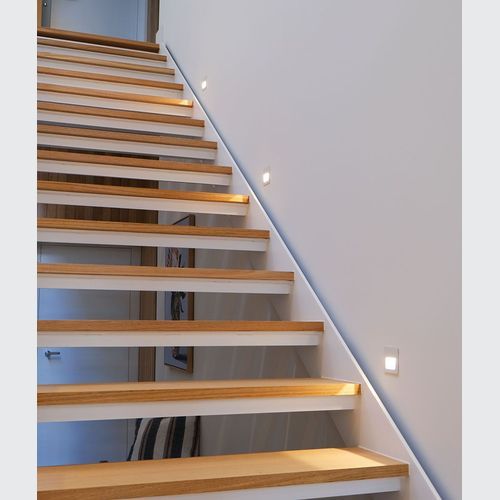
Stair lights are more discreet. Orange or amber tones can help stairs feel warmer at night, but visibility still matters. Choose shielded fittings, recessed profiles or low-level lights that reduce glare while clearly marking each step.
Lamps, cabinets and uplighting
Lamps are one of the easiest ways to try orange lighting before committing to fixed fittings. A ceramic base, coloured shade or amber glass lamp can change the mood of a room with minimal installation work. For kitchens, bars and display joinery, cabinet lights can add a warm accent inside shelving or beneath overhead cabinets.
Uplights are useful when you want reflected light rather than a direct beam. They can wash orange-toned light across plaster, brick or textured surfaces. This is a good option for media rooms, restaurants and lounge spaces where low glare is important.
Outdoor, neon and acoustic options
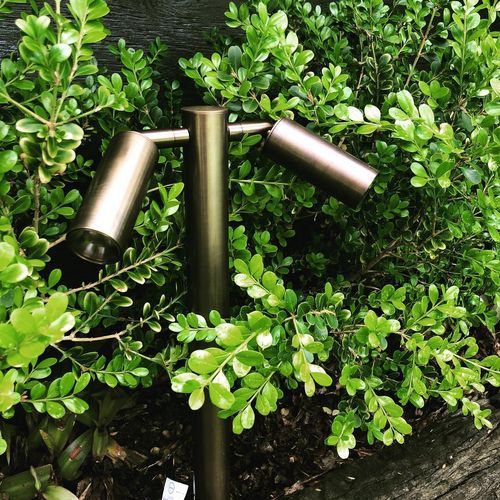
Outdoor lights in orange, rust, copper or amber finishes can suit courtyards, decks, paths and entranceways. Check IP ratings, corrosion resistance and installation requirements, especially in coastal or high-rainfall areas.
For signage, studios and playful interiors, neon signs and lights can create a clear orange focal point. In offices, restaurants and shared workspaces, acoustic lighting can combine illumination with sound absorption, which is useful in open areas with hard floors and high ceilings.
Fittings, accessories and safety lighting
The right components matter as much as the visible fitting. Light fittings and accessories include parts such as suspension kits, tracks, drivers, dimmers, bulbs and mounting plates. Confirm compatibility before ordering, particularly with LEDs and smart controls.
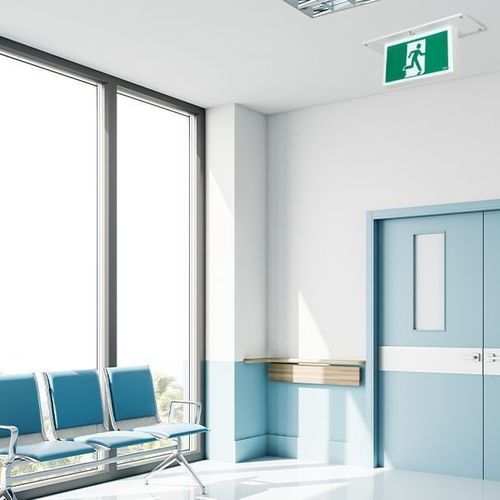
Emergency lights and exit signs have specific performance and compliance needs. In commercial projects, do not treat them as decorative orange lighting. They should be specified and installed to meet the relevant New Zealand building and electrical requirements.
Colour, brightness and bulb temperature
Orange lighting can come from the finish, the shade material, the lamp colour, or the LED itself. A burnt orange metal fitting with a warm white bulb will feel different from amber glass with a very warm 2200K lamp. For most residential rooms, warm white light from about 2700K to 3000K is comfortable. Lower colour temperatures can create a candle-like feel, but they may not be practical for kitchens, bathrooms or work areas.
If the shade is orange, check how it affects skin tones, food colour and artwork. This is especially important in bathrooms, retail spaces and kitchens. Where accurate colour matters, keep the main light neutral and use orange as a secondary layer.
Installation and specification tips
- Use a licensed electrician for fixed lighting, new wiring, exterior fittings and bathroom installations.
- Check ceiling height before choosing large pendants or low-hung lamps.
- Confirm dimmer compatibility with LED drivers and bulbs.
- Match metal finishes with tapware, handles, switches or furniture details where possible.
- For wet areas and outdoors, choose fittings with suitable IP ratings and materials.
ArchiPro brings together premium orange lighting from suppliers who understand New Zealand projects. Compare product details, finishes, dimensions and suitable applications, then contact suppliers directly for technical information, pricing and availability.