Building a handover file that a homeowner can actually navigate

featuring Modal Architecture

Modal Architecture logo
  • 13.1K profile views
  • 4 saves

Completion brings a collection of drawings, warranties and operating instructions. Organise them around the home and its systems so they remain useful after the team leaves.

Visit Website
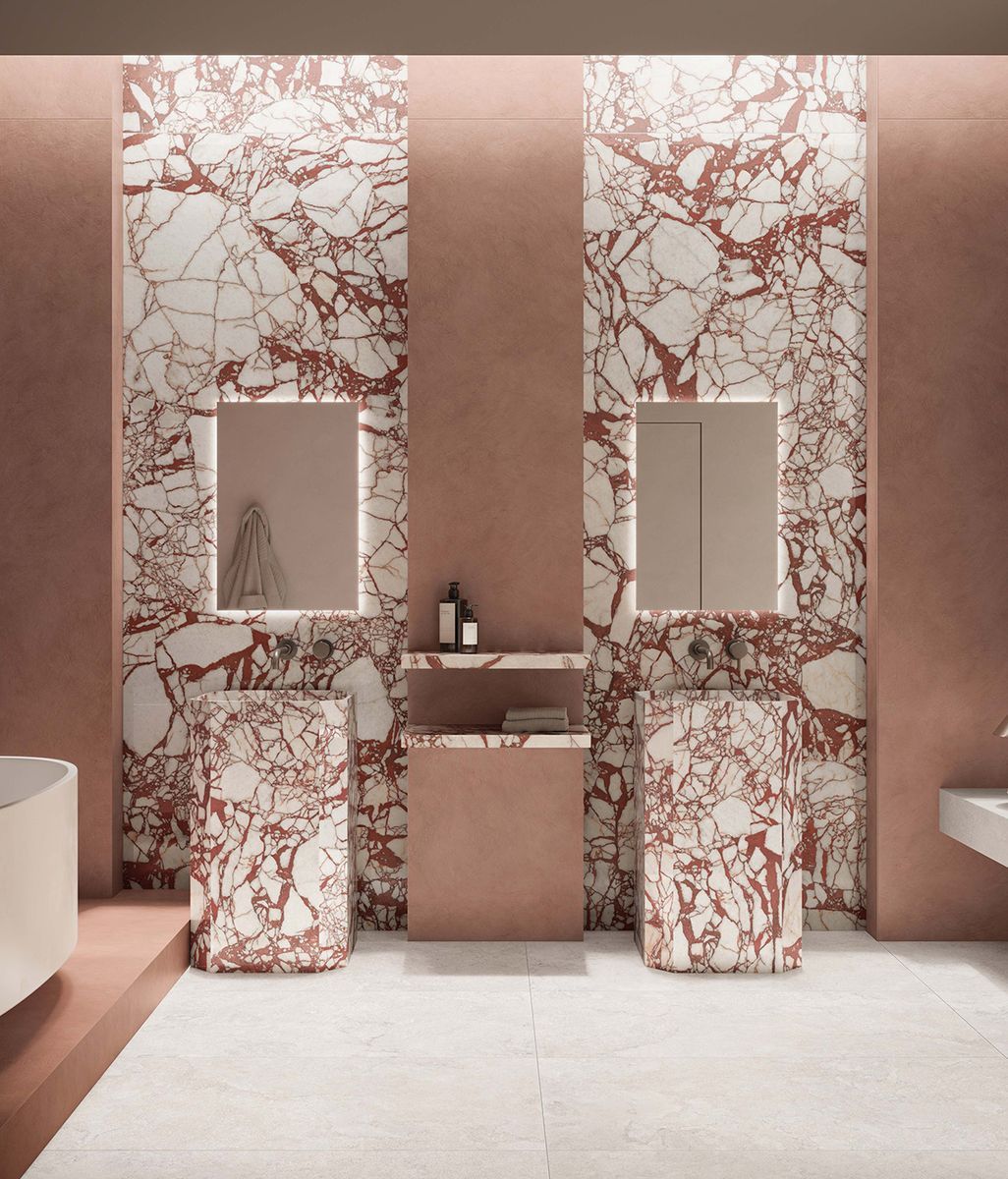
Kitchen and dining project visualisation, Orui, Riversdale. Image credit: Modal Architecture.

A handover file is useful when it helps you answer a real question: where is the water shut-off, which finish was used on the timber, or who should be contacted about an appliance? A large folder of unexplained documents can make those answers surprisingly difficult to find.

Agree the information to be provided before the end of construction. Different parties hold different records, and collecting them is easier when responsibility is established early.

Start with a short home guide

Create an index organised by system or area: structure and envelope, services, interiors, appliances and outdoor work. Add a simple contact list with each party's role.

Include the location of accessible controls, valves and equipment. Ask the relevant contractor to demonstrate operation and maintenance. Record instructions accurately rather than relying on a quick verbal explanation on moving day.

Separate approved information from records of changes

Keep consent documents, issued drawings and relevant completion records clearly labelled. Where as-built information is supplied, identify who prepared it and what it covers. Do not relabel an original design drawing as an as-built record without verification.

Store agreed changes and product substitutions beside the information they affect. This helps a future owner or tradesperson understand why the completed work differs from an earlier drawing.

Make maintenance information actionable

For each important product or finish, retain the exact product identification, supplier details, care instructions and warranty terms. Record installation dates where available.

Turn the applicable maintenance requirements into a simple calendar. Use manufacturer instructions and project-specific advice rather than assuming all cladding, coatings or equipment need the same treatment.

Photographs taken before concealed work is covered can be useful supplementary records, provided their locations and dates are clear. They do not replace the drawings or specialist records required for the project.

Keep outstanding items in a separate register

List any unresolved item, the person responsible, the agreed next action and its target date. Do not bury it in a general meeting note. Keep completion, contractual handover and regulatory approvals distinct; the status of each should be confirmed with the appropriate party.

Modal’s construction support can assist with design-related completion questions within the agreed scope. The wider architectural process helps establish when decisions and records are needed.

Save the file in a format you can access and back up. A well-organised handover is part of making the home easier to own, maintain and adapt over time.

Cover: Kitchen and dining project visualisation, Orui, Riversdale. Image credit: Modal Architecture.

Discover More Readingin Maintenance

Next Article

Keep scrolling
Material Brief: COLORSTEEL®