False economies: why some steel roof options could cost more in the long run

Written by

19 August 2026

 • 

4 min read

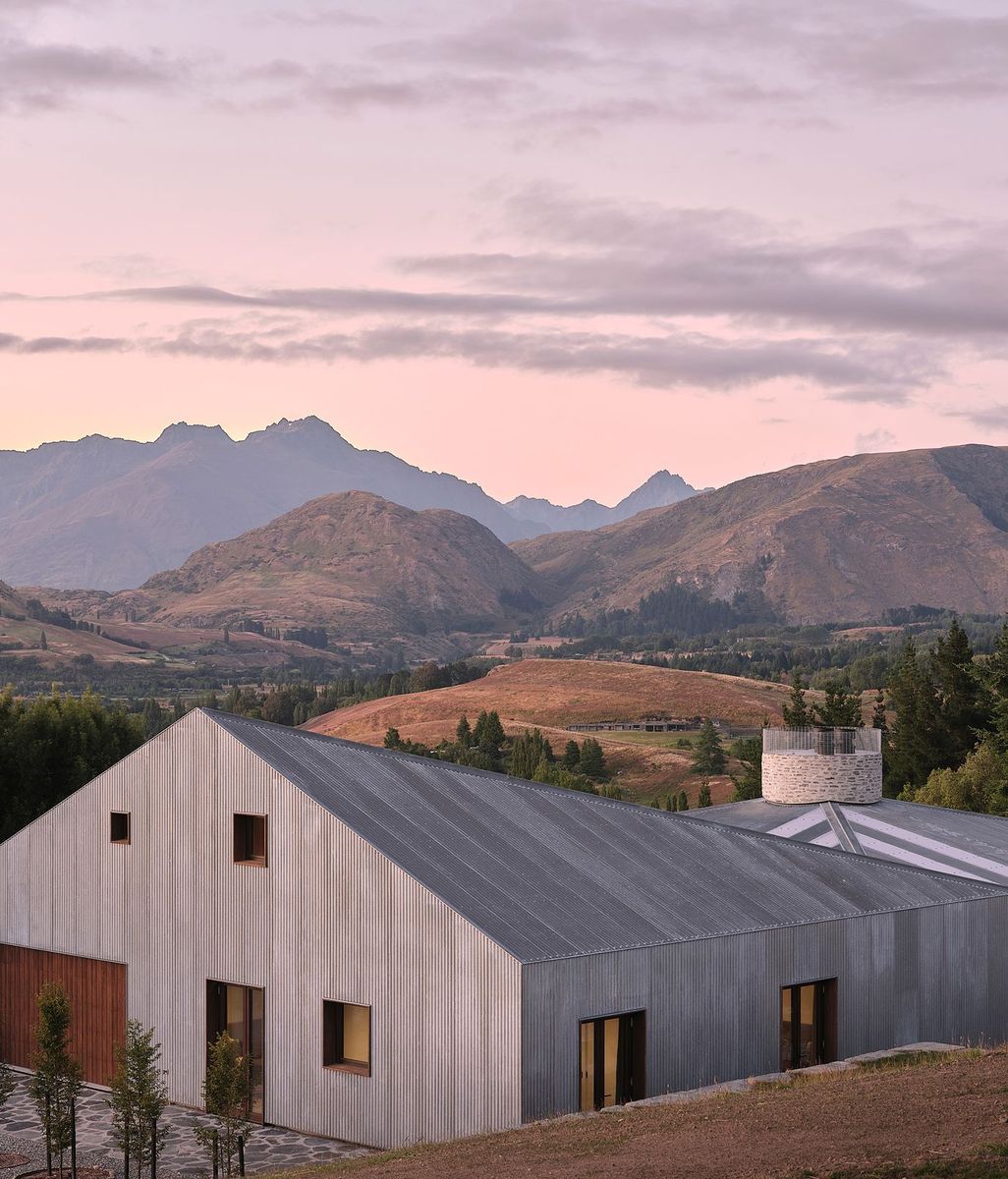
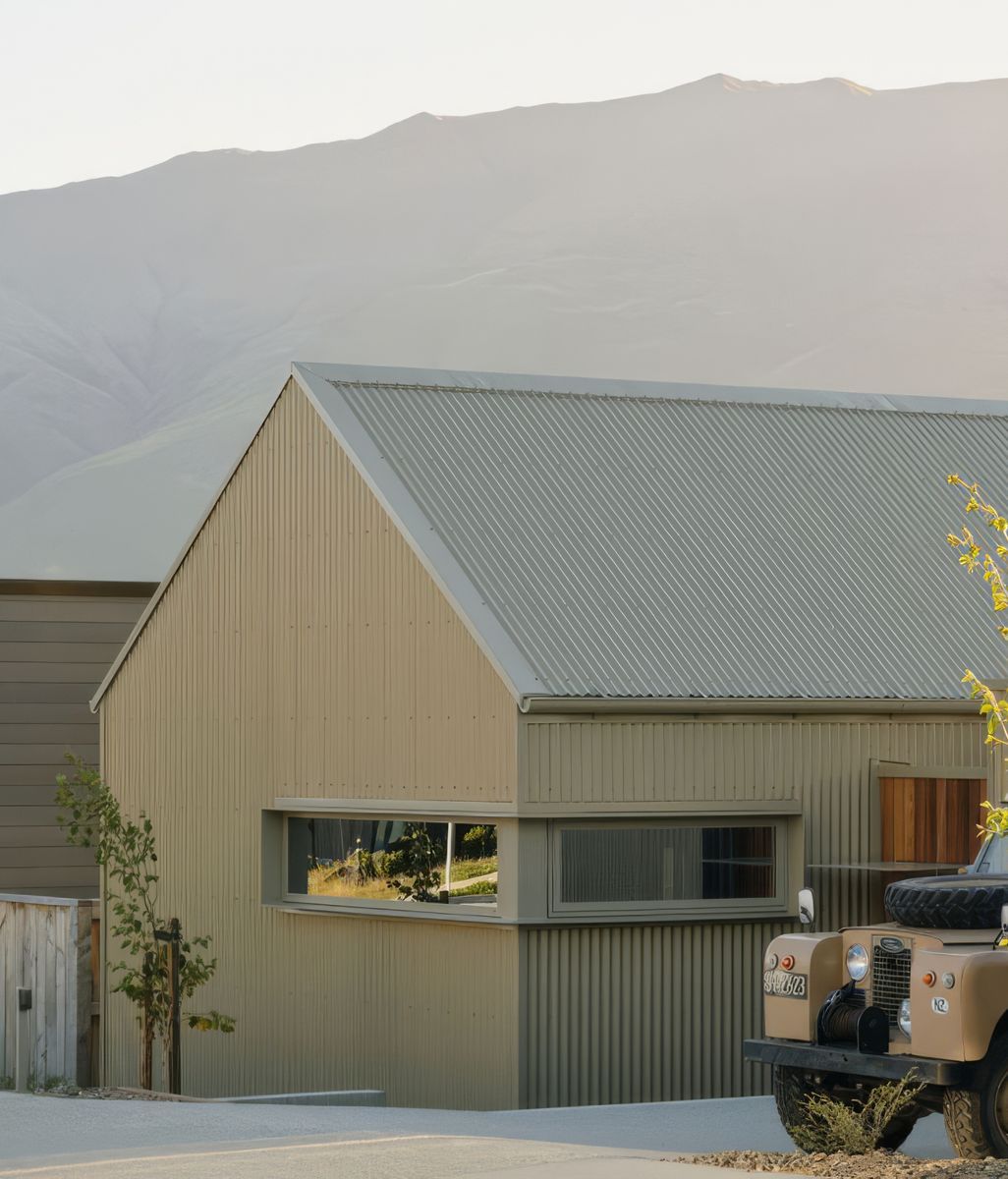
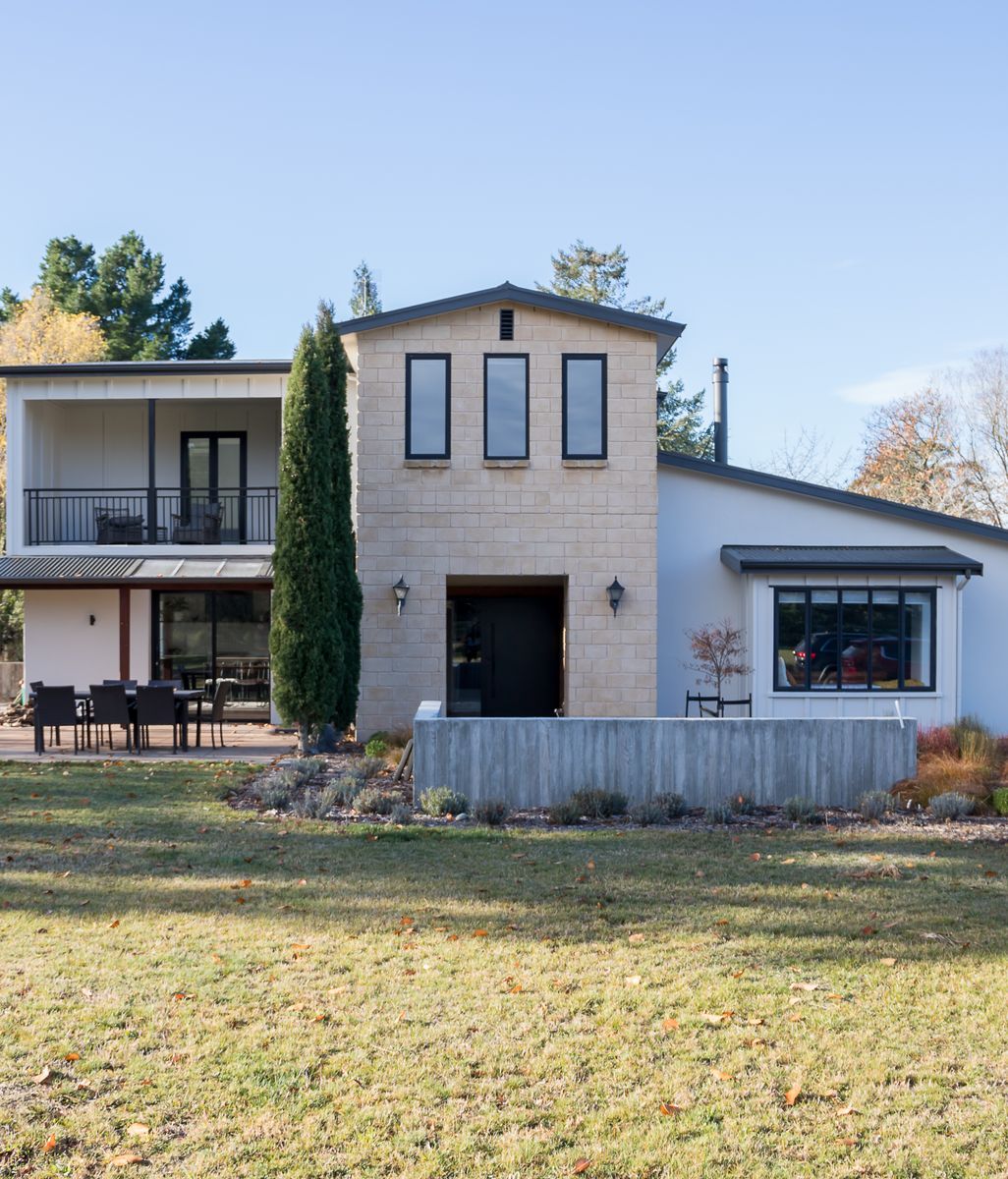
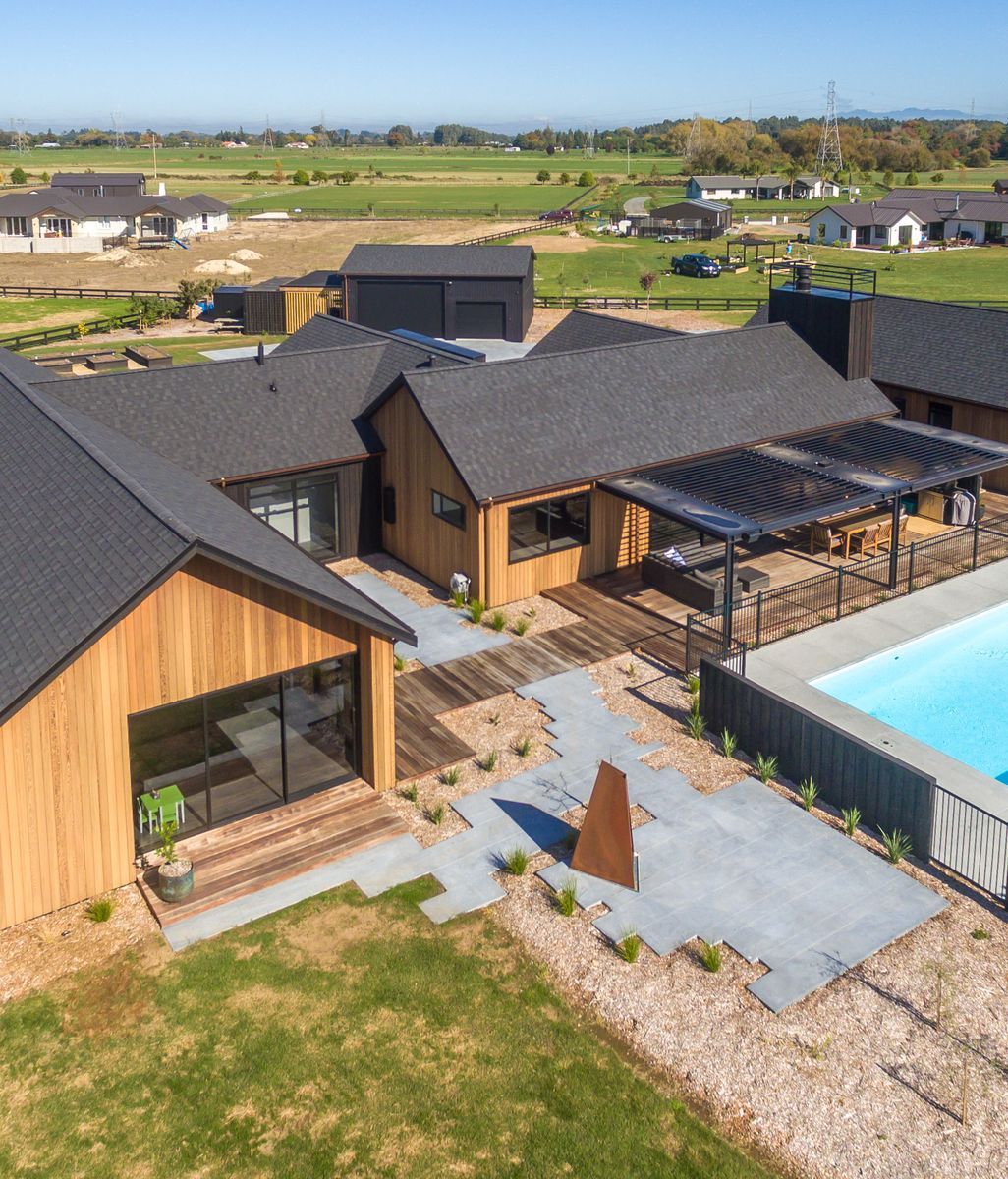
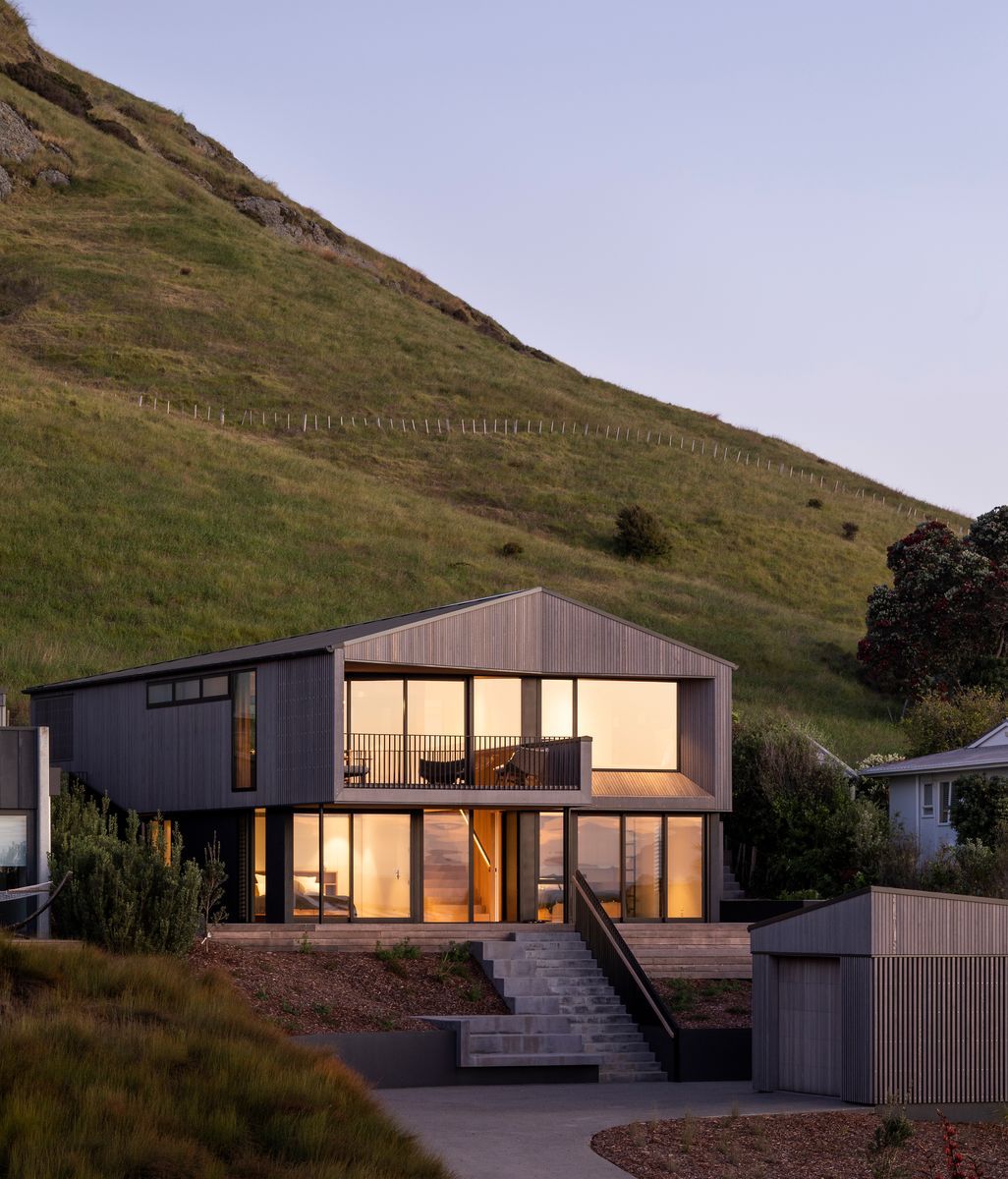
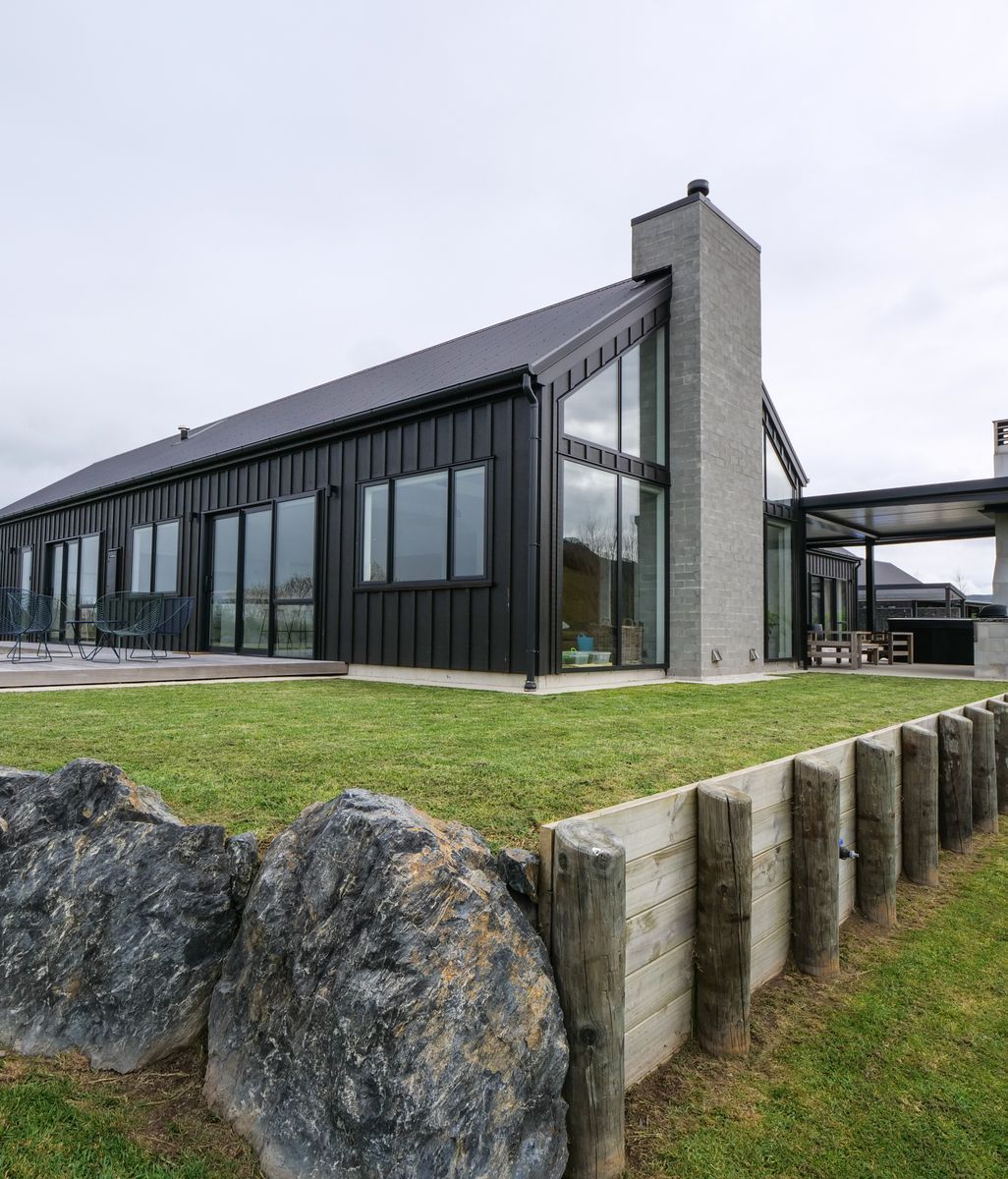
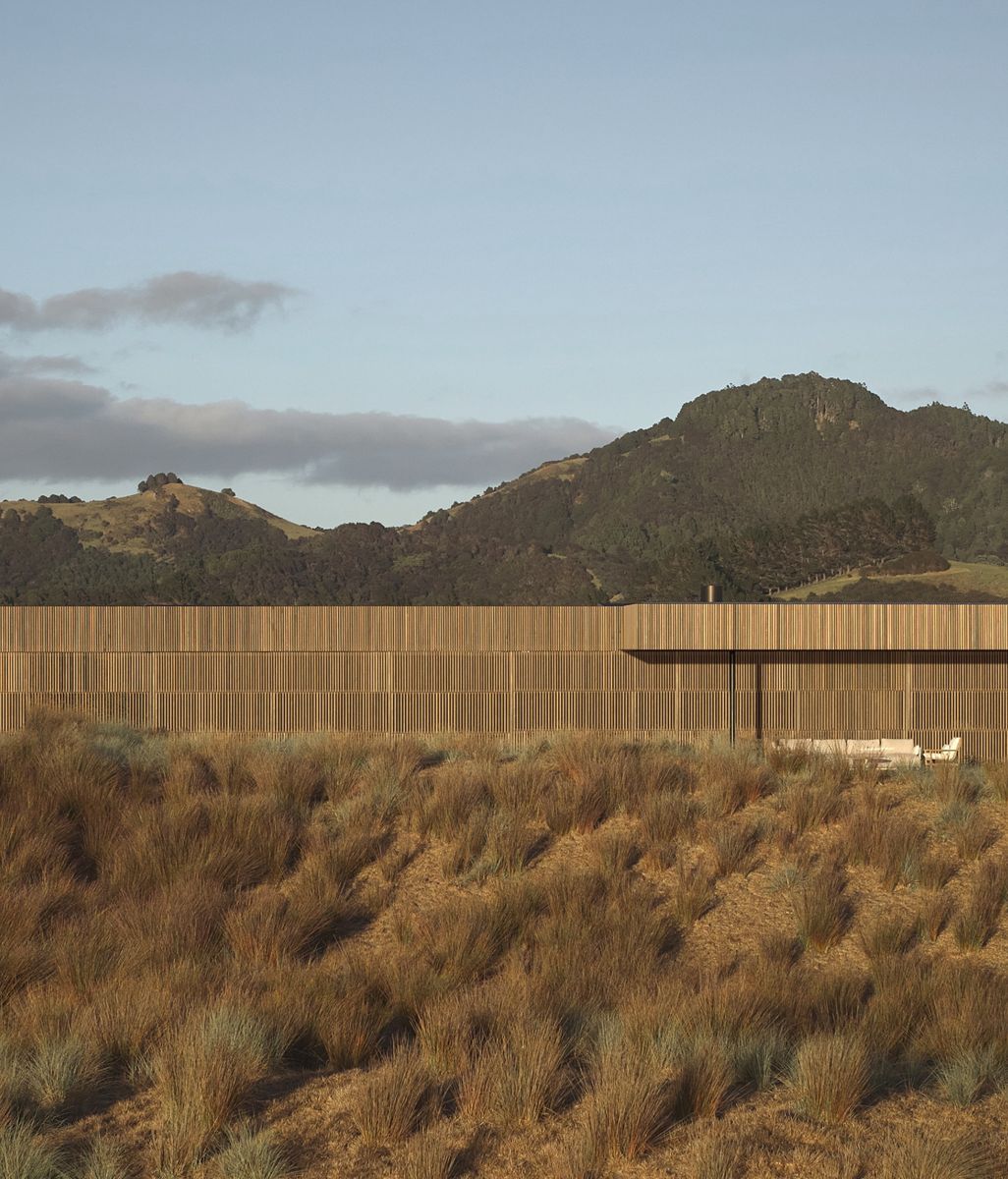
Echoing the iconic vernacular of rural structures, this holiday home on the side of Mt Iron, designed by Johnston Architects, encompasses a series of pitched roof forms wrapped in corrugated COLORSTEEL® cladding in Sandstone Grey. Image credit: John Williams.
Building or renovating a home often involves a series of financial trade-offs. Kitchens can be upgraded later, landscaping can wait, and interior finishes can be adjusted to suit the budget. But when it comes to roofing, choosing the cheapest option upfront can end up costing significantly more over time.

Steel roofing remains one of New Zealand’s most popular choices thanks to its durability, low maintenance, and suitability for local conditions. Yet not all steel roofing products are created equal, even if they appear similar at first glance.

For many homeowners, the temptation to save money by selecting a lower-cost “lookalike” product can feel like a practical decision. After all, if the roof looks the same and performs adequately for a few years, why pay more?

But according to Colorsteel technical expert Dr. Divya Kumar, the true cost of roofing is rarely measured at installation alone.

“People naturally focus on upfront cost because it’s the number directly in front of them during a build,” says Divya. “But roofing is a long-term investment. The real value comes from how the product performs over decades, not just in the first few years.”


When short-term savings become long-term costs


Consider the experience of a homeowner completing a new build on a tight budget. Looking to reduce costs where possible, they choose a lower-priced steel roofing product that closely resembles genuine Colorsteel. Initially, the savings feel worthwhile. The roof looks modern, the build is complete, and there’s little visible difference from more premium options.

But less than a decade later, problems begin to emerge.

Firstly, the colour starts to fade leaving your roof looking aged and dull before its time. Genuine COLORSTEEL® is manufactured using an exclusively supplied, latest generation polyester paint system that delivers superior colour and gloss retention compared with waterborne, acrylic coatings that some other brands rely on.  

Then the coating starts deteriorating earlier than expected. Areas of corrosion appear, particularly around fastenings and exposed edges. Minor leaks develop, followed by repairs that gradually become more frequent and expensive.

Eventually, the homeowner faces a difficult reality: the roof needs replacing far sooner than anticipated.

What began as a cost-saving measure now involves the expense of reroofing, repair work, labour, scaffolding, and disruption to daily life. Worse still, when the property is assessed for resale, the ageing roof becomes a concern for prospective buyers, impacting perceived value and buyer confidence.

“In many cases, reroofing early effectively means paying for the roof twice,” explains Divya. “That’s why lifecycle performance matters so much. A cheaper product may reduce initial spend, but it can significantly increase total ownership costs over time.”

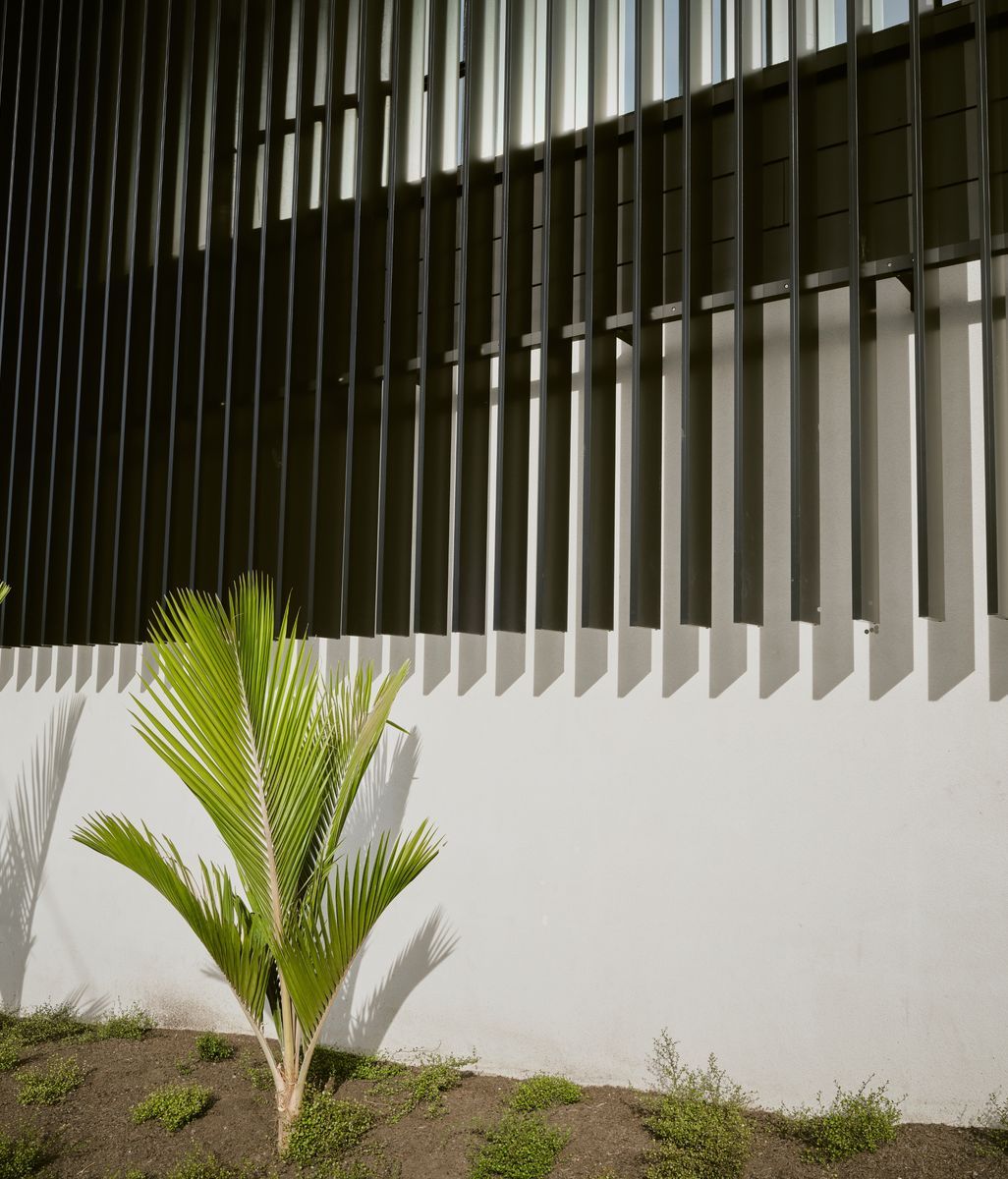
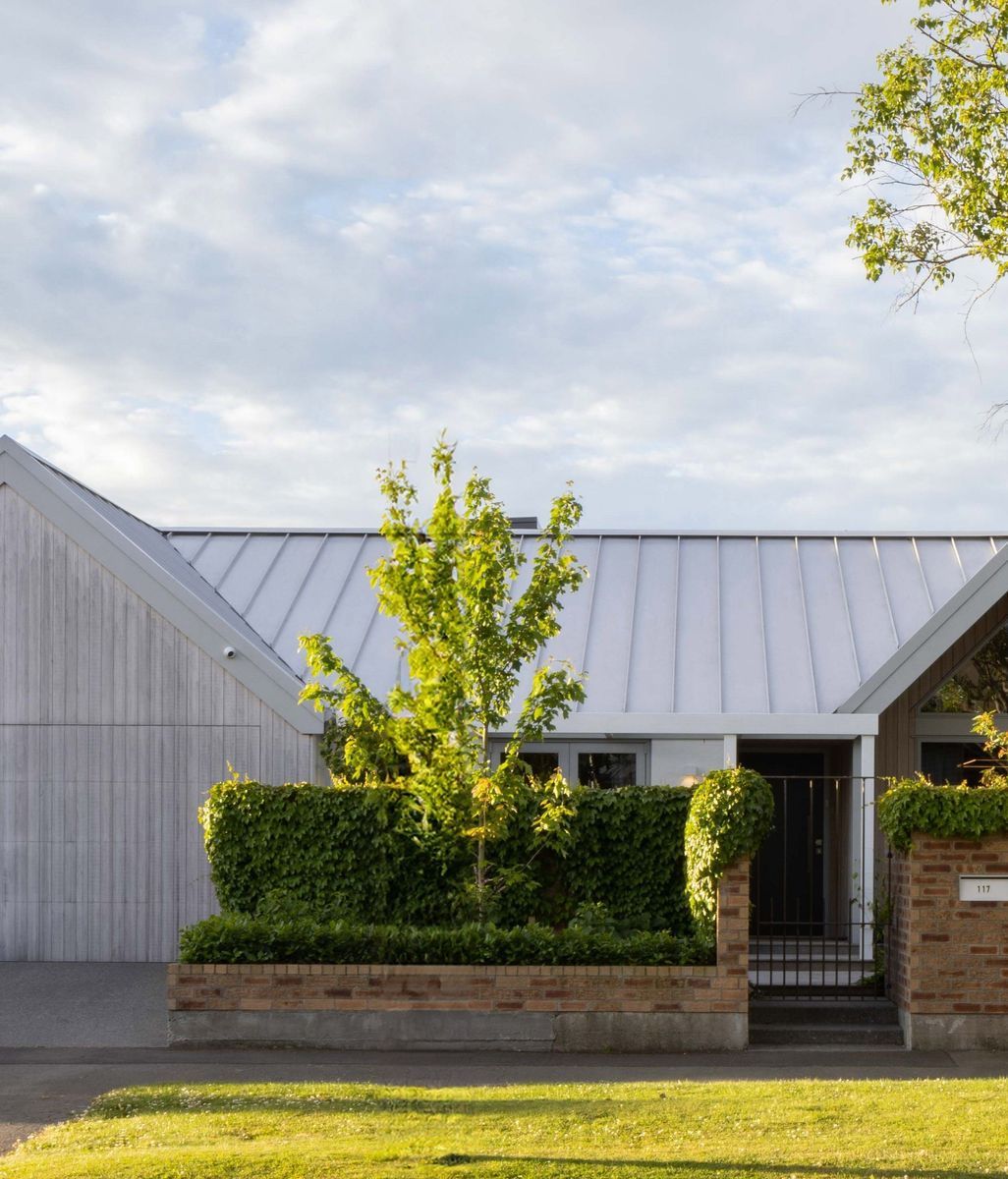
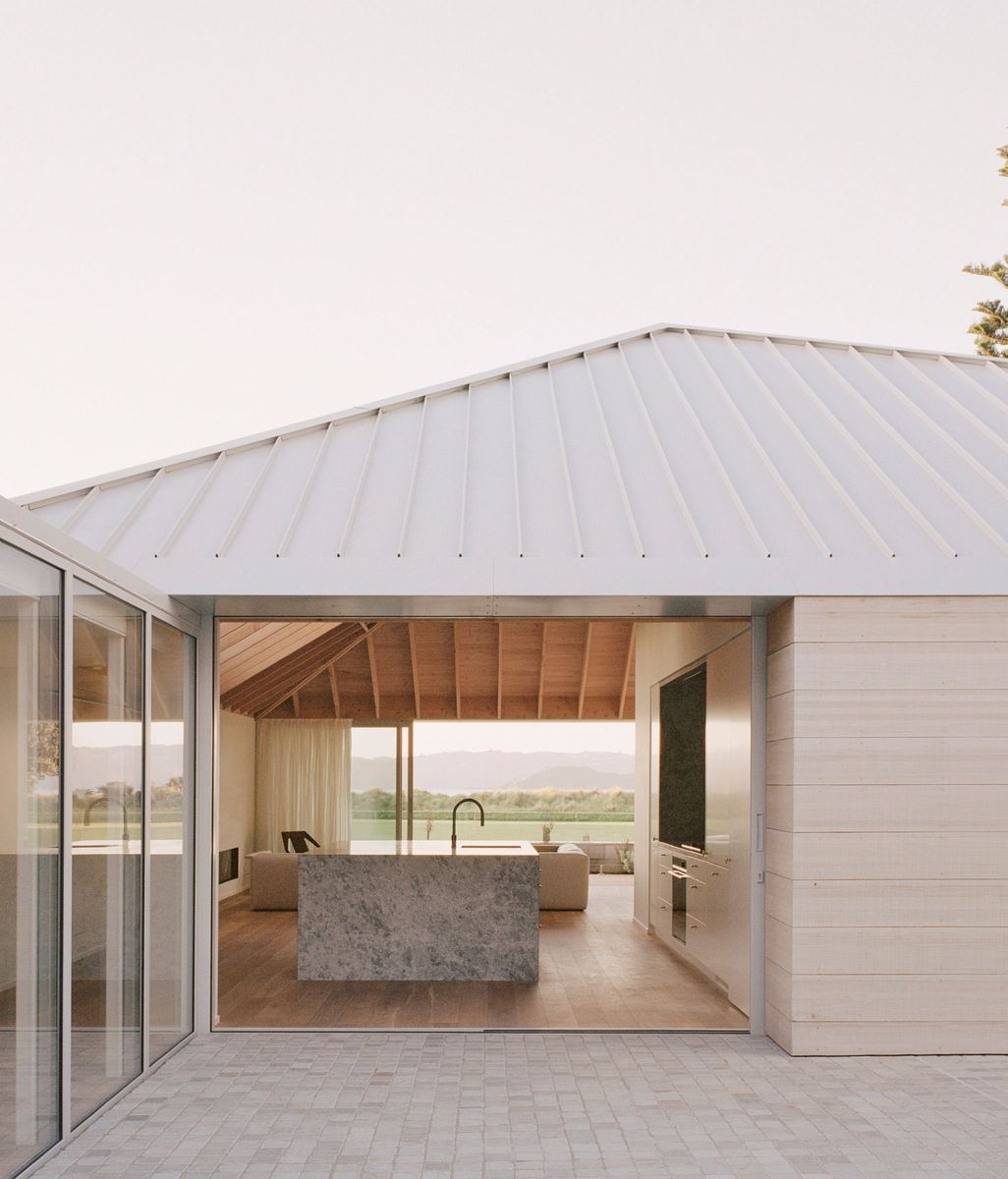
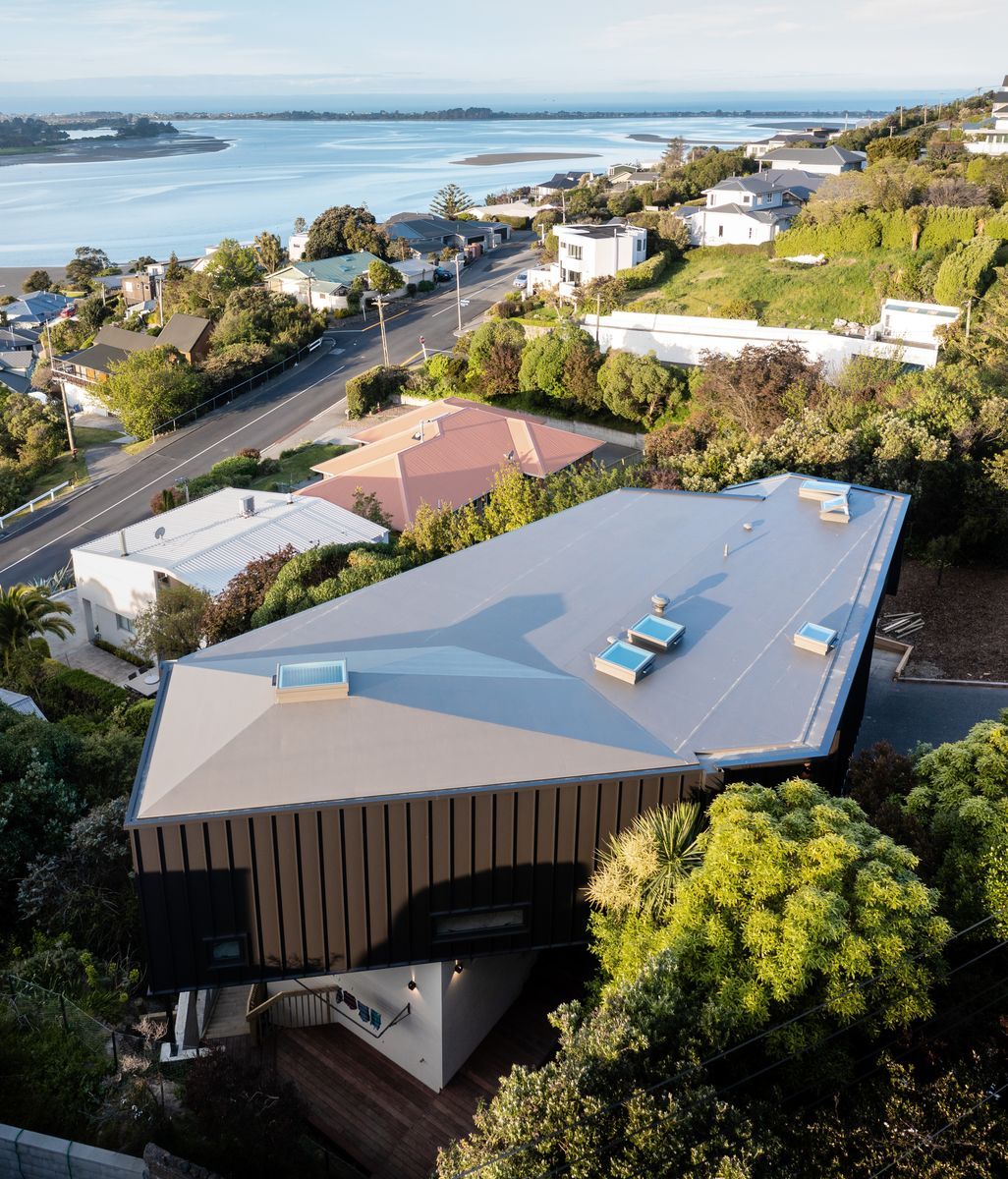
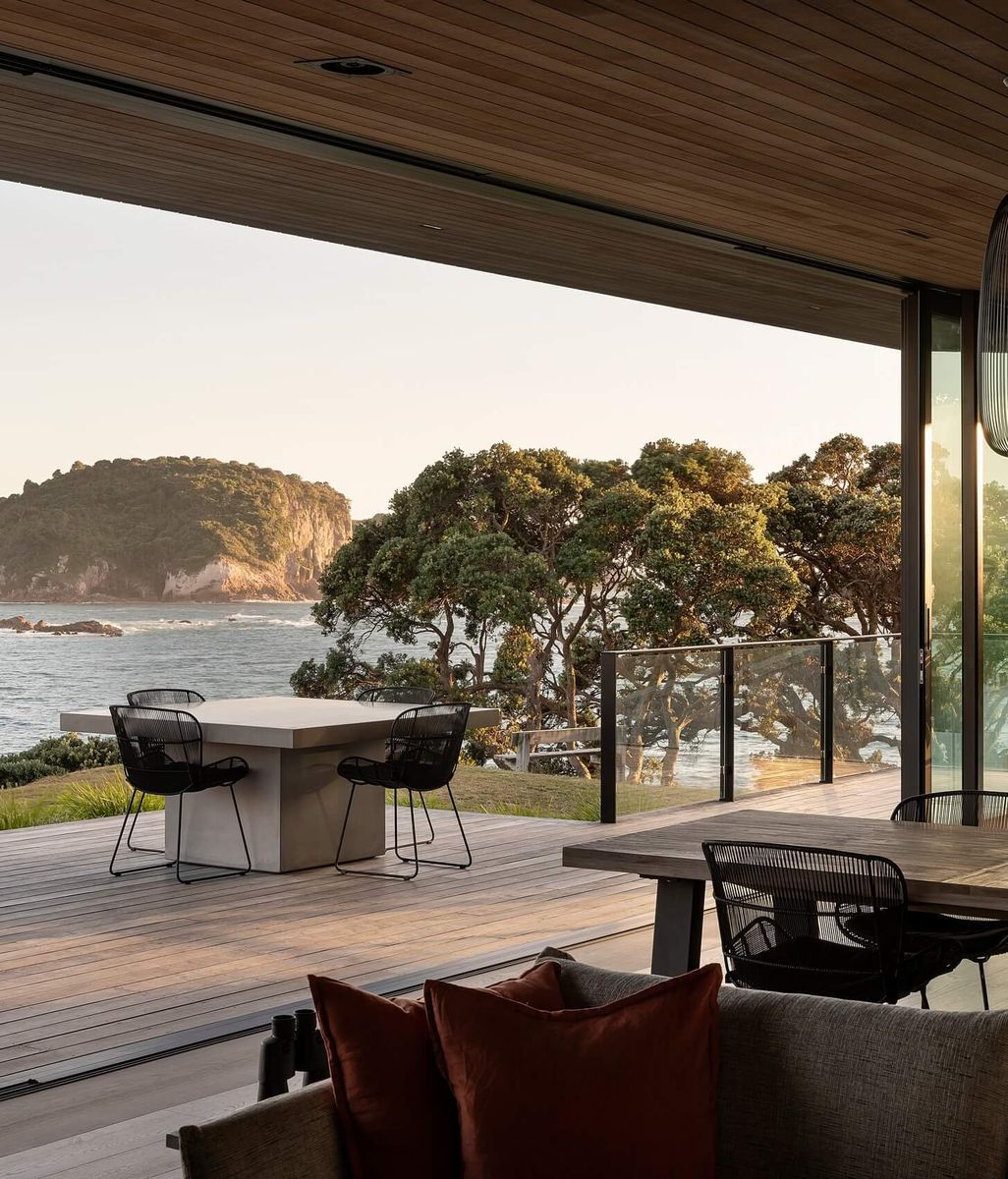
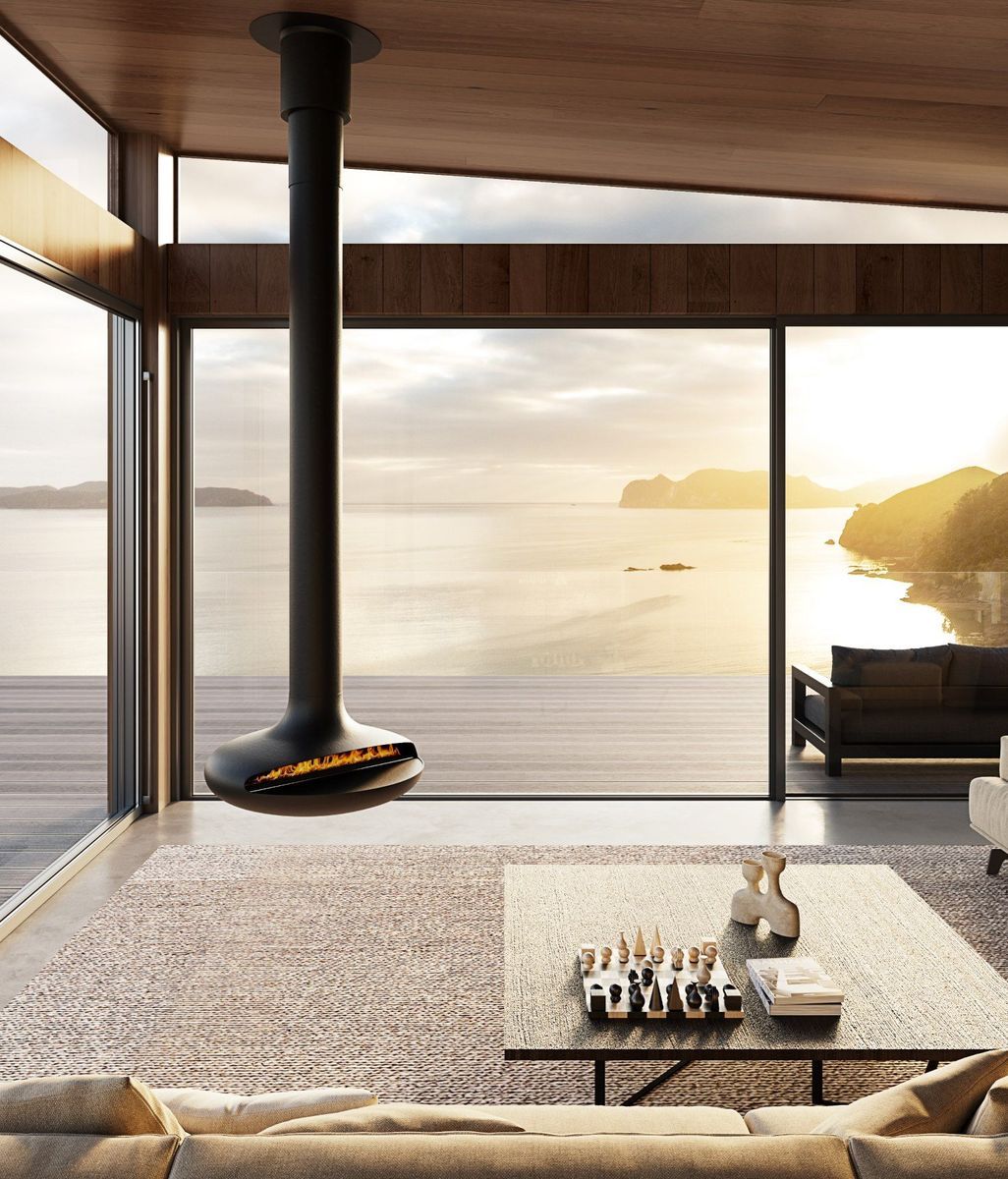
Designed for an environmentally conscious couple who love hiking, this Bay of Plenty home rests gently on its site, inspiring deep connection with the surrounding landscape through COLORSTEEL® cladding and roofing in Thunder Grey.

Roofing should be viewed as an asset, not an expense


Architects and building professionals increasingly encourage homeowners to think differently about roofing. Rather than treating it as a line item to minimise, they view it as part of the long-term value and performance of the home itself.

A roof is one of the most exposed components of any building. It protects the structure, interiors, insulation, and overall integrity of the property every single day. If it underperforms, the consequences can extend far beyond the roofing material alone.

“It’s similar to foundations,” says Divya. “You may never see the full value of the investment day-to-day, but the quality of what’s protecting the home becomes very important over time.”

This is particularly relevant in New Zealand, where environmental conditions place considerable stress on building materials. Coastal salt spray, intense UV exposure, heavy rainfall, and rapidly changing weather all contribute to long-term wear.

Products engineered specifically for these conditions are designed to withstand that exposure over decades, helping reduce maintenance requirements and extend the lifespan of the roof.

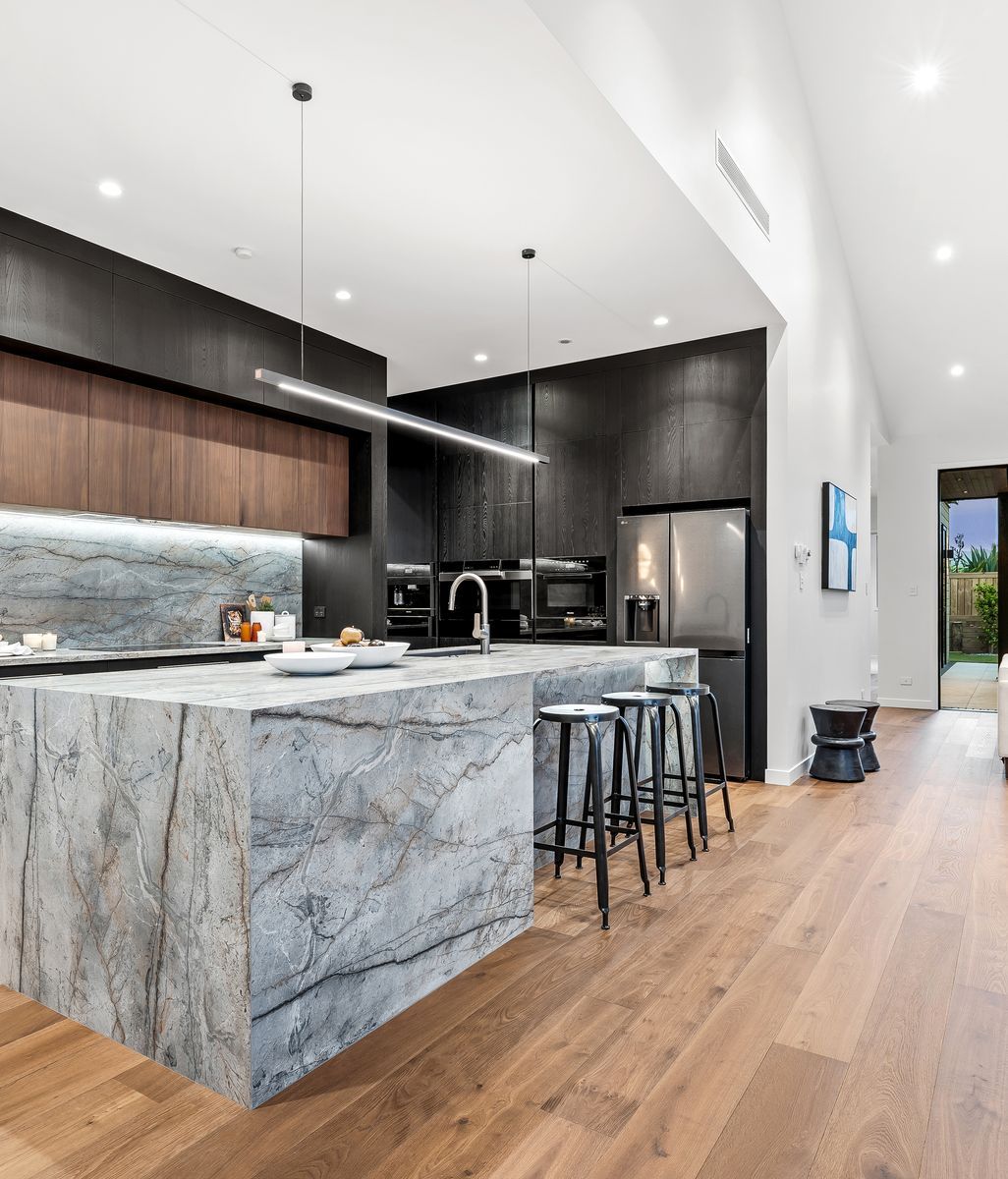
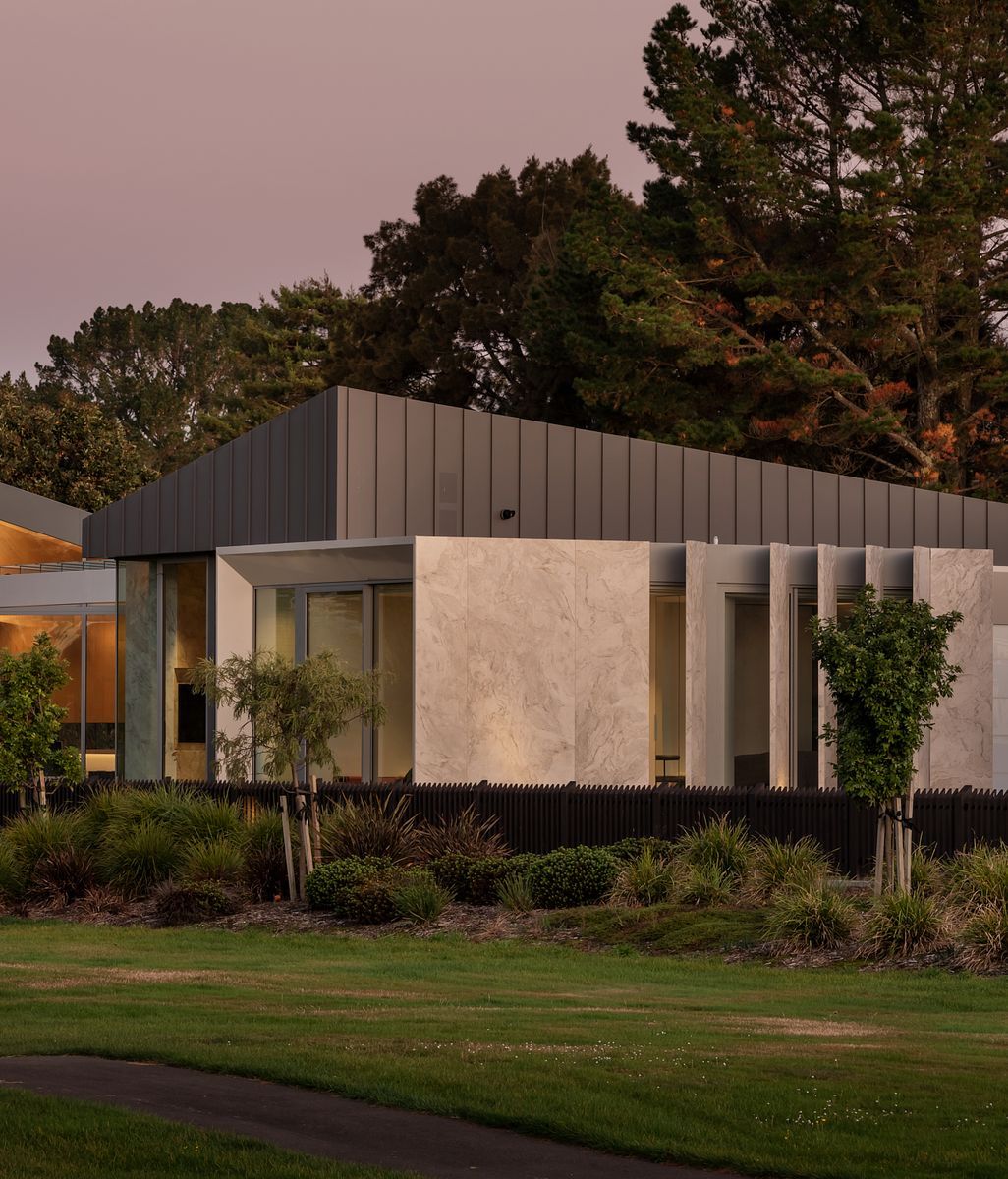
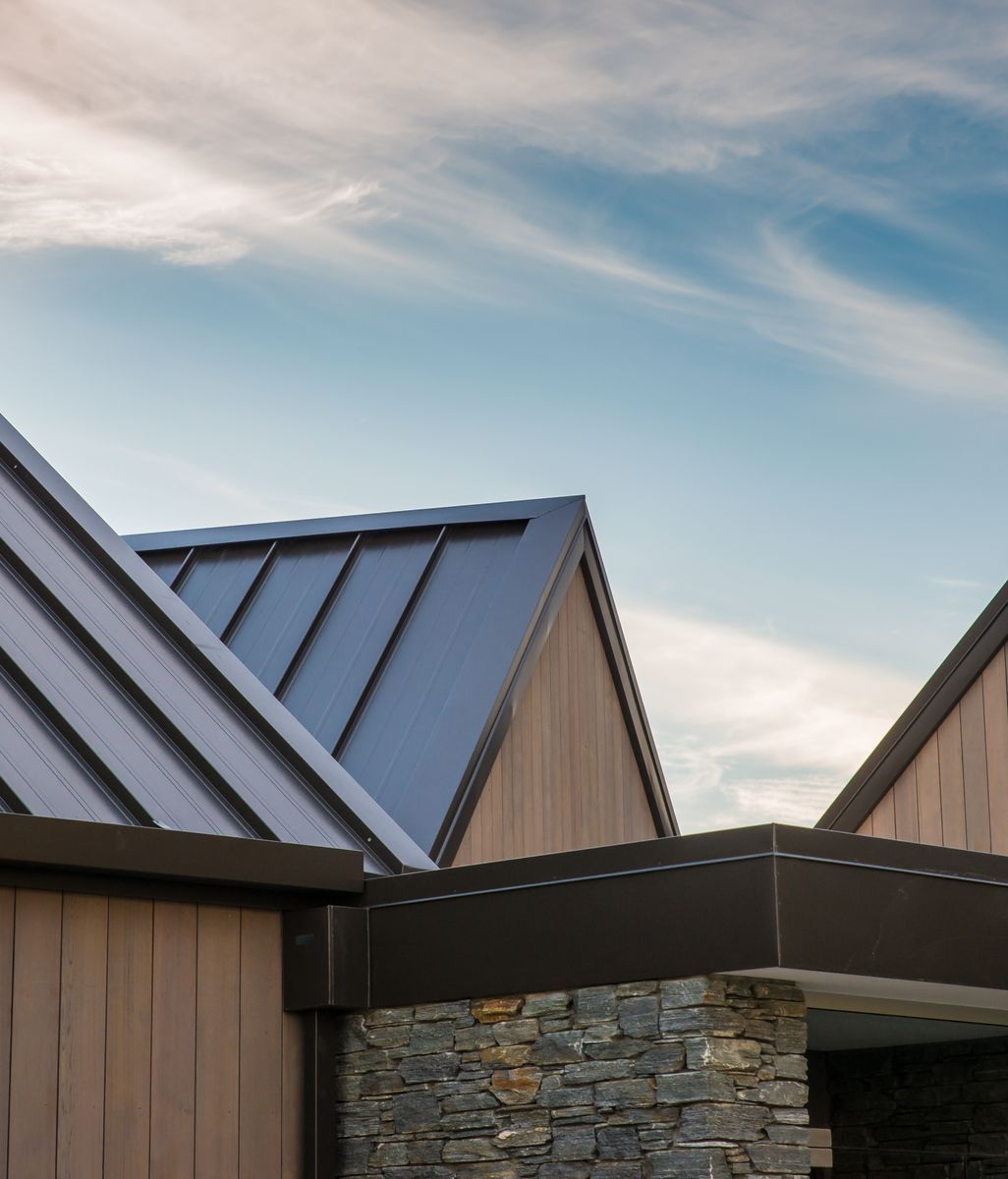
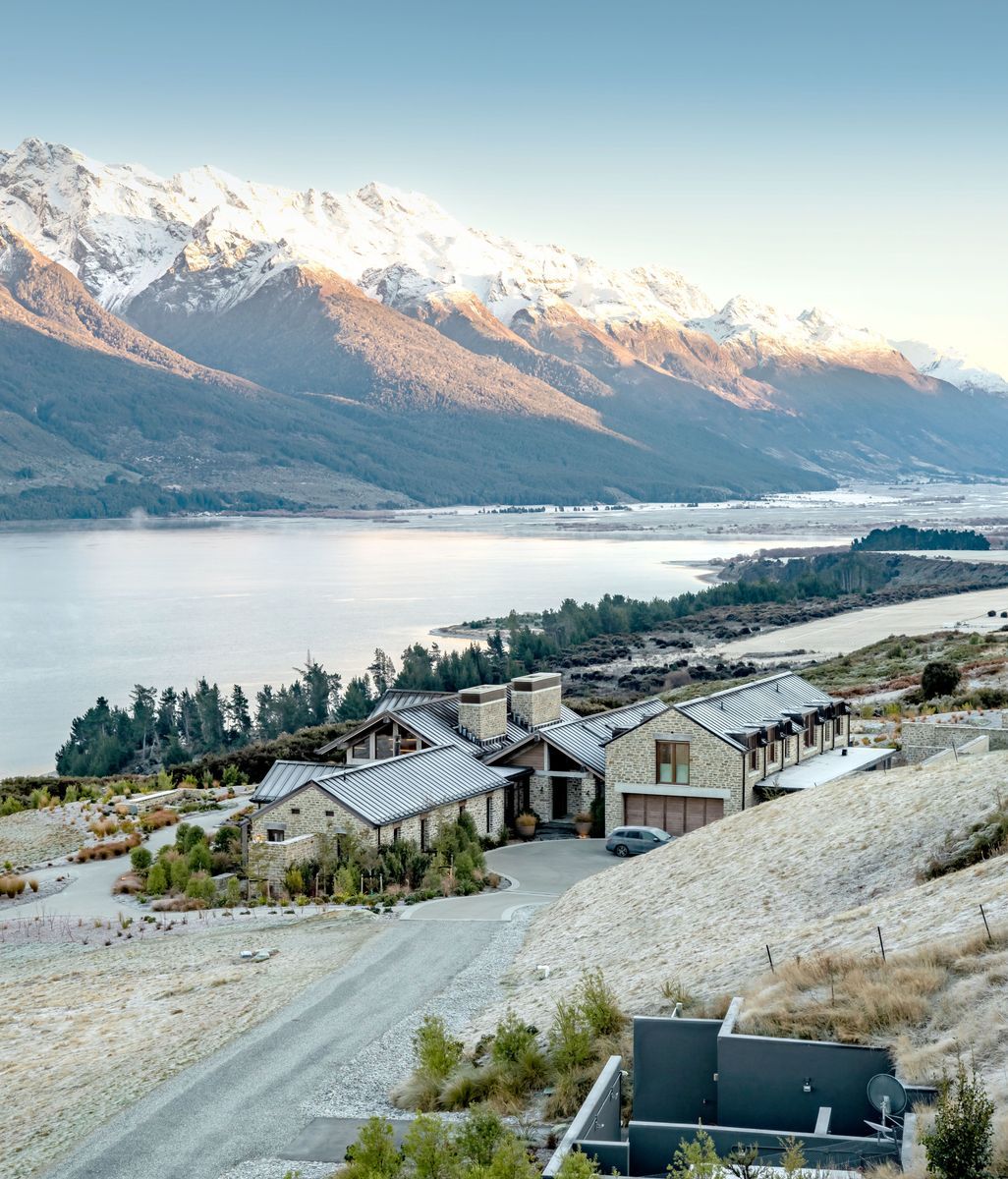
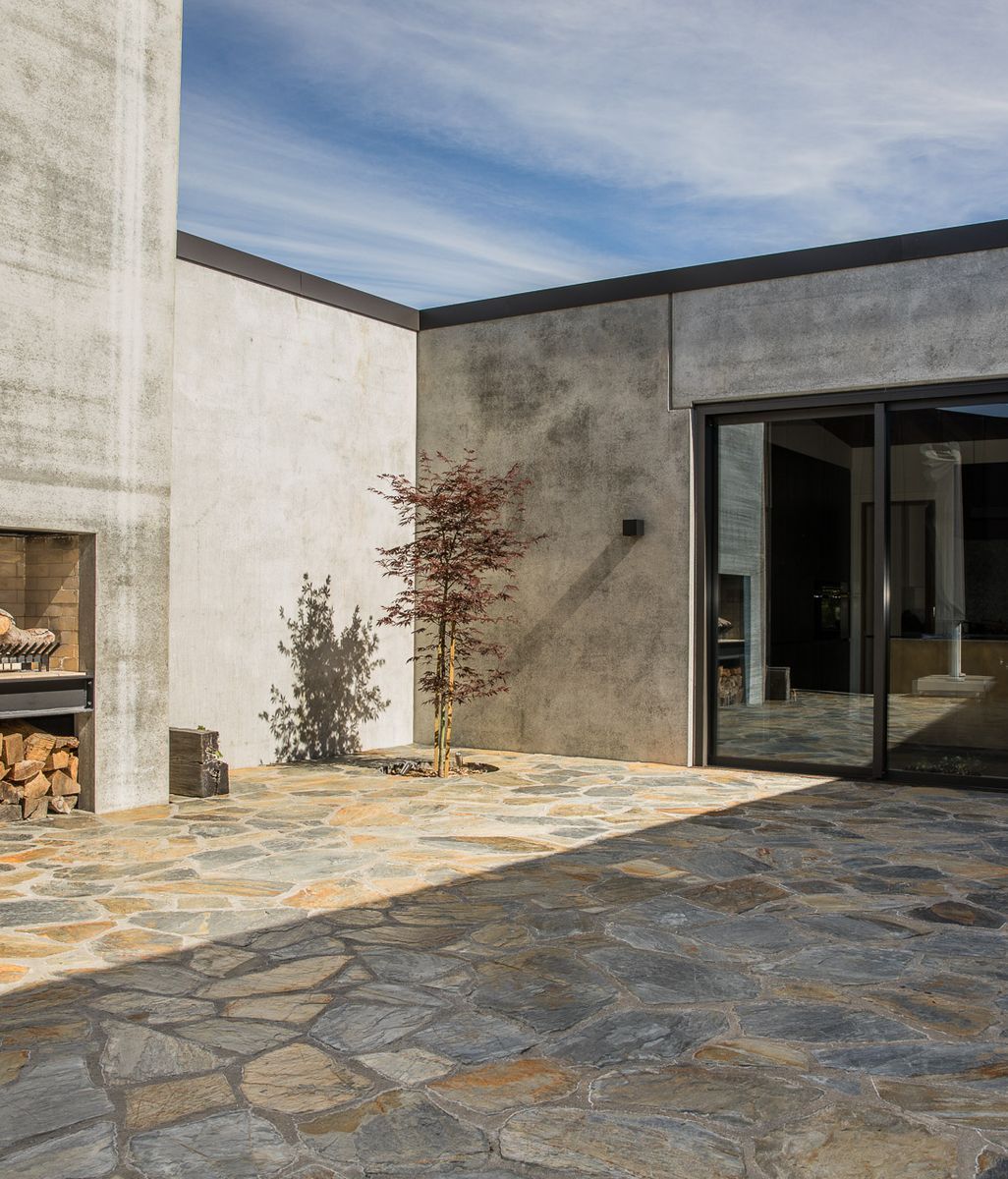
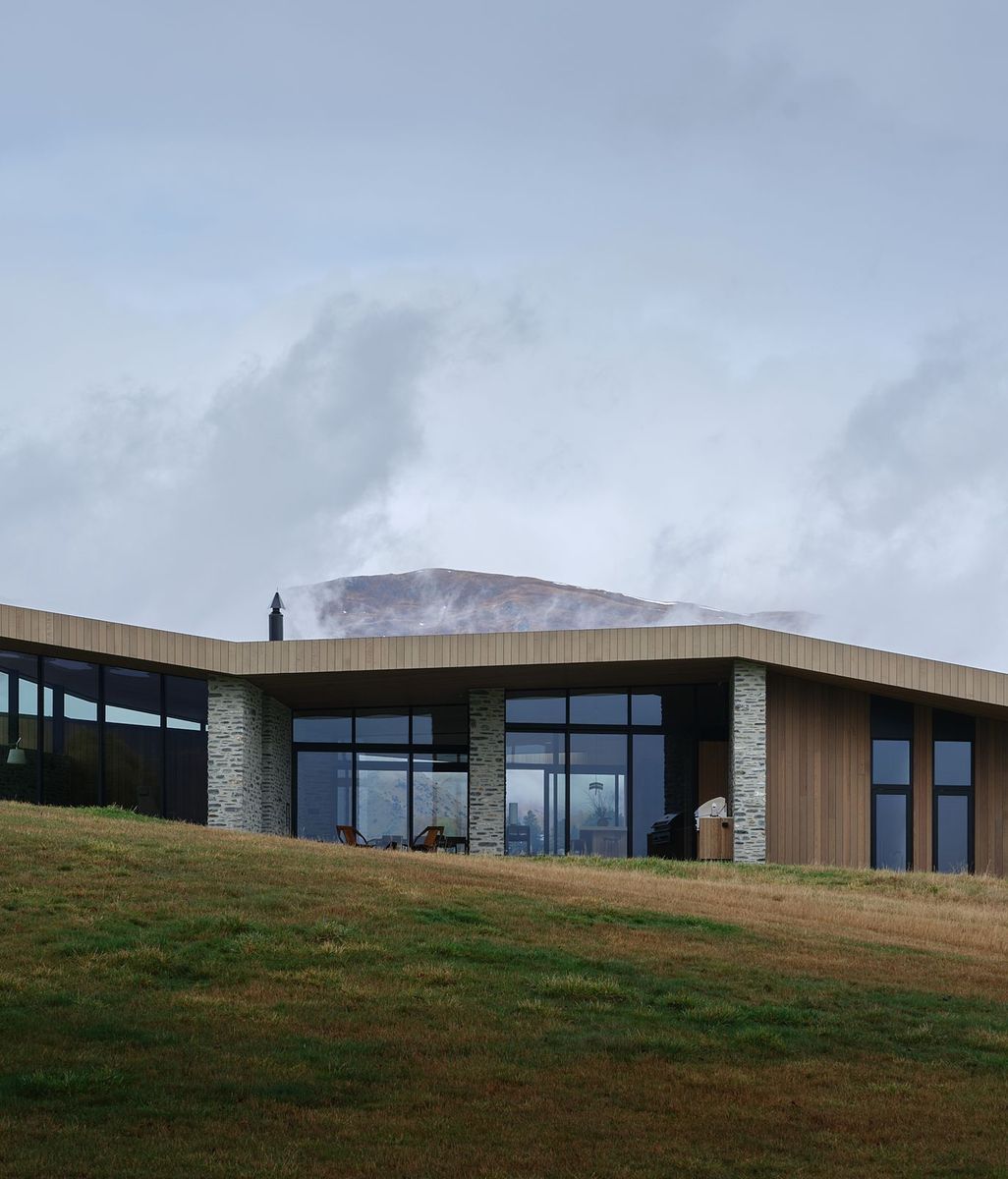
Designed by Ben Hudson Architects, the clean, linear aspect of the COLORSTEEL tray roofing and cladding contrasts with cedar and rustic schist at this Jack’s Point house.

The hidden impact on resale value


Roofing also plays an important role in how a property is perceived in the market. Prospective buyers are increasingly aware of building materials and long-term maintenance considerations, and a roof backed by a recognised brand and warranty can provide reassurance about the overall quality of a home.

Conversely, visible wear, uncertainty around materials, or signs of early deterioration can raise concerns during inspections and negotiations. For homeowners thinking long term, this makes roofing not only a construction decision, but a property value decision as well.

Because while cheaper roofing products may promise immediate savings, the long-term reality can look very different. And when a roof is expected to protect a home for decades, investing in genuine Colorsteel can ultimately mean spending less, protecting more, and avoiding the cost of doing the job twice.