Quality Over Quantity. Protection Beyond the Build

featuring Frame Protection System

Frame Protection System logo
  • 54.9K profile views
  • 12 saves

How ECL Builders and FPS Weathertight are putting long-term building performance ahead of short-term gains

Visit Website

Featured Professionals

Written by

  • Amy Lau

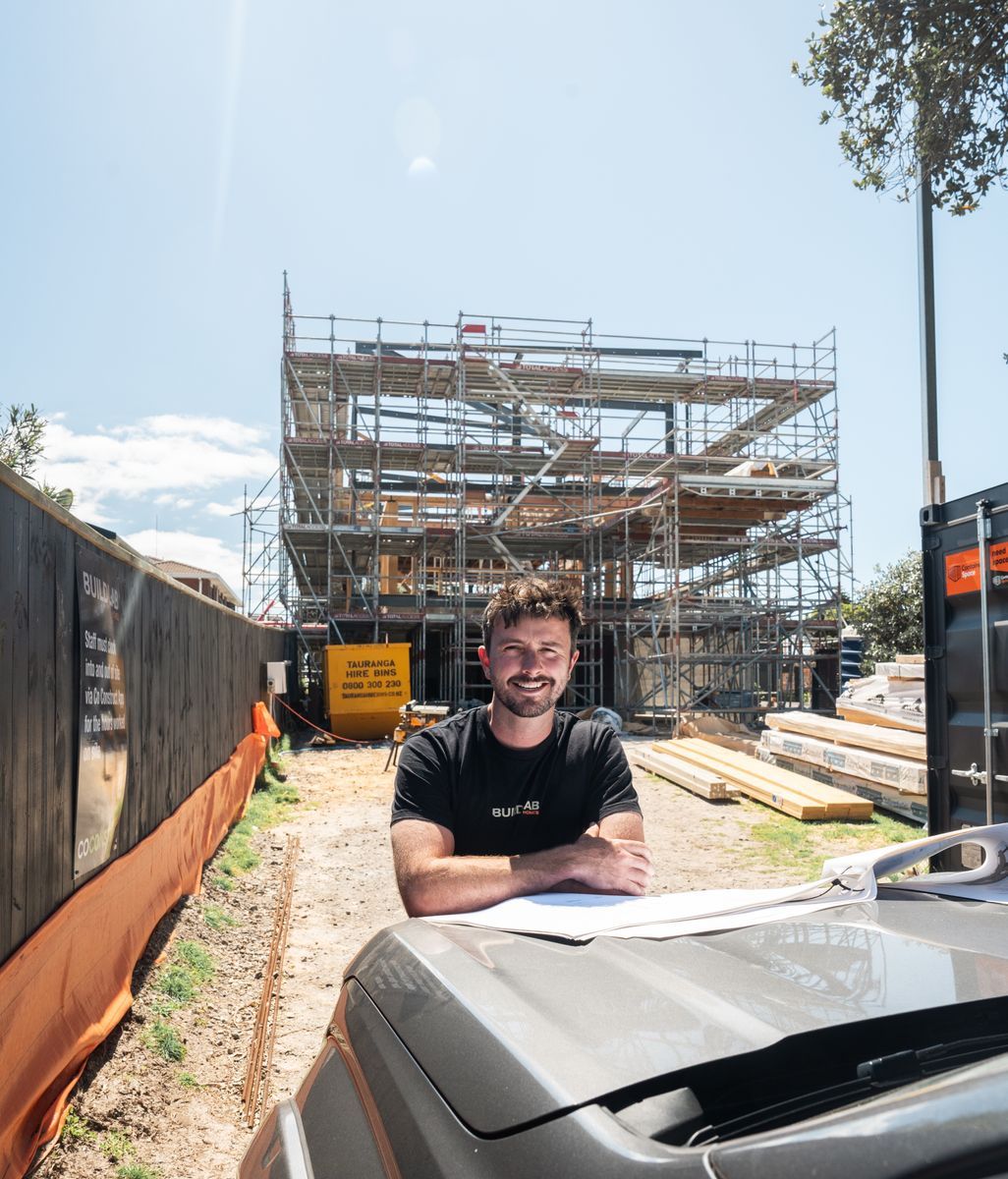
For family-owned ECL Builders, quality has always taken priority over quantity. By focusing on just a couple of projects at any given time, the team can dedicate the attention, care and craftsmanship required to get every detail right. And sometimes, it's the smallest details that make the biggest difference, even when they're never seen by the homeowner.

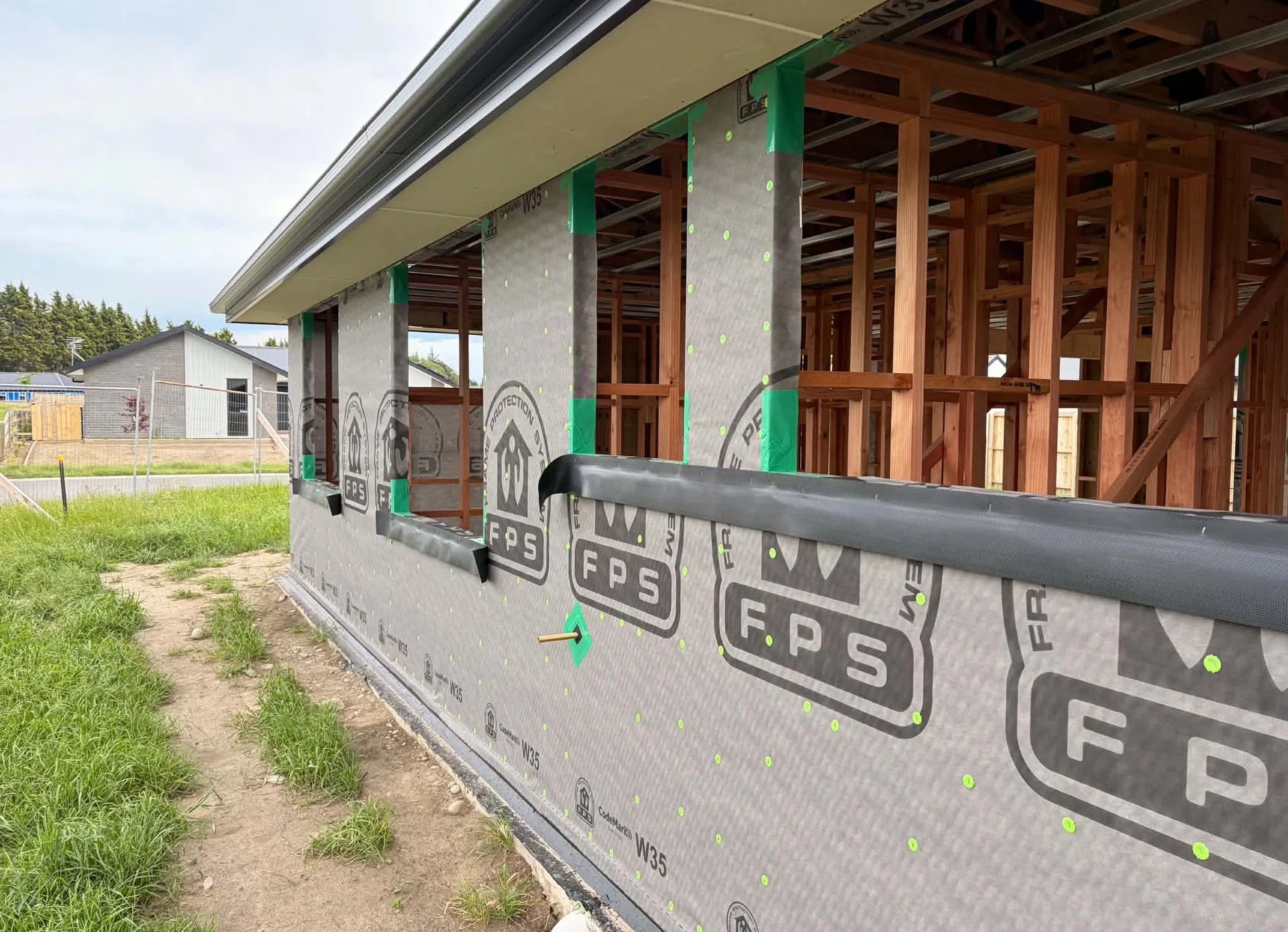
On a recent residential project in West Melton, on the outskirts of Christchurch, ECL Builders selected Frame Protection System (FPS) Weathertight as its wall underlay of choice.

While FPS is widely recognised for its early close-in capabilities, the decision to use the system was based on something much more than simply getting the building enclosed sooner. For ECL, it was about choosing a product that would continue to perform long after construction was complete.

"When we first started talking with ECL, like most builders, we assumed the main attraction was going to be the early close-in benefit," explains David, FPS South Island Representative. "However, it quickly became clear that the team understood there was more to the system than simply getting a building closed in sooner."

A builder who values the details

For Jesse at ECL Builders, the decision came down to quality, attention to detail and the long-term performance of the finished home.

"Focusing on a couple of builds at any given time means we can give each home our all. I'd rather spend a little more time making sure the wrap is installed properly, looks right and ultimately performs as well as it possibly can. Knowing it's going to do its job for the long haul is important to us."

It's often the smaller details that stand out to builders who take pride in their workmanship. One feature Jesse particularly appreciates is the black tape used to seal and protect the bottom edge of the FPS Weathertight system.

"I love the bottom stuff, " he says.

Frame Protection System

It's a simple comment, but one that speaks to the importance of thoughtful detailing. The black tape helps provide a sealed, protected finish at the base of the wrap, an area that could easily be overlooked but deserves the same attention as the rest of the building envelope.

For Jesse, it's another example of why the complete system matters. Good building isn't just about how something looks when it's finished. It's about understanding the purpose of every component and taking the time to install it correctly.

"The early close-in benefit is certainly valuable because it helps reduce delays and keeps projects moving, but when the wrap can offer so much more beyond that, it's a no-brainer."

Frame Protection System

It's an approach that reflects ECL's wider building philosophy. Rather than looking at building products purely in terms of their immediate benefits during construction, the team considers how each component contributes to the quality of the finished home.

After all, once the cladding is installed, the building wrap becomes largely forgotten. But its job is far from over.

Early close-in was never the whole story

Interestingly, early close-in wasn't the original driving force behind FPS.

The system was developed with a broader objective in mind: delivering reliable weathertightness while supporting the management of moisture within the building envelope.

Early close-in came later, following discussions with CodeMark during the development and certification process. At the time, the concept was relatively unfamiliar within the building wrap market, but it has since become one of the most recognised advantages of the FPS system.

For FPS, however, early close-in has always been an added benefit rather than the sole reason for using the product.

"Early close-in is a great advantage, but it's only one part of what the system is designed to do," explains Michael, FPS South Island Manager

Frame Protection System

"Once the cladding is installed, FPS continues to provide protection behind the cladding while allowing water vapour to escape from the building envelope. That's particularly important because a home doesn't just need protection while it's being constructed. It needs protection long after the builders have packed up and handed over the keys."

And that's where the real value of a quality building wrap becomes apparent.

Keeping moisture out is only half the story

One of the common misconceptions surrounding building wraps is that once the cladding is installed, the home is effectively protected from moisture.

While cladding provides the primary external finish, the building envelope needs to account for much more than rainwater alone.

New Zealand homes generate considerable amounts of internal moisture through everyday activities such as showering, cooking, washing, drying clothes and even breathing.

Some of that moisture can move into wall and roof assemblies through air leakage and vapour diffusion. If moisture enters these spaces and cannot dry effectively, it can contribute to condensation, dampness and, over time, damage to building materials.

"Keeping the house dry during the early close-in phase is the first step. Protecting it from external elements once the cladding is on is the bigger picture," says Michael.

"People often forget just how much moisture a home generates internally. That moisture needs somewhere to go. It's not enough to simply keep water out; you also need to consider how water vapour is managed within the building envelope."

This is where the design of FPS Weathertight becomes particularly important.

By combining external water resistance with vapour permeability, the system is designed to help protect the building from external moisture while allowing water vapour to pass through the wrap, supporting the drying potential of the wall assembly.

Of course, effective moisture management relies on the complete building design, including appropriate ventilation, insulation, cladding and correct installation.

But the building wrap plays an important role within that system.

It's a distinction that makes FPS about much more than getting a building closed in quickly. It's about considering how the building envelope performs throughout the life of the home.

Protection that continues long after construction

For ECL Builders, selecting FPS Weathertight was about investing in the performance of the finished home, not simply finding a way to accelerate the construction programme.

From taking the time to install the wrap correctly to appreciating the black tape that seals and protects its bottom edge, Jesse's approach reflects a builder who understands that quality is achieved through attention to detail.

It's also a reminder that the best building products aren't necessarily the ones that offer the quickest or most obvious benefits. Sometimes their greatest value is in what they continue to do quietly, year after year.

For homeowners, those decisions may never be visible.


They may never see the FPS system once the cladding is installed. They may never know the time spent ensuring the wrap was correctly positioned, detailed, sealed and protected.

But that's exactly the point.

The best building decisions aren't always the ones you can see. They're the ones that continue doing their job long after the build is finished.

Built with care. Protected for the future.

At Frame Protection System, the objective has always been straightforward: provide reliable protection against external moisture while supporting effective moisture management within the building envelope.

Early close-in is a valuable advantage, helping builders protect their projects and keep construction moving through New Zealand's unpredictable weather.

But long-term building protection is the bigger picture.

Discover more about FPS Weathertight and how the system can support your next building project. Contact the FPS team to learn more.