The perfect mix of experimentation and restraint: How ABI Interiors’ in-house design team achieve balance between form and function

Written by

24 August 2026

 • 

6 min read

banner
For family-founded bathroom and kitchen fixture company ABI Interiors, experimentation informs everything they do. We talked to head of Research and Development, Rhys Beal, about what it takes to develop products that balance refined aesthetics, practical functionality and enduring quality.
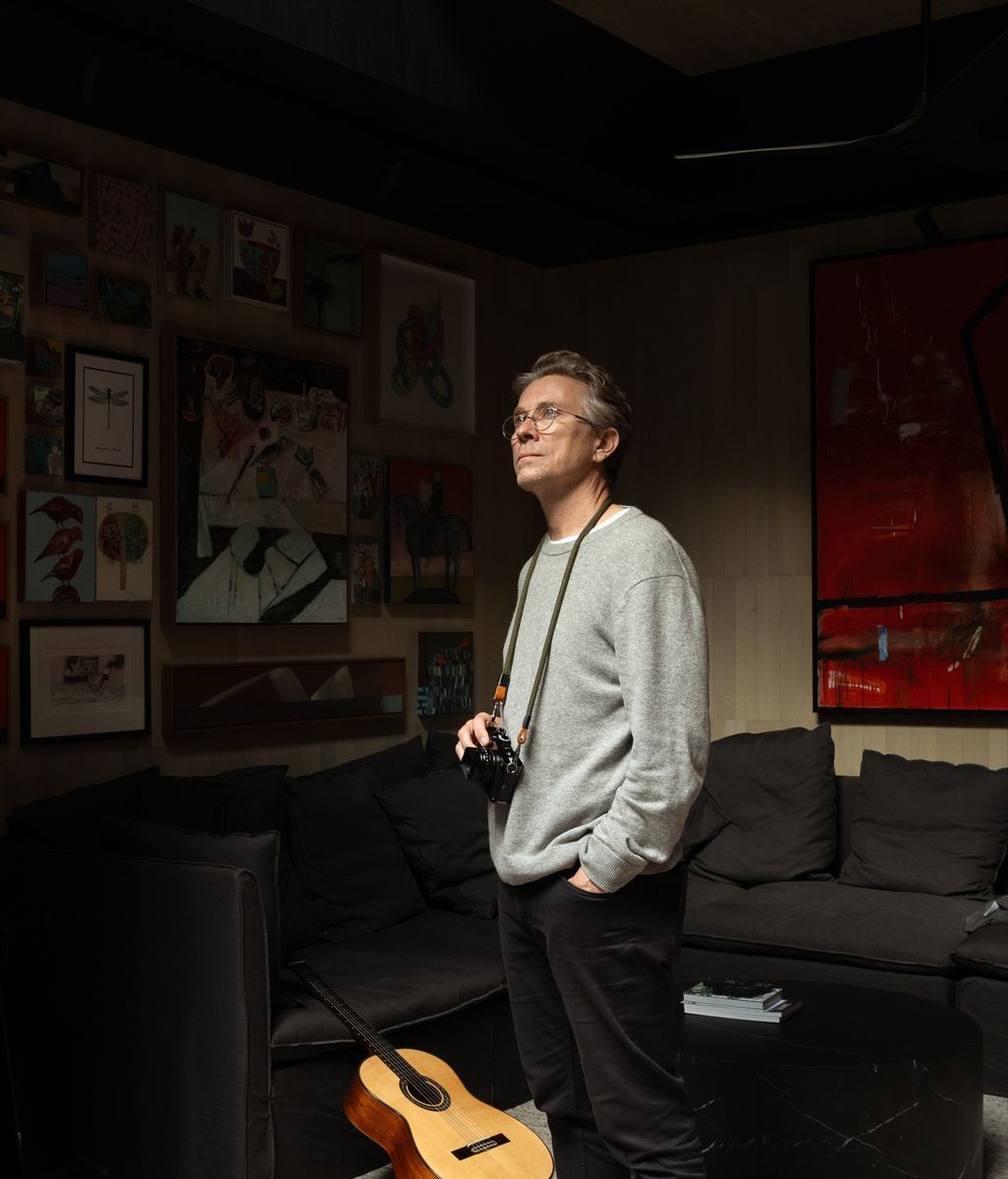
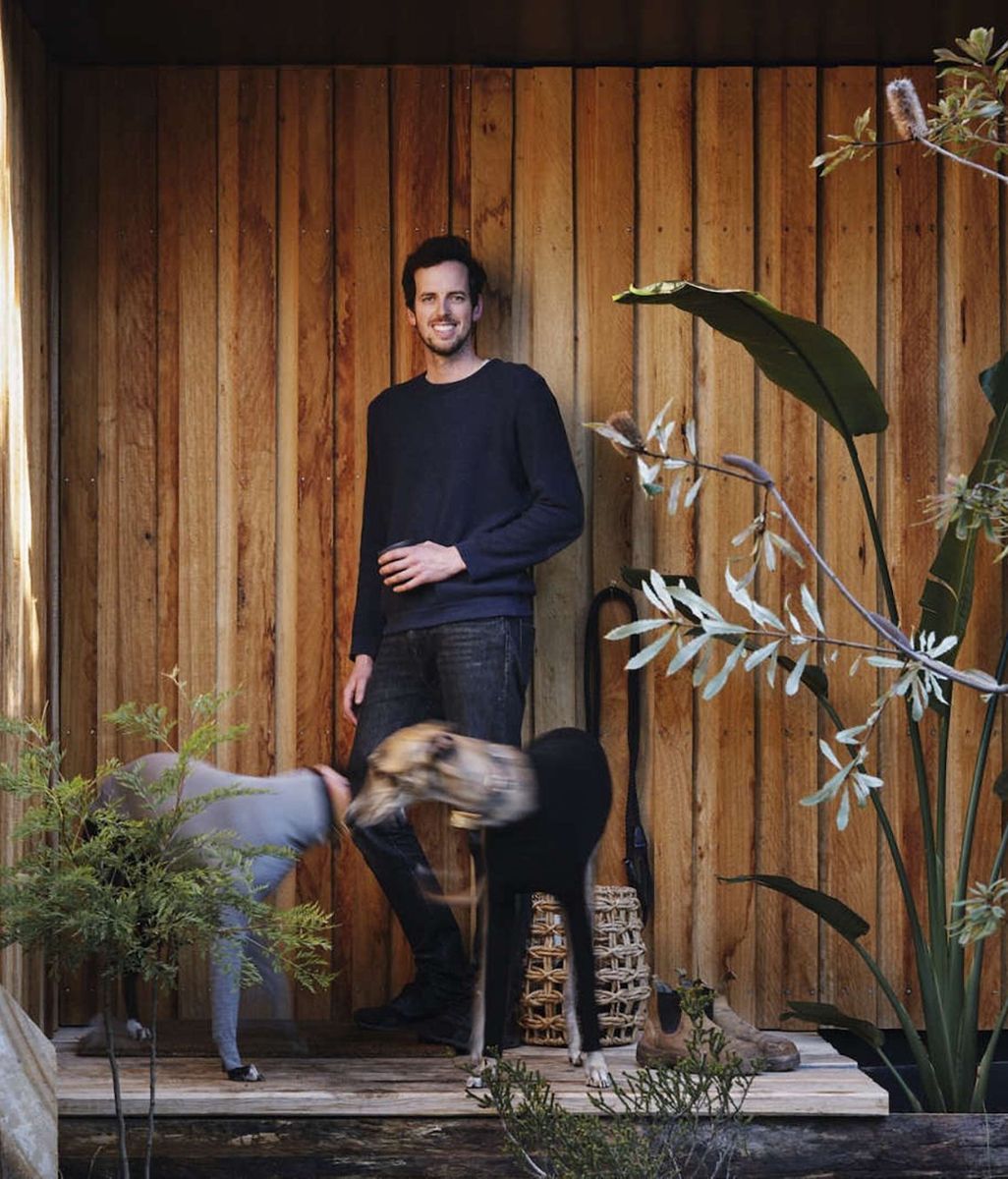
Before joining ABI Interiors six years ago, Beal was on the tools as a plumber. That background gave him an understanding of fixtures not simply as objects to be admired, but as functional pieces that need to be easily installed and withstand everyday use.

It’s perhaps not surprising then that aesthetics are only ever part of the equation when it comes to any new product Beal and his team touch. “Having been a plumber, I know the practical constraints and headaches that come with poorly designed products,” Beal says. “Of course we want it to look good so that it brings joy, and we also want it to function and deliver and stand the test of time.”

For Beal, good design depends on understanding both the desired aesthetic and the constraints that need to be worked within, and pushed against.

Rocabella-HR-08-ap-compressed.jpg

Creativity within constraints

Constraints, rules and regulations are often considered the enemy of creativity. In reality, they can be the very thing that makes a design better. For ABI, those constraints range from regulatory requirements and manufacturing processes to installation, material performance, durability and cost.

While cost is the most unsexy constraint, typically leading to thoughts of budgets or final products that lack design and quality, this couldn’t be further from the truth for ABI. As Beal explains, the company’s ethos of making good design accessible pushes them to think even more critically and creatively about both design and quality. 


Suku-House-54-ap-compressed.jpg
Suku-House-58-ap-compressed.jpg

ABI’s pared-back aesthetic isn’t purely a matter of taste. Taking something away can make a product more refined while simplifying production and reducing unnecessary material inputs. 

“Good design shouldn’t be expensive. Price is not an accurate indicator of quality,” says Beal. “Good design is the result of putting the time and effort into every detail and asking how we can make this better on every level.” Through this lens, minimalism is equally about achieving a particular look and simultaneously resisting the temptation to add something without a valid reason. 

AURA-HR-24-ap-compressed.jpg

This approach has been fostered by ABI’s founders since day one. It’s their willingness to invest in design, manufacturing and experimentation that gives the in-house, Gold Coast based R&D team room to test beyond the industry standard.

“You need to fail and you need to be trying things. You can’t just pigeonhole yourself and be safe,” says Beal.

R-D-11-ap-compressed.jpg

Two years, one tumbling machine and a lot of trial and error

The development of ABI’s Antique Physical Vapor Deposition (PVD) finish is a case in point, and it began with a tumbling machine that once lived almost literally in a cupboard.

When ABI brought its PVD, finishing capabilities in-house, it gave the team an opportunity to start playing. Traditionally, an antique finish had been achieved through electroplating. ABI wanted the same organic variation and tactility, but with the greater durability offered by PVD.

“It started off as something that we were playing around with,” recalls Beal. “We had a tumbling machine in a small room not much bigger than a closet, and we thought one day, hey, what if we tried something…”

Quality-and-Manufacturing-26-ap-compressed.jpg

What sounds like an innocuous experiment turned into almost two years of development. The tumbling process creates tiny irregular markings across the surface. The challenge was combining that deliberate imperfection with PVD – which applies an ultra-thin, highly durable coloured metal layer to another surface – while still achieving the performance ABI required.

“We kept experimenting. We kept learning why some things worked and why others didn’t,” says Beal.

Two years later, the team released one of the first PVD Antique finish products on the market. The result is an interesting contradiction: visually aged and irregular, yet engineered to resist modern-day wear and tear.

ABI Interiors - Tumbled Aged Brass, Natural Patina.  Launching soon.
ABI Interiors Antique Aurum - PVD Coated. Launching soon.

Connecting the dots

Bringing different capabilities in-house has created another benefit for ABI: knowledge doesn’t have to stay within the category in which it was first acquired.

The company works across tapware, bathroom accessories, door hardware, glass hardware and beyond. Learning how one mechanism works or how a material behaves can unexpectedly provide the answer to a problem somewhere else.

“What is even more exciting is the capacity for cross-pollination between different product ranges and types,” says Beal. “What we learn about taps, for example, can be applied to cabinet pulls and vice versa.”

ABI’s pass-through Mini Filter Tap is one example. Its inline cartridge allows water to pass directly through the mechanism, making it possible for the fixture itself to become slimmer.

“It’s small things like that that you can use to reinvent a functionality, and then it gives you more design freedom to try and make something look even more minimal or operate differently,” says Beal.

The tap hasn’t simply been styled to appear more refined. Its pared-back proportions are possible because something fundamental about the way it works internally has been reconsidered. Function, in this case, has created form.

Mini-Filter-Tap-2-ap-compressed.jpg
Mini-Filter-Tap-6-ap-compressed.jpg

An in-house feedback loop

That flow of information isn’t confined to manufacturing and R&D. ABI’s sales teams, design consultants and interior designers are also involved in product development, exposing the team to a broad range of tastes and preferences.

“Some people might like provincial, some people might like minimalistic,” says Beal. “It’s good to have such a variety because you have different portfolios of people’s tastes and you can use that to your advantage.”

Our-People-26-ap-compressed.jpg

What’s next: the future is digital, even for bathrooms?

For someone as interested in what sits inside a tap as Beal, smart-home technology presents an intriguing proposition.

Many tapware and shower-control dimensions are still determined by mechanical necessity. A cartridge has a certain size, and the object around it can only become so small.

“That’s the part that we kind of nerd out about,” says Beal. “If we can get this smaller, you can make the entire product even more refined, minimal and sleek.”

Quality-and-Manufacturing-67-1-ap-compressed.jpg

Digital technology could eventually relocate much of a fitting’s mechanical operation, freeing the visible fixture from some of the constraints that dictate its form. Smart showers could also remember individual preferences or provide insights into water consumption.

AI, too, has Beal’s attention, although not as a replacement for design thinking. Instead, he sees its potential in providing better insights, running analysis and accelerating experimentation.

But new ways of testing and designing also make it easier to get carried away. Which is precisely why ABI’s ethos of restraint and first principles matters just as much.

Suku-House-63-ap-compressed.jpg

New technology still needs to be intuitive, installable and reliable. Ultimately, it has to warrant its inclusion.

“It takes a little bit of time for us to bring new ranges to market because it’s a balancing act,” says Beal. “We’re always trying to make sure the quality, the installation, the usability, the aesthetics, all of it needs to be done to our exacting standards.”

Experimentation may open up the possibilities, but restraint determines which ones are worth pursuing.

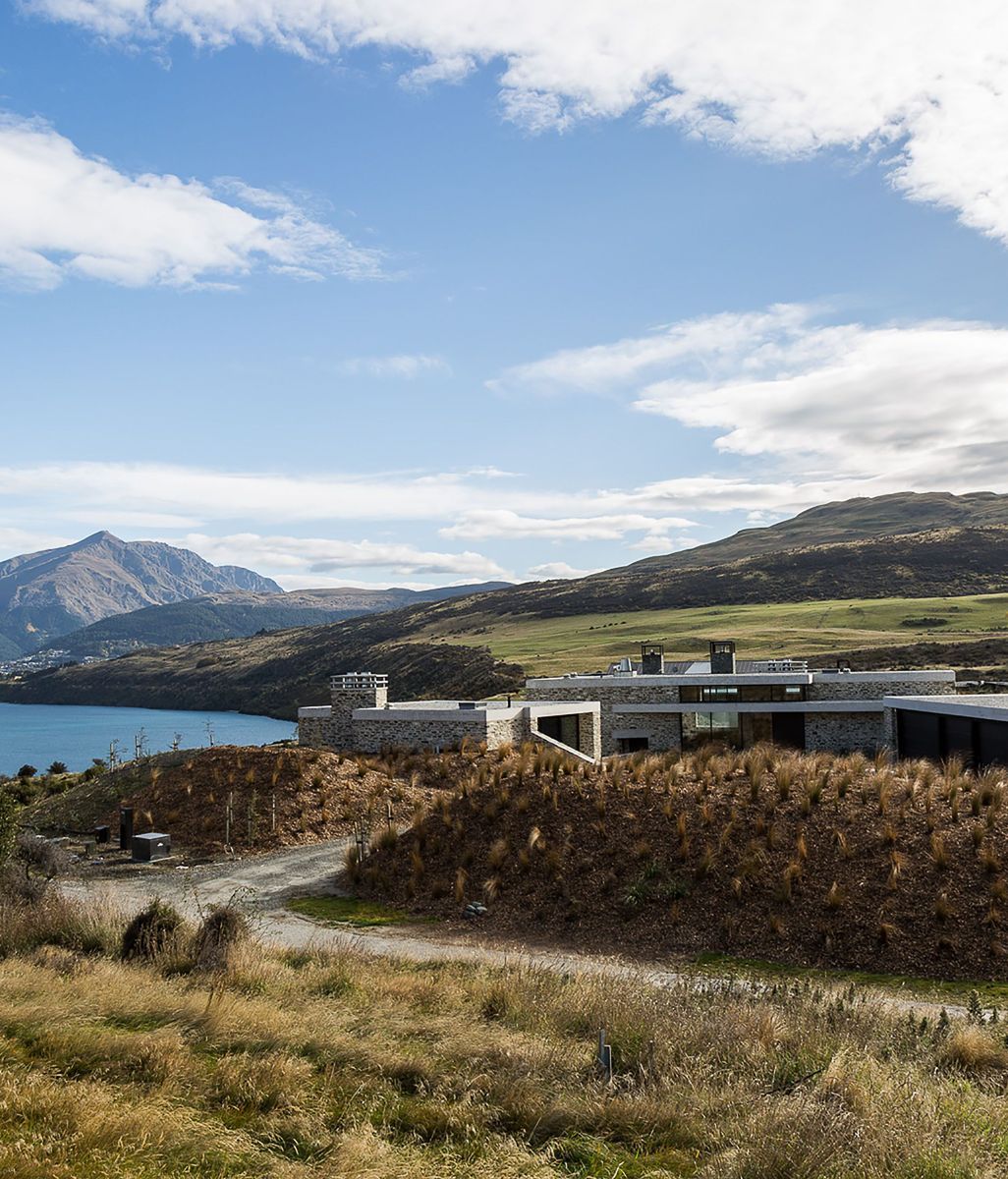
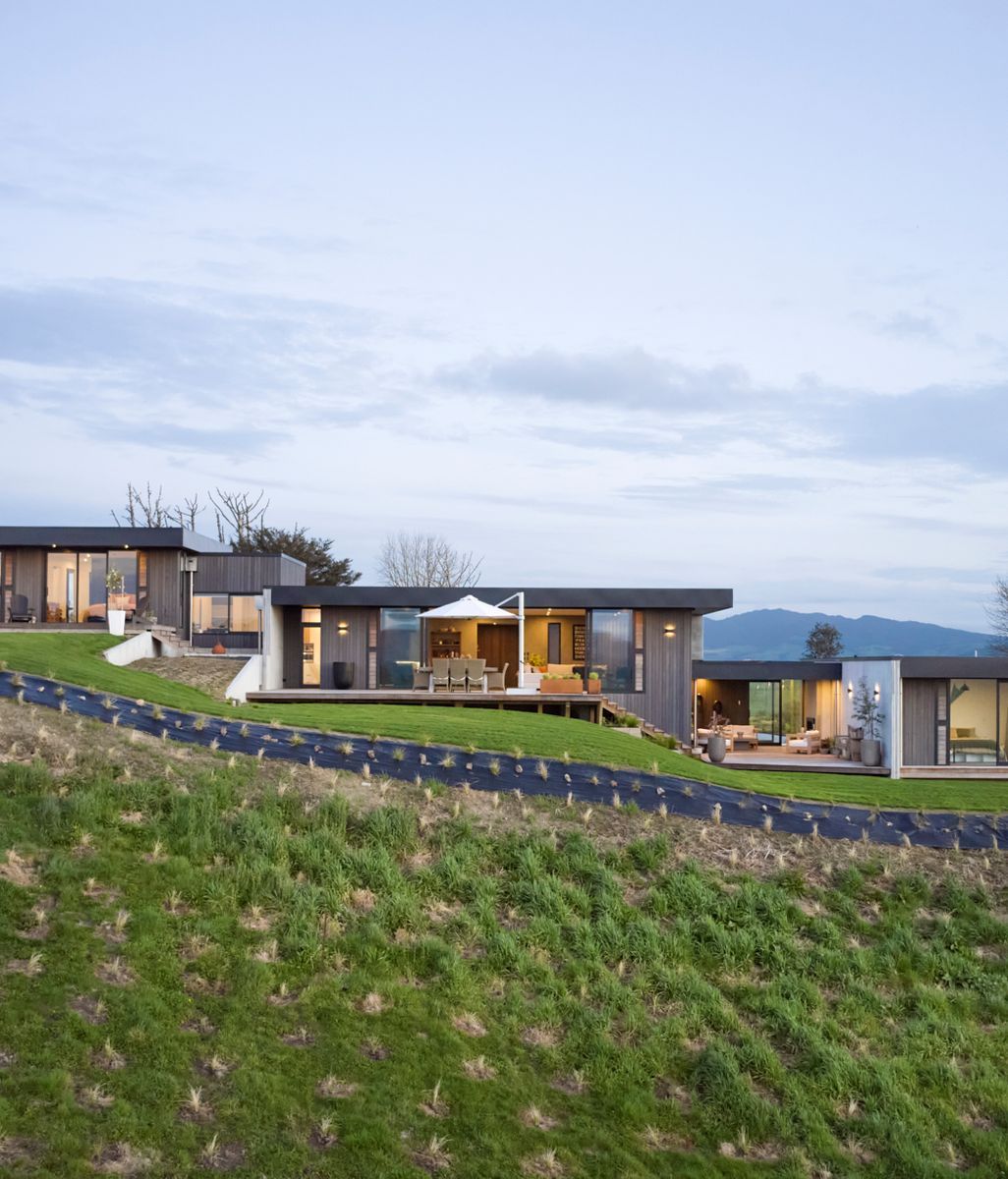
Discover more of ABI Interiors elegant minimalist products and see how they come to life to infuse a home with sophisticated warmth in Minaret Ridge, built by Christie Brothers Builders.