5 things homeowners need to know before building
Written by
21 September 2026
•
6 min read

Building a new home or undertaking a significant renovation is a very exciting time for any homeowner—yet it can be equally daunting. Scouring architecture platforms like ArchiPro and collecting images for your Design Board are great ways to get inspired and narrow down your vision, but you don’t want to get stuck at the inspiration stage of the journey.
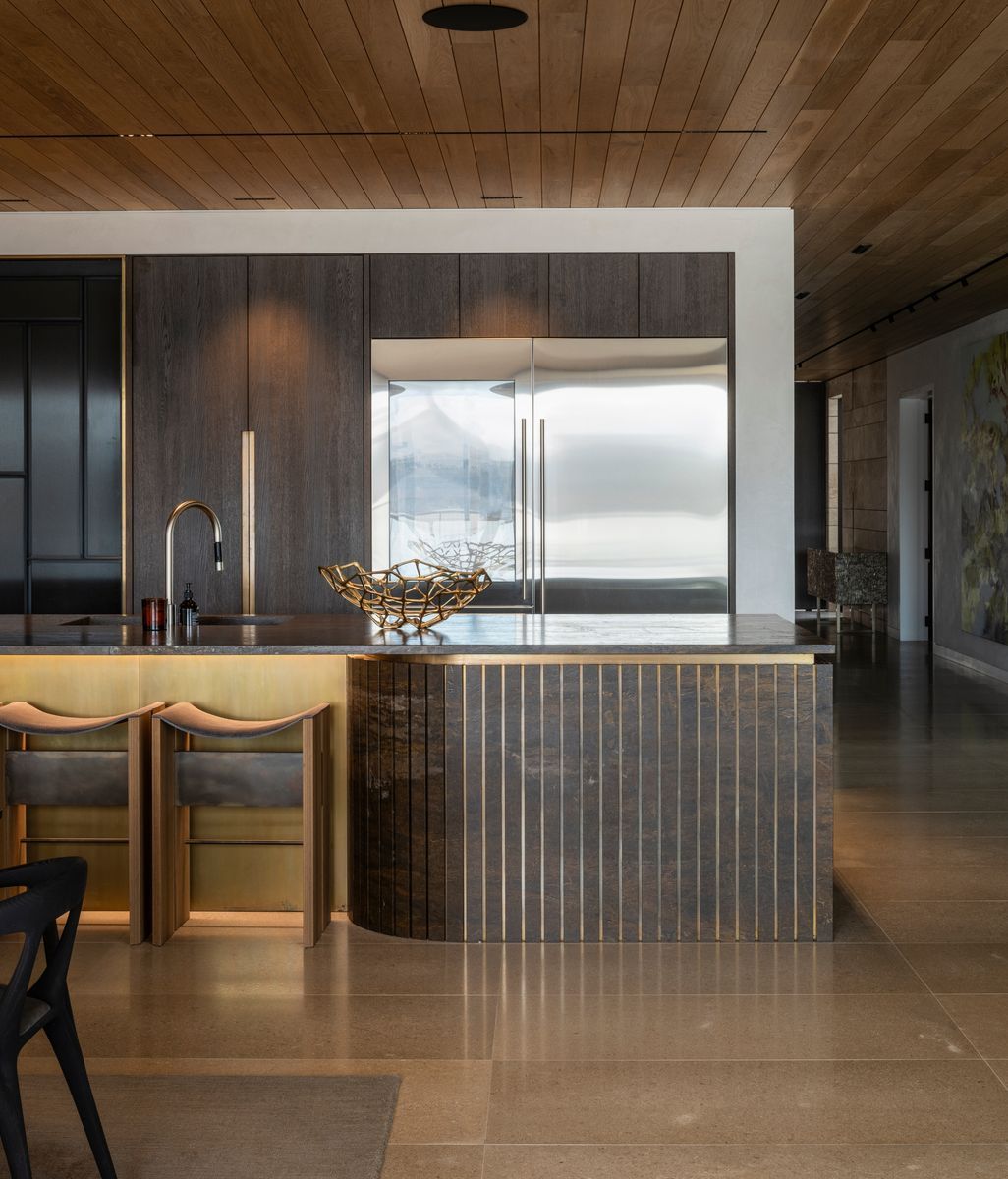

To help you better navigate the building or renovation journey, Turner Road Architecture director Lee Turner outlines the five key things homeowners should know before kick-starting their project.
How to choose your design professional
A new home or renovation will often take several years from concept to completion, so choosing your design professional is not only about whether they can deliver the project, but whether you will enjoy working with them.
“It’s often quite tricky to gauge in just one conversation, but some things to look out for are: Are they listening to you? Are they taking your ideas on board? Are they throwing some ideas out there?” says Turner.
He says you should feel comfortable that your design professional will challenge you and open your mind to new ideas, while also respecting your opinion, non-negotiables, and contributions.
It’s also important to look at their previous work, ask to speak to previous clients about their experience, and check to see if they are part of a governing architectural organisation such as ADNZ or NZIA.
“It's great if the designer or the architect is part of an organisation that has rules and responsibilities and a code of conduct,” says Turner. “Sometimes projects do turn bad, and if you can't sort it out with the designer or architect, then you've got an organisation that has your back.”
It's also important for insurance purposes that your architect or architectural designer has everything covered, and being part of one of these organisational bodies requires them to do so.

What to prepare for your first design meeting
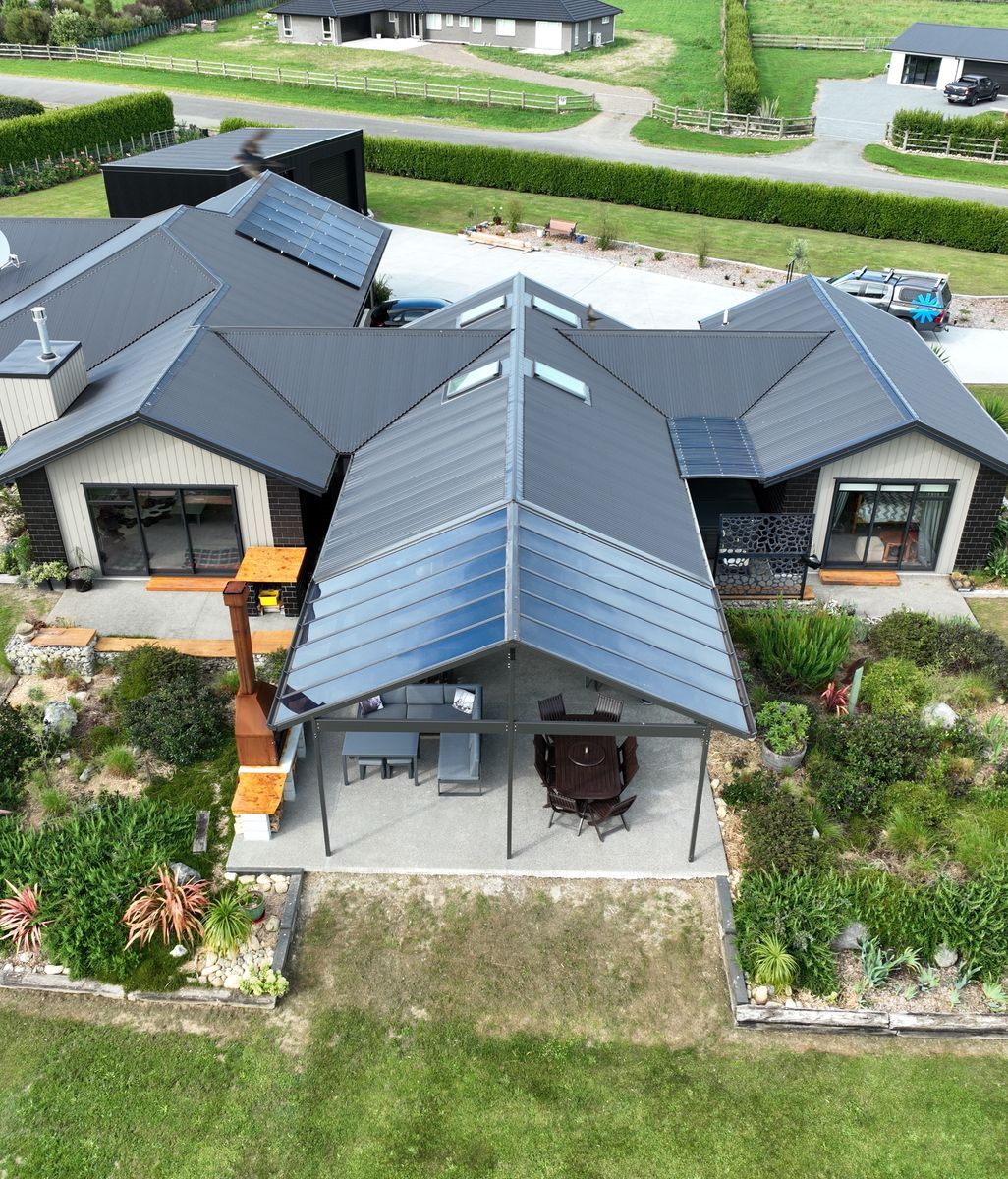
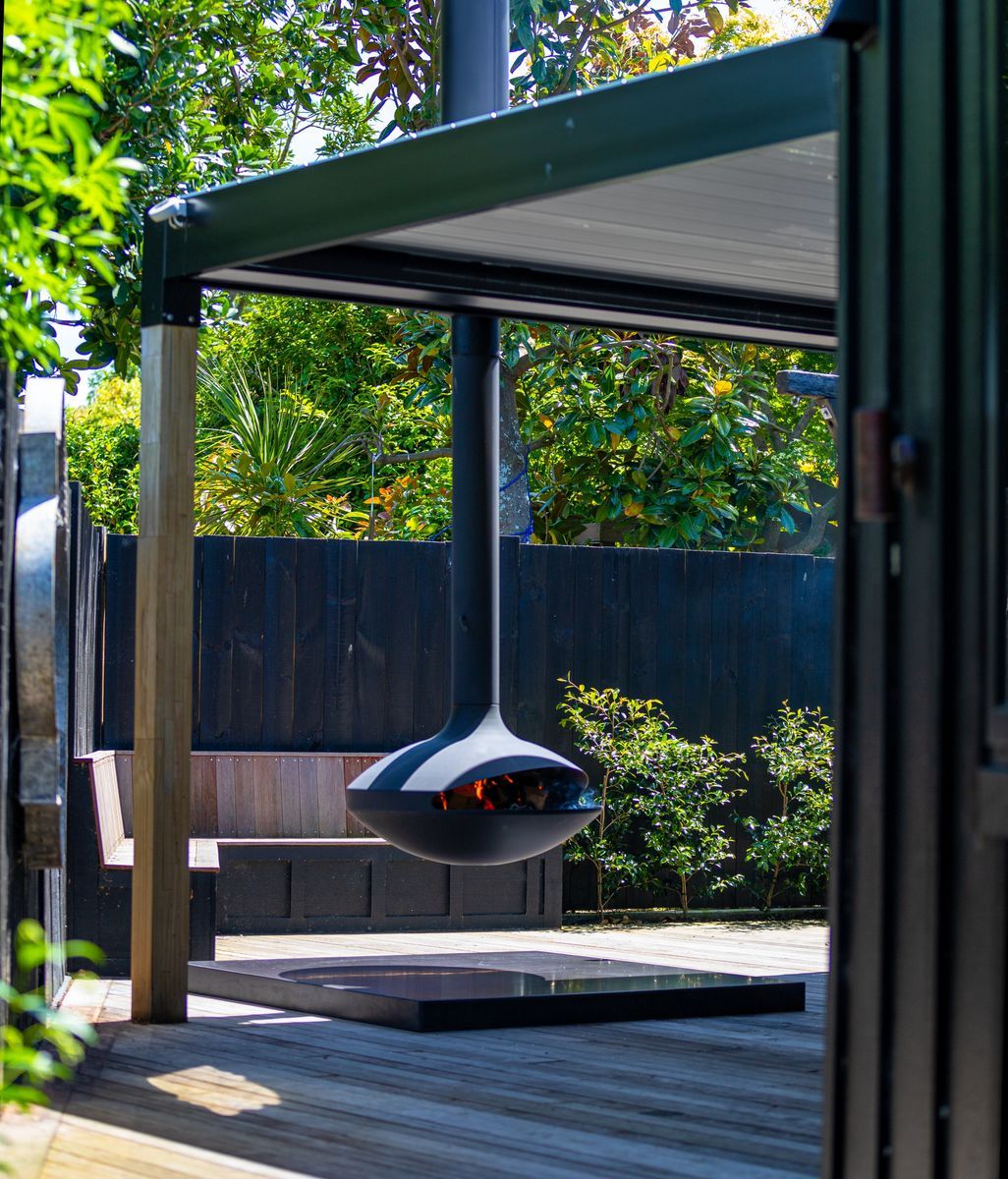
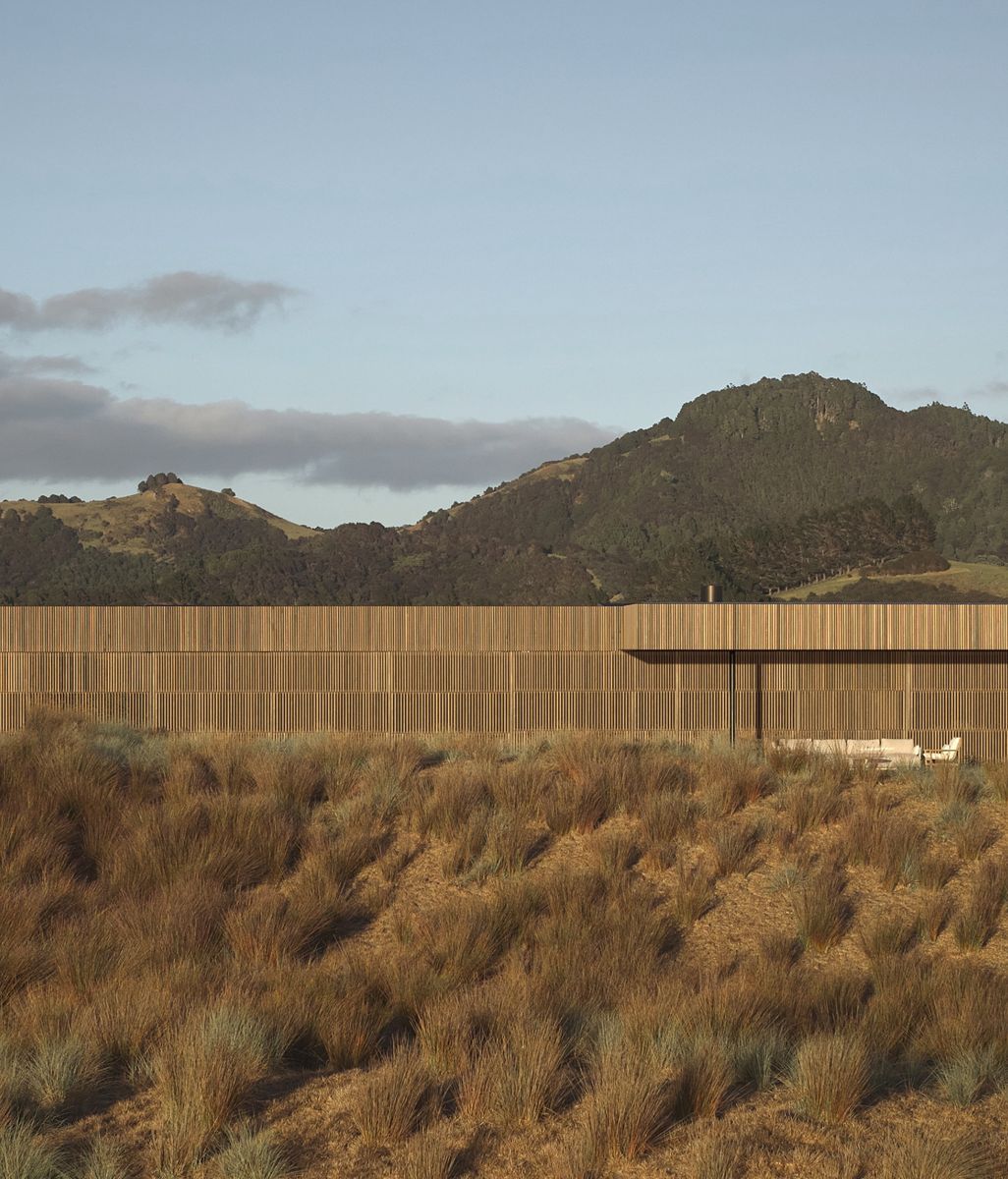
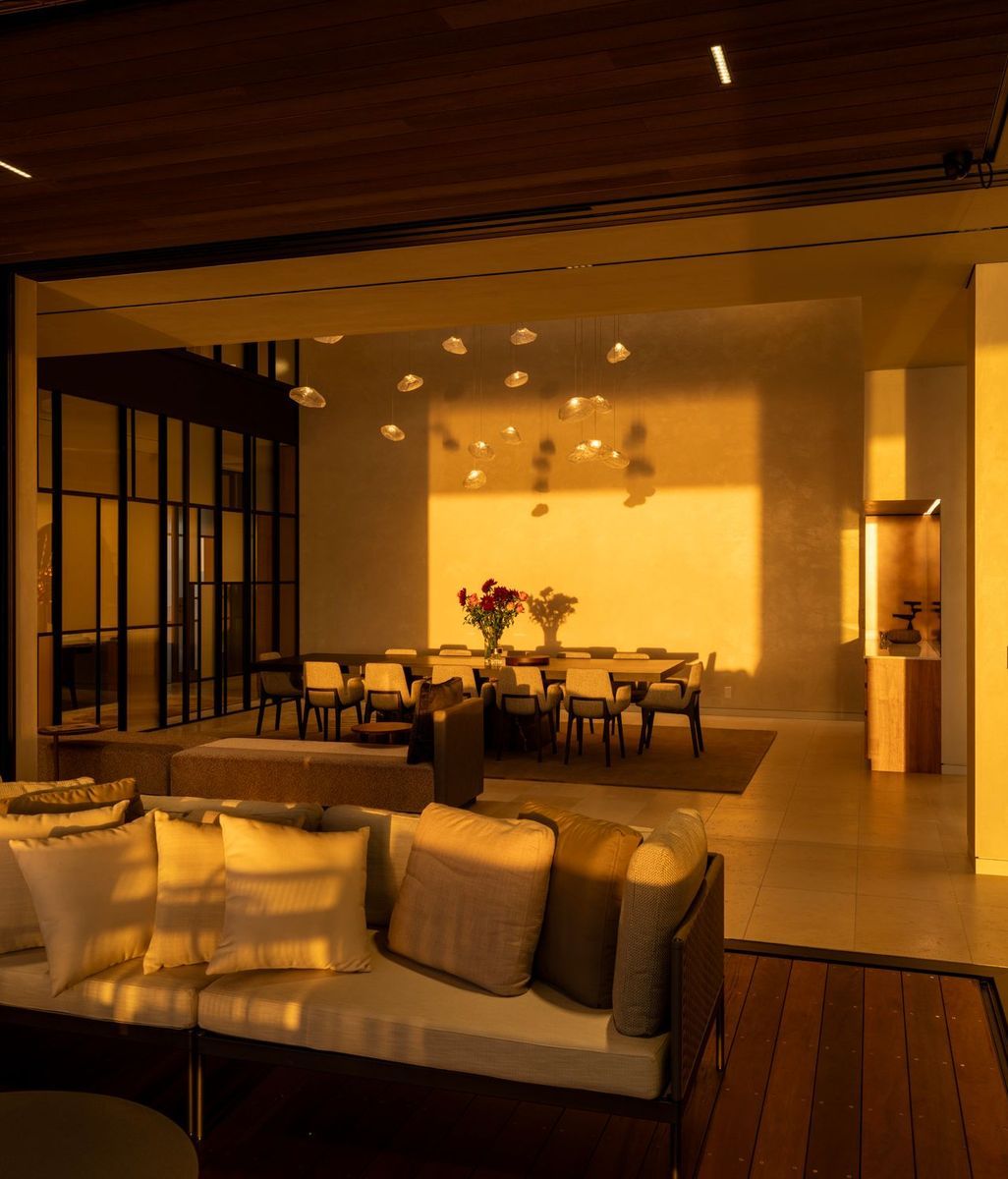
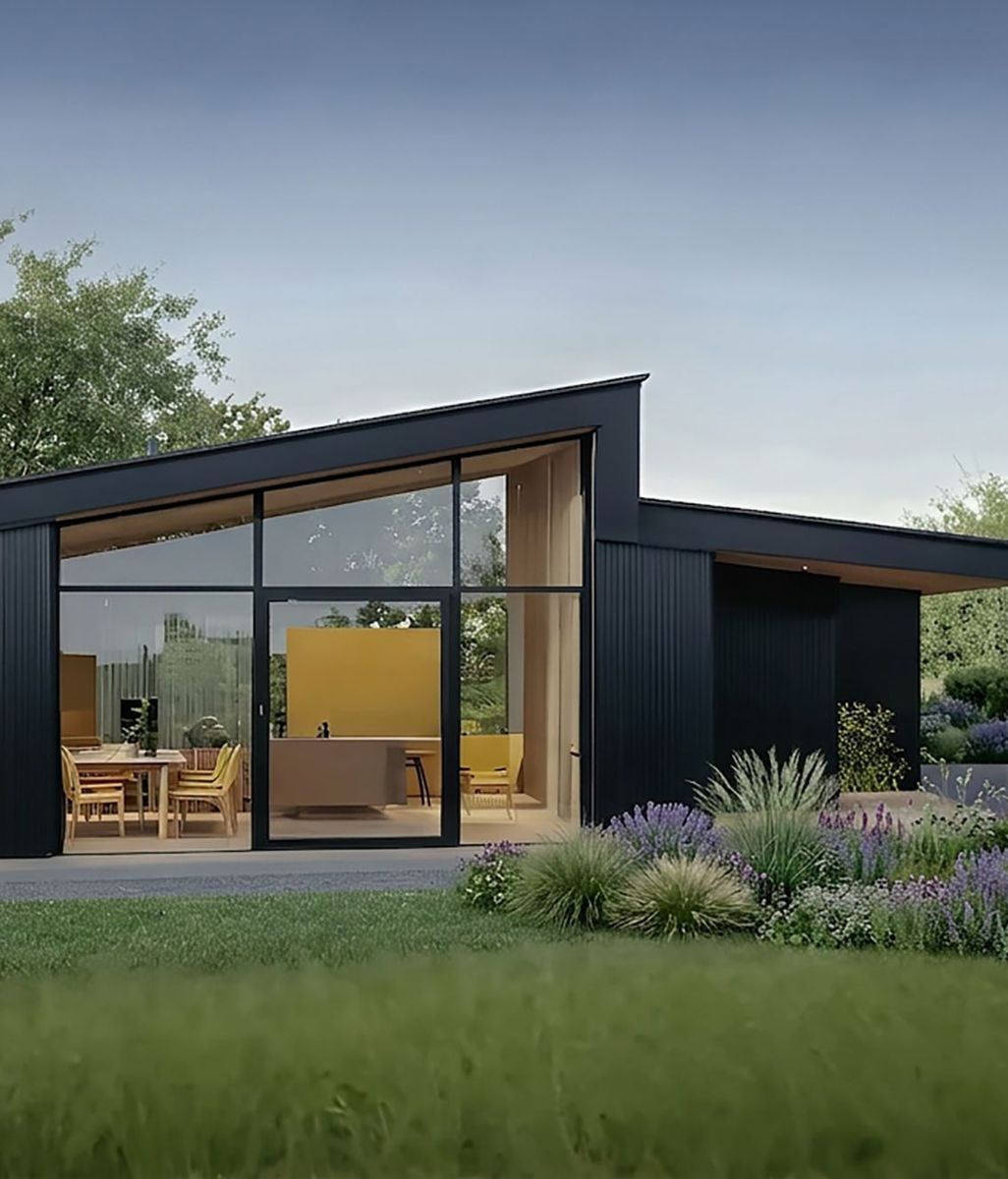
Once you’ve interviewed a few design professionals and chosen who you’re going to work with, it’s time for your first design meeting. To prepare for this, Turner suggests you come armed with images you’ve found online that align with the style or form of house you’re after.
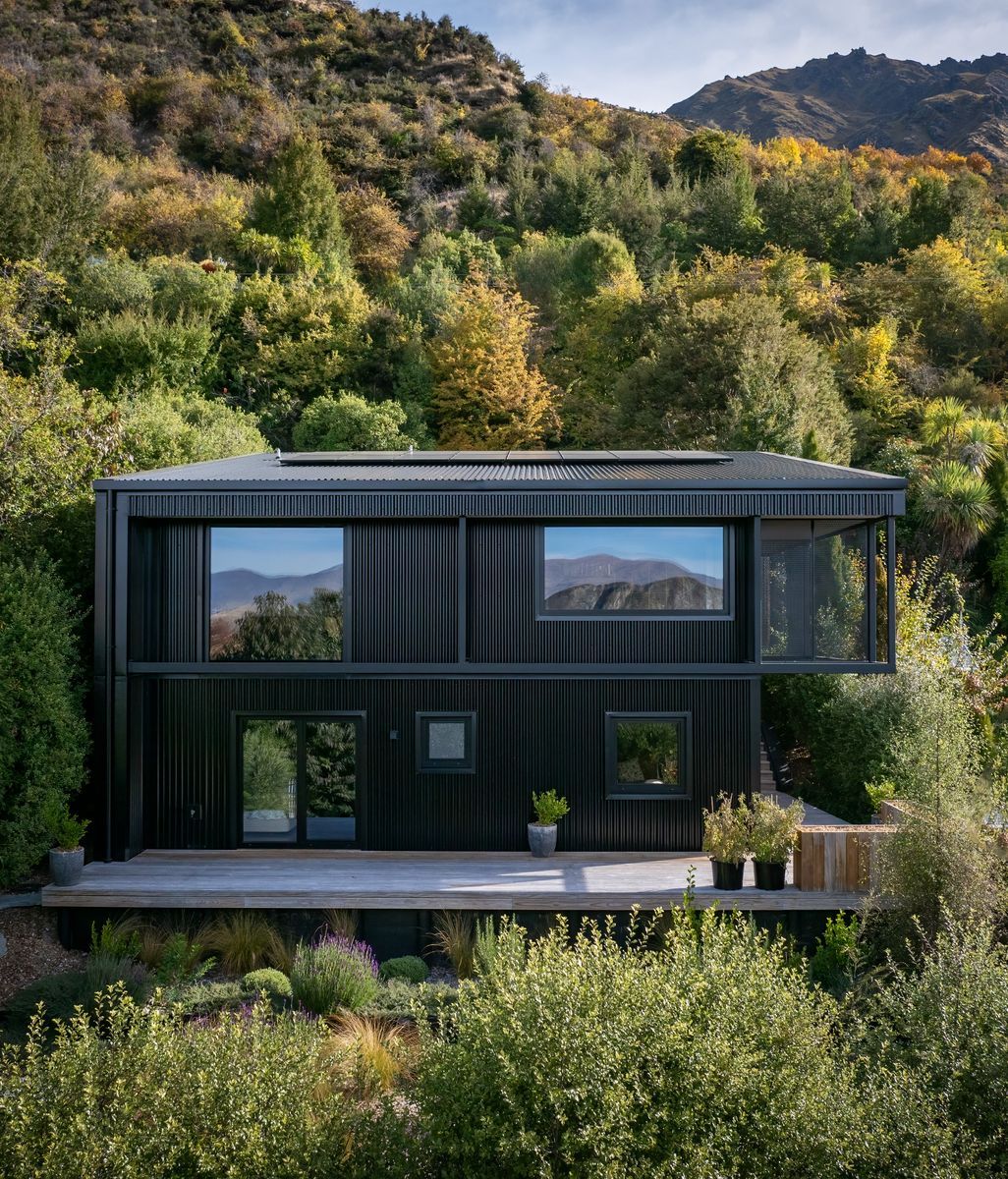
“They should also look at their designer’s website to familiarise themselves with what they've done before,” he says. “We often have people come to us because they've looked at our website and seen one of our buildings, and they really like certain aspects of one of our projects."
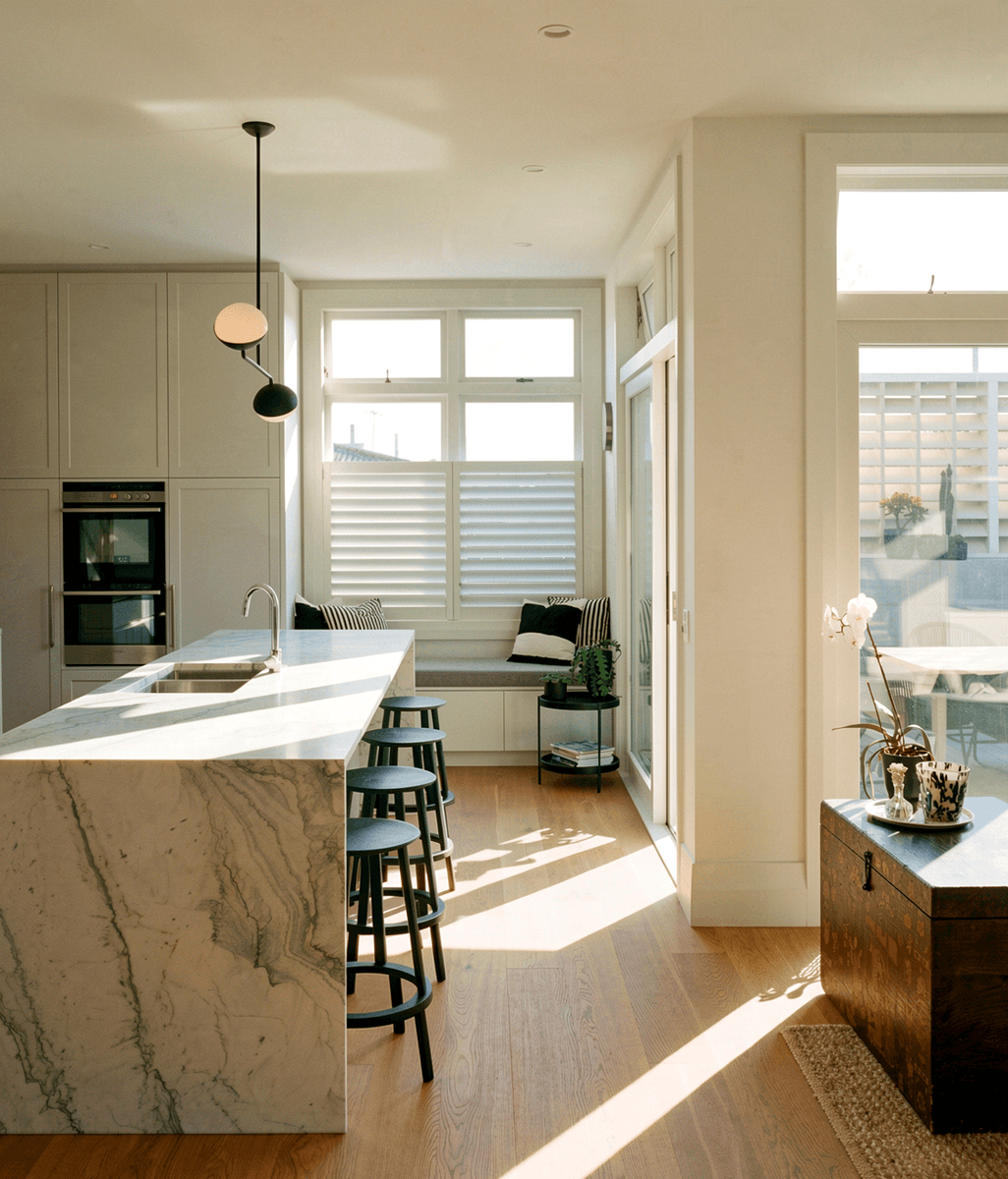
It doesn't need to be a whole house that you want to replicate. Bring inspiration images of buildings where you like the shape, others where materials or colours spark your imagination.
“It can be as simple as a material or a shape or a window,” shares Turner. “These things can all help give us crucial information about what direction to take the design in.”
From there, your designer or architect will often give you a questionnaire to get the nuts and bolts of the brief: number of rooms and bathrooms, who will be living in the house and how you plan to use the spaces. While you don’t need to have all of the answers at the outset, it’s important to think about these things so that both the practical and aesthetic aspects of the brief can begin to take shape.
Getting real about budget
It’s a bit boring, but budget is one of the most important aspects of building or renovating. Any good designer or architect will address the question of budget at the outset of a project, because the available budget will determine what can be achieved.
“So much of what we do is defined by budget,” says Turner. “If the budget is limited, we're not going to be using schist and other expensive materials like that. We need to think differently—still create a cool house, but maybe not with certain products and shapes and styles that are going to be expensive.”
You don’t need to play hardball with your design professional when it comes to being transparent about your budget (they’re not a real estate agent!); knowing exactly what you have to spend will allow them to create a design that you can afford. The clearer you are about your budget, the better they can tailor the design to your needs.

How much should be in your contingency
We’ve all heard the horror stories of budget blowouts and builders walking off the job halfway through the project, but this is rarely the case in real life, particularly if you are working with a reputed design professional who has given you realistic timeframes and costings.
However, building costs may fluctuate, and issues can arise, so it’s important to build in a contingency to your budget.
“The classic contingency is often 10%, but make sure you ask your design professional for transparency as you're moving forward with the design,” says Turner. “If you add on another bedroom or a new feature to a design, it can add tens of thousands of dollars.”
Even something as simple as changing a material can add a lot of cost.
“Ultimately, it’s the client’s decision to make, but transparency about the additional cost early on is really important.”
Landing the design: let your design professional guide you
It can be nerve-wracking to let your designer have a little more room to play, but you will often be surprised at how they can generate cost savings and beautiful architecture at the same time if you give them the space they need to get creative.
“When you come to a designer, be prepared to open up your mind a little bit, giving the designer some freedom,” recommends Turner. “Don't be too prescriptive.”
“I think sometimes people miscalculate the benefits of what a designer can bring to a project— there are so many layers they’re considering that make a home a lovely place to be in,” says Turner. “When you've got a really good designer bringing all those facets into a design, it's not a fluke that the house ends up being so enjoyable to spend time in.”
Ultimately, the best building projects start with the right person, a clear brief, an honest budget and enough trust to let good design do its work.
If you’re starting on a building or renovation journey, get inspired with projects and products on ArchiPro. And if you’re already ready to start, engage one of our trusted professionals to discuss your project.