Built to last: How Urbanfunction is designing beyond the trend cycle

Written by

09 September 2026

 • 

4 min read

banner
Founded on hands-on experience and a philosophy of longevity, Urbanfunction creates homes that are built to perform for decades to come.

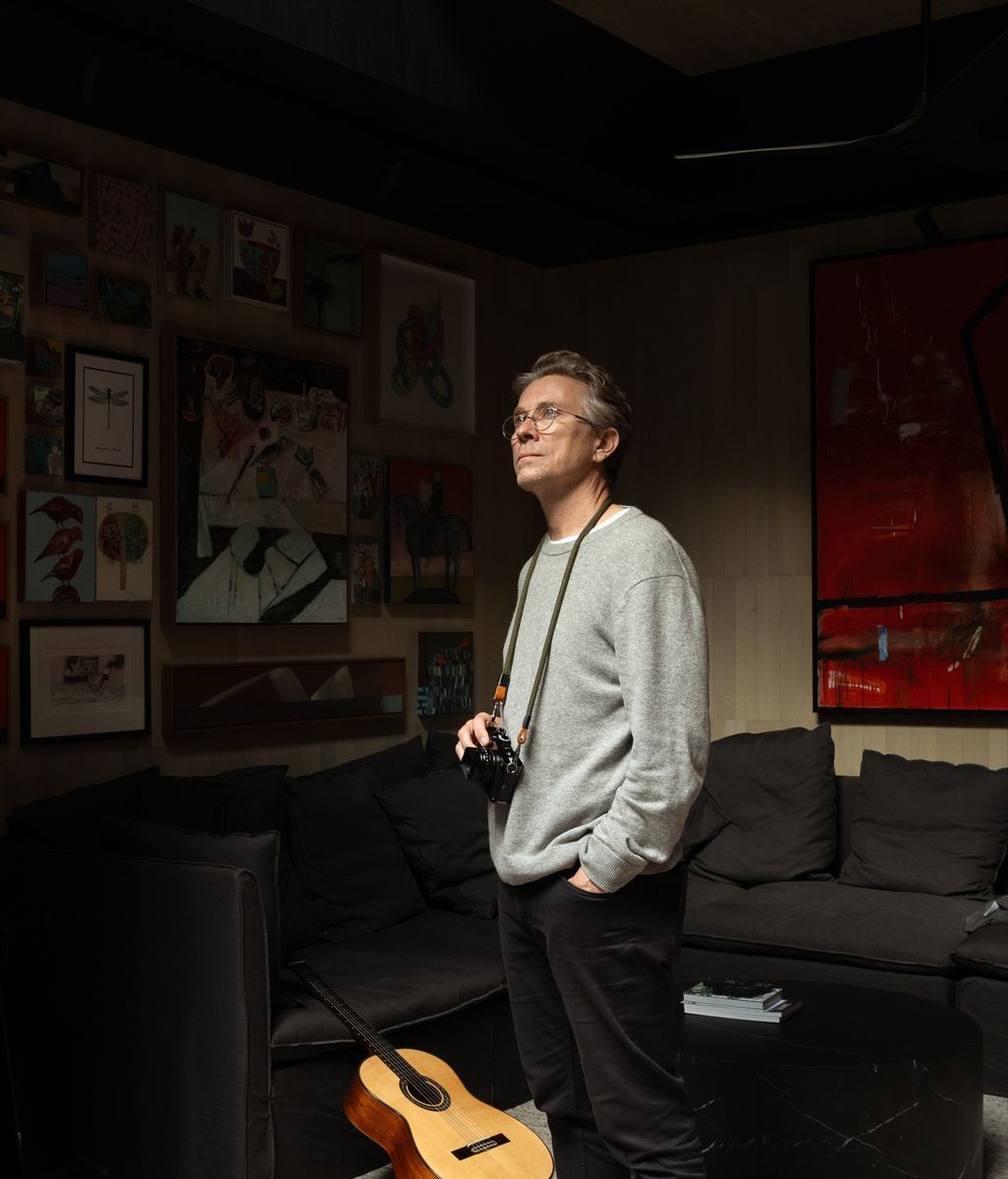
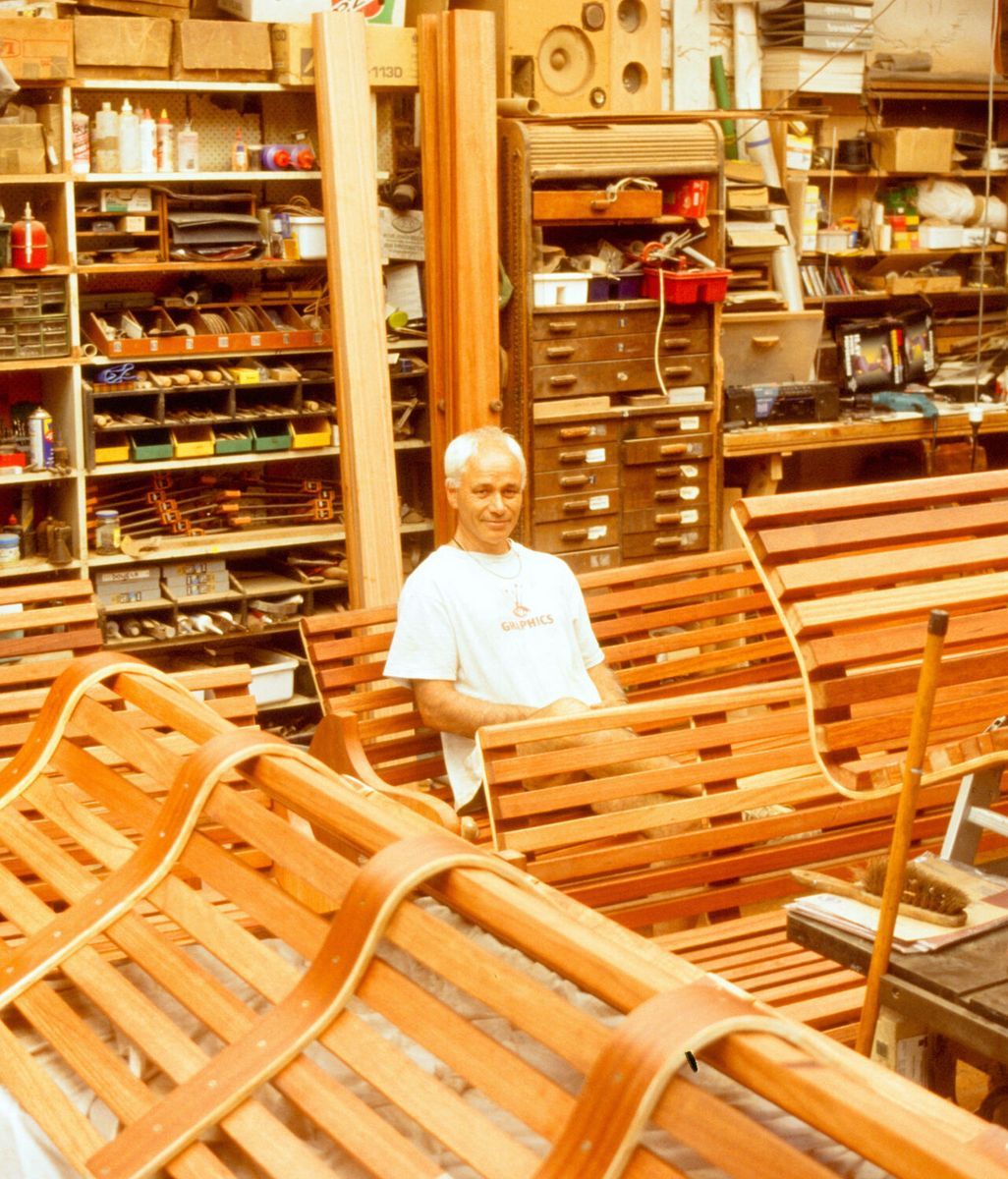
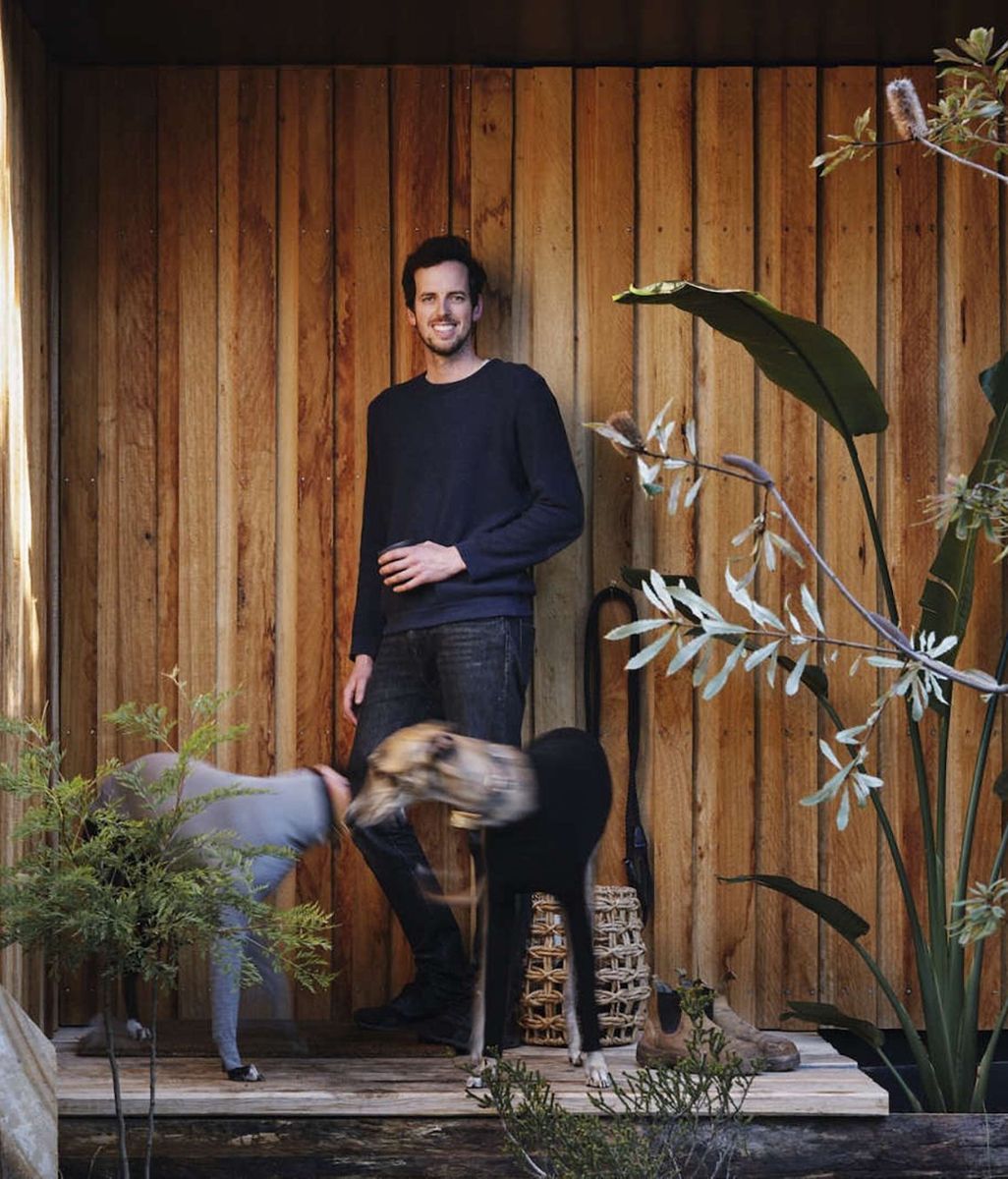
Aaron Jones didn’t have to think long or hard to know that he wanted a career in architecture. He spent his childhood on building sites, following his builder father through half-finished homes, absorbing the exciting proposition of building something long-lasting from nothing. 

"My first jobs were sweeping building sites," he recalls. "I was always interested in construction."

That early immersion gave him something many architects only develop later. An instinctive understanding that great architecture is built on understanding the foundations of how a home is built and what that means about how it performs and endures over time. 

Today, that thinking sits at the heart of Urbanfunction, the Christchurch practice Jones founded 17 years ago. While the studio has built a reputation for clever and energy-efficient homes across New Zealand, its philosophy is refreshingly uncomplicated. Design buildings that feel timeless rather than fashionable, perform exceptionally well and remain relevant long after trends have faded.

That perspective has been shaped by an unusually broad career. Jones began in the drawing office of Canterbury construction company Luney's Construction, translating architects' and engineers' drawings into detailed construction documentation. It proved to be an education in how some of New Zealand's leading designers actually put buildings together.

From there came Melbourne, where he worked within a developer-led practice delivering warehouse conversions and mixed-use developments. Rather than simply designing buildings, the team was involved from site acquisition through to marketing, construction and eventual sale.

"It gave me an understanding of the whole lifecycle of a project," he says.

London followed, offering experience on large-scale residential developments, schools and major brownfield regeneration projects. Working within a practice of more than 100 architects revealed the complexity of delivering significant urban projects, while reinforcing the importance of collaboration and process.

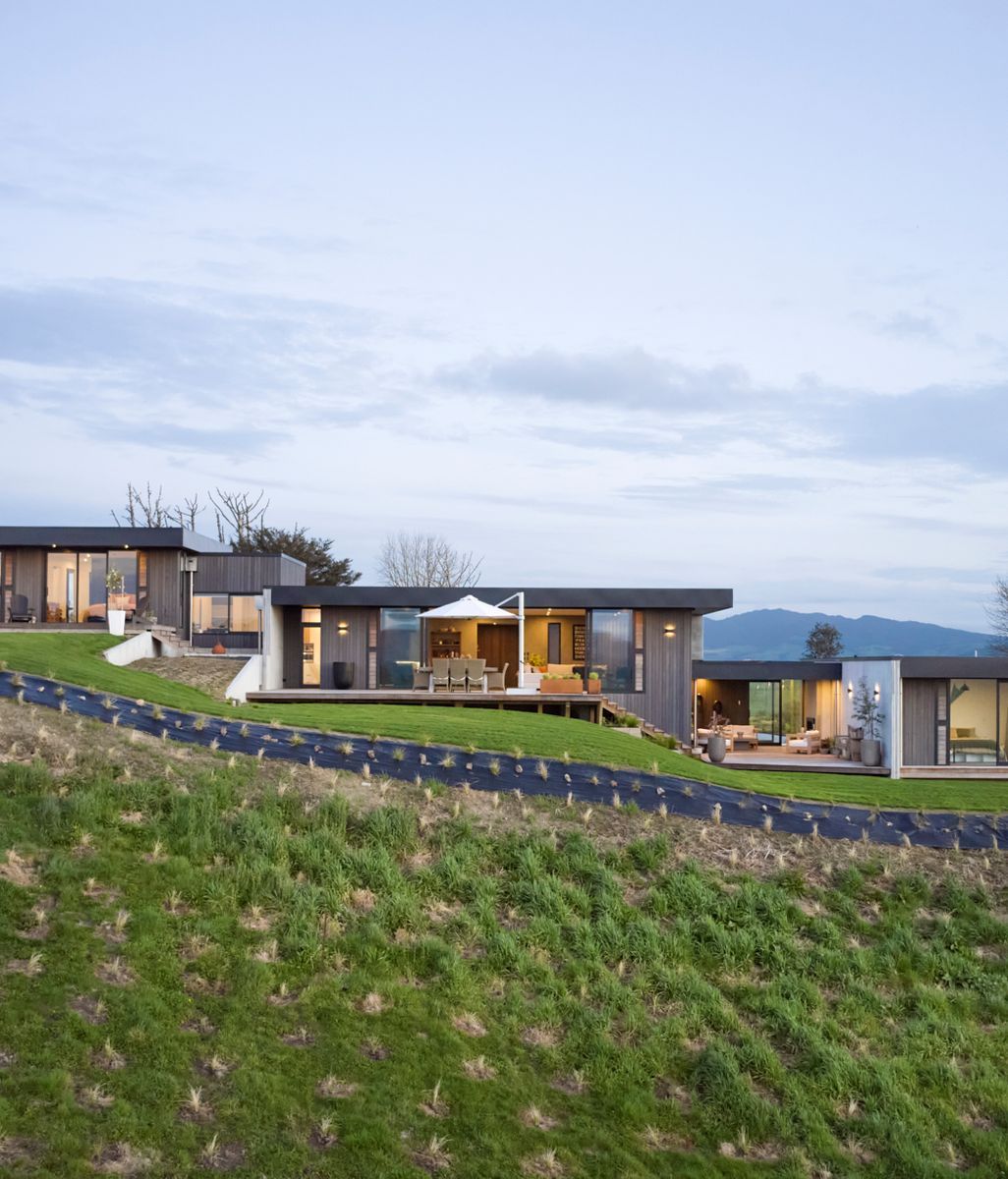
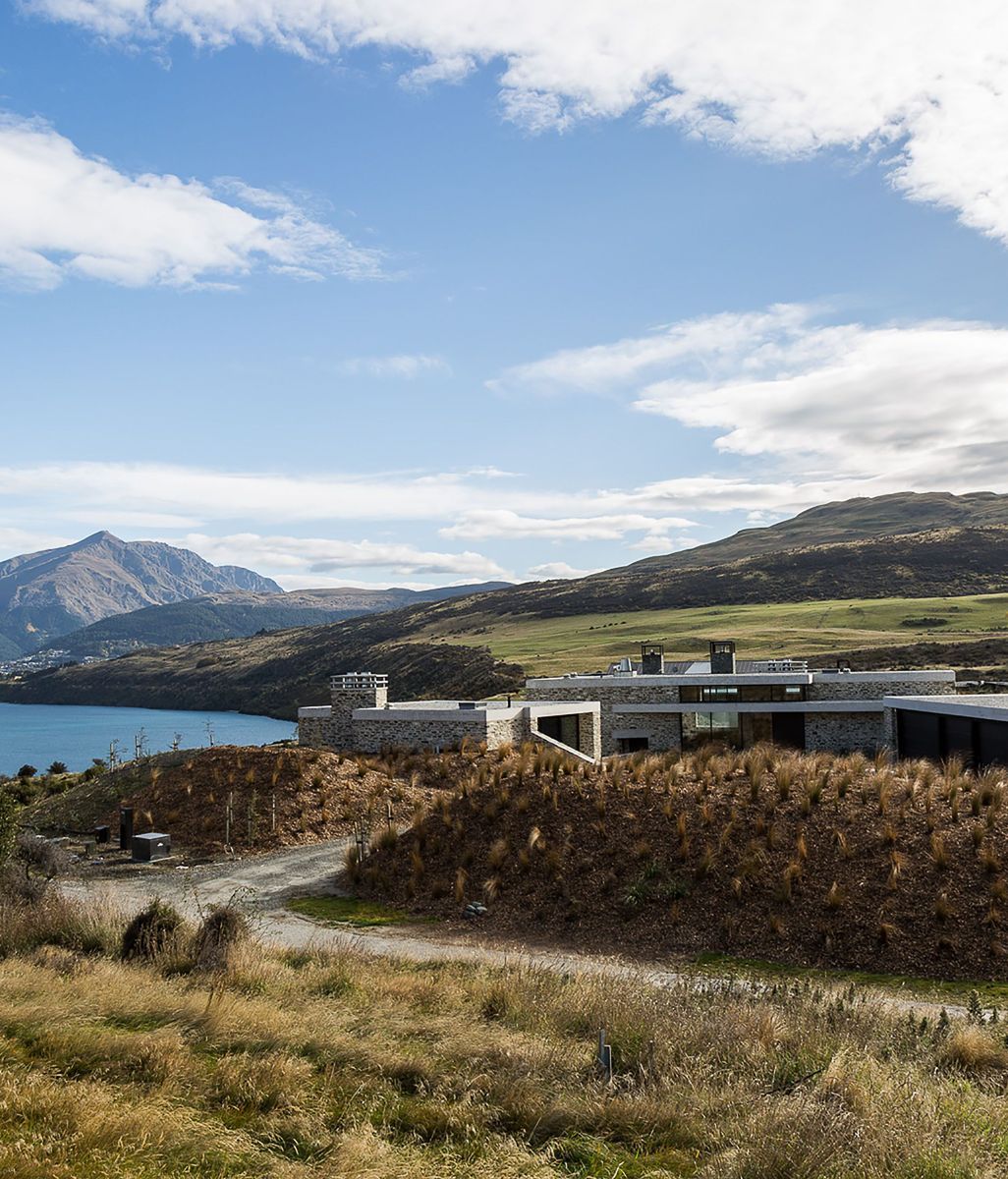
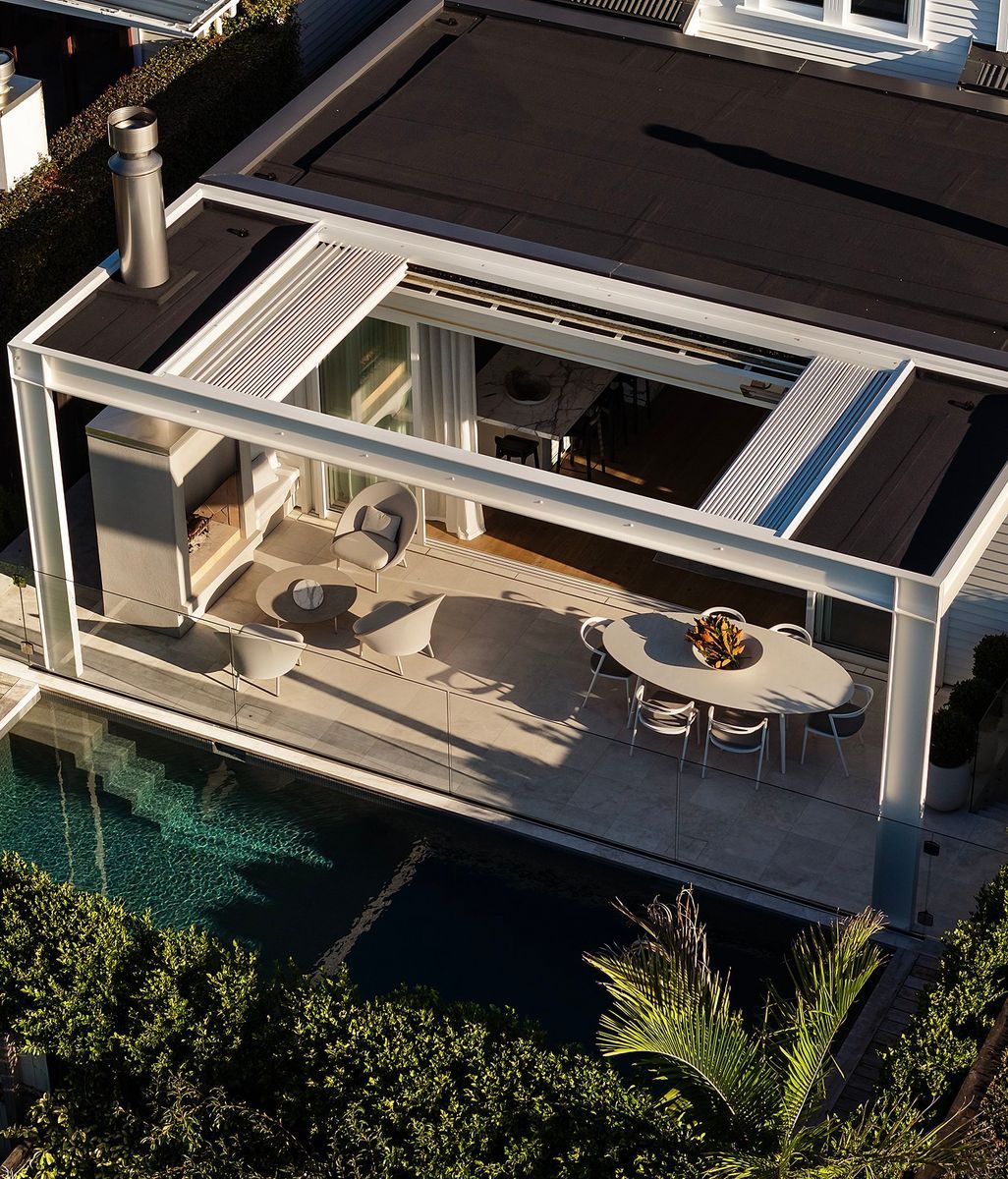
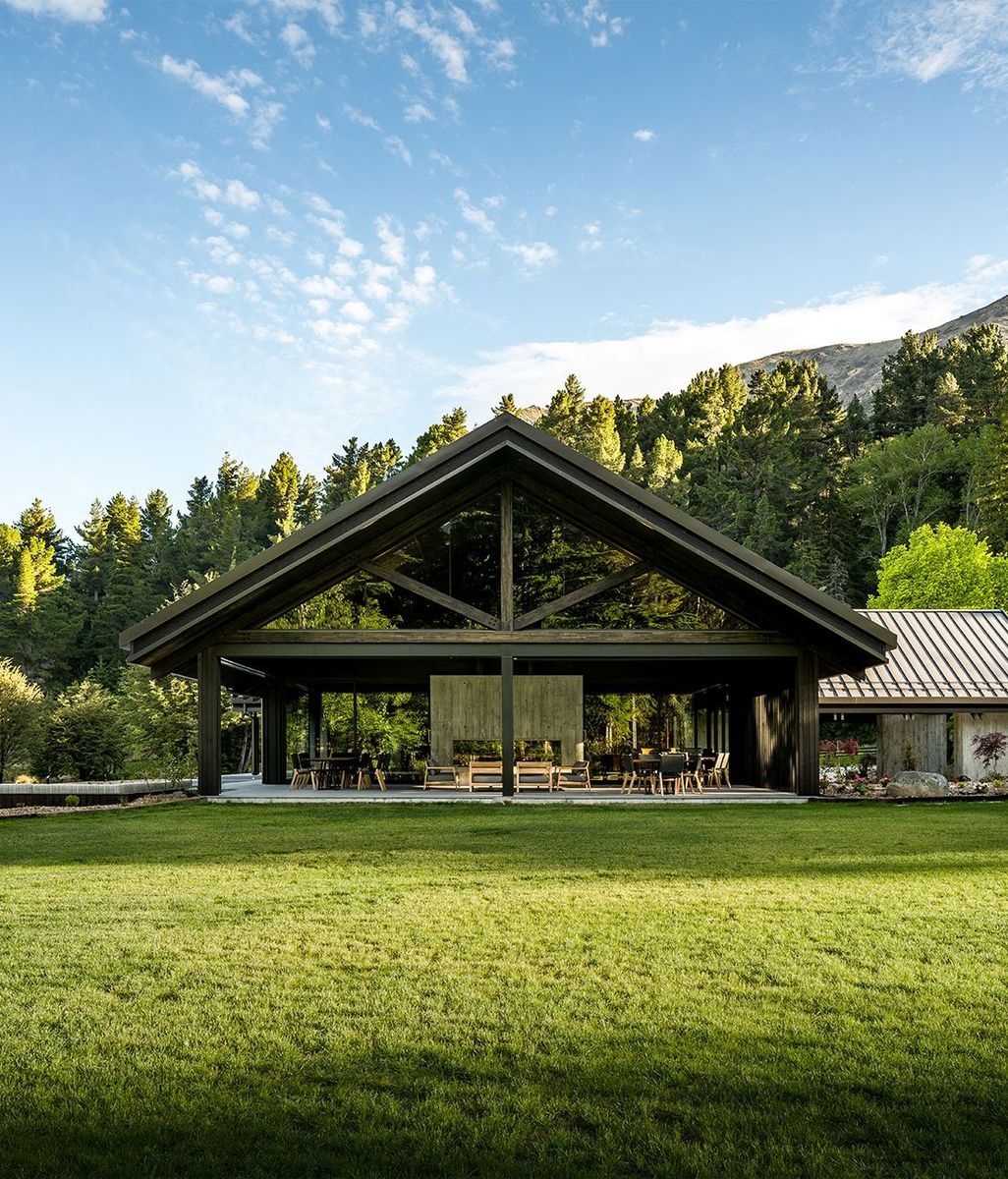
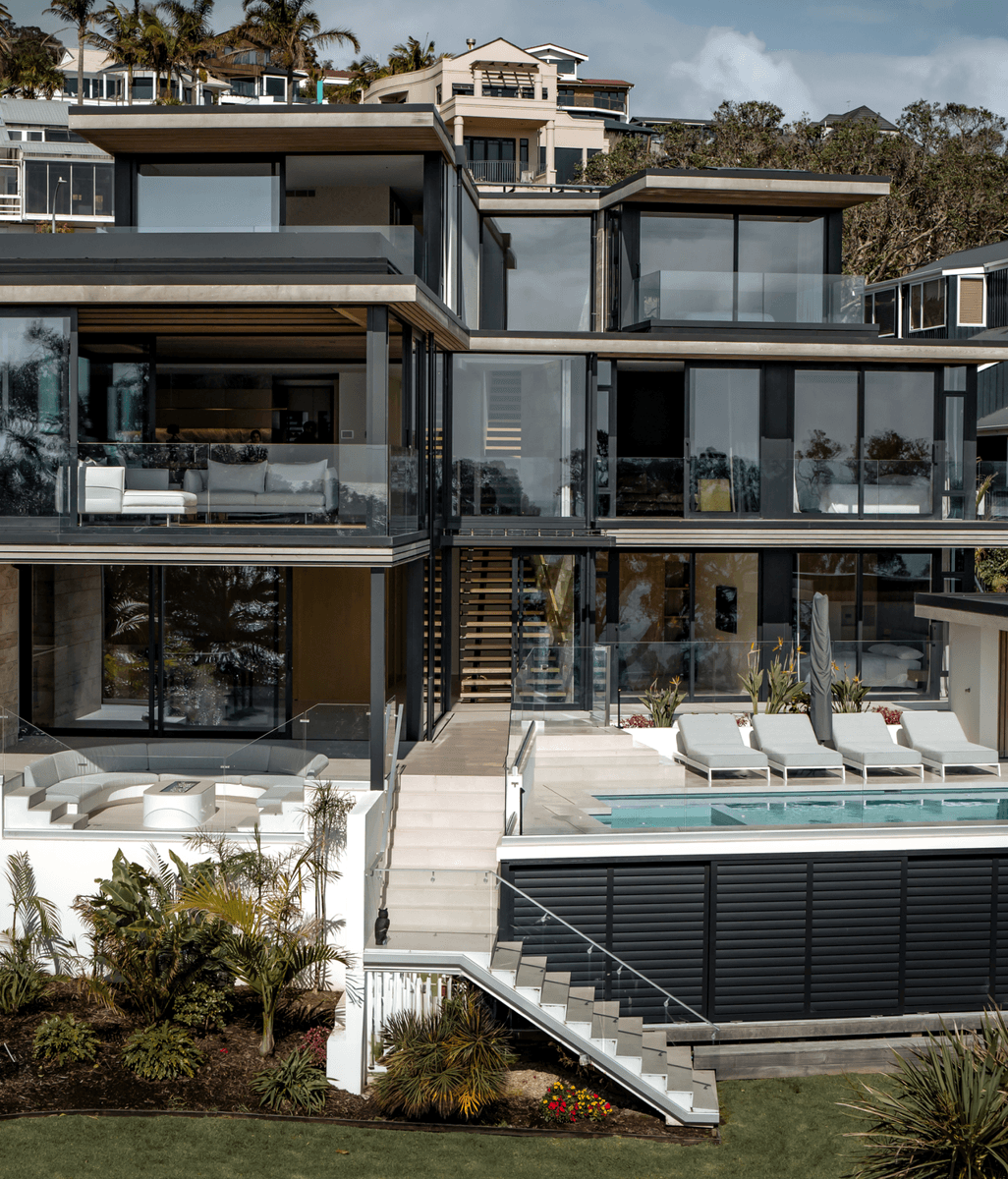
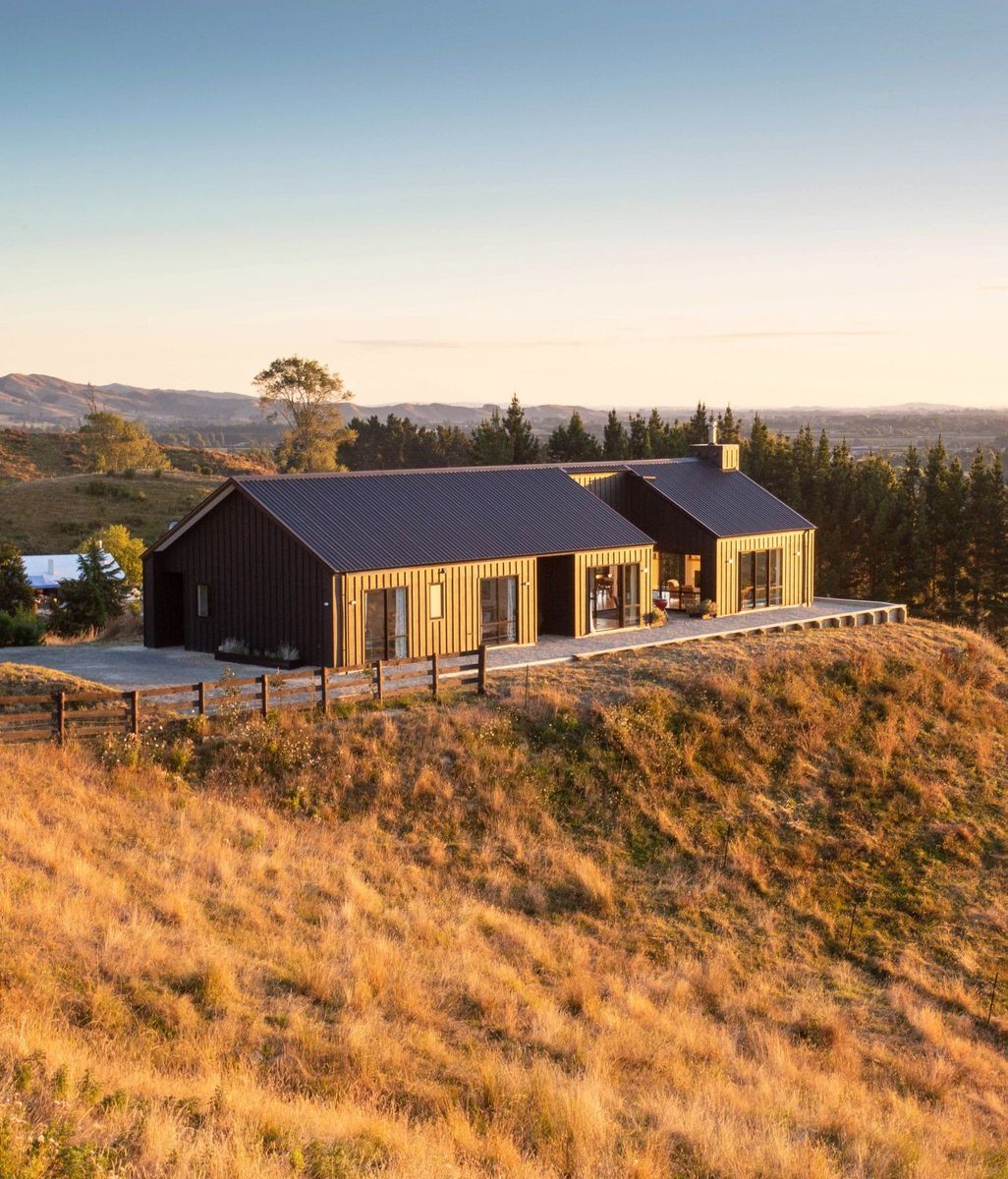
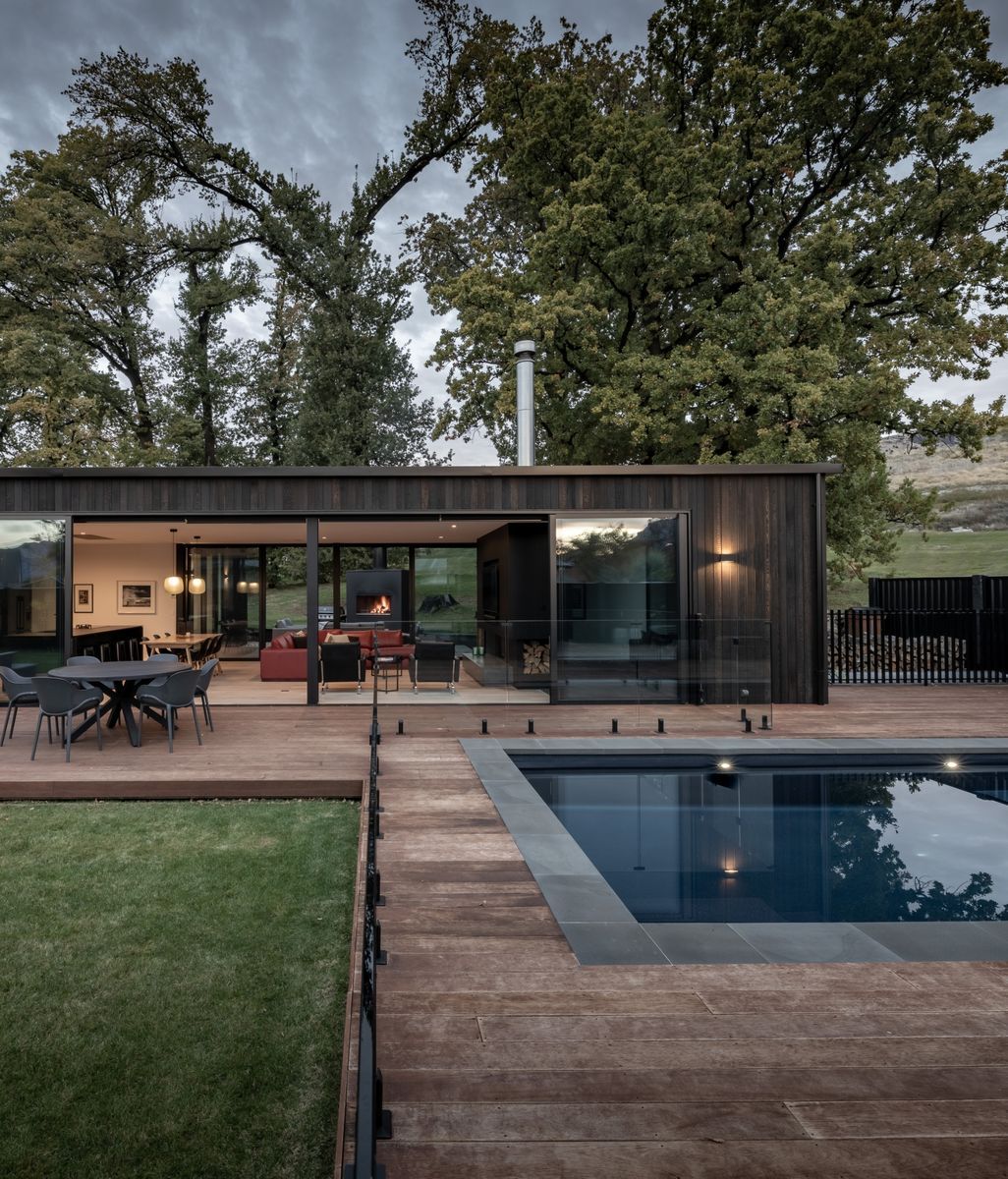
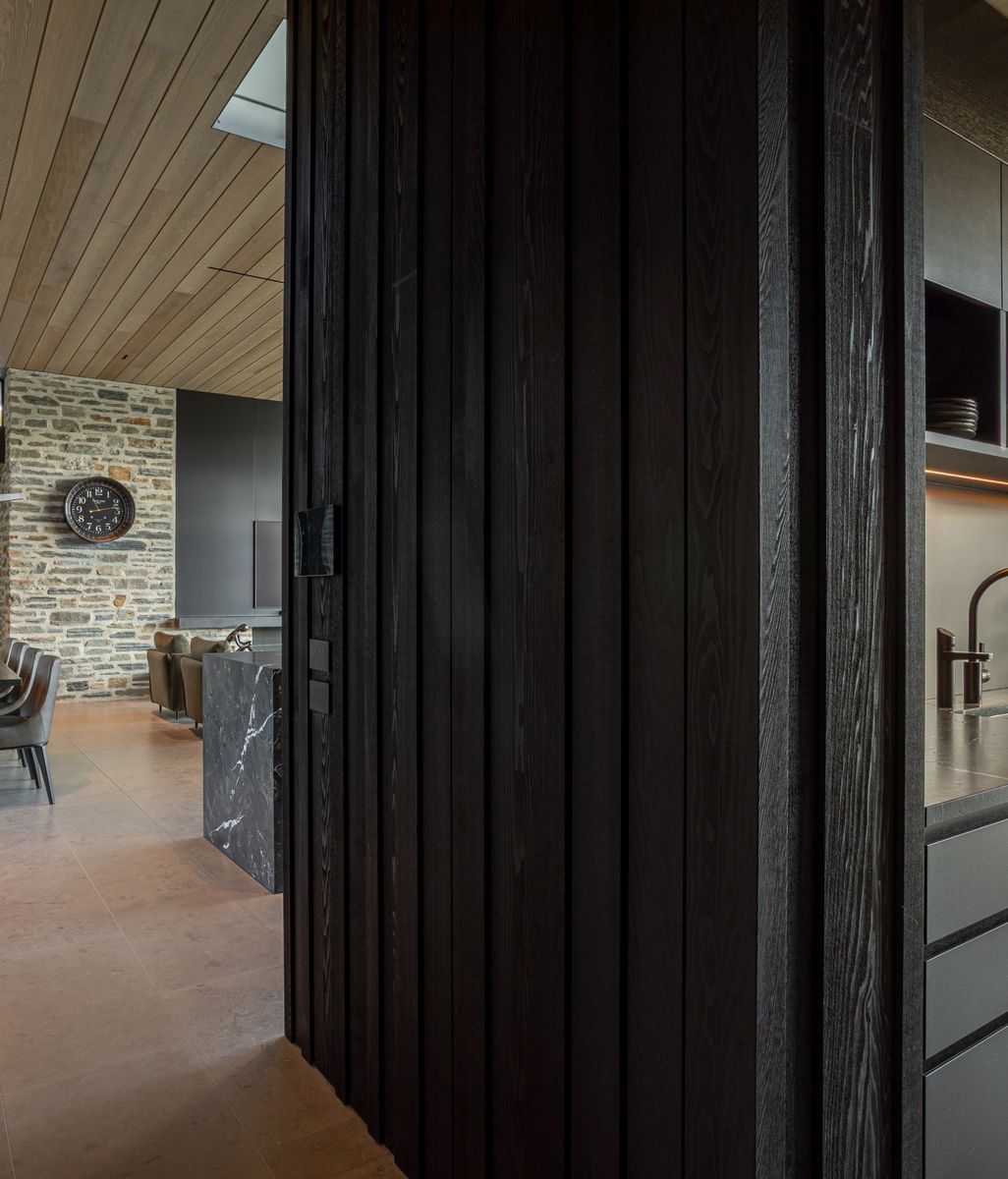
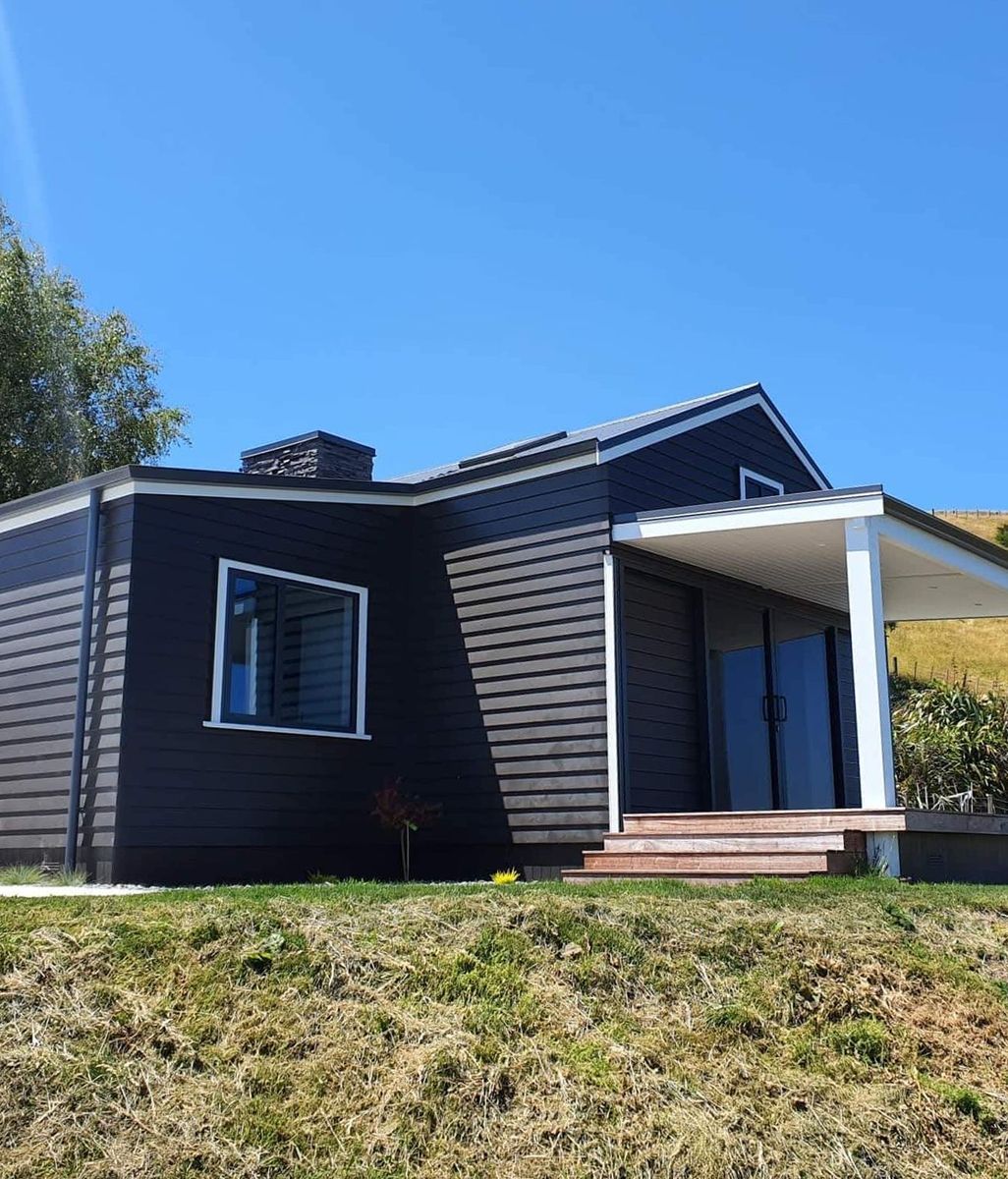
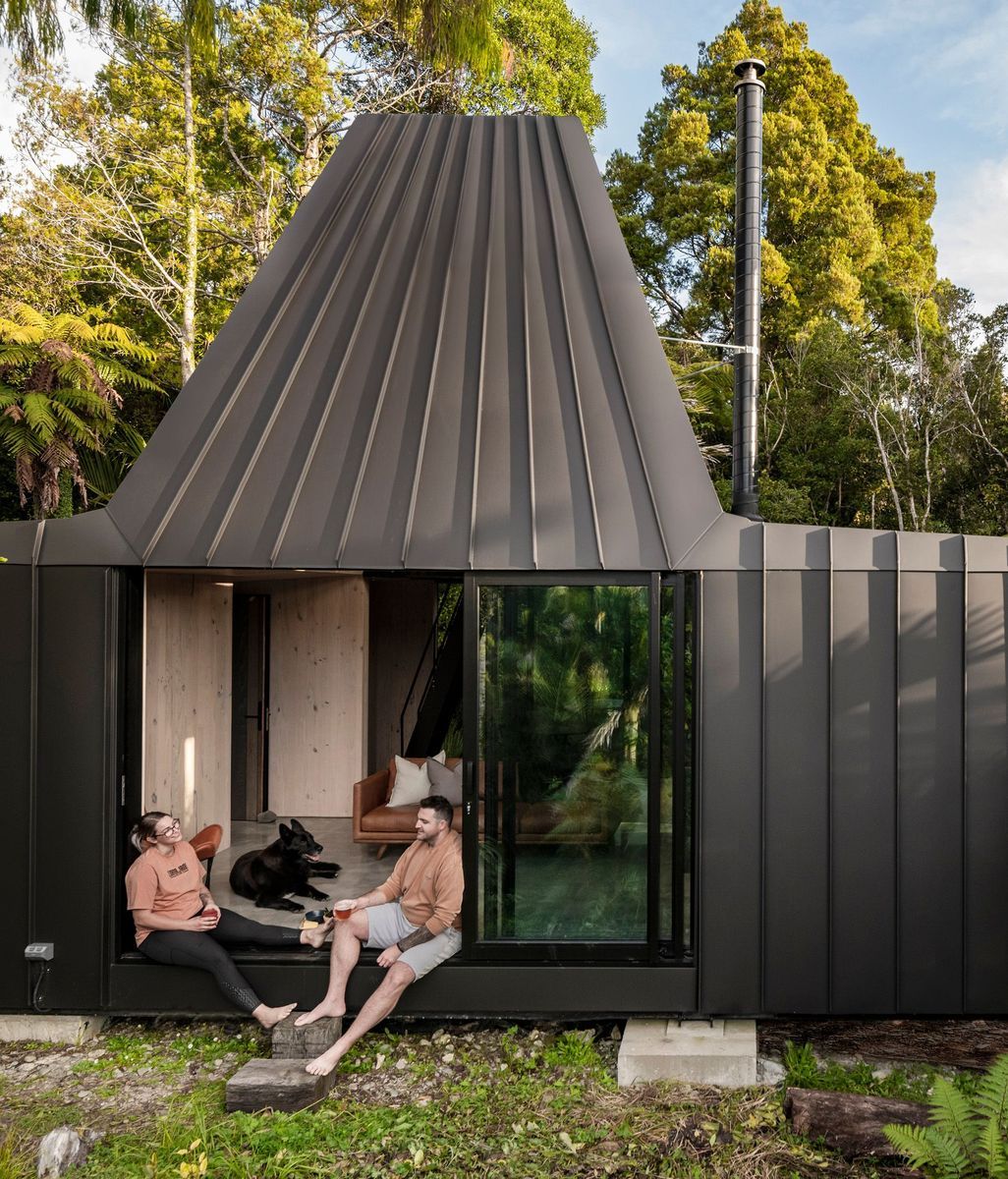
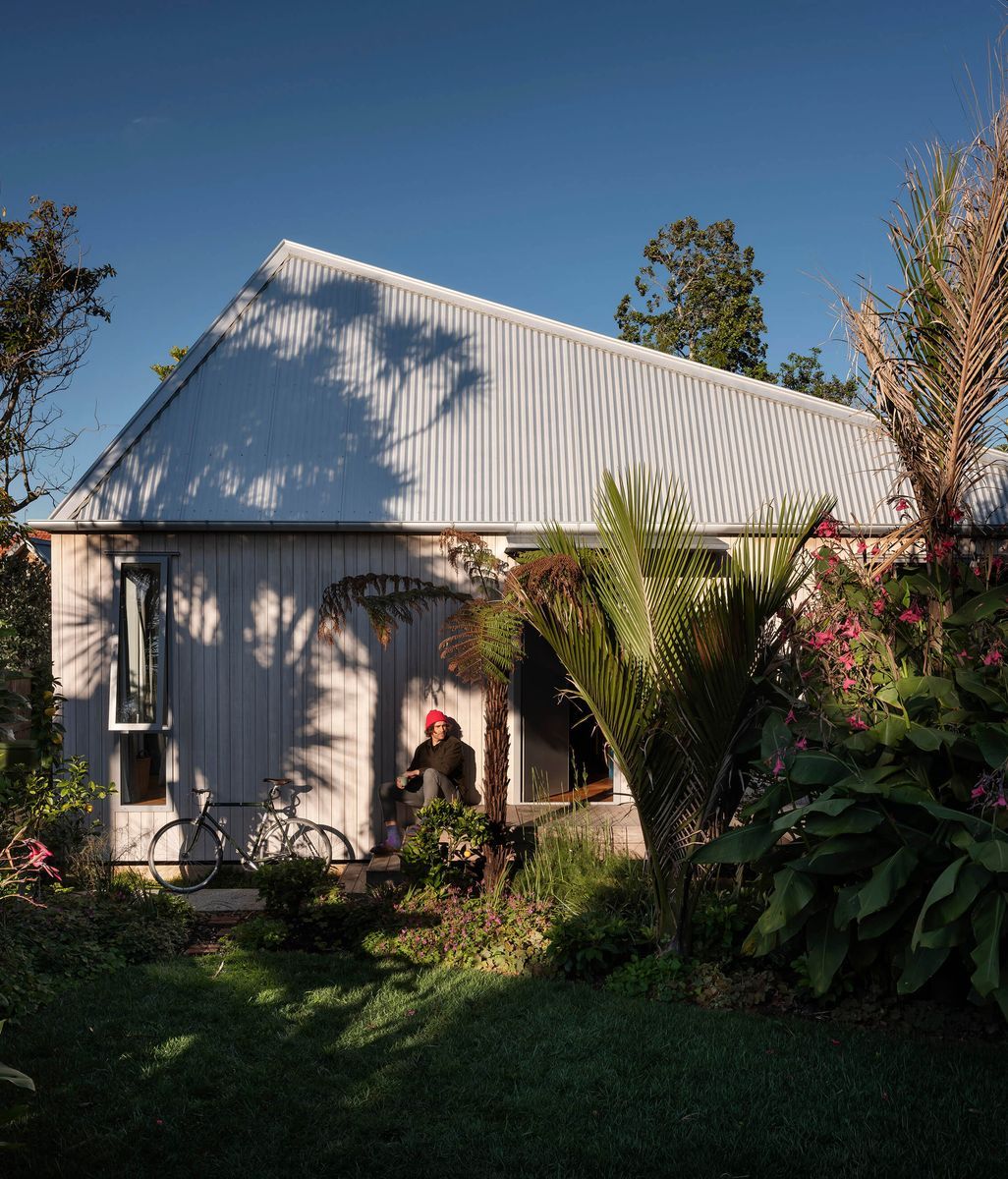
Petite Maison in Kaikoura by Urbanfunction.

Ironically, it was a trip home for a friend's wedding that changed everything.

Asked for advice on choosing an architect, Jones instead offered to sketch a concept for the couple's new home. They loved it and decided to build it. Soon, another commission followed, then another. Within months, the projects waiting for him in New Zealand outweighed the uncertain prospects of returning to Europe during the Global Financial Crisis.

Urbanfunction began in the back room of his parents' house and has steadily grown ever since.

Jones has intentionally kept the studio small, believing that architects learn most when they remain involved in every stage of a project, particularly once construction begins.

"We like everyone to have their hands on everything," he says.

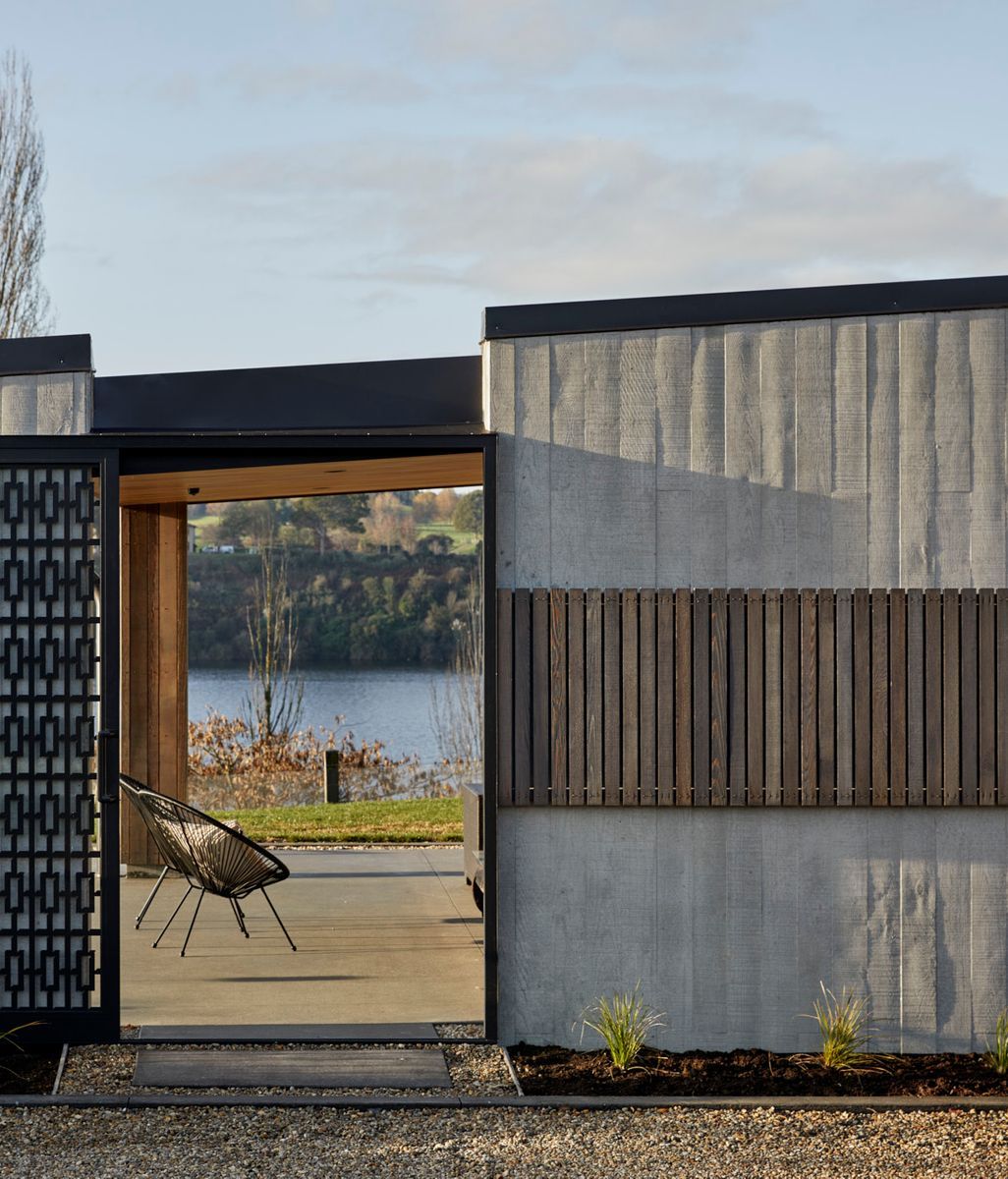
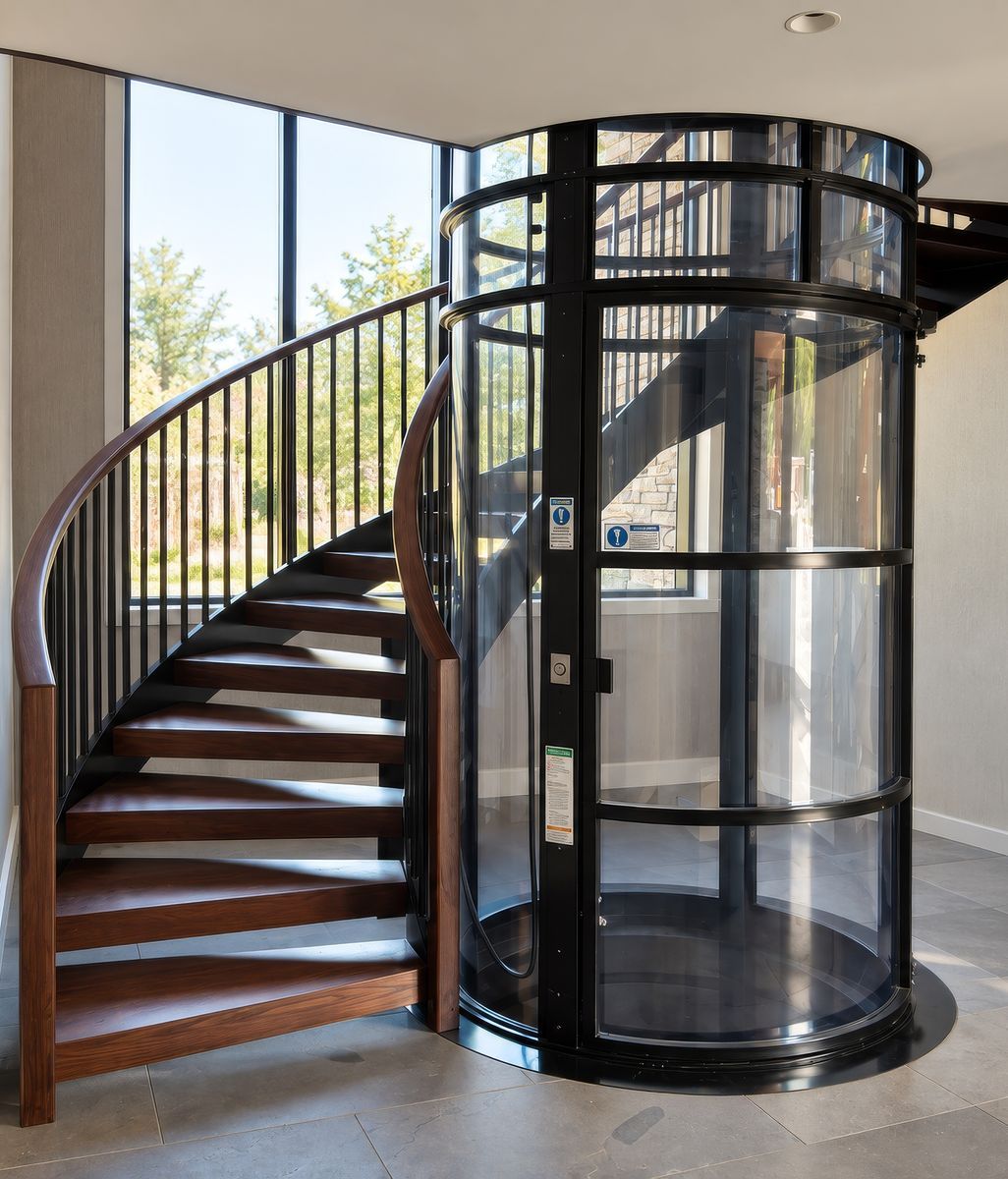
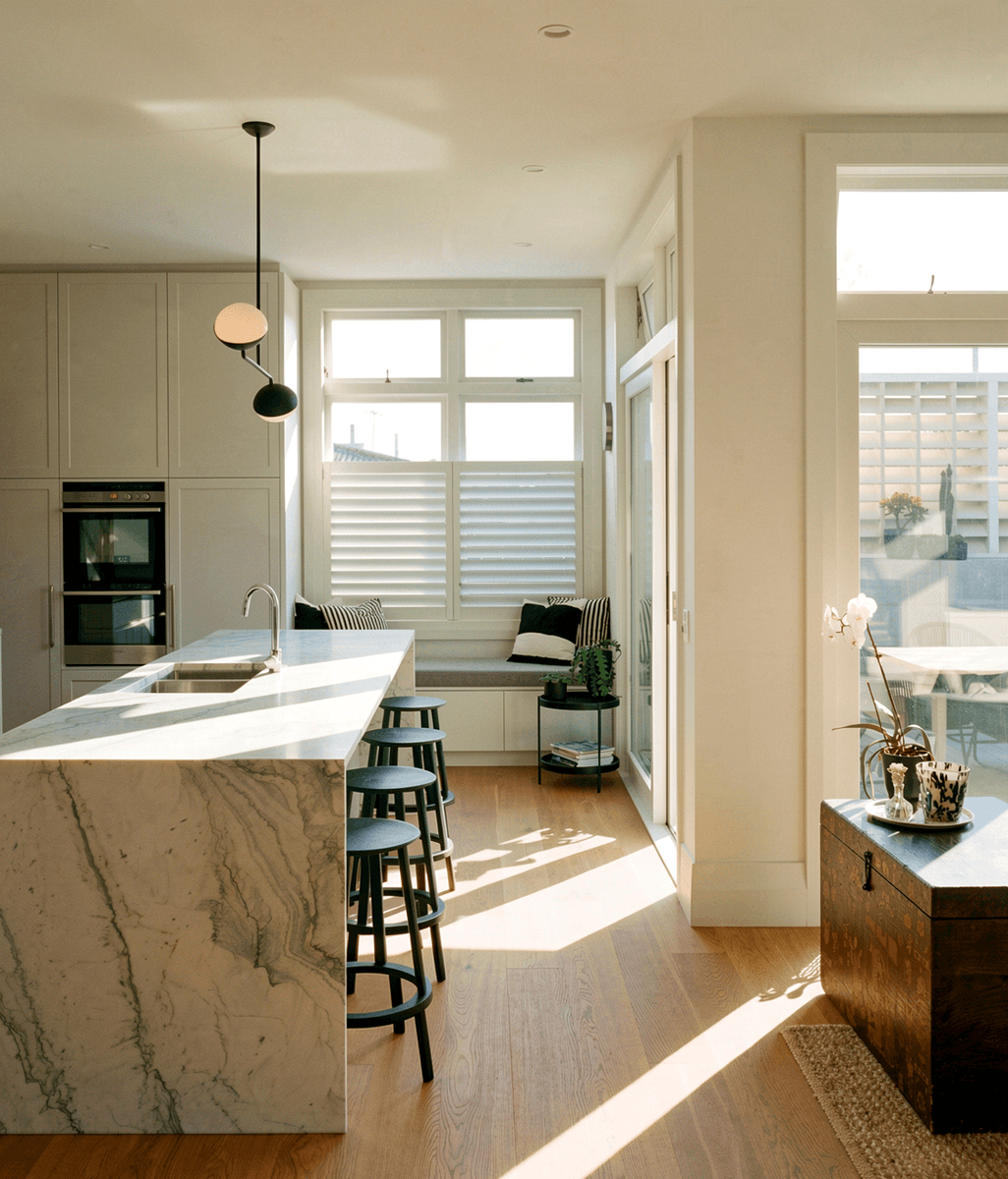
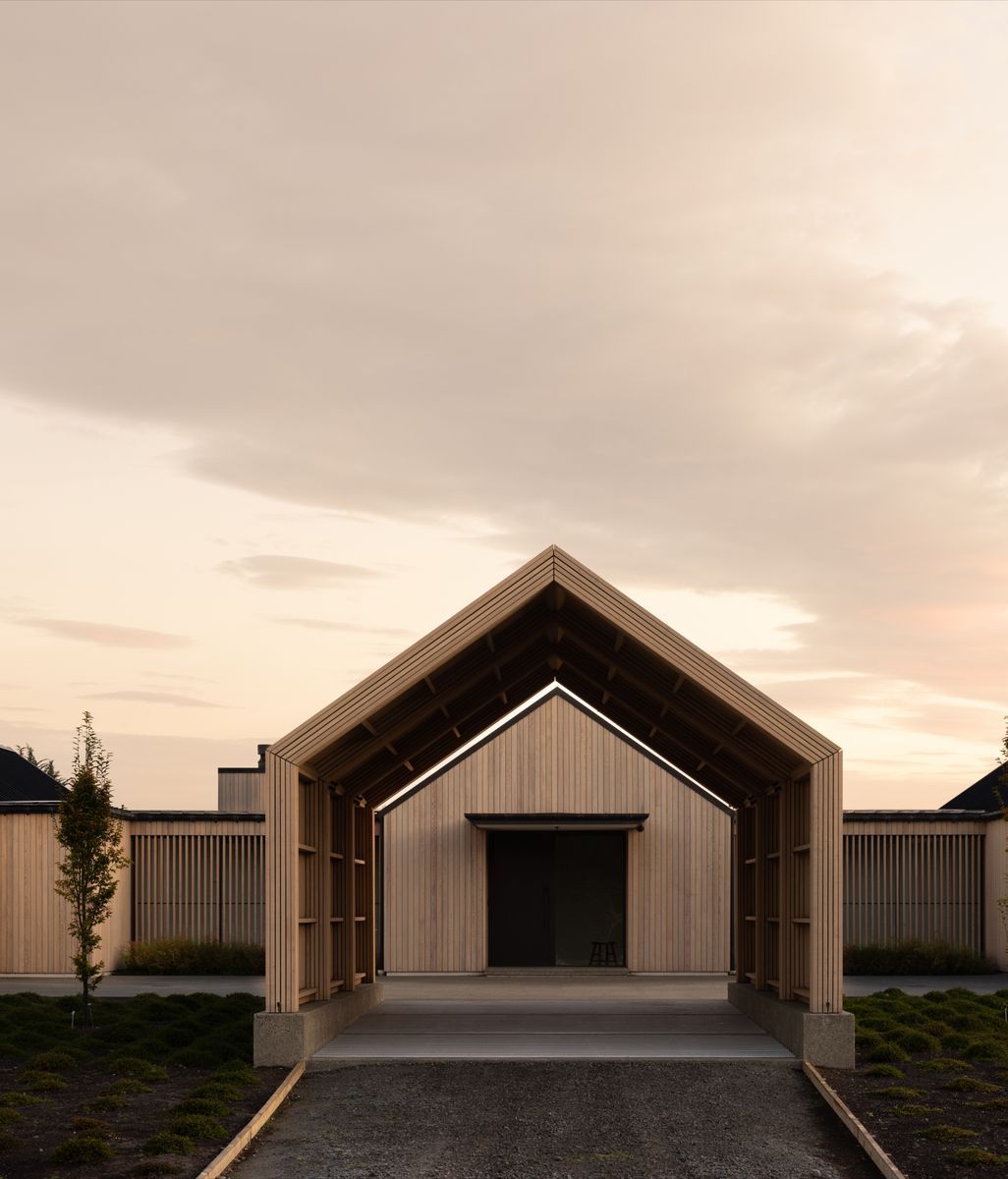
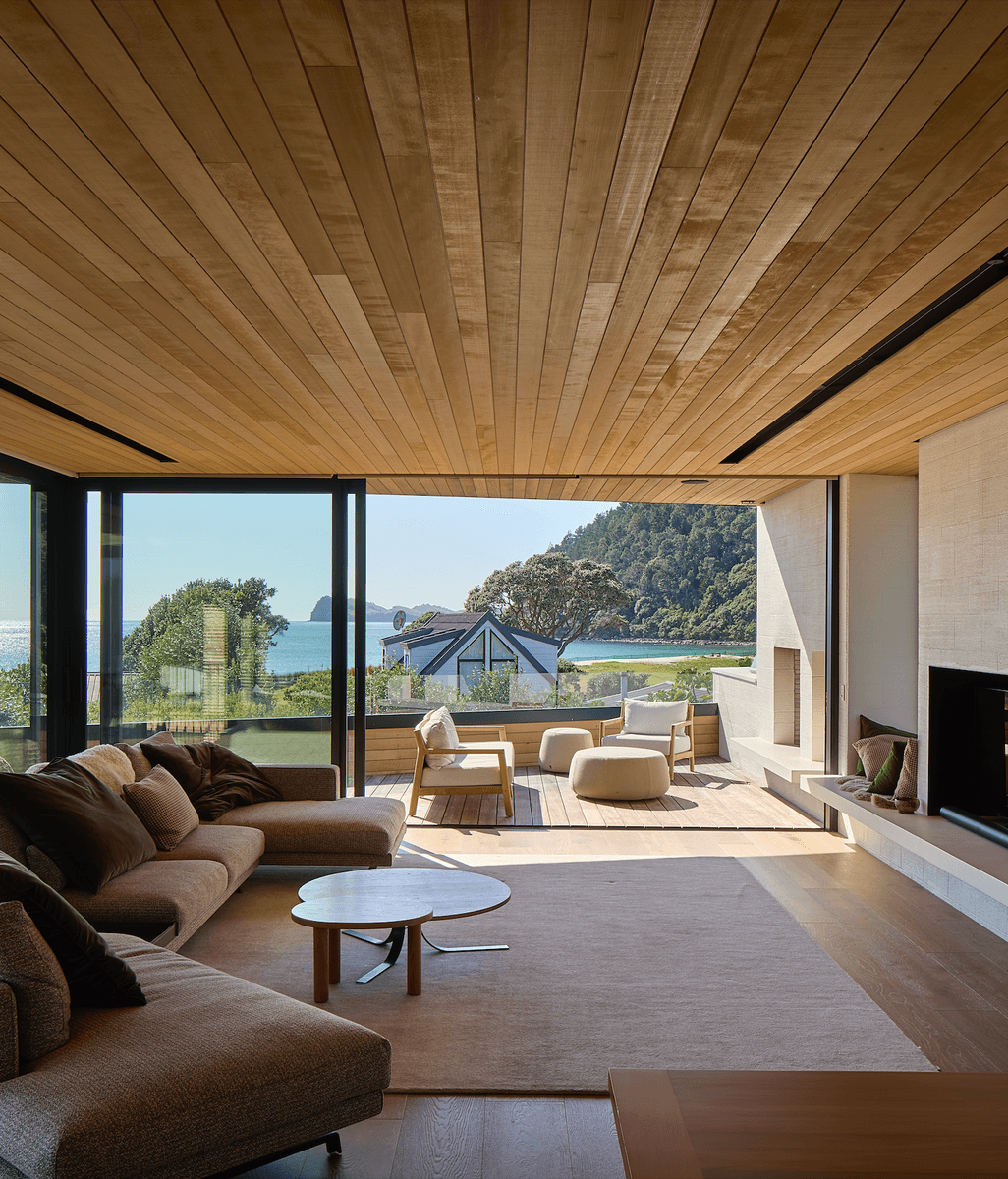
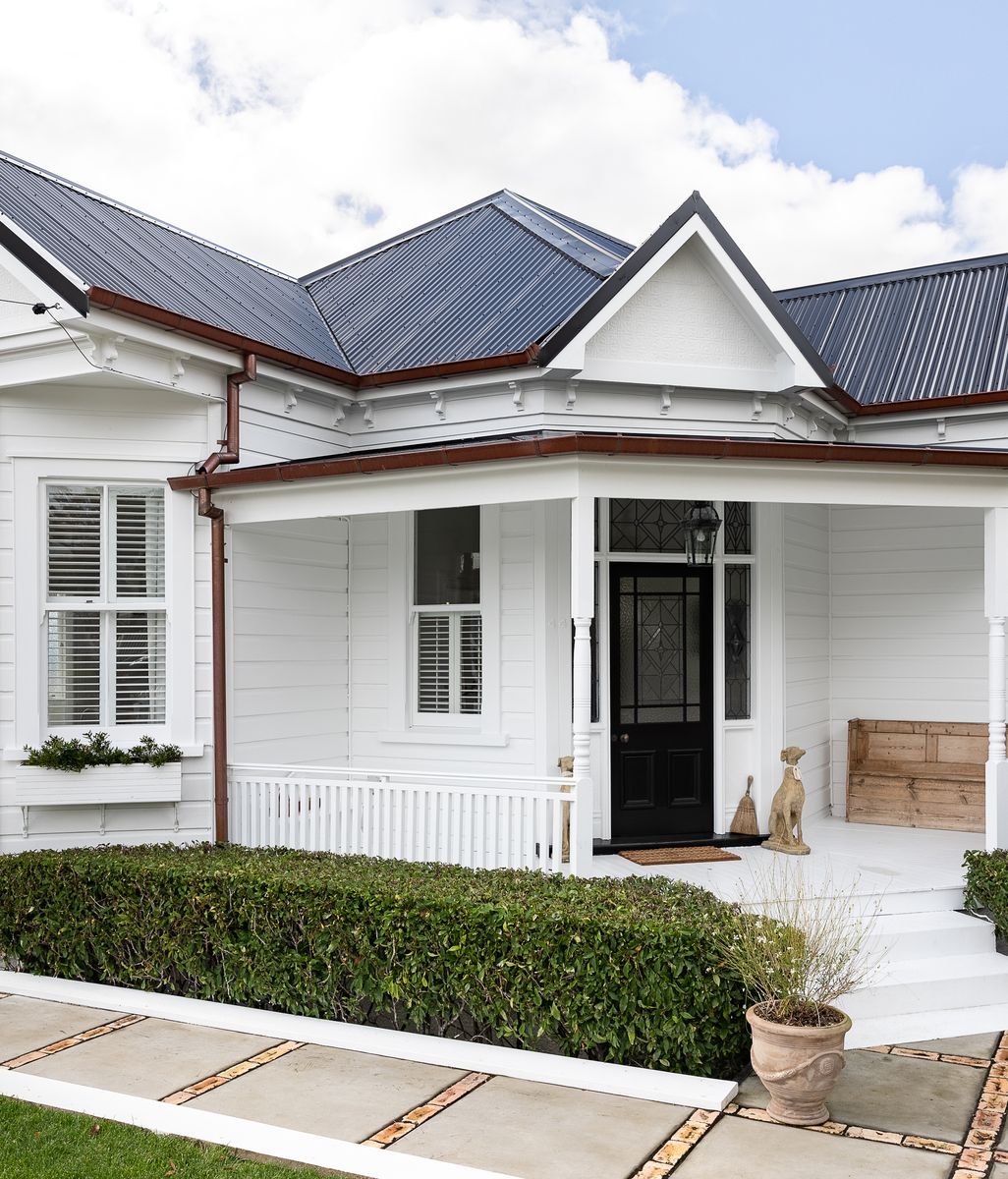
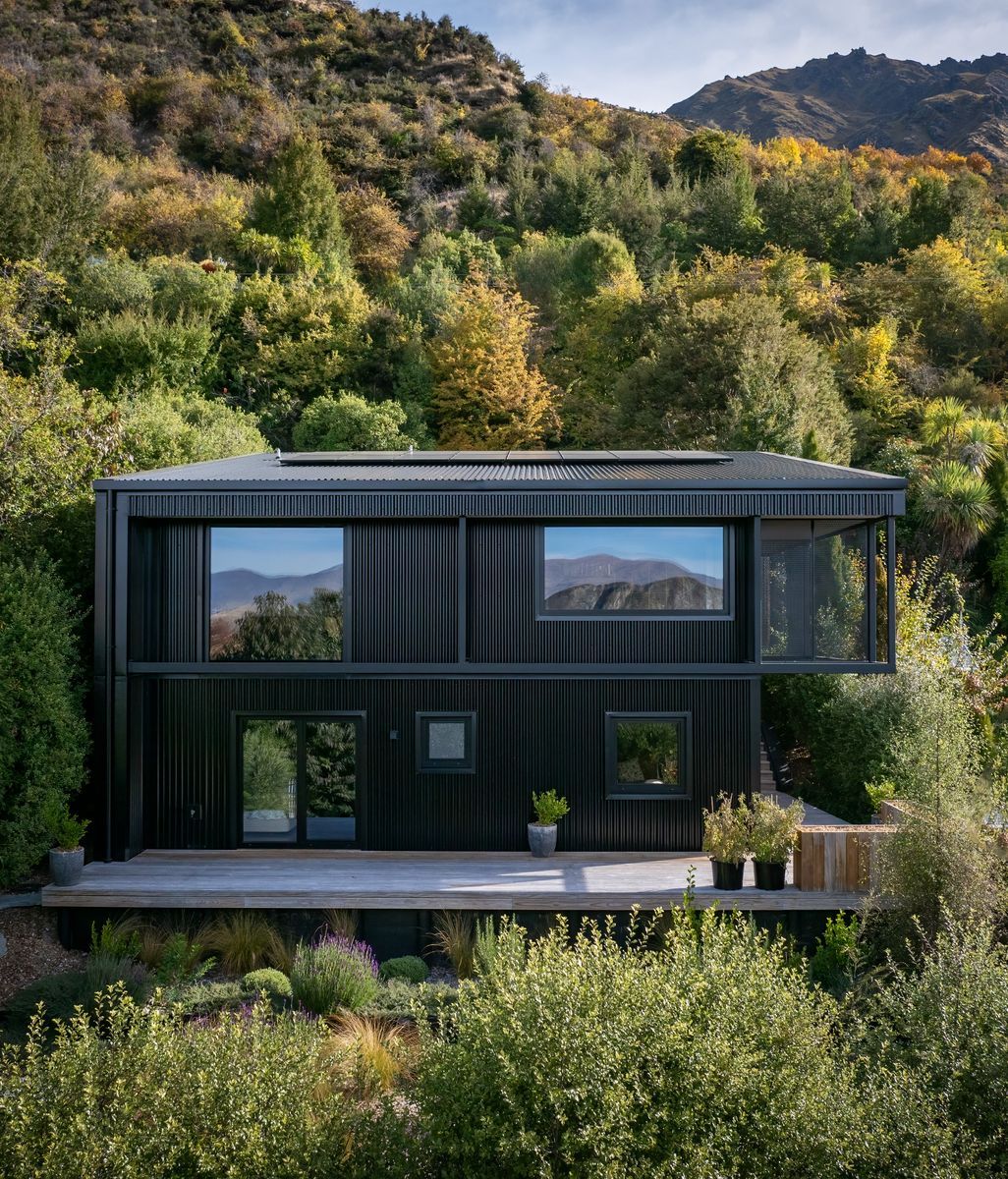
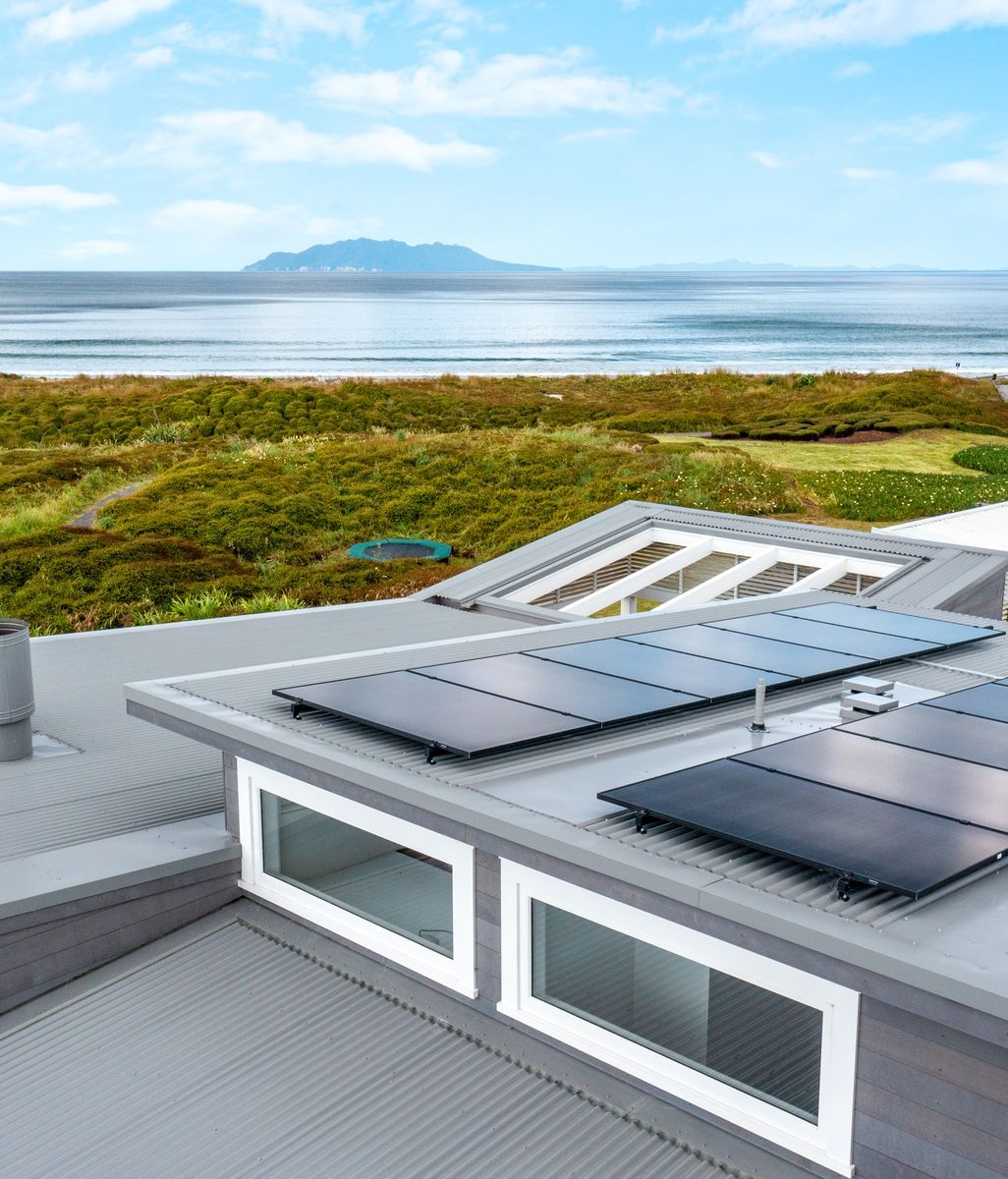
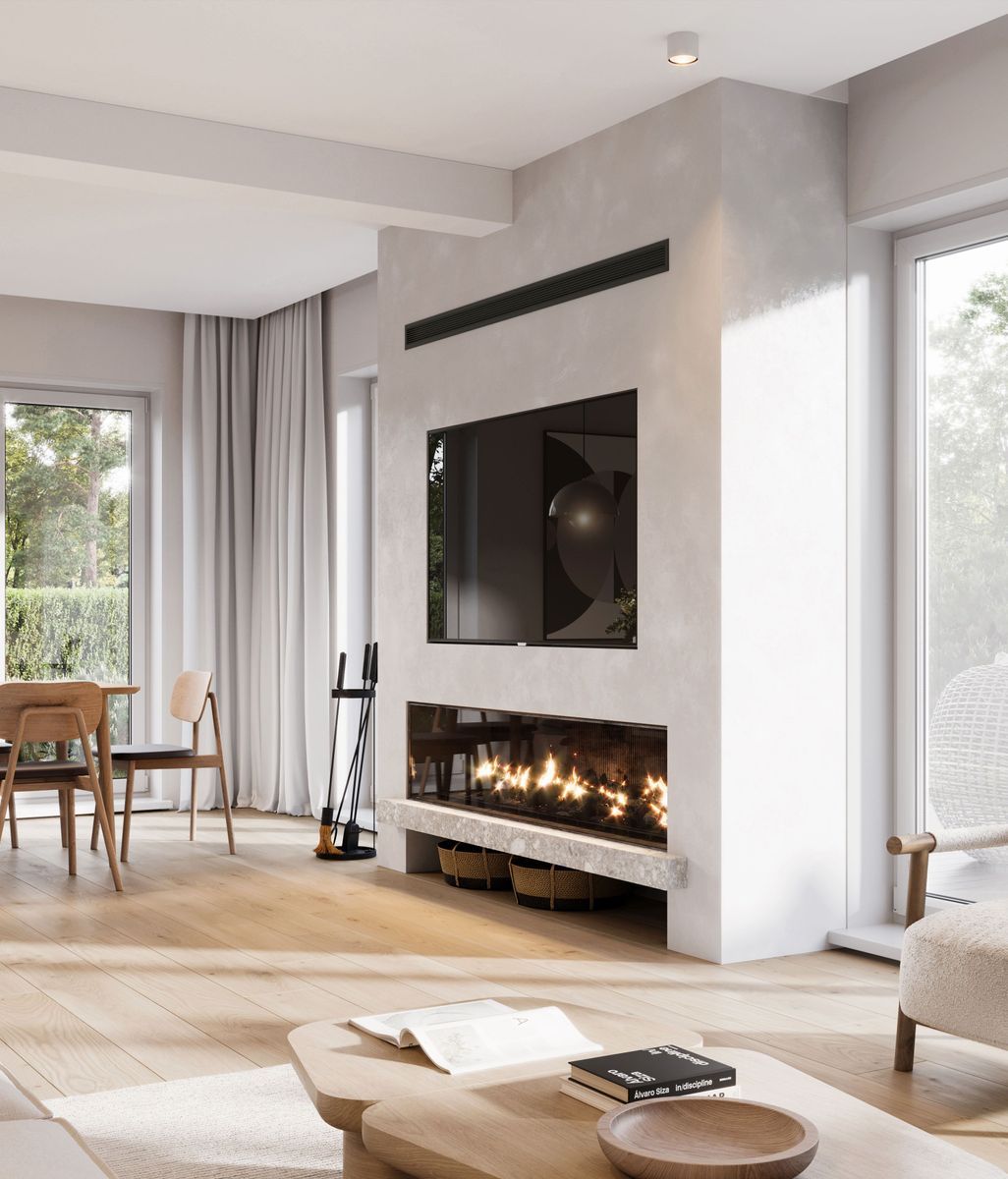
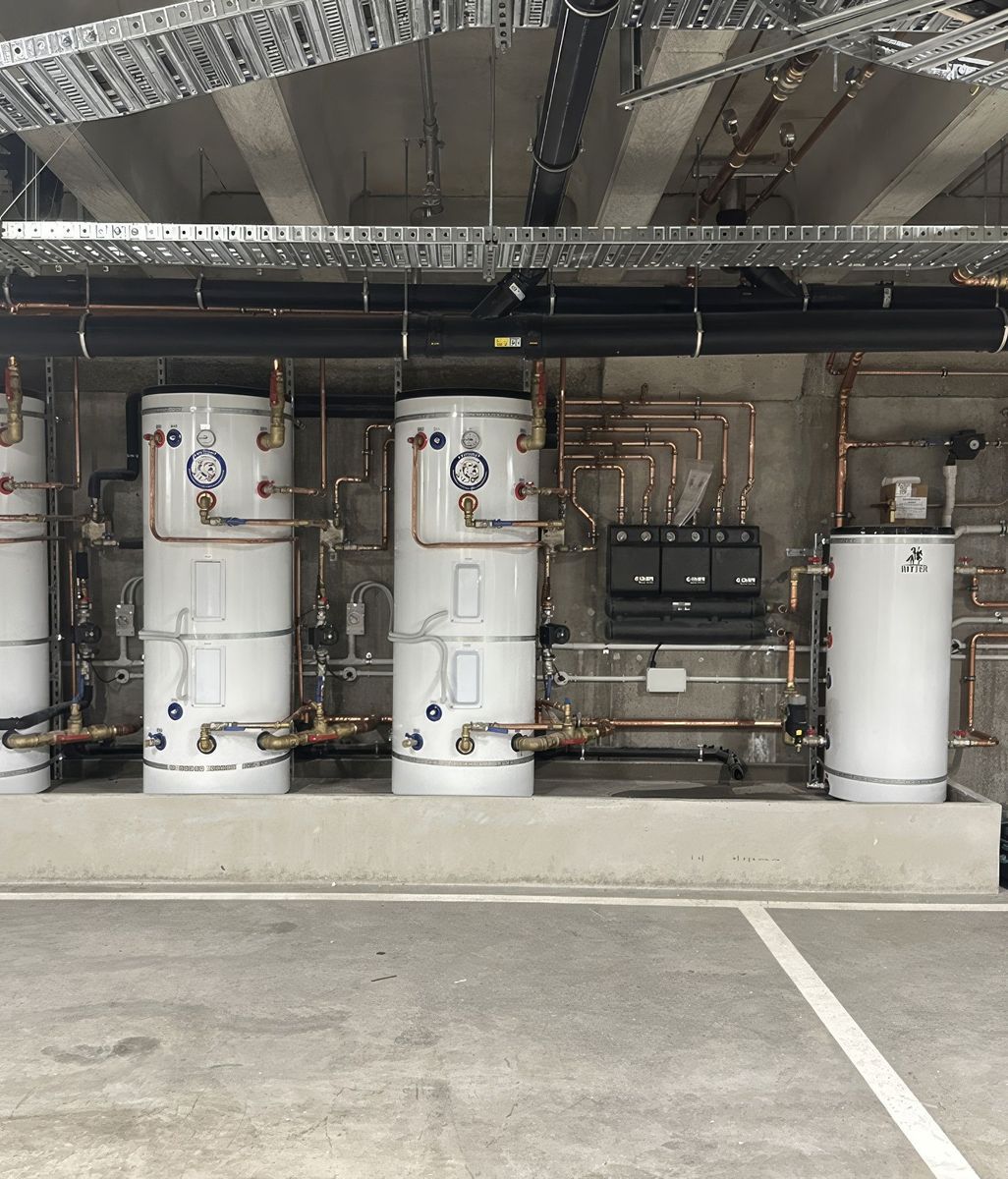
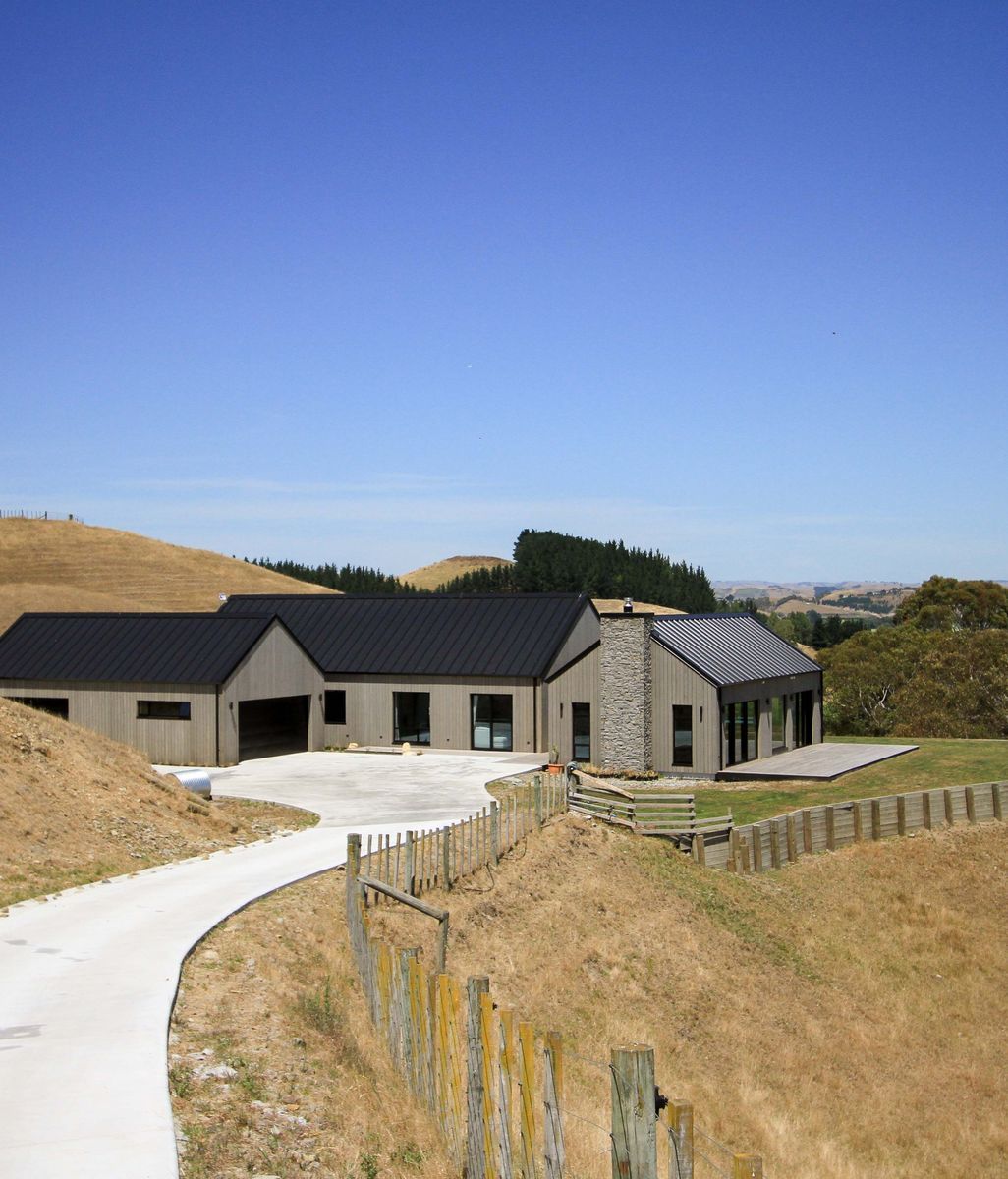
11HW is a high-performance, low-energy design by Urbanfunction that’s both sustainable and carefully crafted.

Architecture that creates lasting value


For Jones, longevity is perhaps the greatest measure of successful architecture.

In an industry responsible for significant material waste and carbon emissions, he is realistic about architecture's environmental challenges. Rather than making sweeping sustainability claims, Urbanfunction focuses on decisions that create lasting value.

Material selection plays an important role. The practice regularly works with raw, honest materials such as concrete block, timber and steel that age gracefully and can be more easily repurposed at the end of a building's life. Where clients seek higher-performing homes, the team also has experience delivering homes approaching passive house performance, with careful detailing and airtight construction improving energy efficiency for decades to come.

Jones believes sustainability also means resisting the temptation to design for the moment.
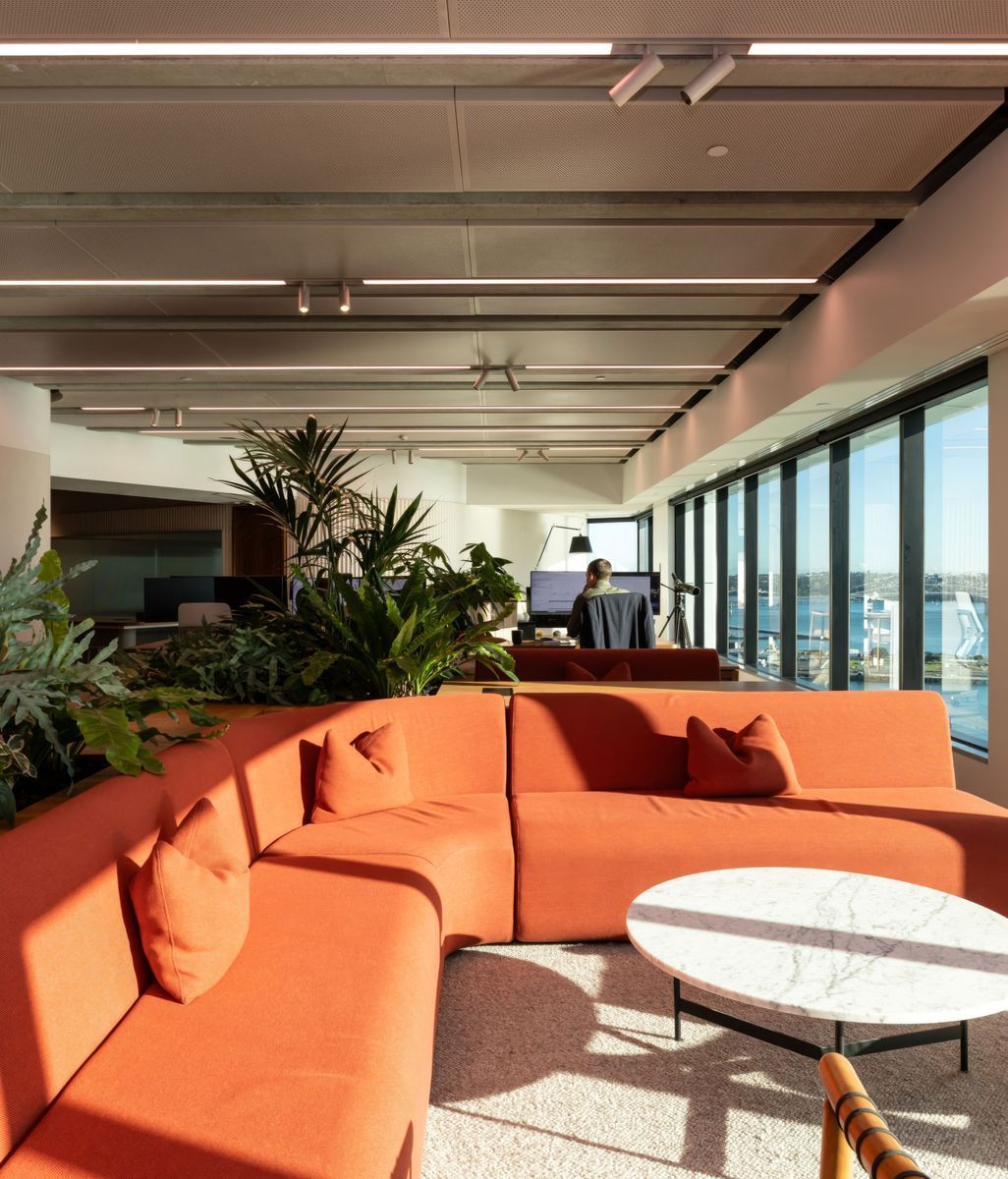
Simpler forms, restrained detailing and carefully chosen materials often outlast architectural fashions, reducing the need for costly renovations or premature replacement.

That philosophy is reflected in one of Urbanfunction's earliest homes, completed more than 15 years ago. Recently sold after only days on the market, the house remains remarkably unchanged.

"It still looks as good as it did back then," Jones says.

Today, the practice's workload reflects both renewed confidence across the construction sector and a growing appetite for thoughtful, smaller-scale living.

Alongside coastal homes, alpine retreats, inner-city townhouses and rural residences, 

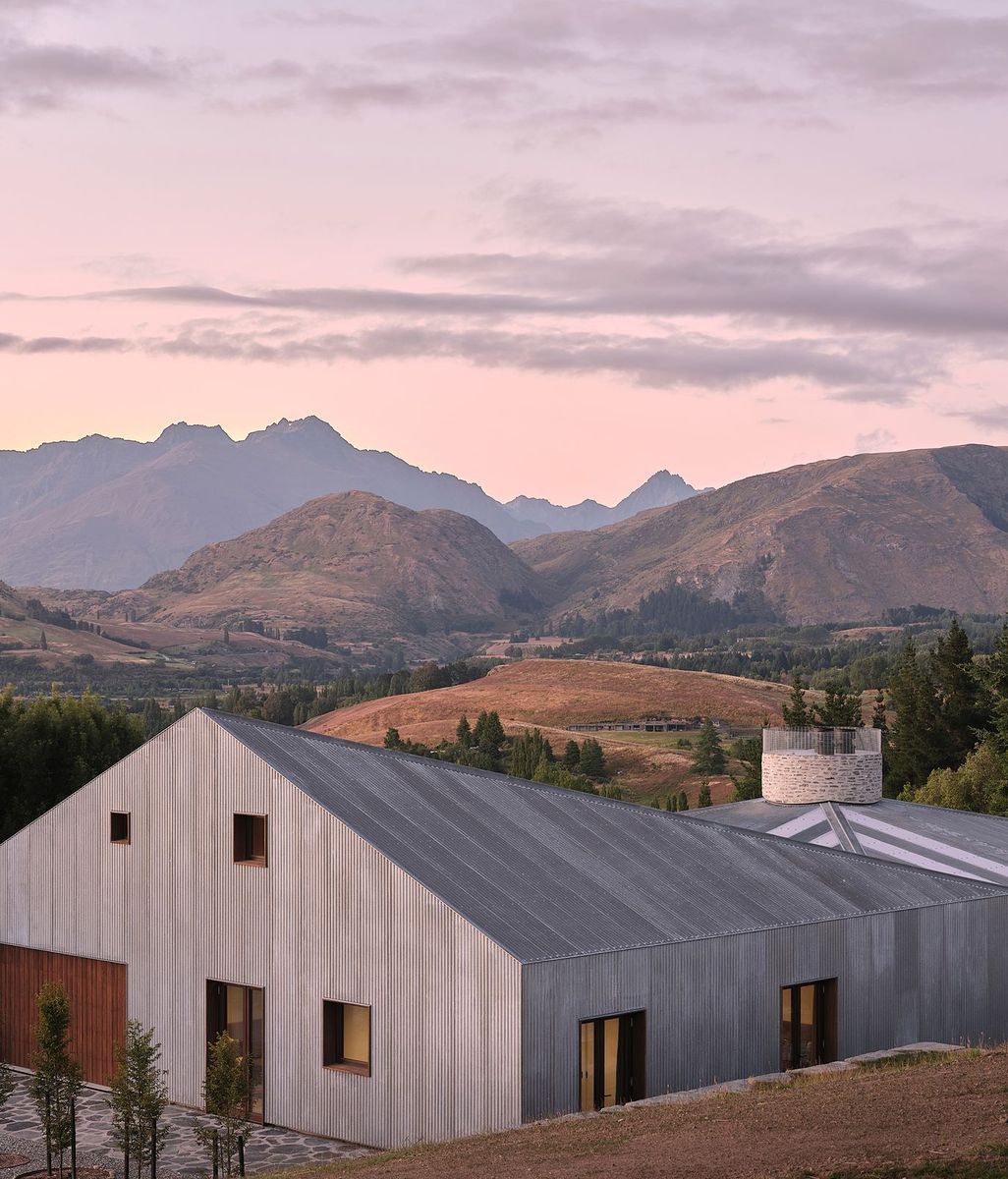
Urbanfunction is designing an increasing number of compact projects, including cleverly designed pods and homes under 60 square metres.

For Jones, these projects reinforce an idea that has become increasingly relevant: small does not have to feel limiting.

It is a fitting reflection of Urbanfunction itself. Intentionally modest in size, and focused on longevity over trends, the practice continues to prove that thoughtful architecture is about designing with the intention for buildings to last. 

As more homeowners seek enduring design over fleeting trends, practices like Urbanfunction offer a compelling reminder that the most sustainable building may simply be the one that still feels right decades later.

Explore projects on ArchiPro to inspir your new home or renovation or connect with trusted professionals and suppliers to bring your dream home to life.