Designing more than homes

Written by

09 September 2026

 • 

5 min read

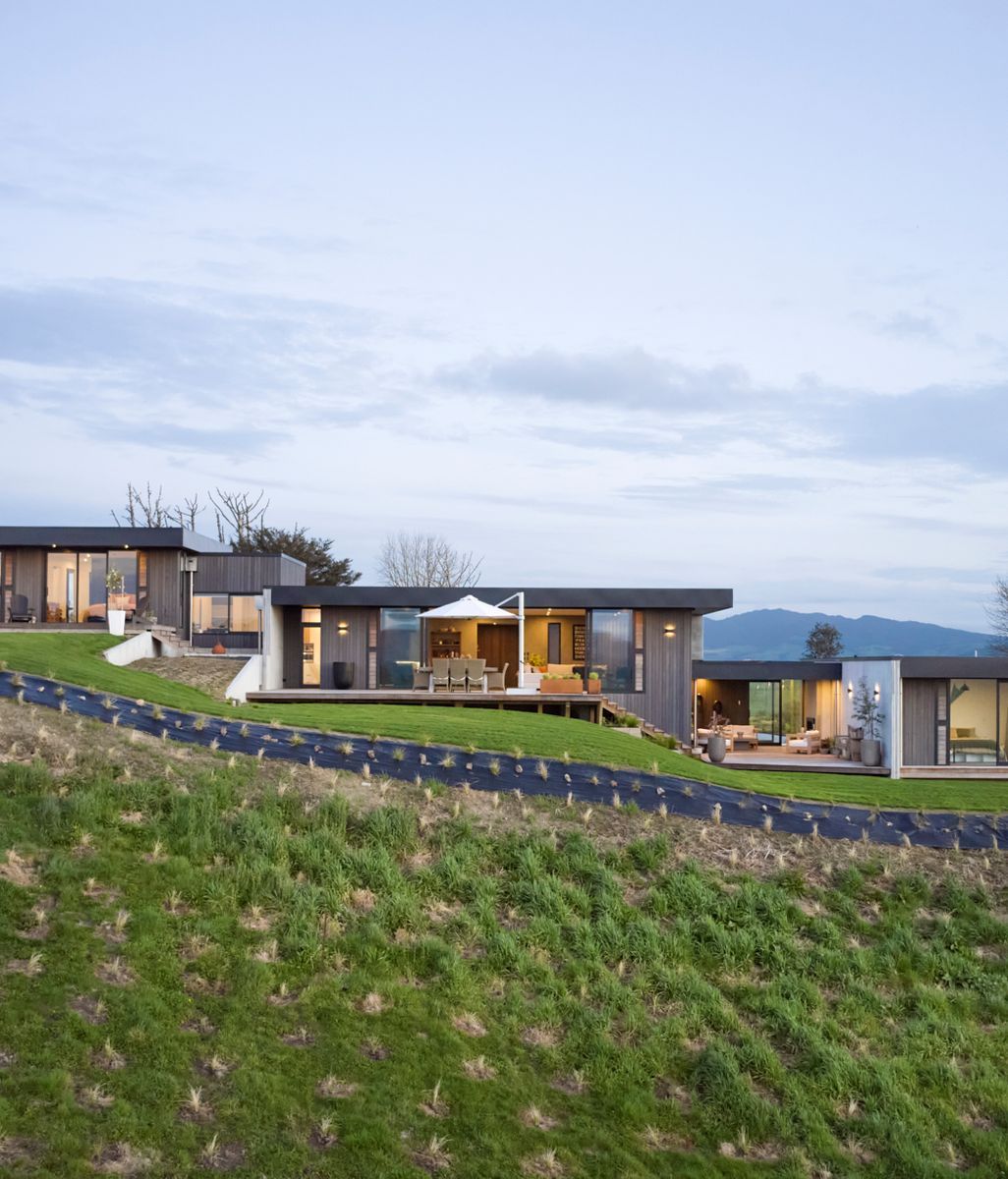
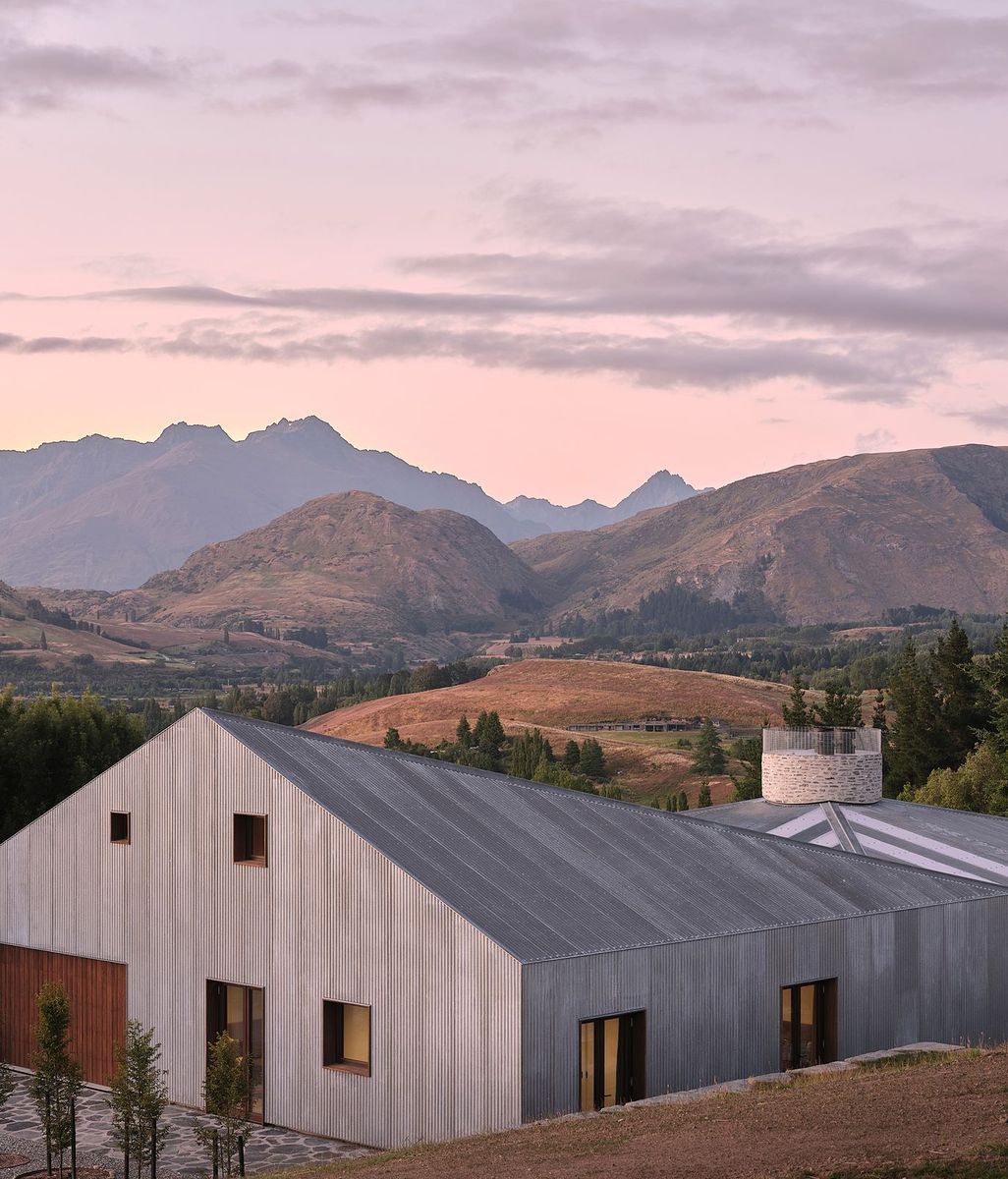
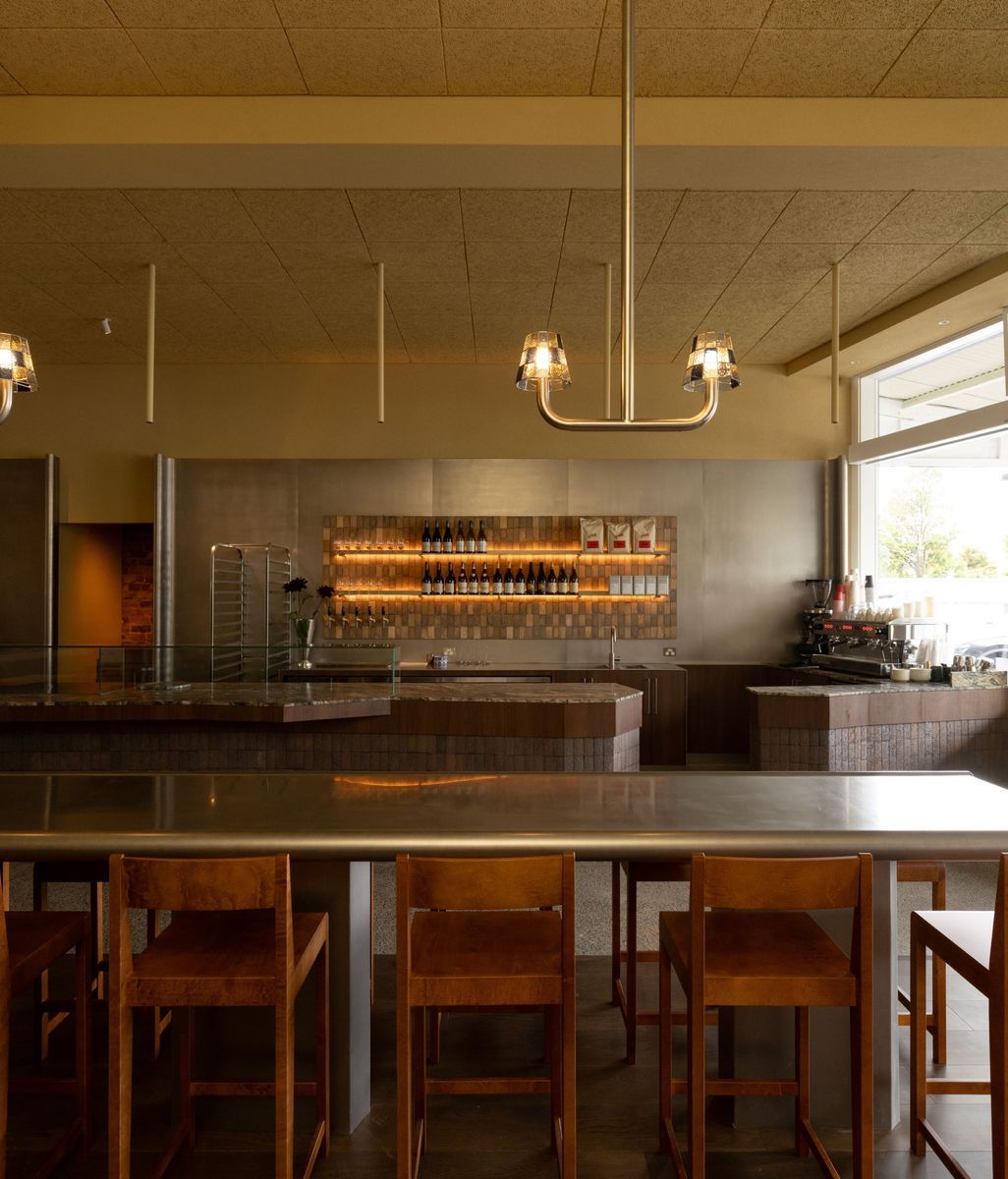
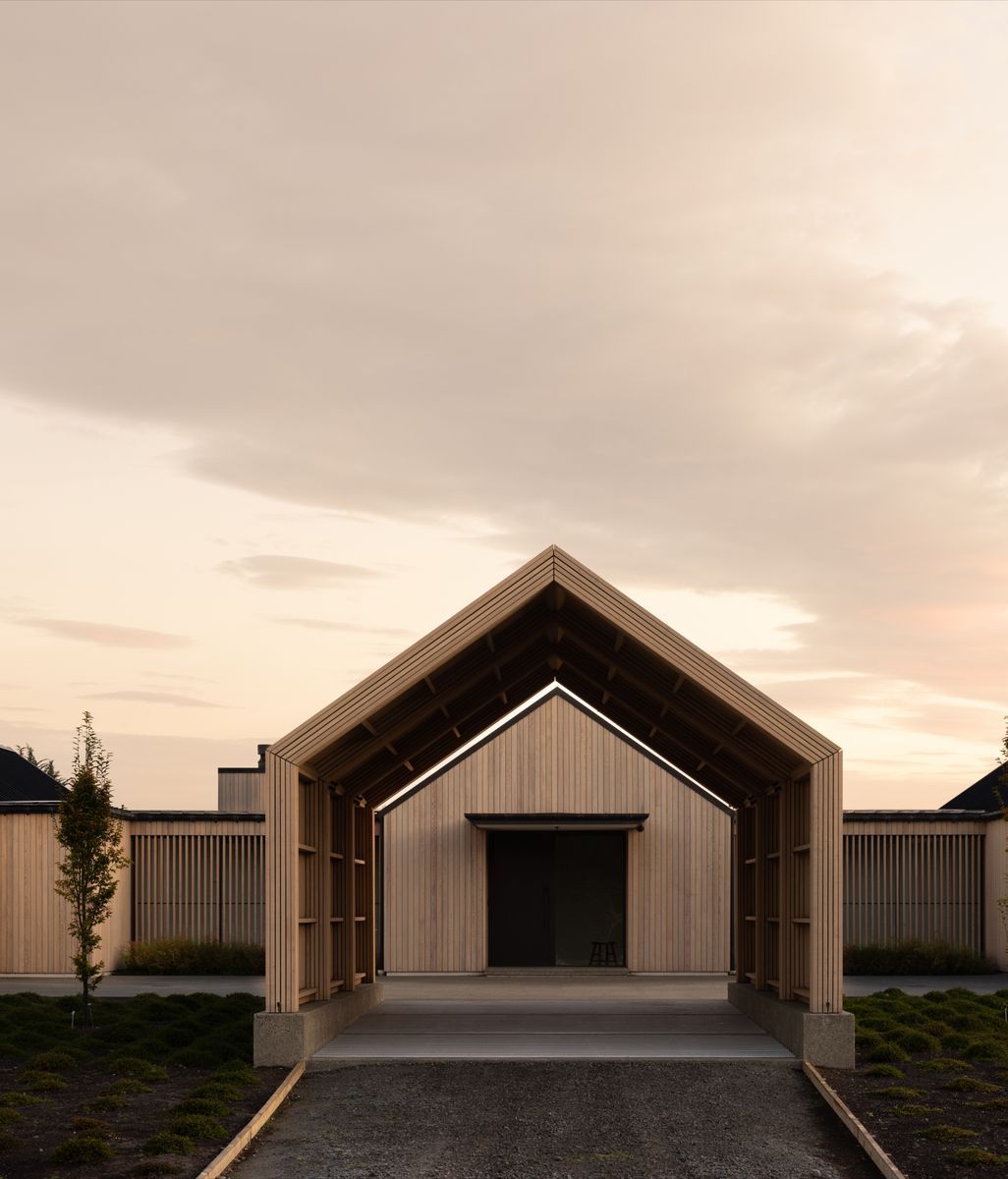
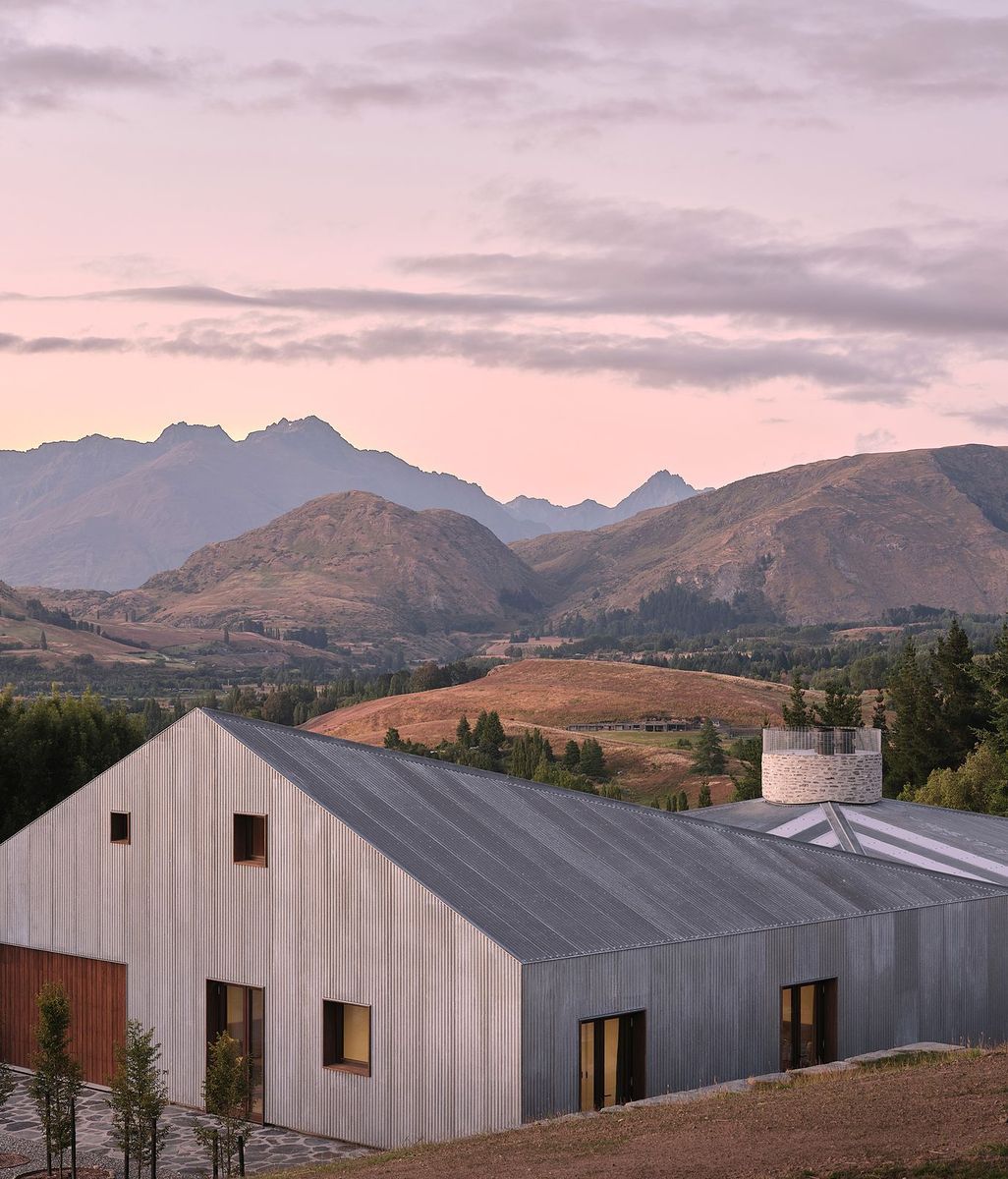
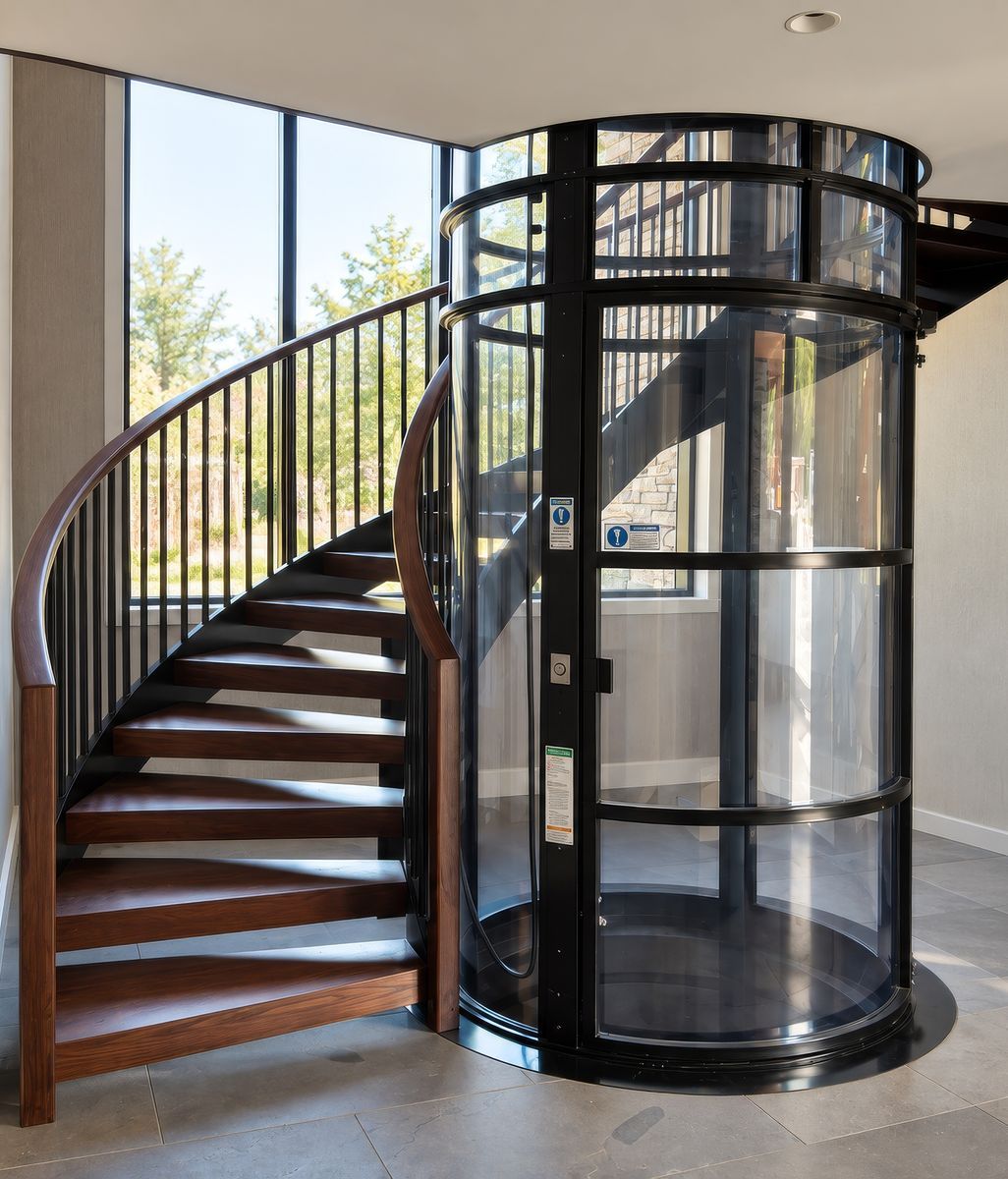
Trinity Interior Design was commissioned to replicate the beauty of the external environment and the building materiality in the interior of this Queenstown home by Mason & Wales. Image credit: Simon Devitt.
For Nicole McKenzie, interior design is about more than finishes and furnishings. It is about guiding clients through one of life's biggest investments with confidence and care.
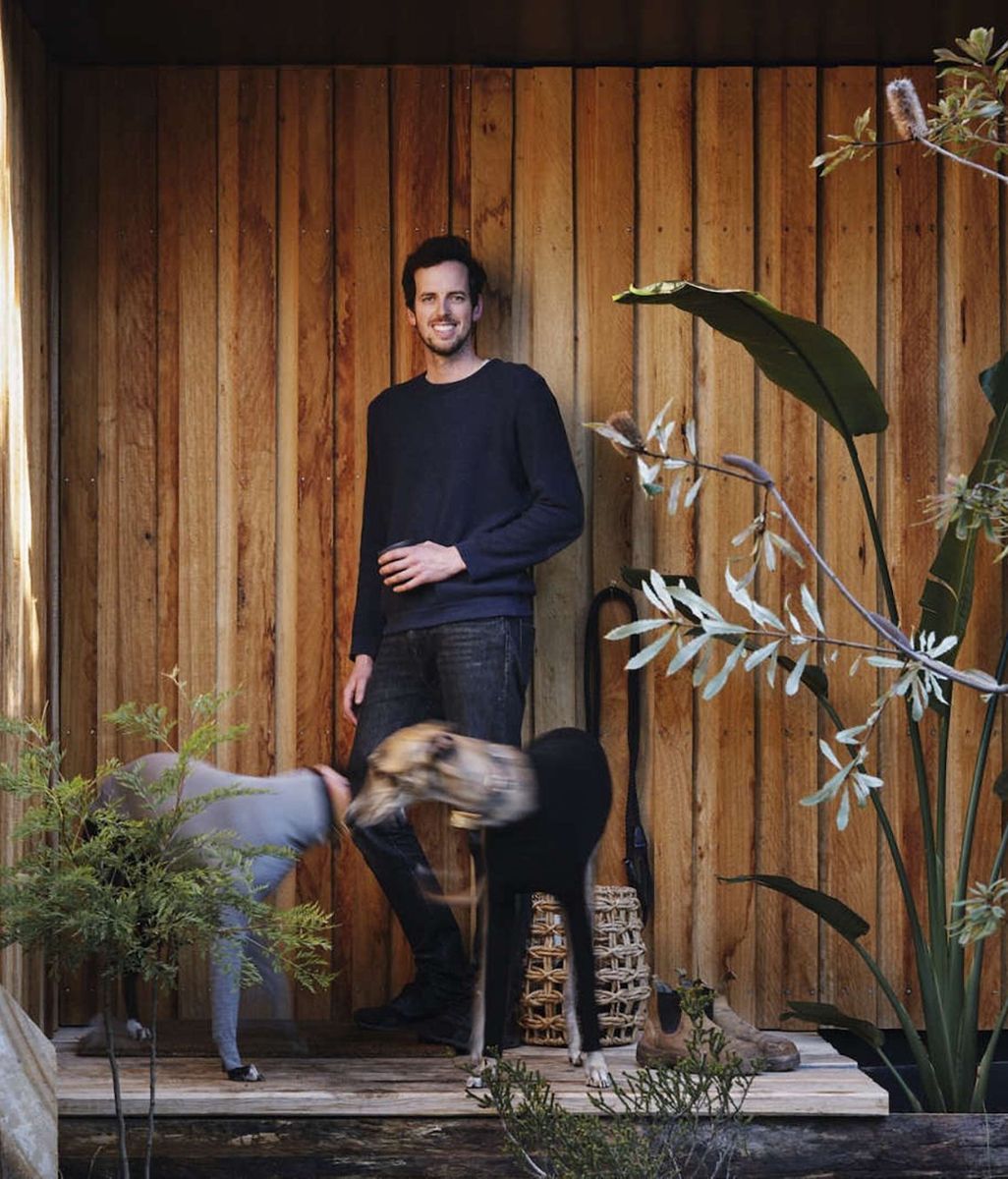
Trinity Interior Design's Nicole McKenzie.

Twenty years ago, Nicole McKenzie took a leap of faith. Having been a client of Trinity Interior Design herself, she purchased the practice in 2006 with a vision for what it could become. Two years later, the Global Financial Crisis arrived, bringing with it a dramatically different economic landscape and forcing McKenzie to rethink not only how the business operated, but how it found work.

Rather than waiting for opportunities to come to her, she went looking for them. 

One day, she knocked on the door of a construction site and asked a simple question: did they need an interior designer?

The answer, initially, was no. But a few weeks later, the builder called back. A large project in Northland needed support, and Trinity was invited to become involved. That project would become Helena Bay, the now internationally renowned luxury lodge, and the commission provided a crucial foothold during an uncertain period.

“We ended up having three full-time people on that project for around five years,” McKenzie recalls. “Through that experience it really gave us the springboard to develop our model further.”

What began as a chance introduction would also shape the future direction of the practice. By working closely with builders, architects and project teams, Trinity established a collaborative model that is still foundational to the business today.

“We've always believed that the best projects come from good teams,” says McKenzie. “It's never about us. It's about bringing together the right people and making sure everyone is working towards the same outcome for the client.”

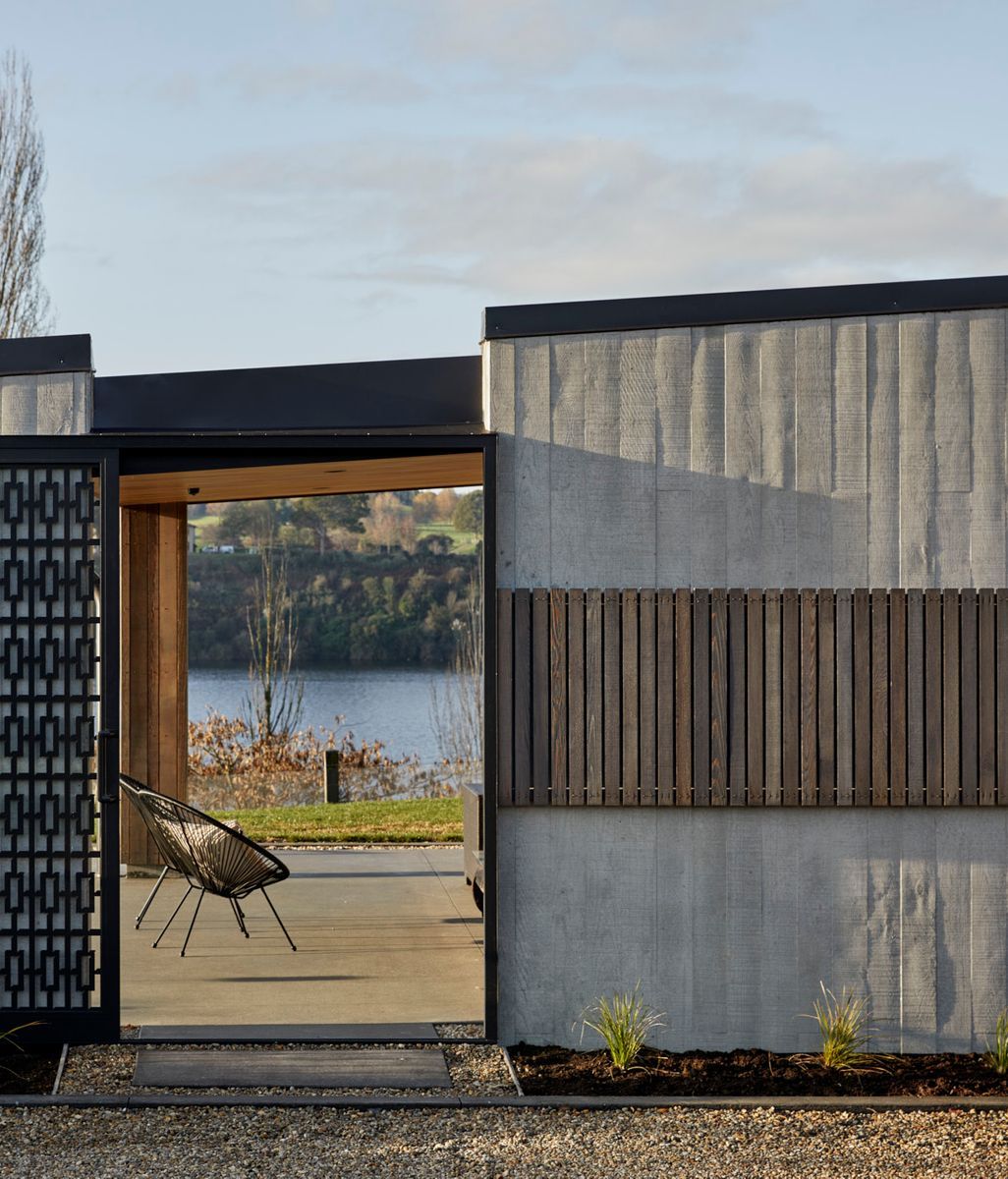
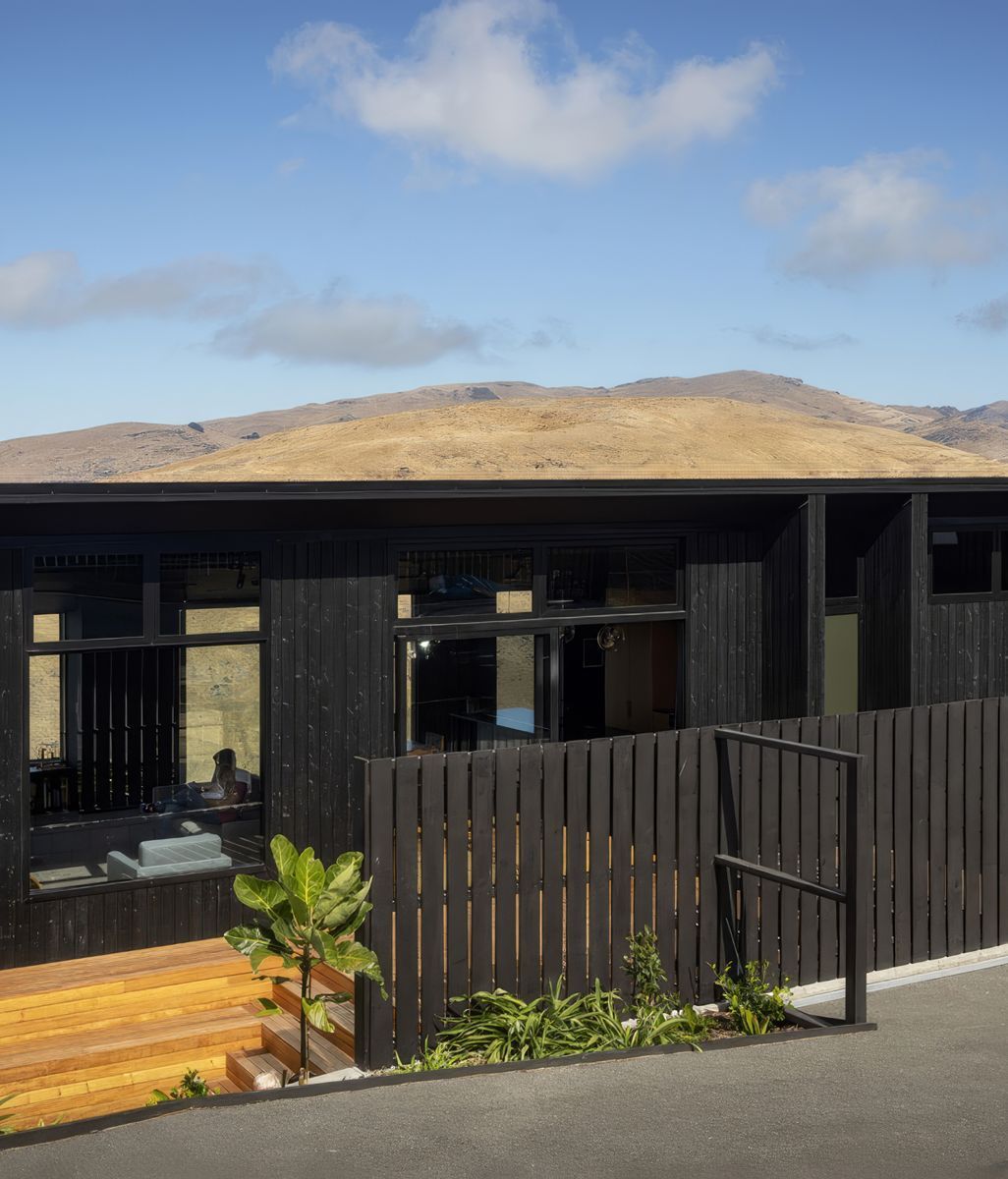
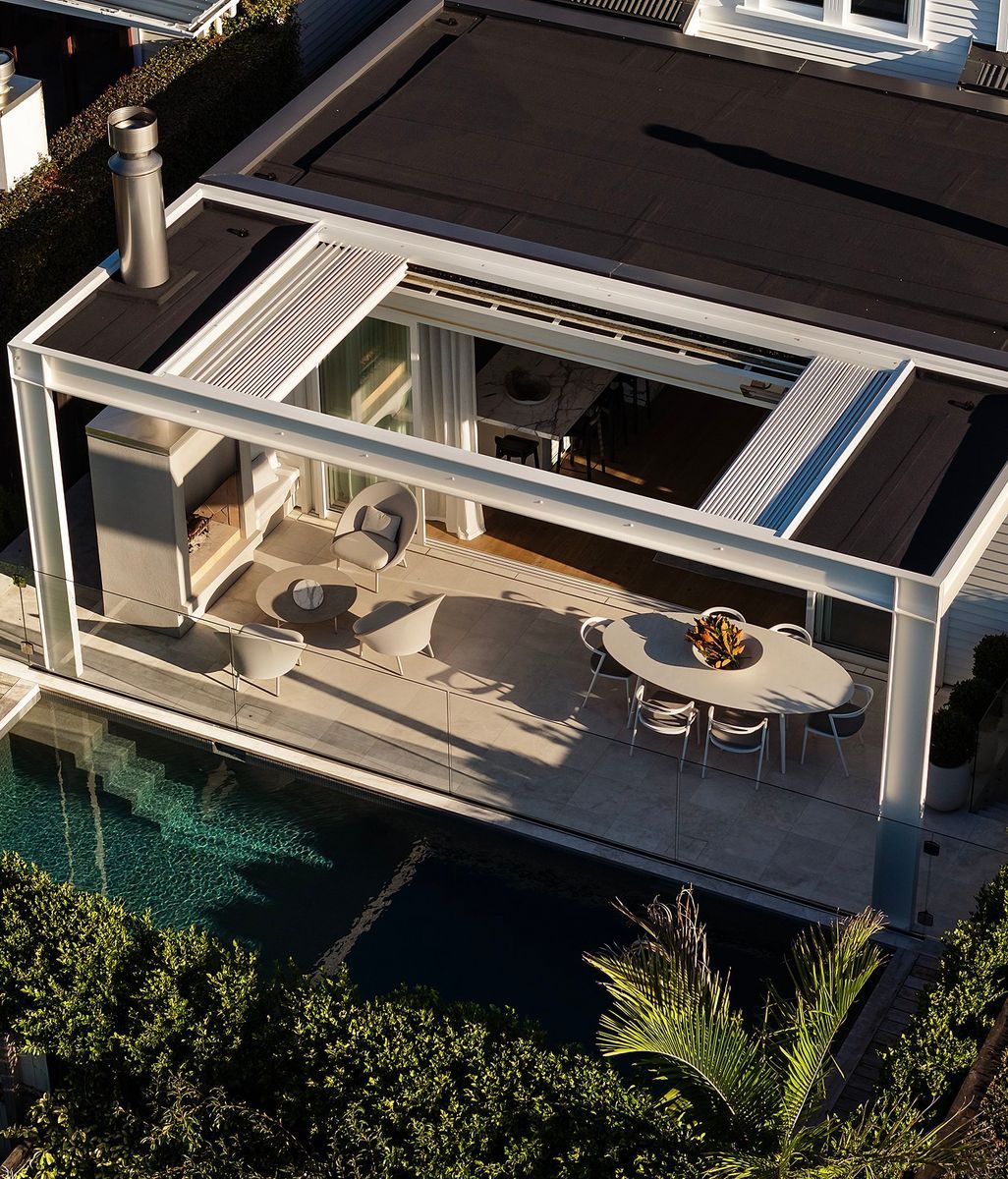
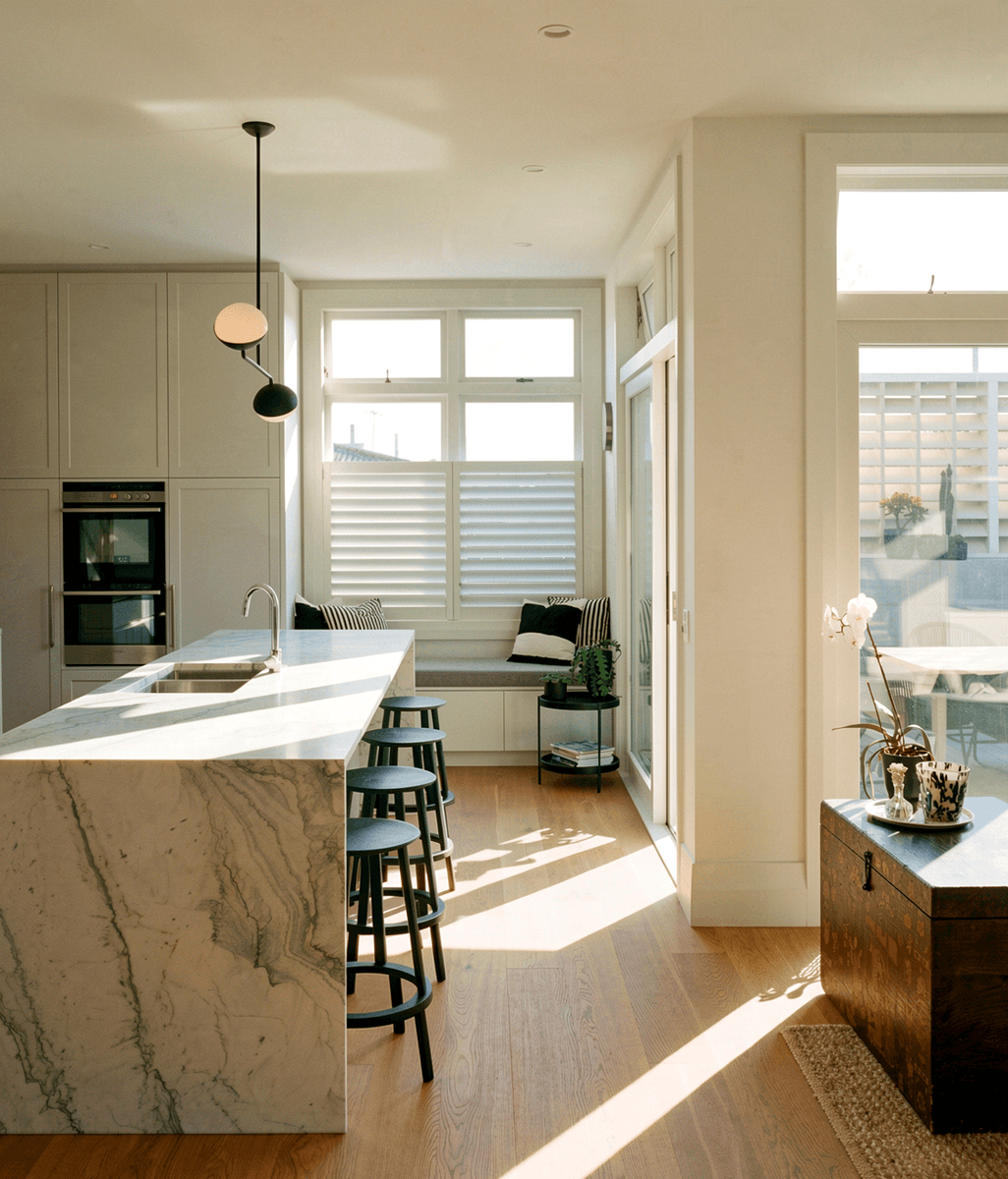
Homestead Bay House in Queenstown interiors by Trinity Interior Design.

Today, Trinity Interior Design is a team of 12 specialising in high-end residential projects throughout New Zealand. While the scale and complexity of the work has grown considerably over the past two decades, the practice’s philosophy remains remarkably consistent: people first.

That principle extends beyond aesthetics. For McKenzie, successful interior design begins with understanding how clients want to live, long before discussions turn to finishes, furniture or colour palettes.

“Every client has an aesthetic, but they also have practical requirements, budgets and ways of living,” she explains. “Our job is to understand all of that and create a home that genuinely works for them.”

It is a process that often sees Trinity operating as both designer and guide. The practice works closely with clients from the earliest planning stages, helping them navigate decisions, manage expectations and coordinate the many moving parts that accompany a residential build.

“We're there to walk alongside them,” McKenzie says. “For some people, building a home can feel overwhelming. We're managing timelines, documentation, procurement and communication behind the scenes so they can focus on enjoying the process.”

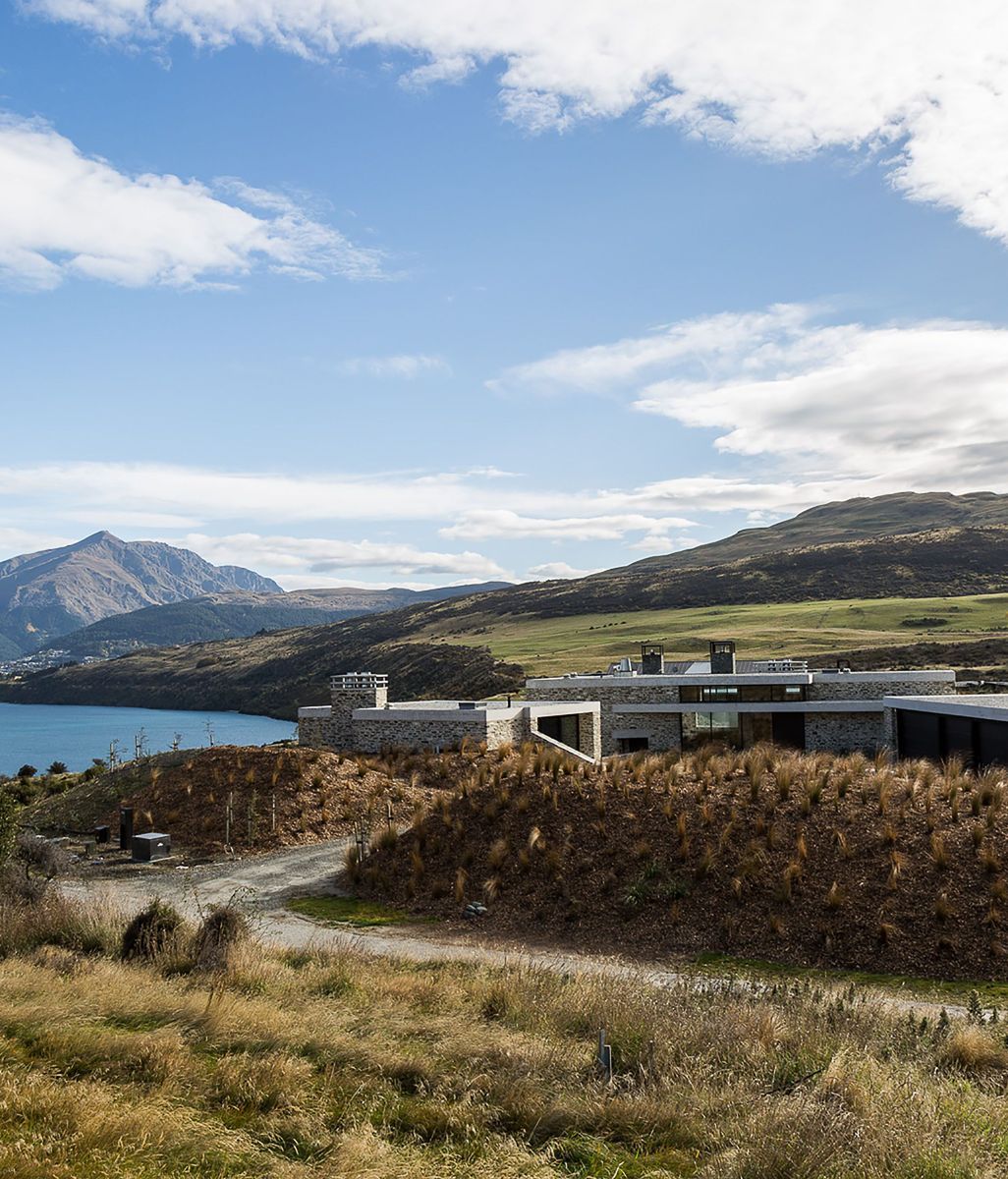
That emphasis on collaboration has also led to enduring relationships with architects, builders and project managers across the country. One particularly significant milestone came through a project at Closeburn Station in Queenstown, a home that was recently named in the Home of Architecture’s Home of the Decade 2015-2025 hardback. 

The success of that project opened doors to further collaborations and helped establish Trinity's reputation for delivering complex projects involving remote sites, international clients and large consultant teams.

“It was one of those moments where you prove yourself,” McKenzie says. “When people give you an opportunity and you deliver on it, that creates trust. Those relationships are incredibly important.”

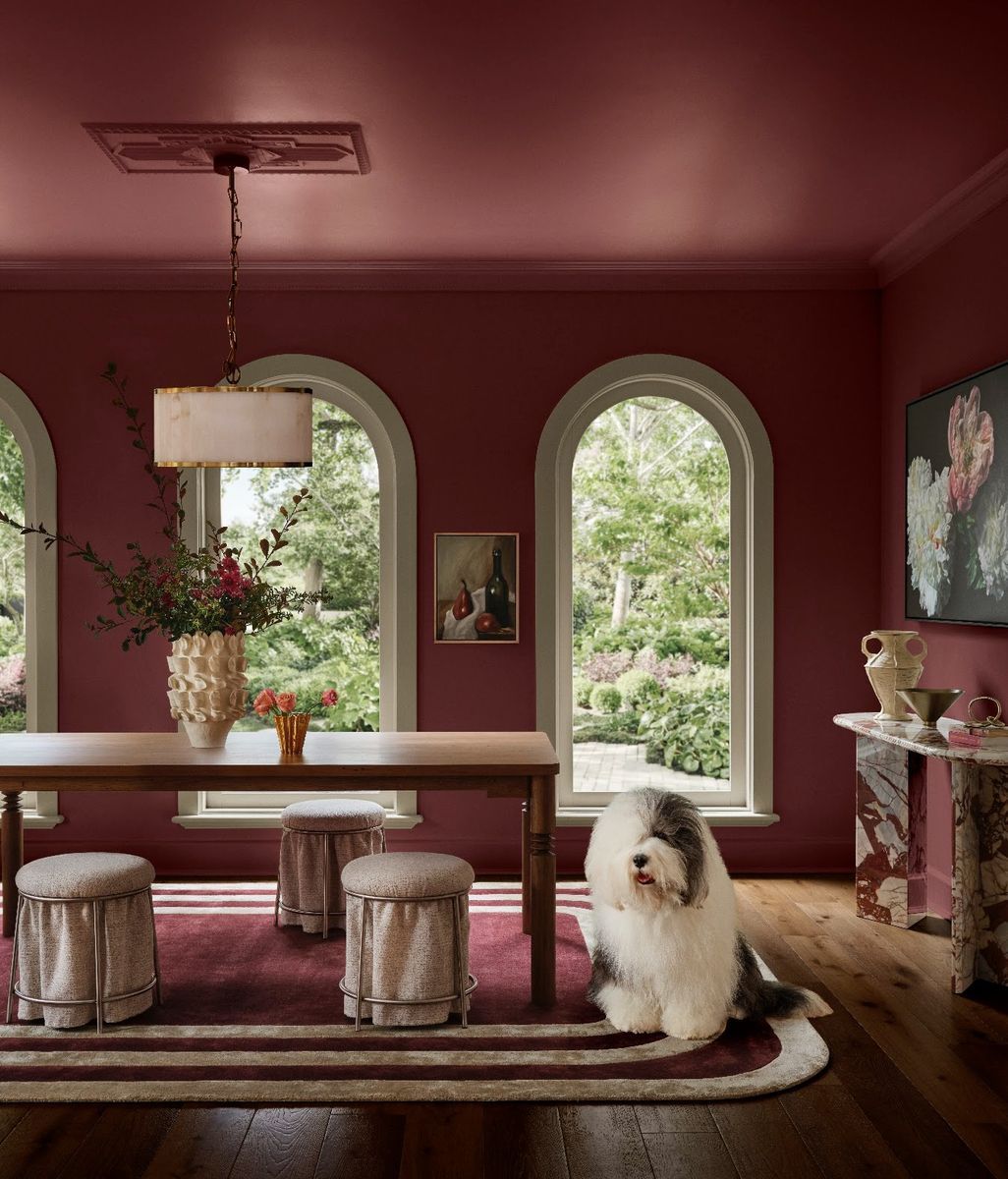
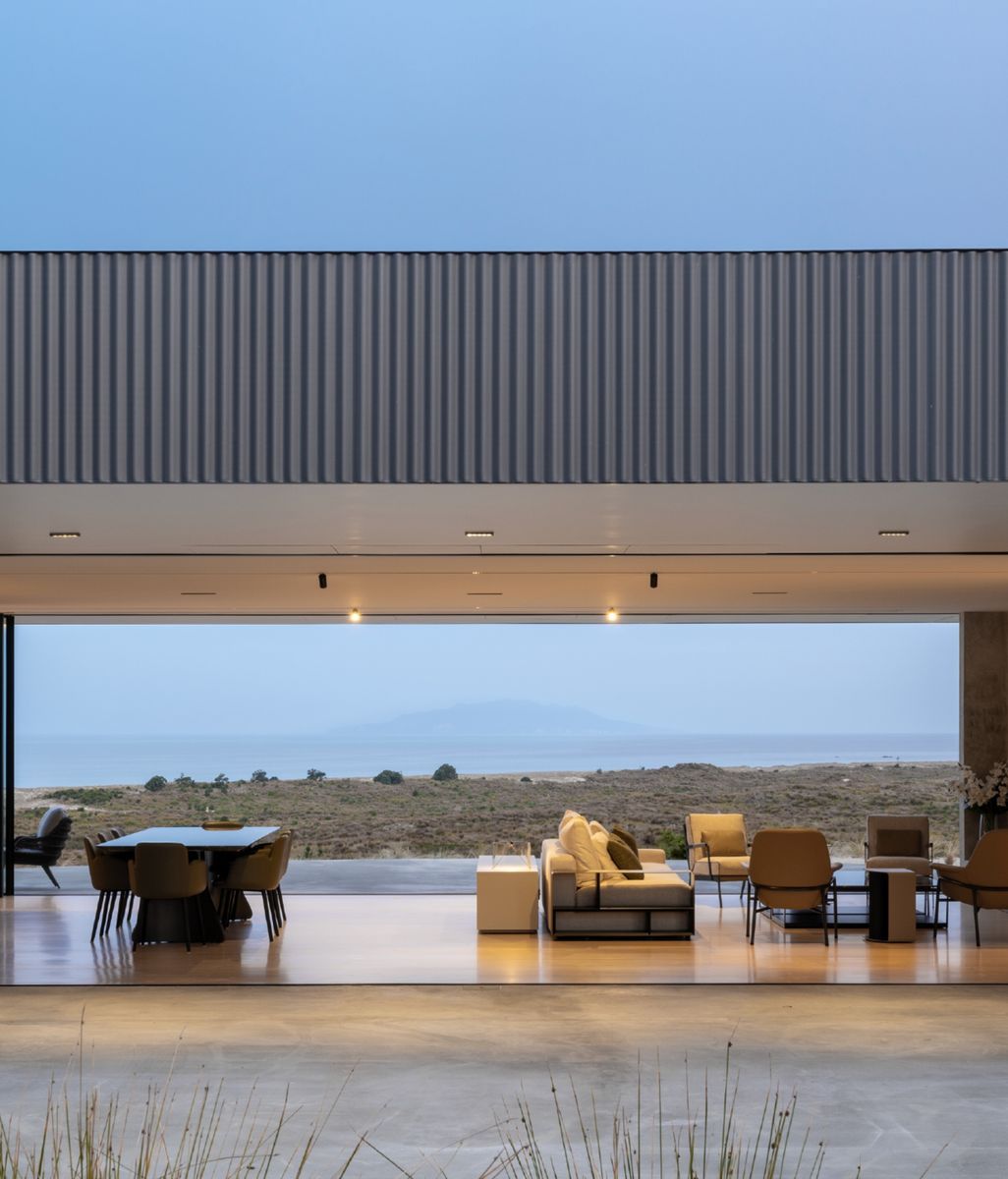
Above and below: Lake Taupo House interiors by Trinity Interior Design.

It is perhaps unsurprising, then, that McKenzie is passionate about the value interior designers bring to a project. While many homeowners still view interior design as an optional luxury, she sees it as an investment that can shape both the experience of building and the long-term value of the home itself.

“Interior designers should add value. That's why we're here,” she says.

That value can take many forms: identifying opportunities clients may not have considered, ensuring budgets align with expectations, avoiding costly mistakes and helping projects remain cohesive from concept through to completion.

“We have conversations very early on about what's realistic,” McKenzie explains. “A client might have beautiful reference images, but if those ideas don't align with the budget, we need to talk about that from the start. It's about making informed decisions.”

McKenzie is quick to challenge the notion that interior design is a luxury add-on, noting that the impact can be tangible. One recent Queenstown home where Trinity collaborated on the design sold for a record-breaking $18 million, with the selling agent attributing much of its appeal to the considered design decisions made throughout the project.

For McKenzie, it was another reminder that good design should be viewed as an investment rather than a cost. Yet the financial outcome is only part of the equation. The journey clients take to get there matters just as much. 

From coordinating overseas homeowners undertaking major renovations to helping families navigate the complexities of a new build, Trinity's role often extends well beyond the traditional boundaries of interior design.

“We look after people,” McKenzie says simply. “At the end of the day, these are their homes and they will live in them. We want our clients to feel supported and excited about the journey.”