Seeing between the lines: making pictures, making meaning
Written by
30 September 2026
•
9 min read

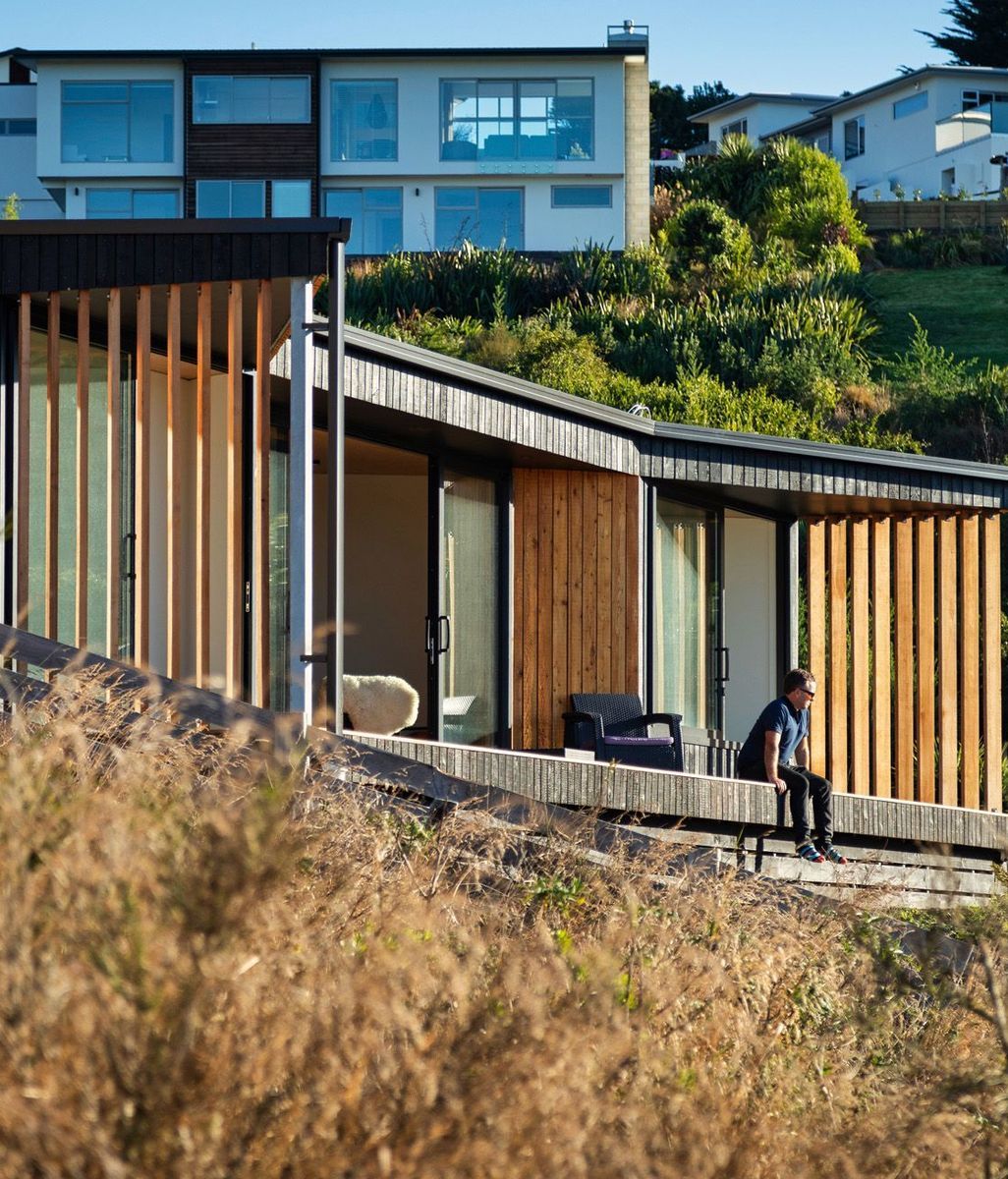
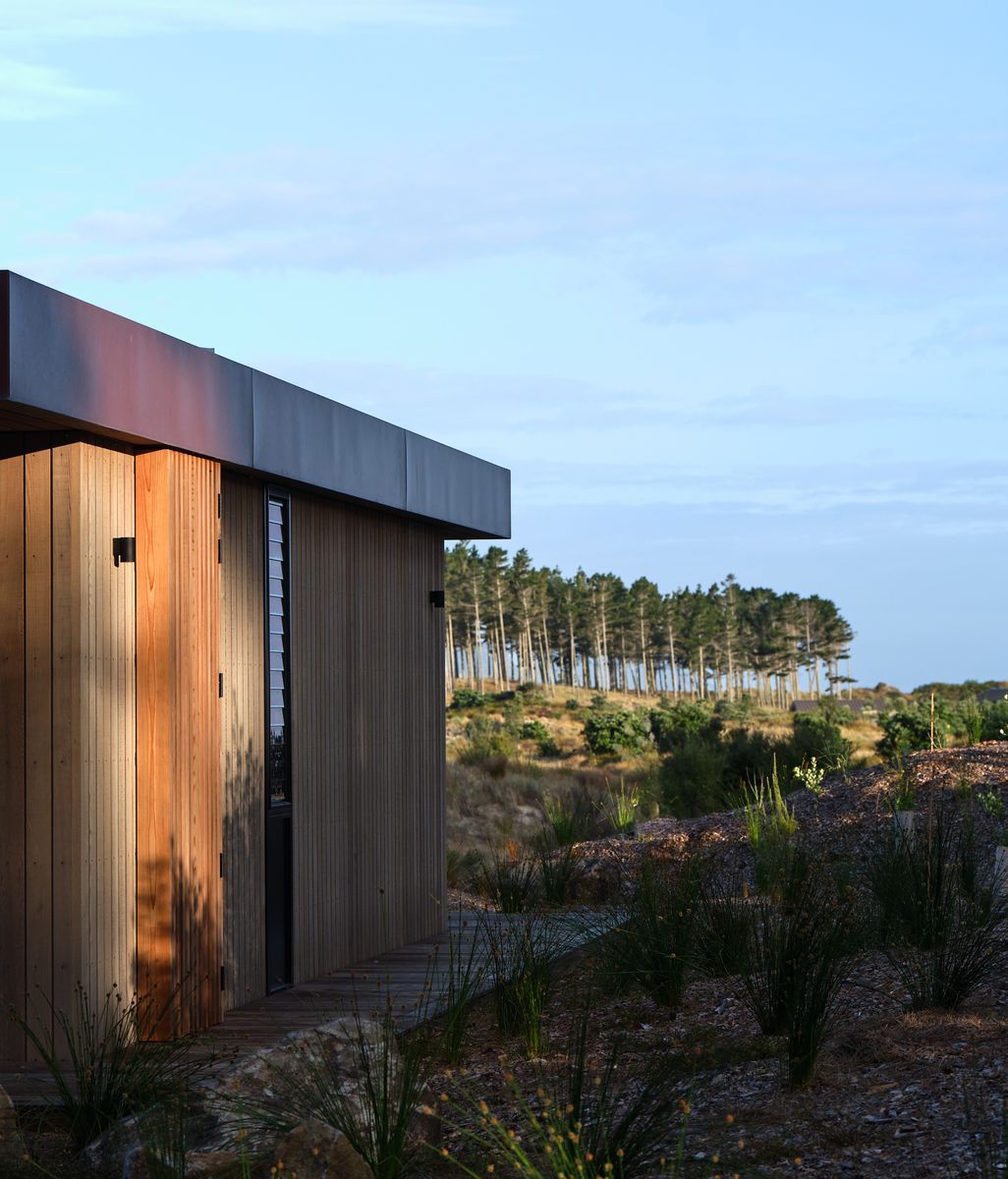
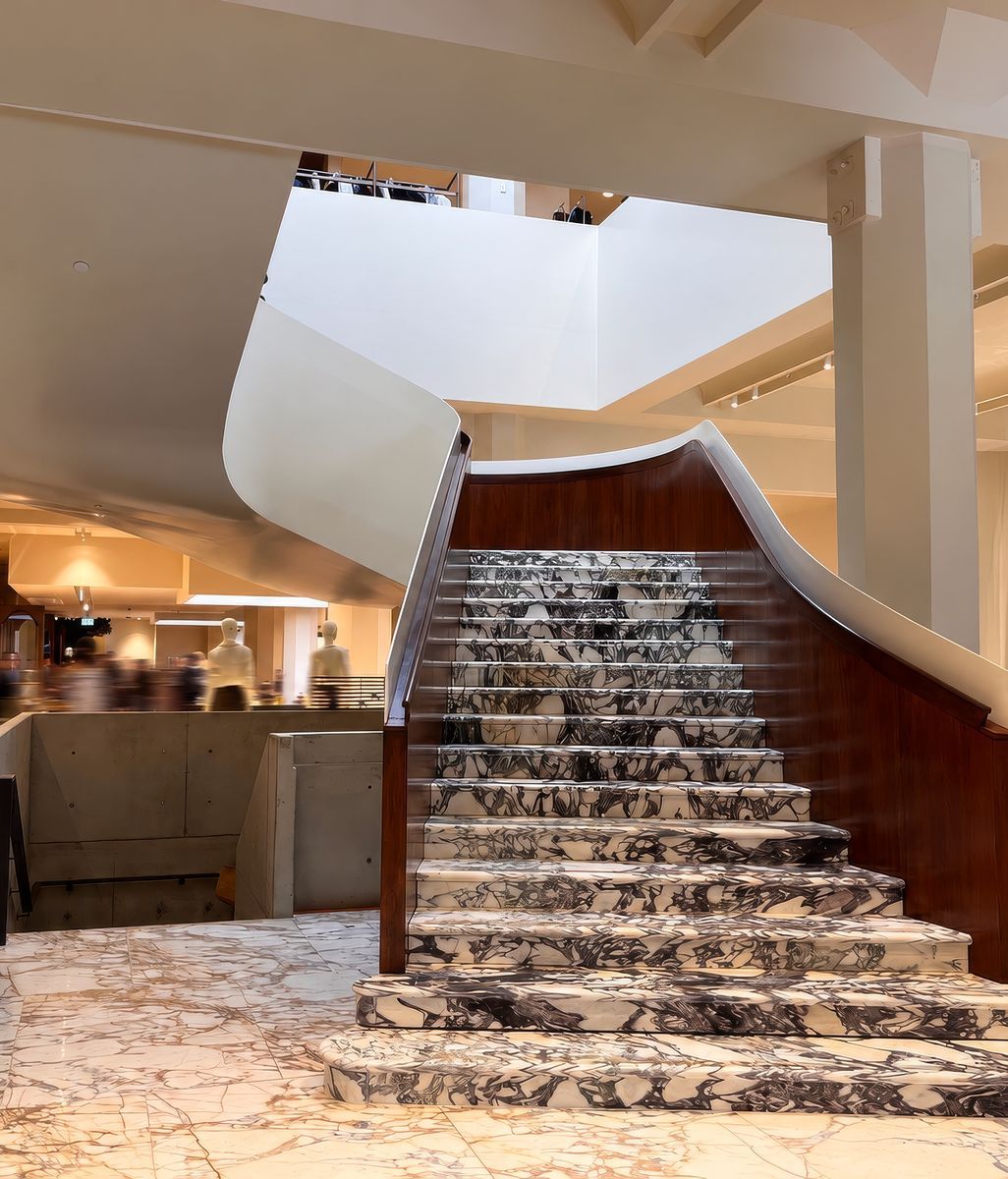
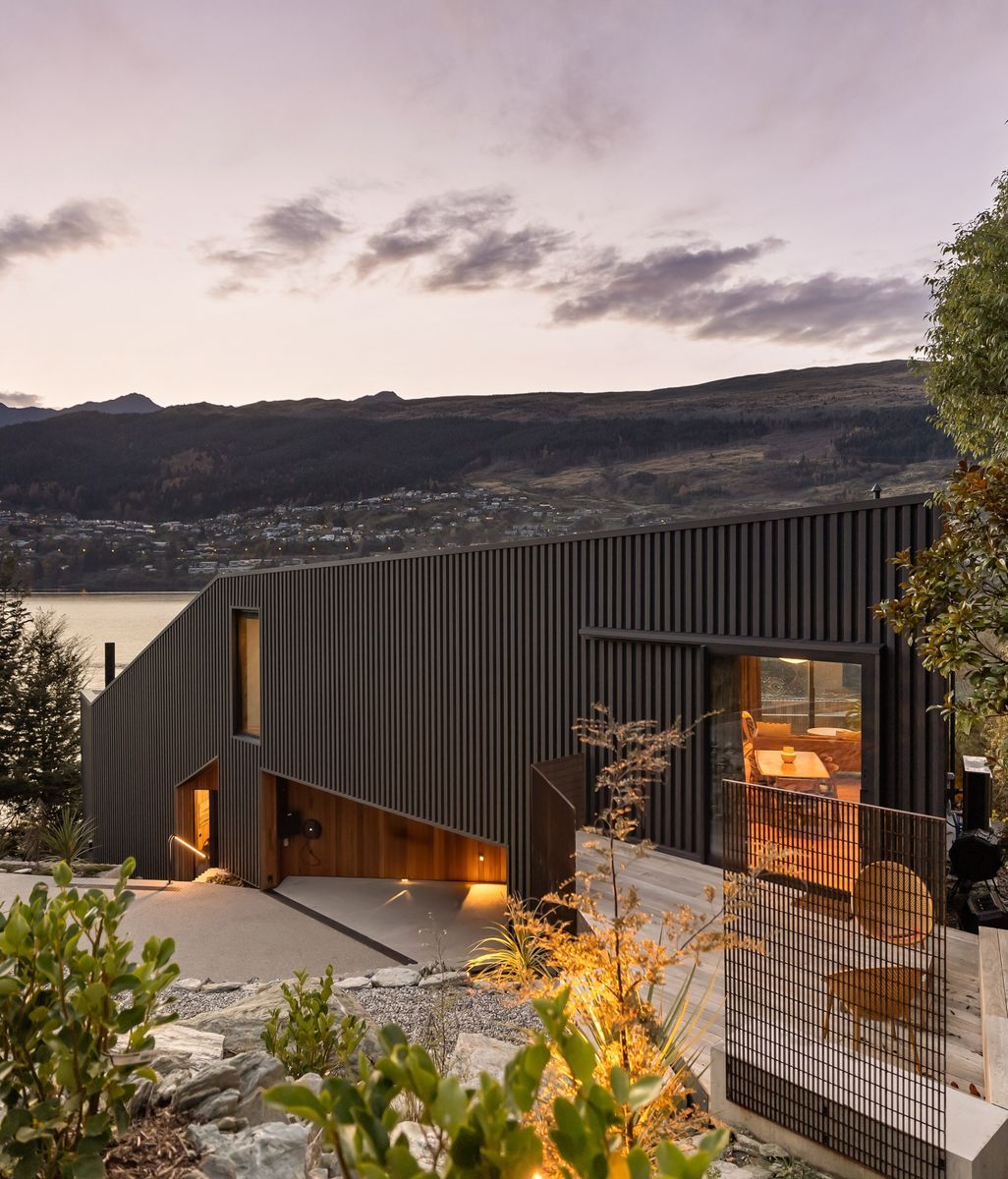
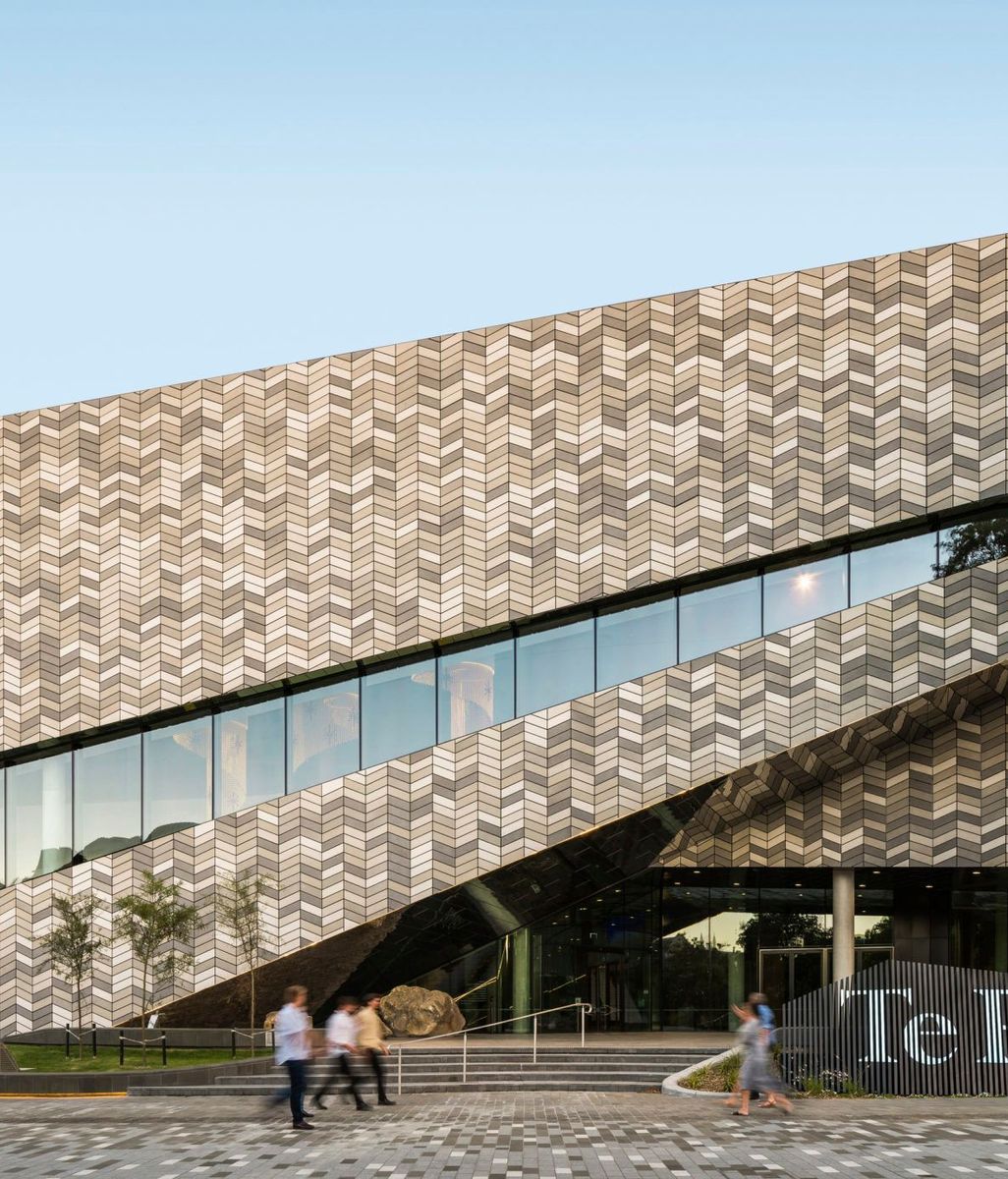
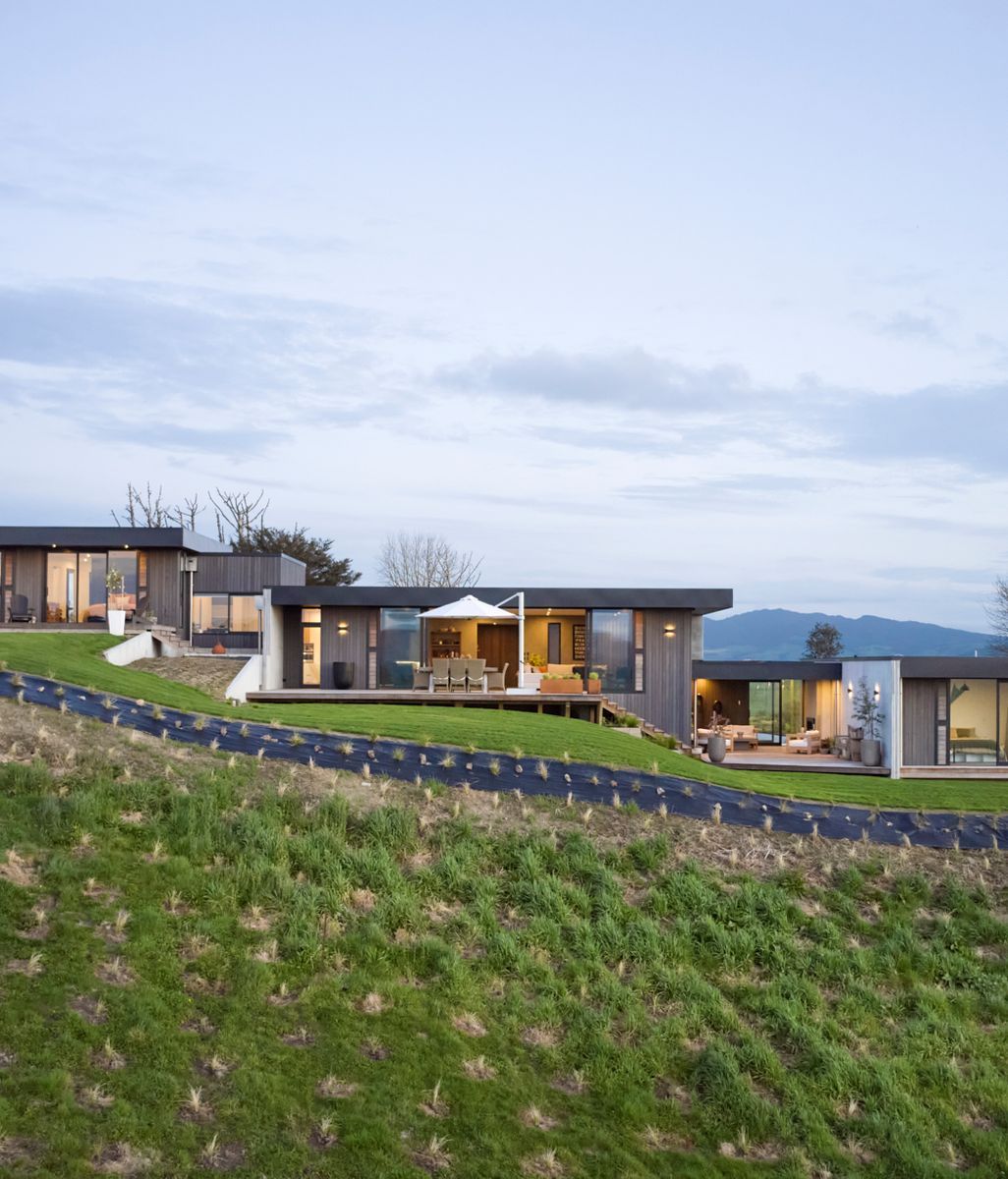
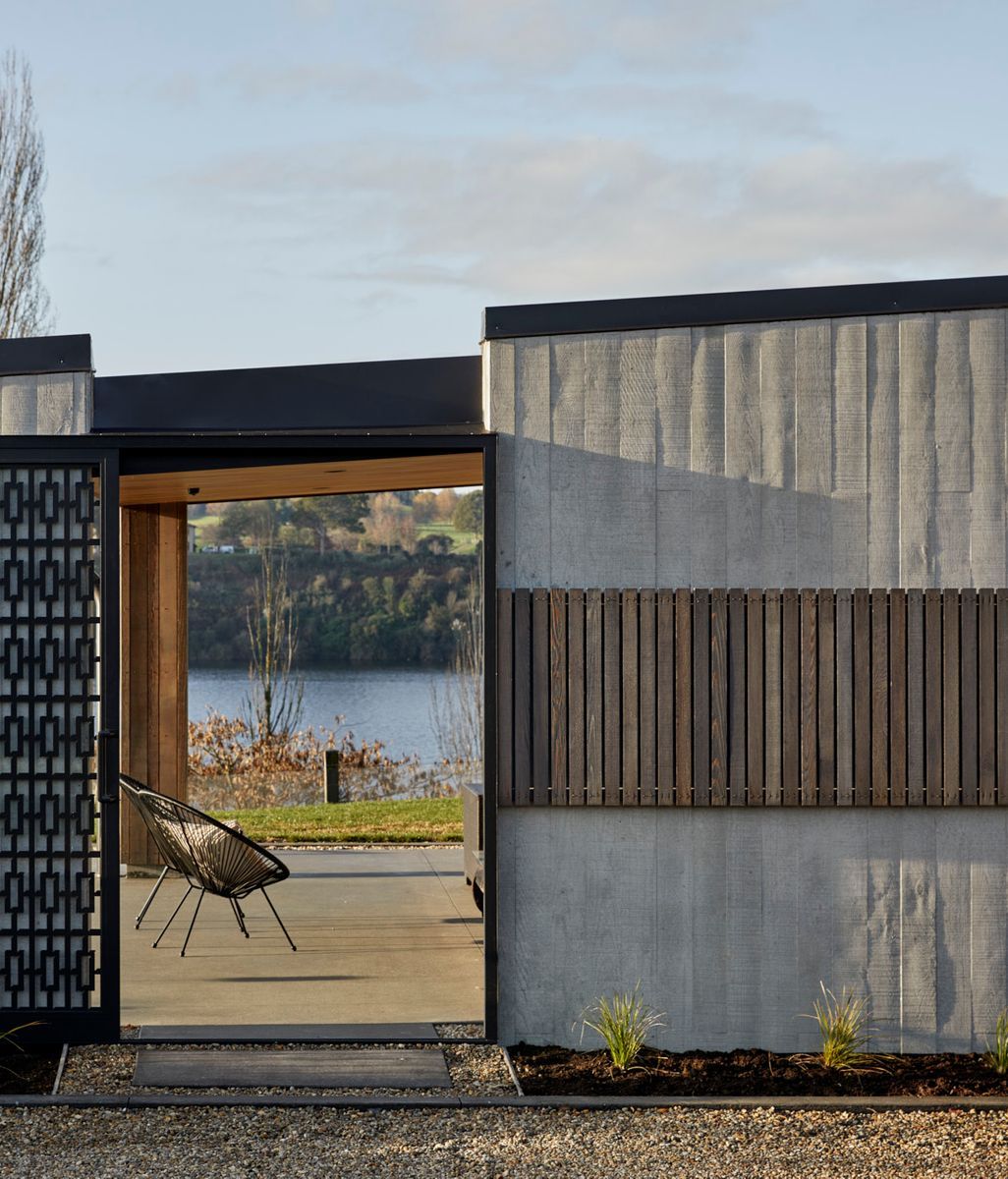
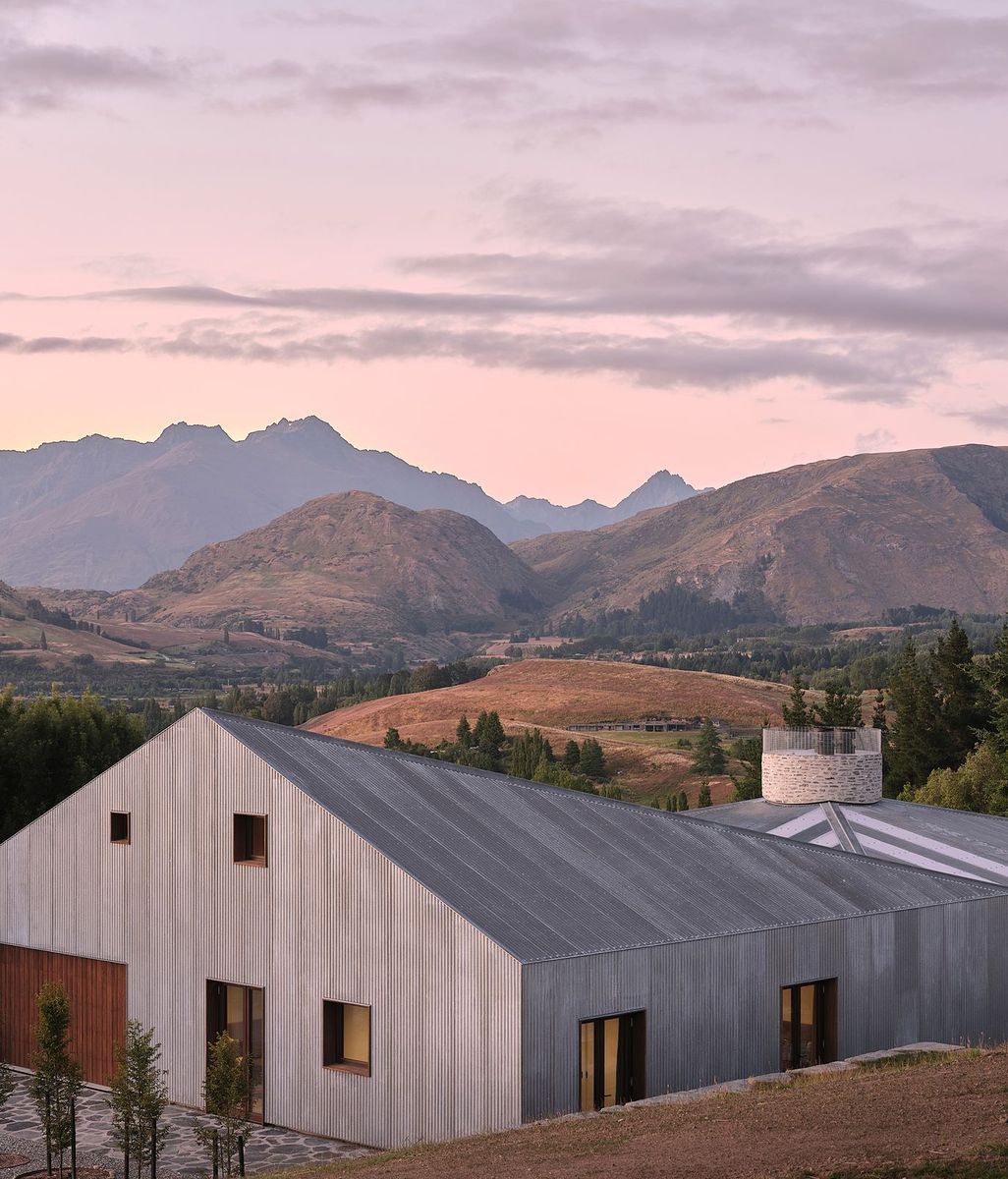
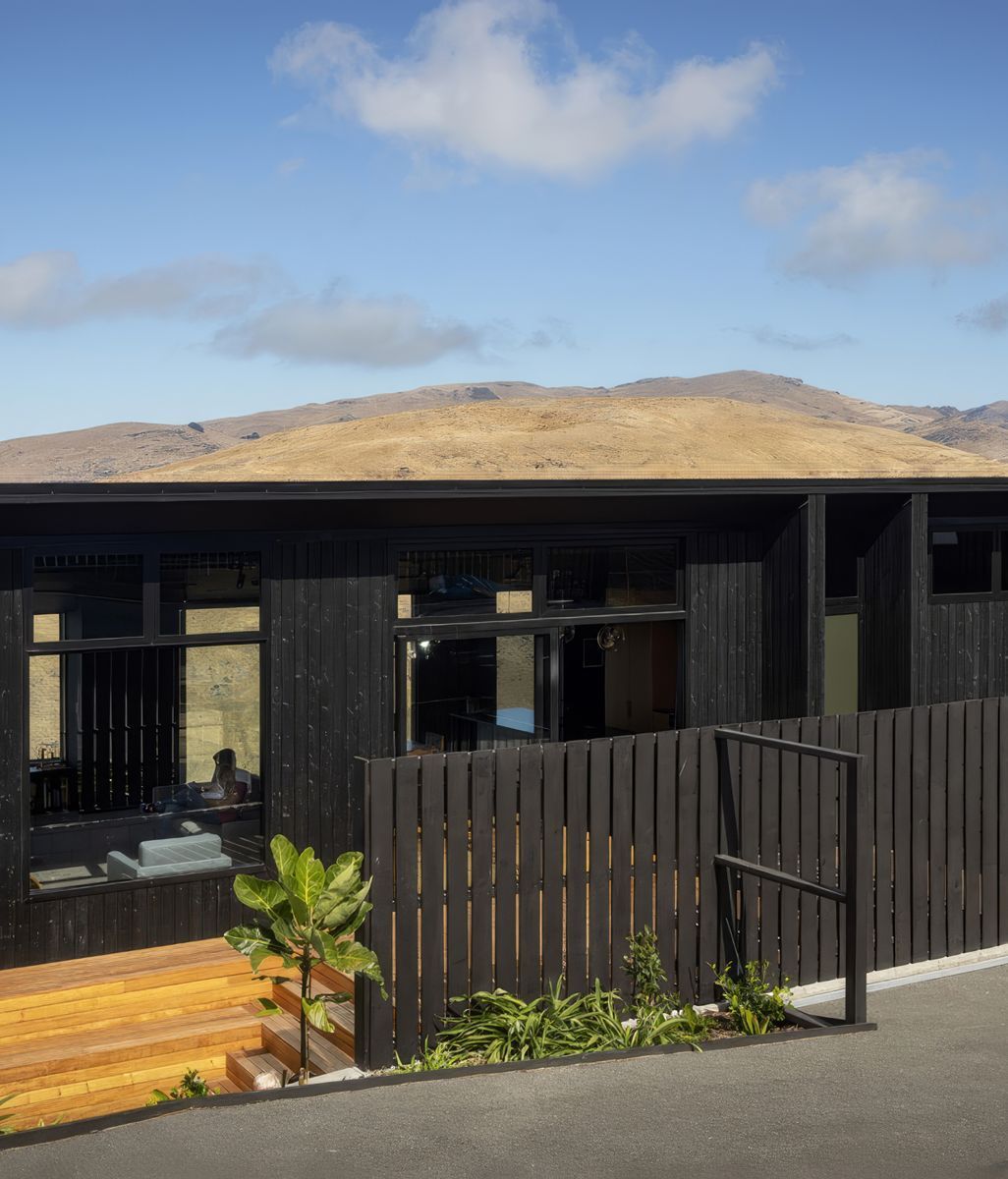
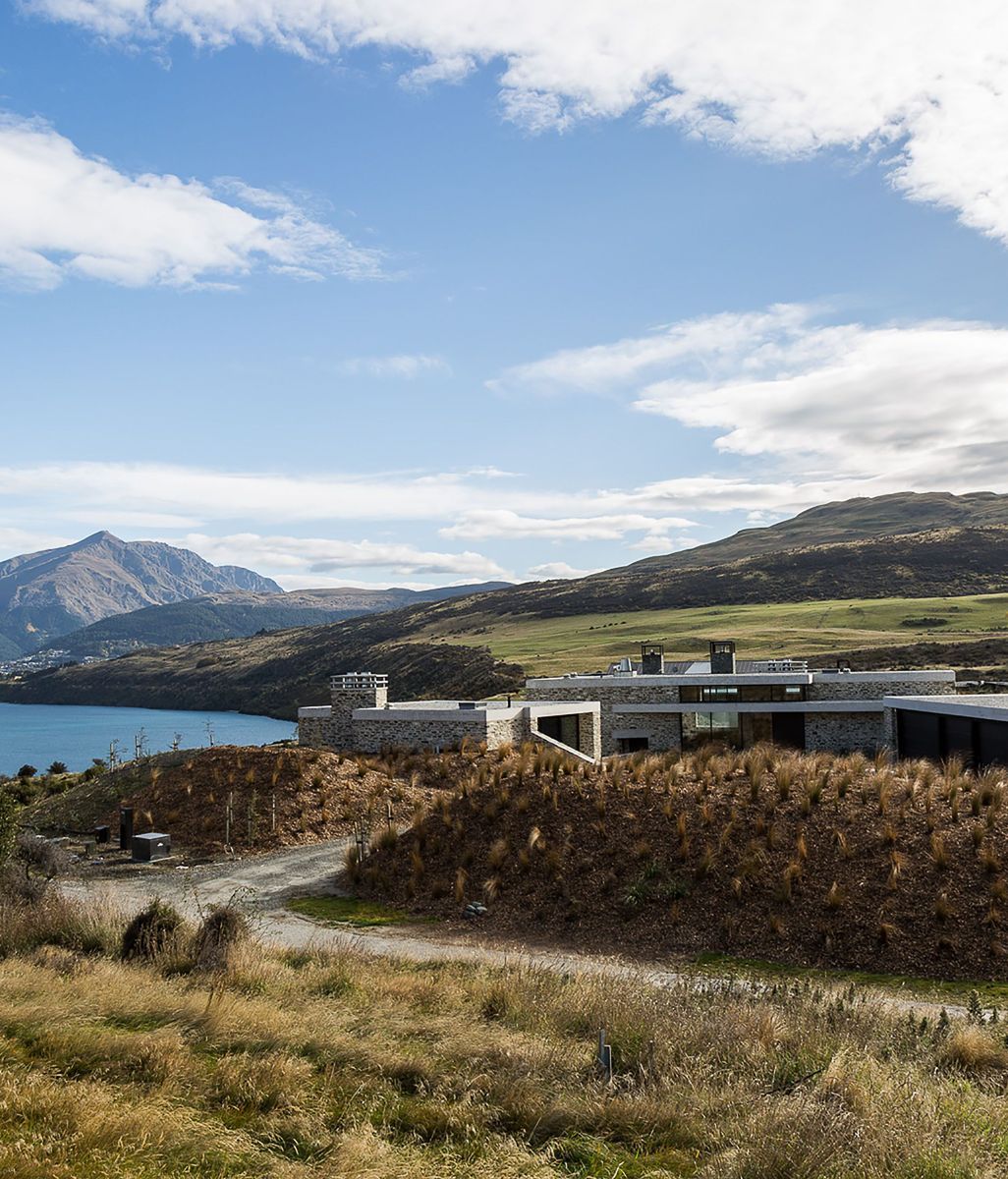
Simon Devitt, like all architectural photographers, has a well honed ability to capture the angles, textures and nuances of a building or a space. He stands behind his camera, composes the shot, points and shoots. His images are, like many, beautifully composed and technically impeccable, showing off the work of the architect or interior designer for an audience eager to feast their eyes on buildings and homes that many can only dream of inhabiting or visiting.
However, Devitt’s work possesses something more intangible than the surfaces, planes, light and shadow captured by the technological apparatus of the camera. As much an artist as he is a documentarian, Devitt’s ‘pictures’ as he calls them, speak of a moment in time. The people and place who were there before, and those who will be there long after he’s packed up his gear and moved onto the next location.
Over the course of his decades-long career, Devitt has traveled the world capturing the work of some of the most well respected architects in the business. Which is perhaps why he is so alive to the fact that there are more than enough pictures in the world. It’s this awareness that has led him to the philosophy that taking a good picture is about composition, yes, processing and editing, of course, but more importantly, it's about a way of seeing that must be informed, first and foremost, by a beautiful hesitation.

“As a photographer, it’s being very aware that there’s a pile of pictures of architecture that already exist,” he explains. “At some point there needs to be a hesitation, a beautiful hesitation to catch yourself adding to that pile and instead showing up with pictures that have you in it. The work gets better when you stop adding to the pile.”
In an era where most of us have very sophisticated digital camera technology in our pockets, those who hesitate enough to place even a subtle aspect of themselves into the work are those who contribute to the cannon rather than adding to the pile. In much the same way as an architect or interior designer who seeks to strip design back to its elemental forms, shaping spaces for people, and inspired by place, Devitt applies the same philosophy to his work. The camera, as he points out, is already very good at describing what is there. His interest, his role, lies in capturing that which might be less apparent than colour or materiality alone.


This approach has taken Devitt on some wild adventures over the years. From remote, unforgiving environments in New Zealand, the chaotic streets of Los Angeles, with its hazy, crystalline light, to a rural hotel in the center of Japan, to the salt-spray dusted bohemian glamour of Byron Bay. No matter where he is in the world, somehow, he manages to capture the ‘there’ there.
“For me it starts with looking like I’m slightly confused, but I’m not,” he says when asked how it is that he manages to infuse his images with such a distinct sense of place. “I’m sort of standing there trying to take in something the architect and the homeowners have already spent a few years engaged with when I’ve only been there for 45 seconds.”

From the initial, slightly confused looking, Devitt takes his time walking. First, he walks around the neighborhood, getting a feel for the context of the property he’s shooting. Then, he walks around the building, sensing the immediate landscape. And then, finally, he walks through each room. “I'm meeting these houses when people haven't even moved in yet, or have only just moved in, so the walls can't yet talk,” he muses. “But for me, that's an interesting challenge in itself. I'm looking for that sense of something that has happened or is about to happen. And for me it has to be about that connection to the land. It has to be about the way the people are trying to connect with that land.”

It is perhaps this ability to become intensely connected to wherever he happens to be that makes the idea of Devitt as a ‘New Zealand photographer’ both true and slightly inadequate. Place matters enormously to him, as it does for many born in Aotearoa, where the land, its stories and its energetic reverberation are so present and relatively unmediated by the density of the concrete jungle. Yet his practice is not about exporting a New Zealand way of seeing to Australia, Japan, or the United States. Rather, it is about becoming - for the duration of making a picture at least - hyper-local to the literal ground beneath his feet.
Which brings us to American minimalist artist Agnes Martin (1912 - 2004). Martin’s grids are rigorous, mathematical and almost austere in their economy. There is little evidence of the hand of the artist. Yet this absence is precisely what gives them their enduring emotional resonance. The impact of her work is not achieved through what she has painstakingly laid out on the canvas. It’s what is invisible that moves us. “Agnes Martin’s rigour and simplicity is what allows for the immeasurable to come in,” Devitt reflects. “It's just enough to allow for that beautiful mystery, magical, poetic, romantic Agnes Martin to show up. Otherwise it's useless. Just lines. Who cares?”

It is here, somewhere between what is revealed and what is withheld, that Devitt’s photographs begin to move away from documentation and towards interpretation. Physical, tangible architecture remains the subject, but it is not the master of the narrative. The untouchable, unpredictable threads of atmosphere, landscape, weather and of course time, all entwine to create the whole. Devitt himself finds his way into the picture through being the alchemist of these elements.
Interestingly, one of the most beautiful expressions of this approach may never see the light of day beyond the select few who have participated. For around 15 years, Devitt has been quietly making an analogue project with architects in New Zealand and Australia. He and an architect agree on an intention, then the architect takes a camera loaded with a roll of black-and-white film away for several weeks and makes photographs in response. The film is returned to Devitt undeveloped. He loads the same roll into his own camera and makes another set of exposures informed by the same intention.


“We get this roll of film that doesn’t have my pictures on it and it doesn’t have their pictures on it,” he says. “The roll of film has our pictures on it.” And in many senses, the third and fourth artist in this process is the camera itself. “We’ve given up a whole lot of control. It’s magical and mysterious, but as soon as you add intention from two people onto one roll of film, the results are beguiling to say the least.”
This purely creative experiment communicates so much more than a process. In many respects, it’s the second philosophical layer that enables him to capture the essence of a building the way that only he can. When it comes to an architectural shoot, the architect is present, the building is present, the landscape is present, and the photographer is present. But none have absolute control.

Air and light and time and space, together with science and a little alchemy each leave their gossamer marks. This immutable reality is one Devitt is keenly aware of. As much as he is attuned to place, the act of making a picture is a collaborative act, based on trust. “Largely it is about handing over trust from an architect to a photographer to convey how it felt for them to be there.”
Not many people have the ability to check their ego at the door, arrive somewhere they may never have stood before and become not only attuned but willing to stand back, just far enough, to let the camera do the describing and in so doing create a meaningful picture worth taking. Because, at the end of the day, irrespective of creative expression, what matters is that he is capturing someone’s dreams come true.
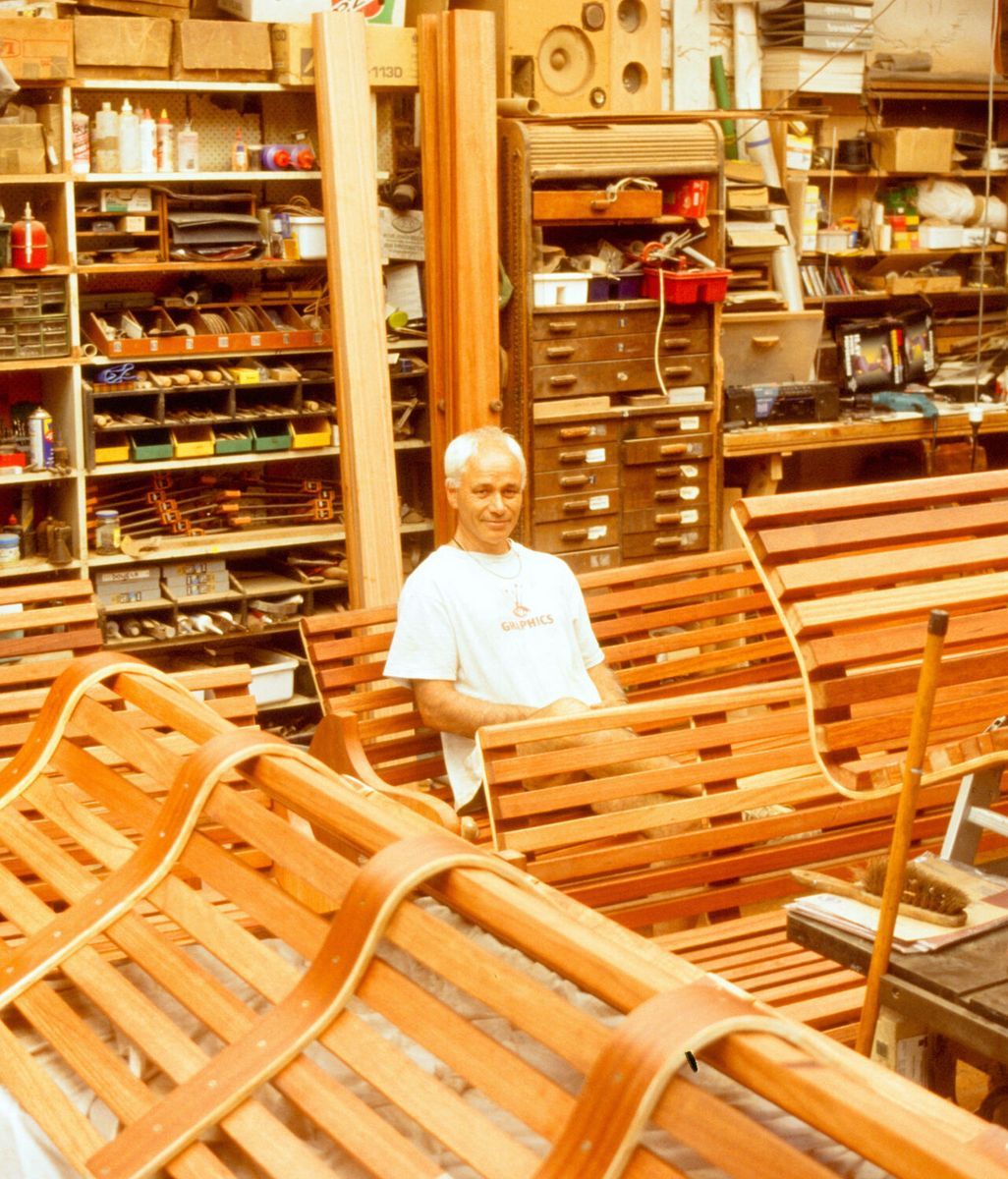
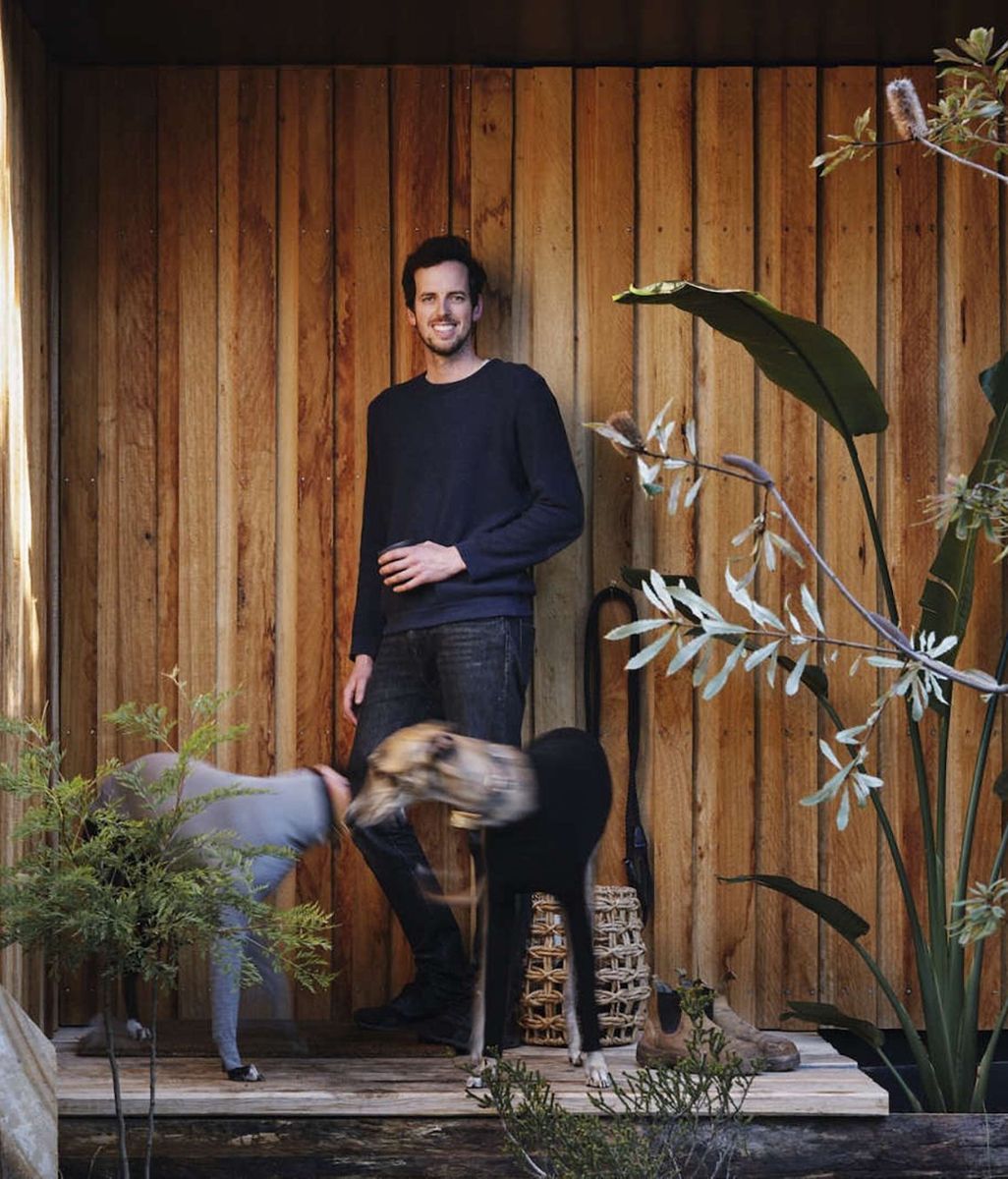
Photography credit for hero portrait of Simon: Reid Ayliffe.