Richard Naish’s NZIA Gold Medal recognises a career without a fixed formula

Written by

16 September 2026

 • 

3 min read

banner
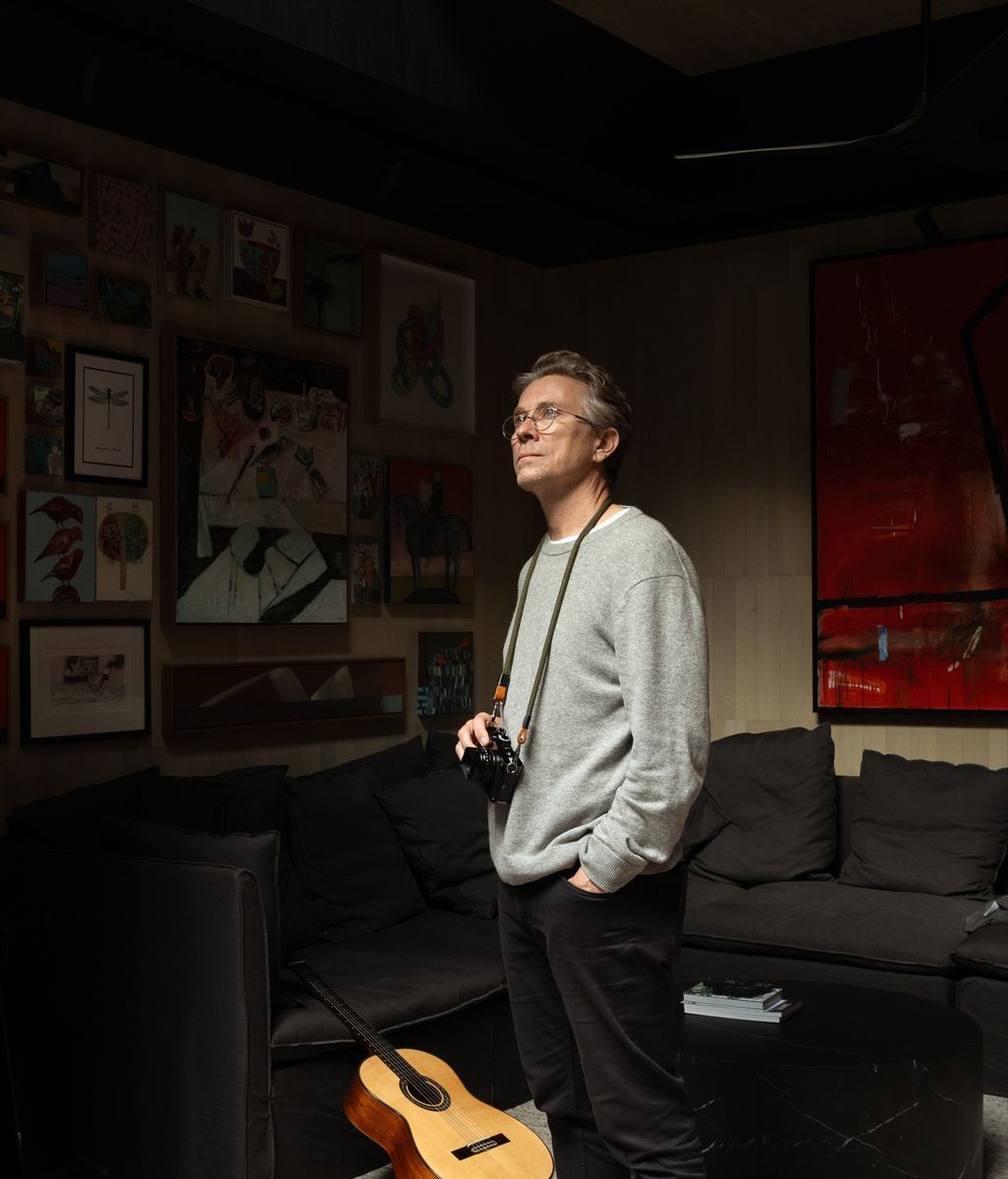
The 2026 NZIA Gold Medal recognises Richard Naish’s contribution to New Zealand architecture, and a practice that has continued to change as the questions facing architecture have changed with it.

Richard Naish’s career did not begin with the kind of commissions that usually define an architectural legacy. In the early years of RTA Studio, founded in 1999, much of the work involved small commercial projects, existing buildings, constrained urban sites and limited budgets. What distinguished the practice was its willingness to treat those conditions not as compromises, but as the source of the architecture itself. 

More than two decades later, that instinct remains central to the work. It is also key to understanding why Naish has been awarded the 2026 Te Kāhui Whaihanga New Zealand Institute of Architects Gold Medal, the Institute’s highest individual honour.

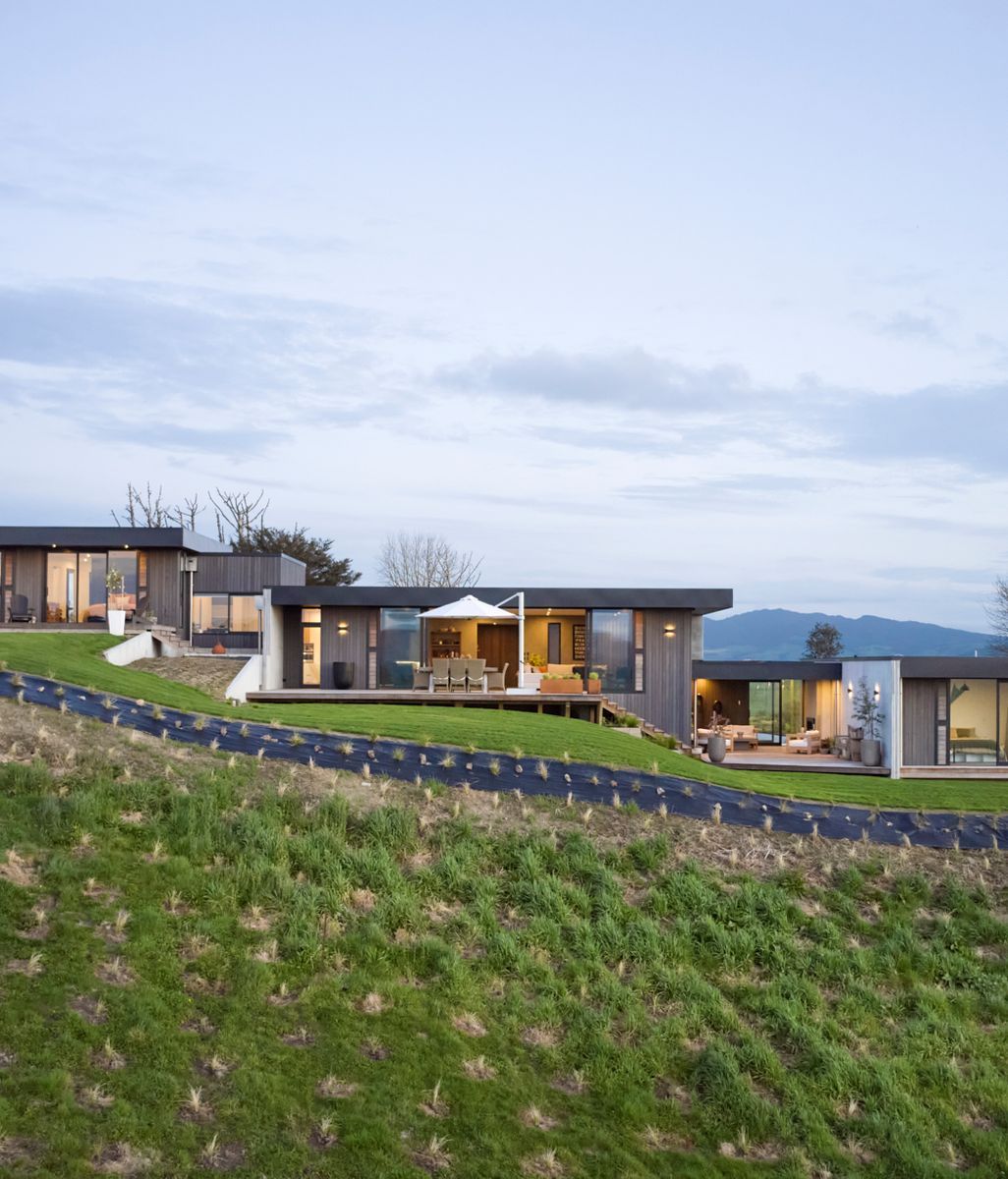
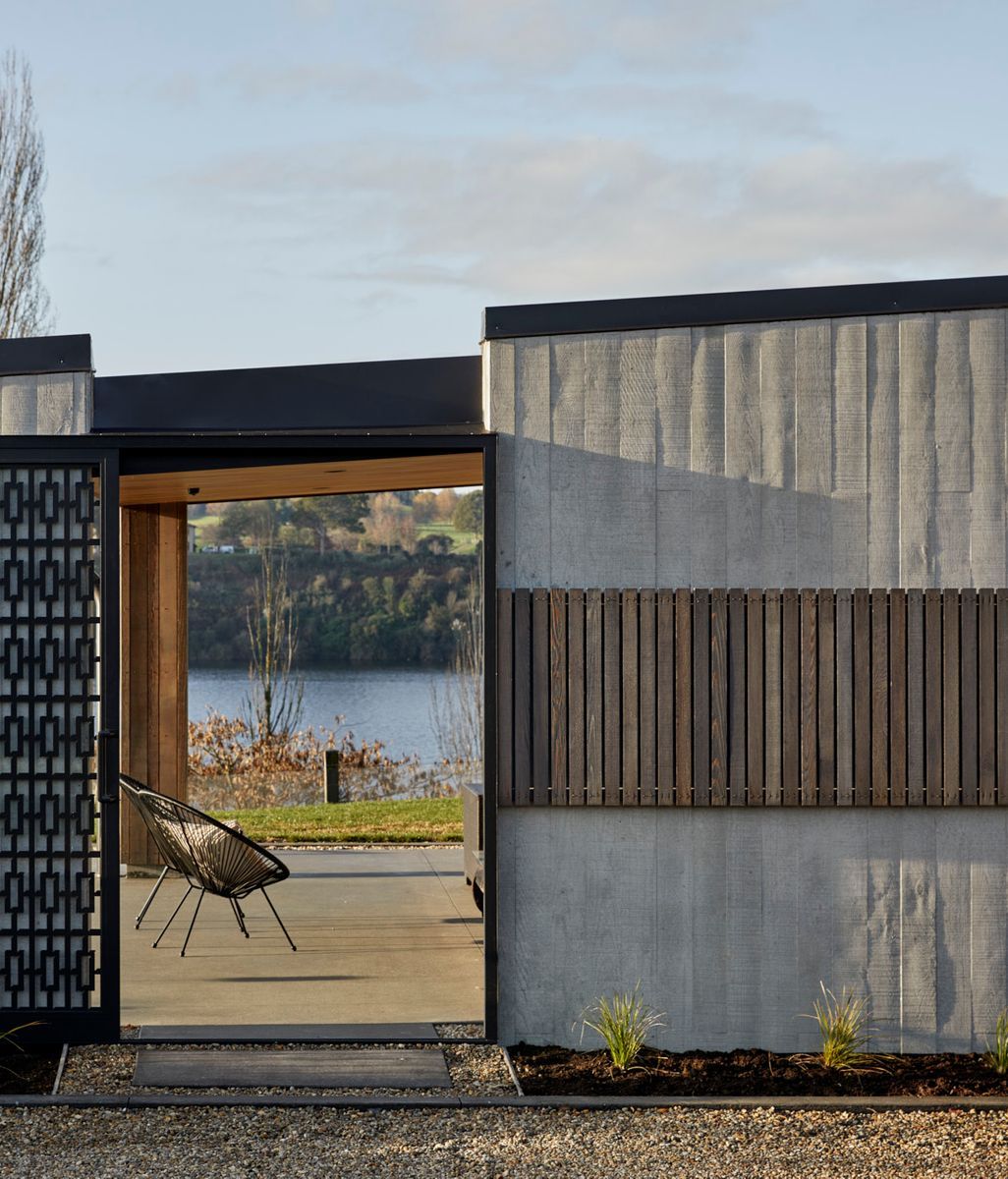
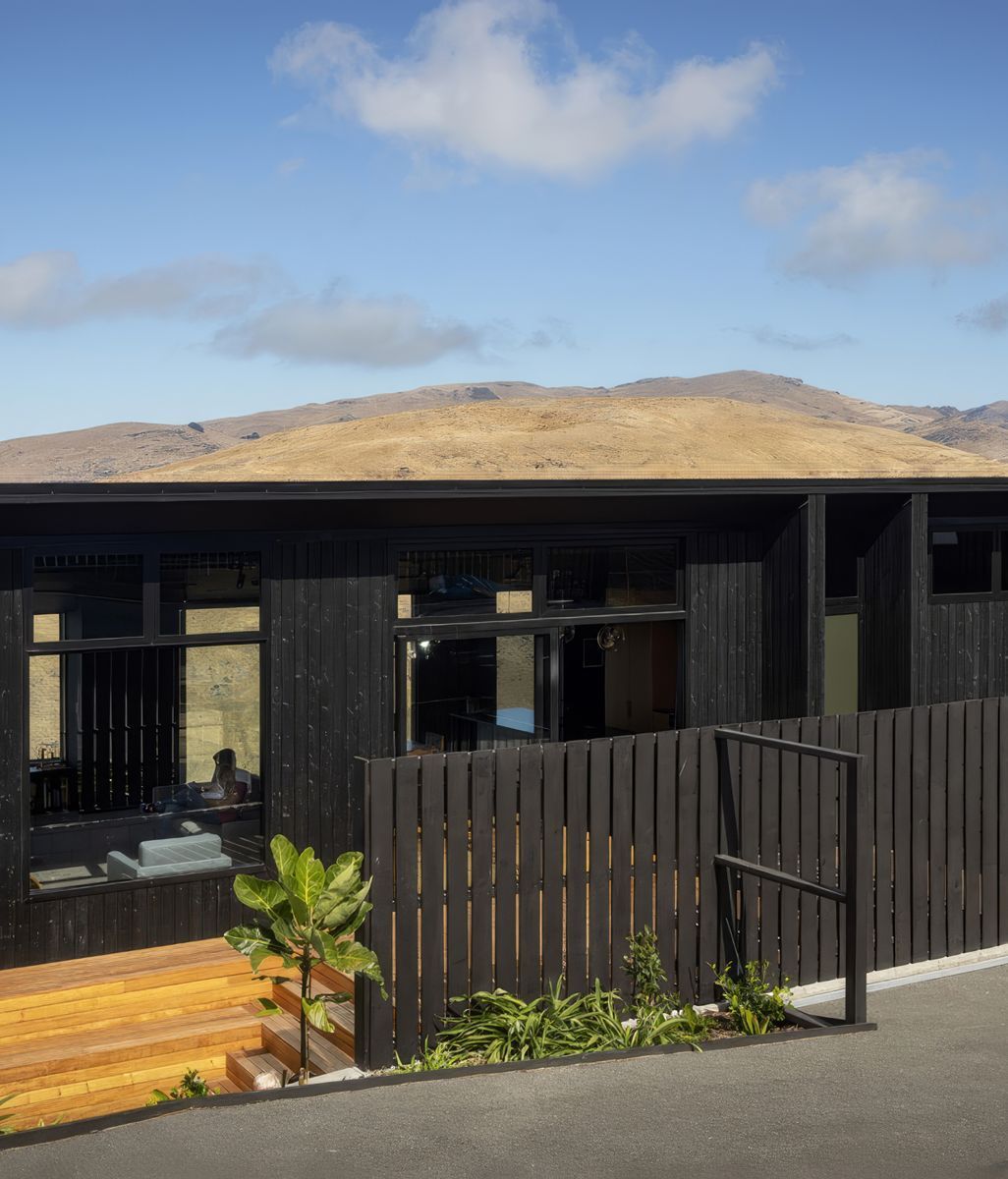
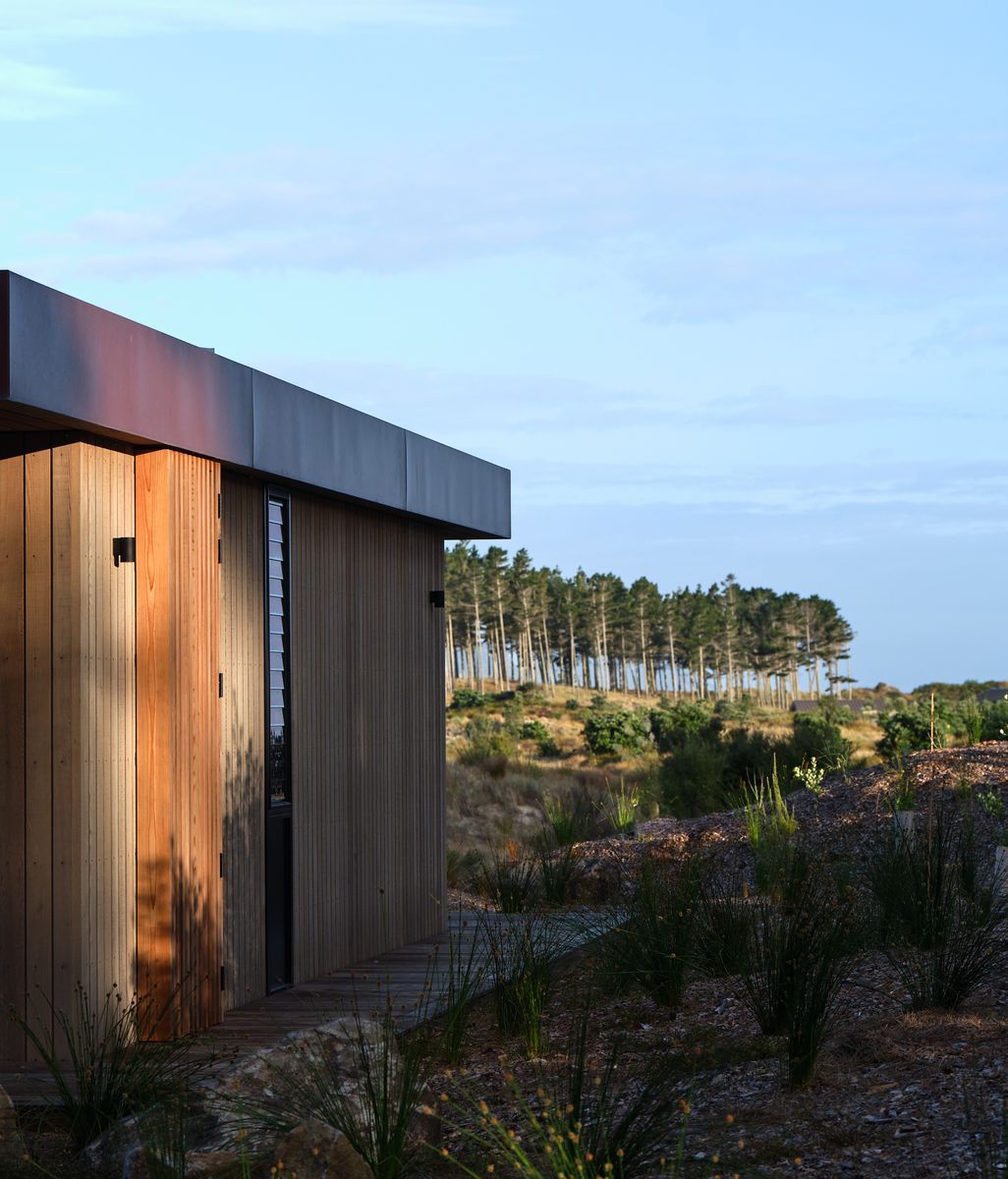
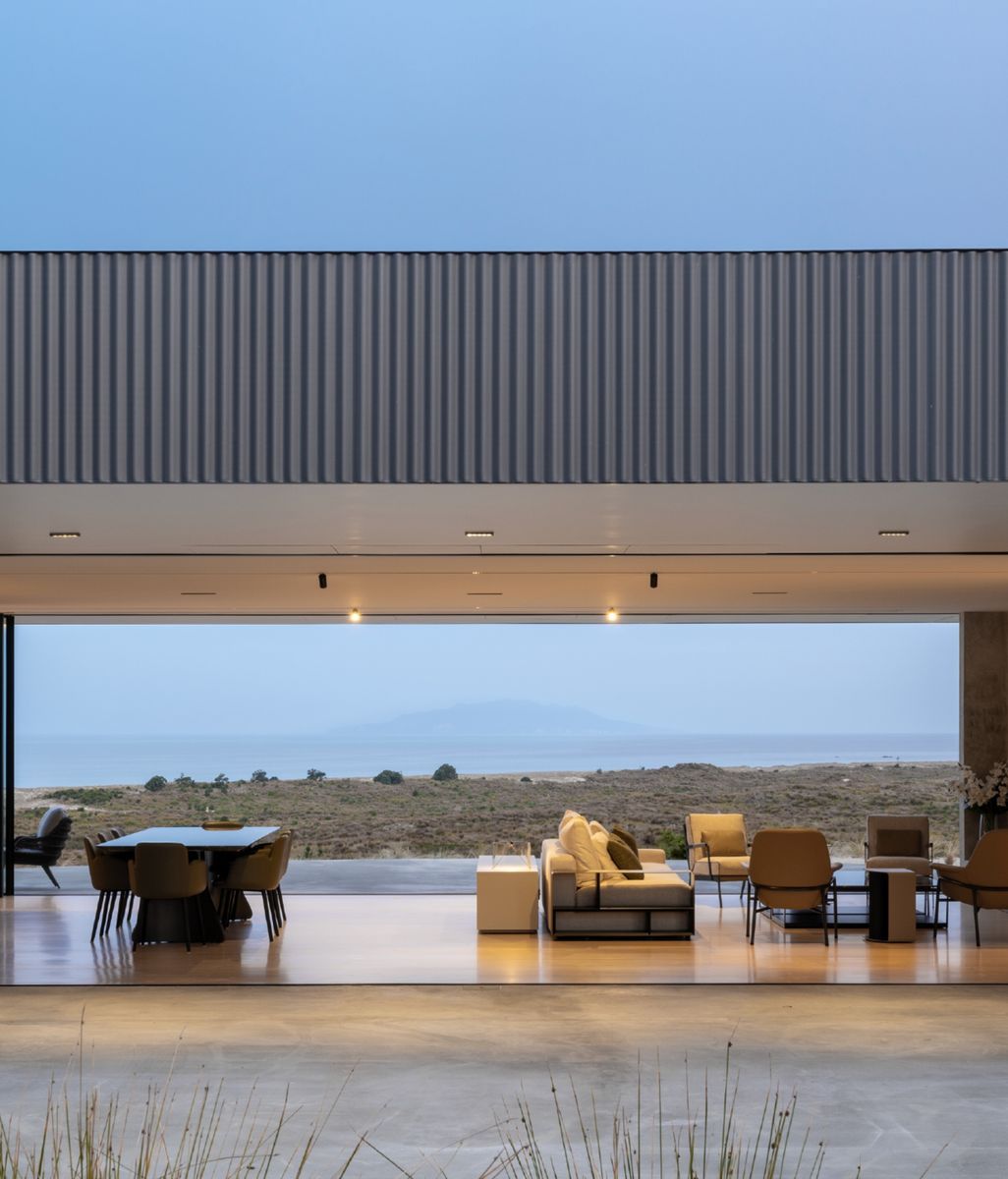
Kārearea House | Falcon's Fold by RTA Studio
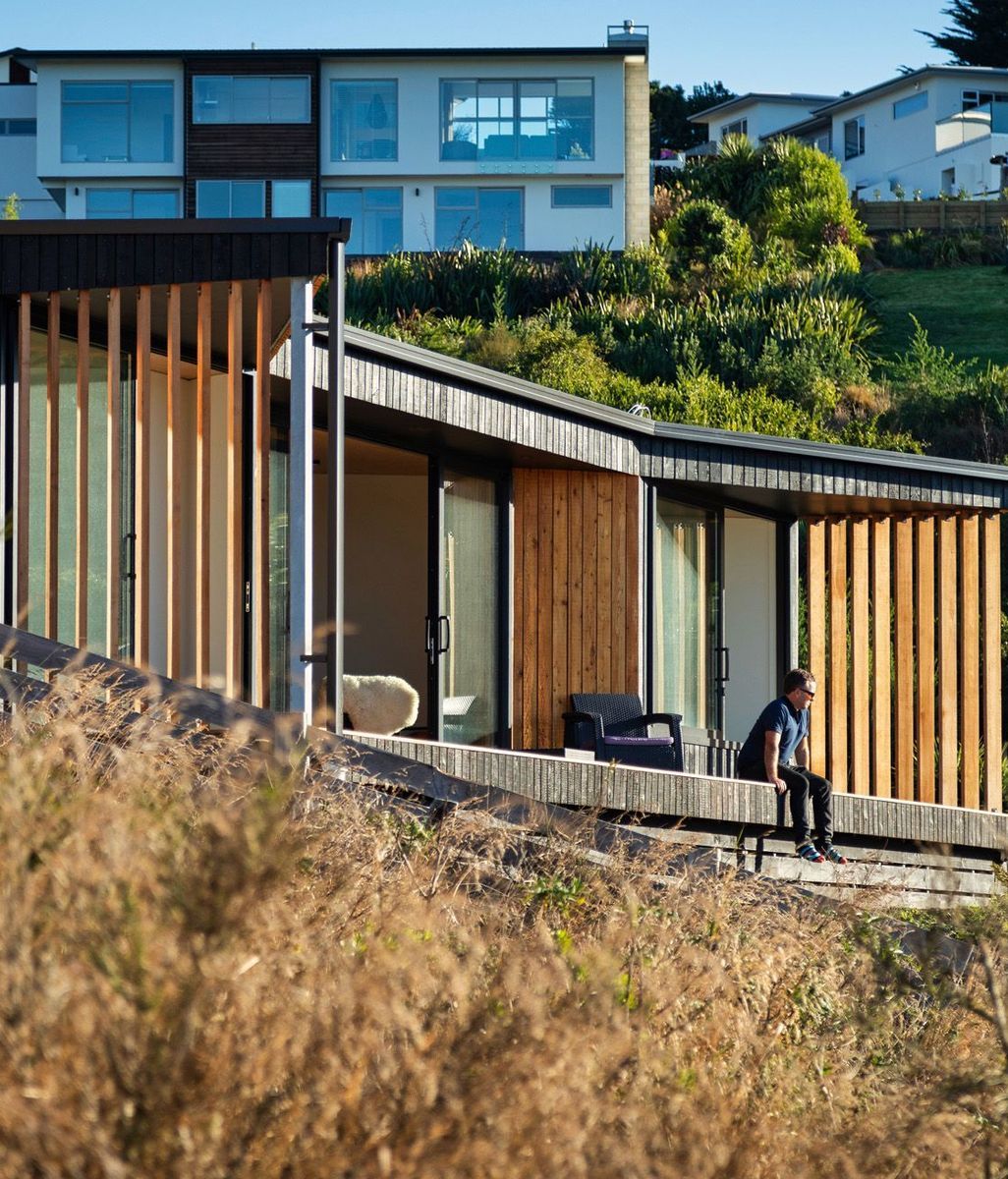
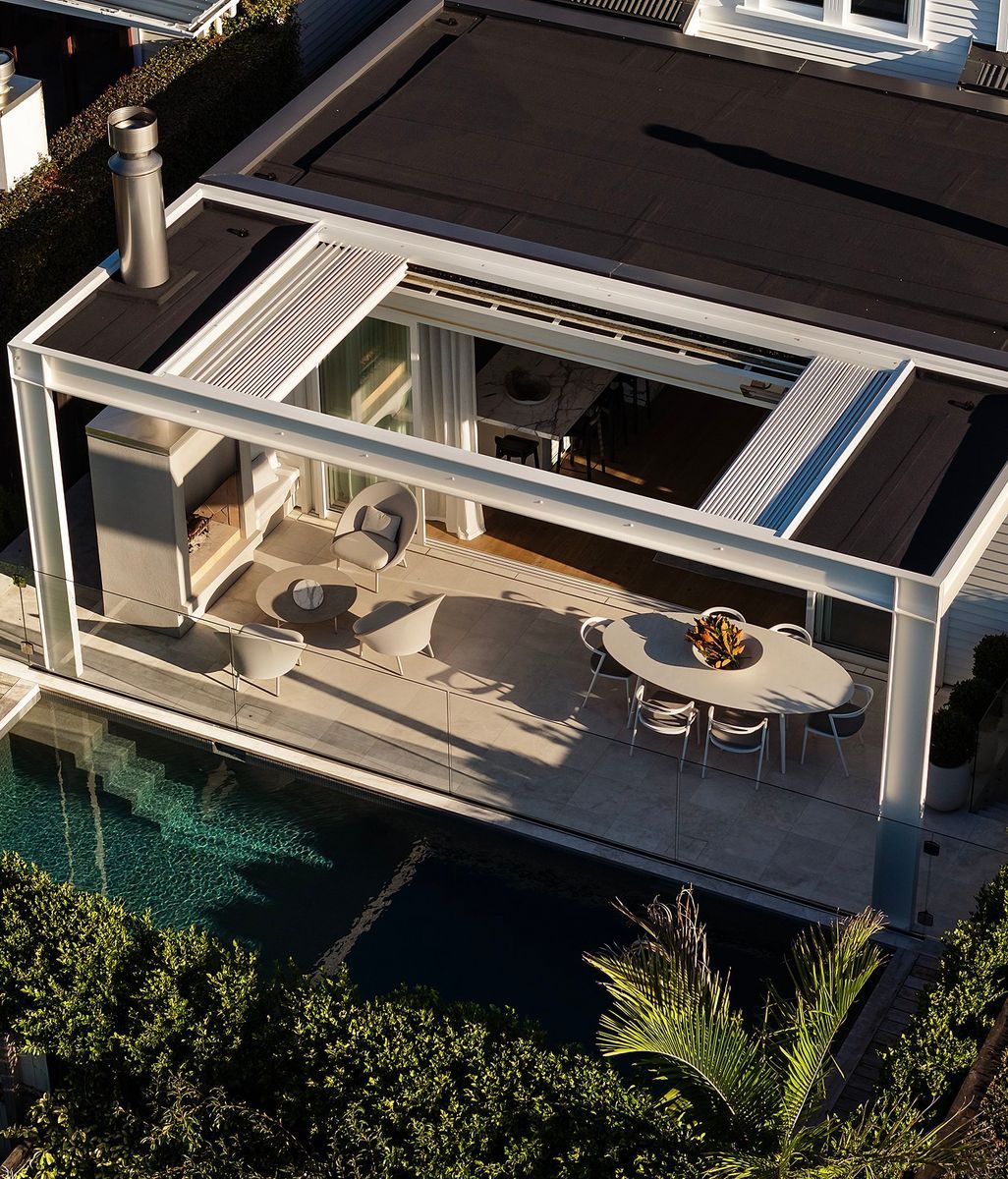
Sumner House by RTA Studio

NZIA describes Naish as an “architect as problem solver”. It is a useful framing for a career that has resisted settling into a singular architectural language. As RTA Studio grew alongside its clients, the questions became larger too: from how a building might respond to an awkward inner-city site to how architecture might address housing affordability, changing approaches to education and the climate impact of construction. 

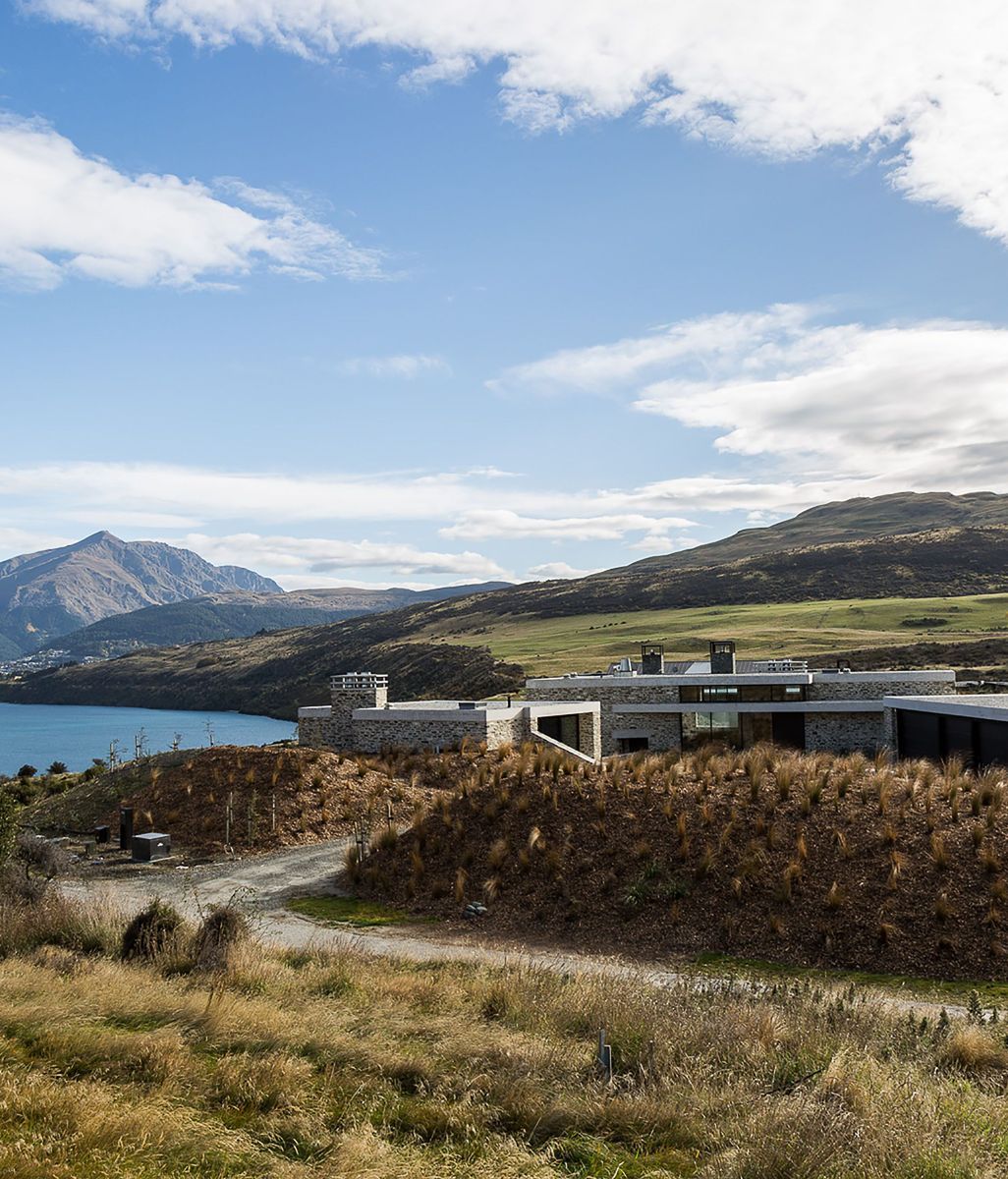
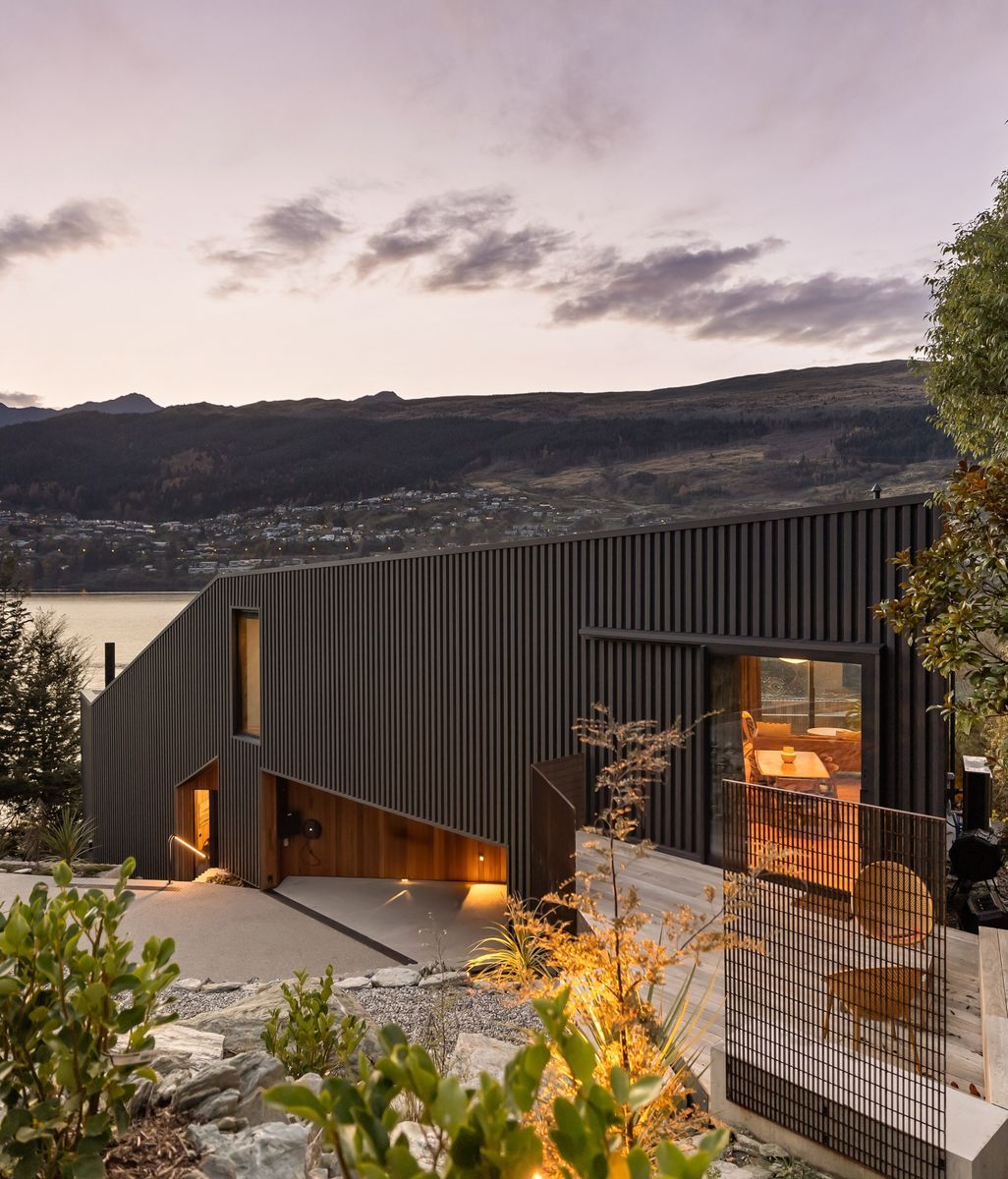
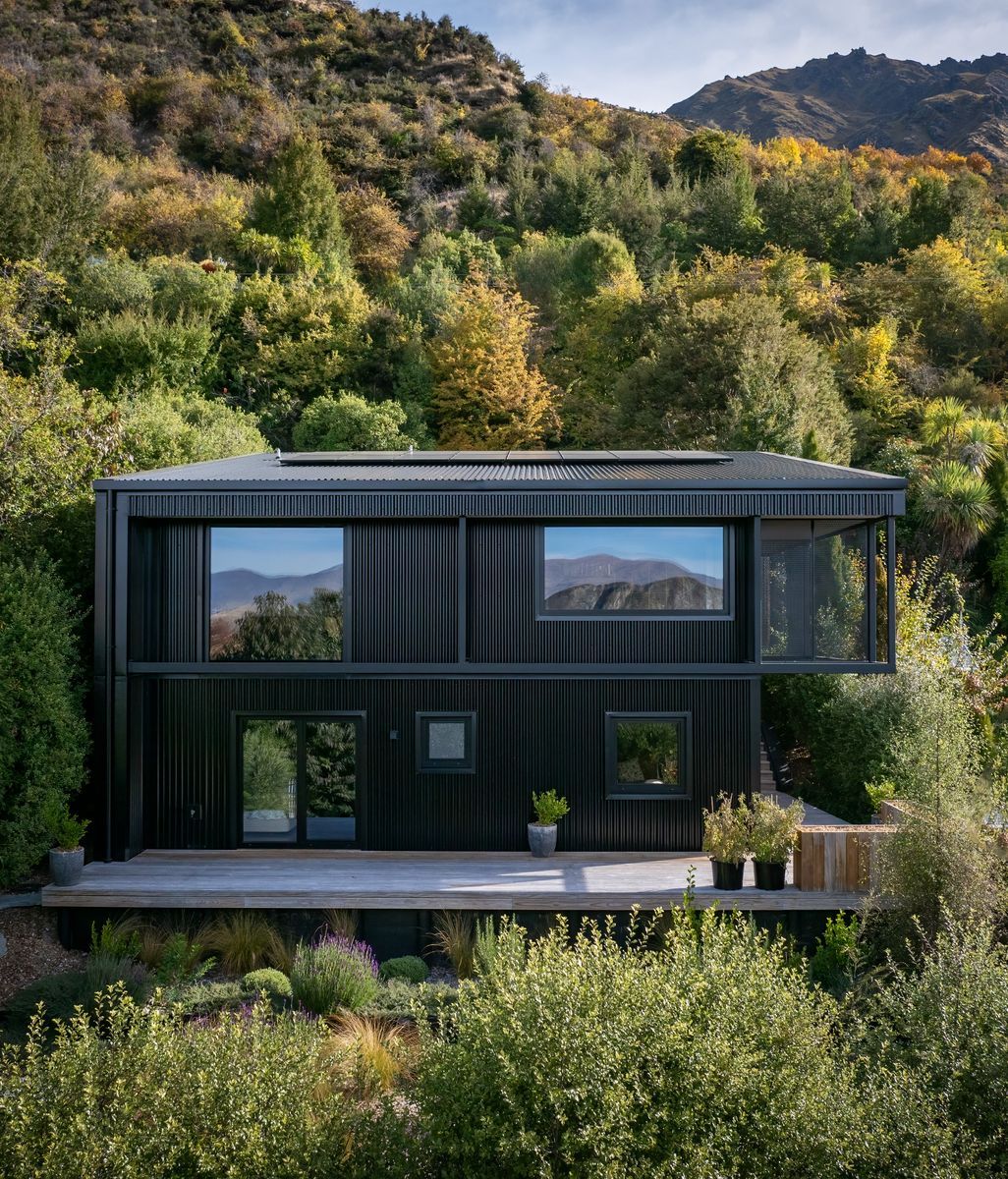
Arrowtown House by RTA Studio

That evolution has not been entirely incremental. After 20 years in practice, Naish took a sabbatical that helped crystallise what the next stage of RTA Studio would focus on: climate resilience, sustainability, affordable housing and teaching. He has spoken about context increasingly encompassing not only the past and present, but the conditions buildings will need to withstand over the next century or two. 


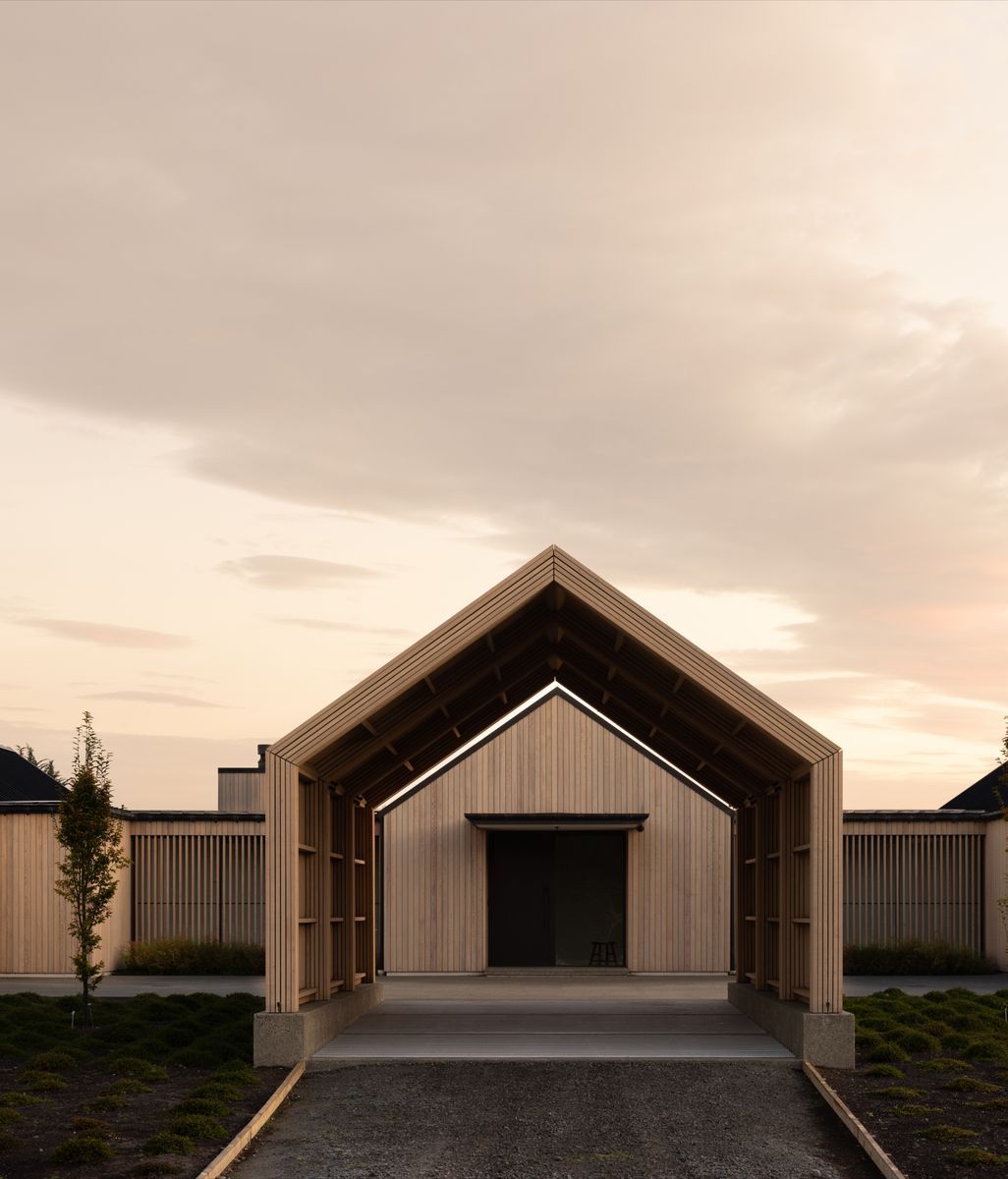
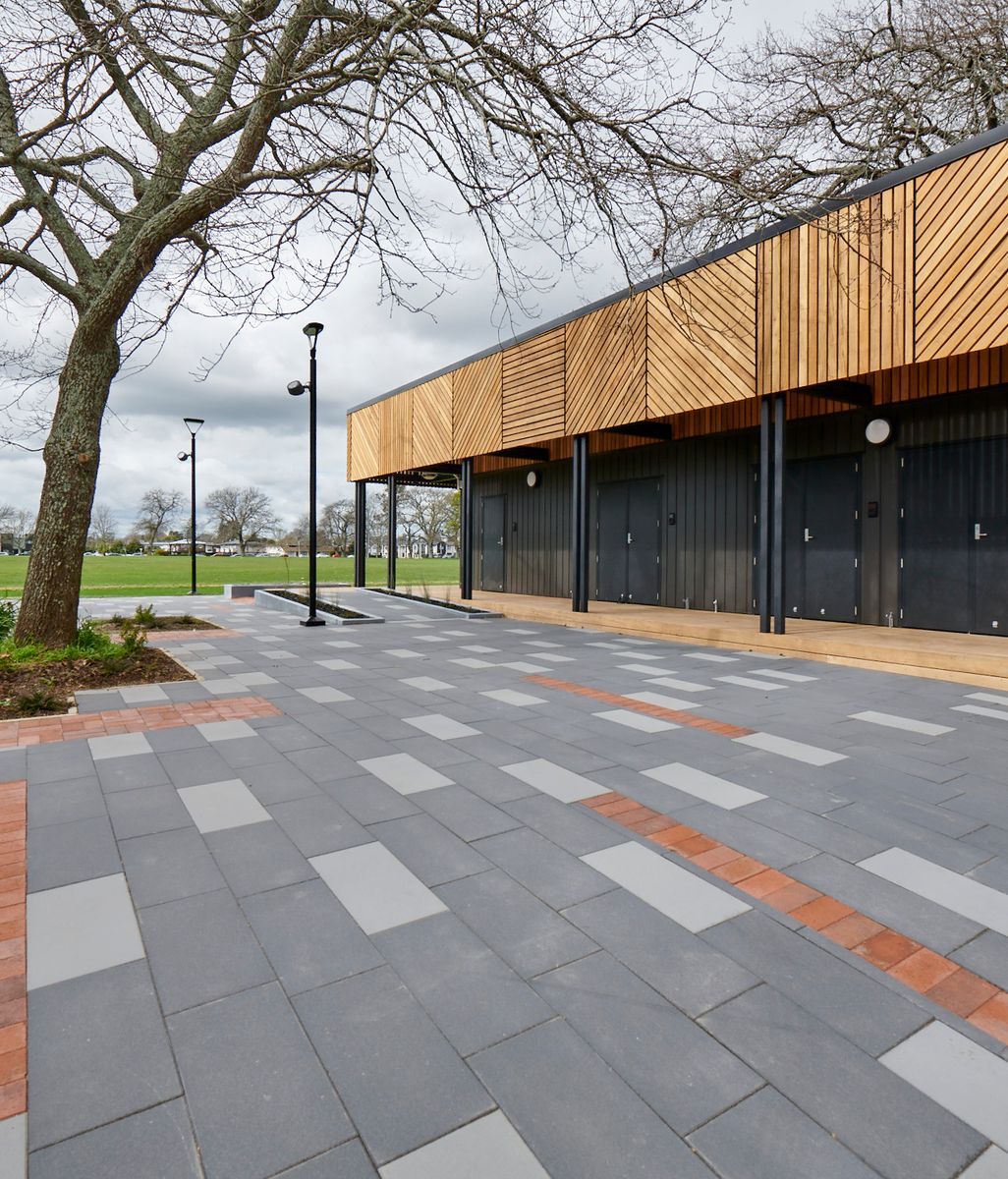
Recent projects make those priorities visible without reducing the practice to any one of them. Te Whare Nui, Scion Innovation Hub pushed the possibilities of mass timber; Living House turns the same appetite for experimentation towards affordability and construction efficiency; while Two Sheds shows that questions of place and vernacular remain firmly within the practice’s remit. 

Shed Wedges by RTA Studio

There is a social dimension to that progression too. RTA Studio’s portfolio extends well beyond private houses into schools, workplaces, cultural institutions, factories and public-facing projects. Naish’s teaching at Waipapa Taumata Rau University of Auckland adds another layer, positioning architectural knowledge as something to be passed forward rather than held within the practice. 

The Gold Medal therefore recognises more than a collection of accomplished buildings. It traces a career in which the method has remained remarkably consistent even as the architecture has changed: understand the context, identify the real problem and allow the answer to follow.

Craggy Range - Lofty Heights by RTA Studio
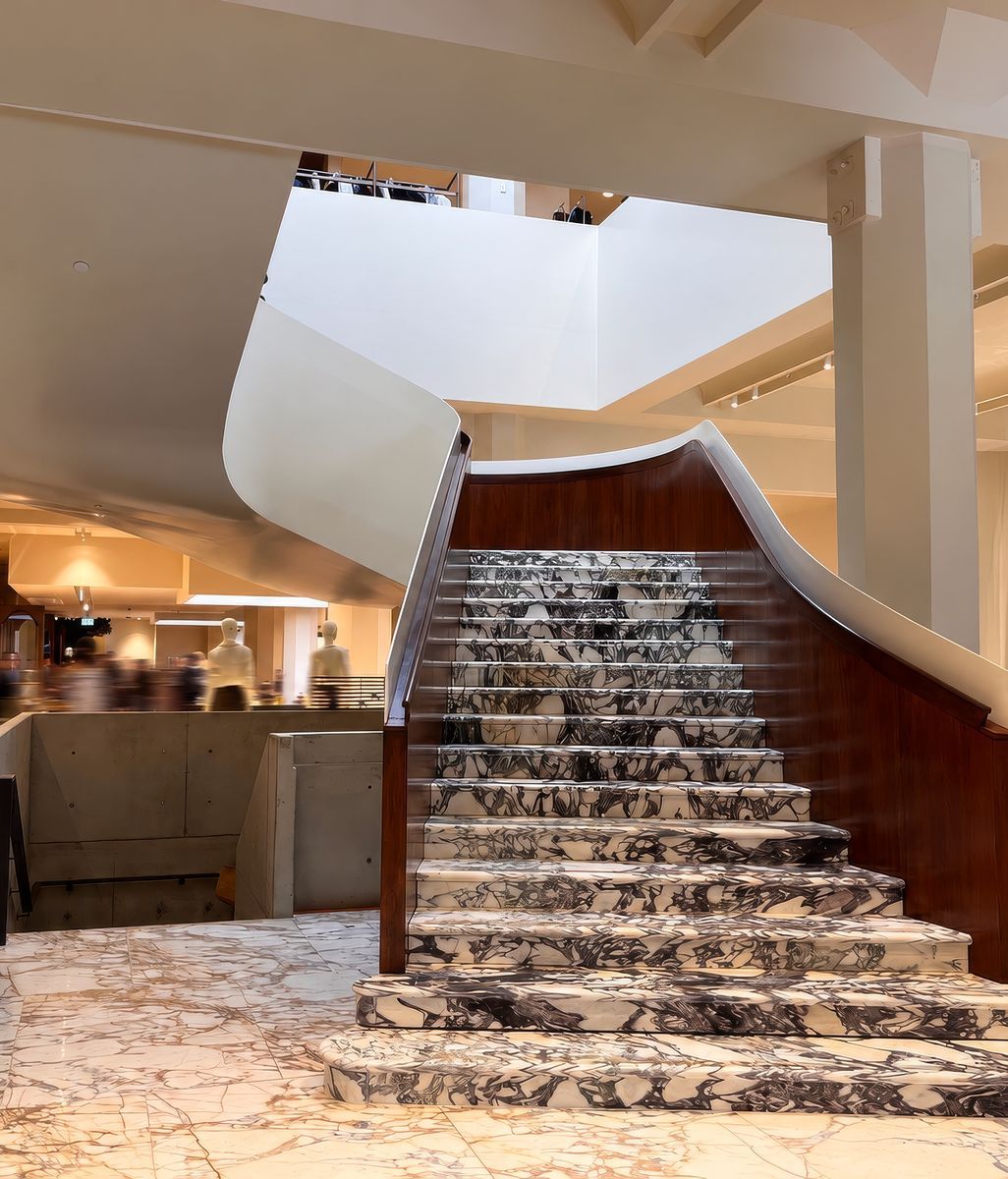
Pollen Street Brick Block by RTA Studio

Explore RTA Studio’s work on ArchiPro to follow that evolution across residential, cultural, educational and commercial architecture. Viewed together, the projects show a practice less interested in perfecting a signature than in continually reconsidering what architecture needs to do next.