Where architecture makes room for creative voices

featuring Alexander &CO.

Alexander &CO. logo
  • 66.5K profile views
  • 101 saves

Alexander &CO has built a practice around the belief that good architecture is the result of allowing designers and craftspeople to bring their knowledge and creativity to the table.

Visit Website

Featured Professionals

Written by

  • Joanna Seton
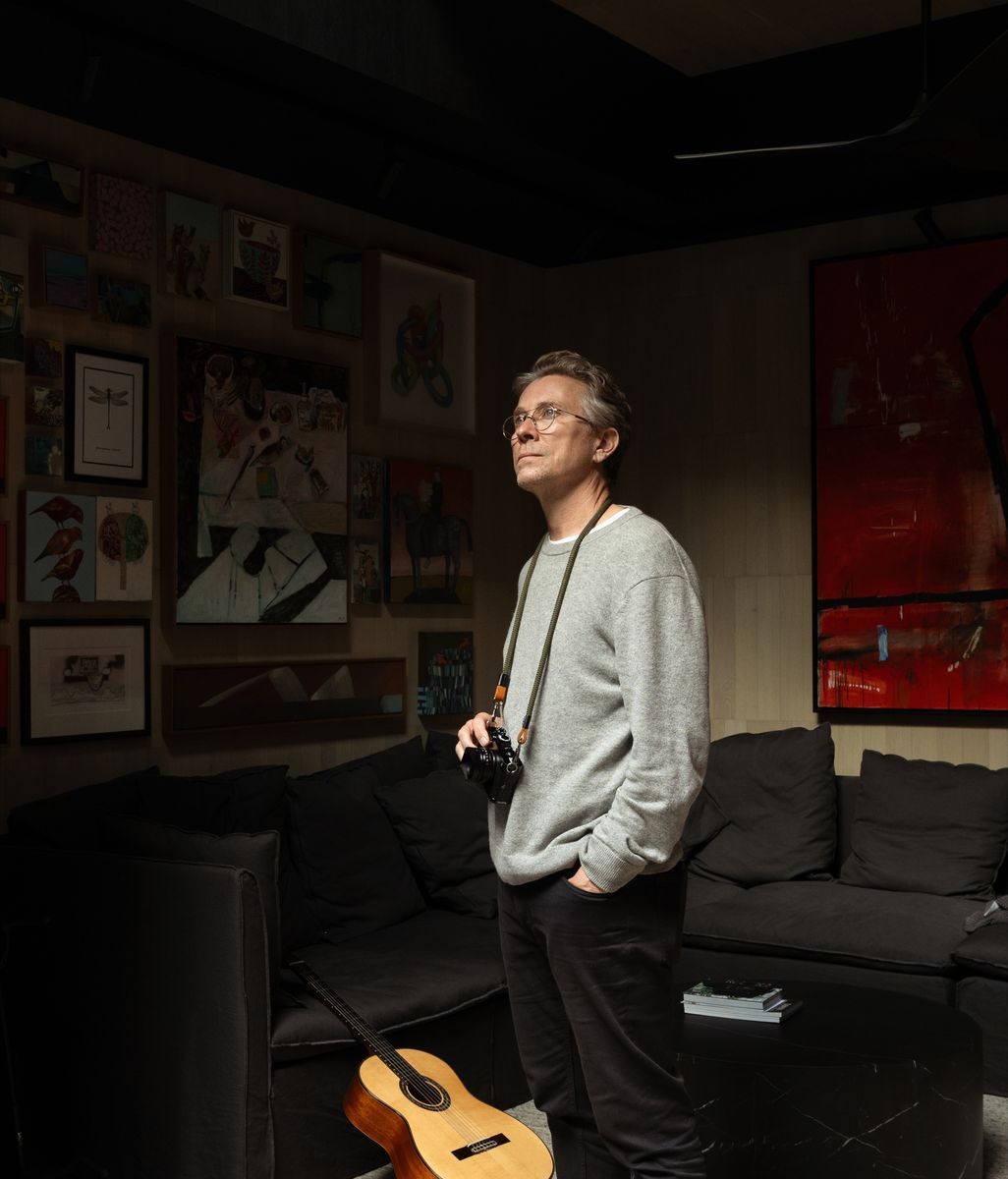
Architect Jeremy Bull.

Family life and studio life are closely intertwined at Alexander &CO’s Sydney office. Directors Jeremy Bull and Tess Glasson live next door to the studio, so their four children are regular visitors, moving between home and the practice as each day unfolds.

“I love our practice,” says Bull. “The kids come and go, and it’s full of ambitious people that I’m thrilled to be working with.”

This tight-knit culture extends into the way the practice approaches its work. Bull and Glasson have deliberately created a studio where individual designers have room to develop their own creative voices, while working within the foundations of technical rigour and material intelligence.

Founded in 2013, the practice has evolved into a studio primarily focused on integrated architecture and interiors, particularly within substantial residential projects. Over that time, Bull has become increasingly interested in what happens when the people involved in making a building are given enough space to influence its outcome.

For him, that includes everyone from the designers developing the initial concept, to the specialist makers resolving its details. The architect sets the direction, but the project continues to evolve through the knowledge and ideas of the people who bring it into physical form.

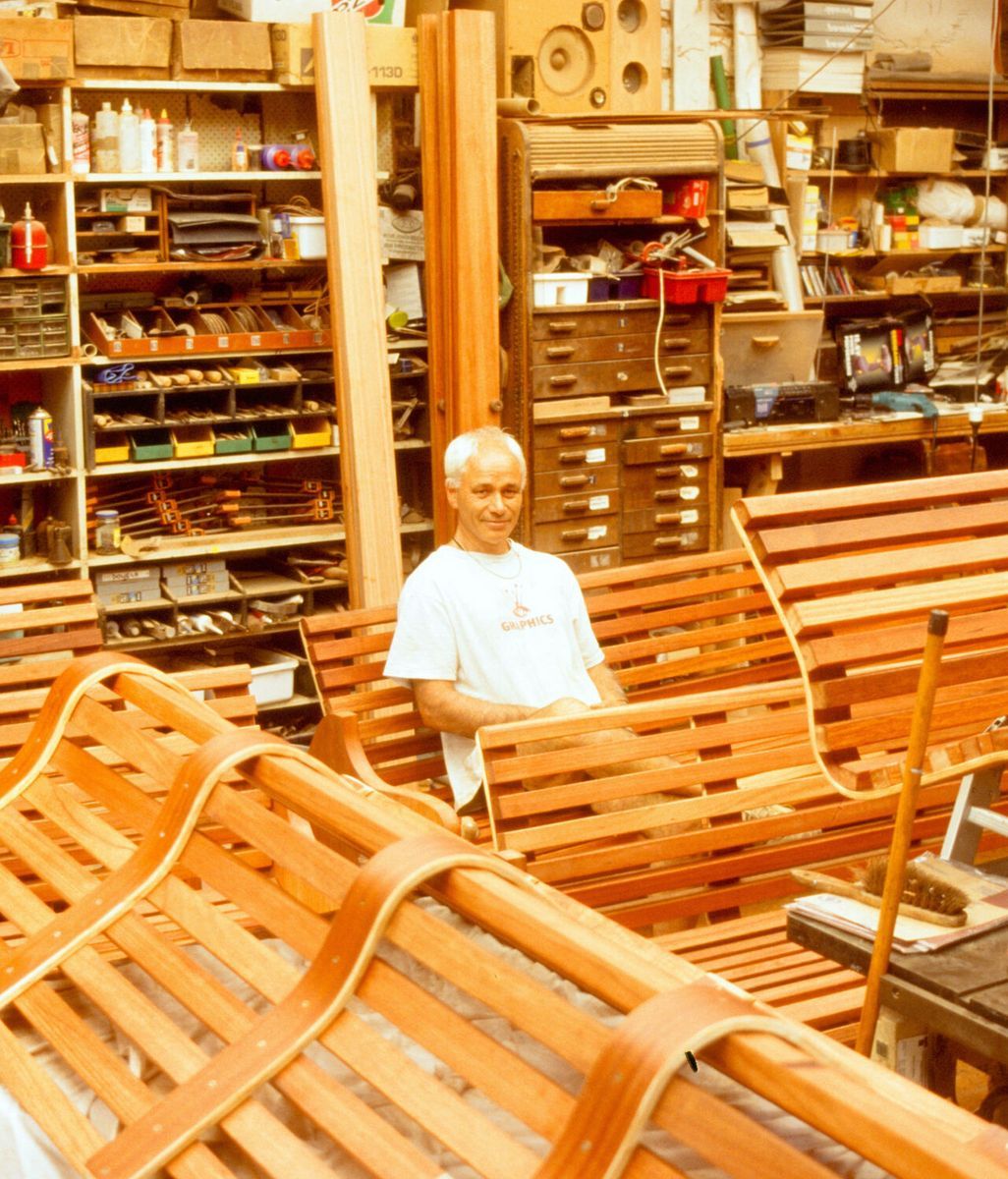
“You’ll never know as much about metalwork as a third generation metalworker who has been doing it for 30 years,” says Bull. 

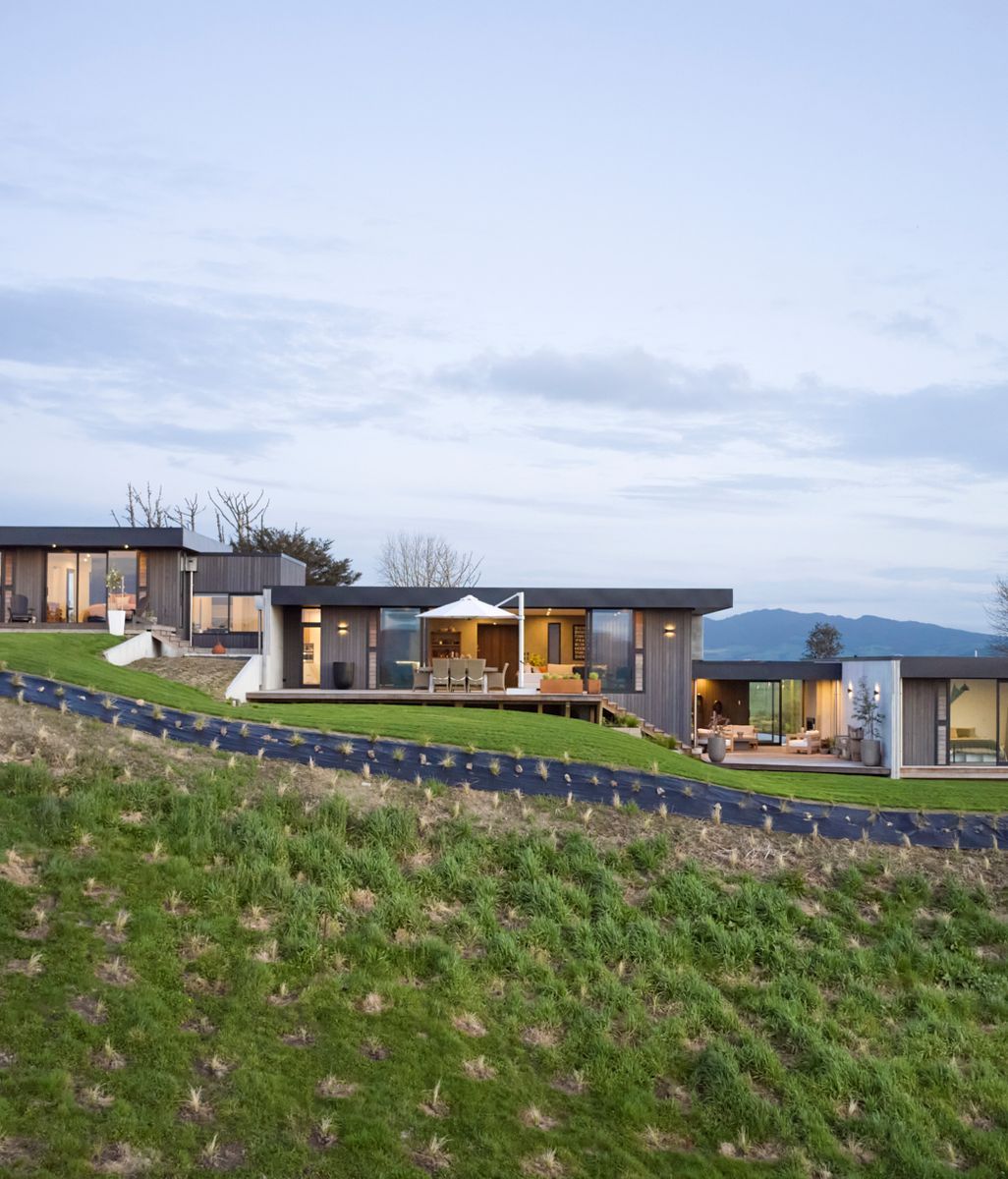
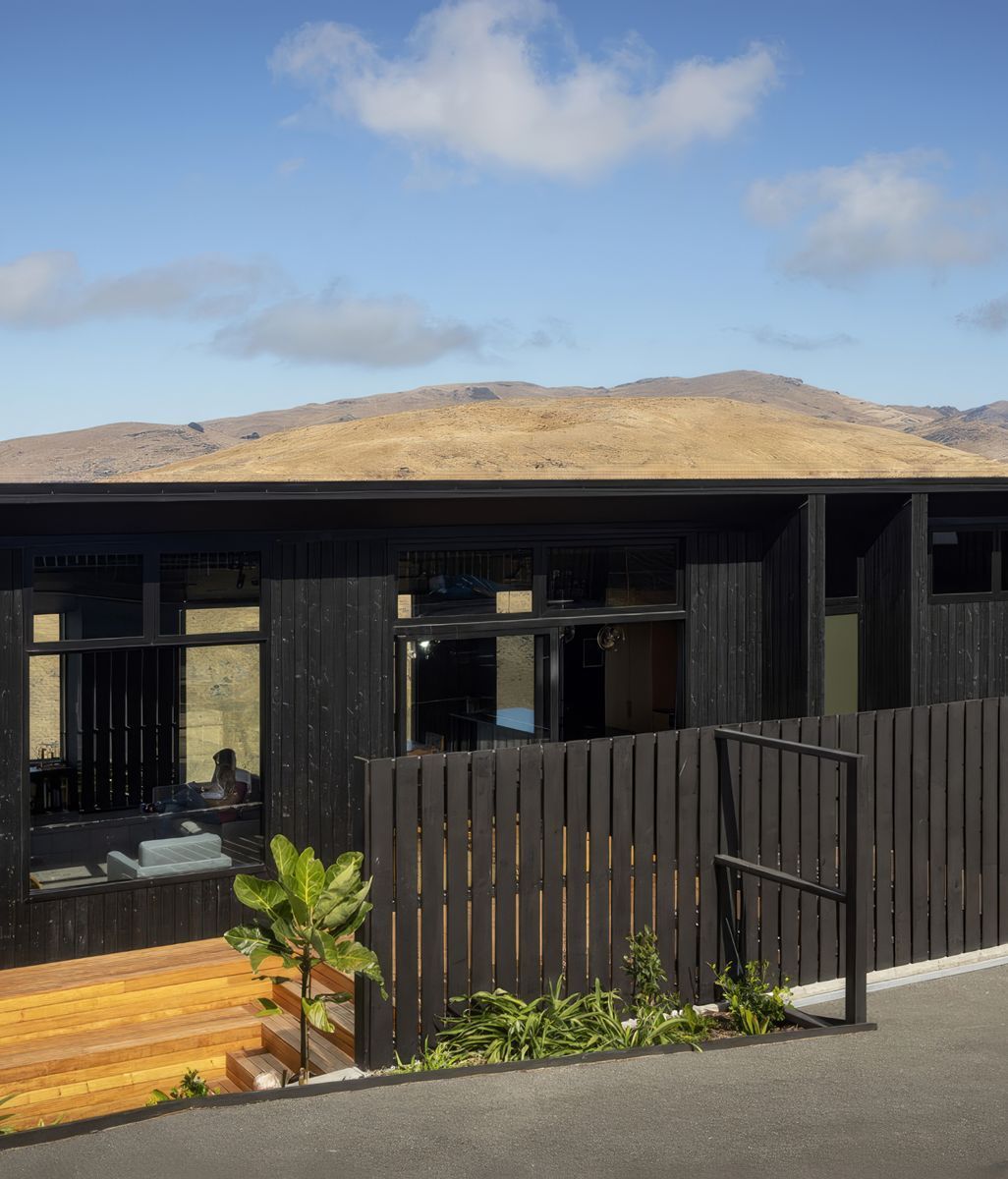
A transformed 1990s cliffside dwelling, Pacific House features a five-bedroom layout that harmonizes family life with ocean views, blending contemporary and neo-classical design elements for a rich, engaging living experience.

The challenge, then, is knowing when to step back and allow that expertise to change the original idea.

“One of the things that we explore in a lot of our projects is how to allow the makers to express themselves,” Bull says. “This means allowing rules to be broken that you set at the beginning of the project – great people will inevitably disrupt the original vision!”

The practice’s own office became an opportunity to test this idea. It was deliberately conceived with space left for the craftspeople involved to influence the project rather than simply executing a predetermined design.

The influence of those collaborations can be seen now in how details have been resolved throughout the space, showcasing the technical expertise and creative problem-solving of the craftspeople who were involved. These creative solutions then feed back into the studio, with ideas and techniques developed on the project becoming part of the practice’s wider creative vocabulary.

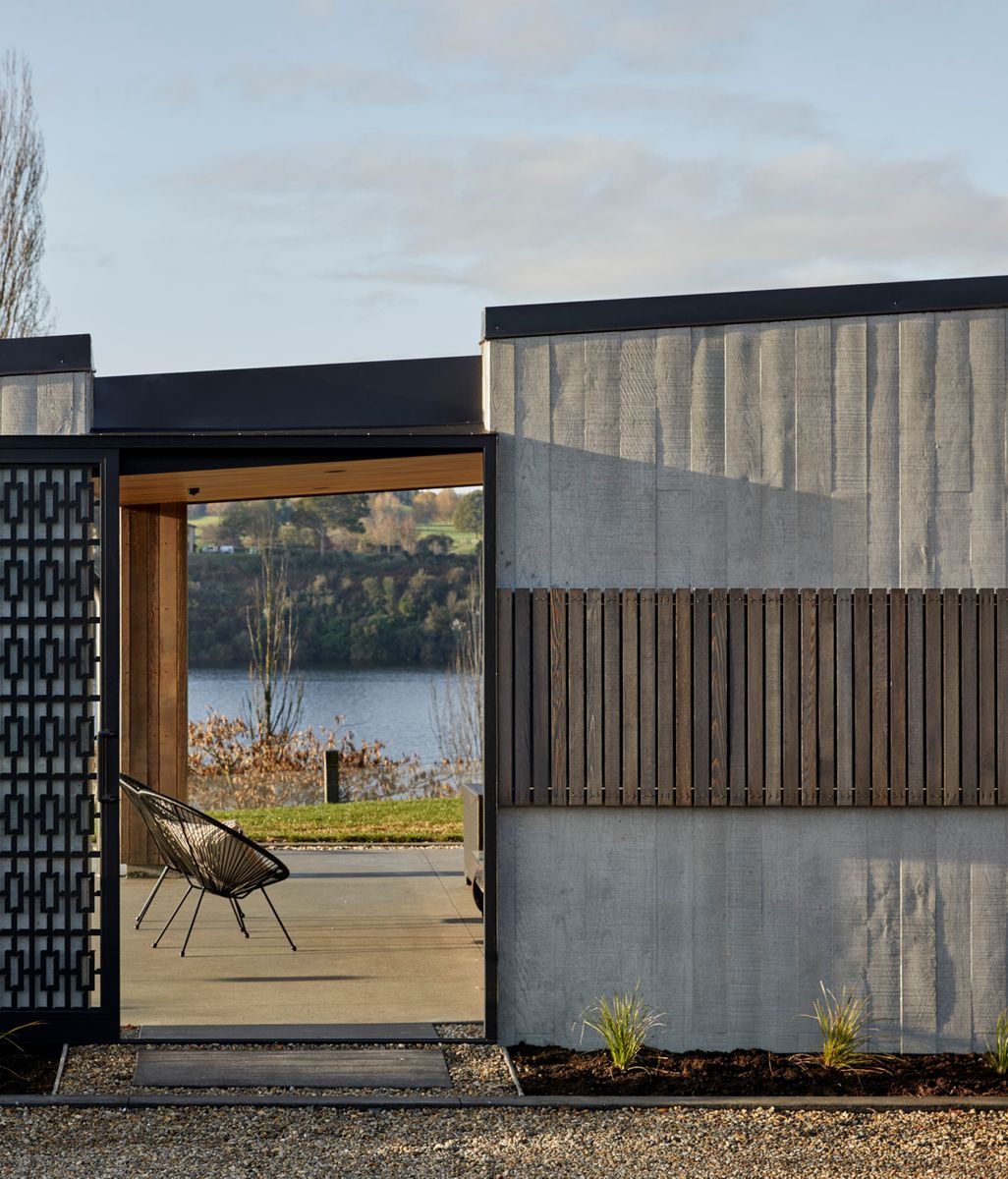
A transformative alteration and addition to a 1900s Victorian terrace in Bondi Junction, Alexander &CO designed the spaces to accommodate a growing family while showcasing materiality and architectural expression.

An architecture that lasts

While individual designers are encouraged to bring their own signatures to projects, there are some key principles that create continuity across the studio’s work.

Bull describes the practice as being interested in architecture that can endure both materially and creatively. In an increasingly content-driven design culture, he is wary of the pressure to produce work that is immediately recognisable or marketable.

The practice instead looks to architectural precedents, history and the particular circumstances and context of each project when making design decisions.

“We ask ourselves, how can we use precedents as a reference point? How can we use our own faith and intuition to make decisions that are enduring?” he says.

For Bull, longevity is closely tied to the way a building is constructed. Natural materials, simplicity, directness and robustness are qualities he sees repeatedly in buildings that have lasted for generations.

“In enduring architecture, there’s always a sense that humans put something together that was real,” he shares. 

That does not mean Alexander &CO is trying to reproduce the past. The practice exists firmly in the present, but Bull wants its work to retain enough substance that it does not become tied to a particular moment or fashion.

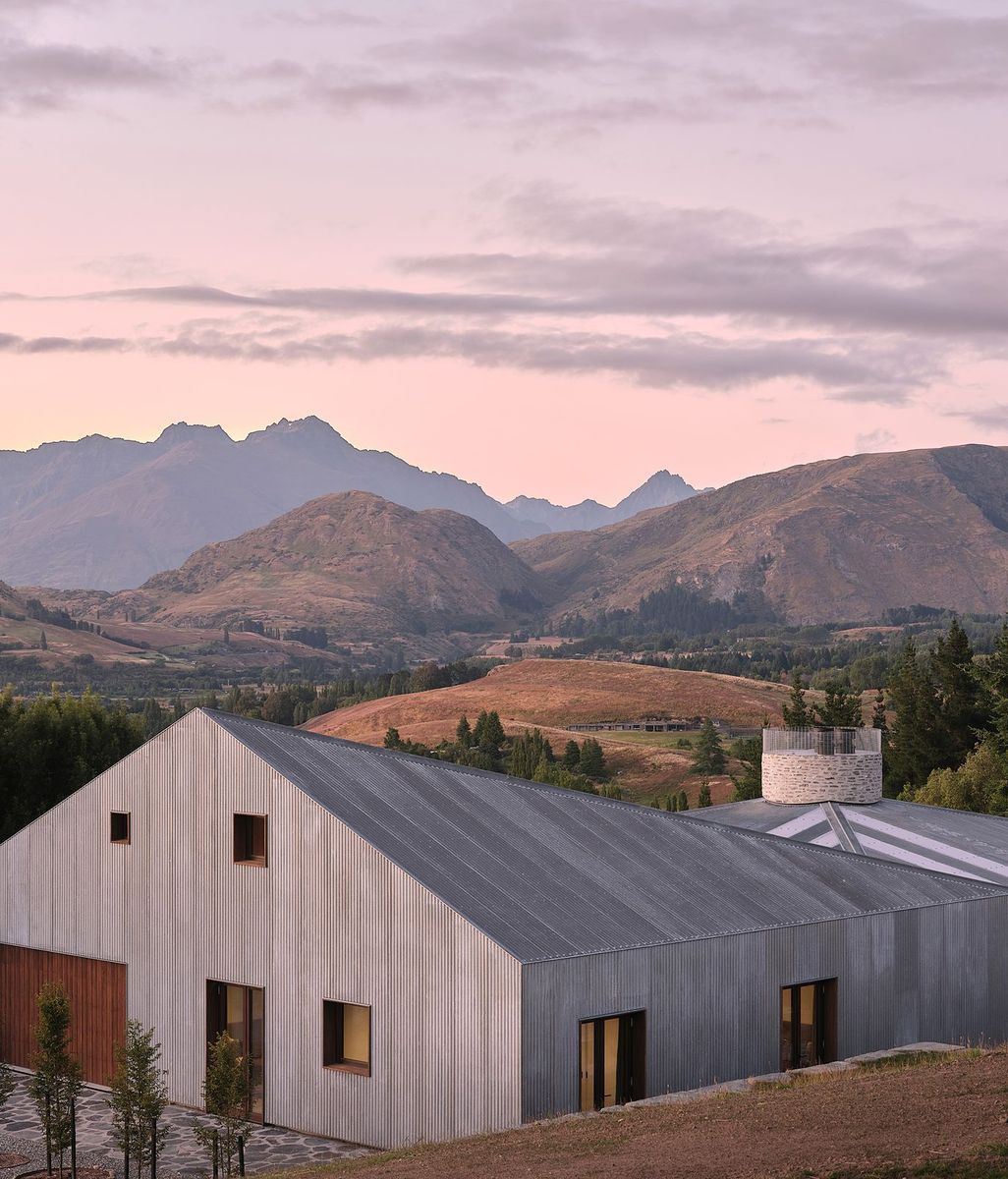
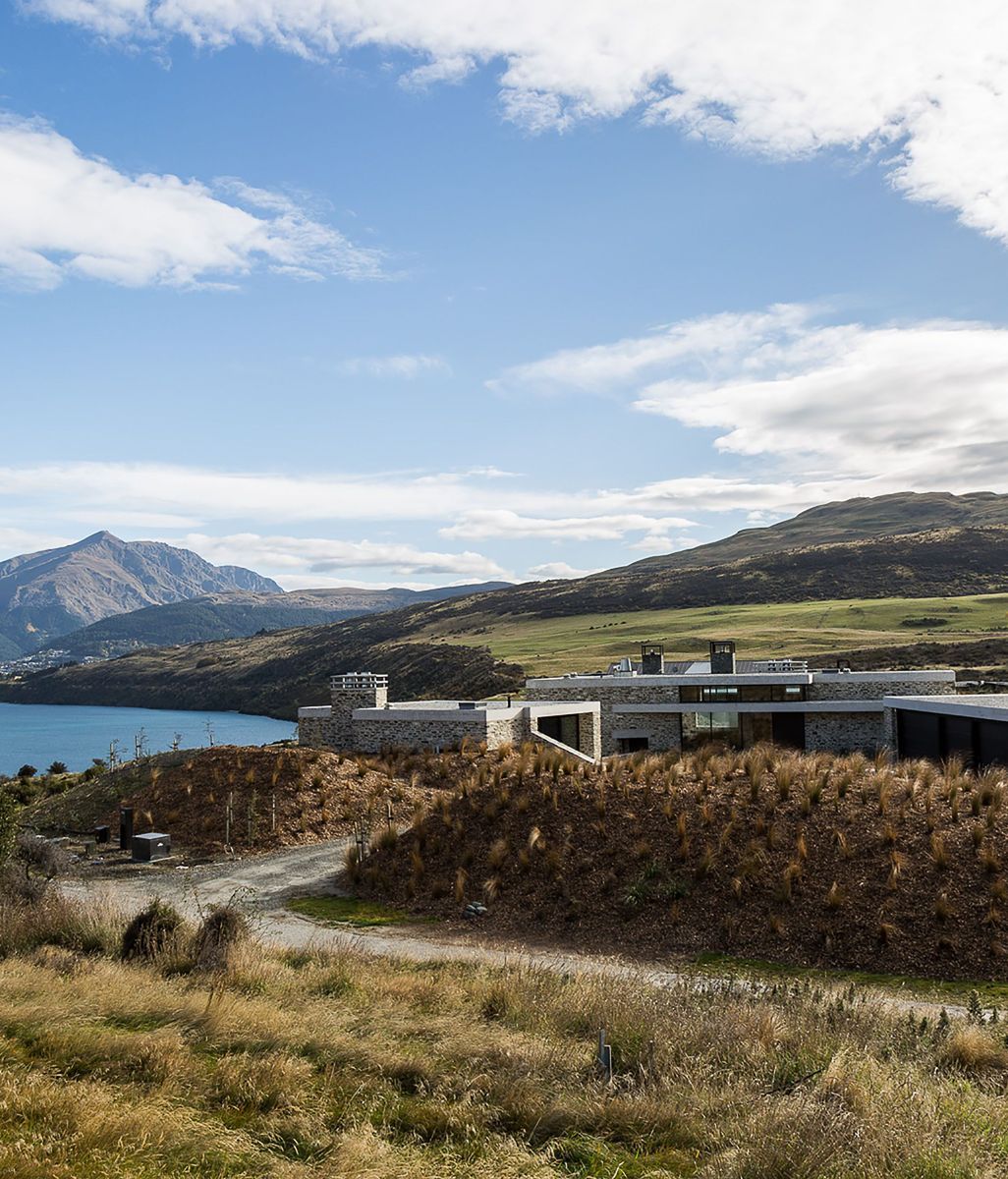
A harmonious blend of traditional and contemporary architecture, Spotted Gum House features a restored façade and a modern sculptural annexe, enhancing the character of an interwar bungalow in Sydney's North Shore.

There is also an interest in ensuring that the architecture remains recognisably connected to the person who commissioned it. Even when a project has a strong architectural identity, Bull wants the client to remain visible within the finished work.

The result is a portfolio that can shift in appearance from project to project while retaining an underlying logic in its planning, technical development and material approach.

That balance between individual expression and a shared culture is also shaping the way Alexander &CO thinks about its future.

The studio currently has between around 30 people, with around a dozen designers leading projects. Bull describes one of its broader ambitions as building an intergenerational practice, with a long-term view of how talent is supported and how people can develop meaningful careers within architecture.

As an employer, he is particularly conscious of the gap between the amount of training and effort required to become an architect and the rewards that can follow.

“How do you make this profession worthwhile for people?” he frequently asks himself. “For our business, I think the answer is about creating greater opportunity, transparency, remuneration and creative ownership, so that talented people can build careers without feeling that architecture has to be a profession of personal sacrifice.”

For Bull, it is the creatives involved who continue to change what the practice and its projects can become.

“We're all inherently irregular and individual,” he says. “Our portfolio never stops changing because our people keep developing and the culture and design shift—it means our work never stops evolving and we embrace that.”

Explore more architecture and design projects, products and ideas on ArchiPro.

Credits

Discover More Readingin People & Practice