Project team
Innovative UAV Survey Methodology for Kaikoura Coastline Reconstruction Post-Earthquake
The client
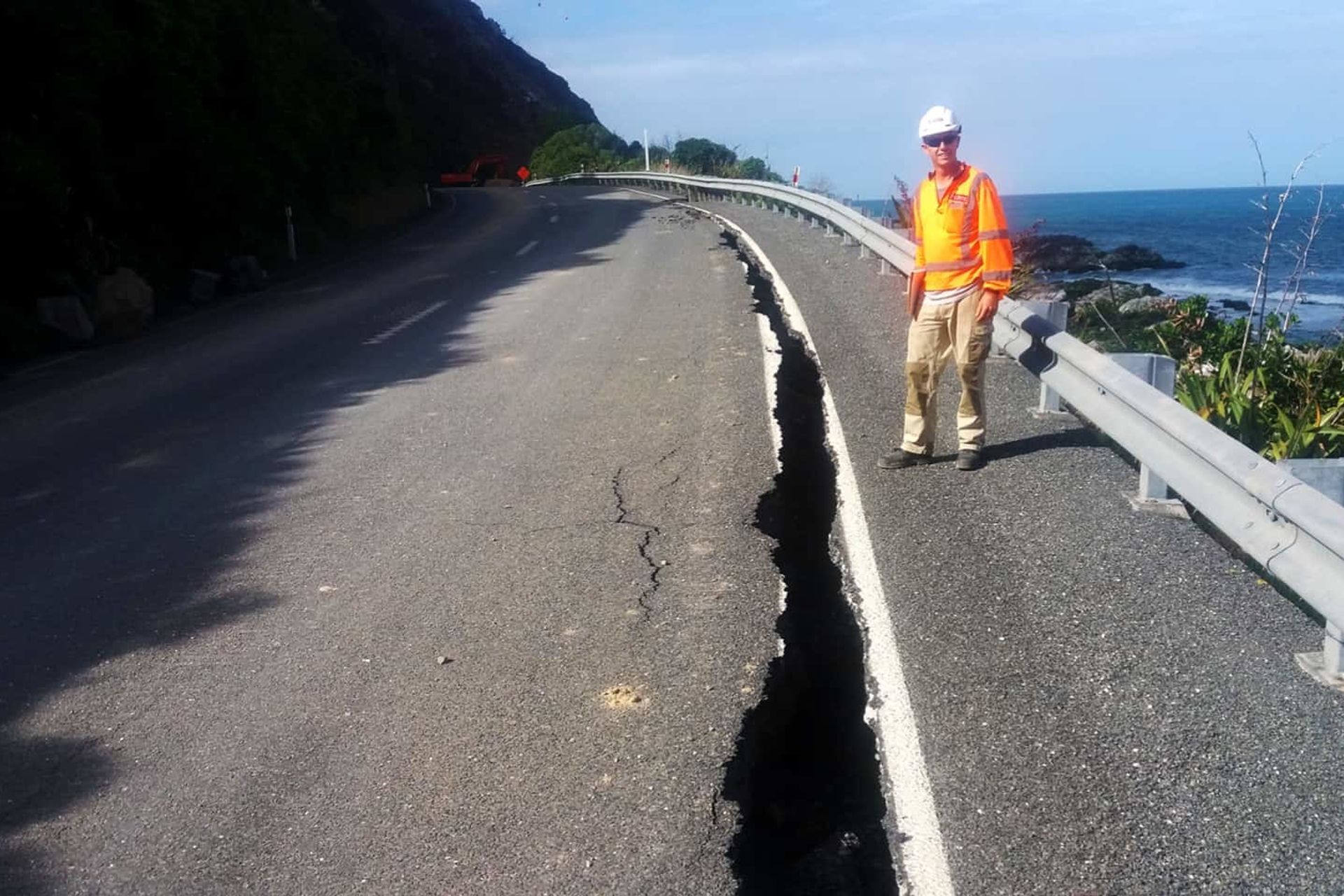
NCTIR (North Canterbury Transport Infrastructure Recovery) was a Government established alliance to rebuild the Kaikōura coastline road and rail corridors following the November 2016 M7.8 earthquake.
As a trusted survey advisor and consultancy to NCTIR for the entirety of the project, we were tasked to develop and test a methodology that wasn’t currently available while ensuring it met the client’s specification and produced reliable results.
The challenge
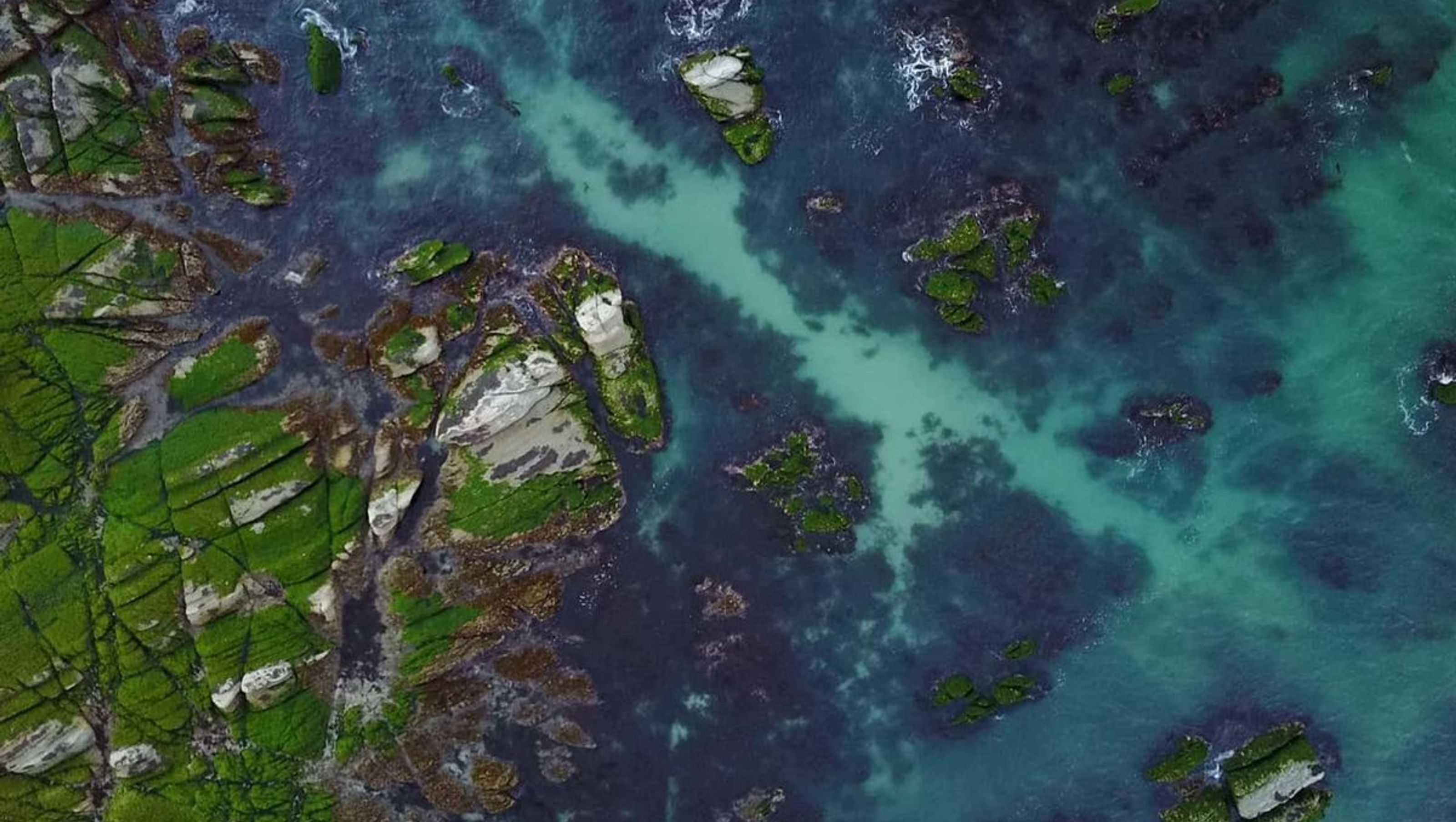
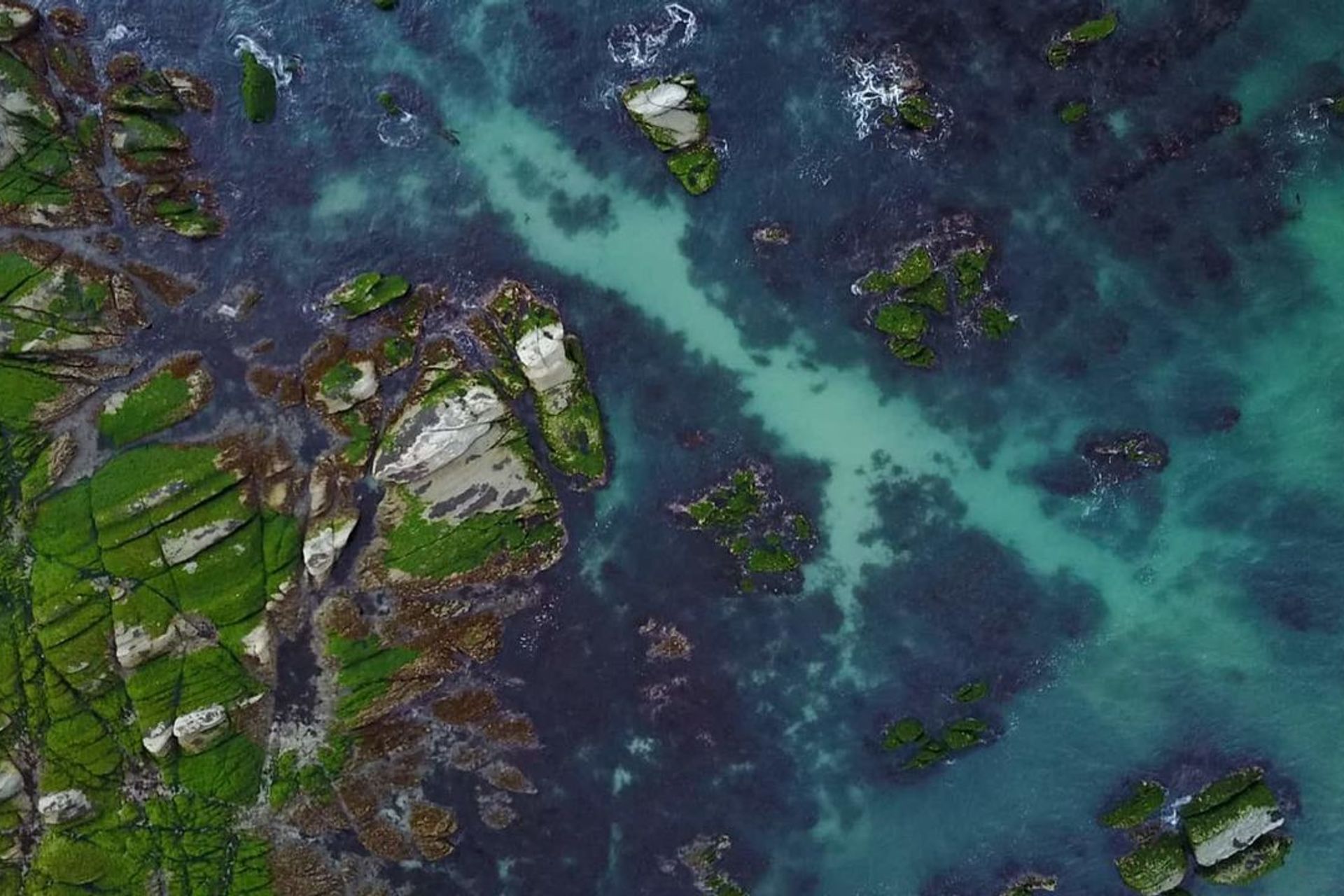
To infill the intertidal zone with bathymetric data, the NCTIR coastal engineers required a seamless dataset. However, with the rugged nature of the Kaikōura coastline, there was always a gap where topographic data could not be acquired in the surf and intertidal zones. In this area, the LiDAR (laser measurement) could not penetrate the turbid water and it was too dangerous to safely navigate a hydrographic survey vessel near the shore. Furthermore, the acquisition of topographic data on foot posed too great a health and safety risk for survey teams.
The solution
We listened to frustration from the NCTIR engineers and subsequently formulated, tested and developed a successful methodology. Two positioning methods were developed using survey grade total stations and GNSS data loggers; the latter was chosen as the most versatile option.
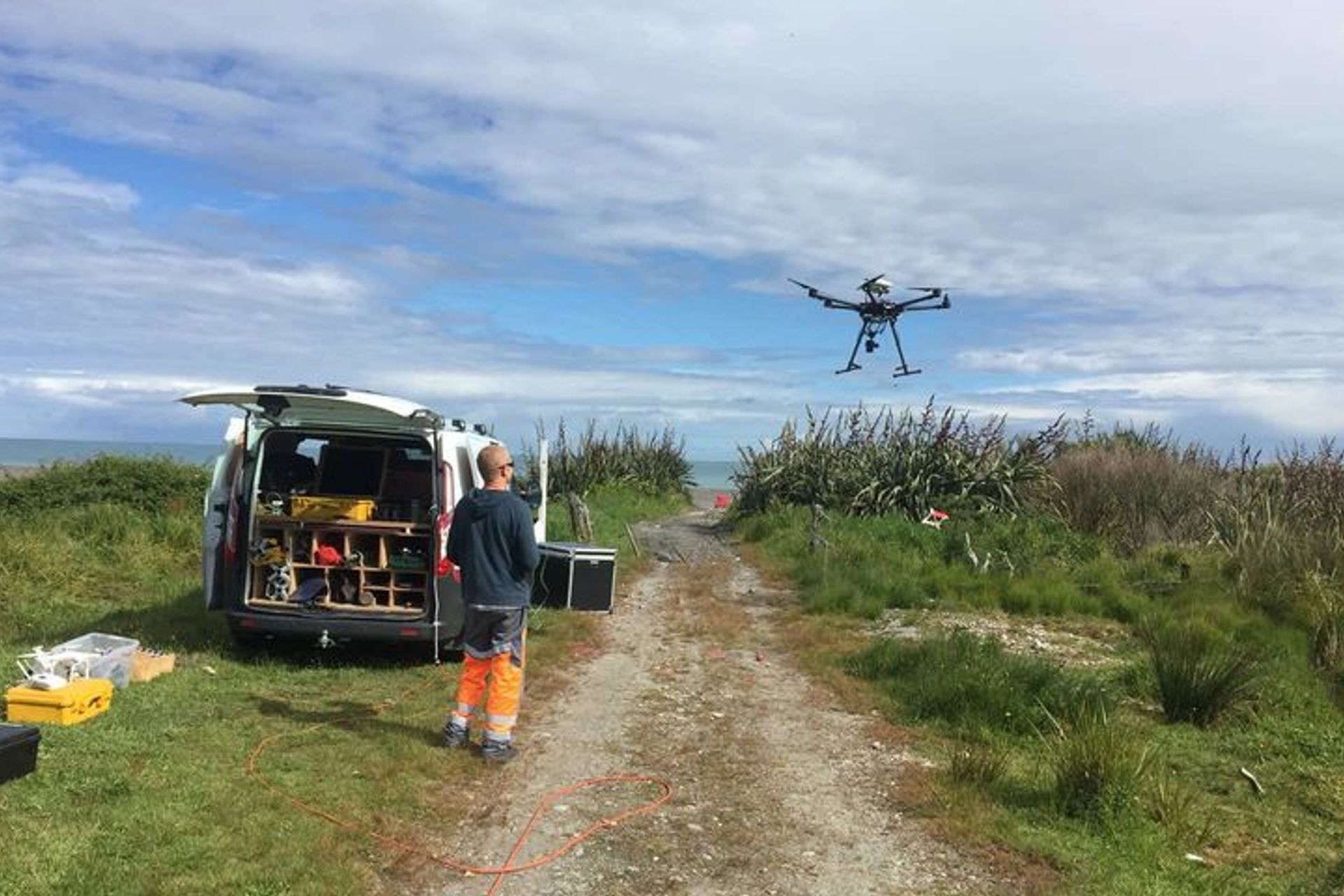
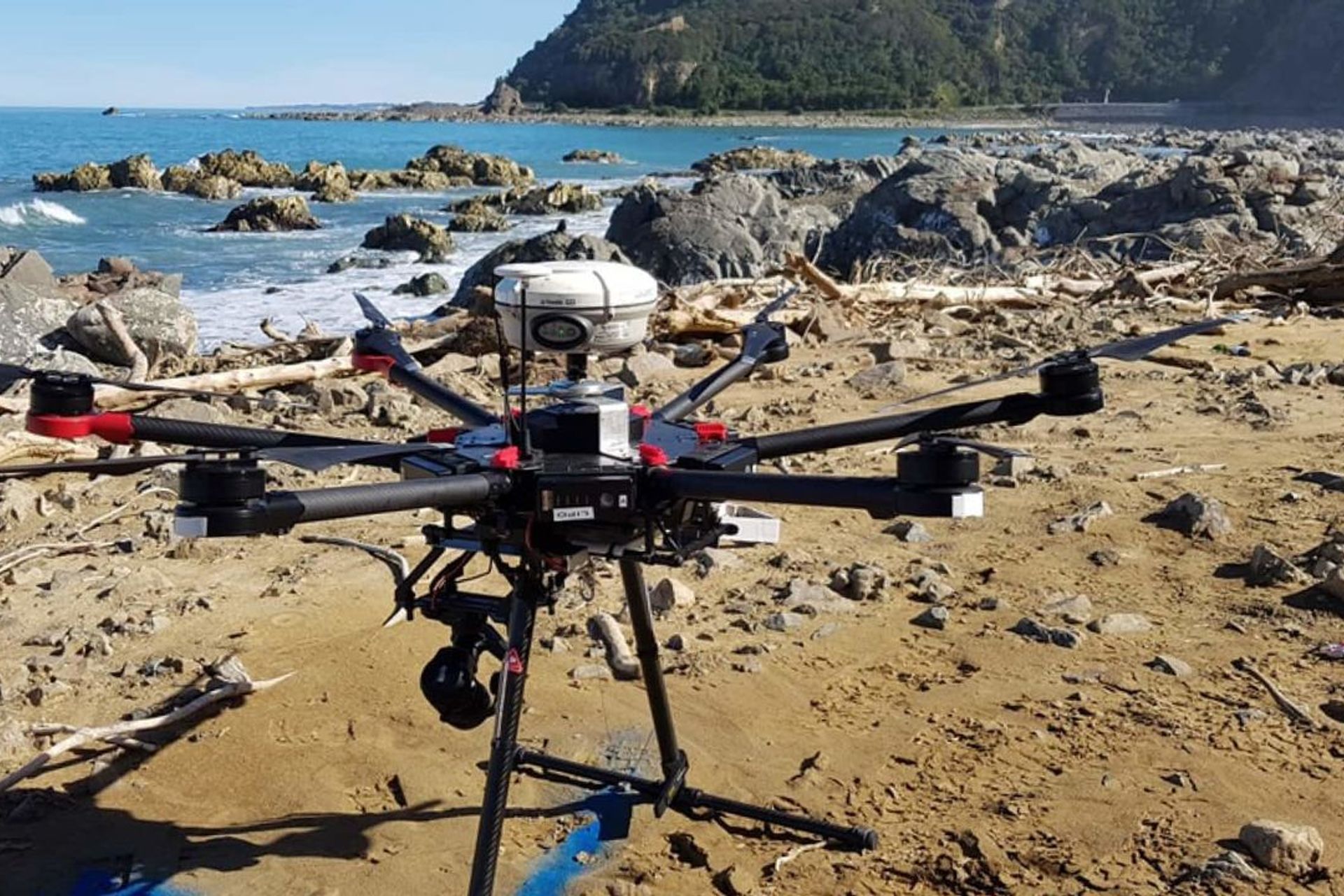
We developed an innovative solution with a lead weight mounted below our high payload UAV (drone) and a survey grade GNSS receiver to its top. A fixed length was established between the GNSS receiver and the bottom of the lead weight so we could dip the weight on the seabed in a series of transects (which extended over 1km from the shore) to create a section profile of the seabed. These dips were plotted against the hydrographic and LiDAR datasets and the correlation between all of the datasets proved they were all in agreement.
For this project, we were awarded a Trimble Innovation Award in 2018 for demonstrating Innovative Use of Trimble Geospatial Products. We were also presented a Finalist Award for Technical Excellence at the 2019 New Zealand Spatial Excellence Awards.
Services
- Land surveying
- Hydrographic surveying
Like this Project?
Hire Eliot Sinclair
Professional Reviews
Professionals used in
this project
The practices and trades credited on this project.

More projects from
Eliot Sinclair
Other work by Eliot Sinclair, across every category they build in.


Everything else in Transportation Infrastructure, from every practice on ArchiPro.


Next Project
Keep scrolling