Timber that lasts: Getting the specification & maintenance right

featuring Dryden

© david straight

© david straight

Dryden logo
  • 571.1K profile views
  • 118 saves

Getting the specification right from the outset is key to ensuring exterior timber continues to perform beautifully long after practical completion of a project.


Visit Website

Featured Professionals

Written by

  • ArchiPro Editorial Team
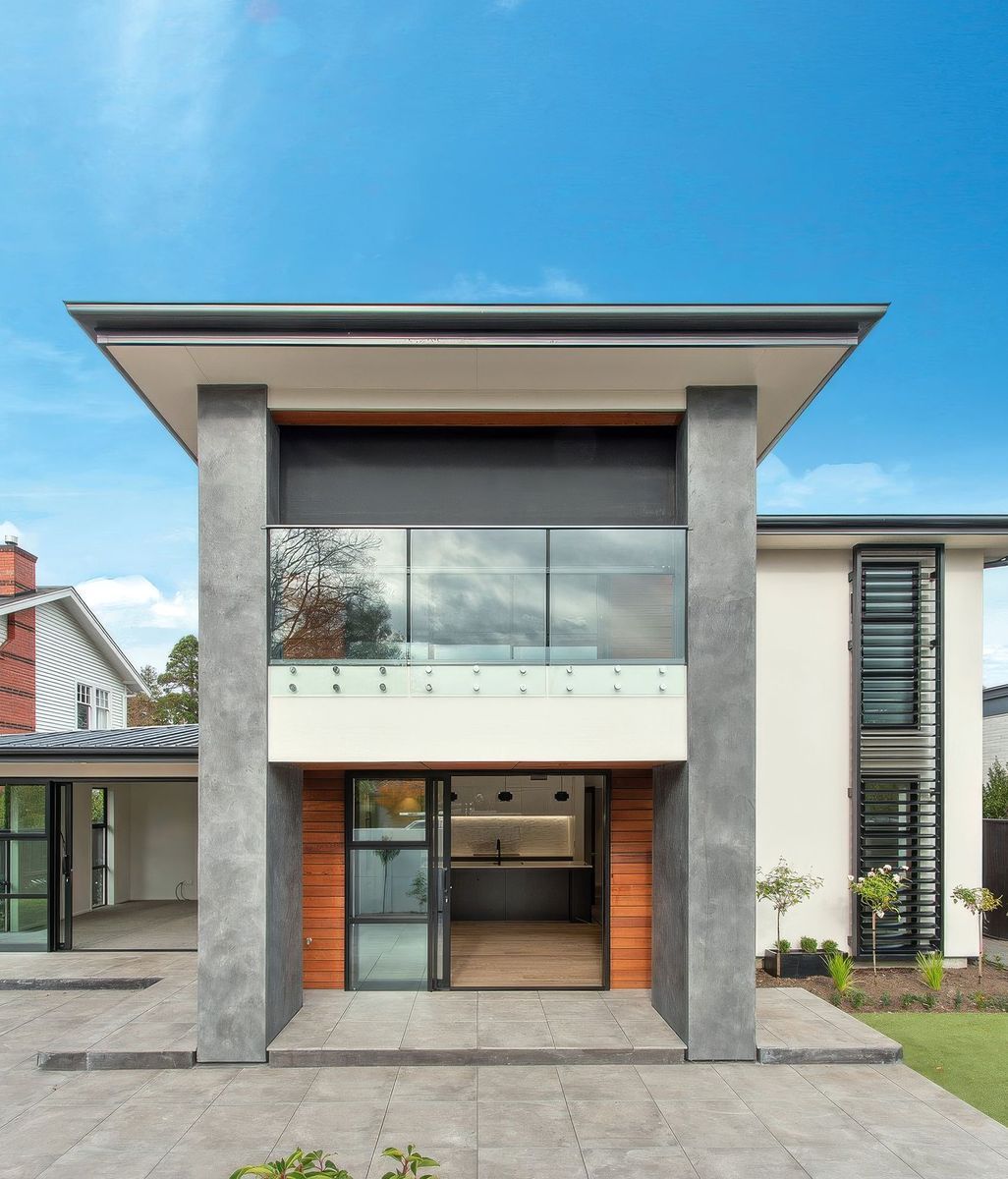
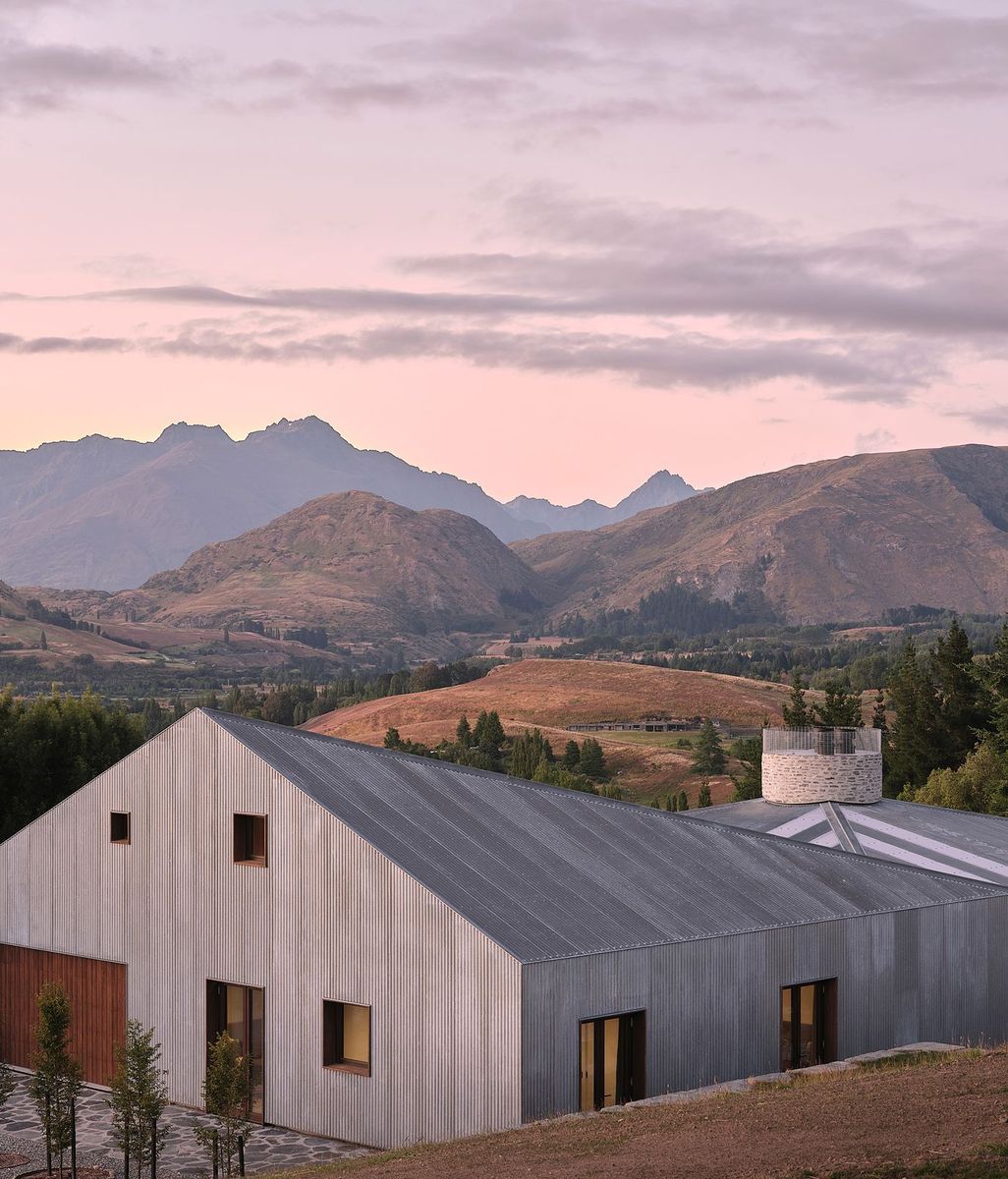
Hill to Horizon by Lloyd Hartley Architects, featuring Dryden's WoodOil.

Timber has long been a popular cladding material in architecture, due to its warmth and tactility. But unlike many other cladding materials, it doesn't remain static once it has been installed. It reacts to sun, rain and temperature levels, gradually weathering and changing character.

For architects and designers, that means thinking about how it will be protected well before the project is completed. 

“I always encourage architects to think beyond practical completion,” says Dryden Technical & Training Manager, Rob Farmer. “The real question is not how the timber will look on day one, but how it will perform in five, ten or twenty years. If you start with that mindset, the specification decisions become much clearer.”

Start with the conditions

The environment in which timber is being used has a direct bearing on how it will perform. A north-facing elevation exposed to strong New Zealand sun will weather differently from a sheltered southern wall, while a coastal site introduces its own set of weathering conditions.

Timber species also matter. Some absorb finishes readily, while others are denser and less porous. Some are more susceptible to movement as moisture levels change, while others are naturally more stable.

“There is no universally correct product. The right specification is always a response to the specific conditions of the project,” says Farmer.

Eaves, orientation, prevailing weather and proximity to the coast all need to be considered alongside the desired appearance and, importantly, how accessible the timber will be when maintenance is required.

That last point can be easy to overlook during design. A finish that performs well on an easily accessible wall presents a different proposition when it is applied to a high facade requiring specialist access every time it needs attention.

The garage at the Hill to Horizon project is as beautiful as the home, with Dryden WoodOil keeping it looking fresh for years to come.

Protection comes before colour

There is also an important distinction between maintaining the appearance or colour of timber and protecting the timber itself.

“At Dryden, we've always believed that protecting the timber is the priority. If you can keep water out of the timber and reduce moisture cycling, you can significantly improve its long-term performance. Colour and appearance remain important, but they should sit alongside protection, not replace it,” says Farmer.

The choice between penetrating oils, film-forming stains and other coating systems therefore needs to be considered in terms of how each behaves as the timber moves and weathers.

Film-forming coatings create a protective layer over the surface, while penetrating systems work within the timber to help manage moisture. The difference is particularly relevant as the building ages. If the surface film cracks or breaks down, remedial work involves full removal, which is costly and time consuming. A penetrating system such as Dryden WoodOil, by contrast, can generally be maintained by washing and replenishing 

“The most important thing specifiers should understand is that coatings don't stop timber being timber. Timber moves, breathes and responds to its environment. The best systems work with those natural characteristics rather than trying to fight them,” says Farmer.

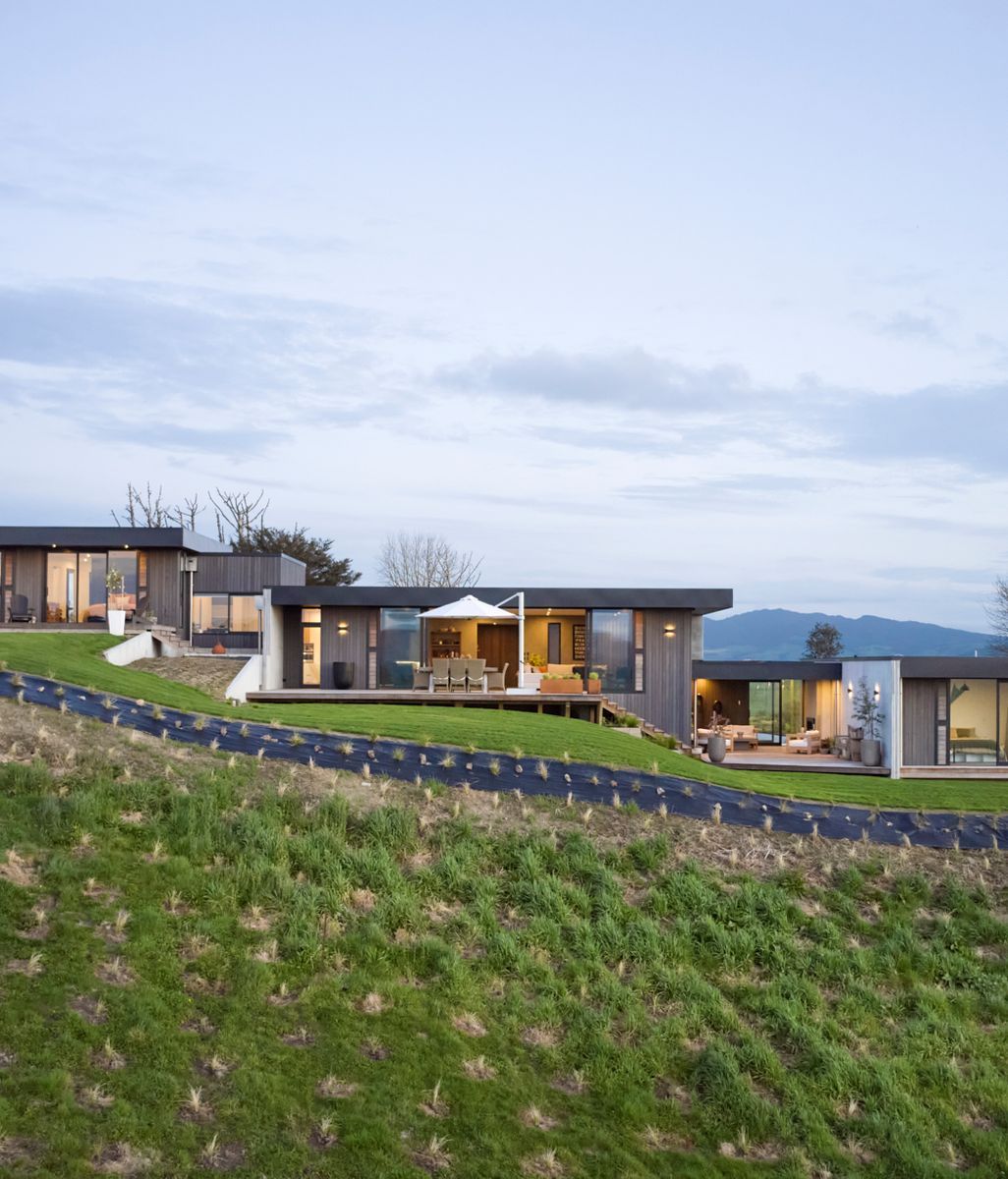
Warrington Coast Retreat paired Dryden WoodOil with Dryden Colourtone Elm to help the home blend into the stunning surroundings.

Design for the timber's future

For some projects, that future includes allowing the timber to silver naturally. For others, retaining the warmth and consistency of the original colour is an important part of the architectural intent.

“Natural silvering can be a beautiful outcome. Many architects deliberately choose timber because they want that weathered appearance to become part of the architecture over time,” says Farmer.

Where colour retention is the goal, pigments can provide additional UV protection and slow the weathering process. The critical thing is that the intended outcome is established at the specification stage and communicated clearly to the client.

“The important thing is that the client understands the decision. If timber is going to silver, that should be seen as part of the design outcome, not a surprise several years later.”

Whatever the desired appearance, preparation and initial application are fundamental to achieving it. Timber moisture content, cleanliness, compatibility, coverage rates and application technique can all affect how successfully a finish performs.

“We've always said that protection starts with proper preparation. Good preparation allows the finish to perform as intended and establishes the foundation for future maintenance. Shortcuts at the beginning often become expensive problems later.”

Maintenance should then be considered part of the specification rather than an afterthought.

“Maintenance should be planned, not reactive. Exterior timber should be inspected regularly and cleaned when necessary to remove contaminants such as dirt, pollen and mould. The aim is to identify areas that are beginning to weather before significant degradation occurs,” says Farmer.

There is no universal maintenance interval, he says. High-UV elevations will generally need attention sooner than sheltered areas, and different timber species and finishes will behave differently. Rather than asking how many years a finish will last, Farmer suggests asking how often the timber should be inspected.

Because when architects specify for the whole life of the material, timber can continue to do what makes it so valuable in the first place: provide character that enhances the building as it ages.  

As Farmer puts it, “If you get those fundamentals right, timber can remain one of the most durable, beautiful and rewarding materials we have available to us.”

Explore Dryden’s timber protection systems on ArchiPro and find the right solution for your next exterior timber project. 

Like this Article?
Get in touch with Dryden

Credits

Discover More Readingin Building & Renovating