What homeowners should know before committing to a high-performance build

featuring Bob Burnett Architecture

Bob Burnett Architecture logo
  • 116.6K profile views
  • 34 saves

From material choices to reducing power bills, here are the five things every homeowner should understand before embarking on a high-performance build.

Visit Website

Featured Professionals

Written by
  • Joanna Seton
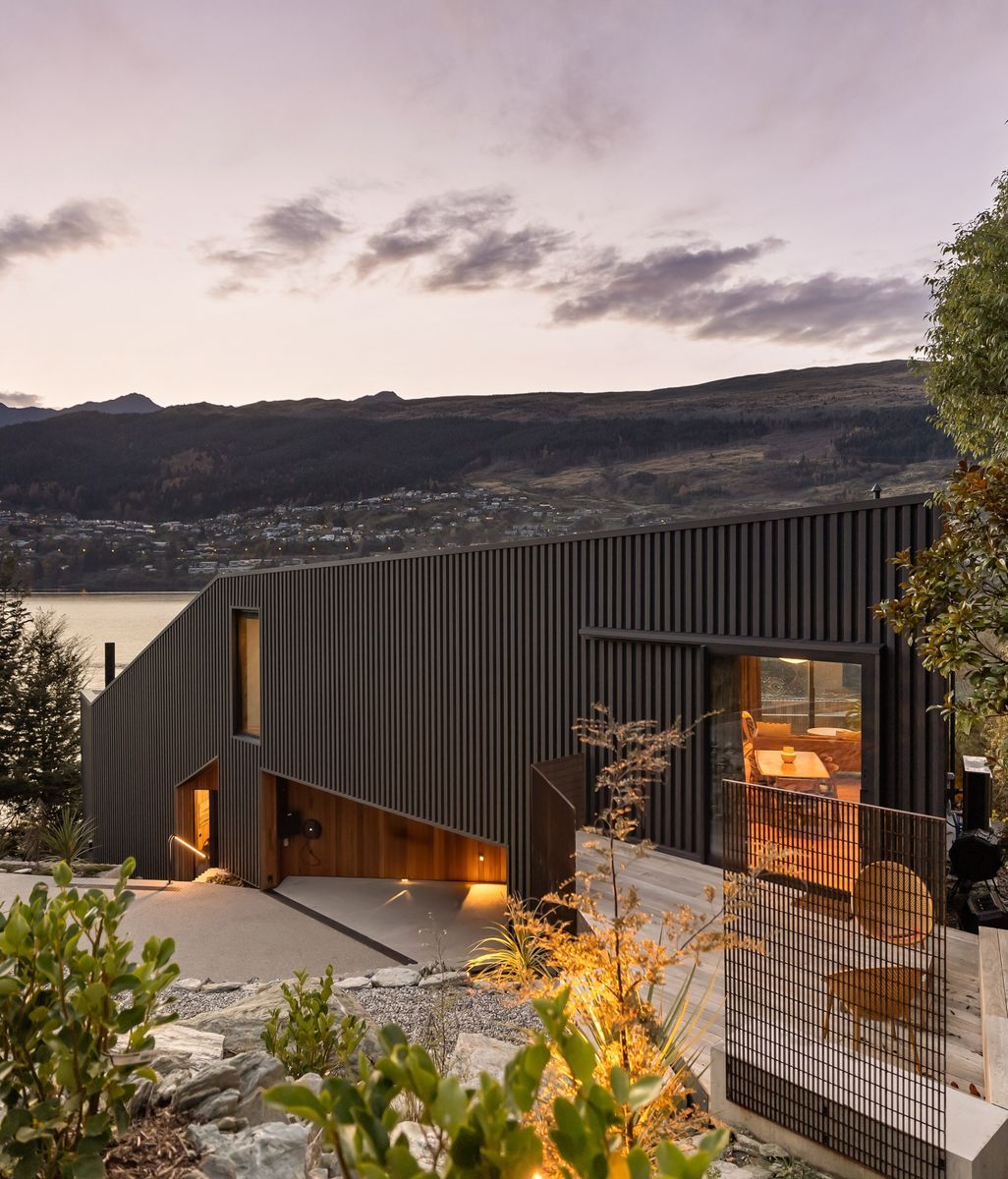
Bob Burnett.

As interest in healthier, more energy-efficient homes continues to grow, many homeowners are finding themselves drawn to the idea of a high-performance build. Terms like Passive House, Superhomes and net-zero are becoming increasingly familiar, yet understanding what they actually mean in practice can be more difficult.

For Bob Burnett of Bob Burnett Architecture, creating high-performance homes has been the focus of his practice for more than two decades. While the benefits are significant, he says achieving them requires more than simply selecting a few sustainable products or adding solar panels at the end of the process.

If you're considering a high-performance home, these are the five things Burnett believes every homeowner should understand before they commit.


1. The Building Code is only the starting point


One of the biggest misconceptions Burnett encounters is the belief that a new home built to code will automatically be warm, healthy and energy efficient.

"The first thing I tell people is don't trust the Building Code. You need to do much, much better than the Building Code in New Zealand."

While recent updates have improved thermal performance requirements, Burnett says New Zealand's building standards still lag well behind international best practice. There are currently no requirements around airtightness, no requirements for adequate mechanical ventilation, and surprisingly no regulation around heating performance.

As a result, homeowners who simply build to code may find themselves living in a home that still suffers from condensation, poor indoor air quality and uncomfortable temperatures.

For those investing in a new home, viewing the building code as a subpar standard rather than a target can dramatically improve long-term outcomes.


2. Get the right team involved from day one


According to Burnett, the success of a high-performance home relies heavily on the people delivering it.

"The biggest advice would be to get the right people involved. Achieving good results comes down to having people with the right attitude, knowledge and experience."

While technical expertise is important, he believes attitude can be just as critical, particularly during construction. High-performance homes often require a greater level of care and attention to detail than conventional builds, especially when it comes to airtightness and thermal performance.

Builders, subcontractors and consultants all need to understand not only what they are doing, but why it matters.

"People understanding what's important and why it's important makes a huge difference to the final result."

For homeowners, that means choosing a team with proven experience in high-performance construction and a genuine commitment to quality.

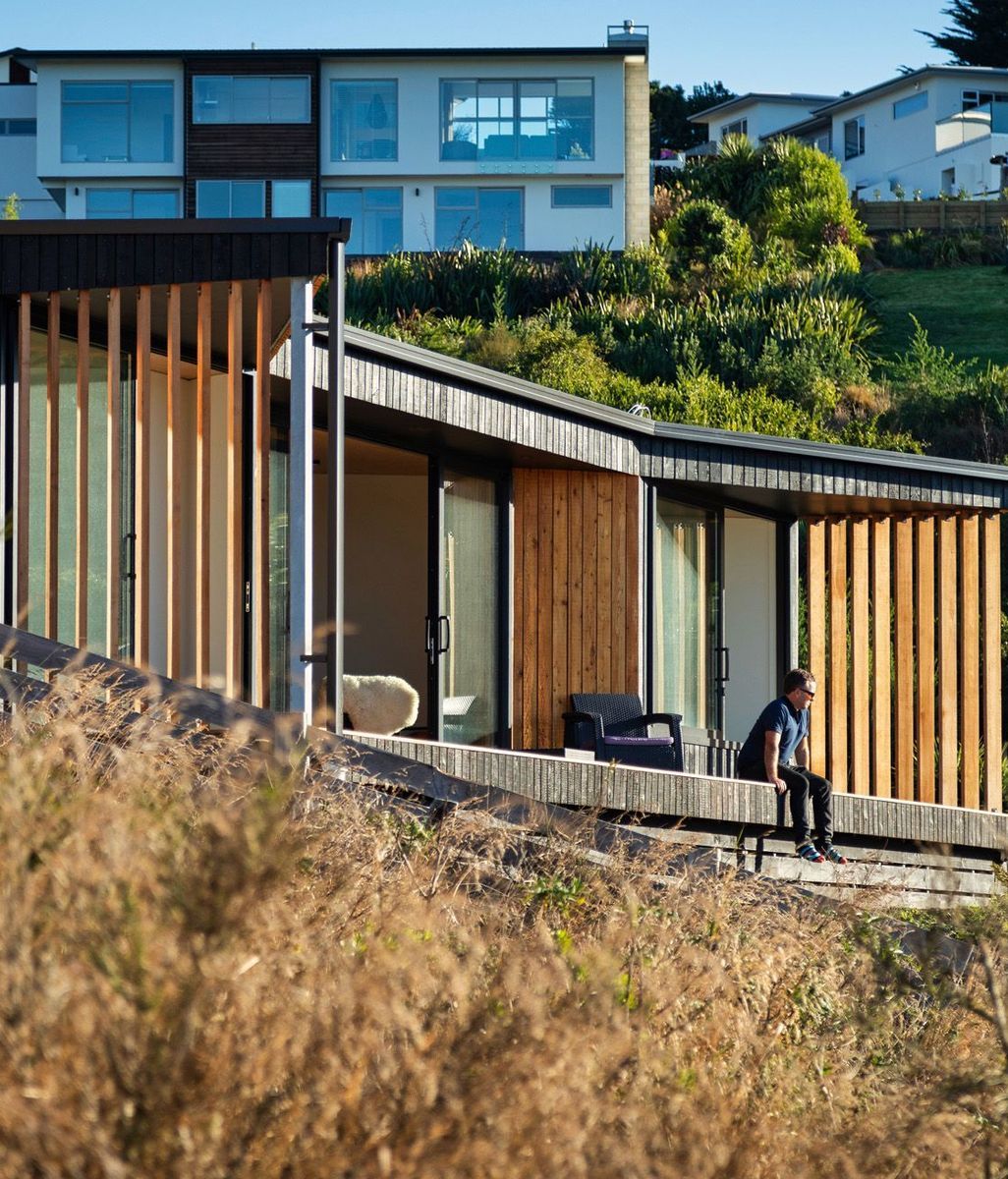
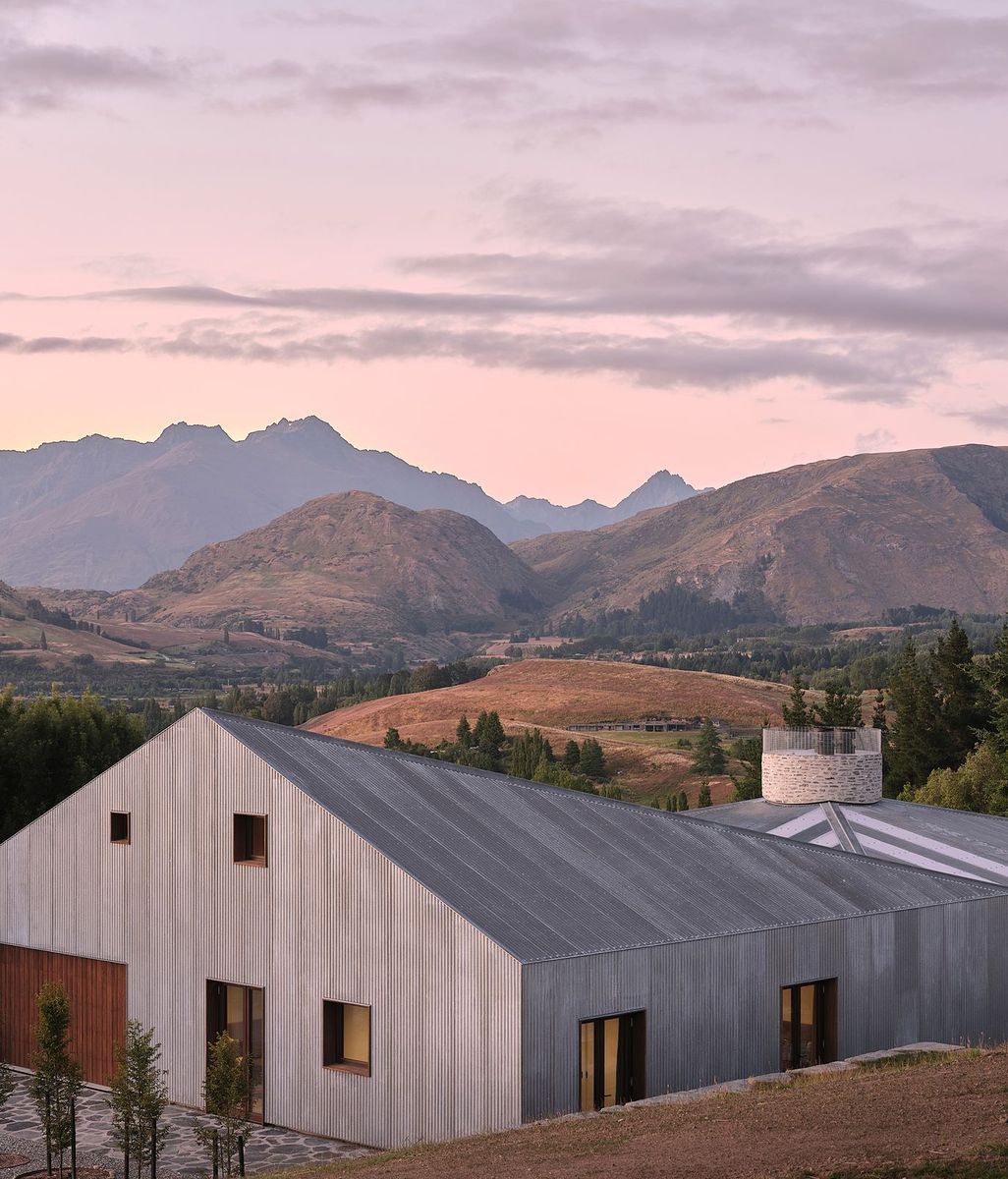
Nga Whare Parara Superhome by Bob Burnett Architecture.

3. Think long-term, not just upfront cost


A high-performance home will often require a larger initial investment than a standard build. However, Burnett says focusing solely on upfront costs misses the bigger picture.

"It does cost slightly more to build a really good Superhome, but it pays you back over time, so you've got to be thinking long term."

The additional investment may include higher-performing windows, better insulation, solar generation or heat recovery ventilation systems. While these upgrades can increase construction costs, they significantly reduce operational expenses over the life of the home.

For many homeowners, particularly those approaching retirement, certainty around future running costs becomes increasingly valuable.

Burnett points out that a poorly performing home still incurs costs. The difference is that those costs are paid gradually through higher energy bills, reduced comfort and, in some cases, health impacts associated with cold or damp living conditions.

By contrast, a well-designed high-performance home can deliver lower running costs for decades while maintaining exceptional comfort year-round.

"As awareness of high-performance homes continues to grow, their scarcity, superior performance, and increasing desirability supports significantly stronger long-term value than homes built only to minimum Building Code standards," sayas Burnett.


4. Material choices should balance beauty, durability and carbon impact


When it comes to material selection, aesthetics will always play an important role. But Burnett believes homeowners should also consider durability and environmental performance.

"The better quality, longer-lasting materials are usually the more expensive ones, but if you can build something that's going to last longer, then it's ultimately more sustainable."

Longevity is often overlooked in sustainability conversations. Yet replacing materials prematurely can significantly increase a building's environmental footprint over time.

Burnett points to products such as Accoya timber, which is manufactured from sustainably sourced New Zealand pine and modified to improve durability. While it carries a higher upfront cost, its longevity can make it a more sustainable choice over the life of the building.

Beyond individual products, he encourages homeowners to think about embodied carbon, recyclability and the broader environmental impact of the materials they specify.

The most sustainable home is often one that is built to last.

5. Good design can improve performance without increasing cost


Perhaps the most surprising advice Burnett offers is that some of the most effective sustainability strategies cost little, if anything, to implement.

"Some of the best things you can do are actually free. It's about being more thoughtful about the design."

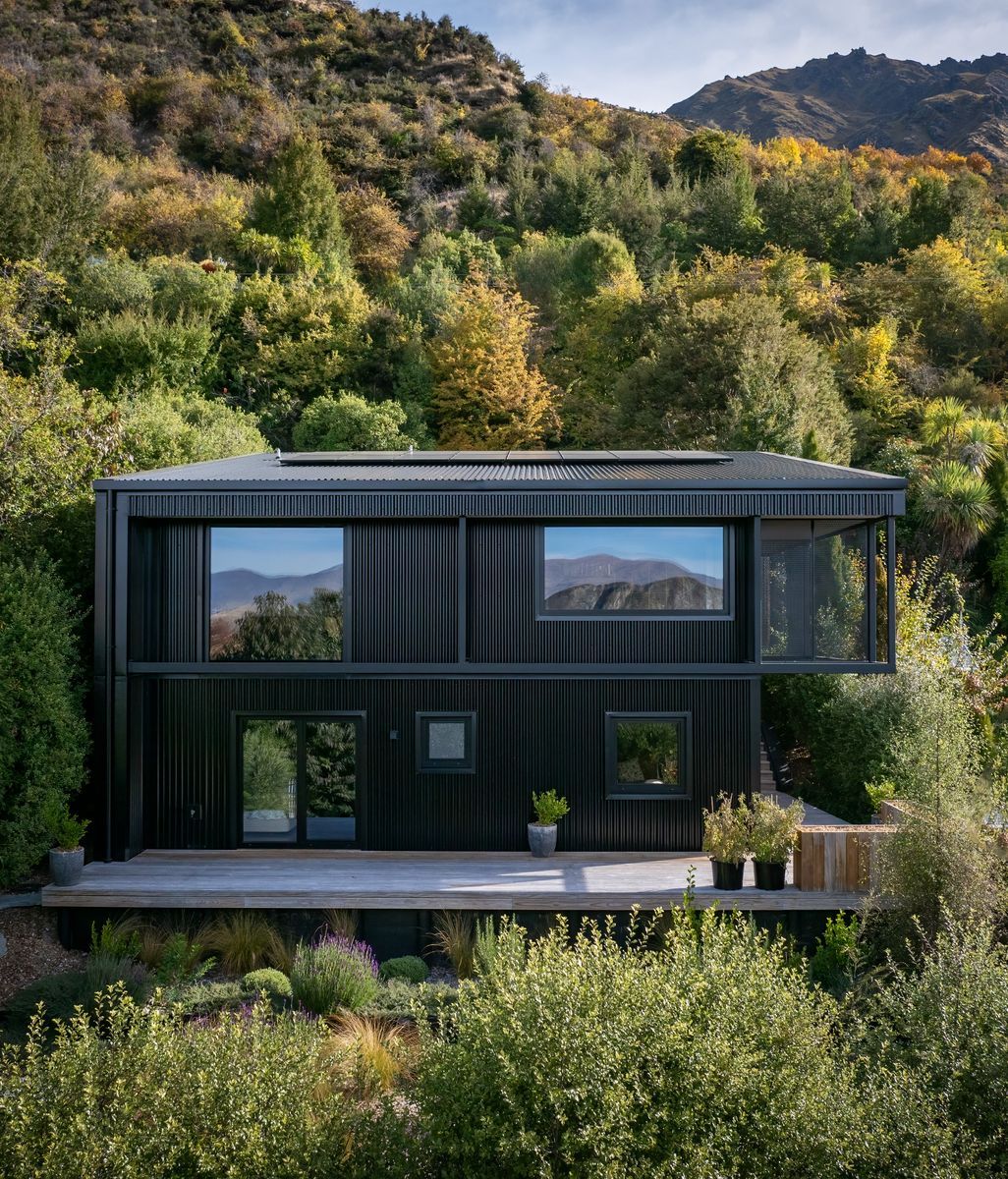
Orientation, window placement, roof overhangs and building form all play a major role in how a home performs. When these elements are carefully considered from the outset, they can reduce overheating in summer, improve passive solar gain in winter and lessen reliance on mechanical heating and cooling.

Good design also helps maximise natural light, improve comfort and create better connections to the surrounding environment.

"There are a lot of ideas that don't cost more. They just come down to having a good design."

As international products and technologies become more readily available in New Zealand, Burnett believes there has never been a better time for homeowners to look beyond minimum standards.

For those willing to take a longer-term view, a high-performance home offers more than energy savings alone. It creates a healthier, more comfortable and more resilient place to live, while delivering benefits that can continue for decades after construction is complete.

Discover More Readingin Ideas & Perspectives

Next Article

Keep scrolling
The future of home design is holistic