The overlooked layer: Why planting deserves a place in every design
Written by

04 August 2026

 • 

5 min read

banner
Good planting isn’t about simply adding greenery to a finished project. It’s about designing with nature from the outset, using plants as another architectural layer to shape how people experience a space.

Architects carefully consider every layer of a project, from how people will move through the building, to the lighting and materiality. Yet planting, an element that has such an influence on how a space feels, is often overlooked until the very end. 

Planting does far more than soften an interior. It shapes the atmosphere, encourages interaction and contributes to creativity. Nearly every workplace has plants, even if it’s just a planter beside reception, a few pots between desks, sometimes a plant or two in the lunch room. But this ticks a box, nothing more. 

“People know they want plants,” says Donna Signorelli, Senior Designer at GreenAir. “What they often don’t know is how to use them intentionally. If you’ve got a large office and a limited budget, trying to cover every corner usually means every plant ends up standing on its own. You lose the visual impact and you lose a lot of the value.”

Successful planting shouldn’t be measured by how much greenery fills a space. It should be measured by how effectively it changes the way people experience it.

JP10346-ap-compressed.jpg

Designing for people, not floorplans

GreenAir doesn’t begin a project by selecting plants. It begins by understanding how people use the workplace. 

Where do teams naturally gather? Where do informal conversations happen? Which spaces encourage focused work? Where do employees go when they need a break? 

Those answers shape the planting strategy long before individual species are considered.

“We know planting has benefits for wellbeing, creativity and productivity. Even if a budget is limited, we can maximise those benefits by placing plants where people spend the most time,” says Donna. “If it’s a large workplace, I’d rather create one incredible space than have individual plants scattered everywhere.”  

The planting is viewed as another architectural layer within a project. A layer that should influence the atmosphere, guide movement and change how people feel.

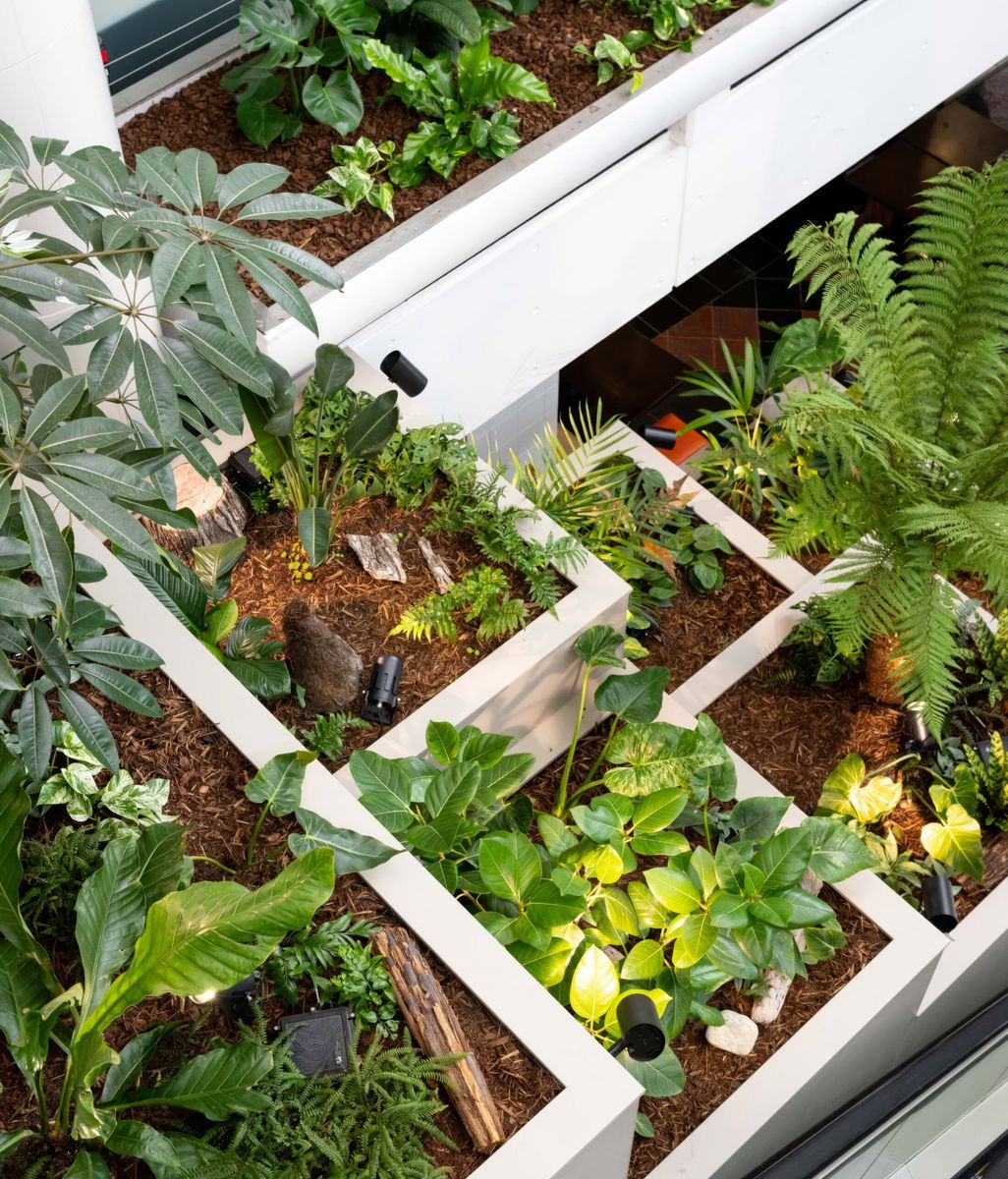
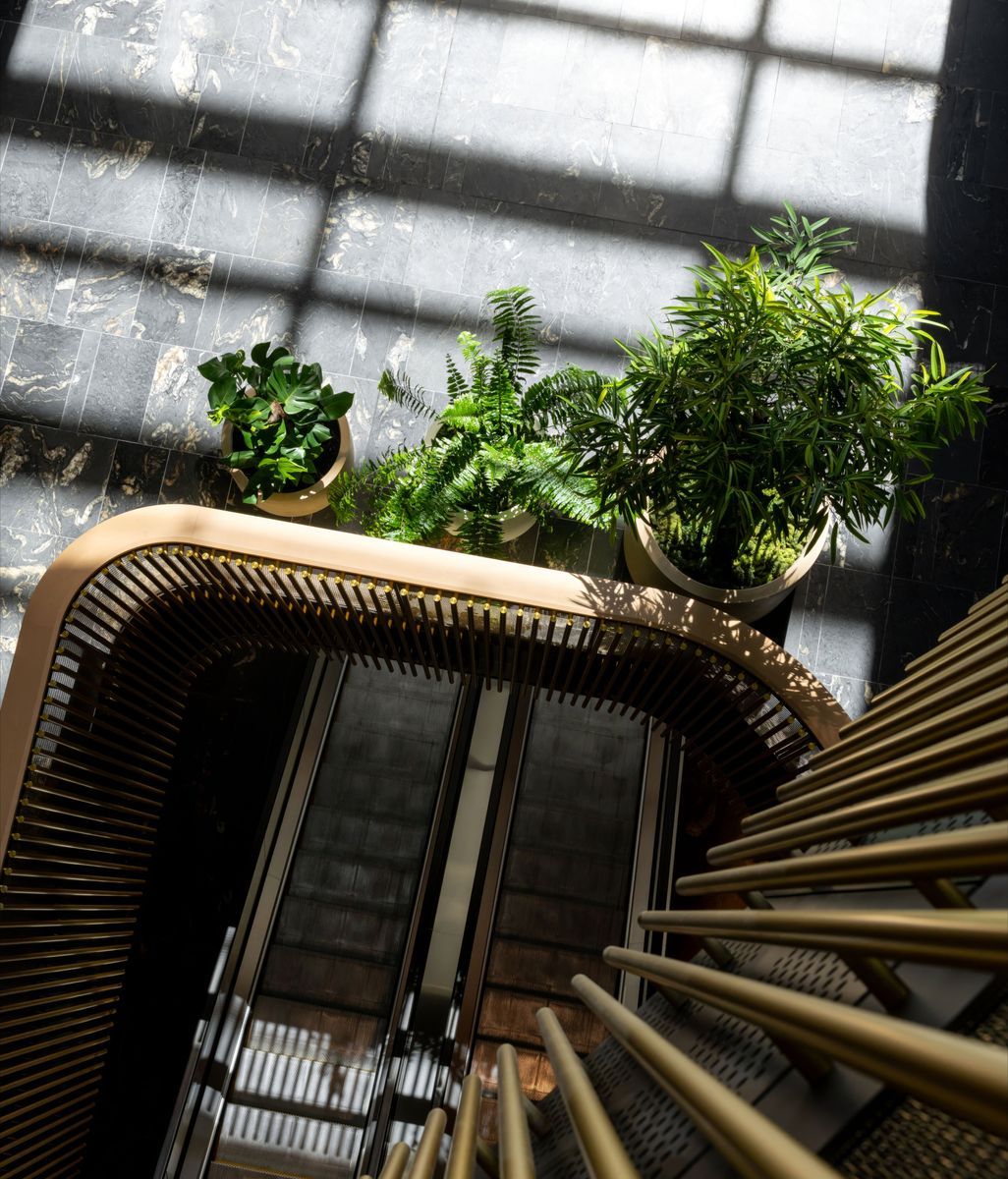
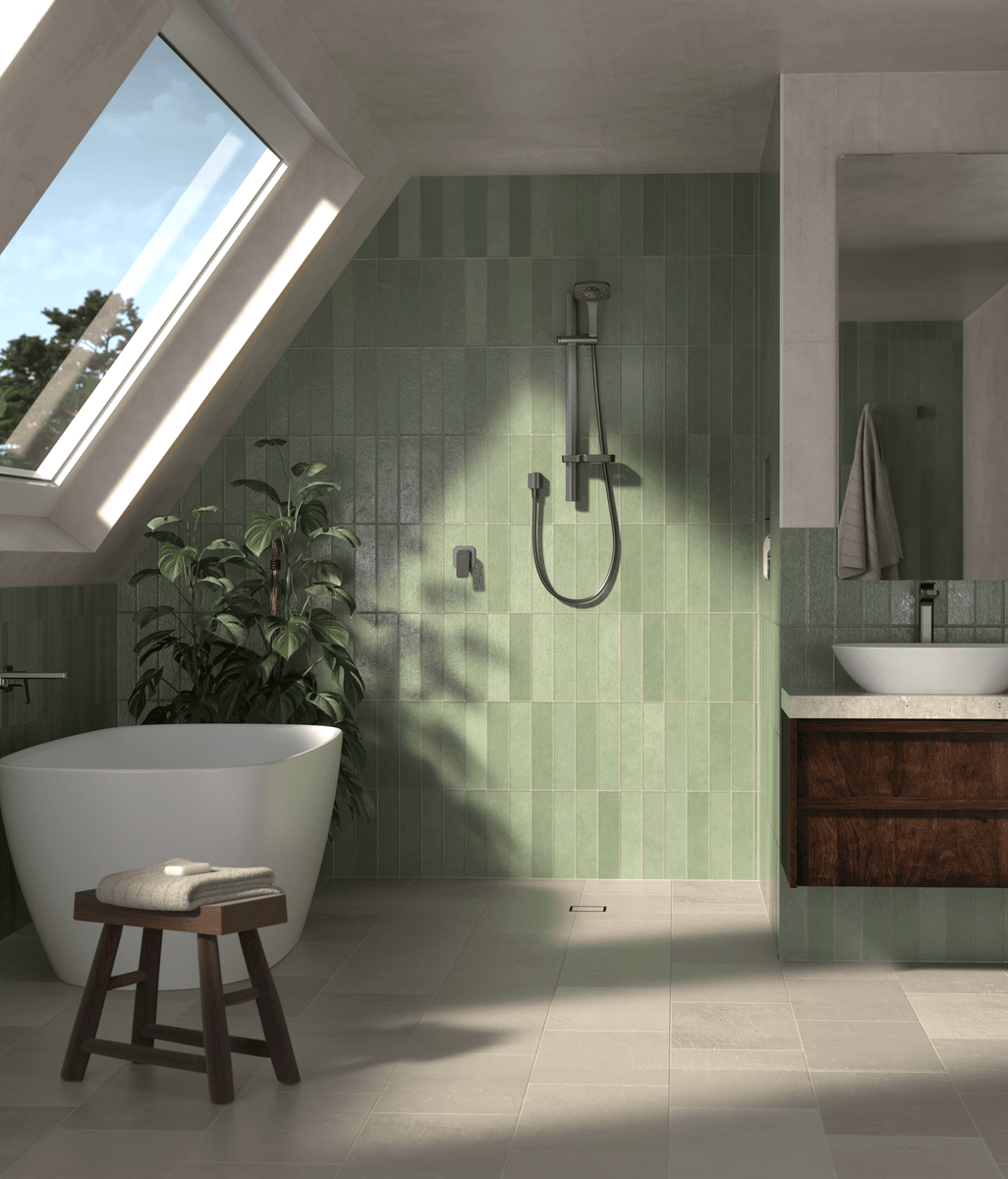
By concentrating the planting in certain zones, texture and life is brought into otherwise dull areas that people now want to be in. Collaboration spaces feel more creative. Breakout areas become places of genuine restoration and workstations without external views can benefit from internal moments of greenery. The floorplan hasn’t changed, but the experience has.

JP16881-ap-compressed.jpg

Sometimes, intentional planting also means knowing where to not place it.

“If there’s already a beautiful view of the ocean or mature trees outside the window, we’ll preserve that,” Donna explains. “Instead, we’ll focus on the parts of the office where people have nothing but a blank wall or another building to look at.”

It’s a philosophy that aligns closely with Green Star, the WELL Building Standard and the Living Building Challenge, all of which recognise meaningful connections to nature as an important contributor to healthier, higher performing workplaces. The goal isn’t simply more greenery. It’s making nature more present where it’s needed most.

JP16843-ap-compressed-upscaled-by-Replicate.jpg

Plants as another layer of architecture

Just as lighting influences mood and materiality shapes atmosphere, planting should be considered another architectural layer within a project. Though it’s often one of the final elements installed, meaning it’s also often not thought about until later in the design process. 

By then, opportunities may already have been lost. 

Build-in planters might be too shallow, or irrigation may not have been considered. Maintenance access may be difficult and there might be insufficient light for the type of plants a client wants. 

“The earlier we’re involved, the more options everyone has,” says Donna. 

Light levels are often the greatest constraint. While commercial interiors may appear bright to occupants, they’re frequently far darker than plants require.

“Lighting for people and lighting for plants are completely different,” says Donna. “That’s our number one challenge.”

Working alongside architects and interior designers during the design phase allows those technical requirements to be resolved before construction is complete. It also opens the door to far more ambitious outcomes. Built-in gardens, suspended planting, column-mounted installations and vertical green walls all require early coordination if they’re to feel fully integrated into the architecture rather than an afterthought.

“The decisions made right at the beginning of a project can have a massive impact on what’s possible at the end. You can’t talk to us early enough.”

JP11761-ap-compressed.jpg
JP10368-ap-compressed-upscaled-by-Replicate.jpg

Every project deserves its own planting language

One of the biggest differences between using plants simply as decoration instead of as part of a building’s design experience lies in resisting standardisation. Every commercial building has different architecture, different light levels, different ways of working and different priorities. The planting should reflect that. 

“We hope people can recognise a GreenAir project because it doesn’t feel like it’s been repeated somewhere else.”

Drawing on her background in horticulture, Donna develops planting palettes that respond to the unique conditions of each project rather than relying on the same collection of low-maintenance species across every installation. Individuality is placed before efficiency and convenience. Rather than noticing each plant in the space around them, people notice how they feel. 

Explore GreenAir on ArchiPro to discover how professionals are collaborating with the team to shape commercial spaces with greenery. These spaces can be explored as completed design projects with the architects, interior designers, builders and brands behind them brought into view.

undefined video