Gold Interior Wall Lining
- Gold interior wall lining brings warmth, reflection and a refined finish to New Zealand homes, apartments, hotels, offices and retail interiors. Explore gold wall panels, internal cladding, decorative wall linings and matching trim options from trusted suppliers on ArchiPro. Use this page to compare finishes, materials, profiles and installation requirements in one place, whether you are designing a feature wall, reception area, powder room, ceiling detail or full interior fit-out. Choose from subtle champagne tones through to stronger metallic gold effects, with products suited to both residential and commercial spaces.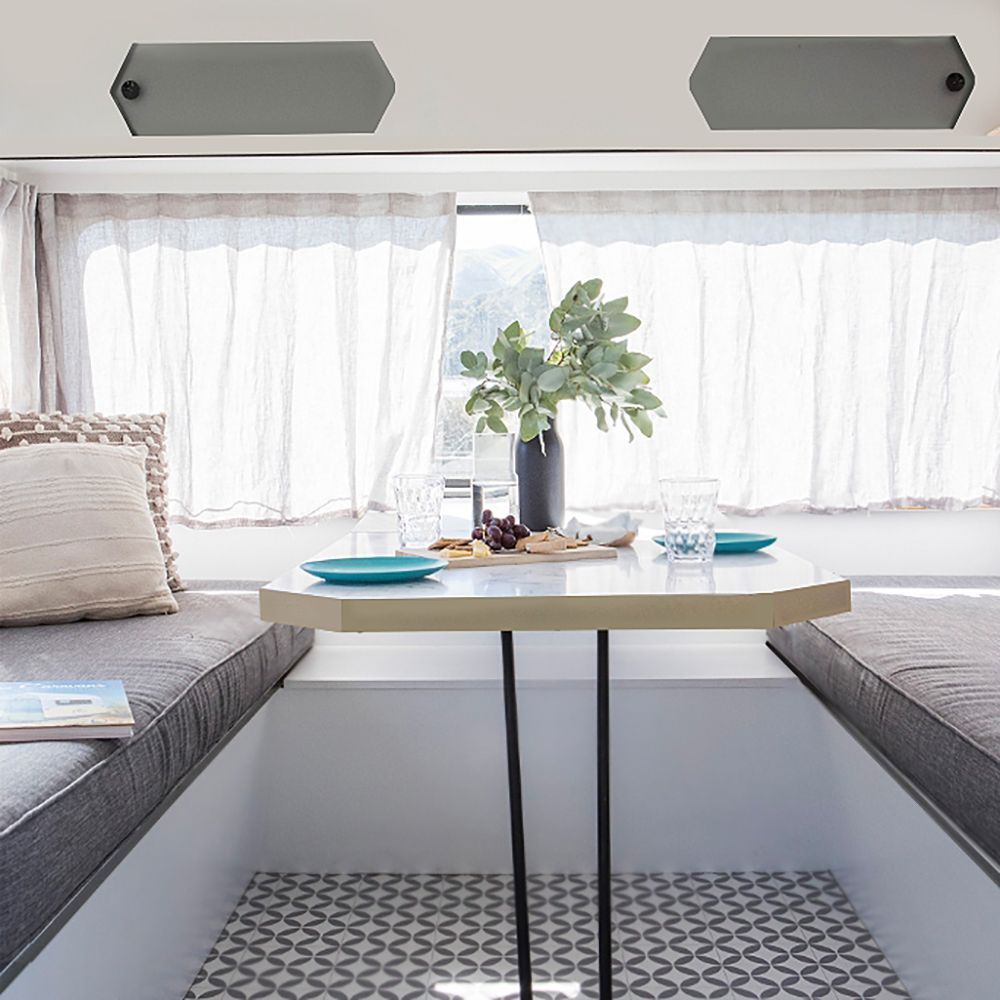
More to discover
Explore all product categories
- Building Supplies
- Car Parking Solutions
- Cladding & Facades
- Construction 4.0
- Construction Equipment and Supplies
- Electrical
- Fire Safety
- Insulation
- Interior Wall Lining
- Plumbing Supplies
- Prefabricated Buildings
- Roofing
- Structural & Framing
- Solar Electric Systems
- Stairs, Lifts & Access
- Windows & Doors
- Security & Access
- Water Filtration Systems
- Water Management & Filtration
Gold interior wall lining is a strong design choice, so the best result comes from matching the finish to the room, lighting and level of use. A brushed champagne gold can feel soft and architectural, while a polished metallic finish draws more attention. In homes, gold wall lining is often used for feature walls, bedheads, bar areas, entrance spaces and powder rooms. In commercial projects, it can add a premium feel to reception areas, restaurants, retail walls and hospitality interiors.
Choosing gold interior wall lining in New Zealand
On ArchiPro, interior lining sits within the wider building category, making it easier to compare decorative finishes with the practical building products needed around them. Look beyond colour first. Check the substrate, fixing method, durability, fire performance where relevant, and how the surface will be cleaned over time.
Where gold wall lining works best
Gold works well when it has space to breathe. It is often more effective across a defined wall zone than across every wall in a room. It can reflect warm artificial light, pick up timber tones and create contrast against stone, concrete, black joinery or white plasterboard. In compact rooms, a softer gold or satin finish can stop the surface feeling too reflective.
- Feature walls: Use gold panels behind beds, fireplaces, banquette seating or media walls.
- Hospitality interiors: Consider harder-wearing surfaces for bars, lobbies, restaurants and hotel corridors.
- Wet-adjacent areas: Check moisture suitability before using any lining near bathrooms, laundries or kitchens.
- Ceiling accents: A gold ceiling panel or inset can work well in dining rooms, lounges and retail spaces.
Material options for gold interior linings
The right material depends on the look you want and the performance the room needs. Decorative wall panels and cladding are a common choice for gold finishes because they can add texture, depth and rhythm to a plain wall. Options may include metal-look panels, acoustic panels, laminate-faced linings, textured boards or prefabricated decorative systems.
For a more conventional wall build-up, plasterboards provide a flat base that can be painted, wallpapered or finished with decorative coatings in gold tones. This is often the most flexible route for designers who want a clean wall surface with a controlled colour or sheen.
Plywood is useful where warmth, grain and impact resistance matter. It can be stained, coated or paired with gold trims for a more natural interior. In commercial interiors, plywood may need specific fire or acoustic treatment, so confirm the product data before specifying it.
Finishing details also matter. Skirtings, mouldings and jambs can help gold wall lining meet floors, doors and ceilings cleanly. Matching or contrasting trims can make the installation feel deliberate rather than added later. For overhead design, suspended ceiling systems can carry gold accents, panels or integrated lighting in offices, retail spaces and hospitality projects.
Finish, light and colour matching
Gold changes noticeably under different light sources. Warm white lighting can deepen the tone, while cooler lighting may make the finish appear paler or sharper. If the project includes downlights, wall washers or LED strips, request samples and view them on site before ordering. A sample seen in daylight can look very different at night.
Think about sheen as much as colour. A matt or satin gold is easier to use across larger areas. A mirror-like or high-gloss gold is better for smaller panels, trims or controlled feature zones. Strong reflections can draw attention to surface imperfections, so installation quality becomes more important as sheen increases.
What to check before you buy
- Substrate: Confirm whether the lining is fixed to framing, battens, plasterboard, plywood or another backing board.
- Dimensions: Check sheet or panel sizes, thickness, edge details and wastage for cuts.
- Durability: Ask about scratch resistance, impact resistance and suitability for high-traffic areas.
- Moisture: Make sure the product is approved for the room conditions, especially in bathrooms, laundries and kitchens.
- Fire and acoustic needs: Commercial and multi-residential projects may need specific product performance data.
- Cleaning: Metallic and coated finishes can mark if cleaned with abrasive products.
Installation and specification tips
Some gold internal wall lining products are designed for quick fixing, while others need careful set-out and specialist installation. Plan panel joins around doors, corners, windows and built-in furniture. If the wall has visible ribs, grooves or metal-look details, align them with other interior lines where possible.
For larger projects, involve your architect, builder or supplier early. They can help confirm fixing methods, trims, lead times and compliance information. For residential projects, order samples and compare them against flooring, benchtops, tapware and lighting. Gold does not need to match every metal finish in the room, but it should feel intentional.
ArchiPro helps you compare gold interior wall lining products from premium New Zealand suppliers, with options for decorative panels, sheet linings, ceiling systems and finishing profiles. Use the product pages to review technical details, request pricing and connect with suppliers who understand local project requirements.