

Tags
Project team
- Charissa Snijders Architect
- Courtney Henderson
- Alphapix
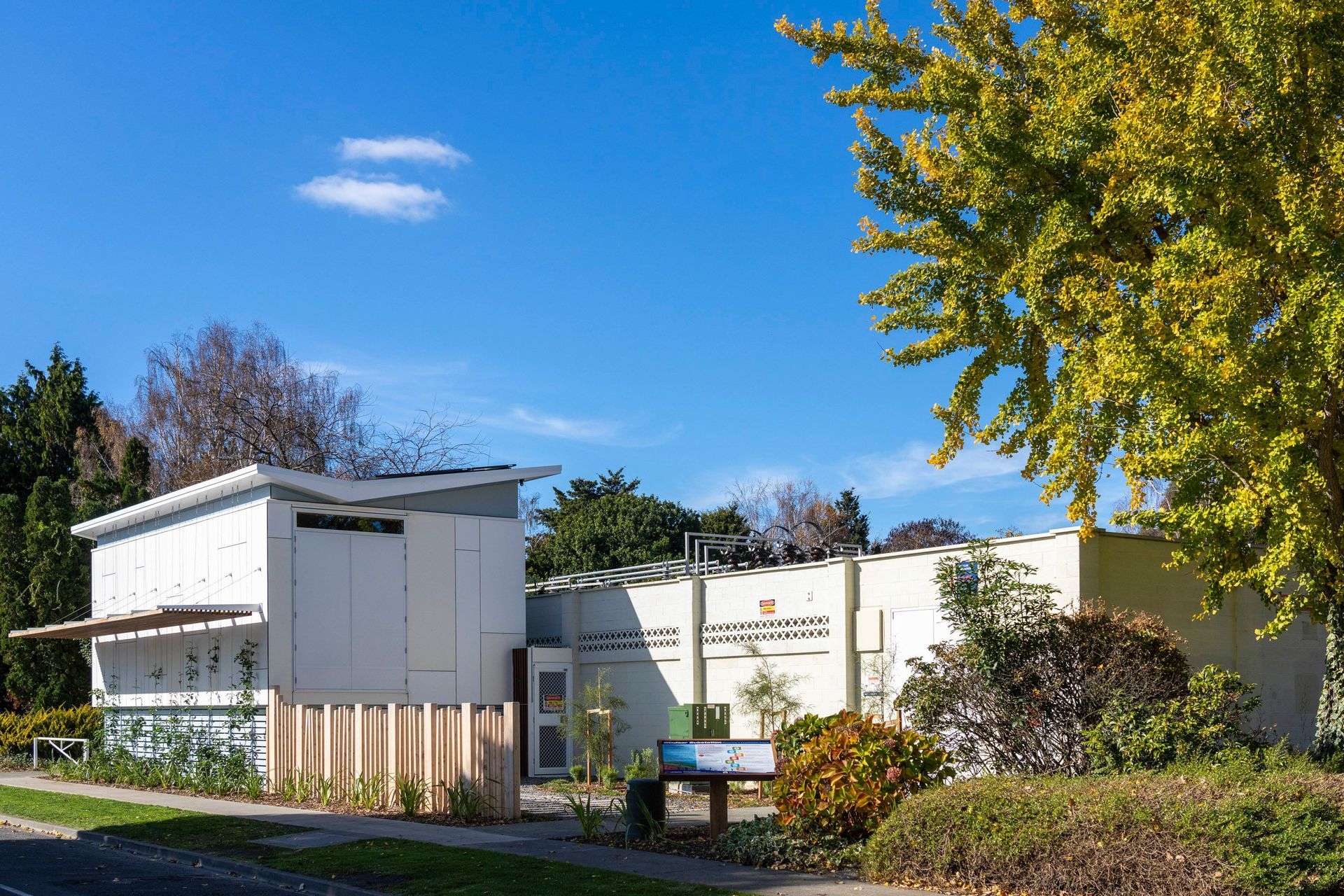
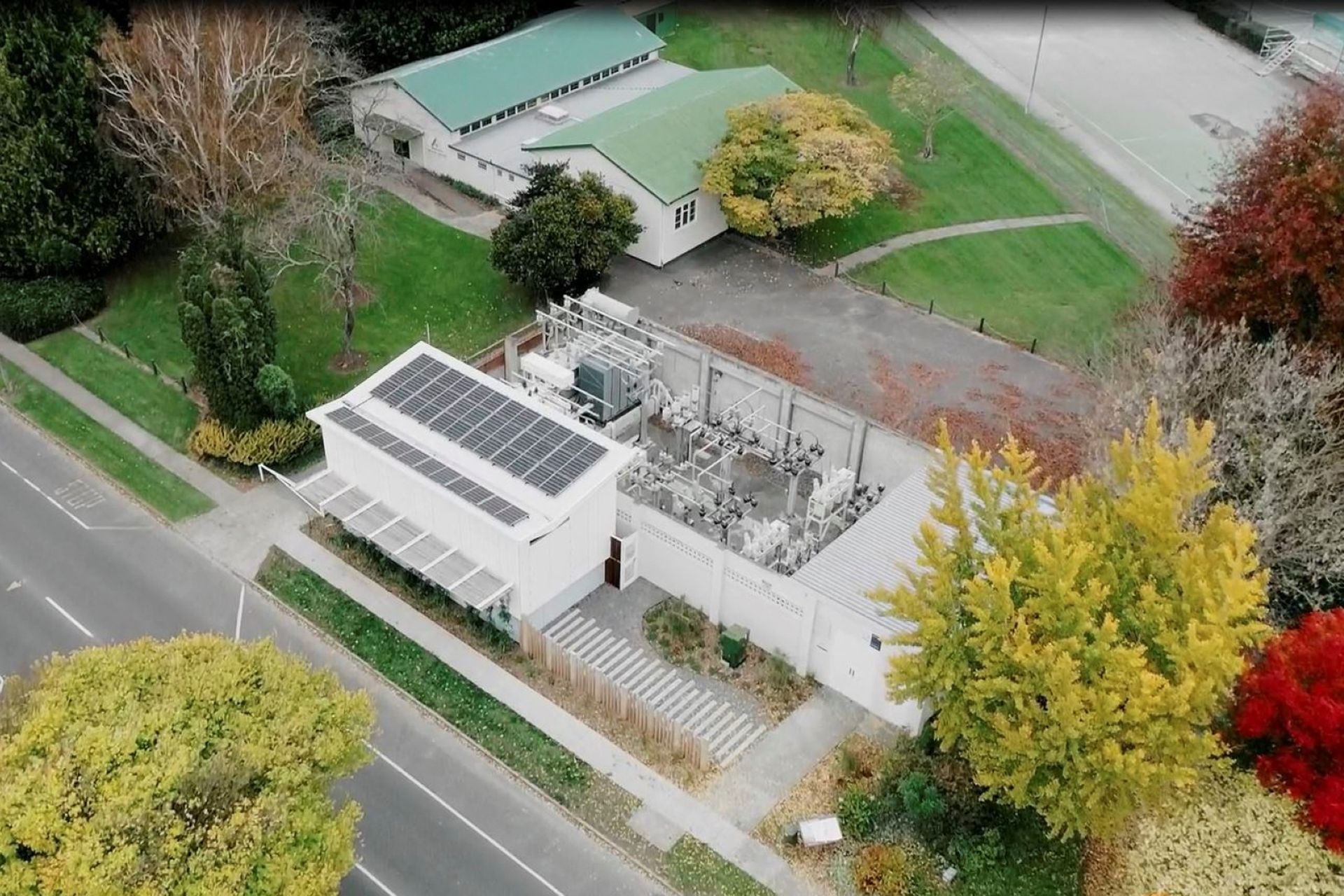
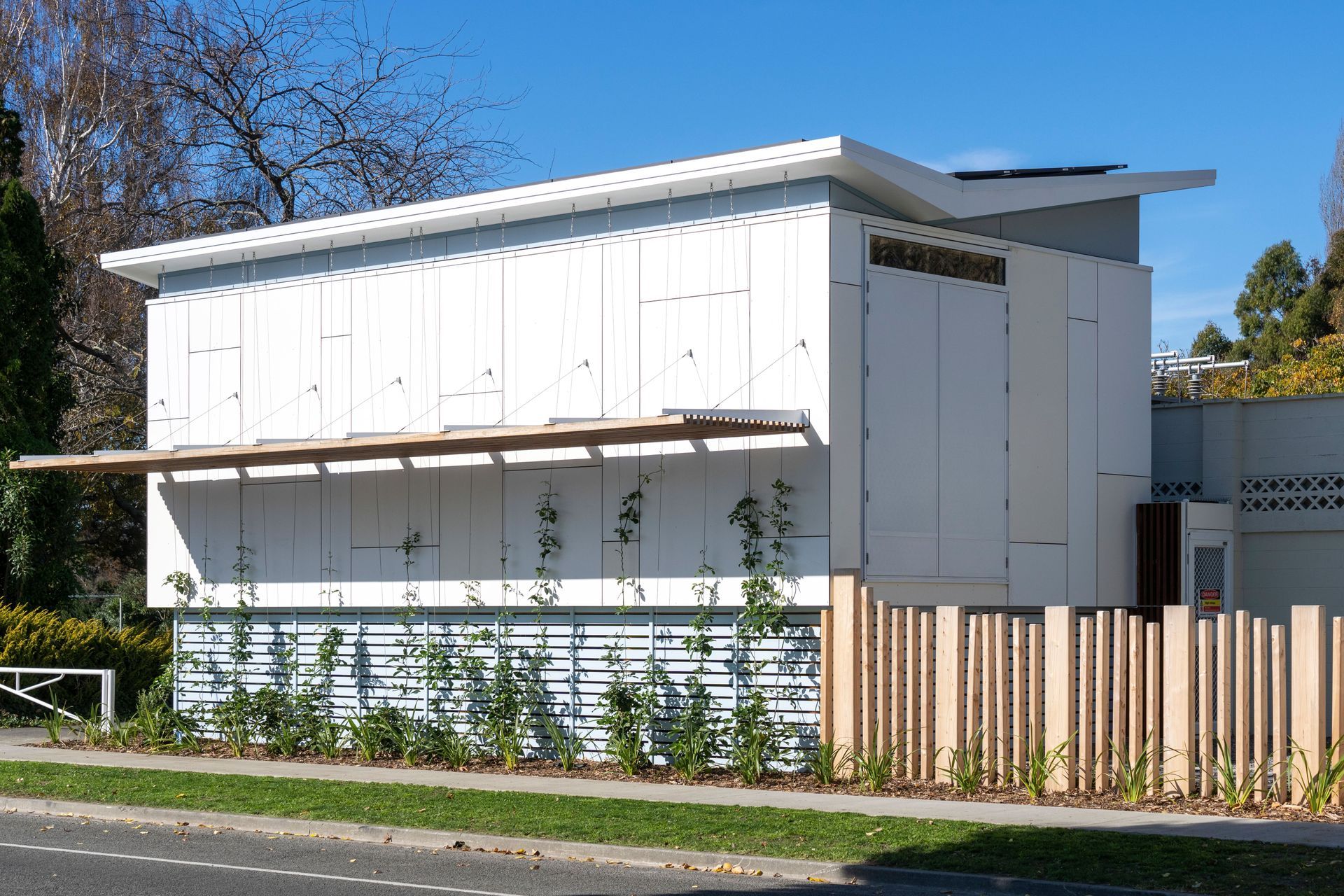
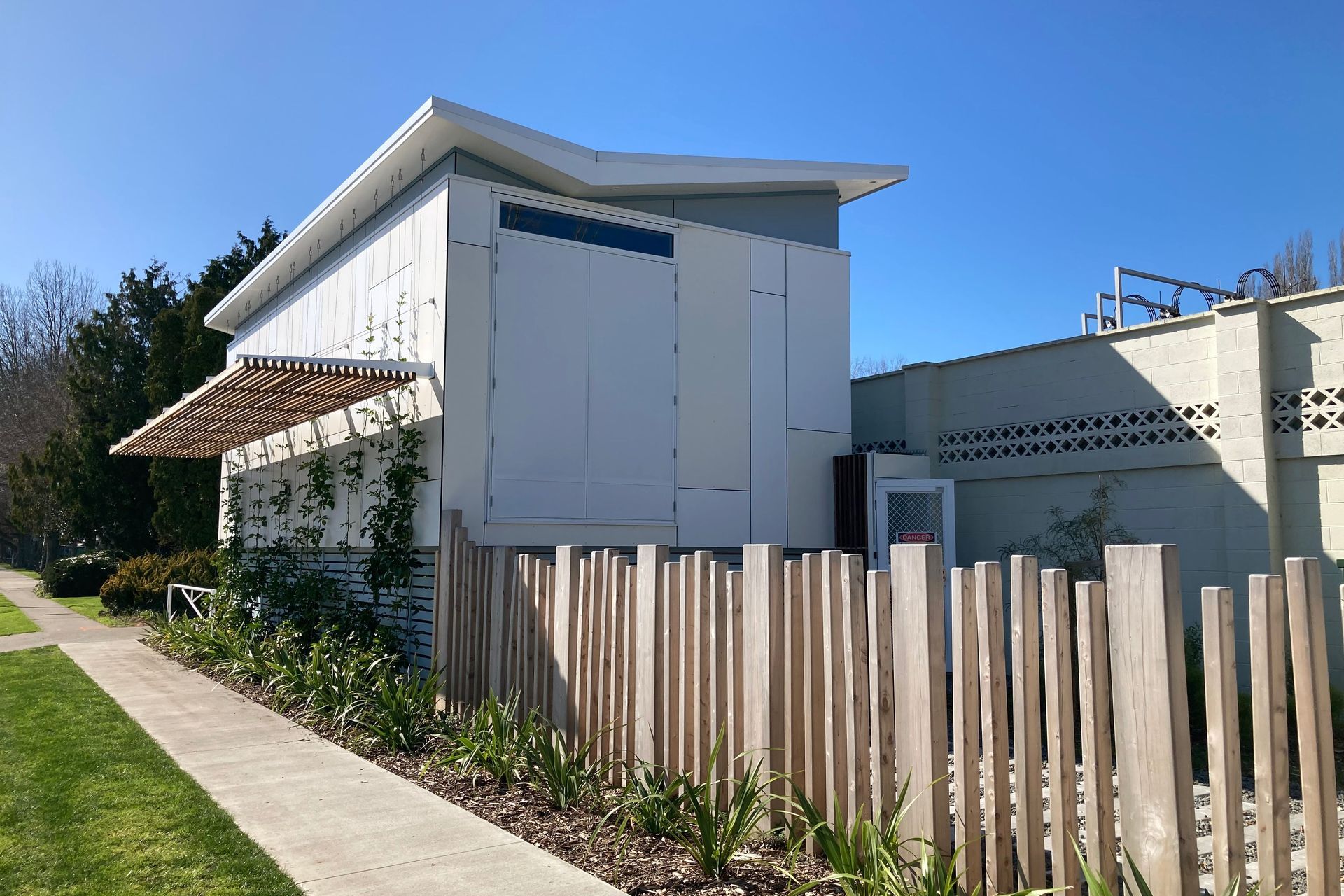
Unison Networks' Windsor Substation Switchroom, a pioneering project completed in 2022, achieved the FIRST Living Building Challenge vs. 4.0 Petal Certification, showcasing innovative, sustainable design and a commitment to a low carbon future in electrical distribution.
Unison Network’s Windsor Substation Switchroom, recently (2023) received the FIRST Living Building Challenge vs. 4.0 Petal Certification awarded through the International Living Future Institute for an Infrastructure & Landscape Typology project. First, not only in the world, but for Charissa Snijders Architect's practice as well. A definite milestone moment to celebrate.
The client's brief was clear – to deliver a building that was innovative, low carbon, relocatable, modular, scalable and sustainable. It was also seen as an opportunity for Unison Networks to drive transformational change within the electrical distribution industry. To do so, required the carefully constructed team, primarily comprising of Charissa Snijders Architect, Tricia Love Consultants and the key driver within Unison, project engineer Paul Humphreys.
The first of its kind, ground-breaking achievement, which demonstrates Unison's commitment to a sustainable energy future and sets a new standard in regenerative architecture. It required the team to challenge the status quo at every turn, including design, material selection, alternative solutions, education and demonstration to gain Council approvals. Under challenging circumstances including COVID lockdowns, they broke down every barrier to demonstrate that infrastructure can be sustainable and even positively contribute to both the environment and community.
The level of change realised is transformational. Initial targets were surpassed and significant outcomes beyond the original expectations of Unison were realised.
Some very notable ESD (Environmentally Sustainable Design) achievements for this Petal Certification (Energy, Equity + Beauty) which lead the way in resilient infrastructure design are:
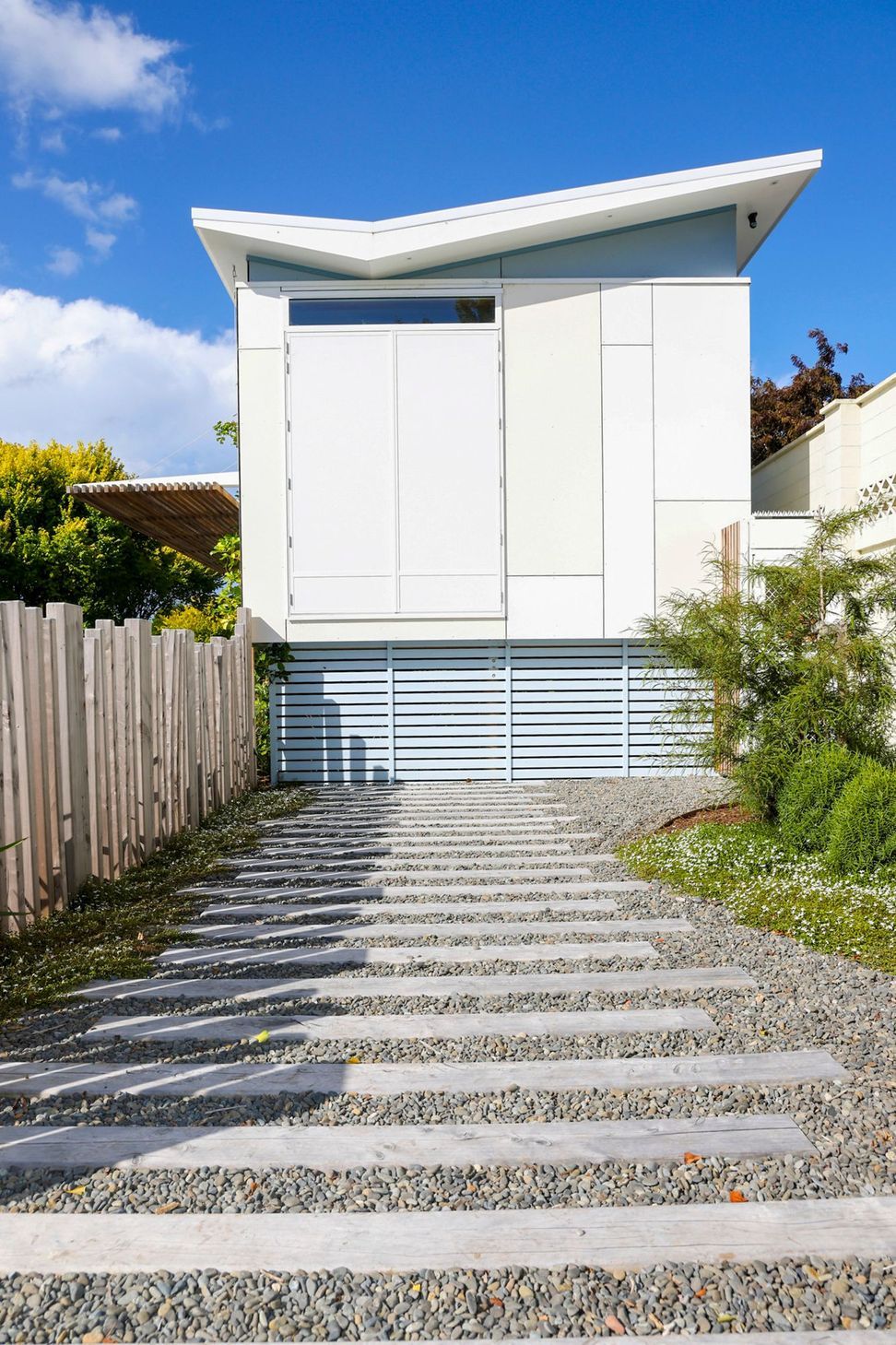
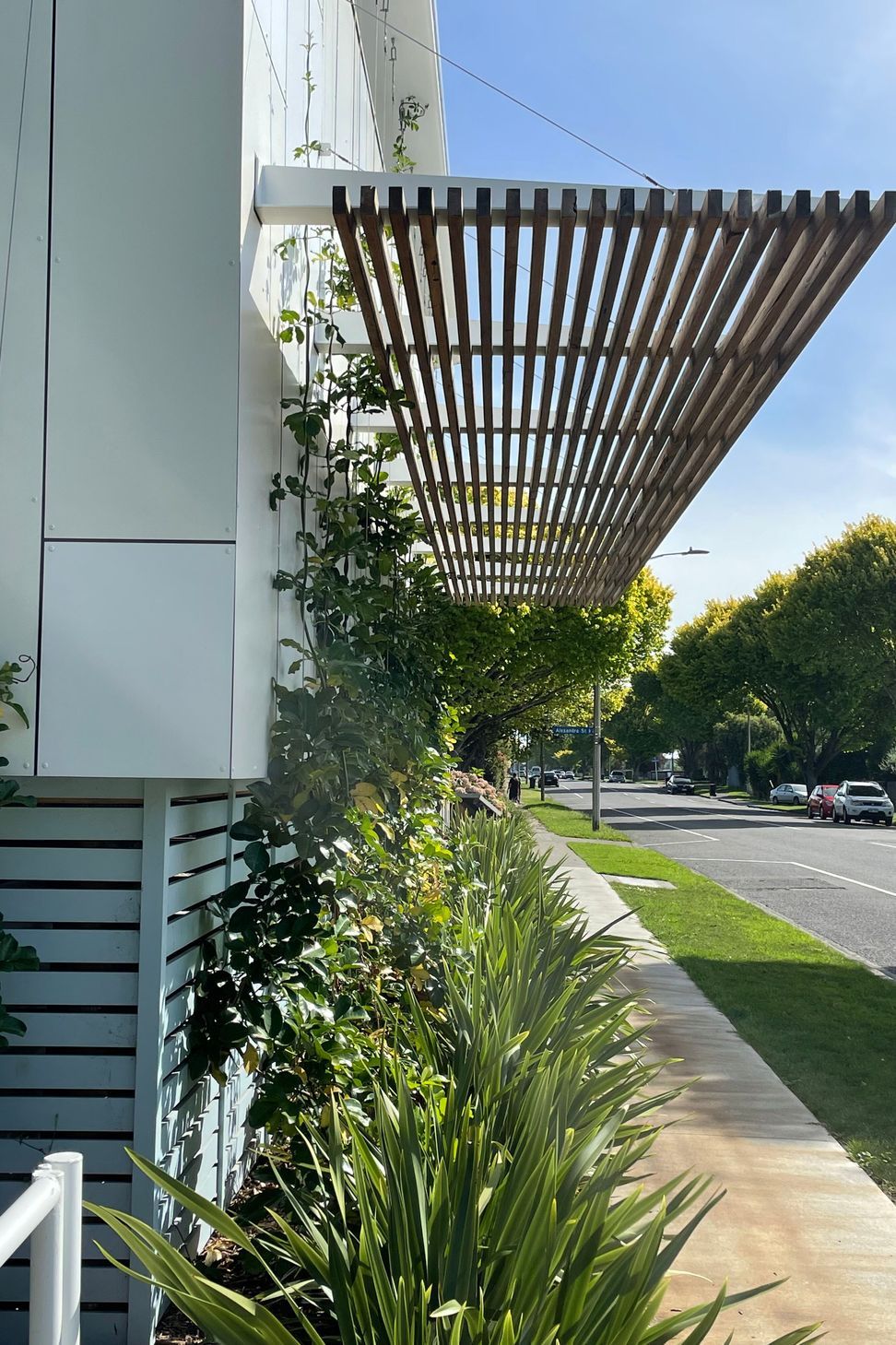
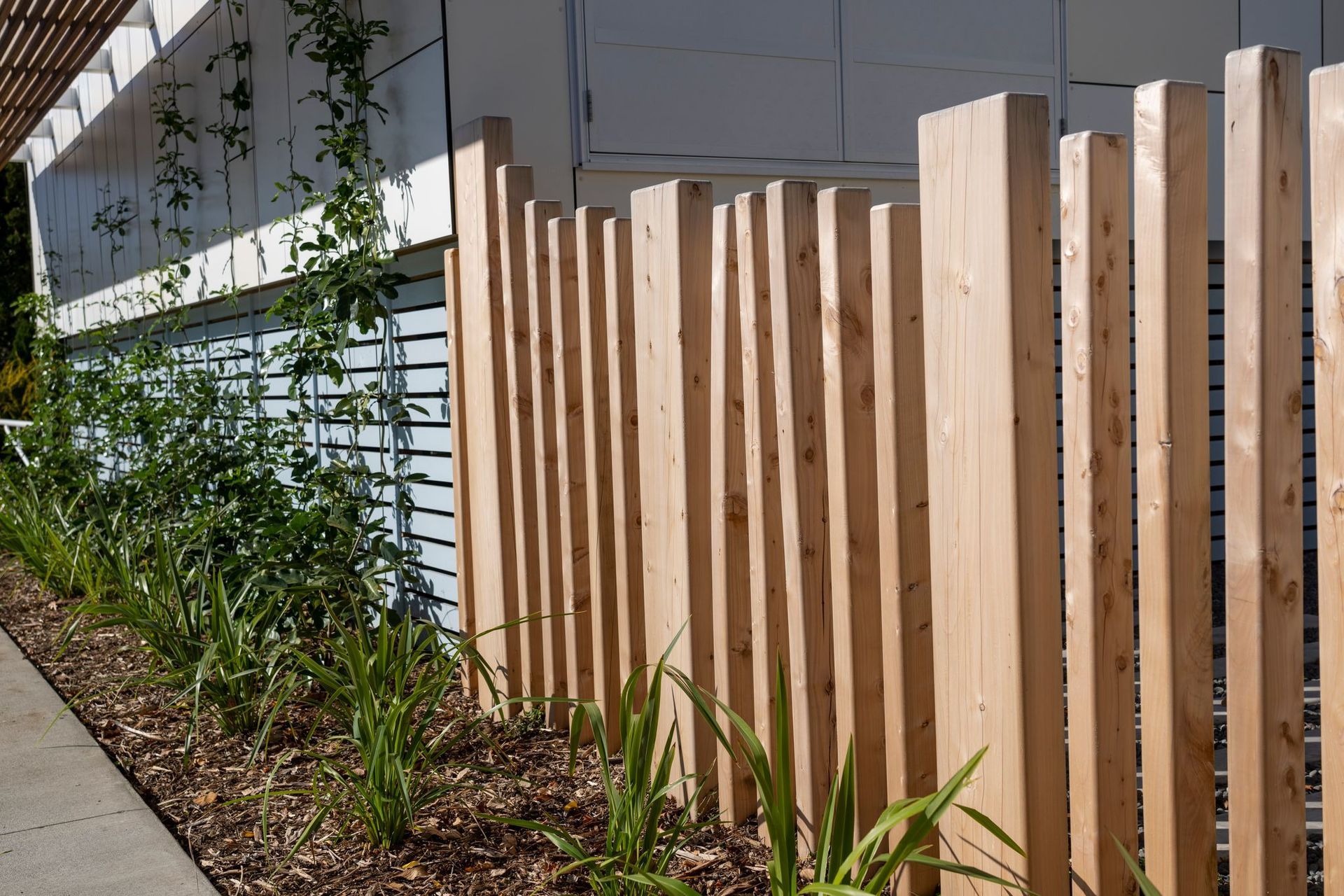
- Materials: 48.5% of materials used were sourced within 2,000km of site during construction. The use of ‘Red List free’ materials was a priority and we delivered over and above certification requirements. Forty salvaged 1950s Unison power poles for the canopy, screens, internal door frames and furniture. Eight DECLARE products were used.
- Construction waste: Through strong waste management starting during design and throughout building, the team was able to divert 99% waste from landfill.
- Net positive water: rainwater harvesting supplies all water on site.
- Net positive energy: On site solar energy 7.9kW PV array powers 100% of Windsor switch room’s needs and energy produced above and beyond its requirements is sent back to the grid for community use. Plus the Dual 110V DC Lithium Ion battery energy storage for emergency use provides additional resiliency. Through the audit, 3,315 excess kWh were sent back to the grid.
- 209% less carbon associate with primary materials (walls, structures and internal finishes – embodied carbon + 363% in absolute carbon reduction – which includes embodied and operational (over a lifetime of 60 years) than a typical substation. The switch room won the Low Carbon Future Award at the NZ Energy Excellence Awards in 2022.
- Biophilic design is incorporated throughout the project
- Native ecology is restored on site
- Two organisations have received the JUST Label which addresses diversity and equity
This has been a rewarding project to be a part of and so beautifully demonstrates the power of architecture to facilitate collective and transformational change.
Only by working together within our construction industry can we bring positive change to ourselves, our environment and our communities. If you are interested in being part of this vital transformational change, please contact me for a conversation.
We can make a difference - one project at a time.
Credit: Tricia Love Consultants - Sustainability consultants
Products:
Nuralite Outright Rockwool insulation
Nuralite Everguard TPO membrane
Decortech Trespa Meteon panels (external cladding)
XLAM CLT panels
- Completed
- 2022
- Price range
- $0.25m - $0.5m
- Client
- Unison Networks


Awards
Small Project Architecture | Hawkes Bay/Gisborne Region
Te Kāhui Whaihanga NZIA
Resene Colour Award | Hawks Bay/Gisborne Region
Te Kāhui Whaihanga NZIA
Petal Certification vs 4.0
International Living Future Institute
Low Carbon Future Award
NZ Energy Excellence Award
Like this Project?
Hire Charissa Snijders Architect
Professional Reviews
Professionals used in
this project
The practices and trades credited on this project.

More projects from
Charissa Snijders Architect
Other work by Charissa Snijders Architect, across every category they build in.


Next Project
Keep scrolling