The architecture of golf: Designing homes that belong to the landscape

featuring Abri Architects

Abri Architects logo
  • 32.1K profile views
  • 6 saves

From understated homes tucked beside fairways to hospitality spaces reimagining the modern golf club, architects are rethinking how buildings interact with the game and the landscape.

Visit Website

Featured Professionals

Written by

  • ArchiPro Editorial Team
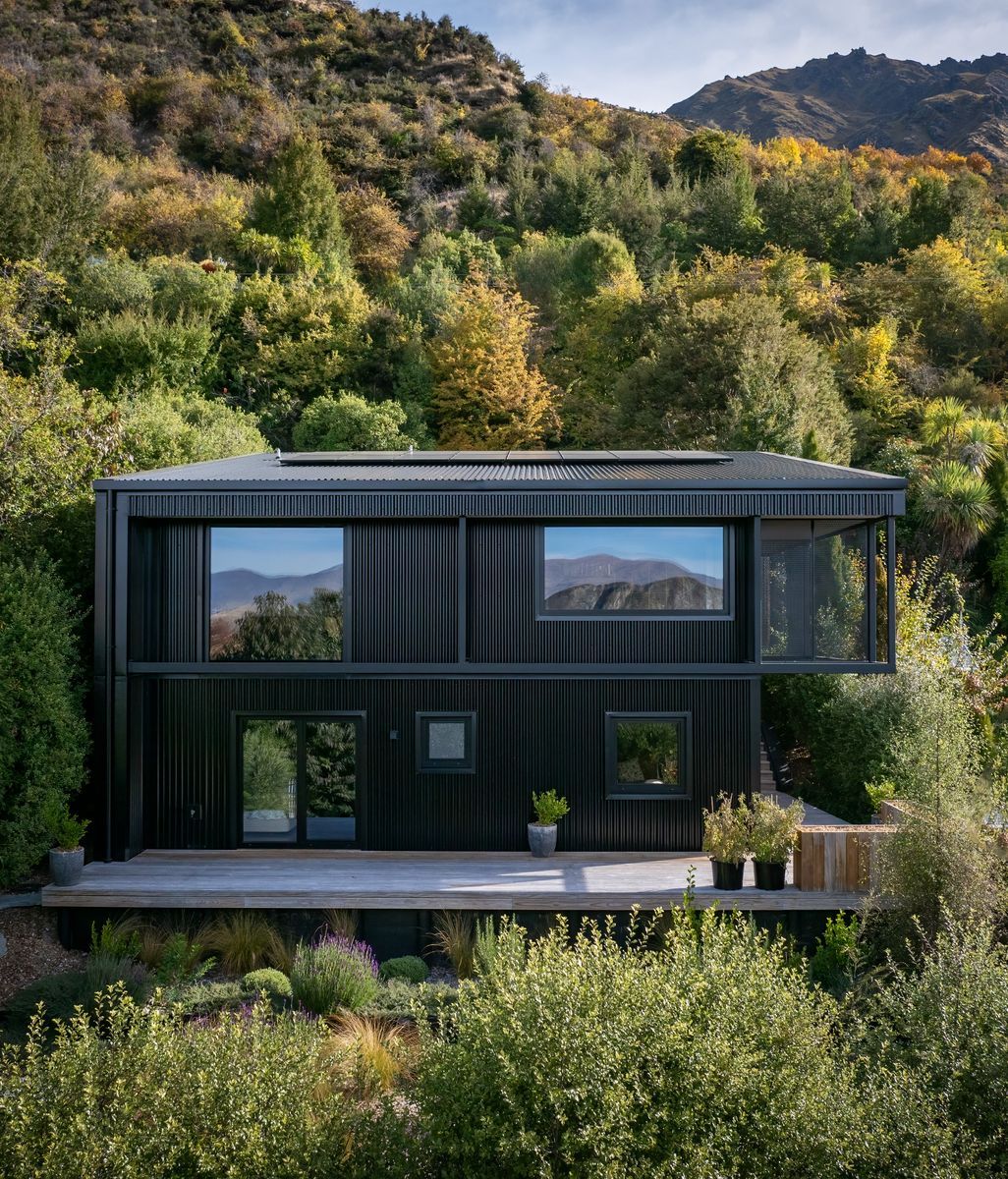
The Copper Cabin at Tara Iti by Abri Architects. Image credit: Mark Smith.

Golf has always been about more than the game itself. Long before players became obsessed with scorecards and swing analysis, golf courses were places to socialise, to walk and to spend time immersed in nature. Increasingly, architecture is beginning to respond to that deeper experience of golf, creating homes, clubhouses and hospitality spaces that feel intrinsically connected to the environment around them.

For architects working within golf environments, the challenge is not simply designing a beautiful building with a good view of the fairway. It is about understanding how architecture can heighten a sense of connection.

“If a building is done well, it becomes more of a conduit to that landscape,” shares ABRI architect John Durkin, whose work spans golf houses, club facilities and driving ranges across the country.

That idea feels especially relevant in New Zealand, where our most loved architecture often sits at the edge of something. The edge of the ocean, the bush, the mountains or open rural land. Golf courses occupy a similarly powerful territory. They are highly curated landscapes, yet they are deeply connected to the natural contours of the land itself.

This creates a fascinating tension for architects. While golf courses are meticulously maintained, they are also expansive, open and constantly changing with the weather, the seasons and the movement of light. Architecture within these environments must feel grounded enough to belong while remaining restrained enough to let the landscape lead.

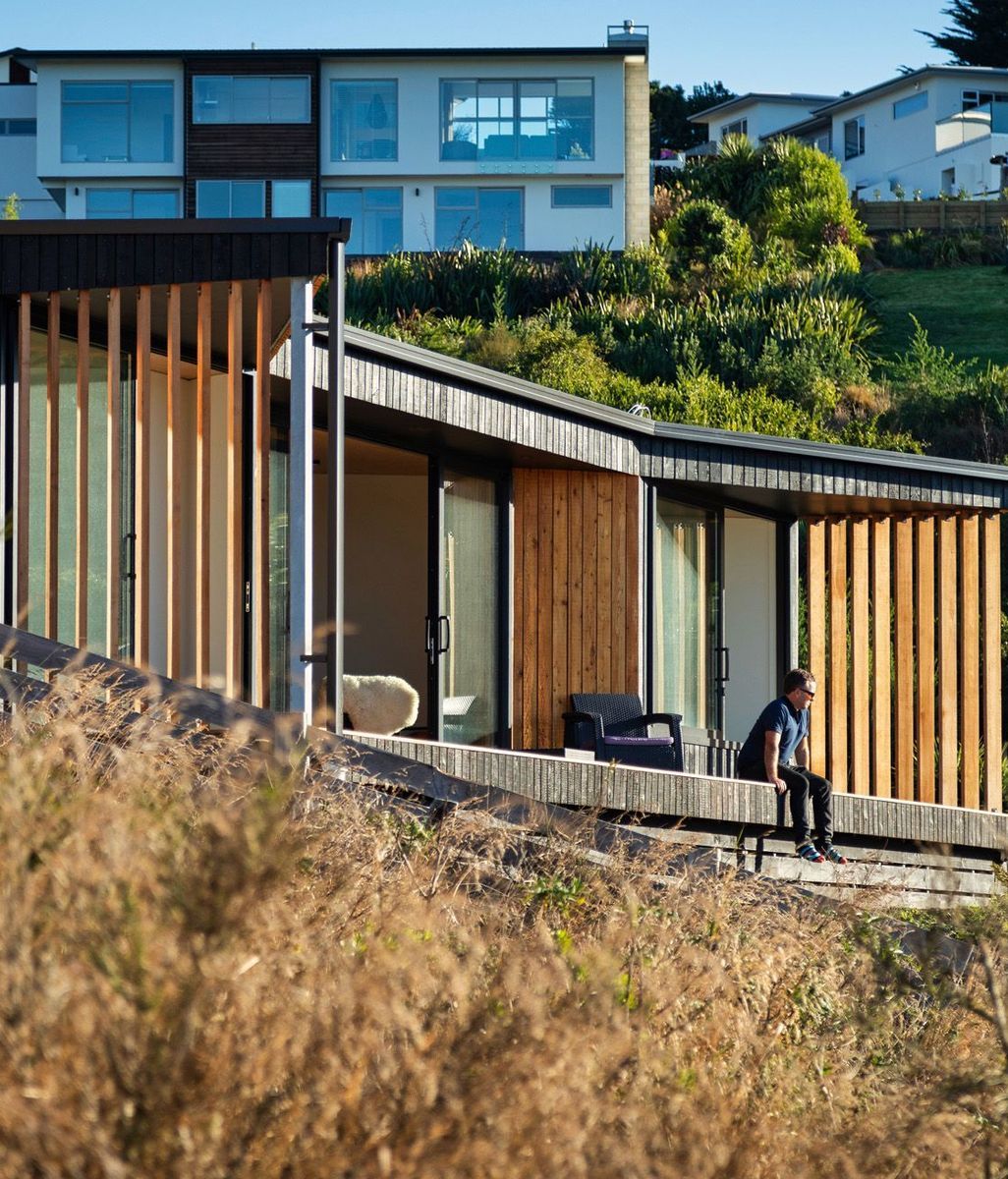
As a result, many golf homes tend to favour subtlety. Rather than acting as monuments planted beside the course, they are often designed to recede into the environment.

“The landscape and the place itself are more important than the house,” Durkin says. “The best golf homes understand they’re not the main event. They’re there to help people experience the environment around them.” 

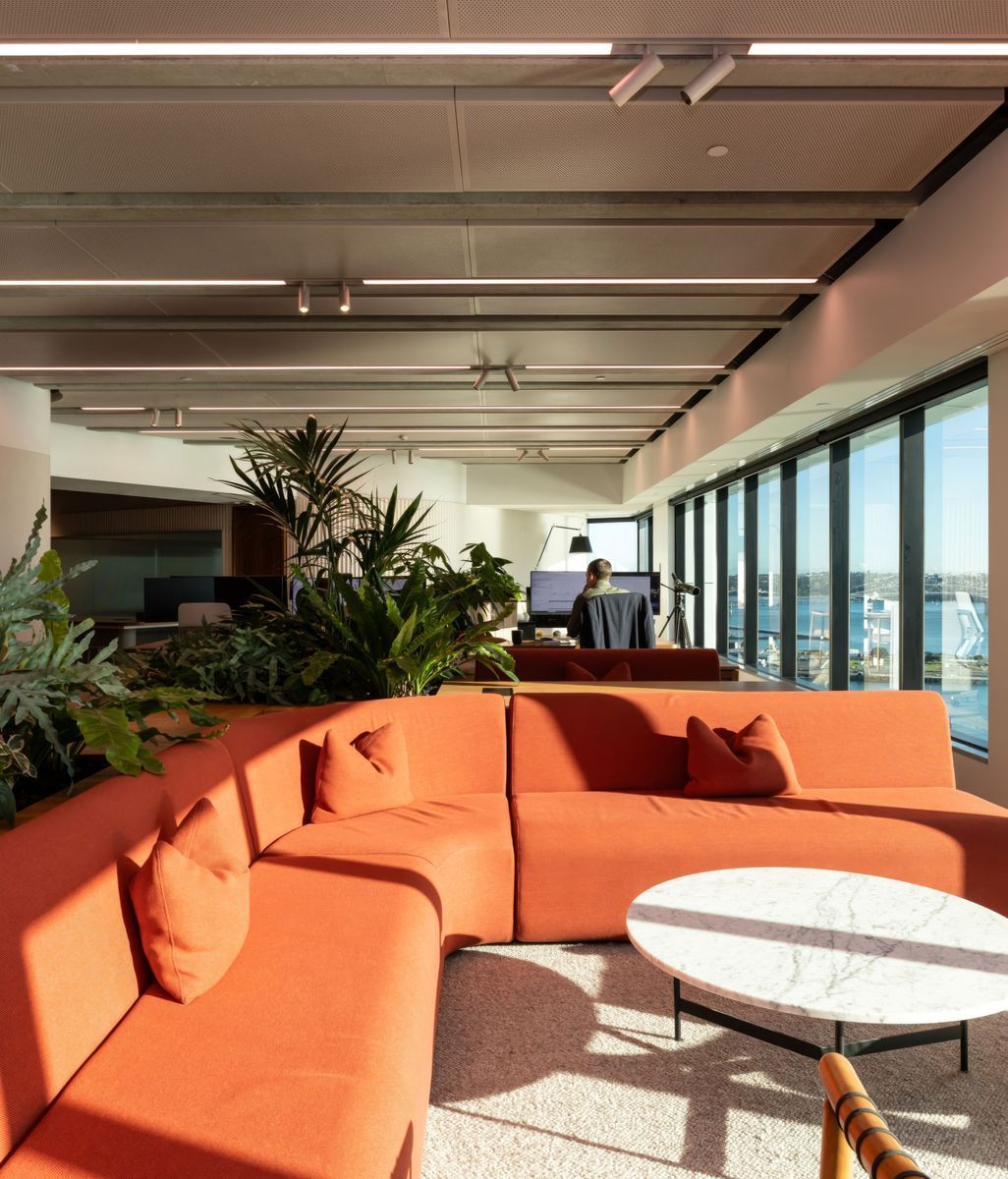
Remuera Golf Club's Velocity Driving Range by Abri Architects.

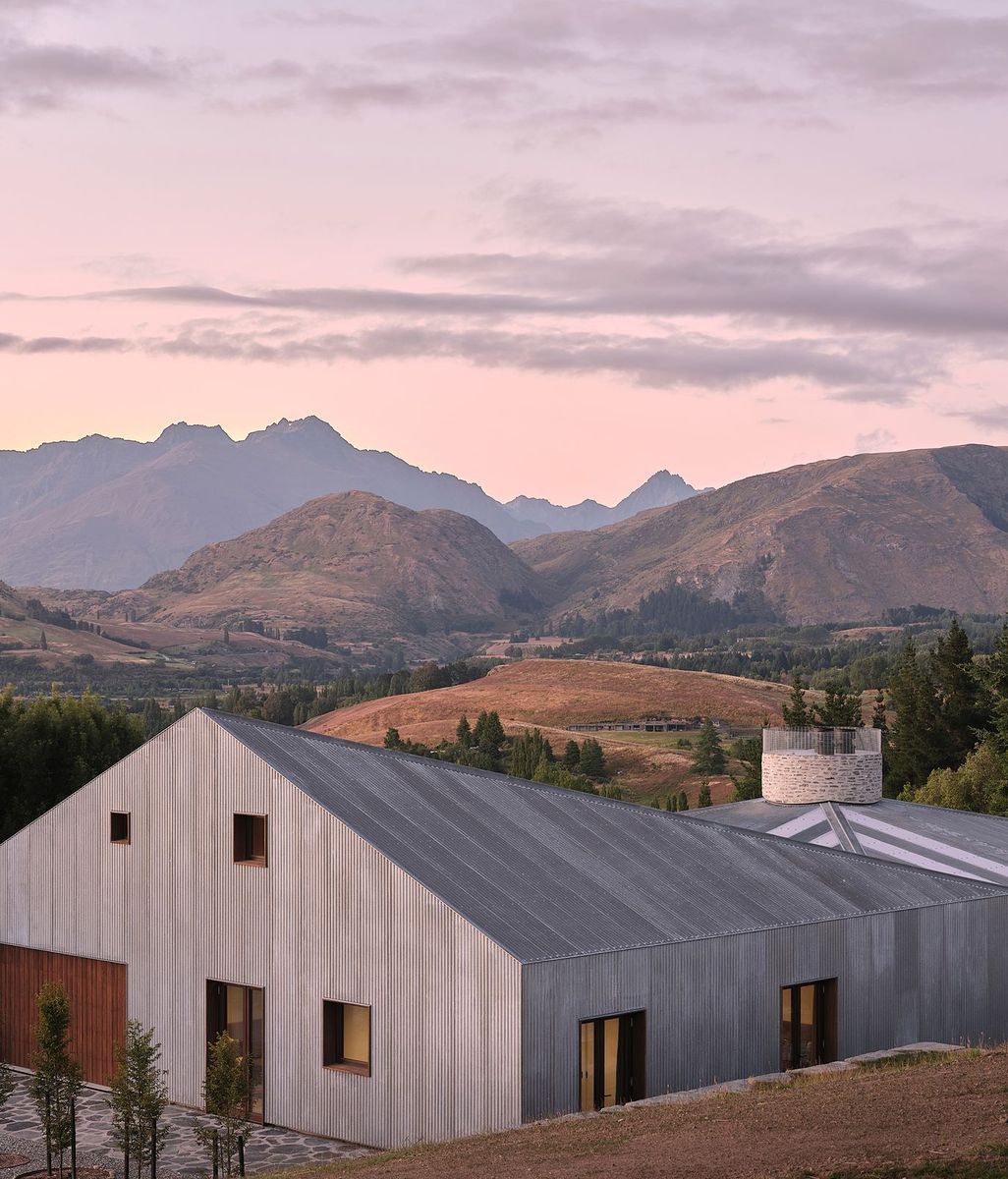
That restraint can manifest in many ways. Material palettes are often selected to echo surrounding tones and textures, while rooflines are designed to sit low against the land rather than dominate it. Durkin says some of the most successful golf homes are those that almost disappear into their environment.

“One of the first houses we did near Tara Iti was deliberately designed so people wouldn’t really notice it,” he explains. “Even though it sits only metres from the fairway, it’s understated. The owners wanted it to feel part of the landscape rather than sitting on top of it.”

According to Durkin, form plays a critical role in achieving that integration. Rather than creating dramatic architectural gestures, golf homes are often shaped by environmental conditions such as sun orientation, prevailing winds and long sightlines across the course.

“When I think about the houses we’ve done, the forms are very responsive to the view and the sun,” he says. “Roof forms can be articulated to pick up light differently throughout the day, and windows are positioned very carefully to connect with different parts of the landscape.”

That responsiveness becomes particularly important on golf sites where orientation is not always ideal. One project required ABRI to balance expansive course views with difficult solar conditions.

“The house faced the wrong way for the morning sun, but we were able to manipulate the design to still capture northern light while maintaining those key views over the course,” Durkin explains. “You’re always trying to balance shelter, outlook and connection to the environment.”

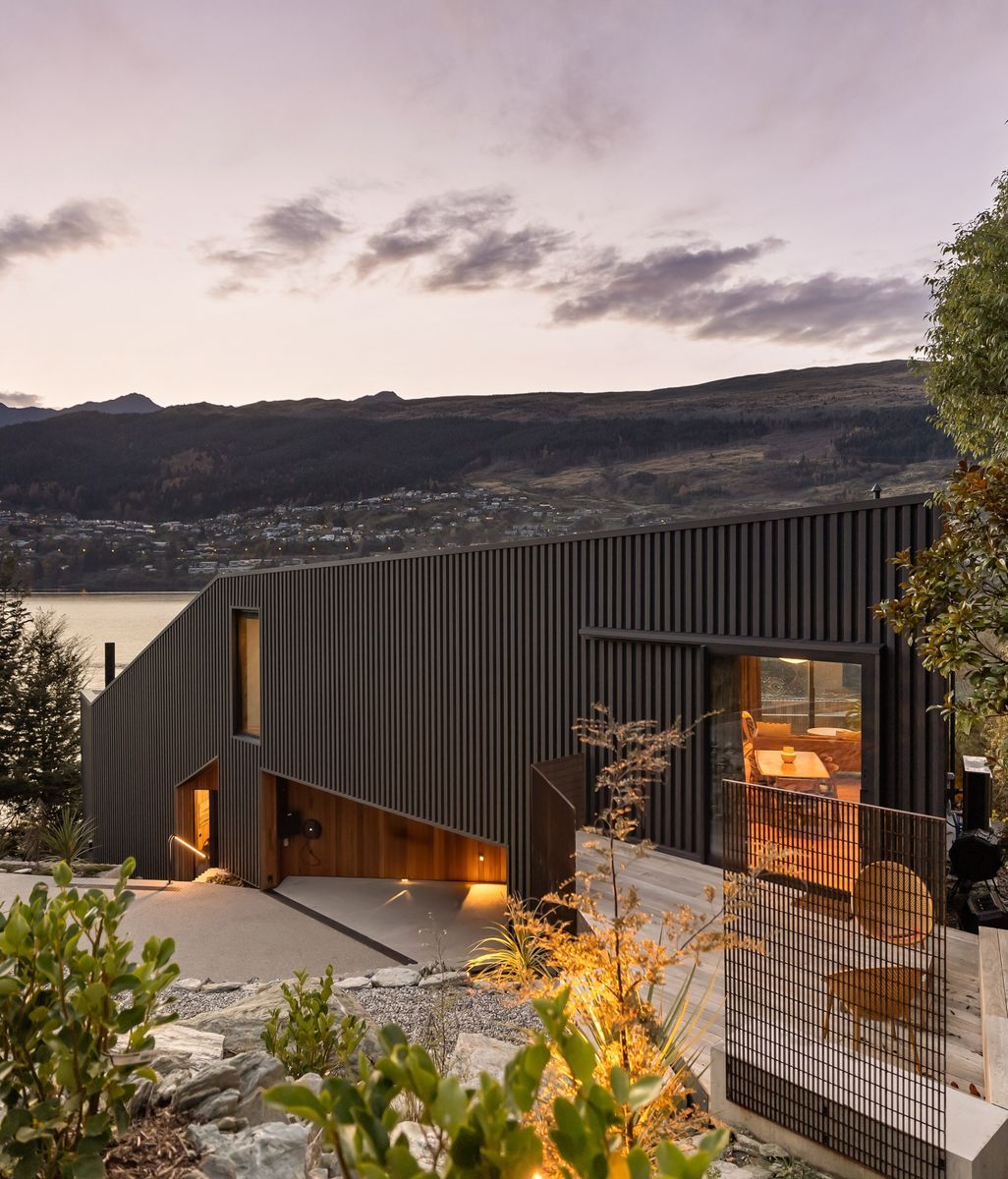
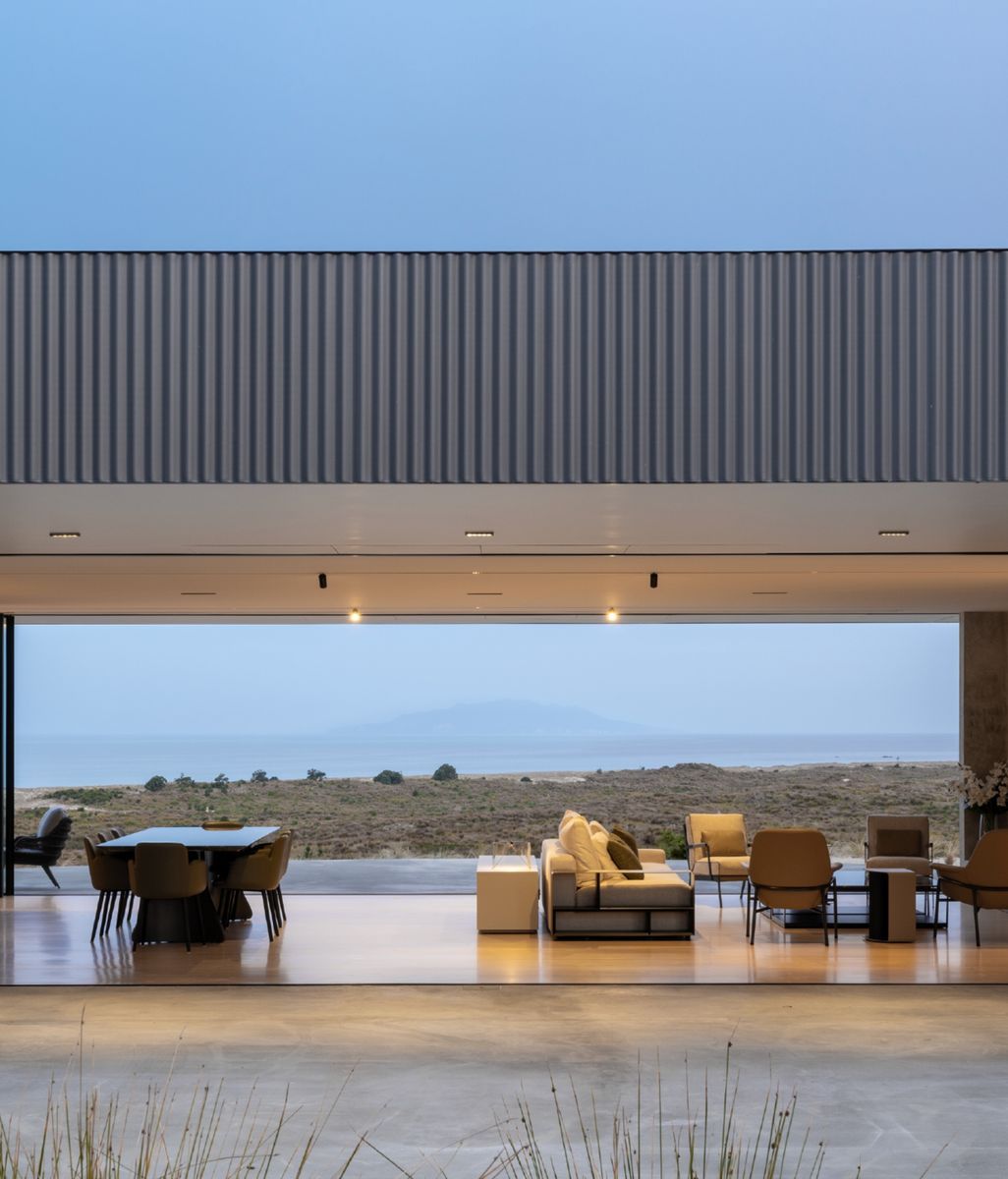
Hideaway home at Tara Iti by Abri.

Equally important is the relationship between inside and outside. Golf architecture often relies on dissolving that boundary as much as possible, creating spaces that feel immersed in the landscape while still offering protection from the elements.

“When you’re outside, you feel the environment. When you’re inside, you feel it too,” he says. “At that transition point, you want to blur the space as much as you can so the building becomes part of the landscape.”

That philosophy extends beyond residential projects. Increasingly, golf clubs themselves are evolving into sophisticated hospitality destinations that require a much broader architectural response. Modern facilities may include accommodation, wellness spaces, restaurants, event areas and extensive operational infrastructure hidden behind the scenes.

One recent ABRI project involved designing a large-scale service facility for a prominent North Island golf club. While the programme centred around highly practical requirements such as irrigation systems, machinery storage and maintenance operations, the building still needed to contribute to the overall experience of the club.

“It sounds simple because it’s where they store mowers and equipment,” Durkin says, “but these places are enormous operations. At the same time, they still need to feel connected to the wider environment and the identity of the course.”

Even driving ranges, once considered purely functional spaces, are now being reimagined as architectural experiences in their own right. Durkin says contemporary driving range design increasingly focuses on arrival sequences, hospitality and social connection.

“It’s not just people hitting balls into a field anymore,” he explains. “There’s a stronger focus on making people feel welcome and connected to the club, whether they’re serious golfers or not.”

Perhaps that is why golf architecture resonates so strongly right now. In an increasingly digital world, there is a growing desire for spaces that encourage slowness, social connection and connection to the natural environment. Golf courses inherently offer that opportunity, and architecture has the ability to either amplify or diminish it.

Credits

Discover More Readingin Ideas & Perspectives