Five ways to bring hospitality design into your home
Written by
20 July 2026
•
5 min read

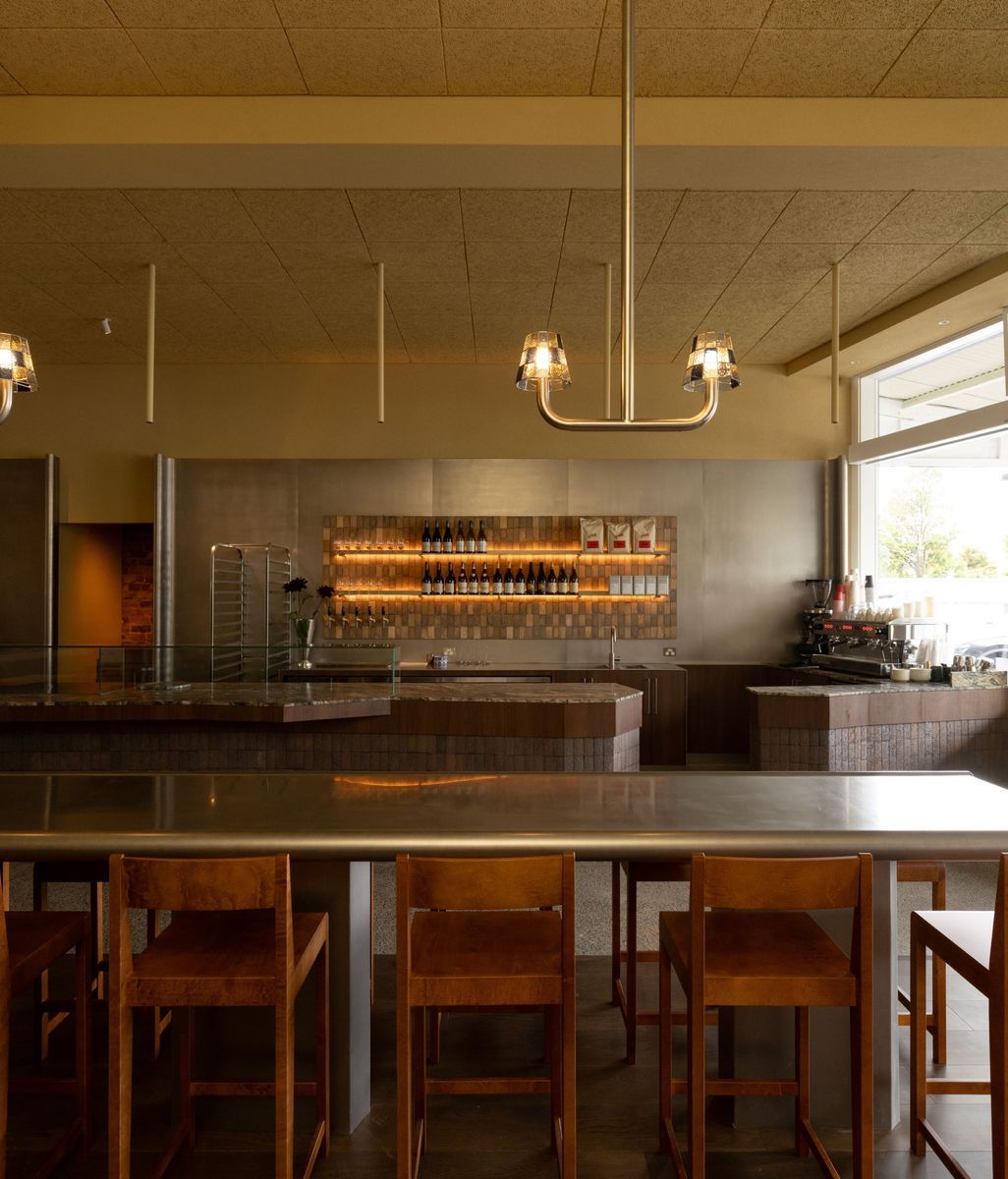
There’s a reason certain restaurants linger in your memory long after the meal ends. Or why the best hotels can make you feel instantly calm and cocooned within moments of arrival.

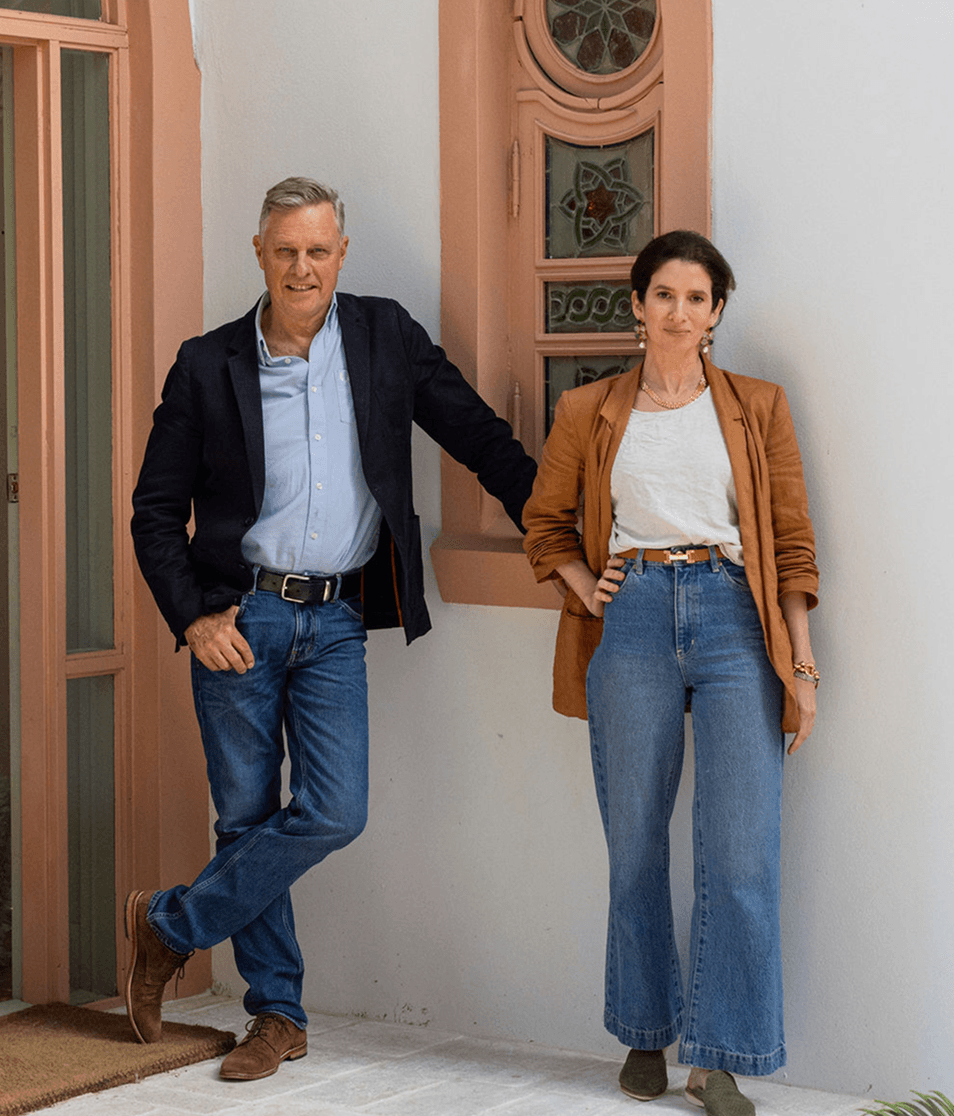
Increasingly, those same design principles are finding their way into residential interiors, and according to Liv Patience of Material Creative, homeowners are becoming far more interested in creating spaces that feel experiential, not simply functional.
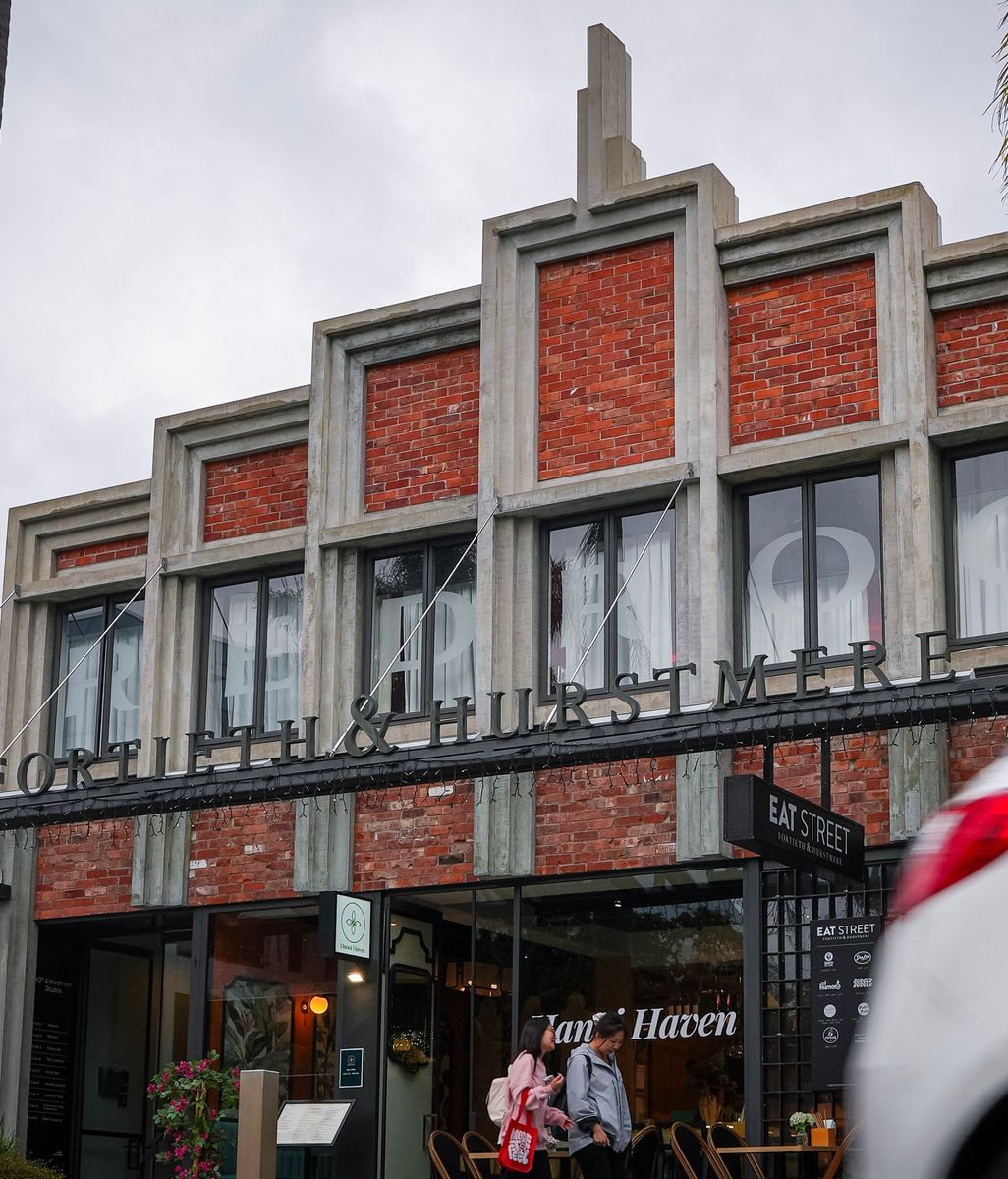
After nearly two decades designing hospitality interiors across New Zealand, from cafes and bars to hotels and retail spaces, the Auckland-based studio has been translating that expertise into high-end residential projects. The result is homes that borrow the atmosphere, layering and emotional intelligence of hospitality design, while remaining personal to the people living in them.
Here are five ways Material Creative is bringing the language of hospitality into residential interiors.
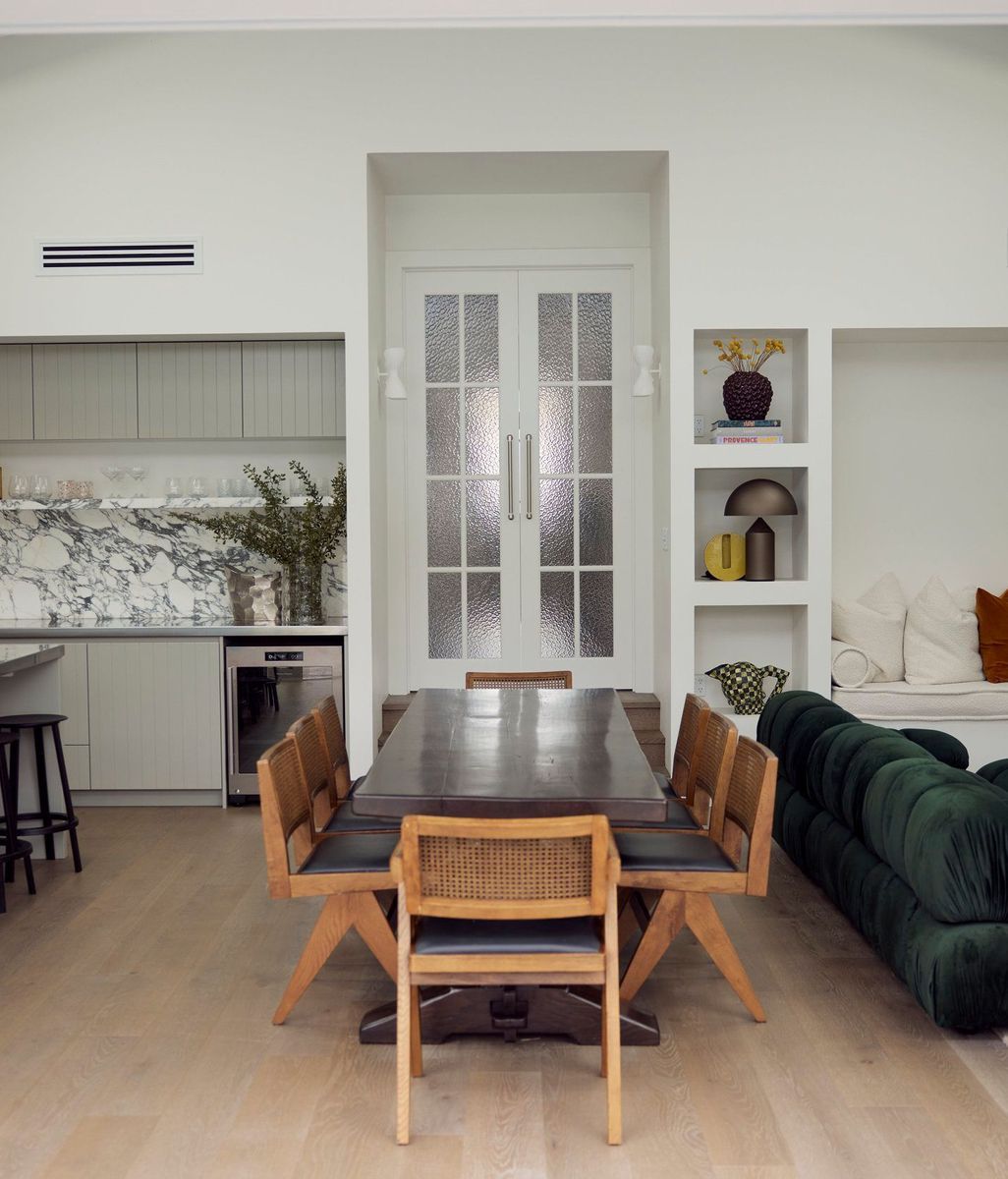
1. Treat dining spaces as destinations
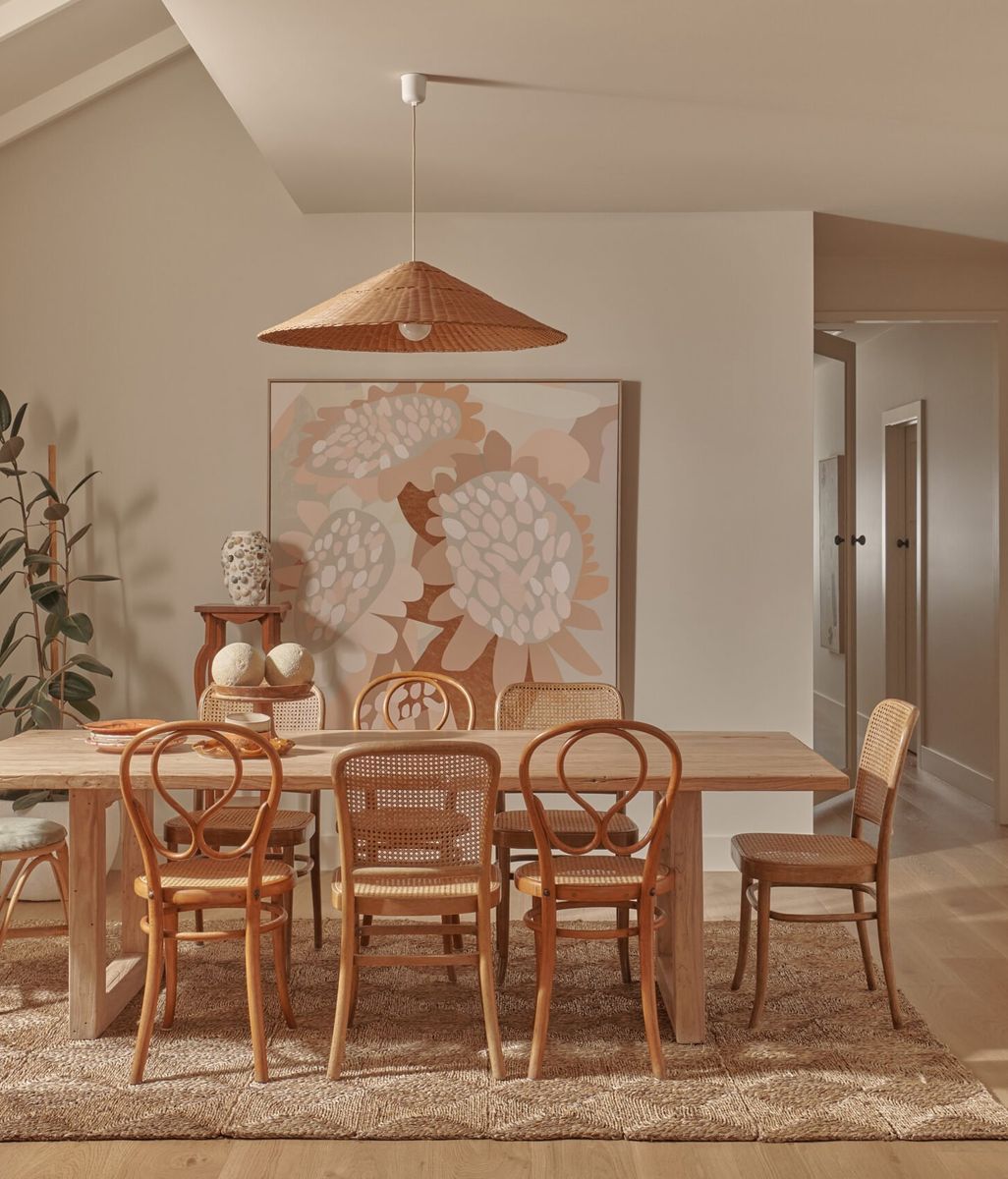
For years, open-plan living has centred almost entirely around the kitchen. But Patience believes dining areas deserve equal attention, particularly as people place greater value on entertaining and gathering at home.
“In New Zealand, dining spaces have been a little bit forgotten,” she says. “The kitchen becomes the focus, but the dining space is where people converse, share food and spend time together.”
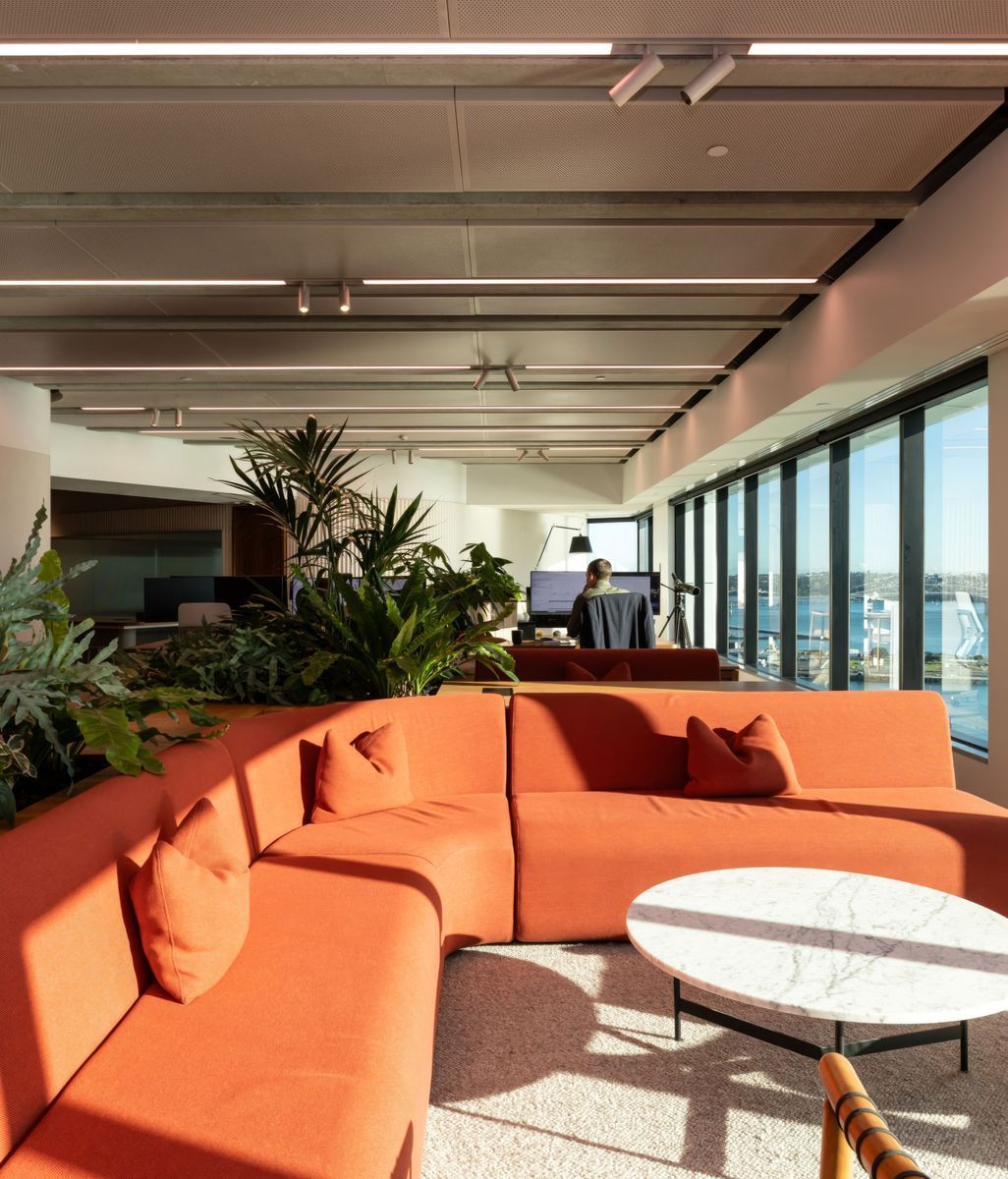
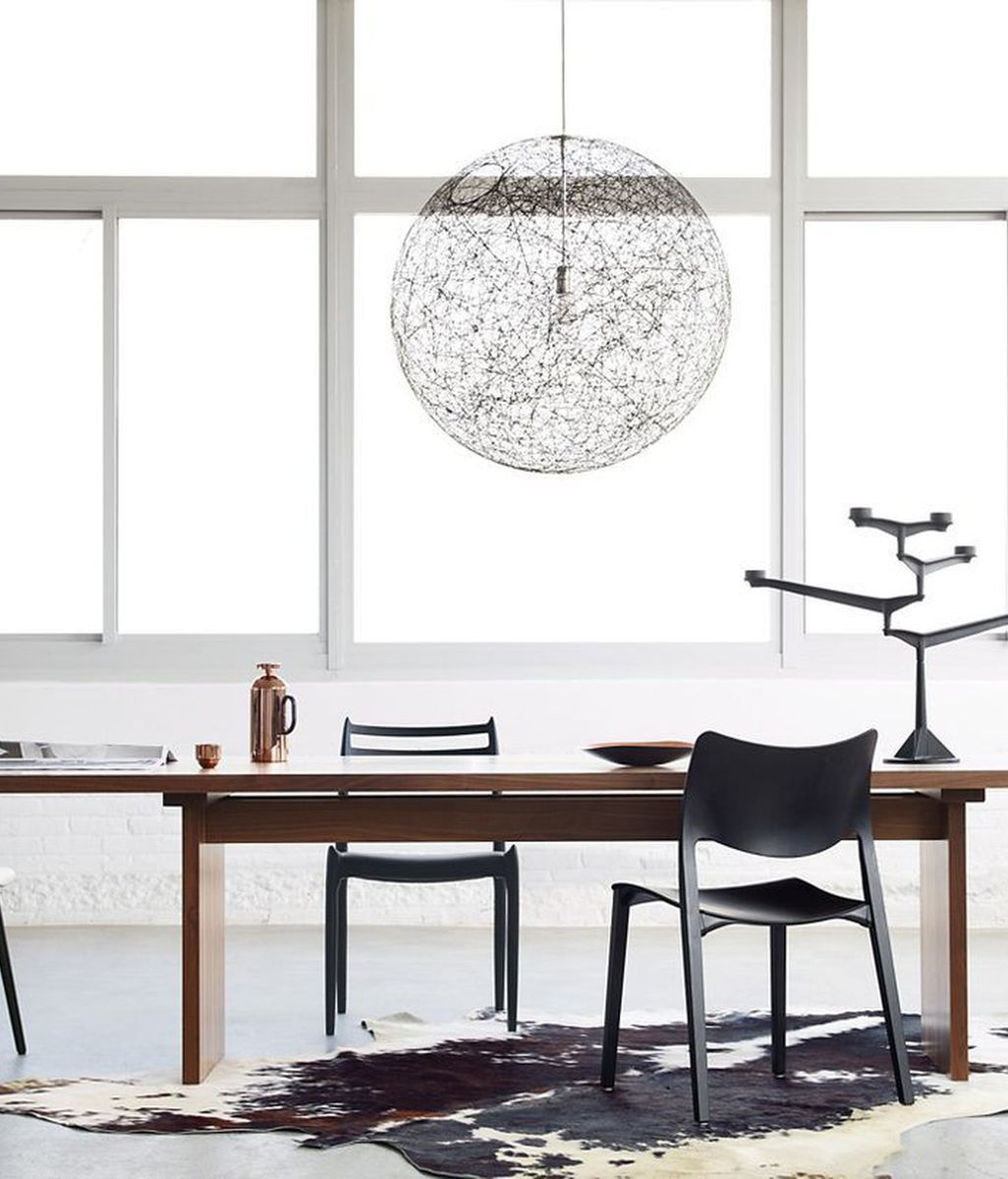
Rather than treating dining as a leftover zone between kitchen and living, Material Creative increasingly designs these spaces as immersive destinations in their own right. In one recent project, the studio designed a curved dining booth anchored by a large round marble table, creating a space so atmospheric that visitors regularly mistake it for a restaurant.
The shift reflects a broader hospitality influence: designing around how people want to feel in a space, not simply how they move through it.

2. Layer lighting like a hotel
One of the most immediate differences between residential and hospitality spaces often comes down to lighting. Hotels and restaurants rarely rely on a single overhead source; instead, they layer light to create mood, softness and intimacy throughout the day.
“People walk into a restaurant or hotel and it feels really good, but they don’t necessarily ask why,” says Patience. “Lighting is huge.”
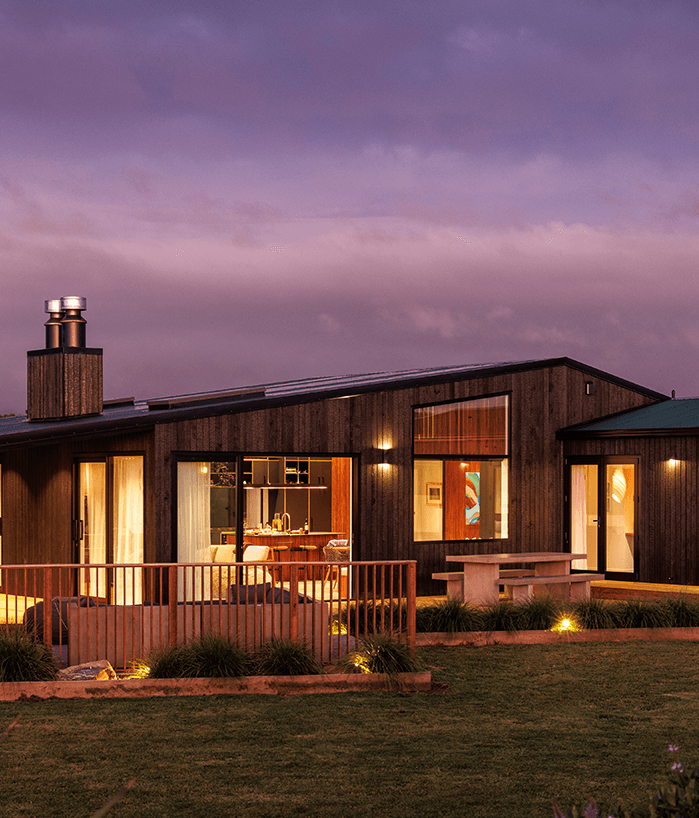
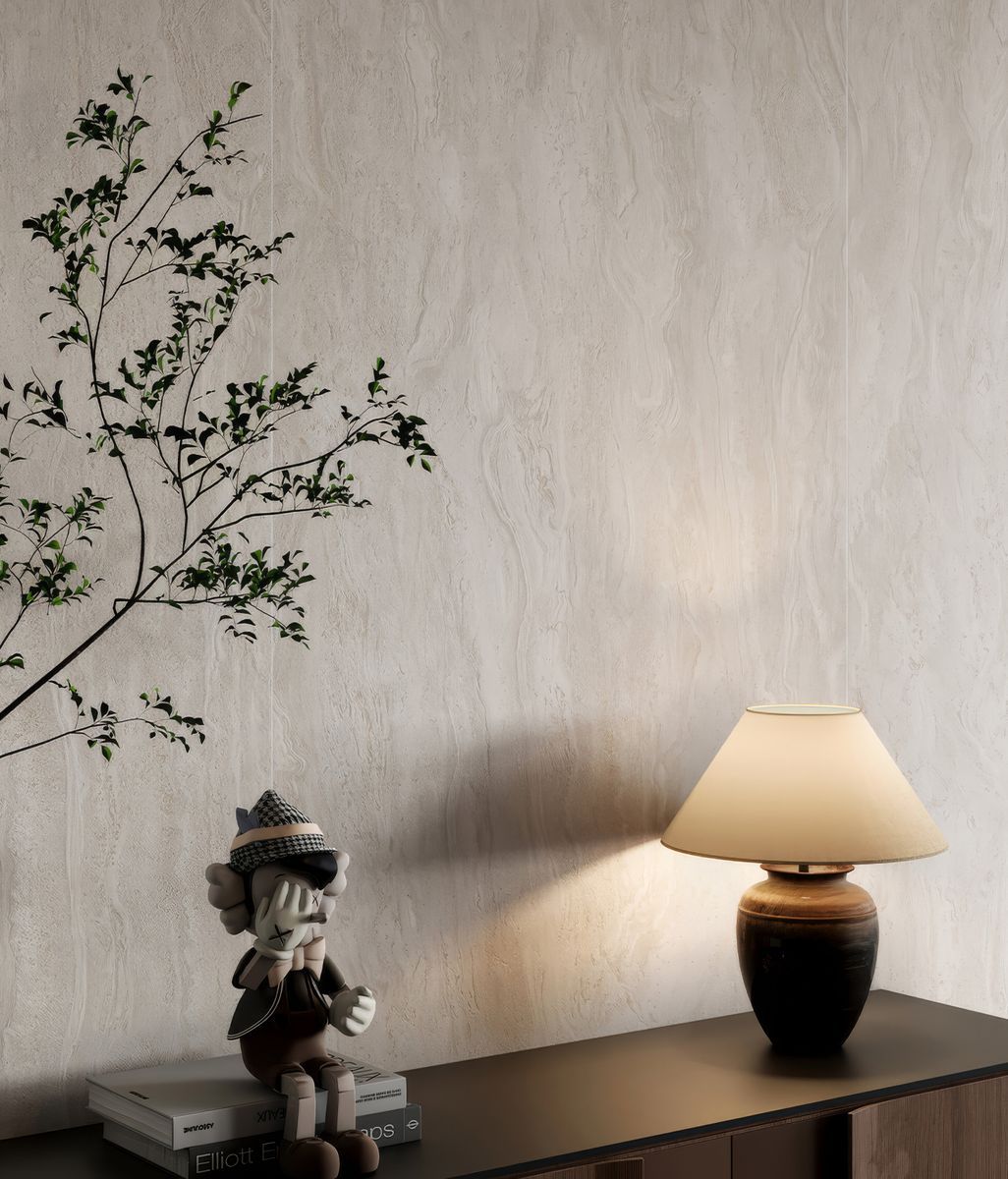
In Material Creative’s residential projects, that means combining wall lights, lamps, ceiling lighting and dimmers to create flexibility and atmosphere. Bright task lighting still has its place, but softer, lower-level lighting becomes equally important in shaping how a home feels in the evening.
It’s a subtle adjustment that can dramatically change the emotional tone of a space, transforming a home from purely practical into somewhere restorative and immersive.
3. Be braver with materiality
Hospitality interiors have long embraced tactile materials, expressive stone and layered finishes, and Patience says residential clients are becoming far more open to the same approach.
“There’s this merging of the spaces,” she explains. “People are becoming much more adventurous and thinking beyond the white box.”
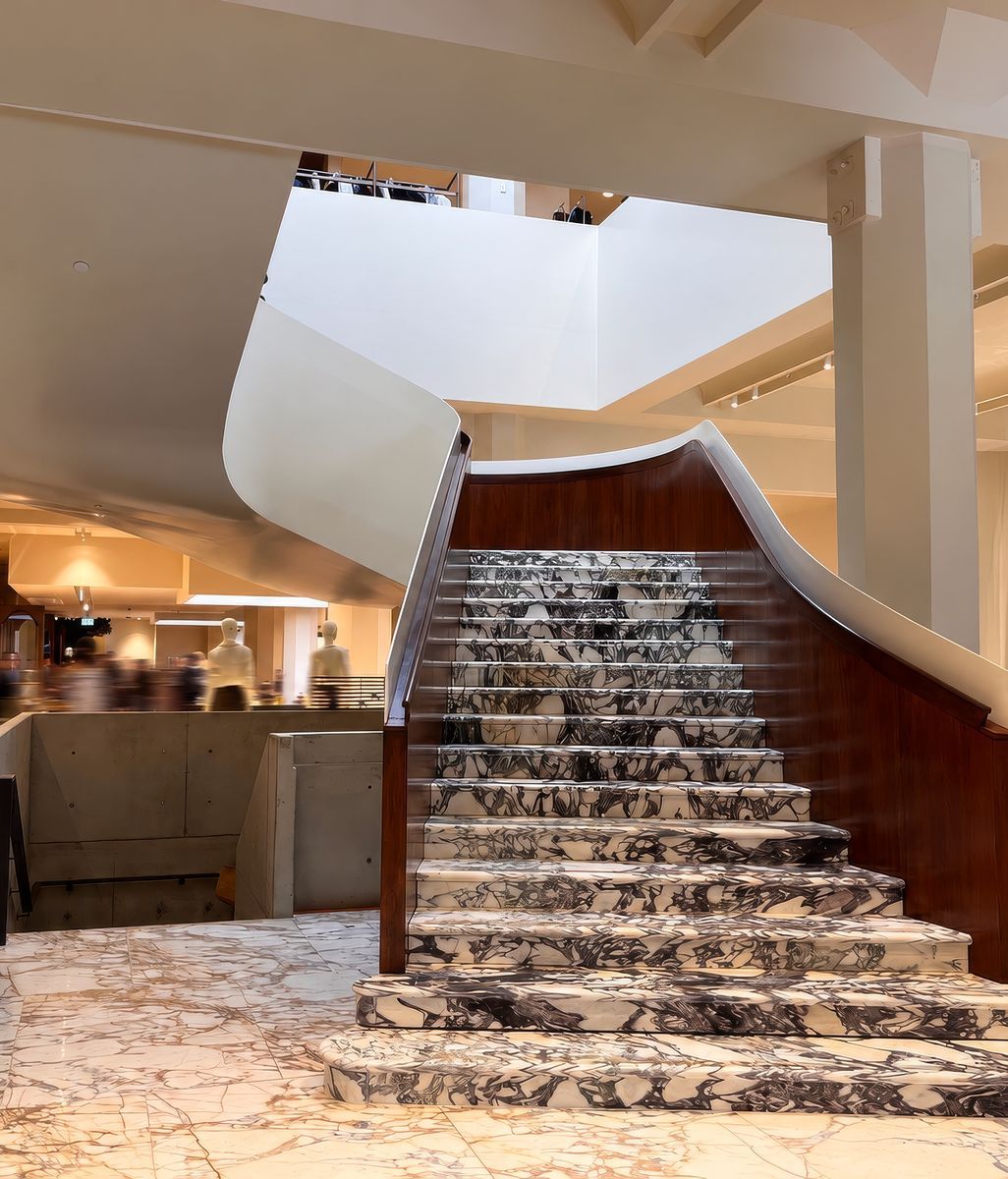
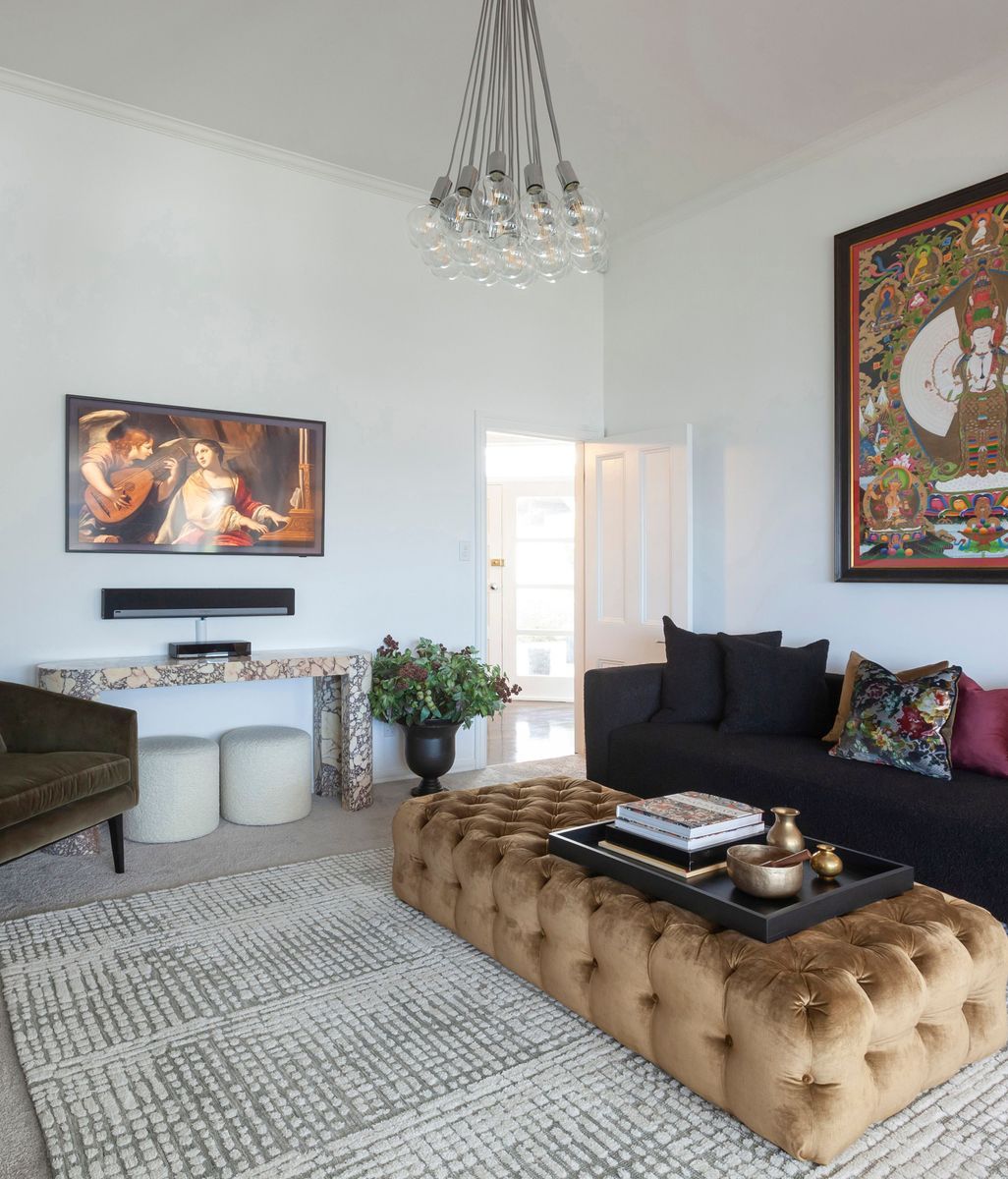
Natural stone, particularly marble, is one example. After years dominated by engineered surfaces, many homeowners are embracing the imperfections and patina of natural stone.
Similarly, plaster finishes, textured walls and richly layered materials once associated with boutique hotels are now appearing in homes with increasing confidence.
For Patience, the key is helping clients move beyond designing for hypothetical future buyers and instead create spaces that genuinely reflect how they live.
“We try to encourage clients to focus on designing their house for them and for how they want to live and feel every day.”

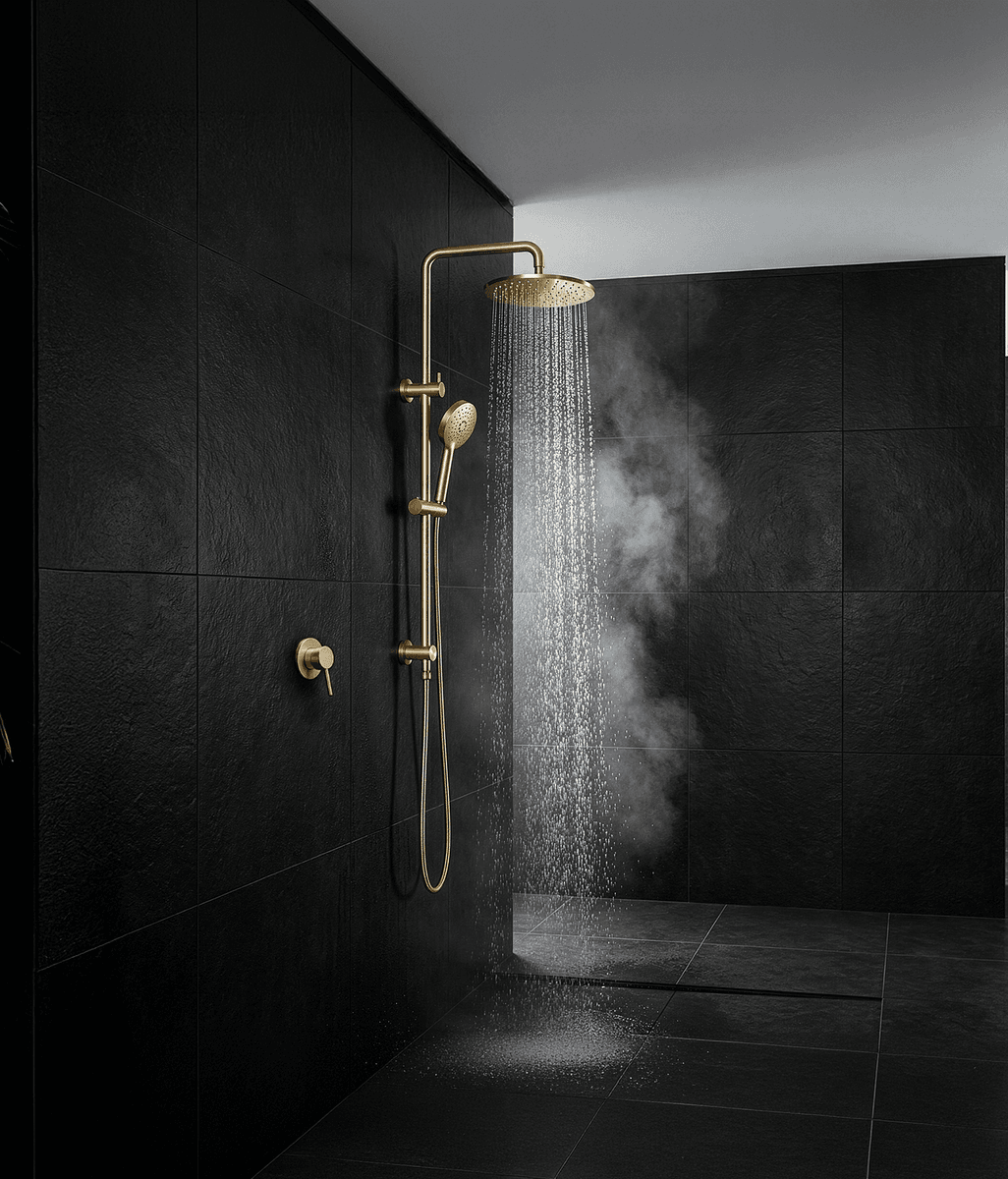
4. Design bathrooms like day spas
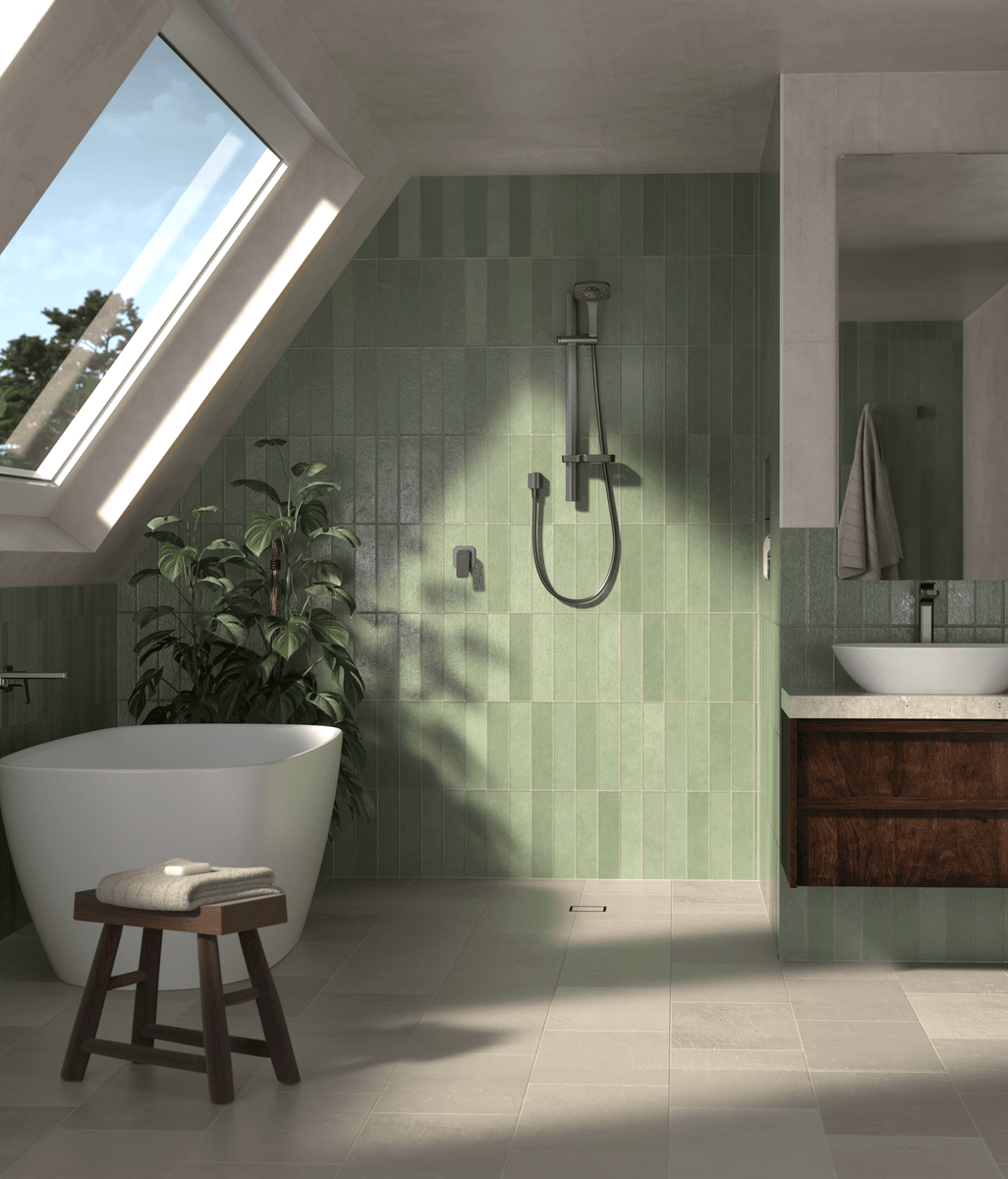
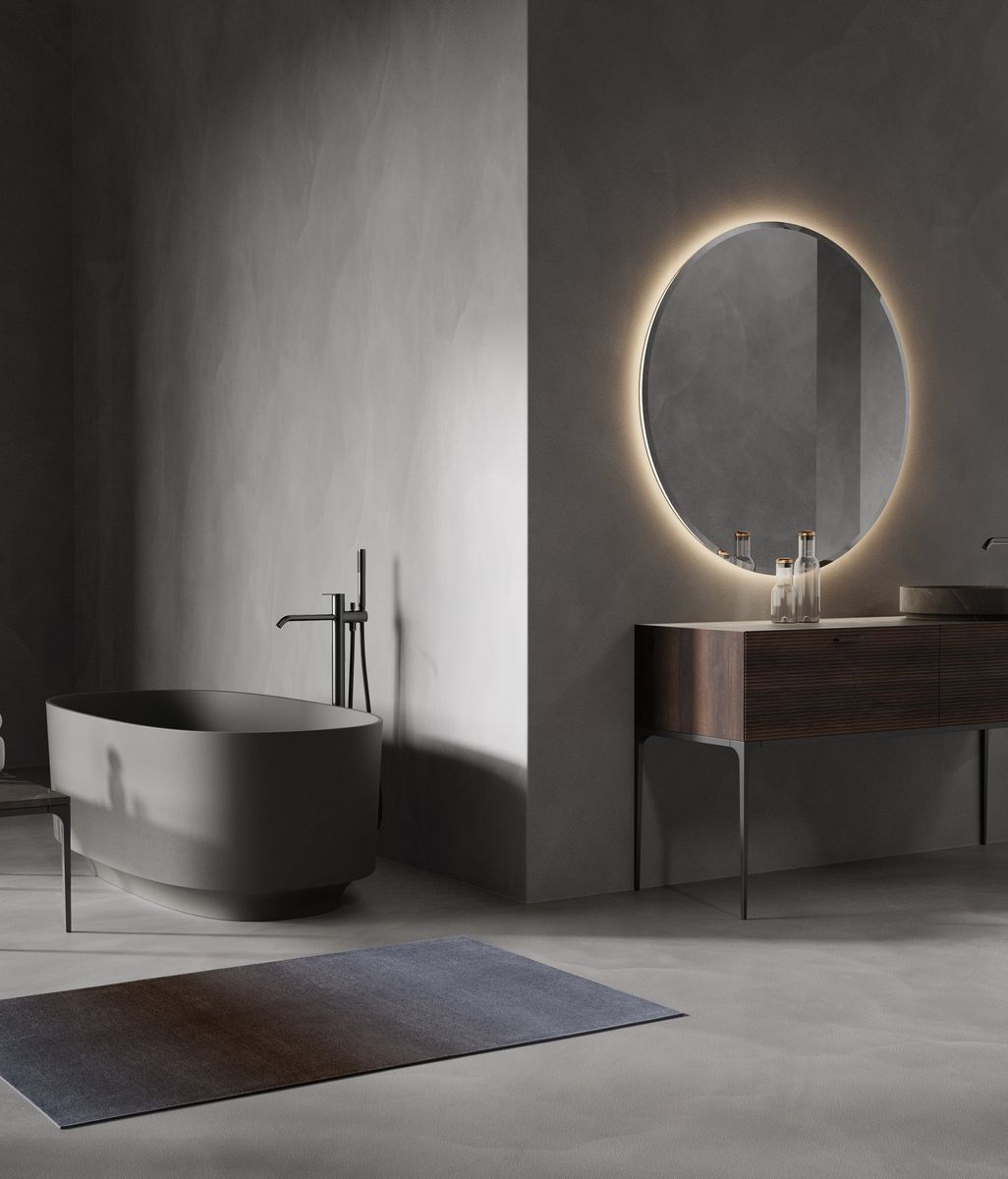
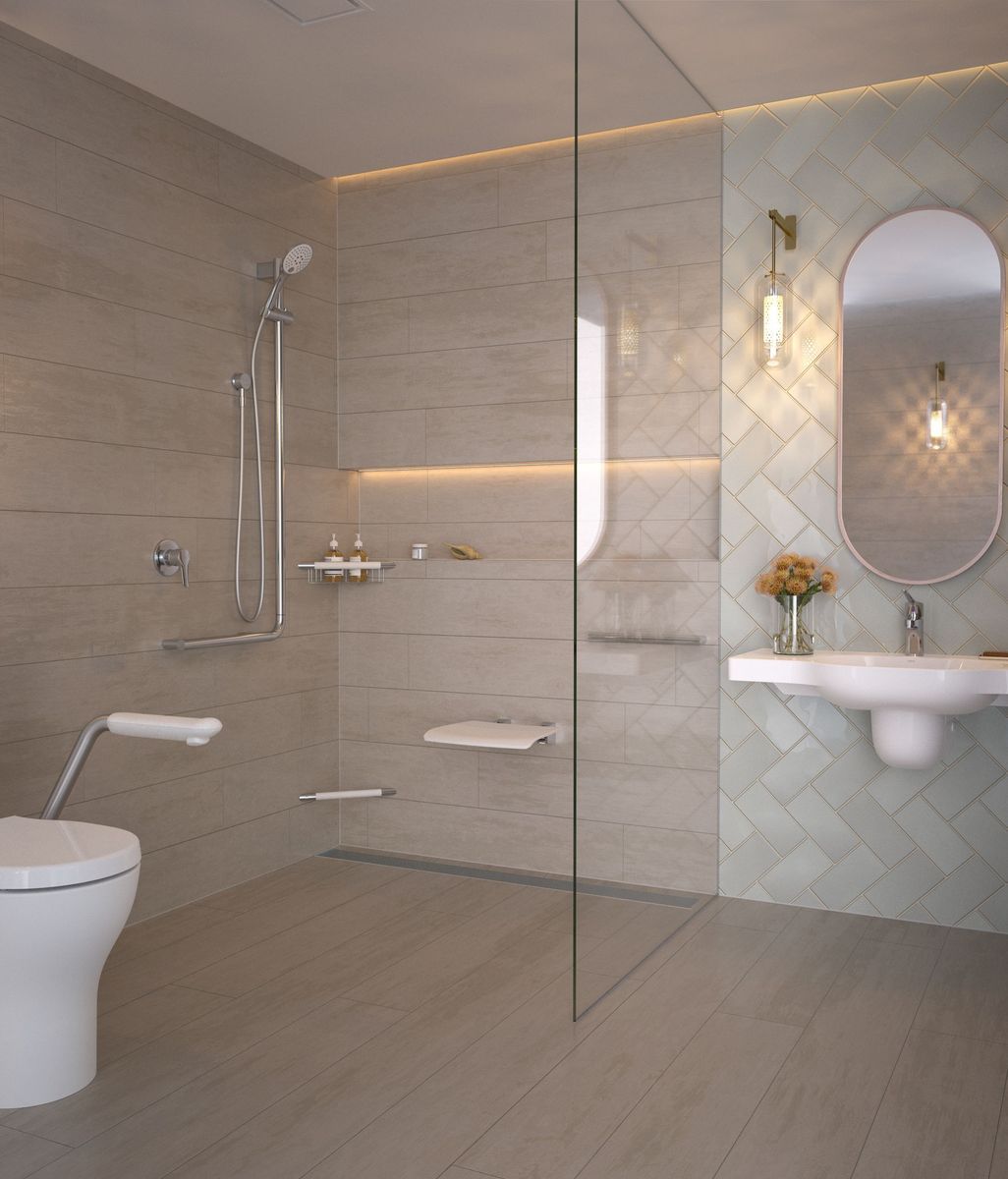
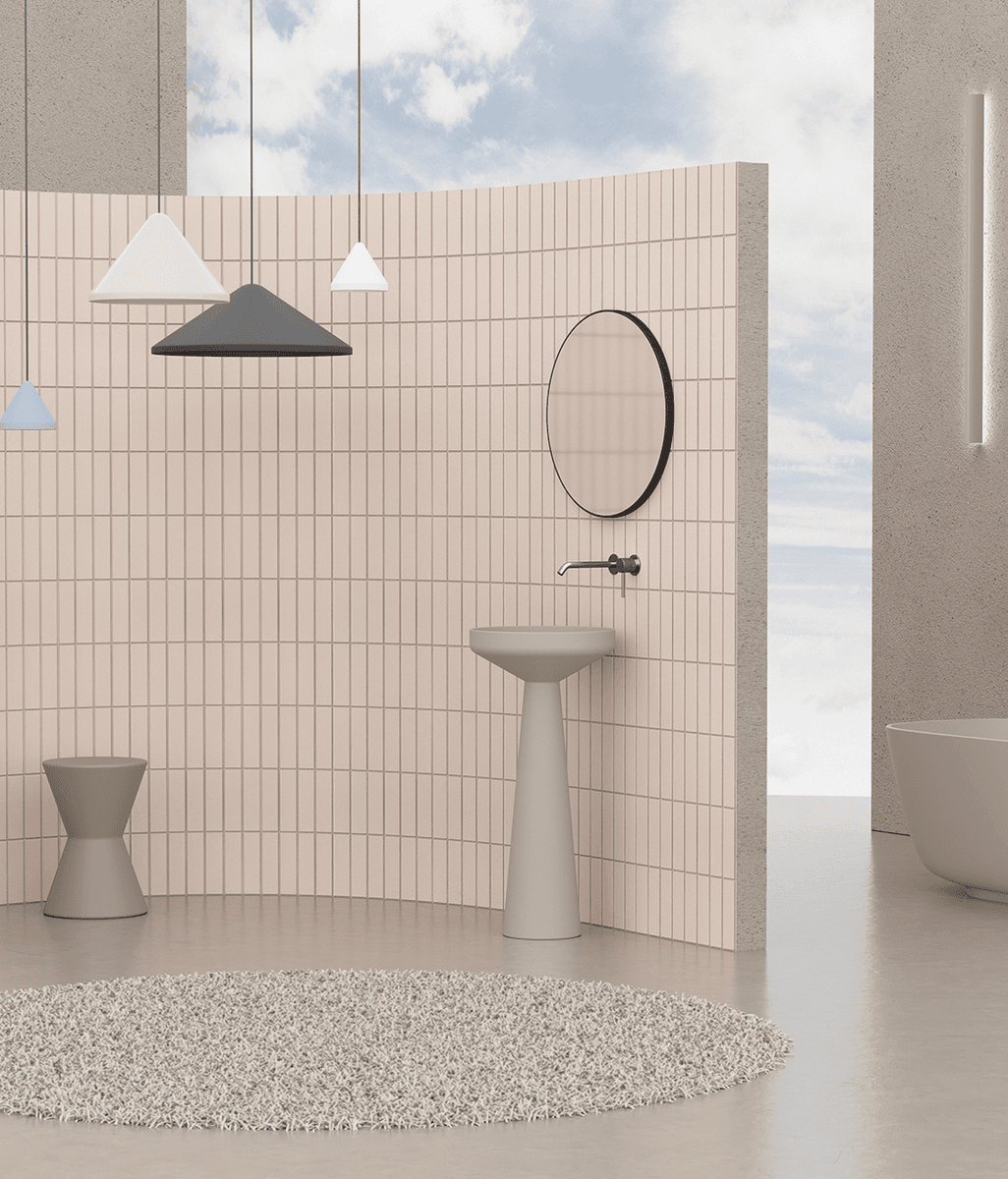
The rise of wellness-focused hospitality has also reshaped expectations around bathrooms and bathing spaces at home. Increasingly, homeowners want bathrooms that feel calming, restorative and sensory, more akin to a boutique spa retreat than a purely utilitarian room.
According to Patience, the shift has been heavily influenced by travel and exposure to international hospitality design, from Bali resorts to European hotels and luxury spas.
That translates into softer material palettes, layered lighting, floor-to-ceiling glazing and stronger connections to nature. Placement becomes important too. Considering how a bath captures light, how a shower feels spatially, or how privacy and openness are balanced within the room.
“It’s really about the experience,” she says. “How the space feels at the beginning and end of your day.”
The philosophy reflects a wider move within residential design: recognising that everyday rituals have a significant impact on wellbeing and deserve thoughtful design attention.
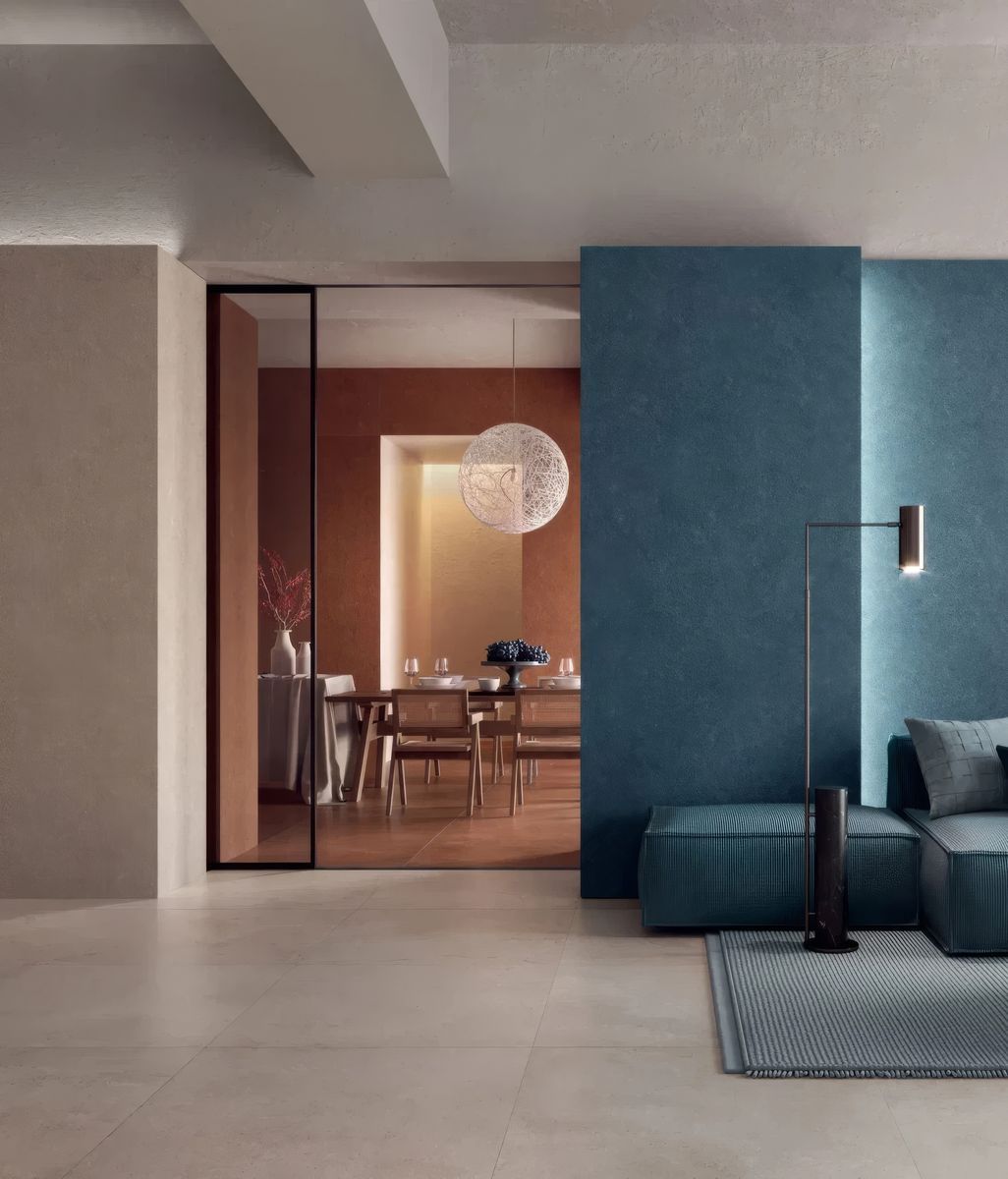
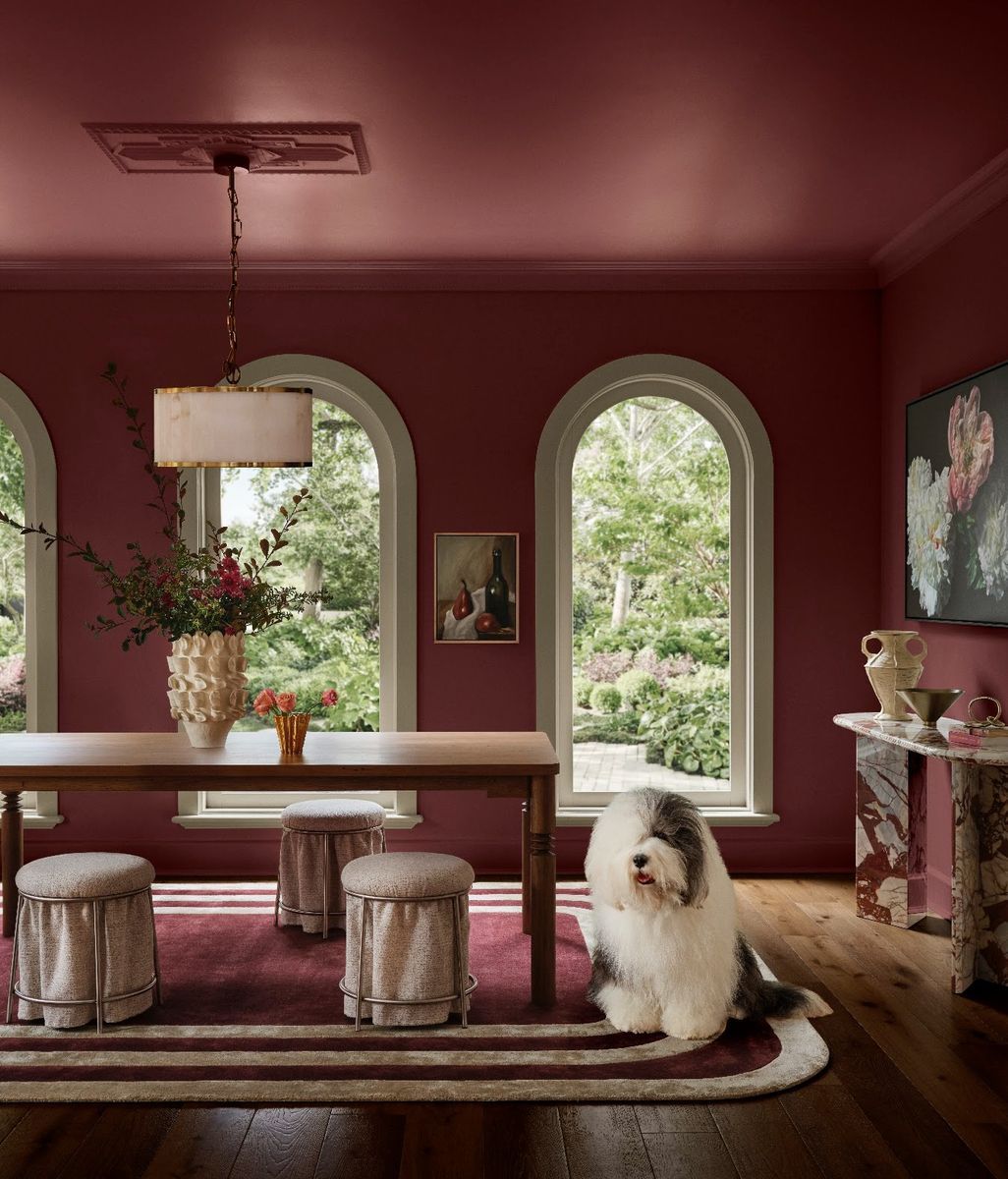
5. Use colour emotionally, not cautiously
While hospitality interiors often embrace richer colour palettes more confidently than residential spaces, Patience believes homeowners are increasingly willing to experiment, particularly once they understand how colour affects mood and atmosphere.
“We think a lot about colour psychology,” she says. “How colour affects you during the day, and how different spaces can feel calming, energising or restful.”
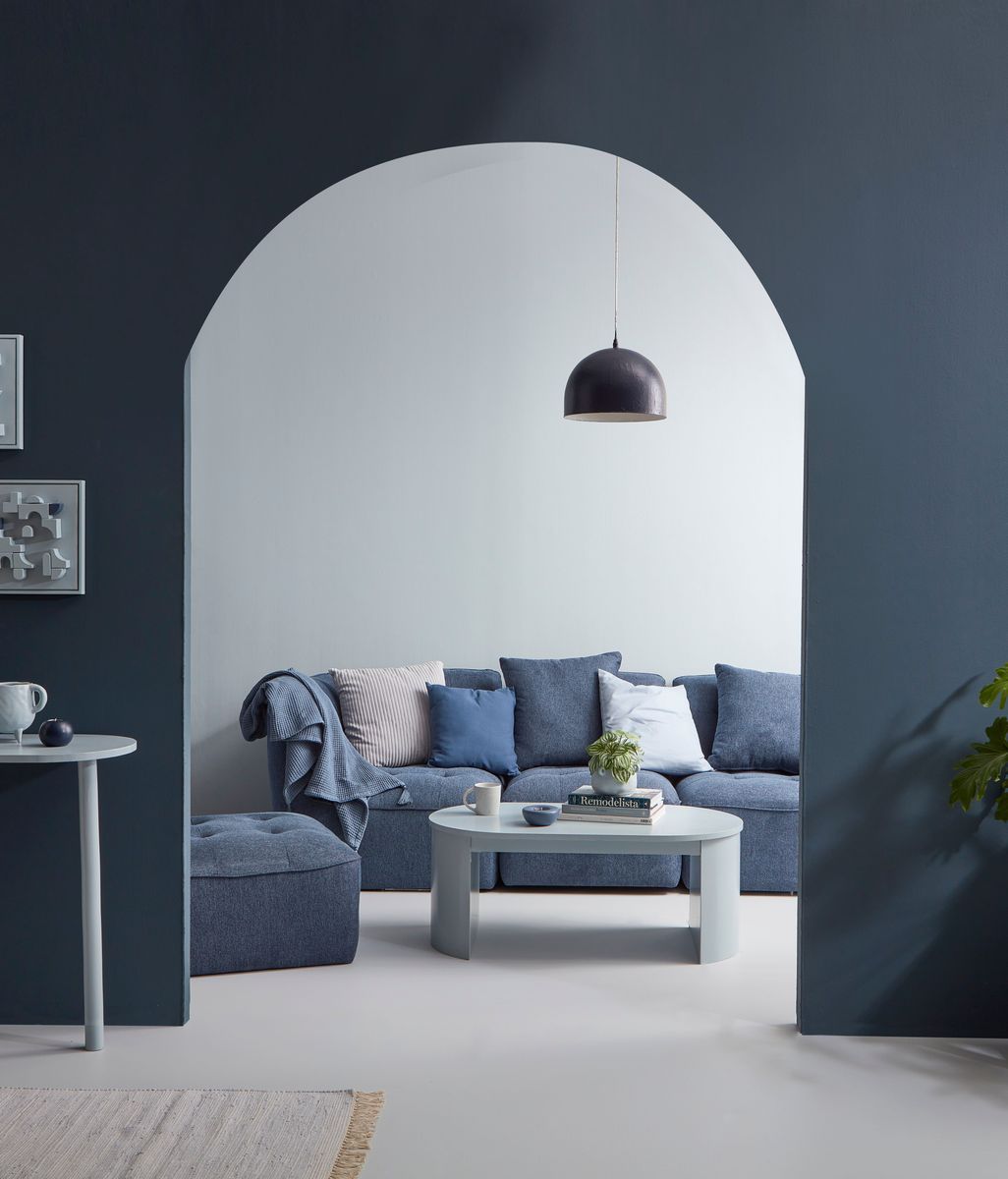
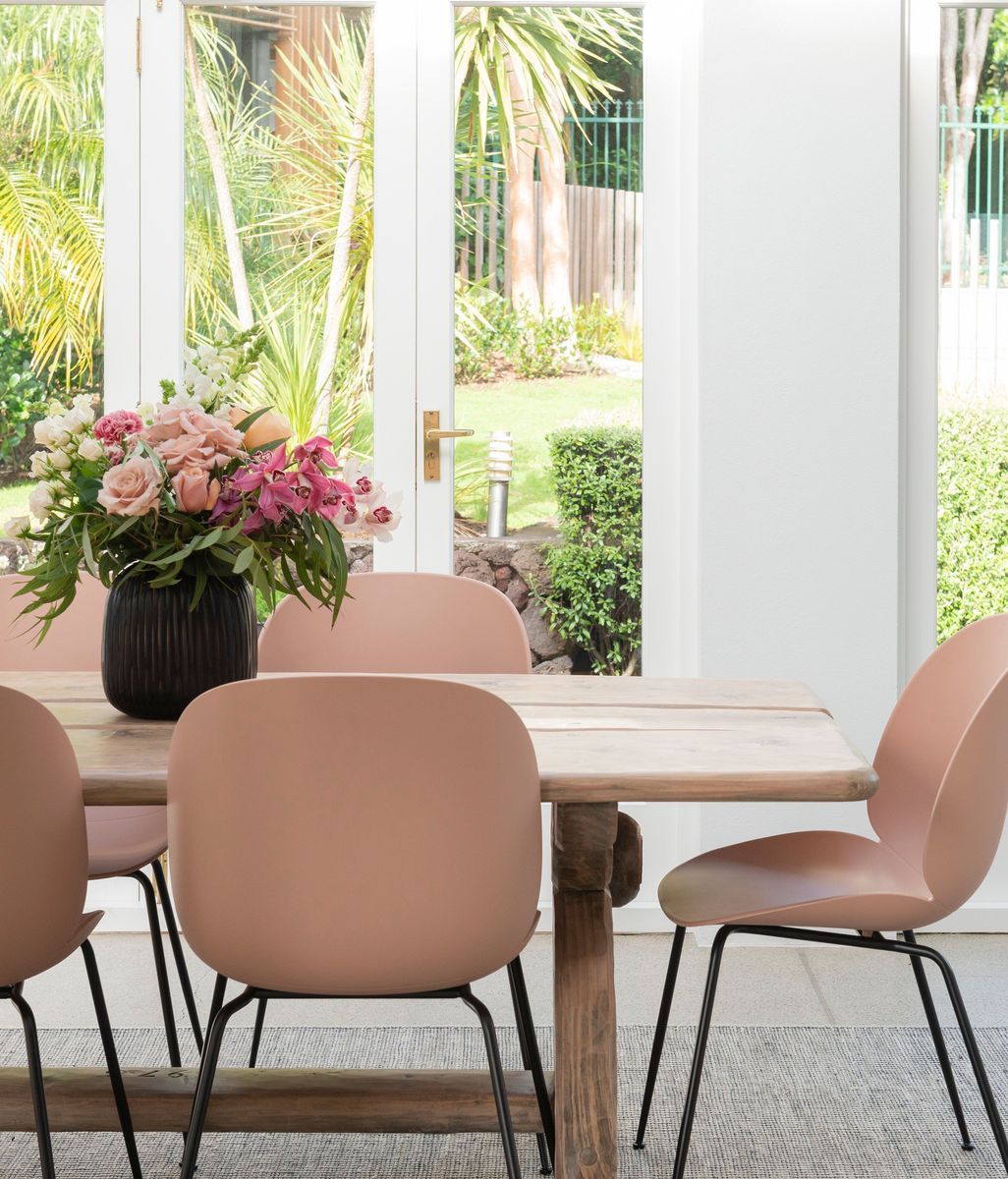
That doesn’t necessarily mean bold or dramatic interiors. Sometimes warmth comes through timber, plaster tones or softer earthy palettes rather than saturated colour. The key is intentionality.
Material Creative often encourages clients to look at the colours they naturally gravitate towards in their clothing, artwork or everyday surroundings as a starting point for interiors.
“Everyone has a palette,” Patience says. “You may not even realise it, but over your lifetime you’ve already been drawn to certain colours.”
Ultimately, the studio’s approach to hospitality-inspired residential design comes back to one central idea: home should be the place that feels best of all.
“I think your home should be your favourite space,” says Patience. “You should enjoy your home more than a restaurant or a hotel.”