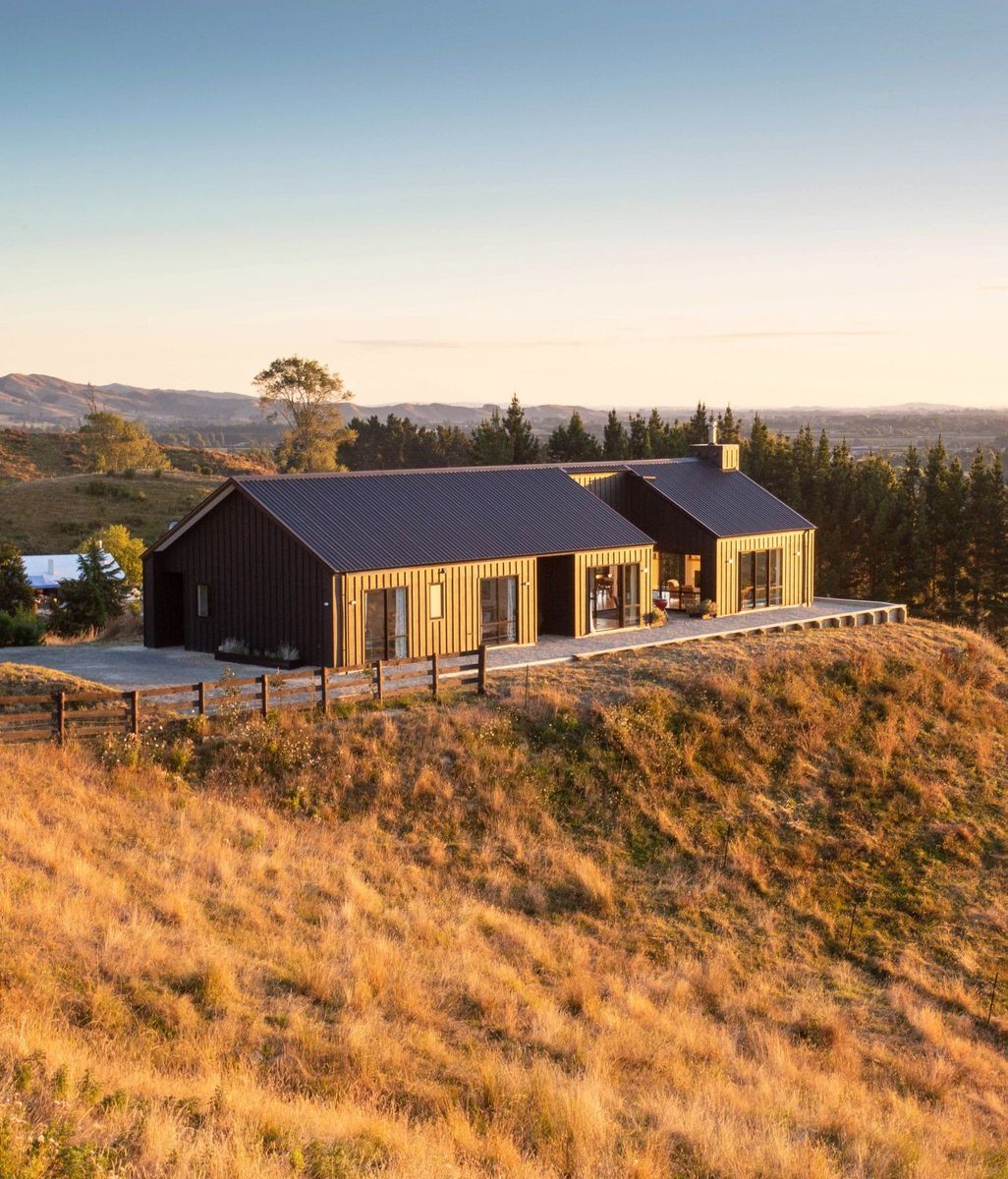
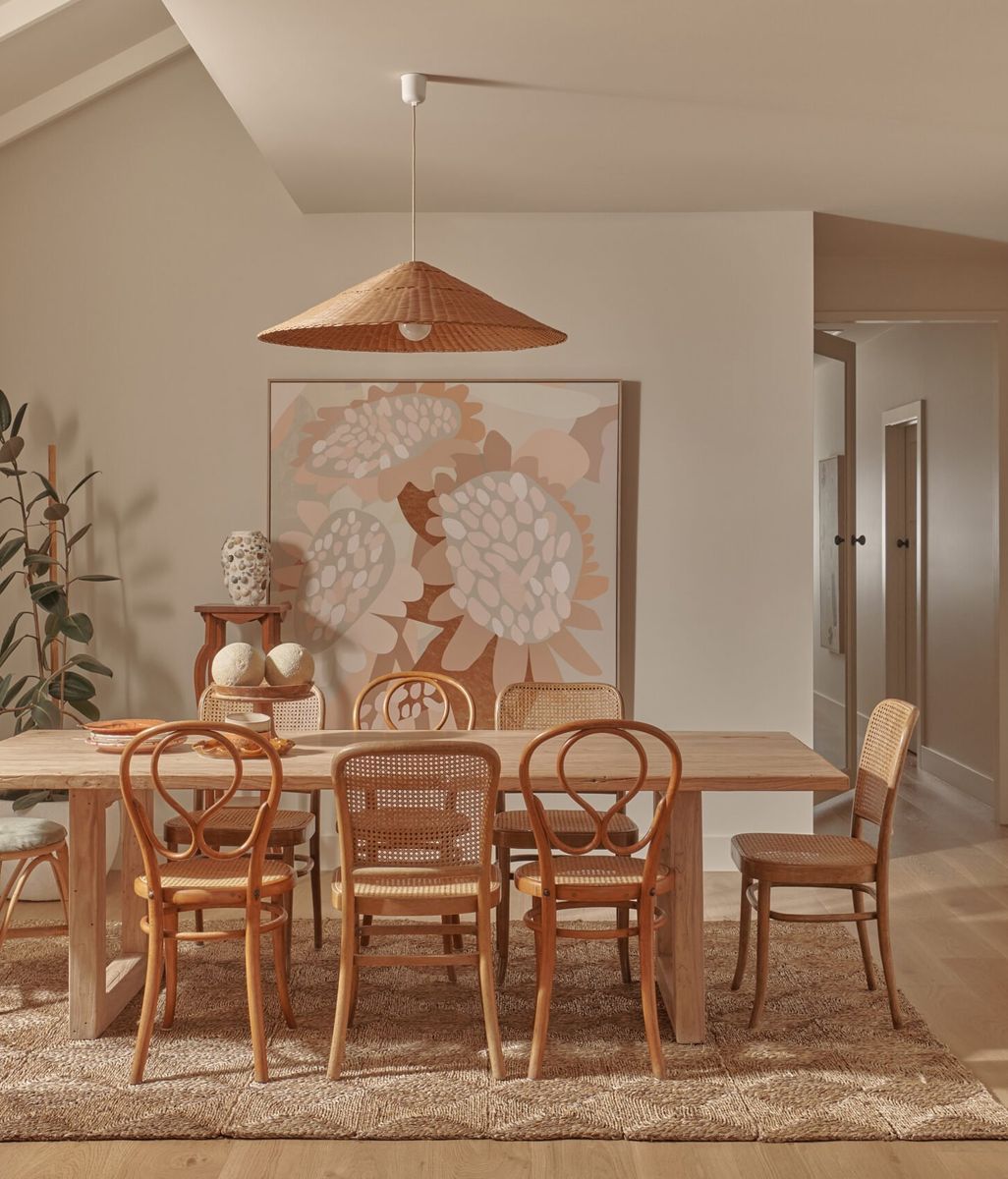
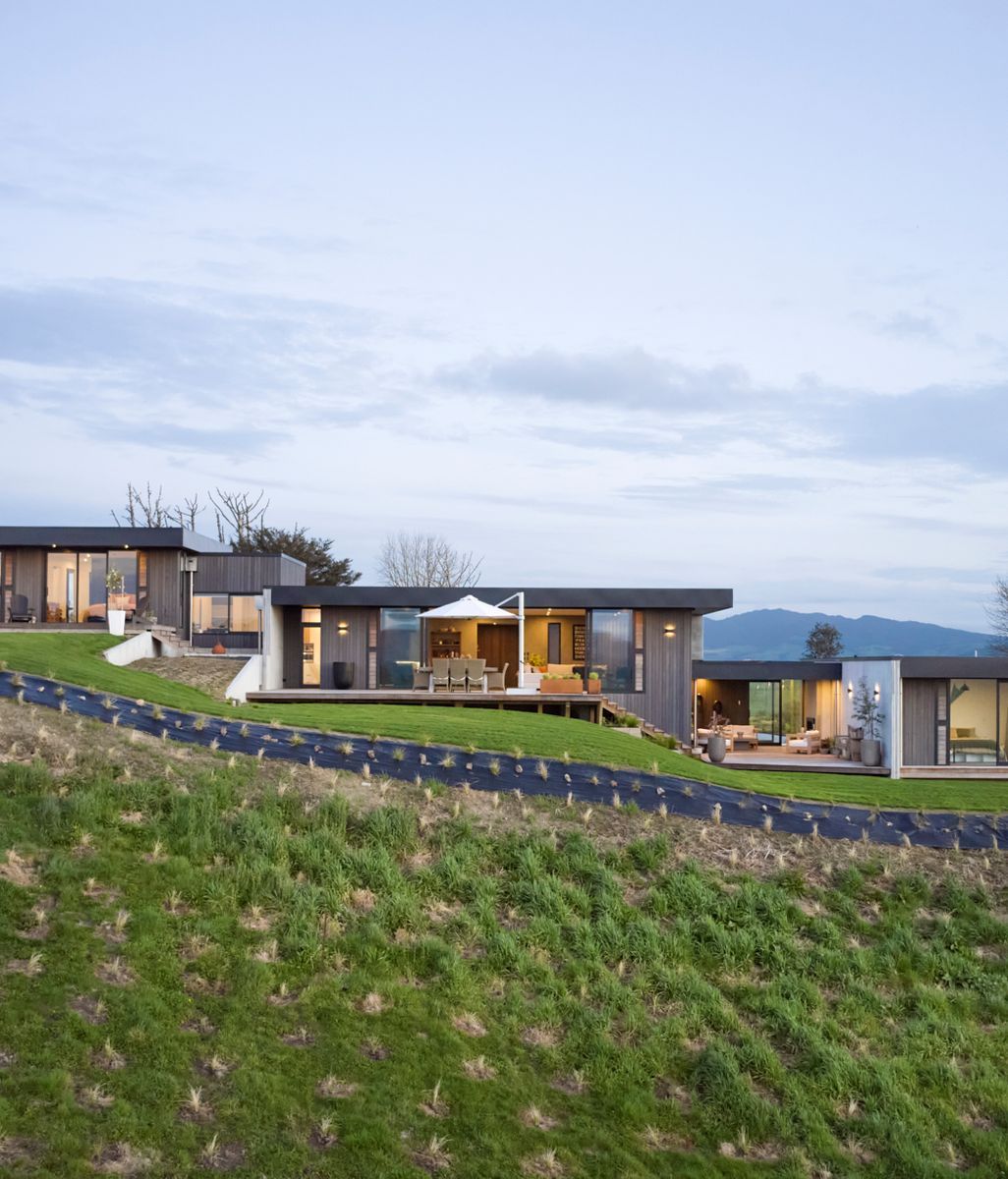
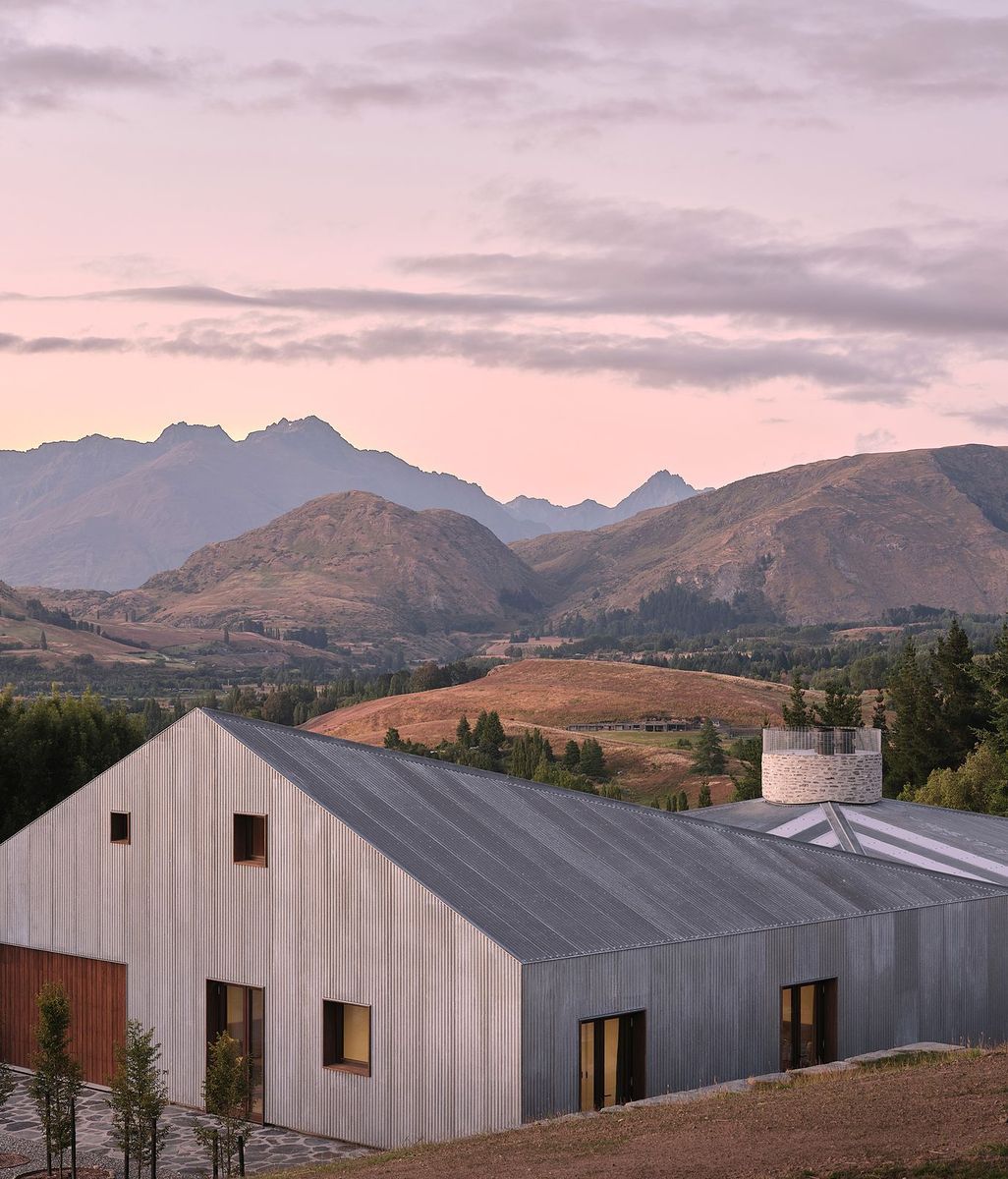
Designing with the landscape, not against it

Written by

28 July 2026

 • 

6 min read
banner
The most successful homes begin with the site. Its topography, climate, vegetation and outlook all offer clues about how a home should sit within the landscape rather than compete with it. Yet too often, these characteristics are treated as obstacles to overcome. Land is levelled, views are chased in every direction and homes are designed to resist their surroundings instead of responding to them.
Surya Fullerton, Director and lead architect on Lenticular House

For Patterson Associates, the opposite approach has long guided the practice's work. Every project begins by understanding what makes a place unique before considering what architecture should be added to it.


Lenticular House, a secluded retreat overlooking Little Barrier Island at Te Arai, is a compelling example of that philosophy in action. While its restrained material palette and sculptural form are immediately striking, the project's greatest lesson lies in how quietly it works with its environment.

Start by listening to the site

Every site comes with opportunities and constraints, but the two are often one and the same.


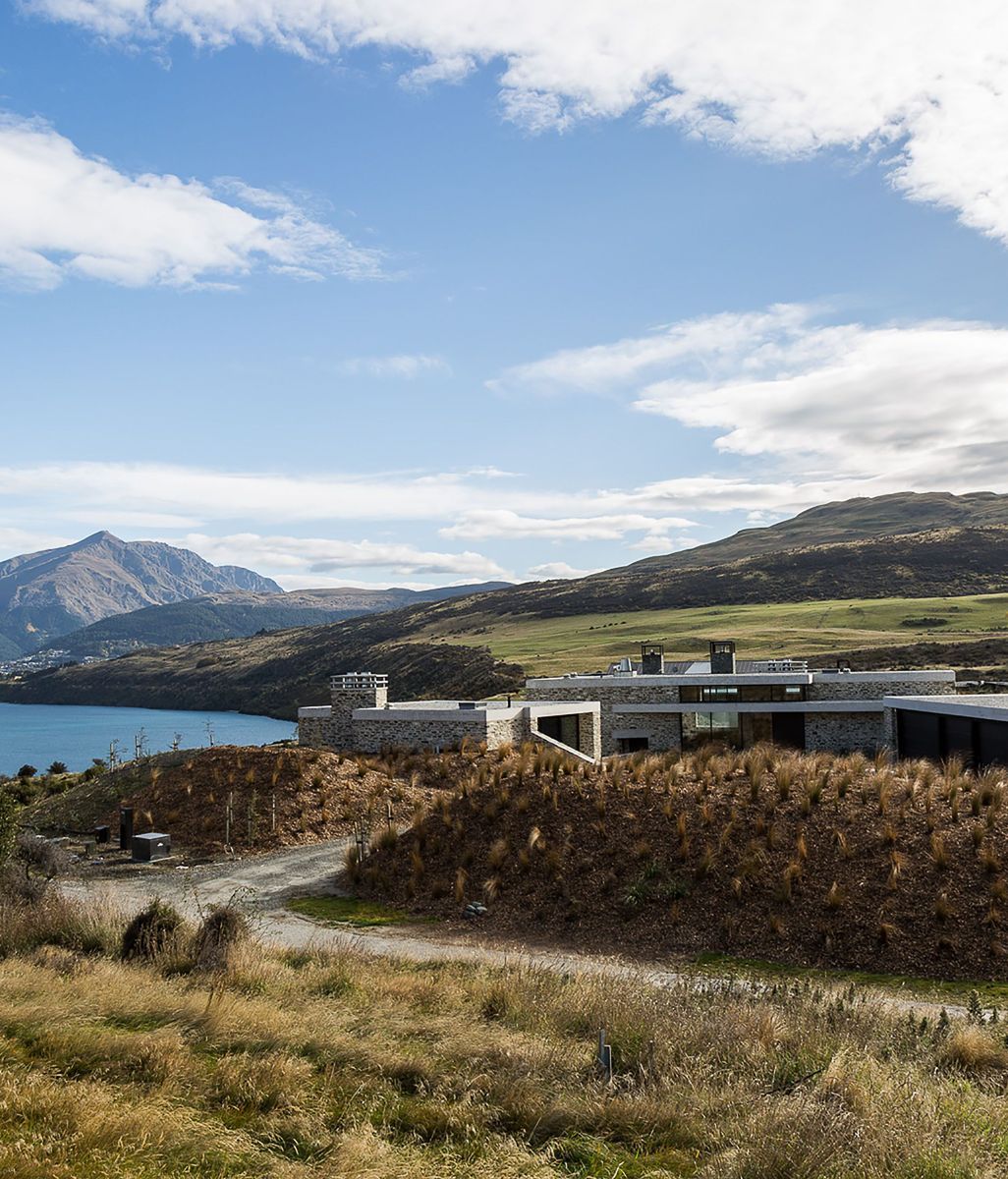
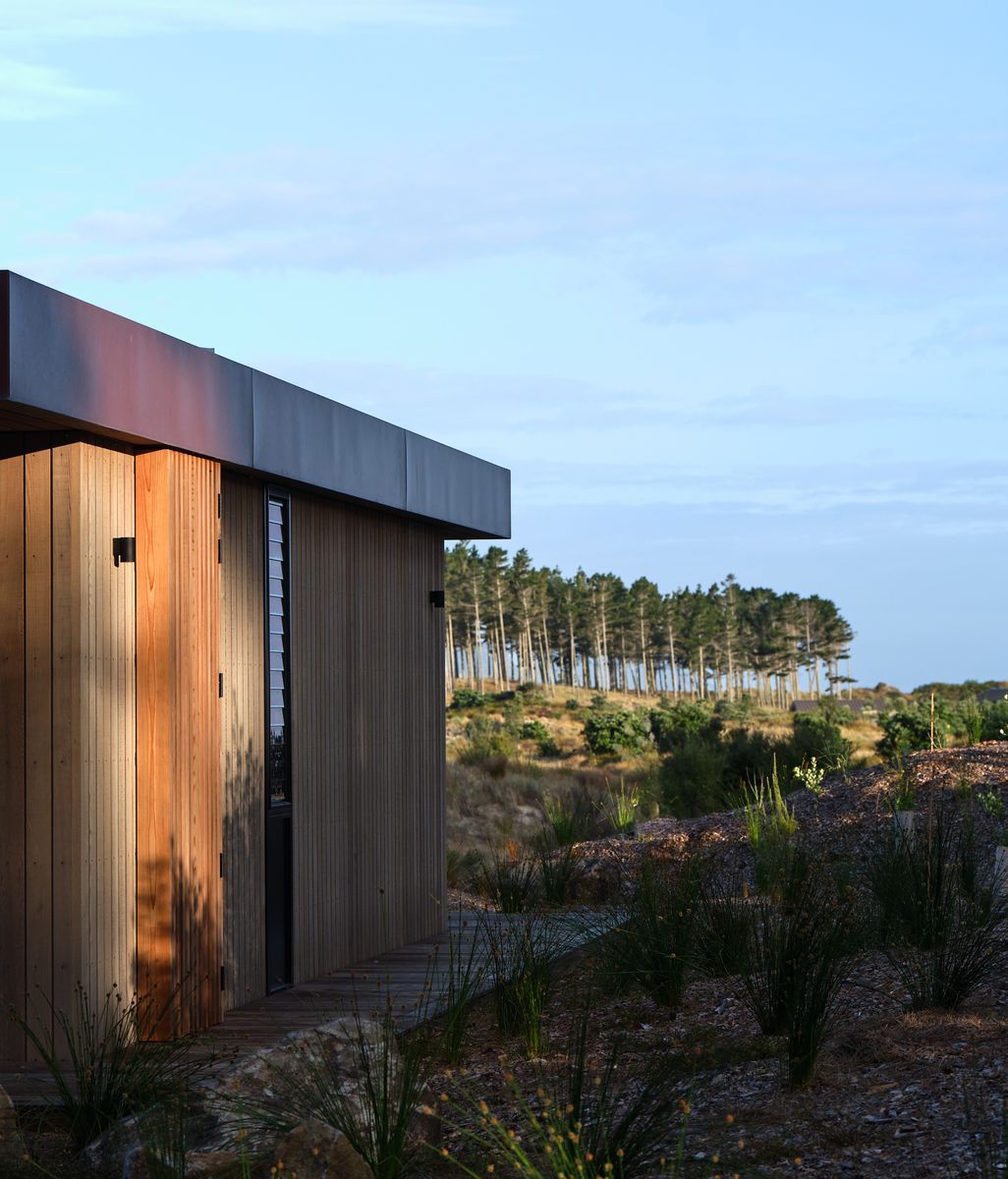
At Te Arai, the landscape is shaped by rolling sand dunes, mature pine forests and ever-changing coastal weather. Rather than seeing these conditions as problems to solve, Patterson Associates allowed them to inform almost every design decision.


The house sits lightly on a concrete raft, hovering just above the dunes rather than flattening them into submission. Beneath the terraces, the sand continues to flow naturally, allowing the existing landform to remain legible.


"The building literally sits on the landscape," says director Surya Fullerton. "Everything is hovering slightly above it."


This approach preserves more than the site's appearance. It maintains its character. Instead of arriving at a house that feels imposed on the landscape, visitors experience one that appears to have settled naturally into place.


For homeowners, the lesson is simple. A successful site strategy is rarely about changing the land as much as possible. More often, it's about understanding what is already working and designing around it.

Archipro-template6-ap-compressed.jpg

Designing for the weather, not just the view

New Zealanders naturally prioritise outlook when choosing where to build, but climate deserves equal consideration.


A spectacular view quickly loses its appeal if strong winds prevent outdoor living for much of the year.


At Te Arai, calm mornings can quickly give way to powerful offshore winds, horizontal rain and blowing sand. Rather than attempting to eliminate those conditions, Patterson Associates designed a home that allows its occupants to decide how much of the landscape they want to experience at any given moment.


The eastern terrace embraces the ocean outlook, while a protected western loggia offers shelter from the prevailing coastal winds without sacrificing the connection to the landscape. Between them, full-height glazed walls slide away to transform the living space into an open breezeway when conditions are favourable. As the weather changes, those same walls close to create an interior that remains quiet, warm and protected.


"You can have it all open and experience that wildness around you," says Fullerton. "Or you can close everything during a storm and feel incredibly cosy."


Rather than fighting the elements, the architecture gives its occupants the flexibility to live comfortably with them.

Archipro-template4-ap-compressed.jpg

Shelter can strengthen your connection to nature

There is often an assumption that opening a home completely to the outdoors creates the strongest connection with the landscape.


In reality, the opposite can be true.


When a house offers no protection from wind, heat or rain, people naturally retreat indoors. Outdoor spaces become seasonal rather than everyday places to occupy.


Creating moments of shelter extends the amount of time a landscape can be enjoyed.


At Lenticular House, generous overhangs, protected terraces and expansive glazing means the occupants remain immersed in the changing weather without necessarily being exposed to it. The sounds of the wind, the movement of the clouds and the shifting coastal light remain part of the experience, while the architecture quietly moderates the harsher conditions.


It's a reminder that good architecture doesn't disconnect us from nature. It allows us to experience more of it.

Archipro-template15-ap-compressed.jpg

Let materials belong to the place

Material selection is often viewed through the lens of appearance, but longevity is just as important.


Coastal environments demand materials that can withstand salt, moisture and constant exposure without requiring ongoing maintenance.


For Lenticular House, Patterson Associates chose natural zinc as the primary external material. Over time, it will continue to weather gracefully, developing a soft grey patina that echoes the colours of the surrounding dunes, pine trunks and shifting sky. Unlike painted finishes, it doesn't require continual refinishing to maintain its appearance.


The same restraint continues inside, where natural concrete and whitewashed maple timber create a calm backdrop that allows the landscape to remain the focus.


Rather than introducing a long list of materials, the project demonstrates the value of selecting a few that genuinely belong to their environment and allowing them to age with dignity.

Archipro-template13-ap-compressed.jpg

Landscape should be part of the architecture

The building doesn't stop where the walls end.


Landscape design plays an equally important role in determining how a home sits within its setting and how much ongoing maintenance it requires.


At Lenticular House, the planting palette is intentionally restrained. Native species that naturally belong within the dune environment have been reinstated, avoiding ornamental gardens that would require regular trimming, irrigation or mowing.


This decision supports both the ecological character of the site and the clients' desire for a true retreat. A place that can largely look after itself.


It also reinforces one of the project's broader ideas: designing with the landscape means allowing it to remain recognisably itself.

Archipro-template2-ap-compressed.jpg

Good design begins with respect

Every site has qualities that cannot be replicated elsewhere. The best architecture doesn't overwrite them… it reveals them.


Lenticular House demonstrates that working with a landscape often leads to better outcomes than attempting to control it. By responding to the existing topography, embracing rather than resisting the climate, choosing materials that improve with age and allowing native planting to reclaim the site, Patterson Associates have created a home that feels inseparable from its surroundings.


For homeowners embarking on their own project, the lesson is an encouraging one. Great architecture doesn't always require more building. Often, it begins by paying closer attention to the place you're building in and allowing that place to shape the decisions that follow.


Explore more architect-designed homes on ArchiPro, discover the professionals behind them and find the products that help bring considered residential projects to life.