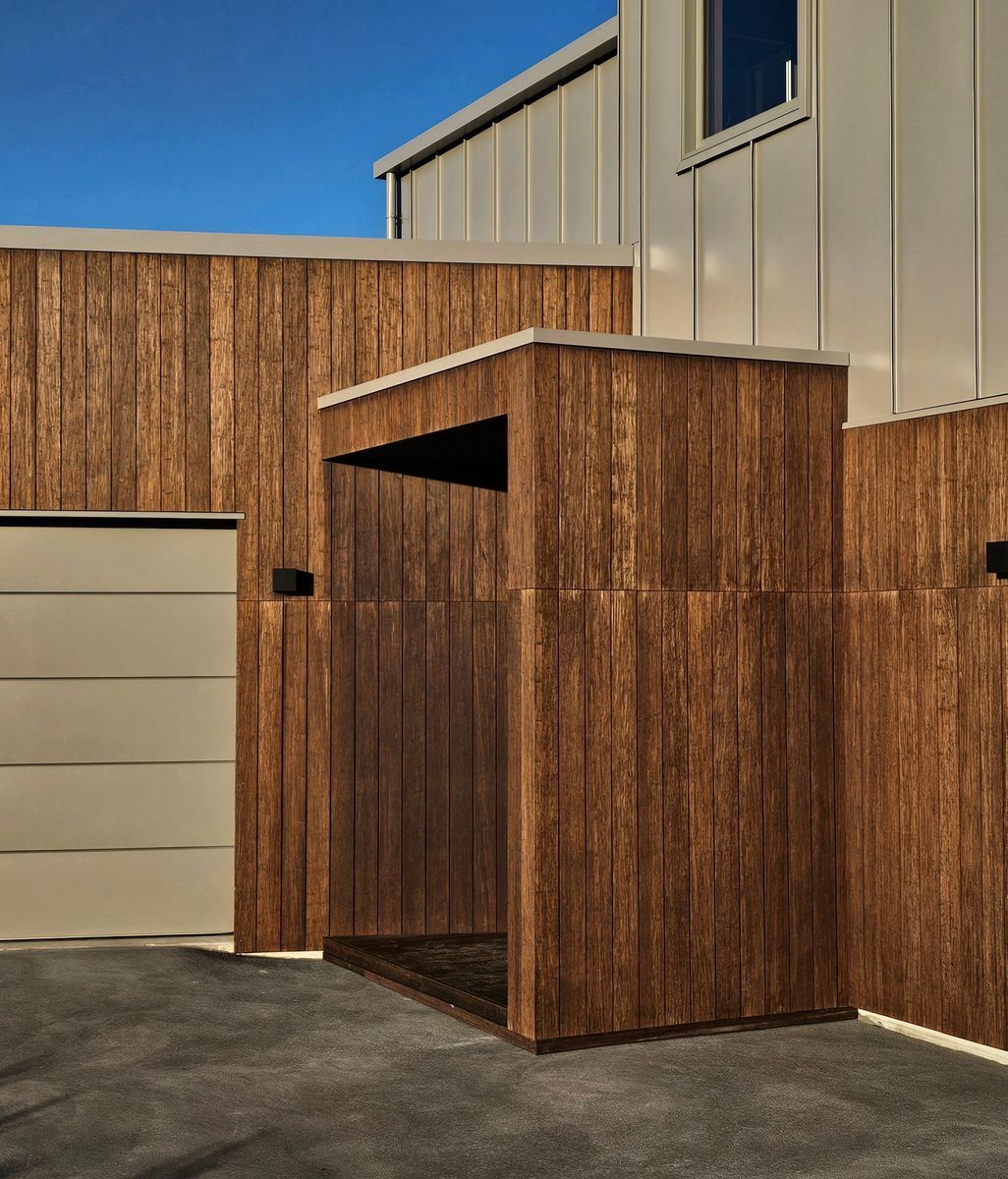
The local company giving timber cladding a deeper sense of character

Written by
30 August 2026

 • 

4 min read

banner
At Triclad, every piece of cladding is shaped by hand, finished to reveal the natural grain, texture and character of the locally-grown timber.
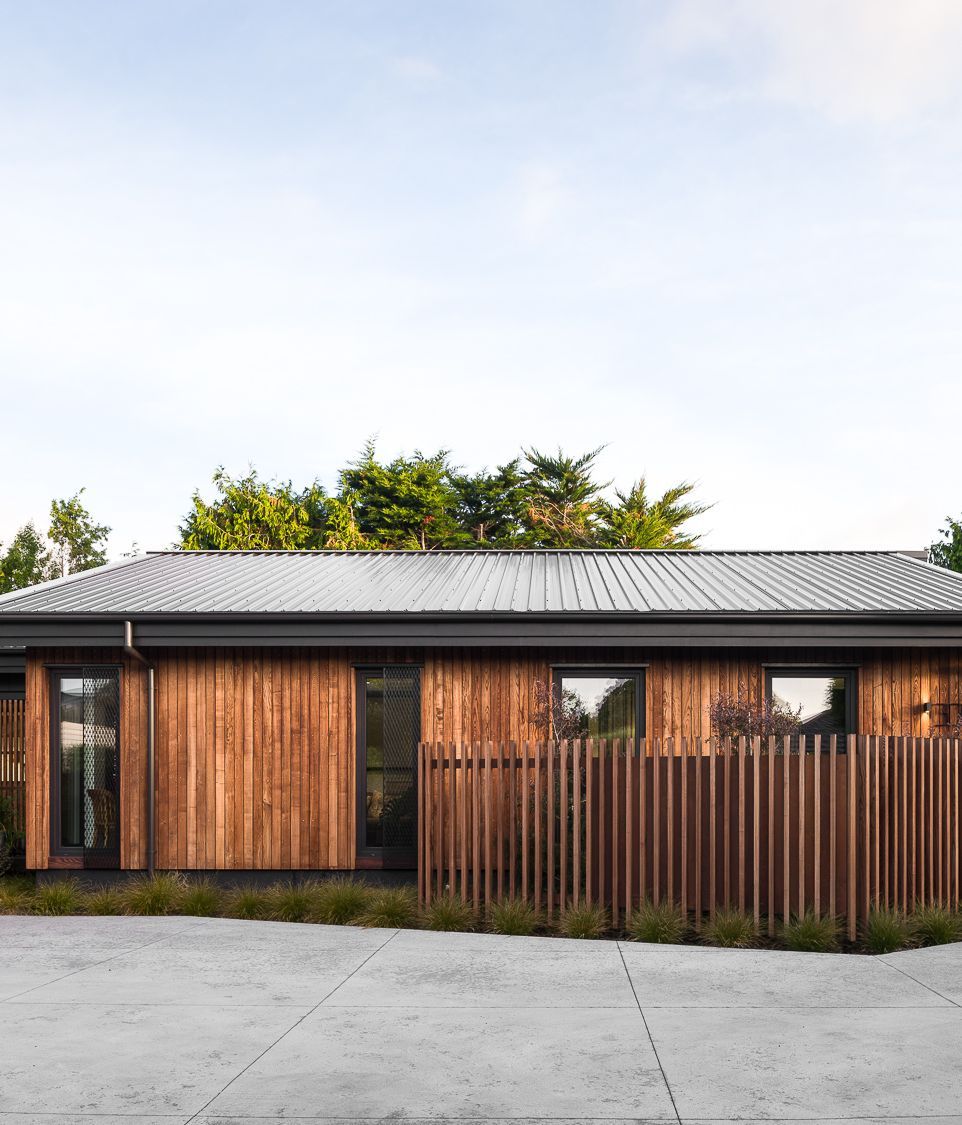
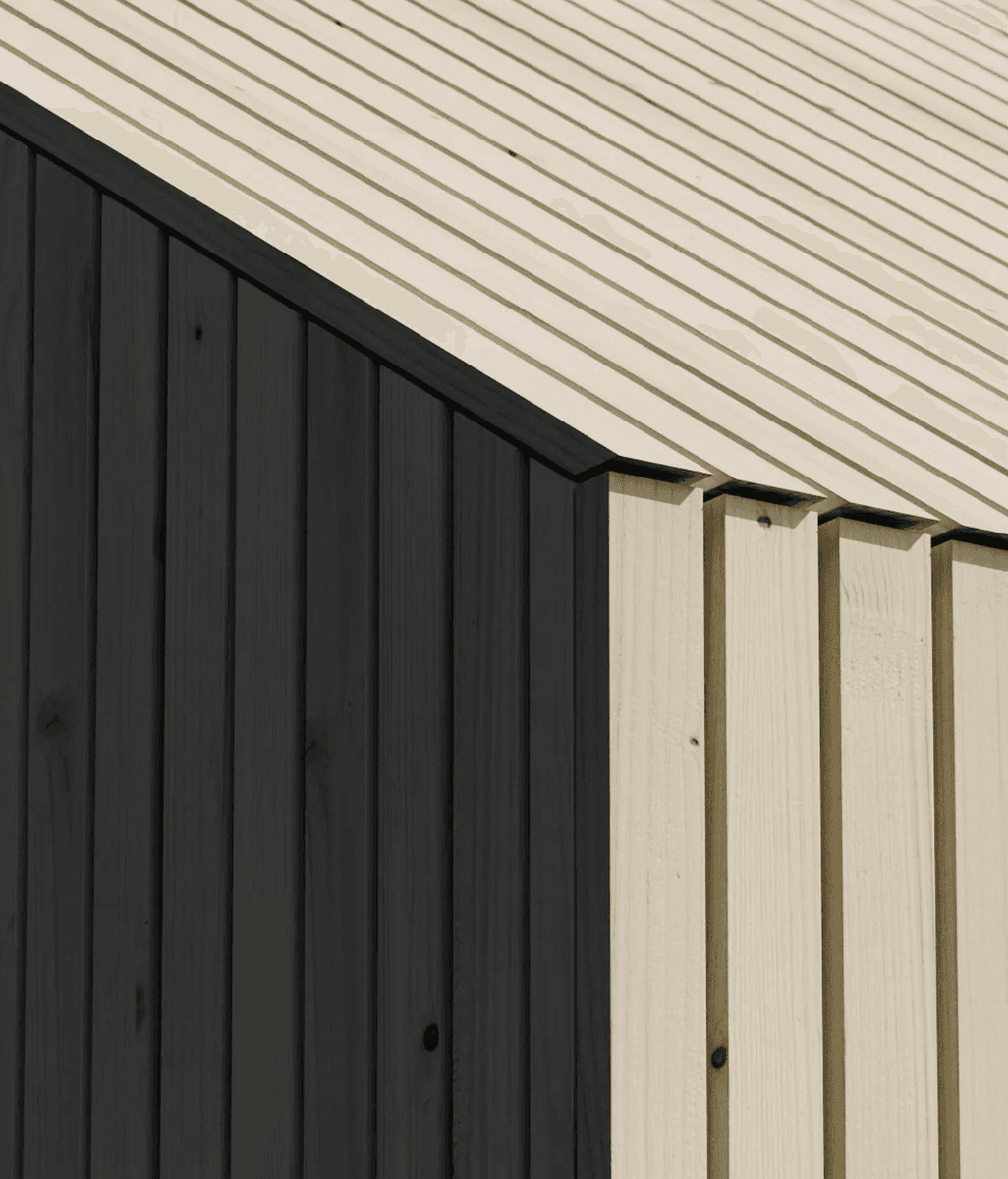
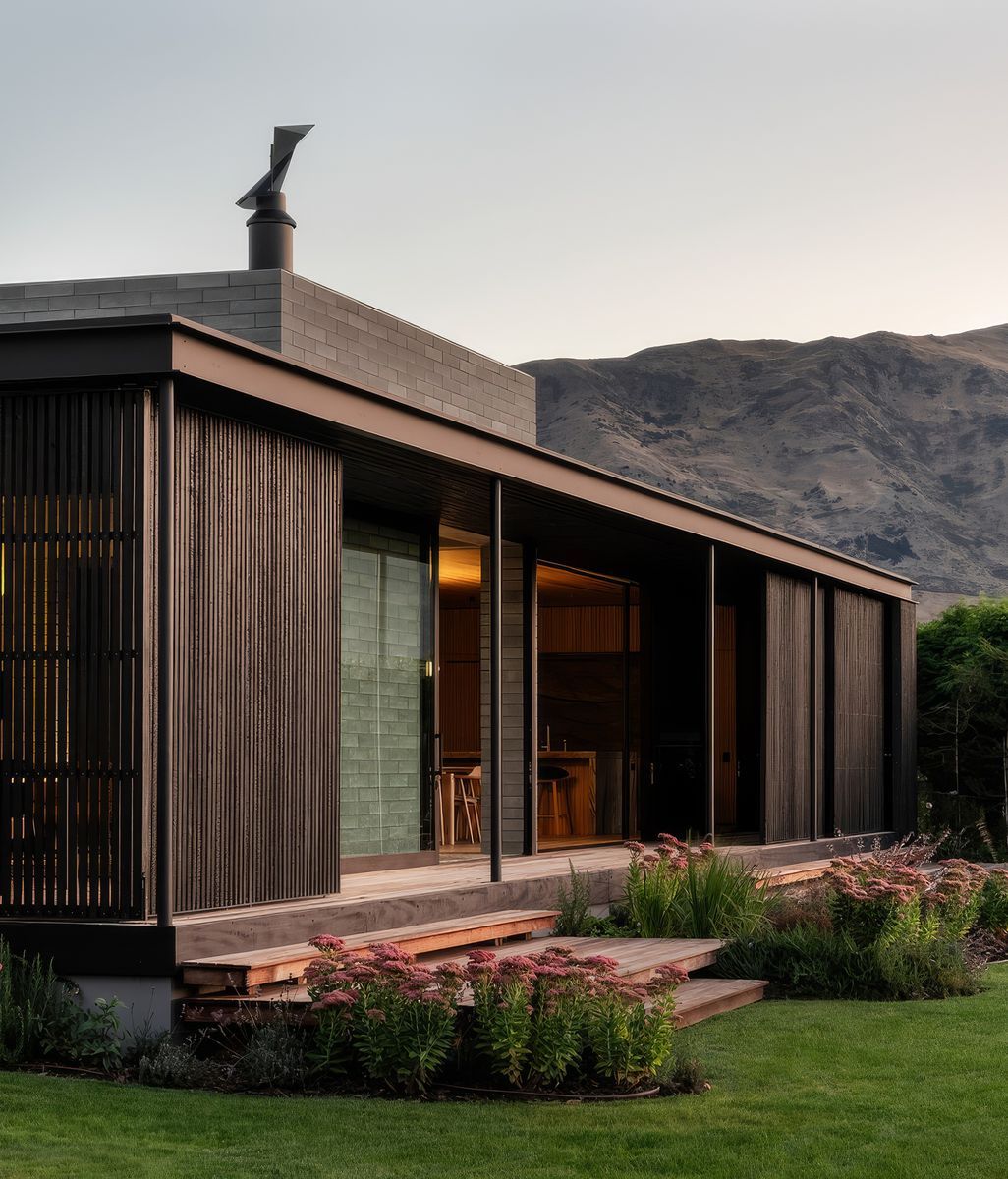
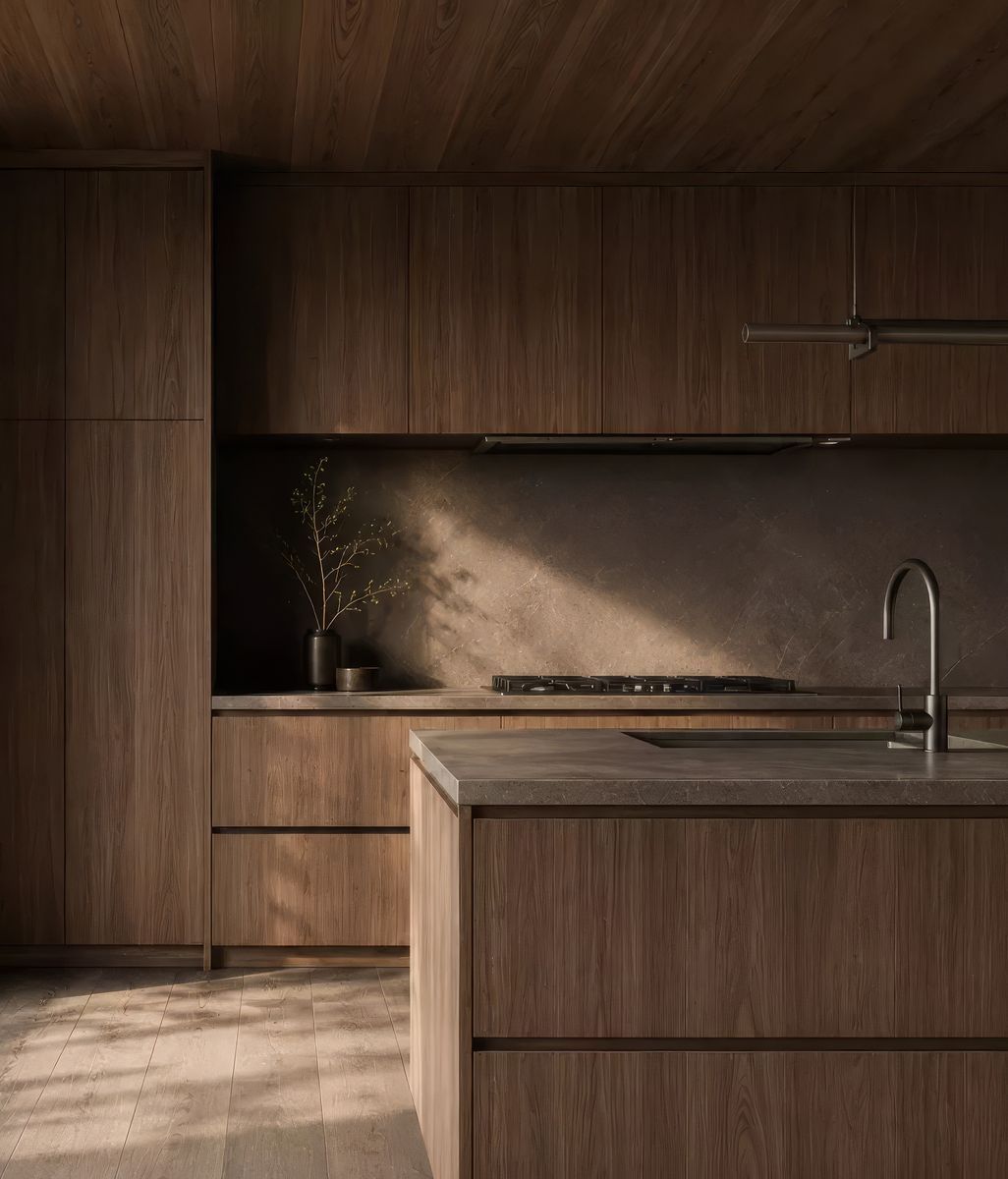
Bandsawn timber is immediately recognisable. There’s no hiding the knots and texture that make each piece distinctive. Creating a textured surface catches the light to reveal the grain beneath a coating, it’s a technique that, when applied to timber cladding, gives a rich depth that allows the timber to still feel like timber.

For Triclad, this character is the result of a deliberately hands-on manufacturing process led by a simple idea: timber cladding should still look and feel like timber. 
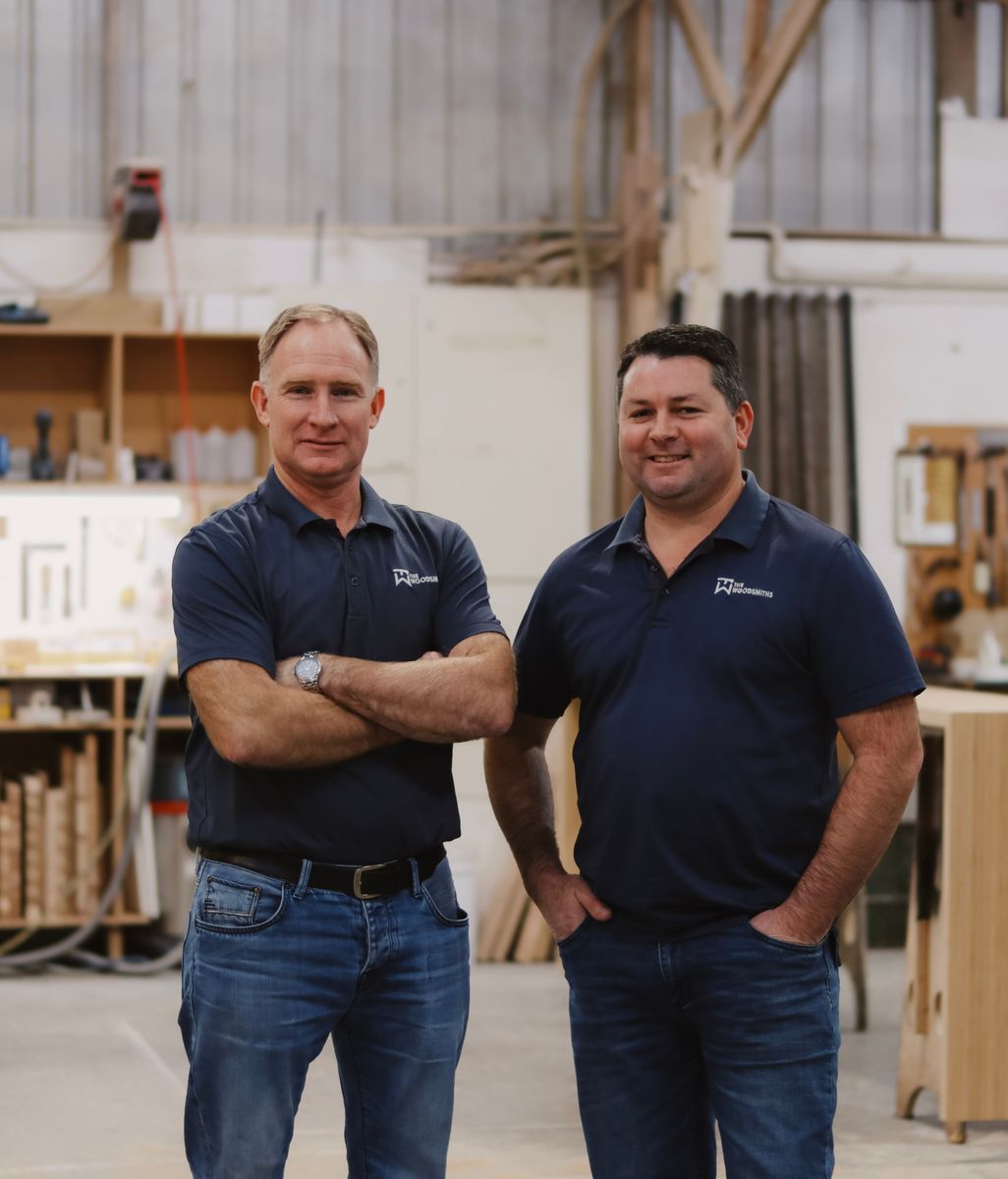
“We want to achieve natural-looking products,” shares Triclad’s Paul. “Even when it’s painted, it shows the grain in the wood.”

board-through-Spindle-upscaled-by-Replicate.jpg

All of this is achieved by a small team in the Triclad workshop, where much of the manufacturing process is carried out by hand.
The process begins with the raw materials supplied by manufacturers across the country. The team then transforms the pine and plywood in-house, milling, gluing and using handtools to achieve the texture and finish Triclad is known for. 

“We use old-fashioned lathes and a spindle moulder, and everything’s glued by hand as well. We want to keep our quality standard up.”

With just seven people across the business, the team remains closely involved in the entire process. The people making the products can see exactly what is happening at each stage, giving them the opportunity to work closely with the material and make small changes along the way. 

It’s a process clearly seen in Triclad’s signature bandsawn texture, with each board holding the marks of craftsmanship. 

“It’s actually done using a chainsaw, believe it or not, on a flatbed table,” says Paul. “It’s just knocking out the top layer or feathering it, so that it creates hard and soft spots.”

For Triclad’s pine weatherboards, the face is roughened using a different process that pulls out the natural grain. Both techniques create surfaces with variation rather than uniformity, with a depth that machine-finished boards cannot replicate. 

This close relationship the team has with the materials they work with has also taught them where the possibilities and limitations lie. 

spray-painting-board.png
paint-rolling-back-of-board.png

Making something visually distinctive is only one part of the job. The finished product also needs to perform once it leaves the workshop and becomes part of a building. 

“We want to make sure that everything is watertight and solid on a house,” says Paul. “We don’t want to go outside of that and create unknown problems.”

Behind the scenes, testing and refinement happens alongside the manufacturing process. Every new idea relies on the expert knowledge of the Triclad team, alongside its suppliers and technical experts, working through details before committing to a new product. This process ensures each solution meets New Zealand’s building standards while remaining open to the possibilities that architects and designers bring to individual projects.

“We are always open to discussions with architects, especially with the designs that they come up with,” says Paul. 

A common misconception, though, is that plywood is less natural than solid timber. While engineered for strength and stability, it still has natural grain, can expand and contract, and needs regular maintenance.

“Wood is still wood,” says Paul. 

That understanding sits at the heart of their approach. The team knows the timbers it works with: how the timber moves, how it needs to be treated, how different techniques affect the appearance, how boards can be joined and how a particular profile will perform once it’s exposed to the elements.

0C0A8726-Enhanced-NR-v4.jpg

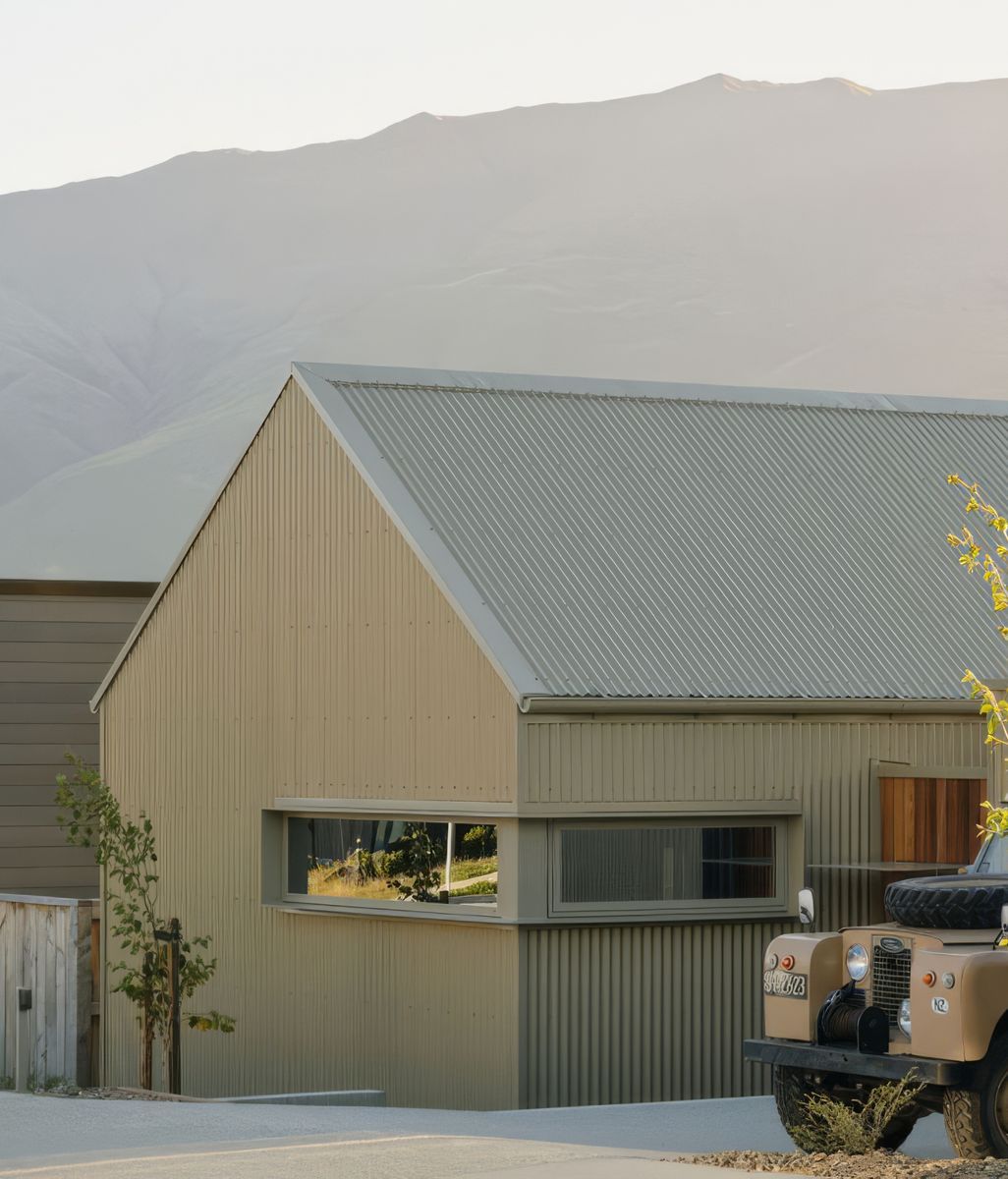
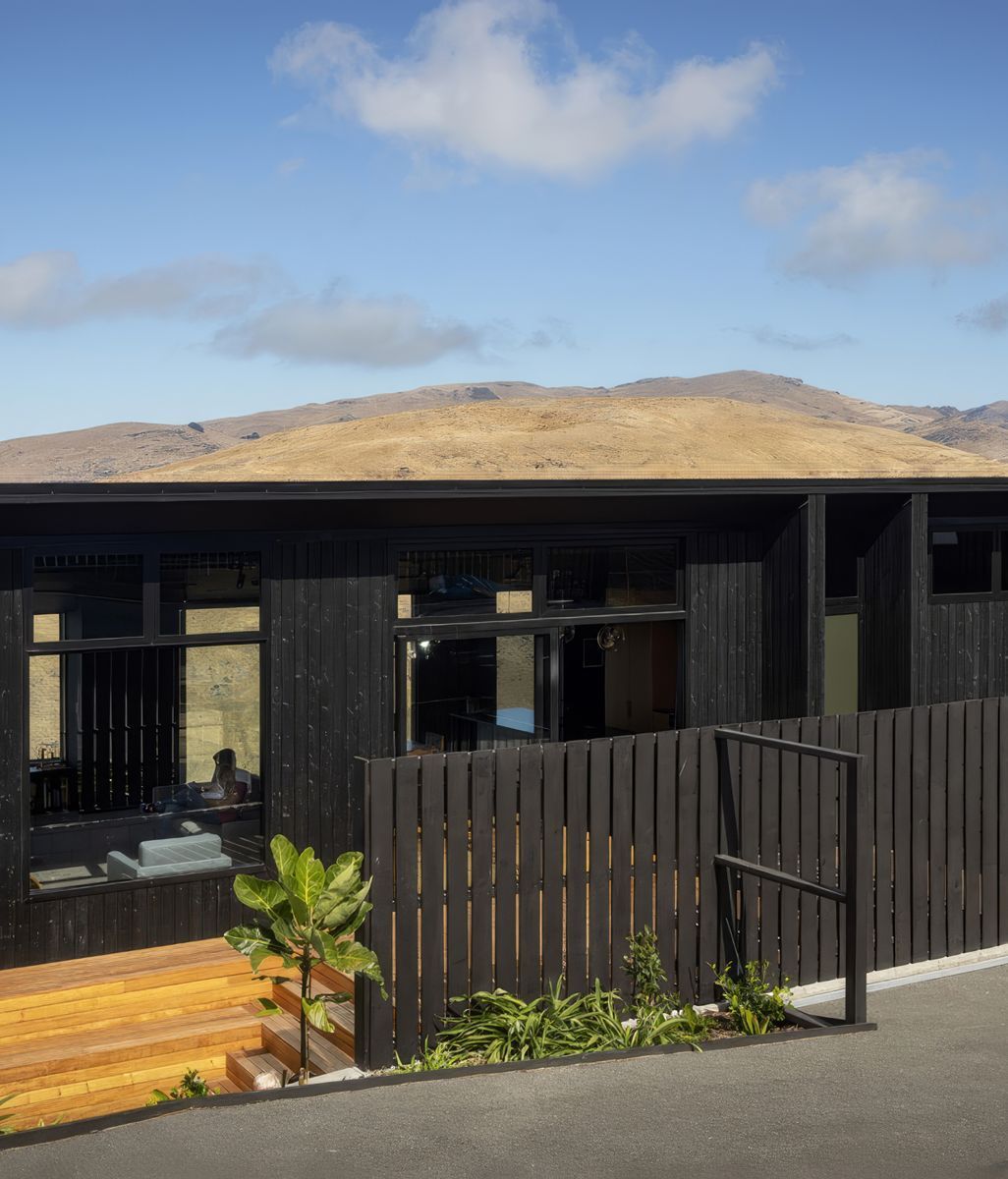
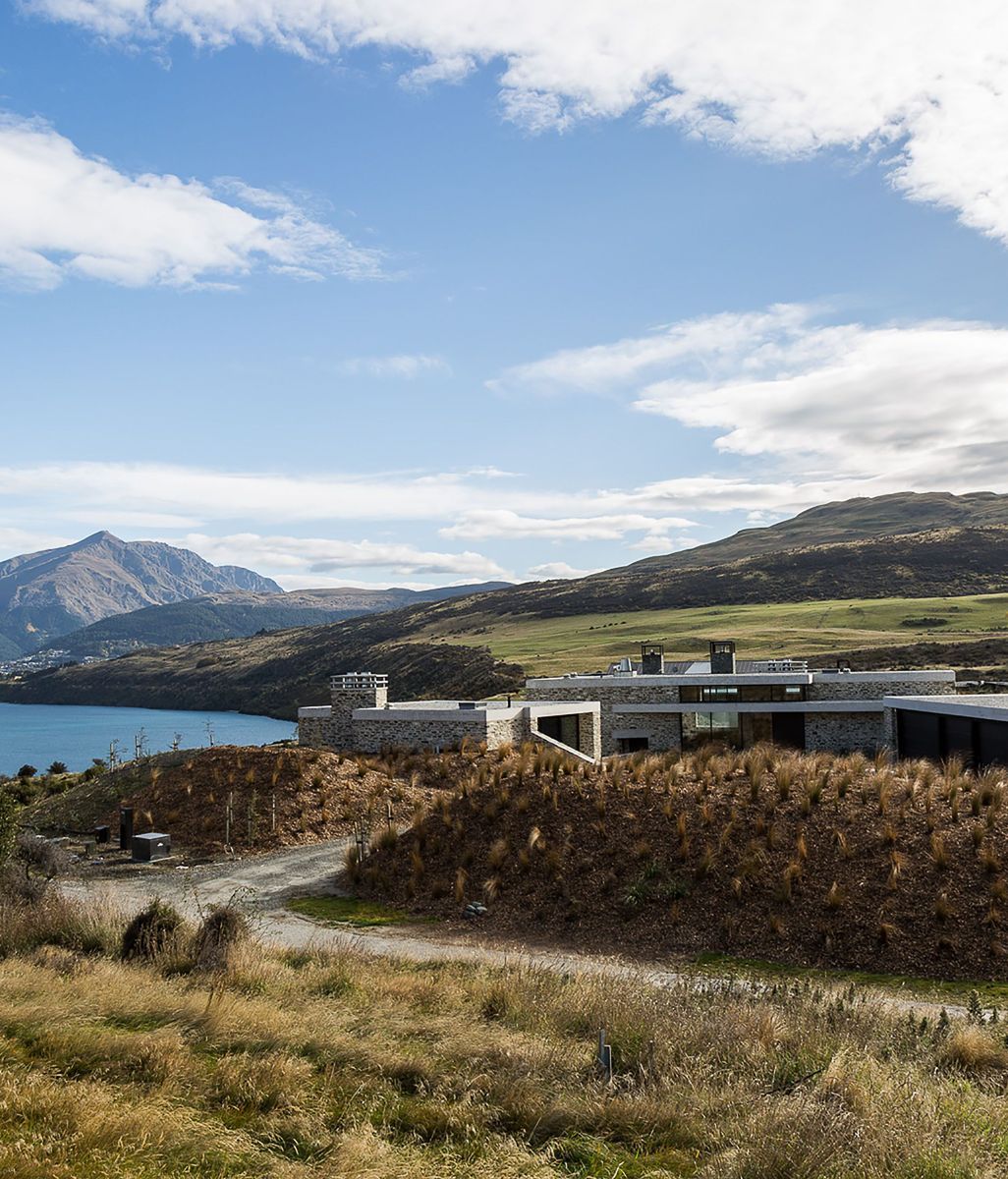
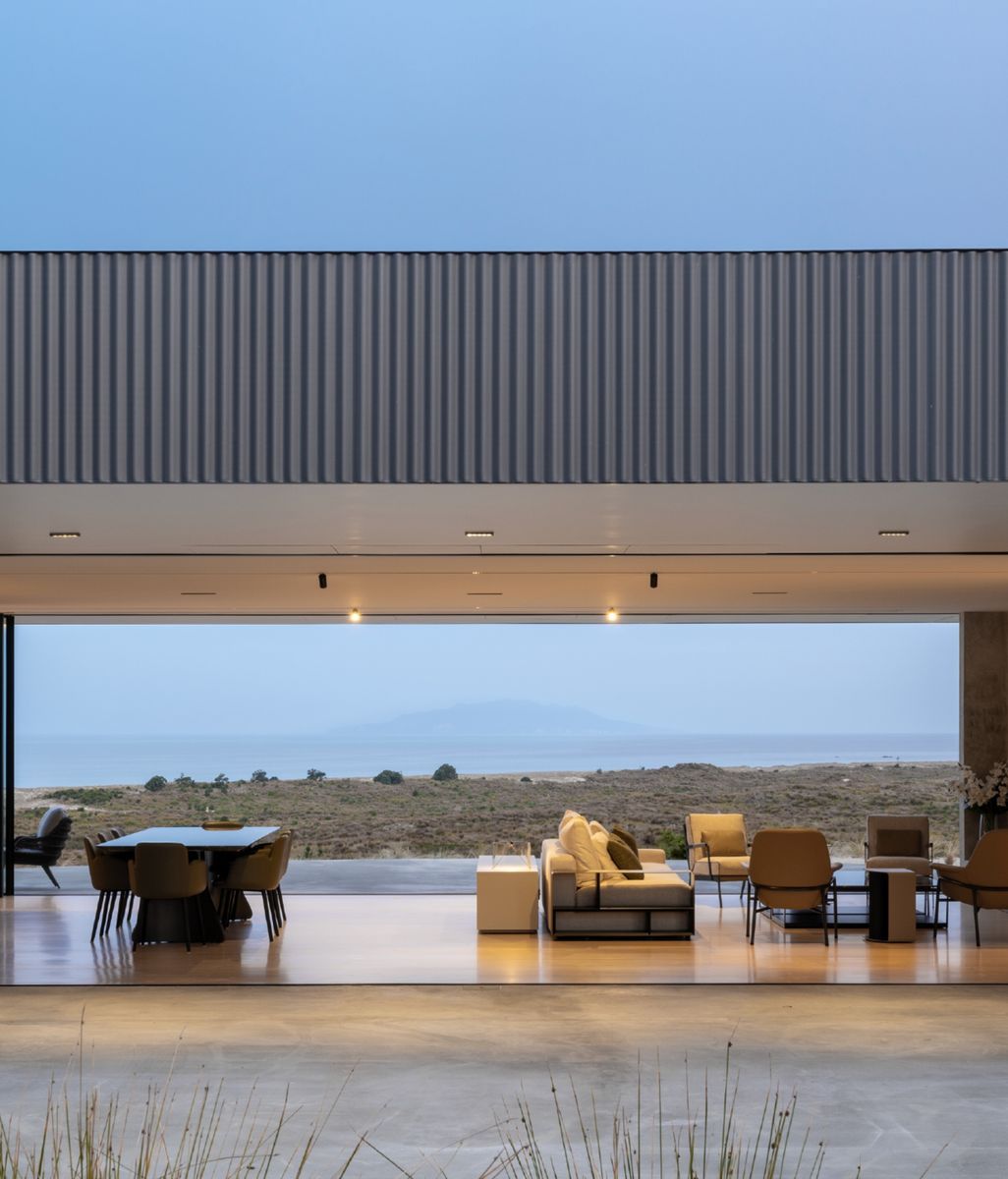
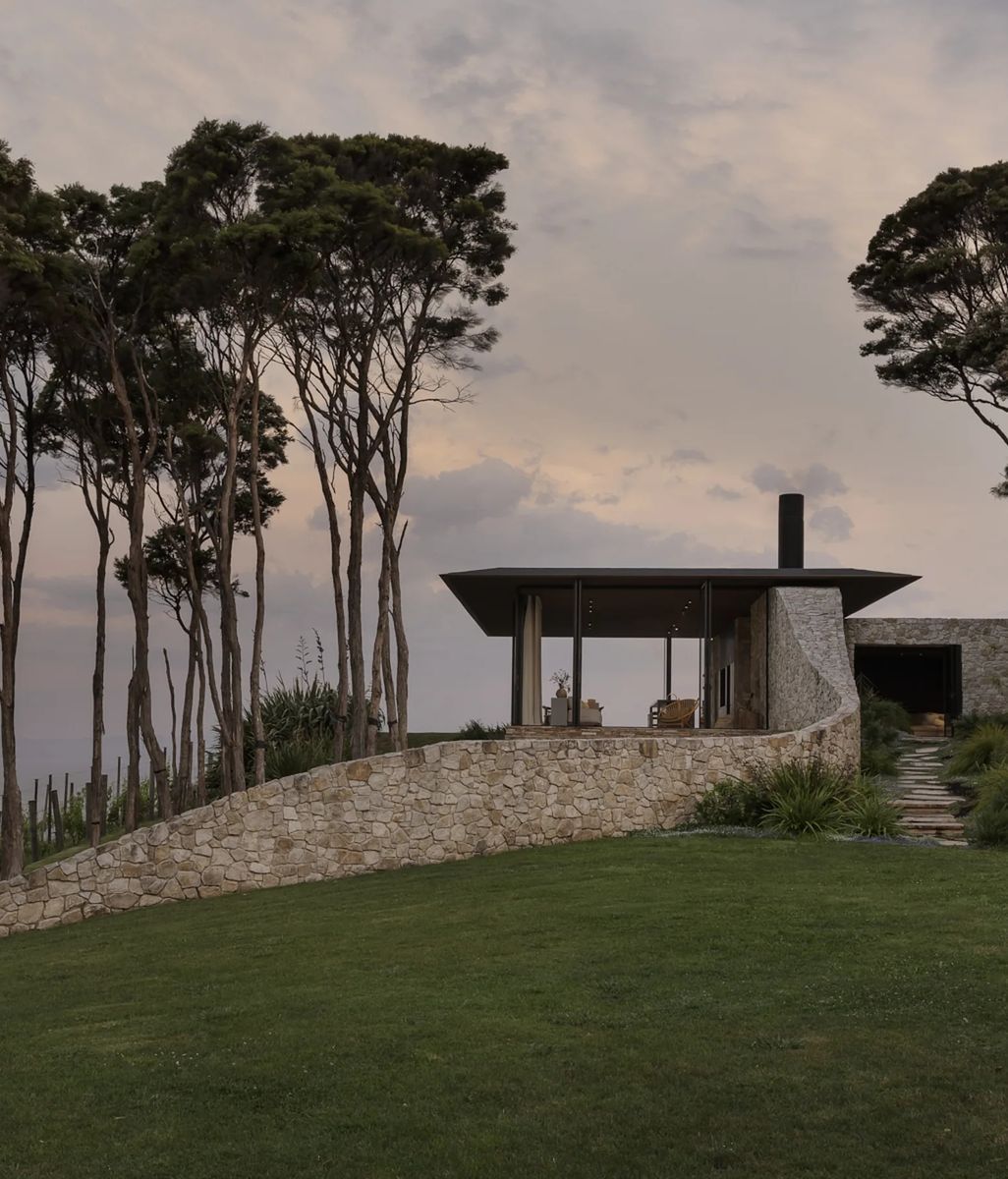
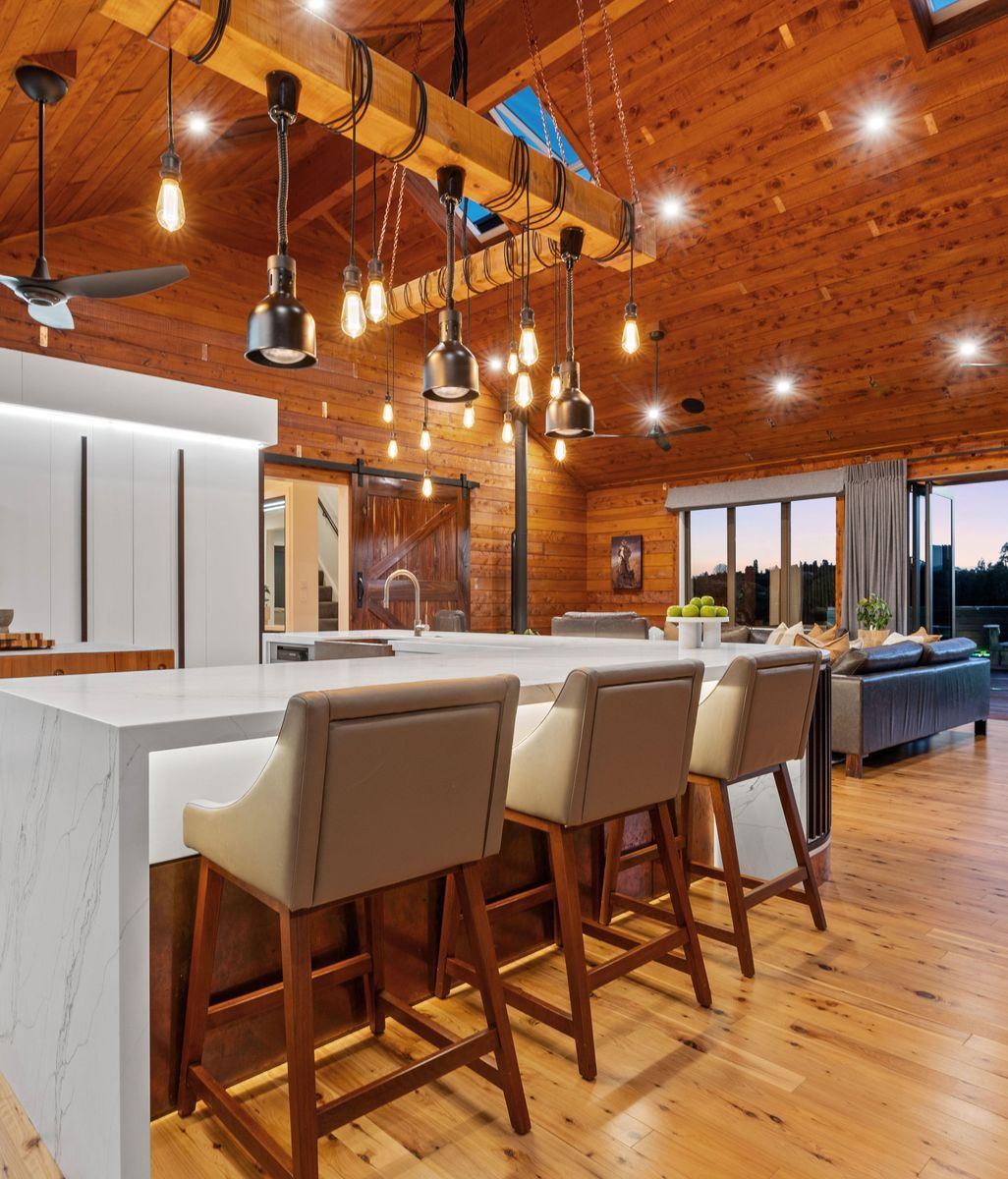
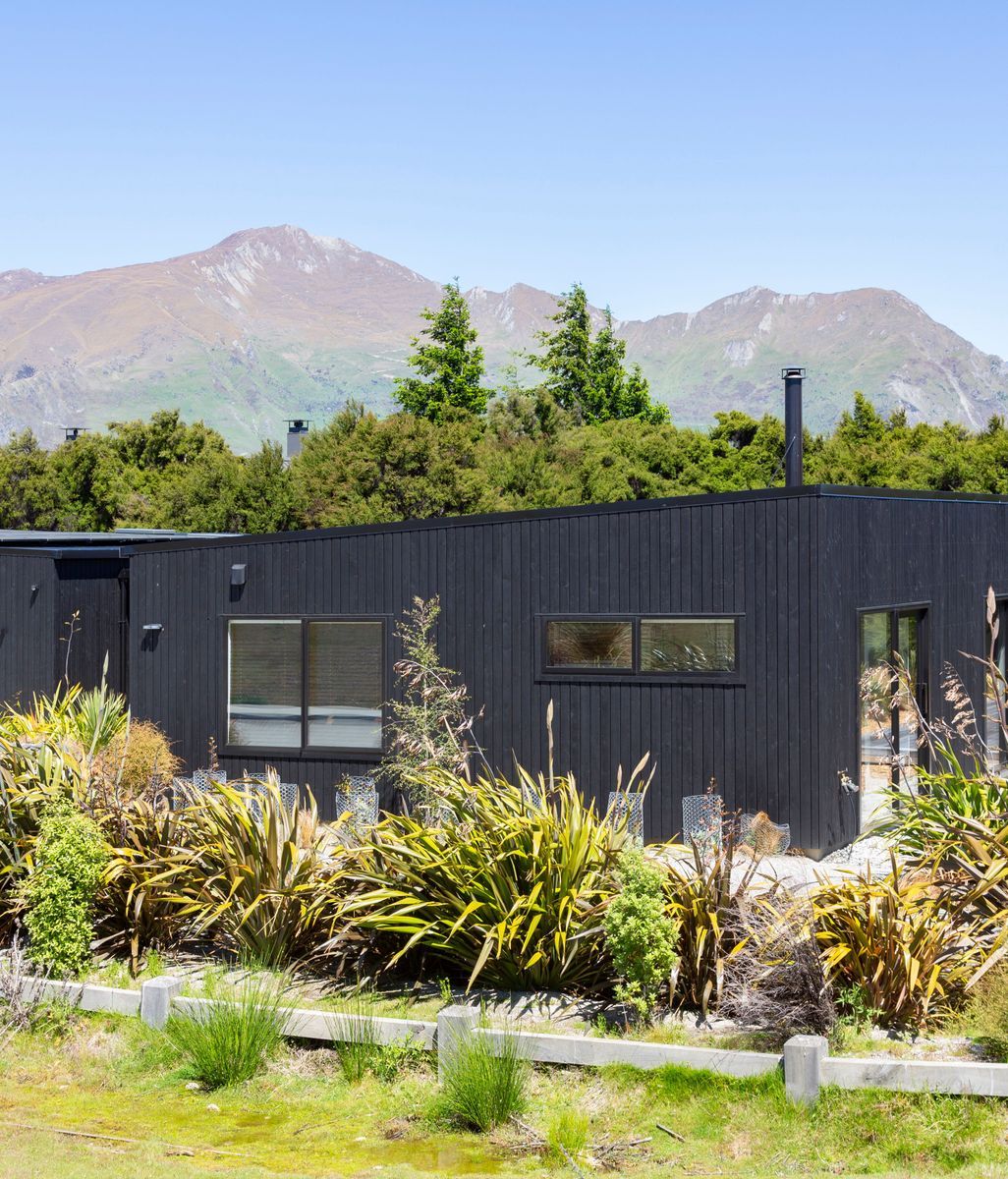
It’s where the craft and performance of Triclad’s products come together. The knowledge and craftsmanship that begins in the workshop directly shapes how the material will live as part of an architectural project, with the character of the timber only the starting point. 

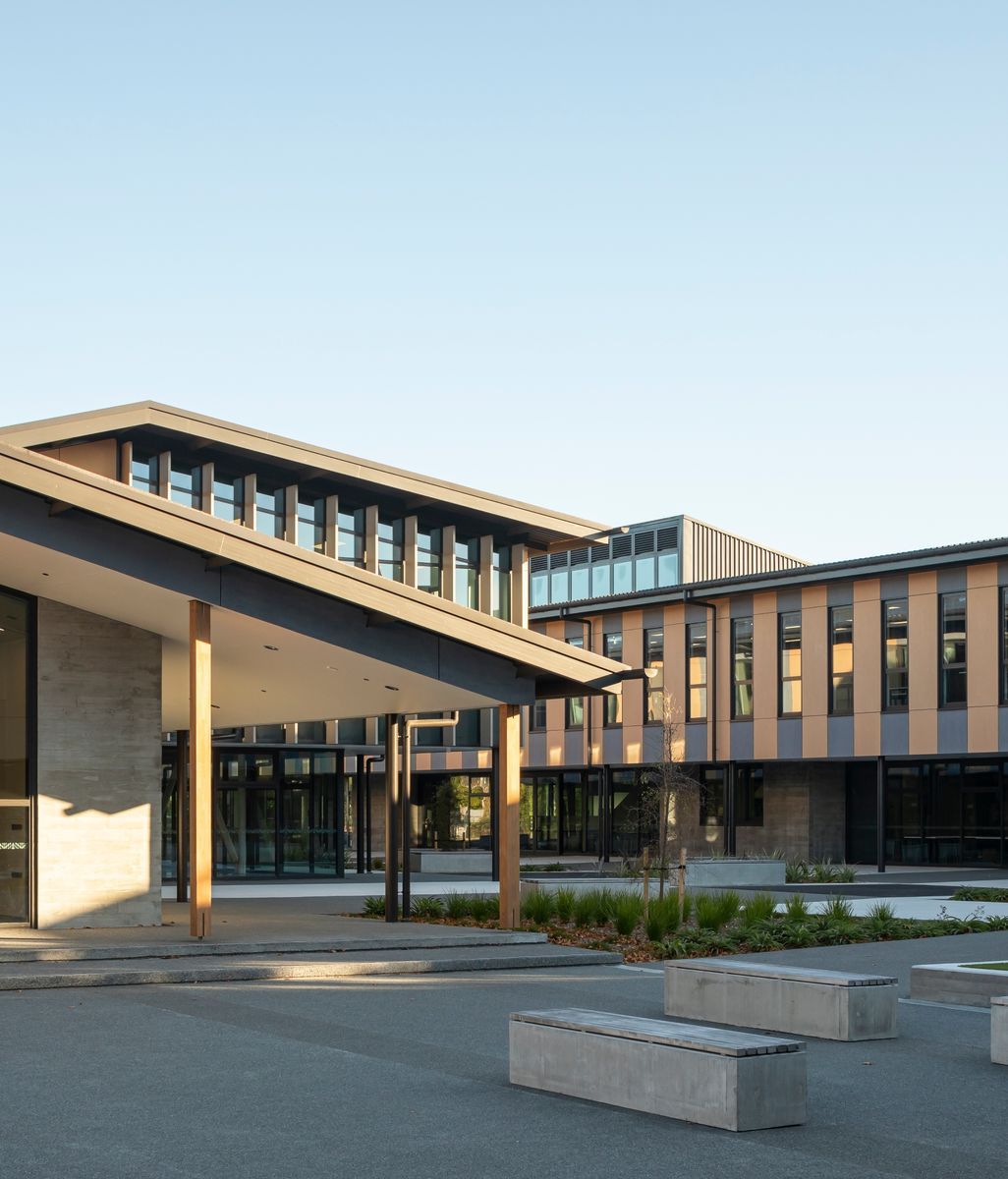
Explore Triclad on ArchiPro and see how architects and designers are using bandsawn cladding to bring depth and tactility to projects across New Zealand.