The outdoor tiling decisions most people make too late
Written by
08 September 2026
•
5 min read
Where will the tile end? What happens when it reaches a step or retaining wall? How should the pool edge be finished? And what colour will a pool tile actually become once it is underwater?
According to Amanda Hellier, Product Manager at Tile Space, these are all details worth considering during the initial tile selection.
“The successful outdoor tile specification is more than just choosing the main tile because you need to think about every place the tile must finish, turn, step down, wrap or meet another surface."
Start with every place the tile has to end
A terrace might appear to require one tile. Look at the plans more closely; this material may also need to meet a pool, wrap a retaining wall, continue over stairs, or transition into another surface.
Each junction requires a different detail. Mapping those moments early means you can consider the right pieces, profiles, and finishes as part of the overall tile selection.

Let the material flow from inside to out
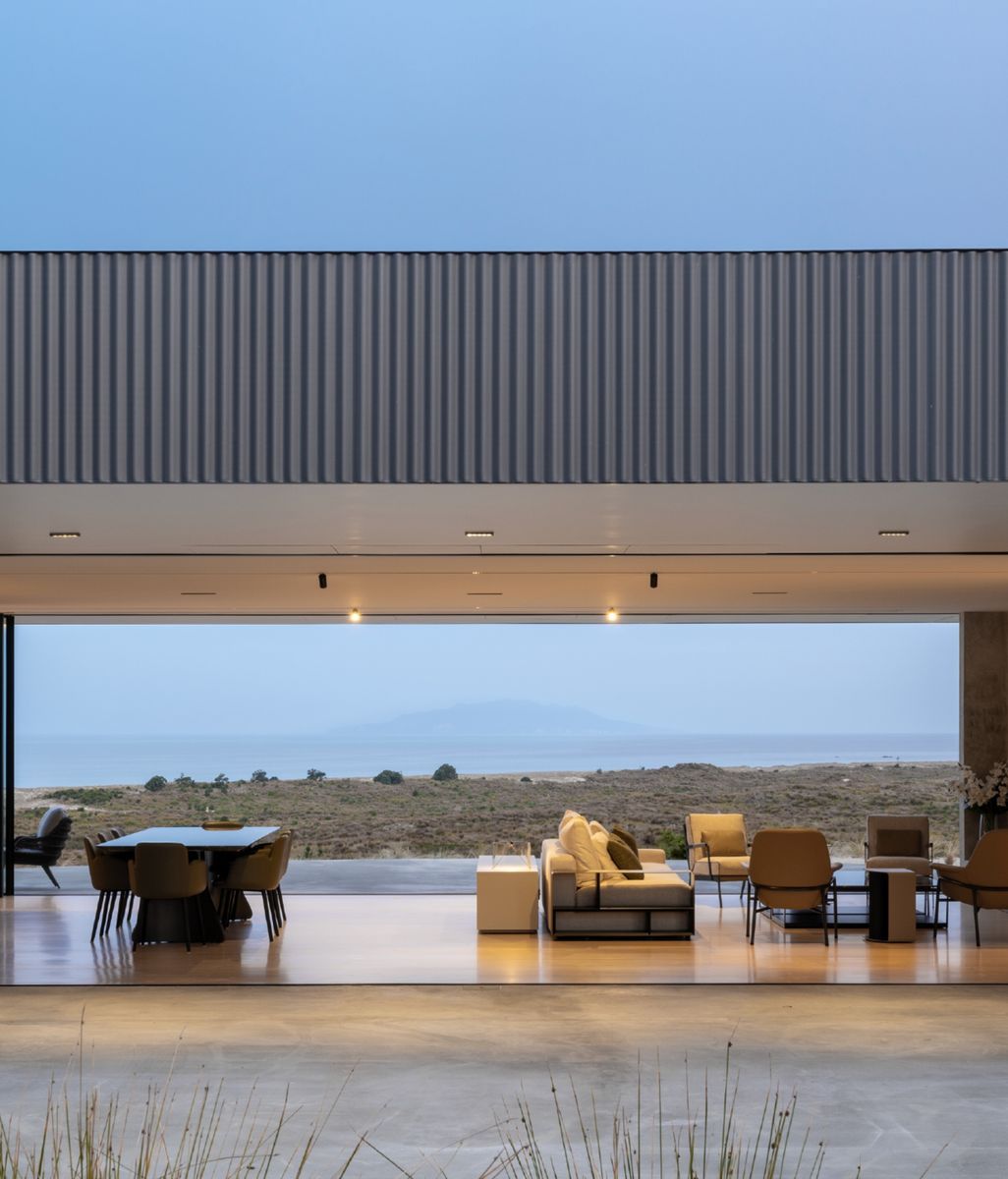
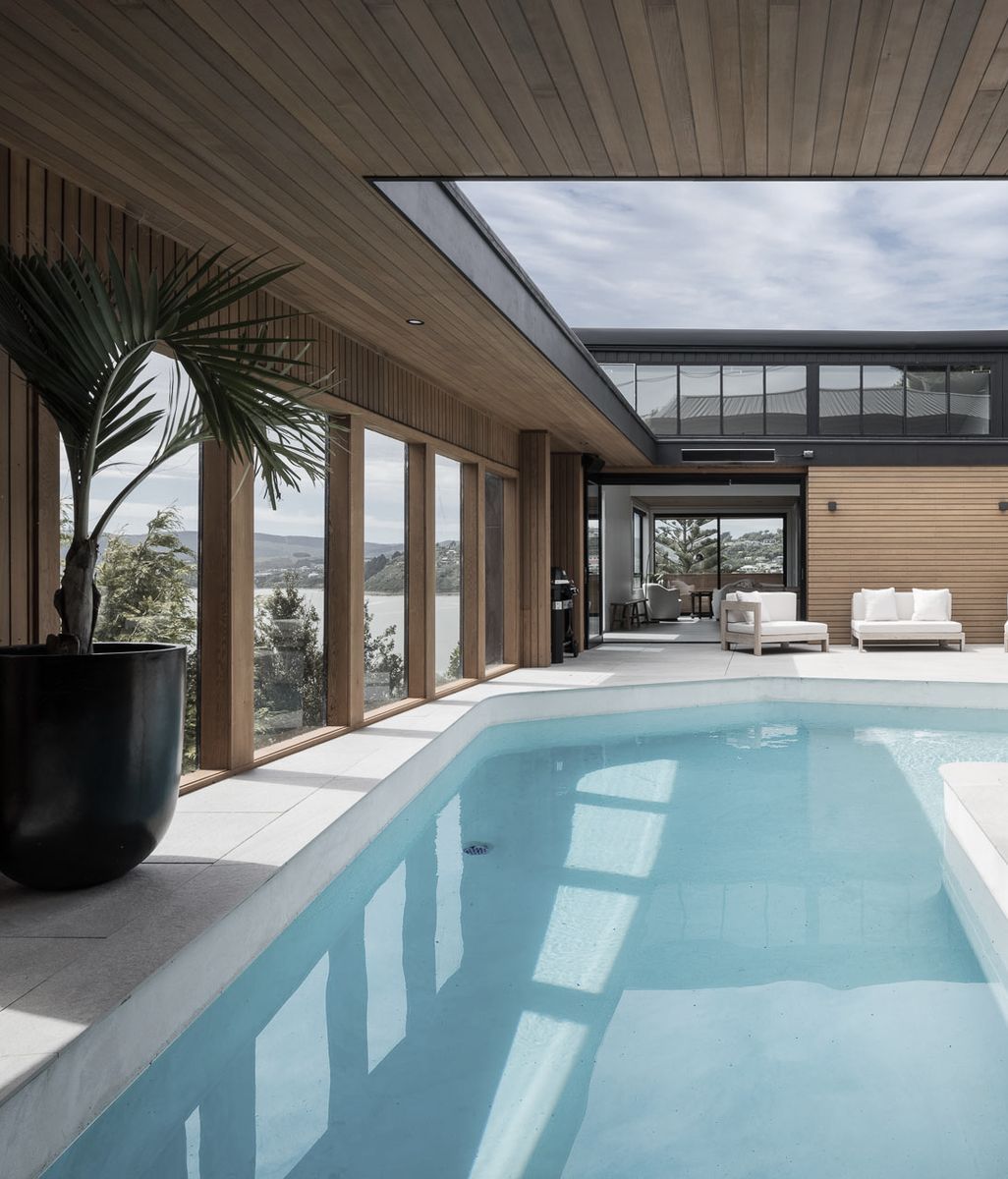
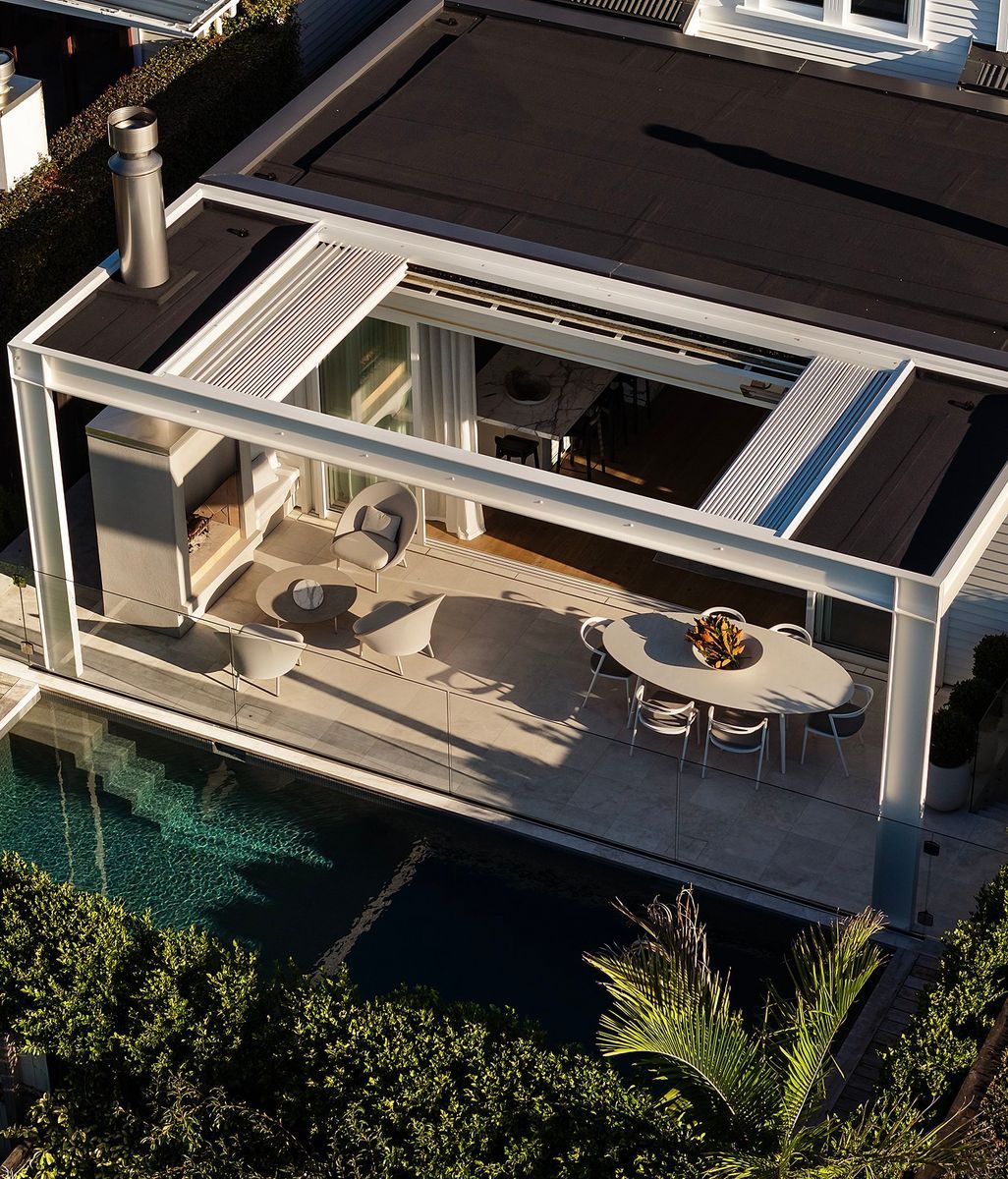
For homes designed to open onto a terrace or pool area, there is often a desire for the floor to appear to continue from inside to out.
Many tile collections are now available in matching indoor and outdoor finishes. A softer finish can be used inside, with a higher-grip version of the same tile continuing outdoors to provide the slip resistance needed around patios, pools and other wet areas.
Tile Space is also seeing large-format tiles paired with matching mosaics, ribbed surfaces and finger tiles from within the same collection. Changes in scale and texture can introduce variation while keeping the overall palette connected.
“I think that’s the key. Every room flows together and needs to include the outdoors because the outdoors is now included as part of the house,” says Amanda.
Design the pool backwards from the water colour
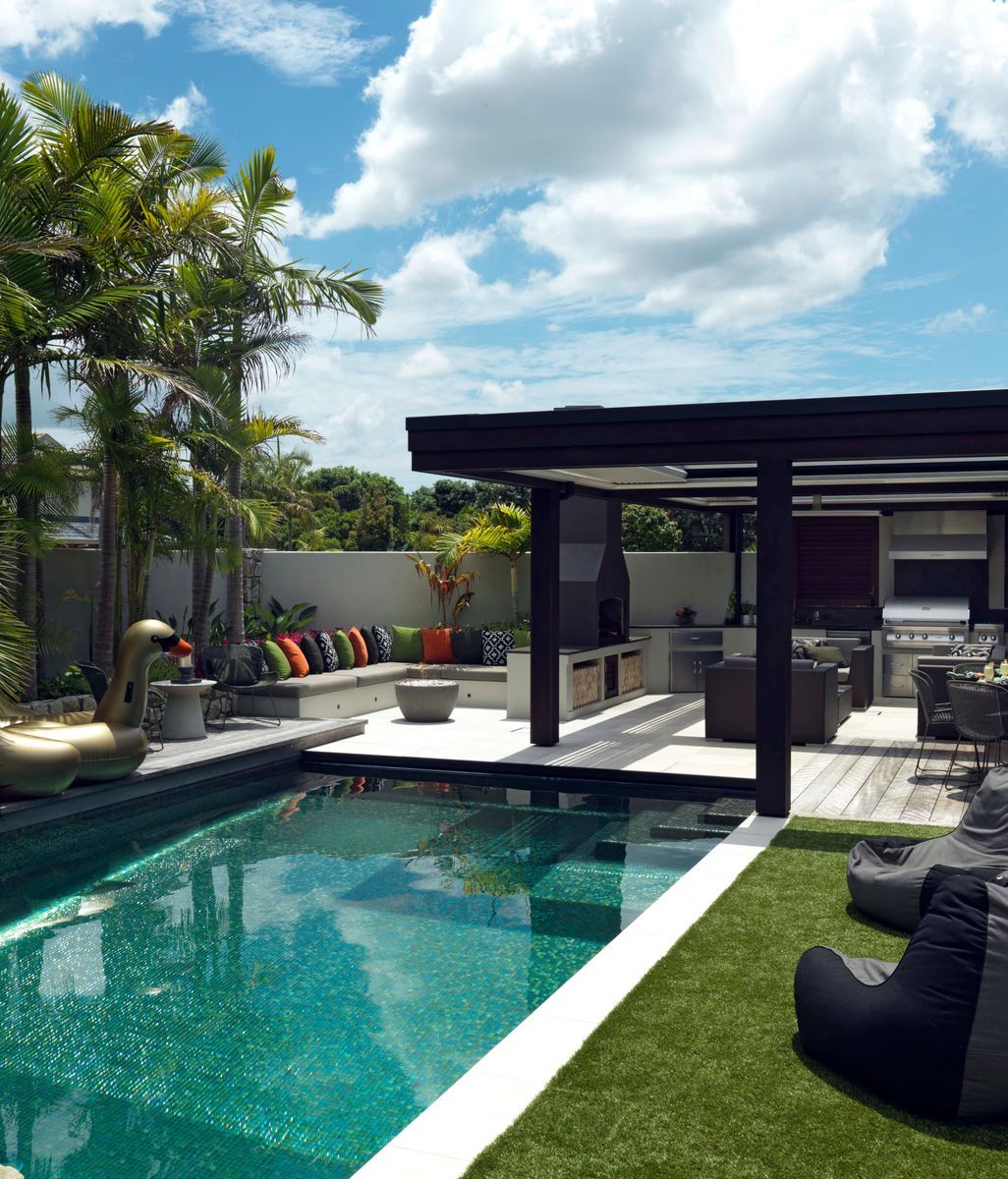
The colour of a pool tile out of water is not necessarily the colour you will see once the pool is filled. Water changes how a tile reads, while the architecture and landscape around it can influence the result too.
“If you want a paler green pool, you don’t choose a green tile, you choose a grey tile,” explains Amanda.
So rather than beginning with the tile colour, begin with the water. What do you actually want the finished pool to look like?
The architecture, landscape, planting and amount of light around the pool can all influence how its colour is perceived. Tile Space is also seeing homeowners move beyond traditional blue pools, with greens, darker tones and more unusual waterline treatments becoming part of the mix.

Consider the pool edge as part of the tile selection
Pool coping is another detail to consider alongside the main tile.
A rounded edge creates a softer finish, while a drop-face profile carries the tile vertically down the pool edge for a sharper, more substantial appearance. More complex conditions may require three-sided coping so the same material can continue around multiple exposed faces.
Tile Space can custom fabricate these profiles from the main paving tile, so the pool edge can be resolved at the same time as the broader tile selection.
“This is all in the planning. We will look at every angle to get a profile manufactured prior to you doing the installation.”
Build the stair details into the tile selection
Outdoor stairs bring their own considerations, including the tread, edge, grip and visual definition.
Tile Space can custom-machine step treads from the selected tile, including micro-grooves and contrasting indicator lines. This allows practical requirements such as grip and visual definition to be incorporated into the broader material selection.
Amanda describes the benefit simply: “It’s planned. It’s not rushed problem-solving.”
A stair tread can then be fabricated alongside the rest of the tile package, helping the material continue consistently across the outdoor space.
Choose outdoor materials with practicality in mind
Around pools and patios, appearance is only part of the tile selection. Slip resistance, maintenance and exposure to the elements matter too.
“We’re doing a lot of grip finishes for slip resistance around pools and patios. We do a lot of porcelain because porcelain is so easy to maintain.”
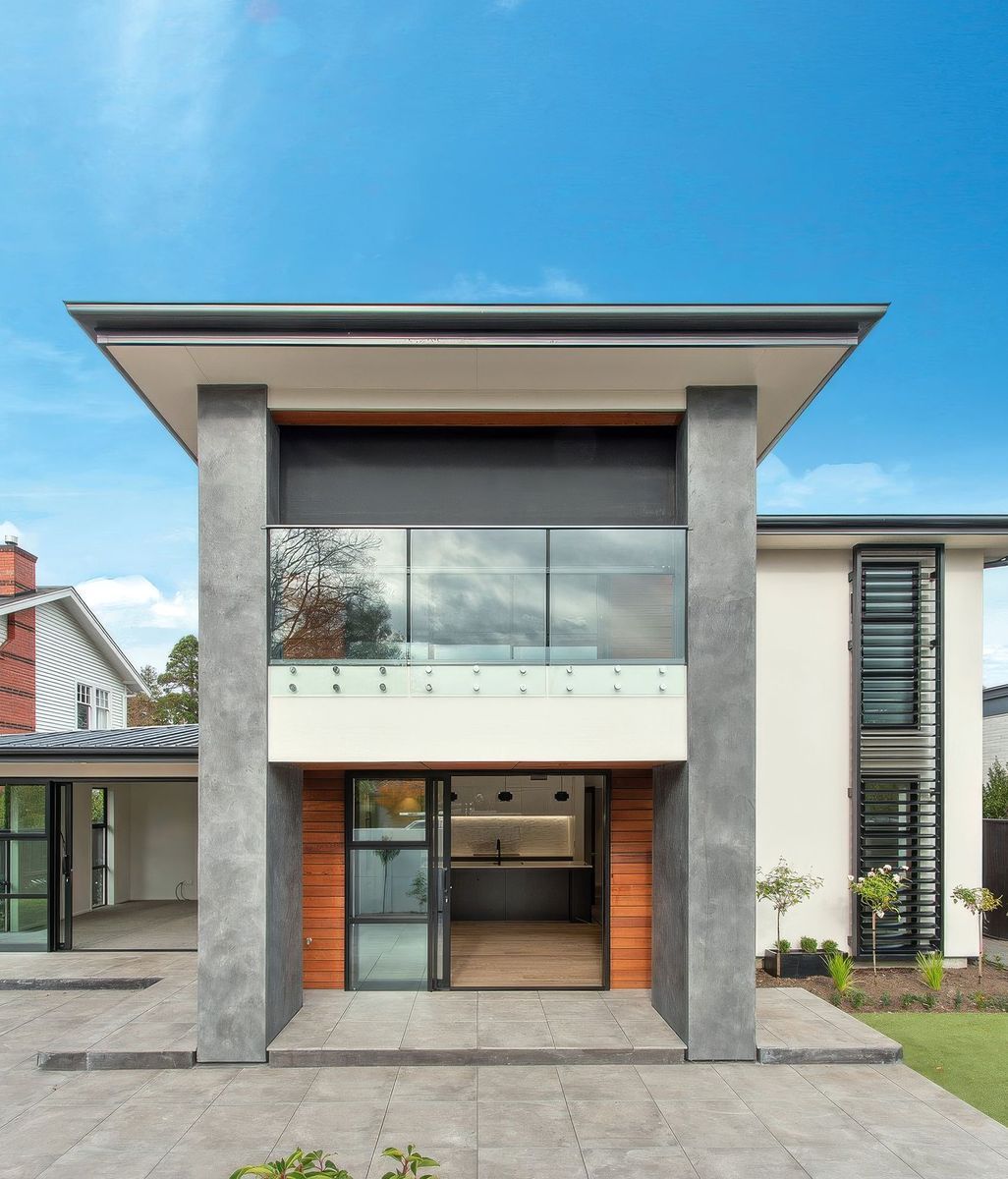
For homeowners drawn to natural stone, stone-look porcelain can offer the warmth and variation of materials such as travertine and limestone with fewer maintenance requirements. Concrete-look finishes remain popular for more contemporary architectural homes.
The breadth of outdoor finishes gives homeowners more scope to balance the appearance they want with the way the surface needs to perform.

Bring your plans into the tile conversation
The earlier Tile Space can understand the whole project, the more useful the tile conversation can become. Amanda encourages homeowners to bring whatever helps communicate what they are trying to achieve.
“Have you got photos? Have you seen things online that you really like?’ We put together Pinterest boards for people to show them different solutions.”
Plans add another layer, revealing stairs, retaining walls, pool edges, changes in level, and transitions that shape what is ultimately required.
As Amanda says, “We encourage homeowners to show us the plans, and we can tell them what they need and what we can do.”
From there, the conversation can move beyond finding a tile you like to exploring how that material can work across the whole outdoor space.
Outdoor tiling may start with finding a tile you love. Thinking through the details early gives you more opportunity to carry this choice through beautifully, from the main surface to the very last edge.