Using a seven day household diary to brief the design of your home

featuring Modal Architecture

Modal Architecture logo
  • 13.2K profile views
  • 4 saves

A week of ordinary routines can reveal what your future home needs more clearly than a folder of reference images. Record activities, interruptions and small frustrations.

Visit Website
Developing architectural layouts at Modal Architecture. Image credit: Modal Architecture.

A useful home brief describes how you want to live. A seven day household diary helps turn that broad ambition into specific information a designer can use.

You do not need to record every movement. A few observations each morning and evening are enough to reveal repeated patterns, particularly when several people share the house.

Record the activity and its setting

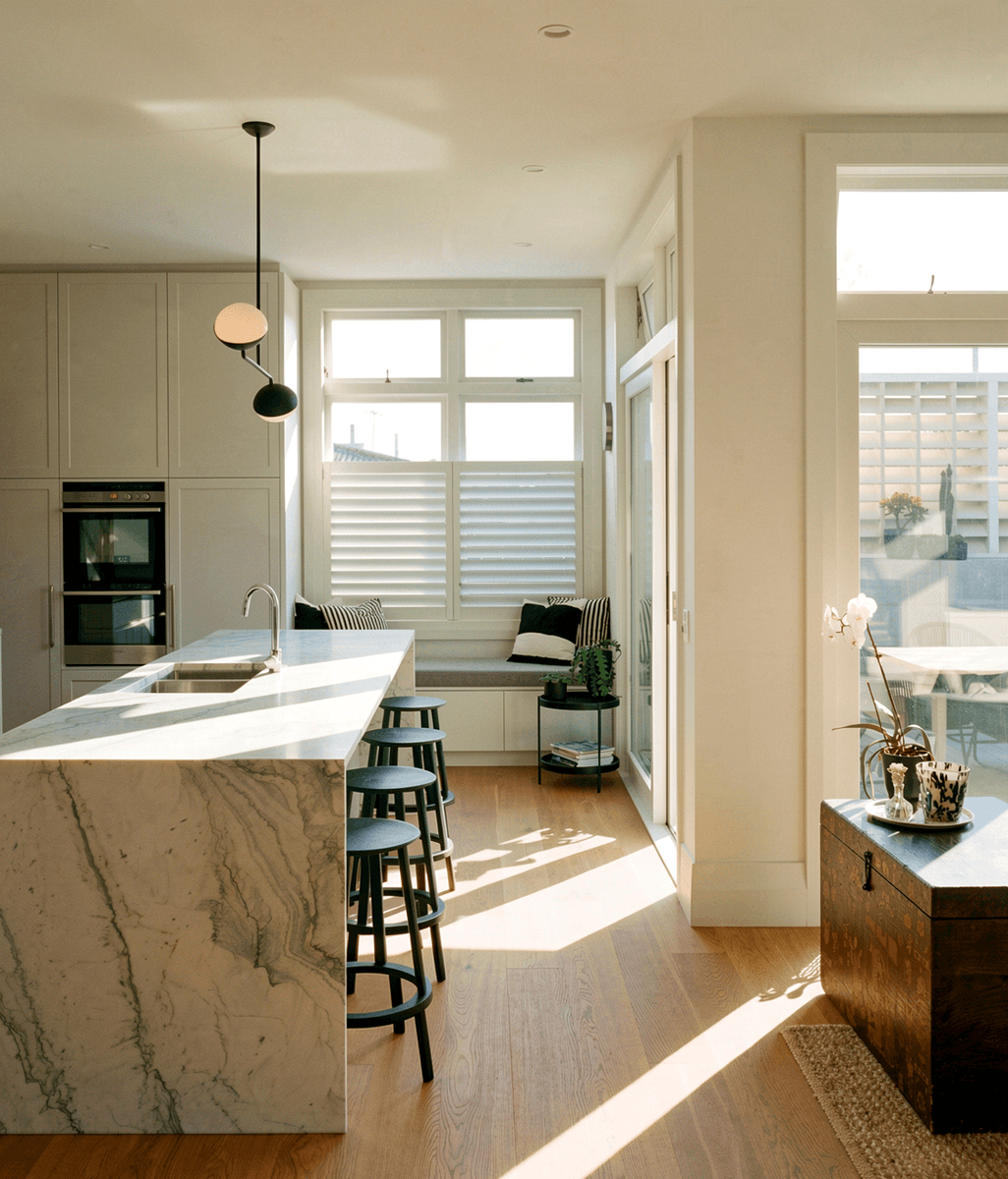
Note what happened, where it happened and who else was using the space. For example: “Two people made breakfast while someone packed school bags at the kitchen bench.” Then record what worked or caused friction.

Keep observations separate from solutions. “The bags blocked the bench” is useful evidence. “We need a larger kitchen” is only one possible response. An entrance cupboard or a different morning route may address the same issue.

Include the things that are easy to overlook

Notice arrivals, washing, deliveries, rubbish, charging devices and storing equipment. Record where you put objects temporarily. Those temporary places often reveal a missing part of the plan.

Include quiet activities too. Where does someone read, take a private call or recover from a busy day? If the only answer is a bedroom, consider whether that is a preference or a compromise.

Use the weekend to test another pattern

A home that works on a weekday may struggle when guests visit or everyone stays indoors. Record how cooking, conversation, hobbies and rest overlap. Add occasional events that the particular week did not include, such as relatives staying or working from home together.

Mark these as occasional requirements. Designing the whole house around an event that happens twice a year may create compromises for the other days.

Turn the diary into priorities

At the end of the week, identify three things the new design must improve and three qualities you want to retain. These could be a sunny breakfast spot, a view from the kitchen or the ability to close a door between noisy and quiet activities.

Discuss differences between household members rather than averaging them away. One person may want connection while another needs separation at a particular time. Architecture can often support both when the need is understood.

Bring the diary to the early stages of Modal’s design process. Whether you are planning a new home or a renovation, it provides a practical foundation for a brief shaped around your life rather than a generic room list.

Cover: Developing architectural layouts at Modal Architecture. Image credit: Modal Architecture.

Discover More Readingin Design process