Building a practice on bold ideas and shared ambition
Written by
20 July 2026
•
6 min read


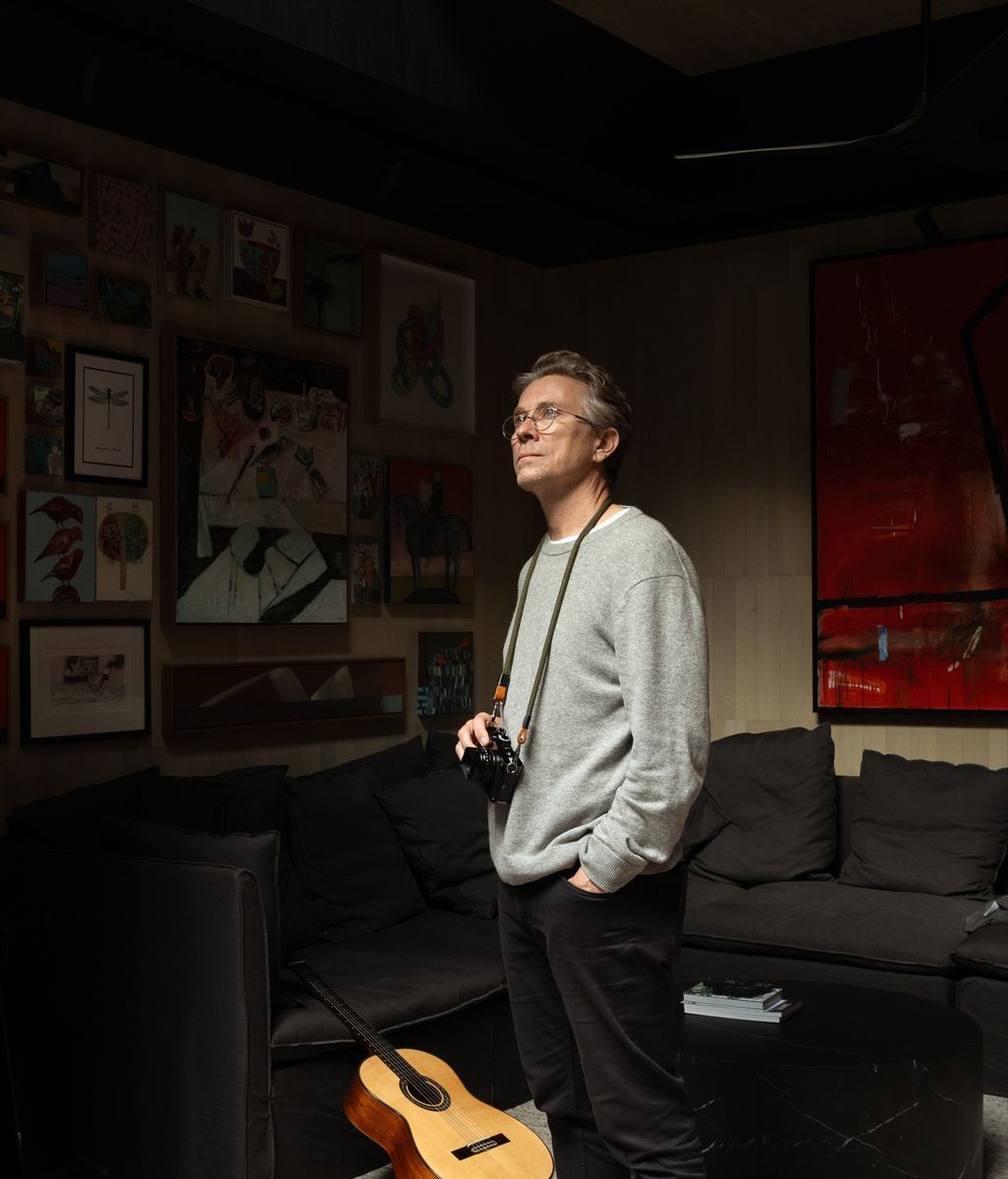
Roberts Gray Architects didn't begin the way many young practices do. There were no kitchen renovations, no gradual progression through bathroom upgrades and small residential additions. By the time the three founders decided to strike out on their own, they were no longer fresh graduates testing the waters. They had young families, mortgages and established careers working in leading practices across New Zealand and Australia. Whatever came next needed to support not just one architect, but three.
That made the opportunity that arrived all the more significant.
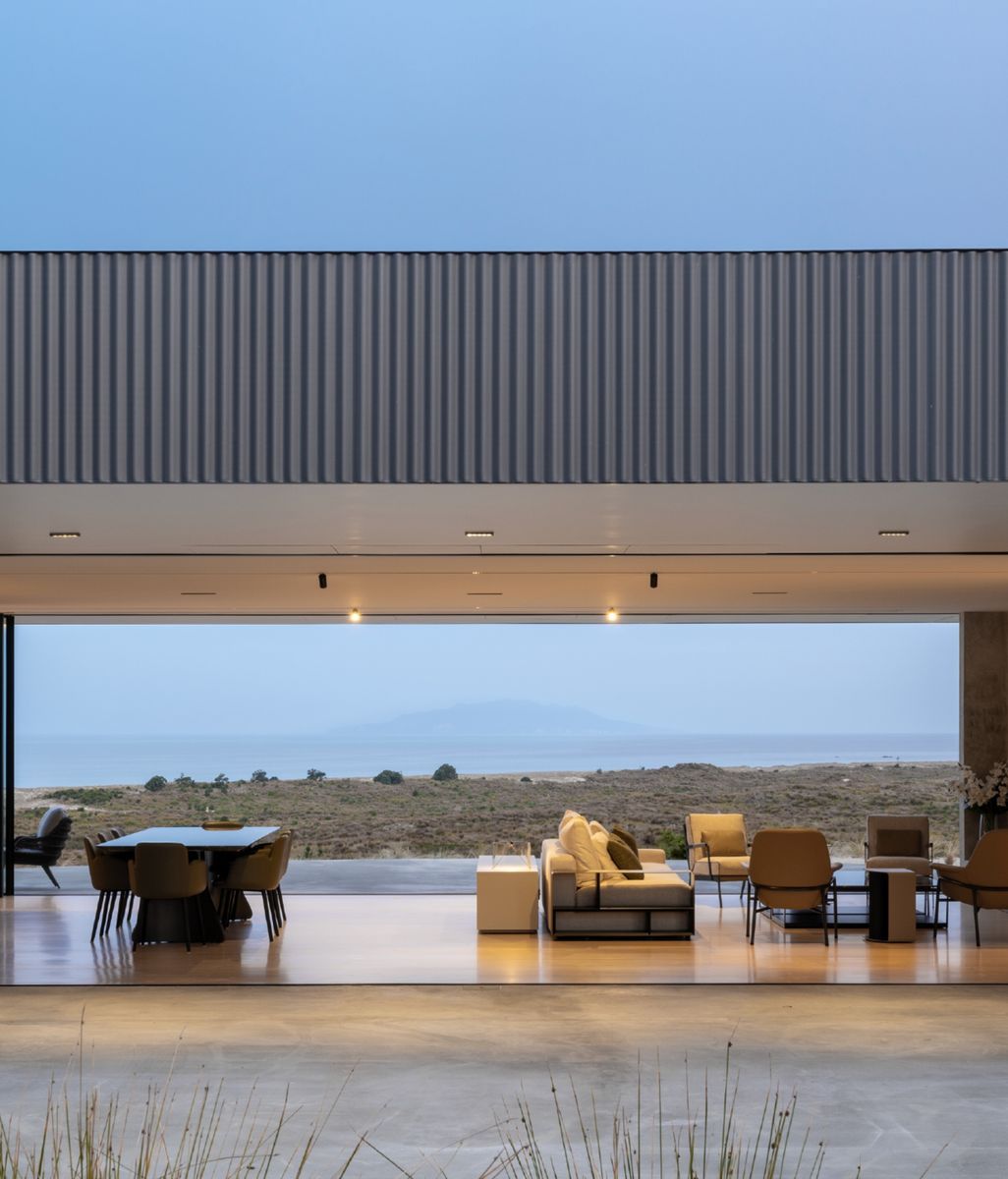
A prospective client approached them to prepare a concept design for a beach house at Te Arai. It wasn't yet a commission, simply an invitation to explore what the project could become. If the client chose another architect, they would all return to their day jobs. If the design resonated, it would become the foundation for the practice they had been talking about since their university days.
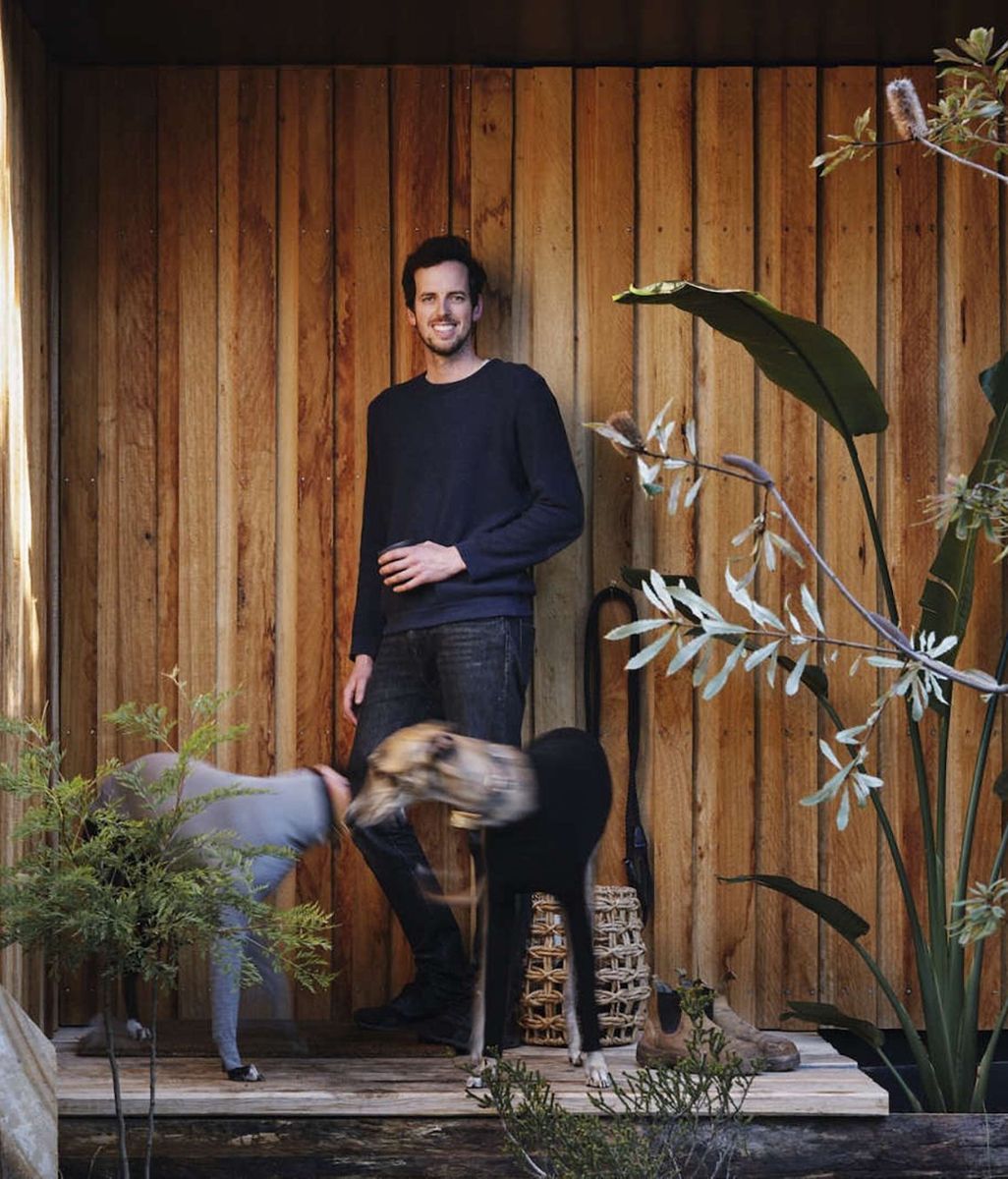
"The pitch could have gone either way," recalls director Nick Roberts. “But if we did land it, it really gave us the grounding to start the practice."
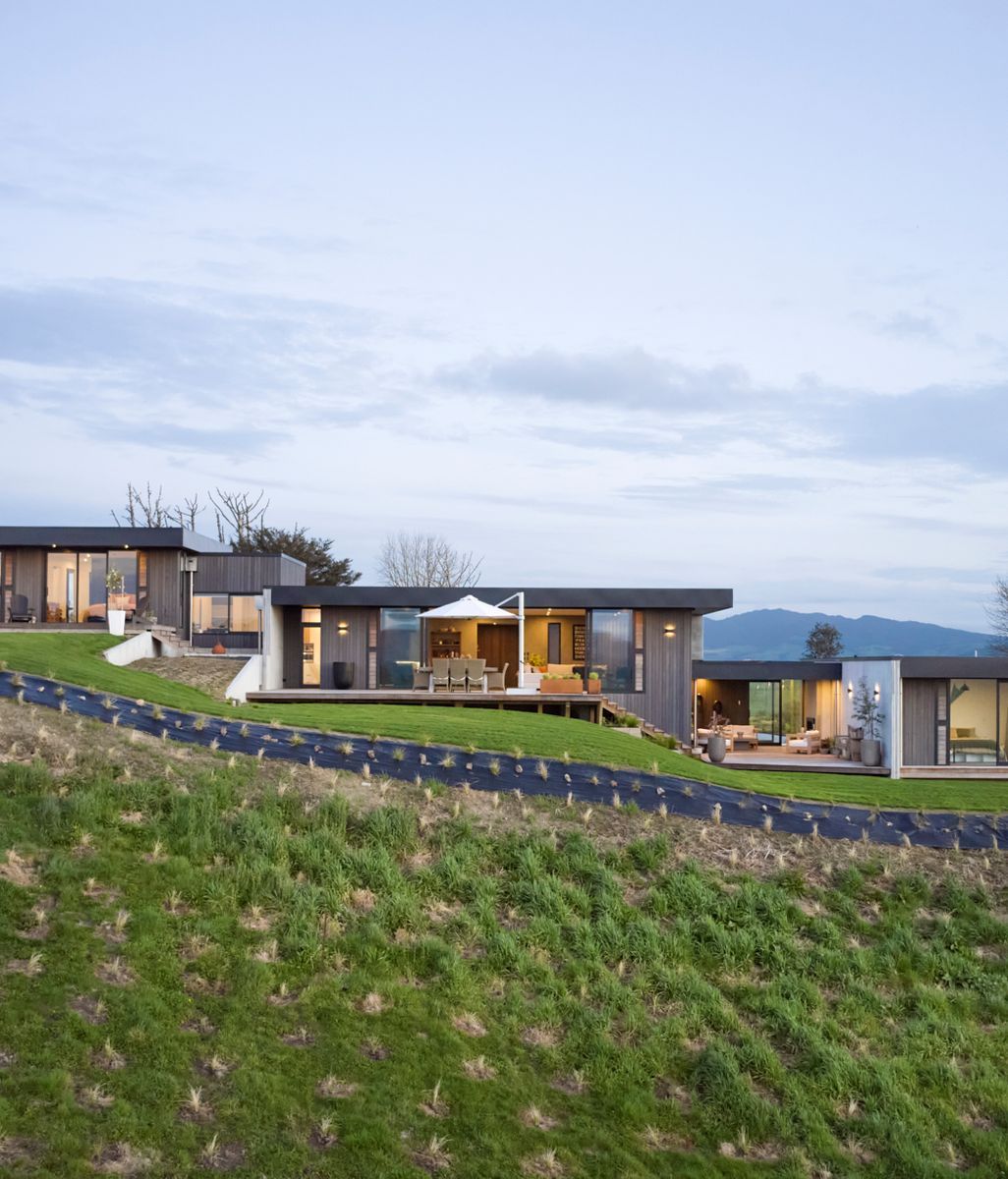
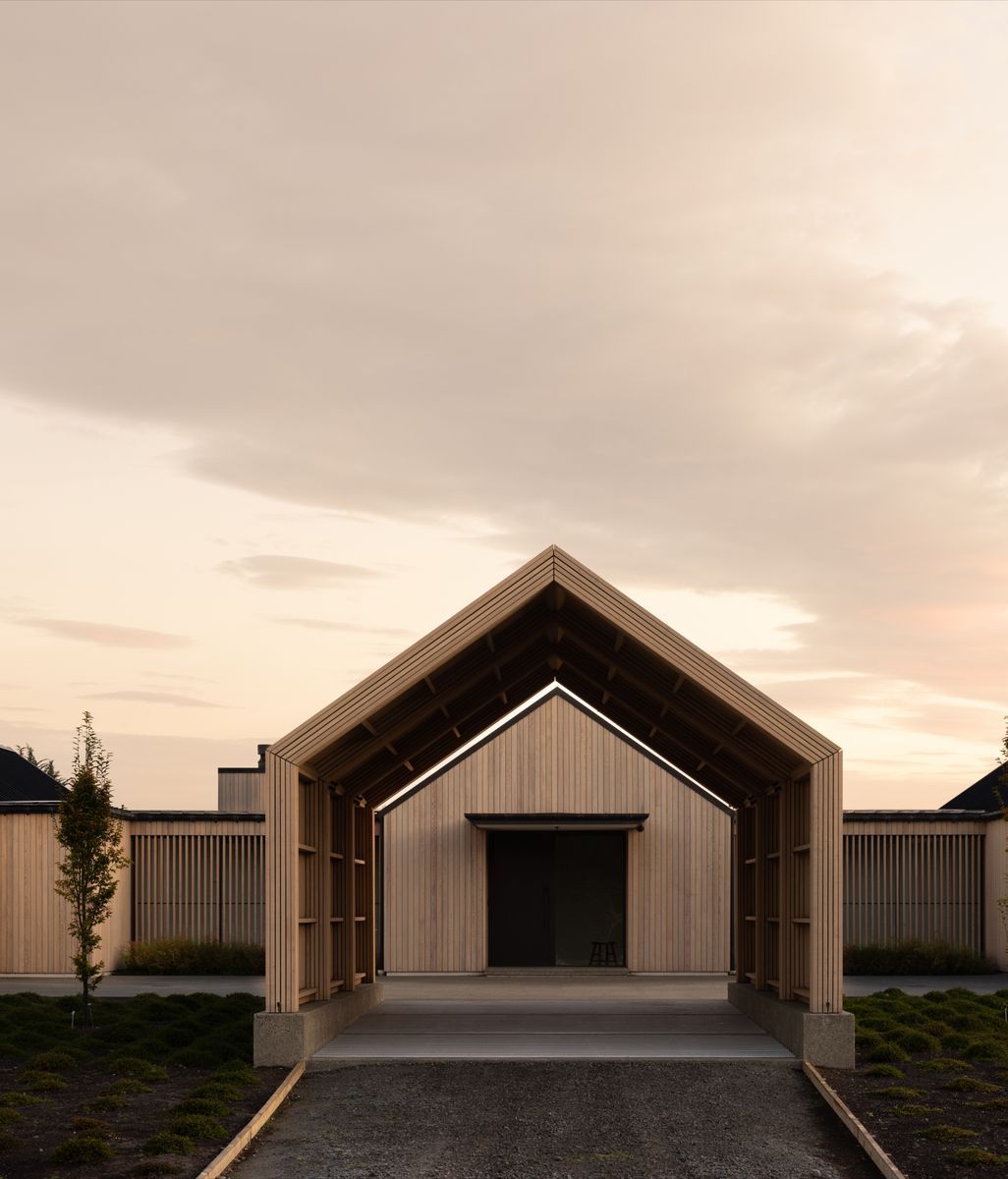
Five years later, that Te Arai home is approaching completion, while Roberts Gray has grown into a seven-person studio producing thoughtfully crafted architecture across New Zealand.
The seed for the practice itself, however, came much earlier. The three directors first met while studying architecture at Victoria University of Wellington. Although their careers took them in different directions, the conversation about one day building a practice together never disappeared.
"Jimmy and I married and we all worked for other practices and spent time overseas,” says architect Elspeth Gray, “but we maintained our friendship and a dialogue about the potential to set up a practice in the future. Then the stars aligned."
That long friendship continues to shape the way the studio works today. Rather than pursuing a singular design voice, the directors actively embrace the different perspectives each person brings to every project.
"We really lean into the fact that the three of us bring different layers to a project," says Roberts. "Good architecture requires different voices to be present in the finished object."

Each project begins by examining the conventional response before asking whether there might be a better one. Sometimes that means challenging accepted planning ideas, and sometimes it means rethinking materials or construction. Other times it simply means uncovering an opportunity hidden within the client's brief.
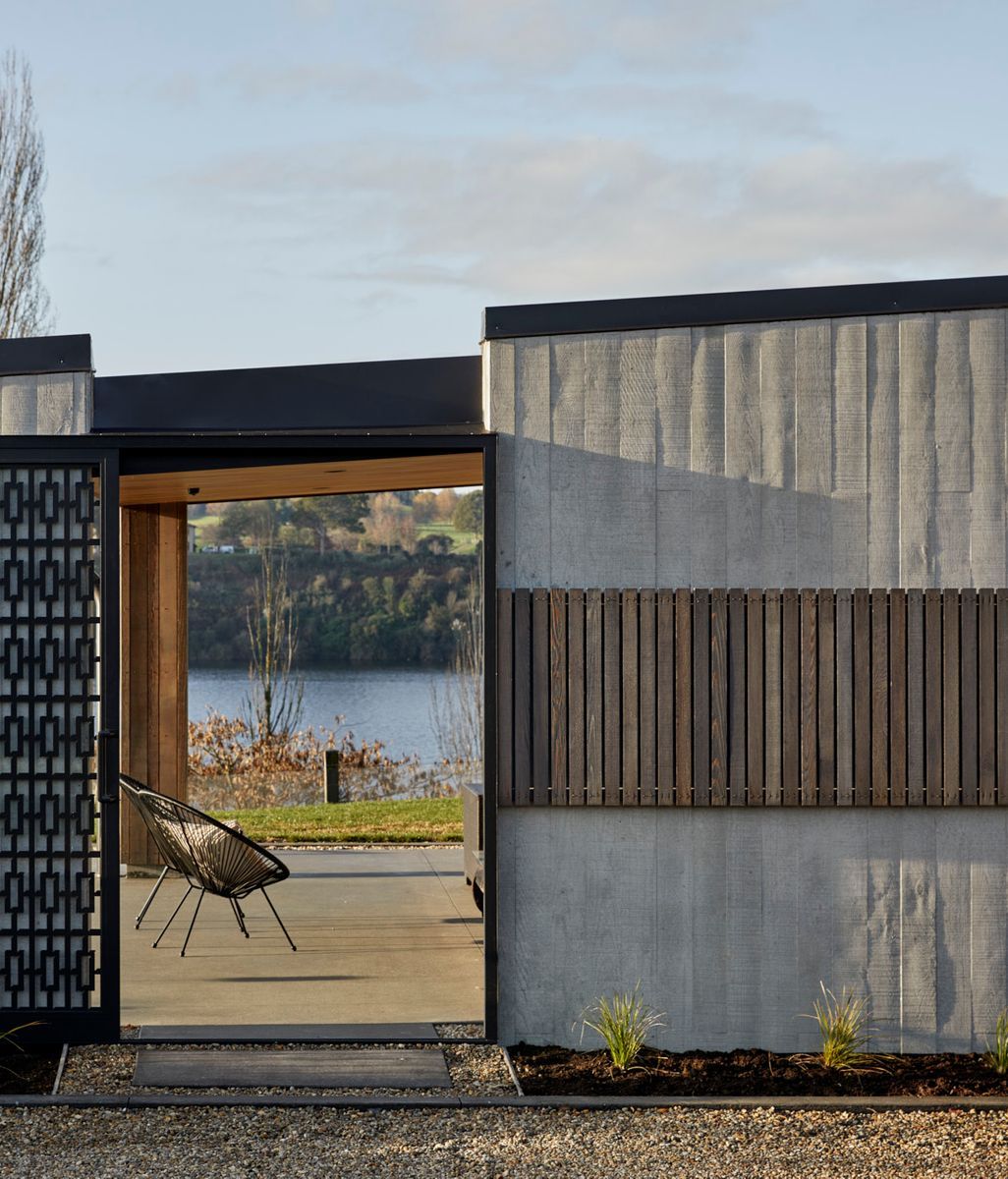
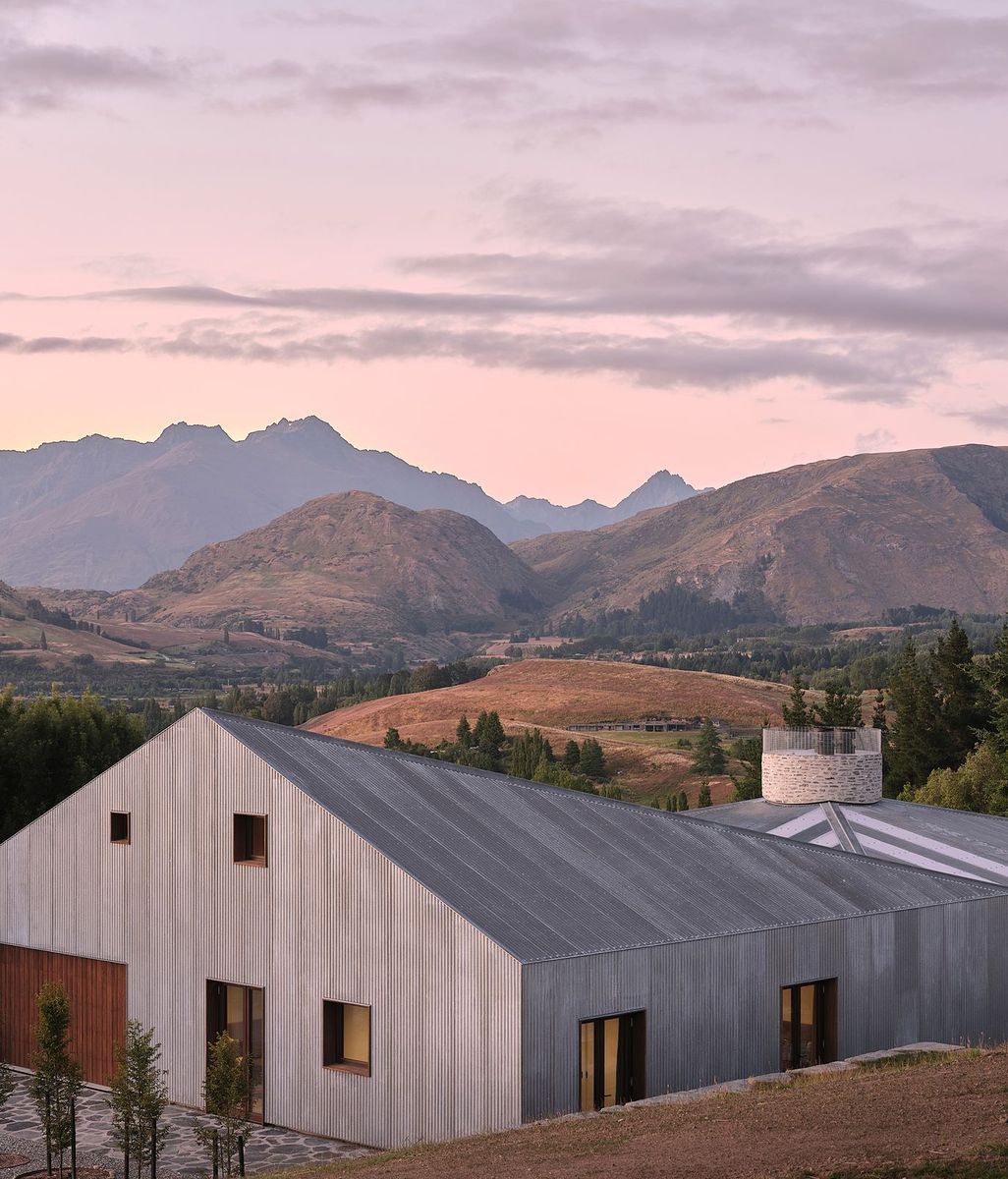
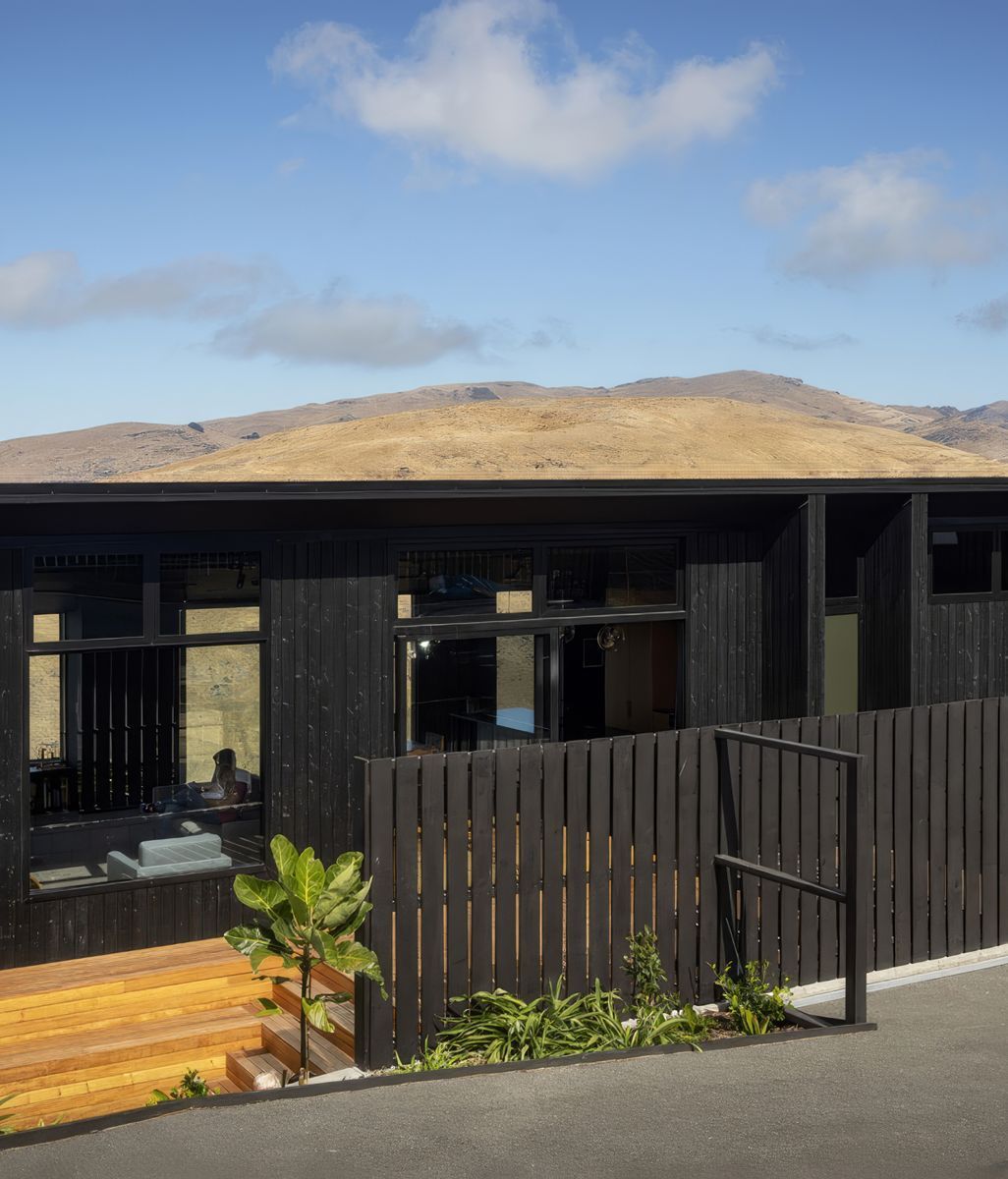
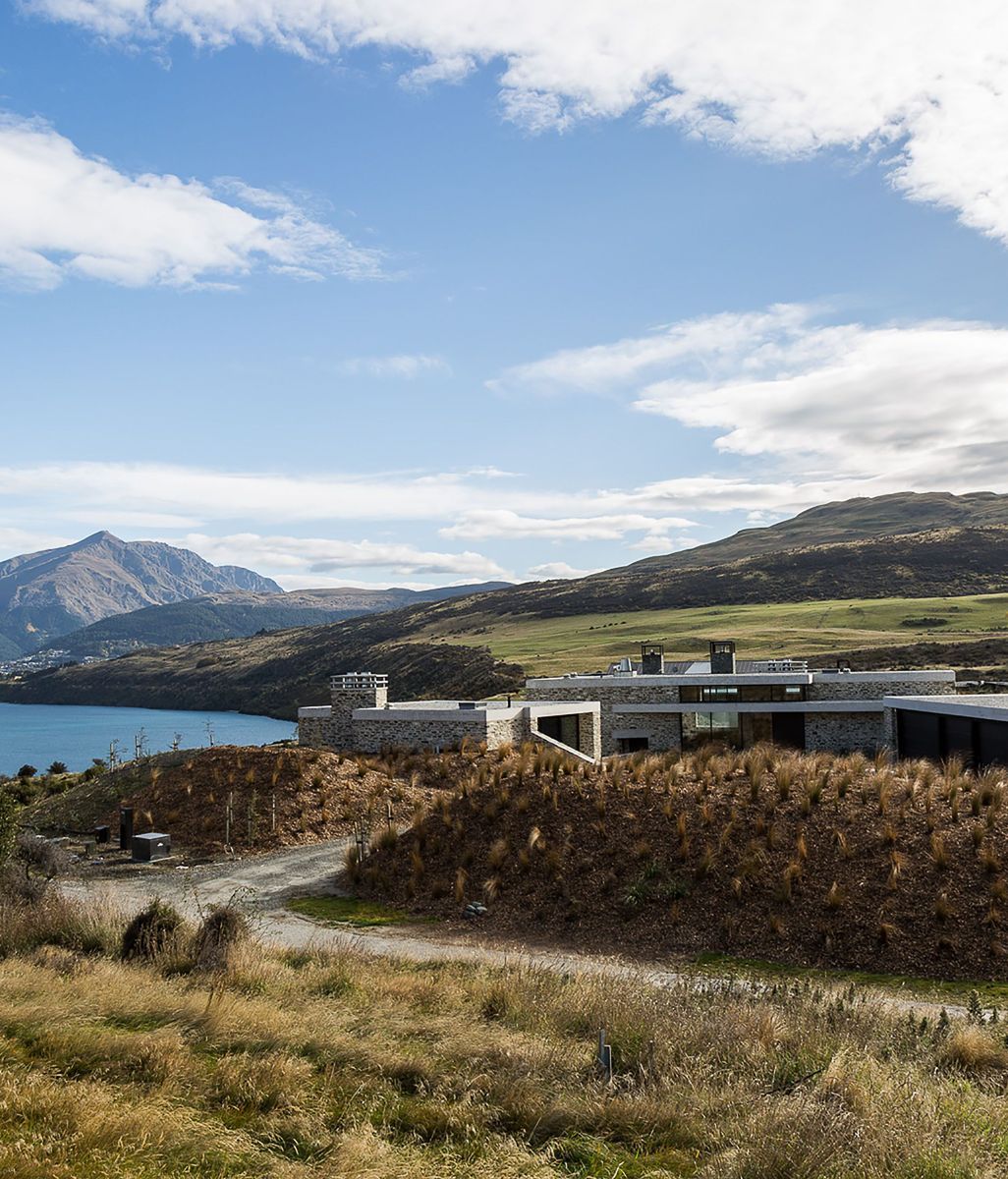
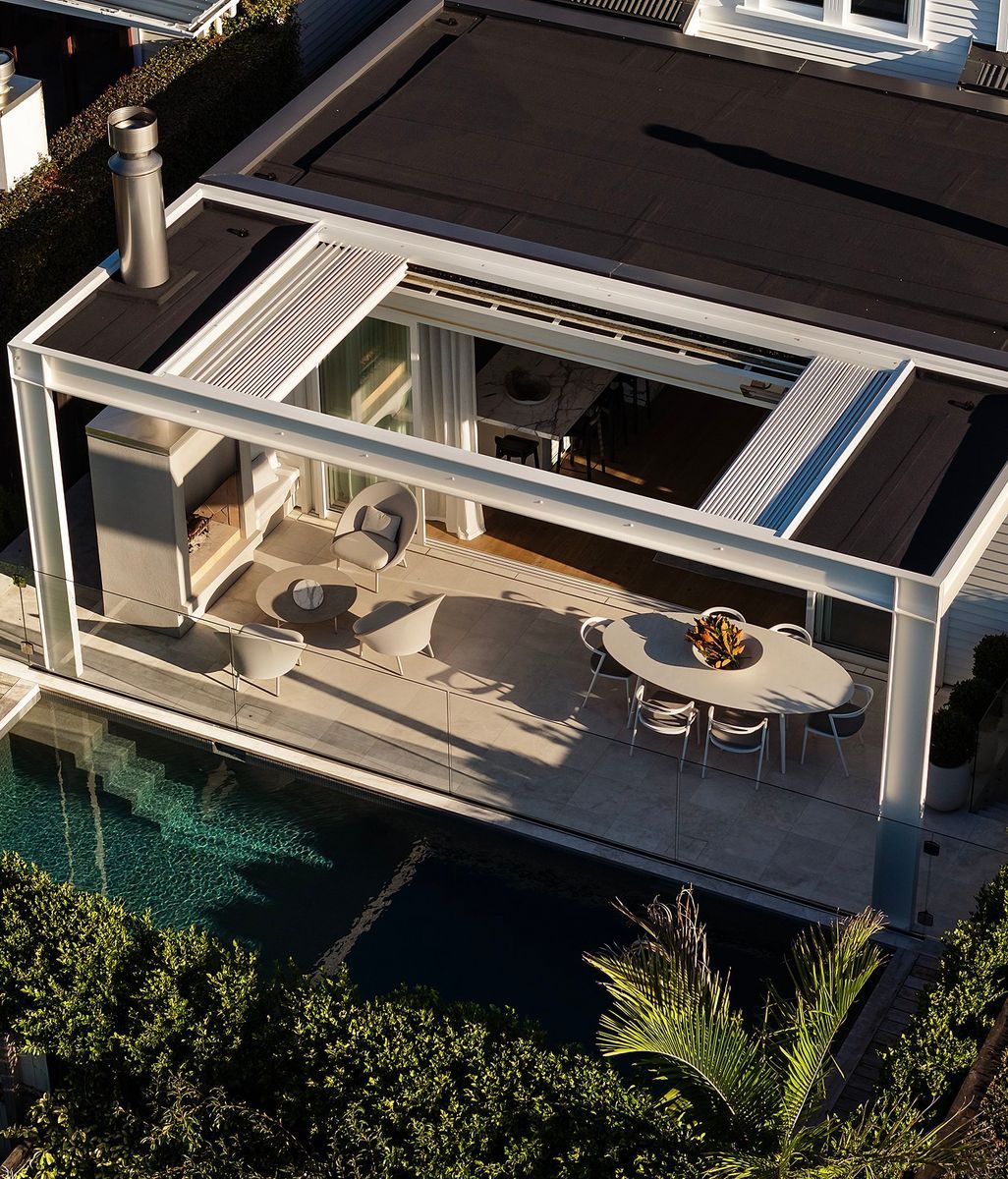
That balance between originality and context has become something of a hallmark for the practice. Their buildings often feel surprising on first encounter, yet entirely natural once experienced.
"We want to design buildings that look both fresh in their setting, but highly responsive to it at the same time," Roberts says. "The connection between the parts and the whole is really important in our work."
While every project is intentionally distinct, there are shared qualities that unite the studio's portfolio.
"I think the commonality is that each project is dense with ideas, but executed with complete clarity and precision," Roberts says.
For architect Jimmy Gray, avoiding repetition is equally important.
"We're always interested in exploring a new avenue on a project," he says. "It doesn't necessarily translate to work that looks similar, but there's enough common ground to create a feeling of continuity across the work."
Just as collaborative is the way Roberts Gray works with its clients. Rather than imposing a fixed design process, the team adapts to the people sitting across the table. Some clients arrive with extensive construction experience, while others are embarking on their first building project. The architects see understanding those personalities as just as important as understanding the site itself.
"It's about reading them as people," Roberts says. "Understanding the level of communication they're after, giving support where it's needed and freedom where it's appropriate."


The relationship extends well beyond concept design. Clients remain closely involved through the detailed design process, from kitchens and cabinetry through to the smallest functional decisions.
"It's giving them confidence that the building will continue to be refined at a high level, both visually and verbally, across all project stages," Roberts says.
Importantly, Roberts Gray sees feedback not as a challenge to the design process but as an essential part of it.
"We design for them and we design for ourselves," says Jimmy Gray. "Clients often identify an issue they're having, even if they don't know the solution. That's a really great opportunity for us to rethink the planning."
Roberts adds, "They don't have to articulate the solution. It's about pointing out something that's not quite working. Then it's up to us to inventively interpret that."
That same spirit of collaboration continues within the studio itself. Ideas are constantly shared, questioned and refined across the team through an ongoing dialogue rather than a traditional hierarchy. A collective digital pin-up space allows everyone to contribute, regardless of who is leading the project.
"At any given time, we're asking each other, 'What do you think of this?'" Roberts says. "Ideally, everyone sees a bit of their authorship in the final project."
Now, Roberts Gray is entering a new phase. Each year the team reviews every project completed, analysing what worked, what could be improved and where they want to push further. As the practice grows, they are focused on preserving the collaborative culture that shaped those early years while continuing to attract clients who value thoughtful architecture.
"We want people to come to us because they see a certain value in our work and we will treat their project with the care it deserves," says Gray. “Architecture is a service profession, so it's about building relationships with people who want to go on that journey with you."
Five years on from their first commission, that ambition guides the practice, as Roberts Gray builds a portfolio of projects that challenge convention while remaining deeply responsive to the clients and places that shape them.
Like Roberts Gray, ArchiPro believes great architecture is built on strong collaboration. Bringing together the country's leading projects, products and professionals in one place, ArchiPro helps architects, designers and homeowners move from inspiration to construction with confidence.