ArchiPro Members Stuart Narofsky and Dan D'Agostino on Moving Luxury Design Beyond Greenwashing

featuring ArchiPro

  • 2.1K profile views

At Foscarini's New York showroom, ArchiPro members Stuart Narofsky and Dan D'Agostino made the case that durability, context and honesty will do more for the planet than any certification badge.

Featured Professionals

Written by

  • Brittany Chevalier
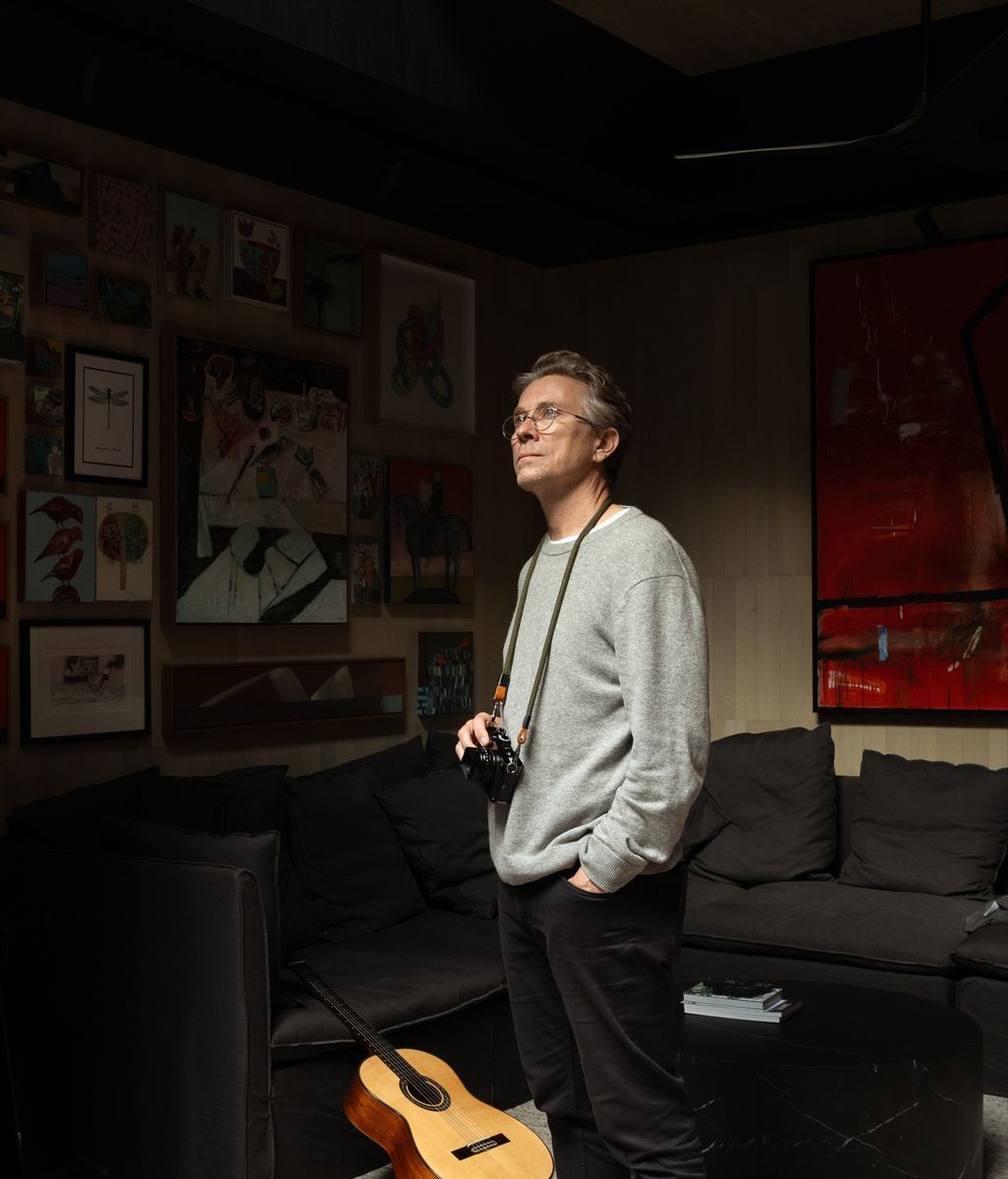
(L to R) Dan D'Agostino, Founding Principal of Westwood, New Jersey-based Plan Architecture, and Stuart Narofsky, Founding Principal of New York and Los Angeles-based Narofsky Architecture, both ArchiPro members, joined Matt Buckley, Managing Director North America at Foglizzo Leather for a conversation moderated by independent architecture and design writer and consultant Adrian Madlener at Foscarini's showroom in SoHo, New York. (Photo by SoHo Design District)

Two ArchiPro members took the stage in New York recently to take on one of the most overused words in luxury design: sustainability. Stuart Narofsky, Founding Principal of New York and Los Angeles-based Narofsky Architecture, and Dan D'Agostino, Founding Principal of Westwood, New Jersey-based Plan Architecture, joined Matt Buckley, Managing Director North America at Foglizzo Leather and a longtime furnishings industry leader. Moderated by independent architecture and design writer and consultant Adrian Madlener, the conversation took place at Italian lighting brand Foscarini's showroom as part of Soho Design District's year-round programming, and asked what sustainability actually means once the marketing is stripped away.

It is a timely question. Across luxury design, from residences to yachts, private jets and automobiles, "sustainability" now appears on speculative mega-mansions and non-recyclable "vegan" synthetics alike, and the more often it appears, the less it means. Narofsky and D'Agostino, who design homes at very different scales and in very different settings, brought a practitioner's view to the problem, and their shared conclusion was direct: environmental responsibility cannot be bought off the shelf, whether the badge in question is LEED or anything else.

The greenest building is often the one already standing

D'Agostino took aim at a familiar contradiction: tearing down an existing structure to build a new "green" residential compound. In his view, preservation is inherently more sustainable than replacement, and the industry's incentives should reflect that. He pointed to concrete policy tools, such as municipal rehabilitation subcodes, that could reward adaptive reuse over clearing a site and starting again.

Context over checklists

Narofsky questioned the use of rigid, one-size-fits-all energy standards such as Passive House when they are applied without regard to a site's specific conditions. Both architects argued for architecture's time-tested fundamentals: daylighting, solar orientation and natural cross-ventilation. Those principles, they suggested, often serve people and the planet better than heavily mechanized, sealed interiors built to satisfy regulatory checklists that can sacrifice human comfort along the way.

What "vegan" leather leaves out

Turning to the supply chain, Buckley unpacked the marketing around synthetic leather alternatives, noting how heavily many of them depend on plastic binders. Natural leather, by contrast, is an agricultural byproduct, and when produced under strict environmental regulation with full disclosure, it can last for a century. That longevity matters beyond the material itself: a piece people enjoy living with is a piece they keep, and prolonged use is one of the most effective forms of sustainability there is.

From slogans to measurable progress

The panel closed with a call for the design industry to trade empty slogans for measurable, incremental progress. That means speaking candidly about what has already been achieved over the past few decades, and about which globally agreed standards still need to be met.

The path forward they outlined is not glamorous, but it is practical: build for longevity, pursue policies that are both universal and adaptable to local conditions, use zoning incentives wisely and be honest about materials. If luxury design commits to that, it can move past performative ethics and toward genuine, long-term performance.

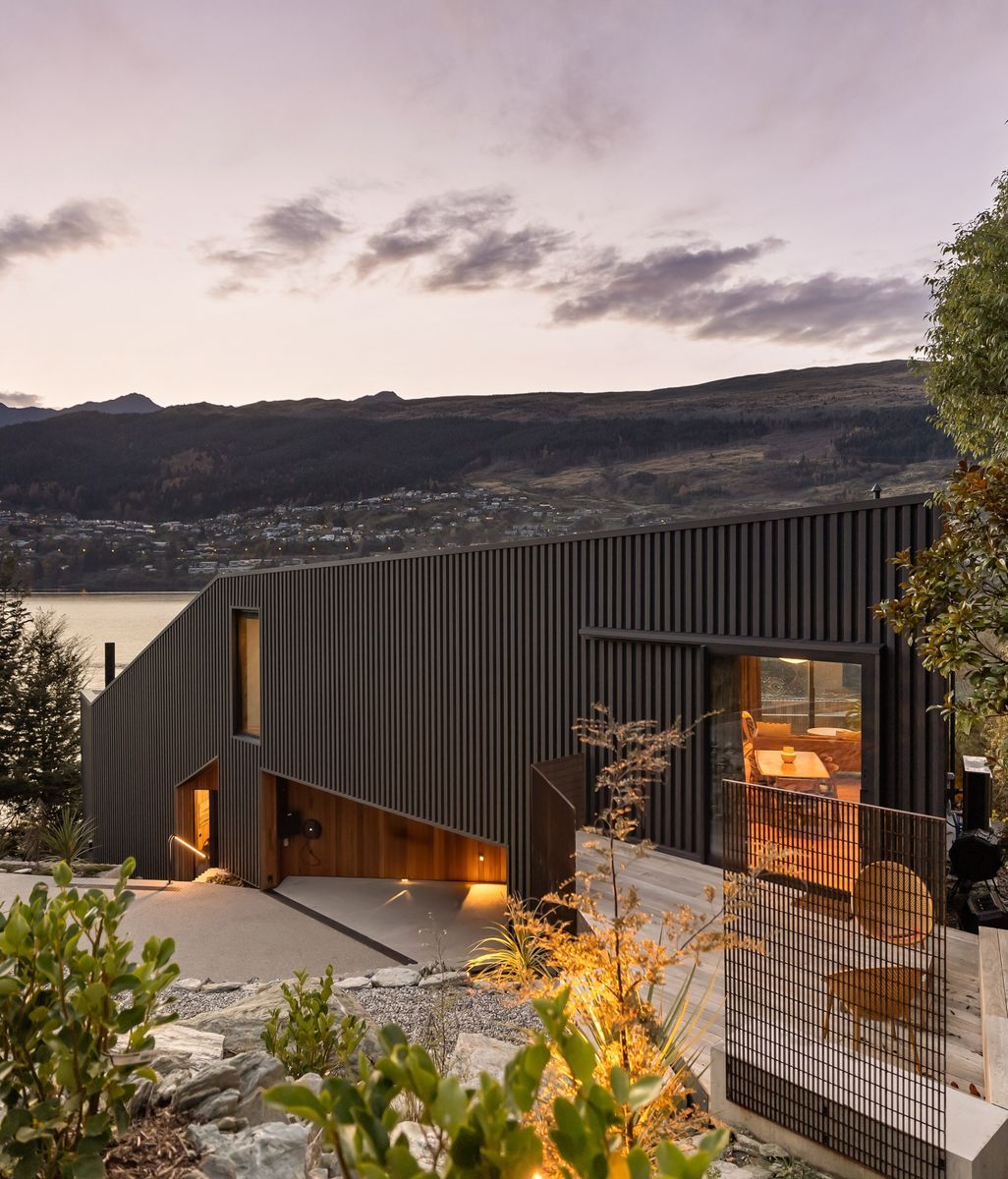
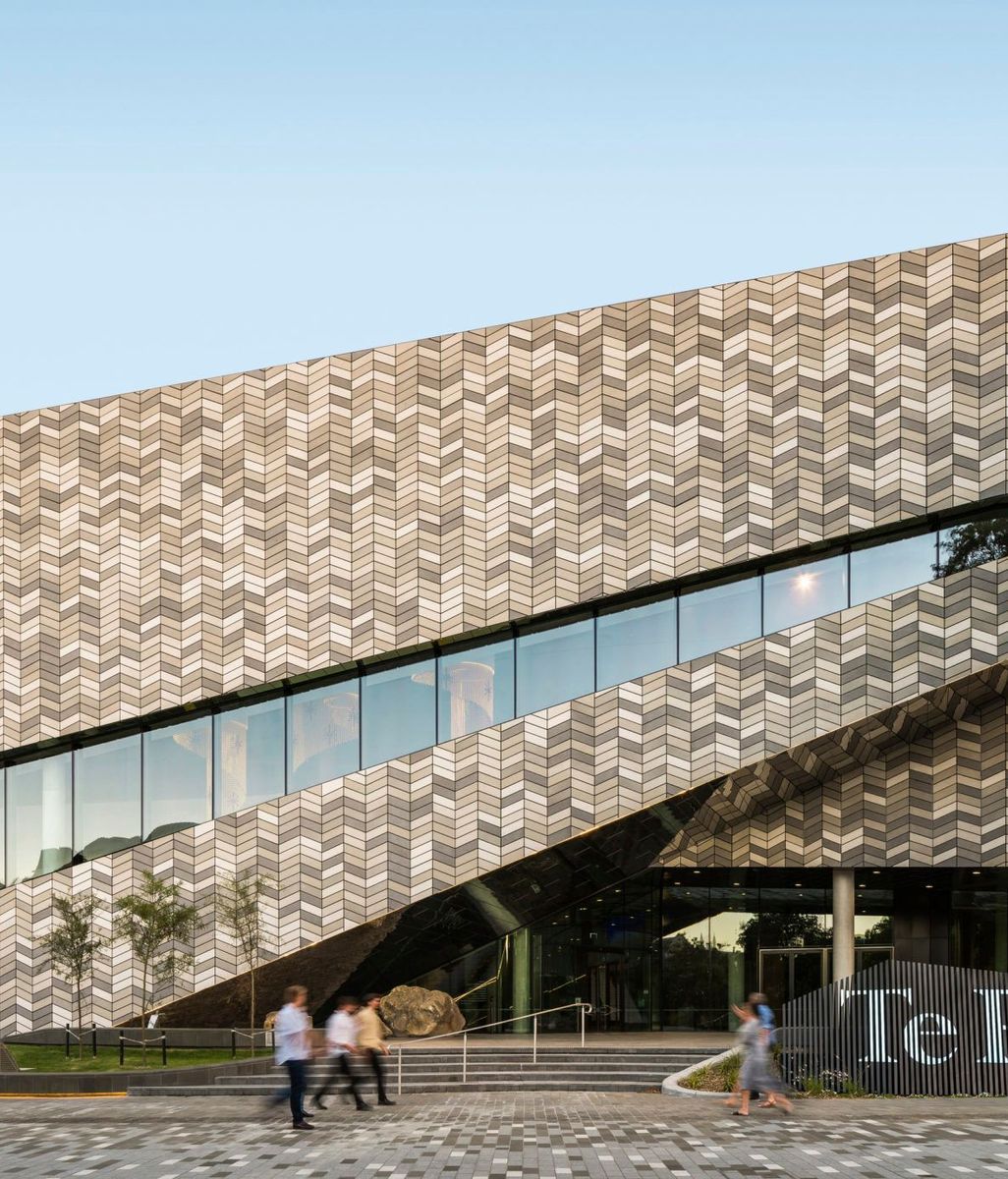
For Narofsky and D'Agostino, that philosophy is not theoretical. It shows up in the work. Explore their projects on ArchiPro: Narofsky Architecture and Plan Architecture.


Discover More Readingin Ideas & Perspectives

Discover More Readingin People & Practice

Next Article

Keep scrolling
The many moods of Faradays